Introduction
Implementing a robust STEMI alert system is essential for hospitals that seek to enhance emergency cardiac care. Effective protocols can significantly reduce treatment delays, which is crucial for saving lives and improving patient outcomes. However, establishing a successful STEMI alert system presents various challenges, including communication breakdowns and staff resistance.
To address these issues, what strategies can hospitals adopt to ensure seamless integration and optimal response during critical moments?
Understand the Importance of STEMI Alerts
STEMI (ST-Elevation Myocardial Infarction) notifications at a hospital play a crucial role in ensuring a rapid response to heart attack situations, enabling the delivery of timely care. Delays in treatment can lead to increased complications and higher mortality rates. Research indicates that mortality rates can drop from 10% to as low as 4.7% when effective alert systems are implemented. By prioritizing alerts at the hospital, healthcare professionals can cultivate a culture of urgency and preparedness within their institutions.
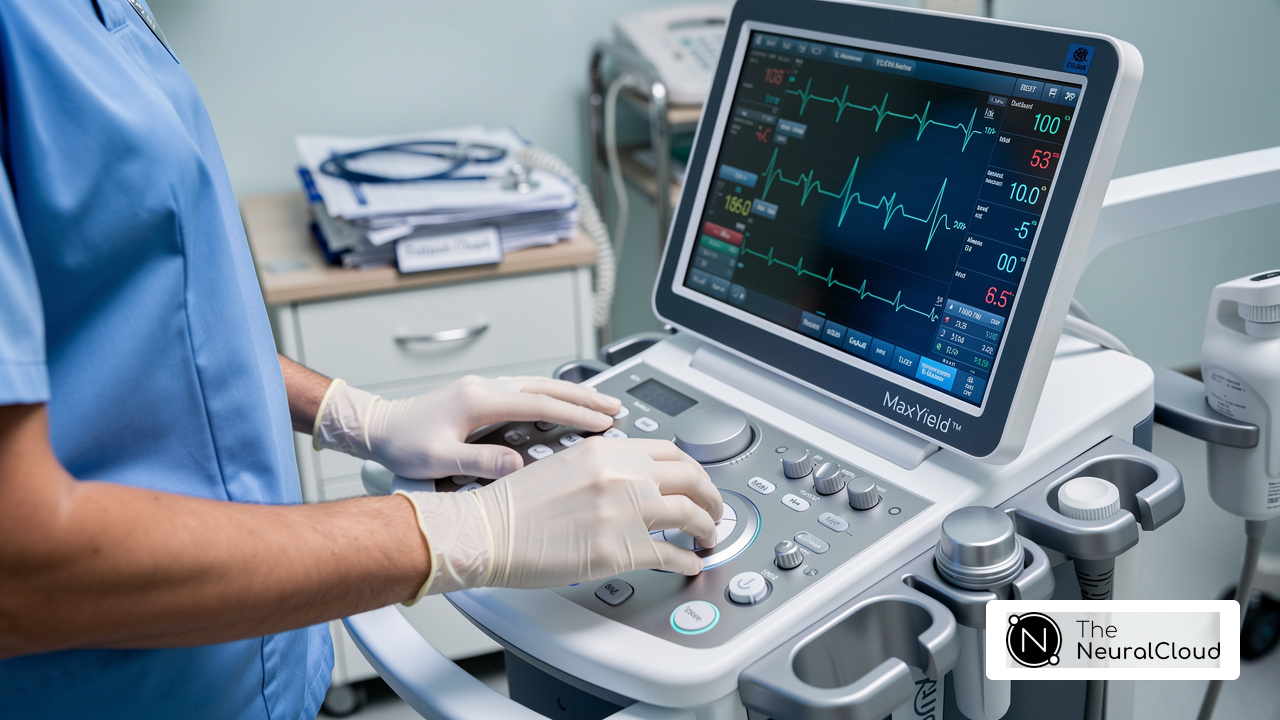
The platform, developed by Neural Cloud Solutions, addresses the challenges in emergency response by incorporating advanced technologies. This platform features real-time monitoring and automation, which significantly enhances the clarity of ECG recordings. MaxYield™ transforms lengthy and noisy ECG data into clean, crisp signals, allowing healthcare professionals to act swiftly and efficiently. This capability is essential for ensuring that patients receive the critical care they need without unnecessary delays.
The advantages of using MaxYield™ extend beyond improved diagnostics. By implementing organized protocols, healthcare institutions have established a streamlined response system, resulting in a notable reduction in treatment times. This proactive approach not only streamlines clinical workflows but also leads to better patient outcomes. The integration of MaxYield™ empowers healthcare professionals to respond effectively in high-pressure situations, ultimately enhancing the quality of care provided to patients.

Identify Key Components for Your STEMI Alert System
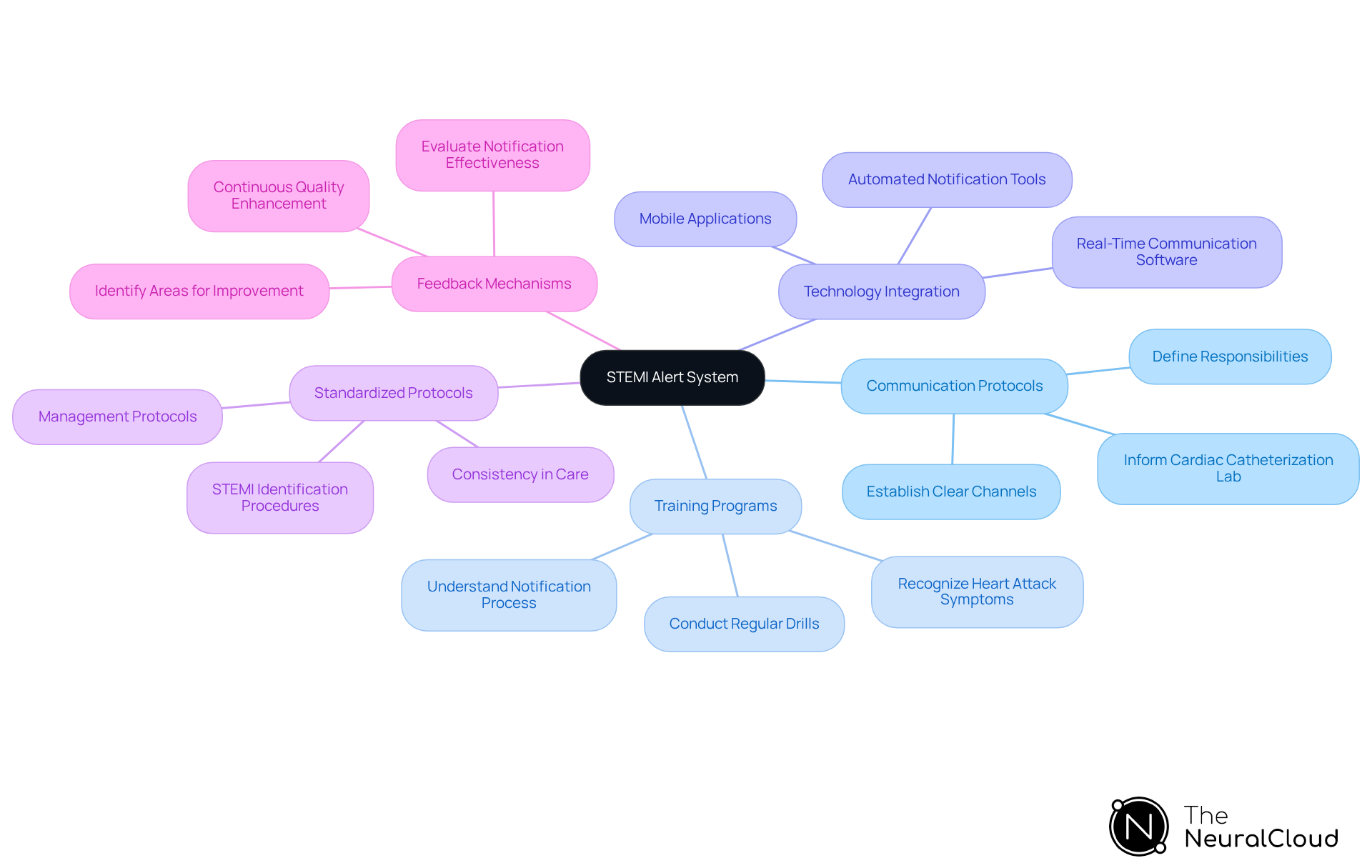
To implement an effective STEMI alert system, several key components must be identified and integrated:
- Establish clear communication channels between EMS, emergency departments, and cardiology groups. This includes procedures for informing the hospital's cardiac catheterization lab and ensuring all personnel understand their responsibilities during critical situations.
- Develop training initiatives for EMS personnel and hospital staff to recognize and understand the notification process. Regular drills can reinforce these protocols, ensuring everyone is prepared for the procedures.
- Utilize technology such as automated notification tools that promptly inform relevant groups when a heart attack is suspected. This may involve mobile applications or software that facilitate real-time communication, enhancing response times for the medical team.
- Create protocols for STEMI identification and management. This ensures that all team members follow the same procedures for activation and response in a timely manner, promoting consistency in care.
- Implement feedback processes to evaluate the effectiveness of the emergency notification procedure. This helps identify areas for improvement and ensures continuous quality enhancement in patient care.
Integrate the STEMI Alert System into Hospital Workflows
Integrating the STEMI alert system into hospital workflows involves several key steps:
- Assess Current Workflows: Evaluate existing workflows to determine how the system can be effectively incorporated. This assessment should involve input from all stakeholders, including emergency medical services (EMS), nursing staff, and cardiologists, ensuring a comprehensive understanding of current practices.
- Develop Protocols: Establish protocols that clearly outline the roles and responsibilities of each group member during a STEMI notification. These protocols should provide guidance on how to activate the alert and outline the necessary actions to be taken once it is activated, fostering a coordinated response.
- Utilize Technology: Implement technology solutions that enhance communication and coordination among team members. A centralized dashboard showing real-time information about incoming heart attack patients and their status can significantly enhance situational awareness and response times. This can be achieved by recognizing and tagging essential data, even in recordings with significant noise and artifact. This streamlines workflows and improves efficiency during heart attack notifications.
- Conduct Training Sessions: Arrange training sessions for all staff engaged in the emergency notification process. These sessions should highlight the significance of prompt responses, efficient use of technology, and compliance with specific protocols during a cardiac event, ensuring that all members are well-prepared.
- Monitor Effectiveness: After integration, continuously assess the effectiveness of the STEMI alert mechanism. Collect and analyze data on response times, patient outcomes, and team performance to identify areas for improvement. This ongoing assessment is crucial for ensuring that the framework operates as intended and achieves optimal results.
By following these steps, hospitals can enhance their heart attack response capabilities, particularly by establishing a robust system, ultimately improving patient outcomes and streamlining emergency care processes.

Troubleshoot Common Implementation Challenges
Implementing a STEMI alert system can present several challenges. Here are common issues and effective strategies to address them:
- Communication Breakdowns: To reduce misunderstandings during notifications, ensure all group members are well-trained on communication protocols. Regular reviews and practice sessions can reinforce these protocols, fostering a culture of clarity and responsiveness. Utilizing technology by providing real-time updates, ensuring that all team members are informed promptly.
- Resistance to Change: Involve staff in the planning process to mitigate resistance. Clearly convey the advantages of the new system and offer thorough training to enable a smoother transition. Engaging staff enhances buy-in and reduces apprehension about new protocols. Demonstrating how the system improves patient care can further encourage acceptance.
- Technical Issues: Work closely with IT departments to ensure that all technology essential to the emergency notification system functions smoothly. Schedule regular maintenance and updates to prevent technical failures that could hinder operations. MaxYield™ offers automated updates and support, which can help alleviate technical concerns.
- Inconsistent Protocols: Standardize protocols across all divisions participating in the alert system. This includes aligning guidelines for EMS, emergency departments, and cardiology teams to ensure a unified approach to patient care. MaxYield™ assists in maintaining consistency by providing standardized templates and protocols for all users.
- Data Management: Establish a robust data management system to track the outcomes of STEMI alert hospital notifications. Analyzing this data can reveal trends, highlight areas for improvement, and enhance the overall effectiveness of the alert system, ultimately leading to better patient outcomes. Implementing tools that streamline this process and improve decision-making.

Conclusion
Implementing a STEMI alert hospital system is crucial for improving emergency responses to heart attacks. By prioritizing timely notifications, healthcare institutions can significantly reduce treatment delays, ultimately saving lives and enhancing patient outcomes. The integration of advanced technology, such as the MaxYield™ platform, along with well-defined protocols and training, cultivates a culture of preparedness and efficiency within medical teams.
Key steps to establish a successful STEMI alert system include:
- Clear communication protocols
- Comprehensive training programs
- The use of technology for real-time alerts
Addressing common challenges like communication breakdowns and resistance to change ensures that all team members are aligned and competent in their roles during critical situations. Continuous evaluation and feedback mechanisms are essential for refining these systems and boosting overall effectiveness.
The importance of a robust STEMI alert system cannot be overstated. It streamlines emergency workflows and directly impacts patient survival rates and quality of care. Hospitals are encouraged to adopt these best practices and embrace necessary changes to optimize their response to cardiac emergencies. By committing to these protocols and leveraging advanced technologies, healthcare providers can profoundly impact the lives of patients experiencing a heart attack.
Frequently Asked Questions
What is the significance of STEMI alerts in hospitals?
STEMI alerts are crucial for ensuring a rapid response to heart attack situations, allowing for the swift activation of the cardiac care team. Timely intervention can significantly reduce myocardial damage and lower mortality rates.
How does timely intervention affect hospital mortality rates for STEMI patients?
Research shows that timely intervention can lower hospital mortality rates from 10% to as low as 4.7% when effective alert systems are implemented.
What is the MaxYield™ platform, and how does it improve ECG analysis?
The MaxYield™ platform, developed by Neural Cloud Solutions, enhances ECG analysis by incorporating advanced technologies such as gold standard noise filtering and automation, which improves the clarity of ECG recordings and transforms noisy data into clean signals.
What are the benefits of establishing organized heart attack protocols in hospitals?
Implementing organized heart attack protocols in a STEMI alert hospital leads to a reduction in major adverse cardiac events (MACE), streamlines clinical workflows, and improves patient outcomes.
How does the integration of MaxYield™ impact healthcare professionals' response in emergencies?
The integration of MaxYield™ empowers healthcare professionals to respond effectively in high-pressure situations, ultimately enhancing the quality of care provided to patients.
List of Sources
- Understand the Importance of STEMI Alerts
- Memorable Cardiology Quotes | TheKnowHow Blog (https://theknowhow.ae/memorable-cardiology-quotes-heart)
- dovepress.com (https://dovepress.com/code-stemi-program-improves-clinical-outcome-in-st-elevation-myocardia-peer-reviewed-fulltext-article-OAEM)
- tctmd.com (https://tctmd.com/news/delays-stemi-cardiogenic-shock-care-come-cost-danger-shock)
- Integrate the STEMI Alert System into Hospital Workflows
- bmjopenquality.bmj.com (https://bmjopenquality.bmj.com/content/10/4/e001519)
- ahajournals.org (https://ahajournals.org/doi/10.1161/jaha.116.003528)
- pmc.ncbi.nlm.nih.gov (https://pmc.ncbi.nlm.nih.gov/articles/PMC10978212)
- detar.com (https://detar.com/news-room/successful-stemi-drill-with-cuero-regional-hospita-21199)
- Best Health Expert Quotes - Physician-Patient Alliance for Health & Safety (https://ppahs.org/best-health-expert-quotes)
- Troubleshoot Common Implementation Challenges
- pmc.ncbi.nlm.nih.gov (https://pmc.ncbi.nlm.nih.gov/articles/PMC11994590)
- AI-ECG Finds STEMI Faster, Cuts False-Positive Cath Lab Activations (https://tctmd.com/news/ai-ecg-finds-stemi-faster-cuts-false-positive-cath-lab-activations)
- jointcommission.org (https://jointcommission.org/en-us/knowledge-library/news/2024-08-reducing-handoff-communication-failures-and-inequities-in-healthcare)