Introduction
In the high-stakes realm of cardiac care, the ability to swiftly and accurately diagnose ST elevation myocardial infarction (STEMI) can mean the difference between life and death. Healthcare professionals face significant challenges due to noise and variability in ECG analysis, making it essential to master complex diagnostic criteria. The American College of Cardiology and the European Society of Cardiology have established critical guidelines to aid in this process.
This article explores the seven essential criteria for diagnosing STEMI, emphasizing how advancements in automated ECG analysis, such as Neural Cloud Solutions' MaxYield™ platform, enhance diagnostic accuracy and improve patient outcomes. Clinicians are encouraged to leverage technology to mitigate the risks of misdiagnosis and ensure timely interventions in critical situations.
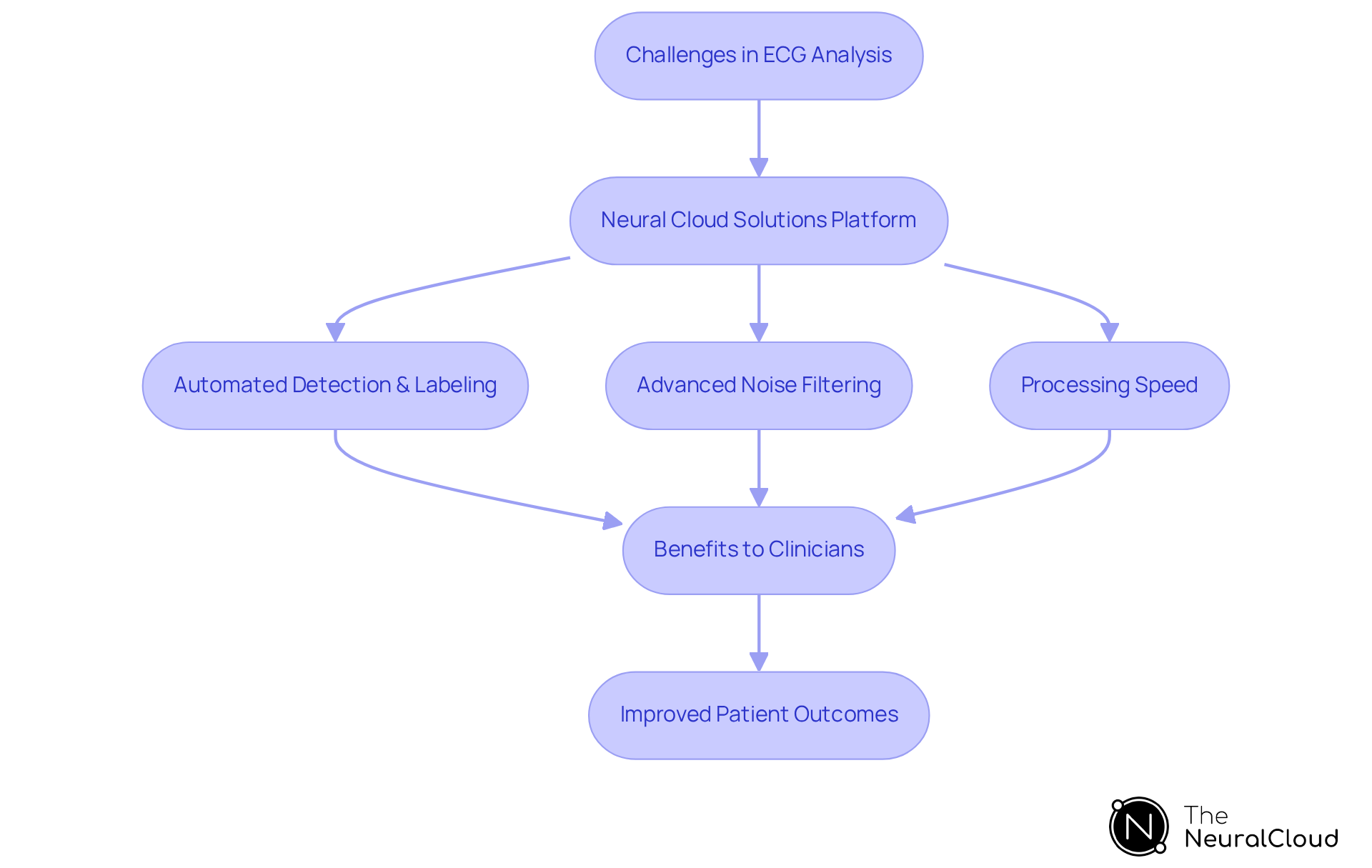
Neural Cloud Solutions: MaxYield™ for Automated ECG Analysis
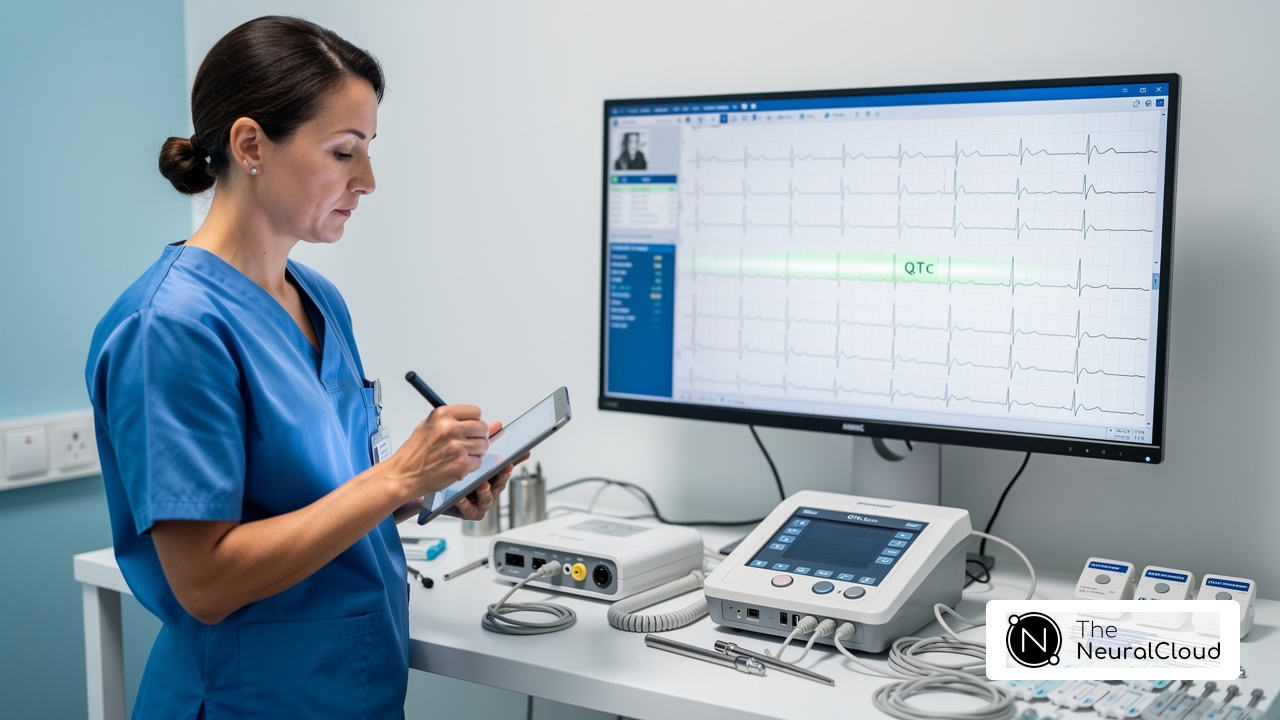
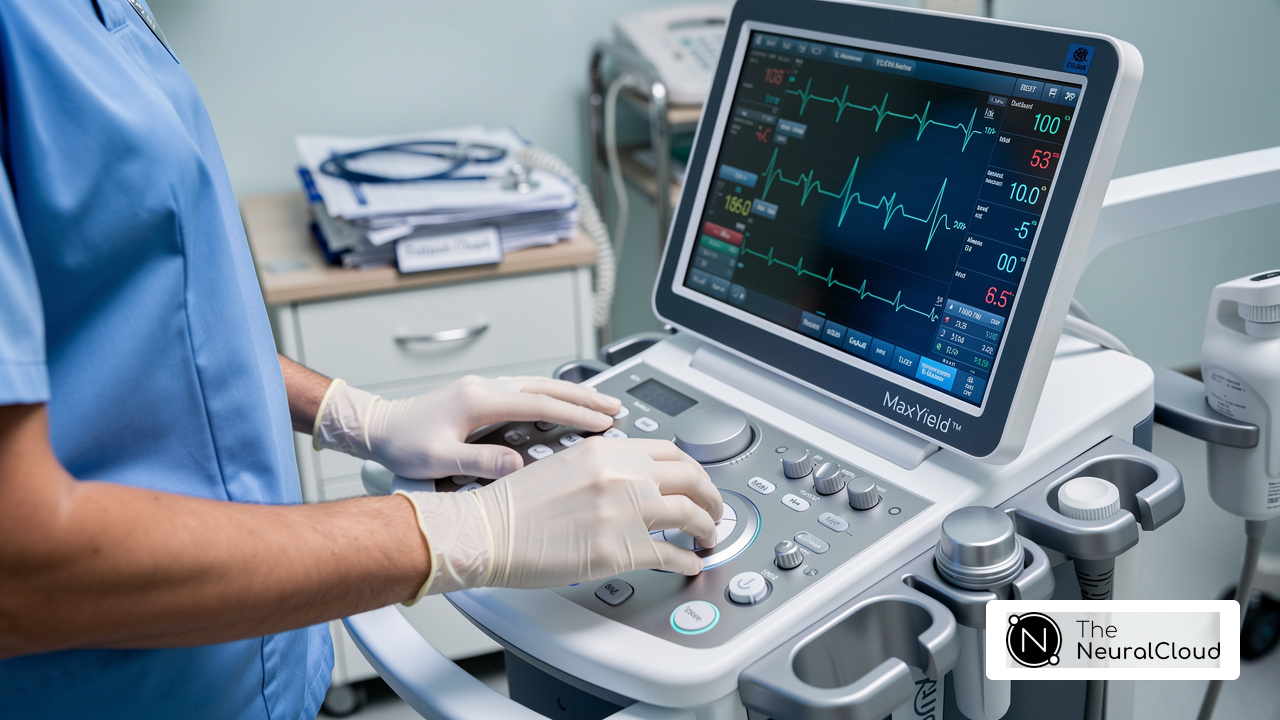
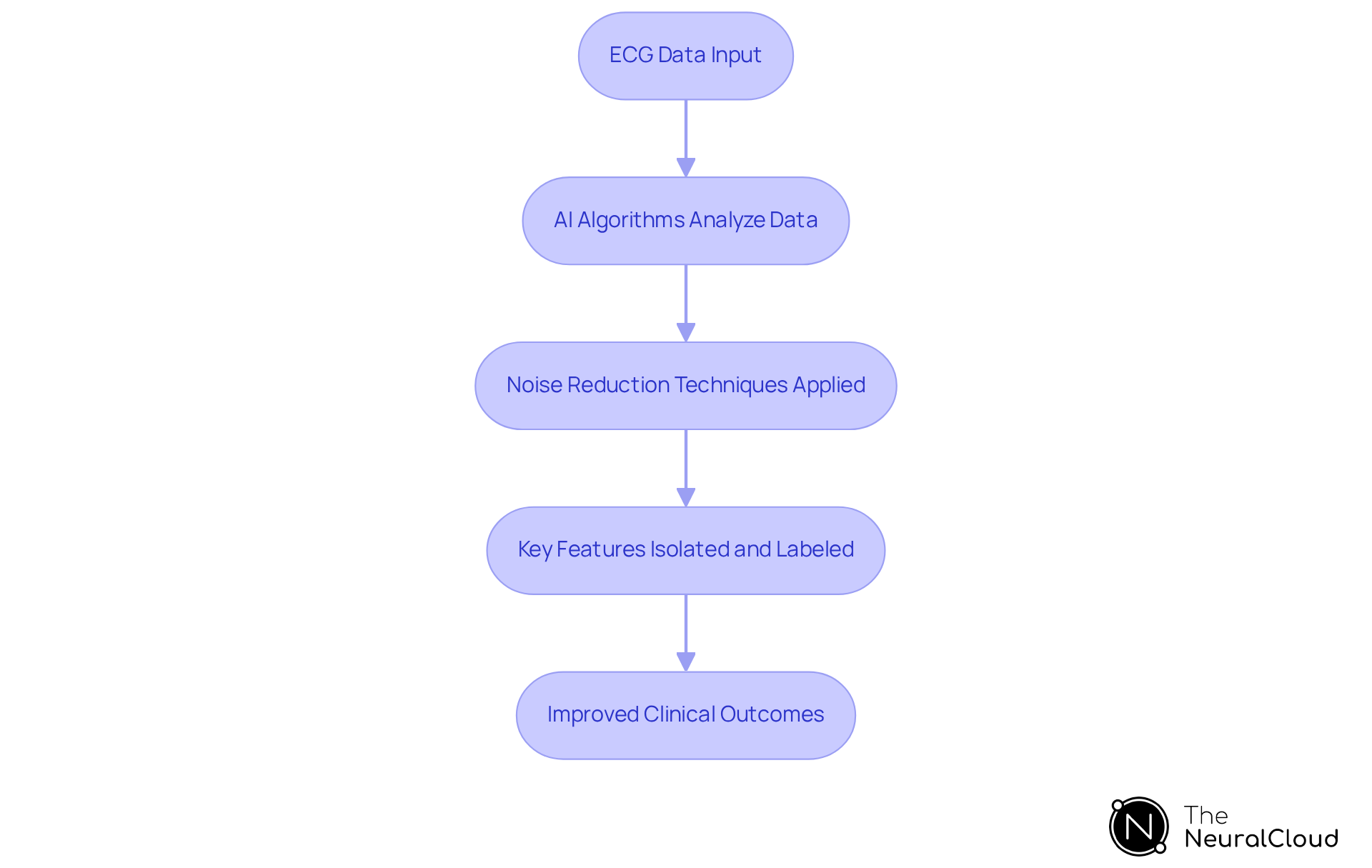
The challenges in ECG analysis often stem from the complexity of interpreting data amidst noise and variability. The Neural Cloud Solutions platform addresses these issues by automating the detection and labeling of heart rhythms. This innovative technology utilizes advanced algorithms and artifact handling, processing over 200,000 heartbeats in under five minutes. By isolating and labeling key features such as P-waves, QRS complexes, and T-waves, the system empowers clinicians to swiftly identify signs of heart attacks, even in recordings with high levels of noise and physiological variability.
The platform's continuous learning model significantly enhances accuracy and efficiency. This ensures that healthcare professionals can depend on precise data for diagnosis. The ability to quickly analyze data not only streamlines workflows but also provides clear, actionable insights. Ultimately, this system contributes to improved patient outcomes, allowing for better management of critical situations.
In summary, the Neural Cloud Solutions platform revolutionizes ECG analysis by offering a robust solution that meets the demands of modern healthcare. Its features directly address the challenges faced by clinicians, providing them with the tools needed to effectively respond to emergencies.
American College of Cardiology: Key STEMI Diagnostic Guidelines
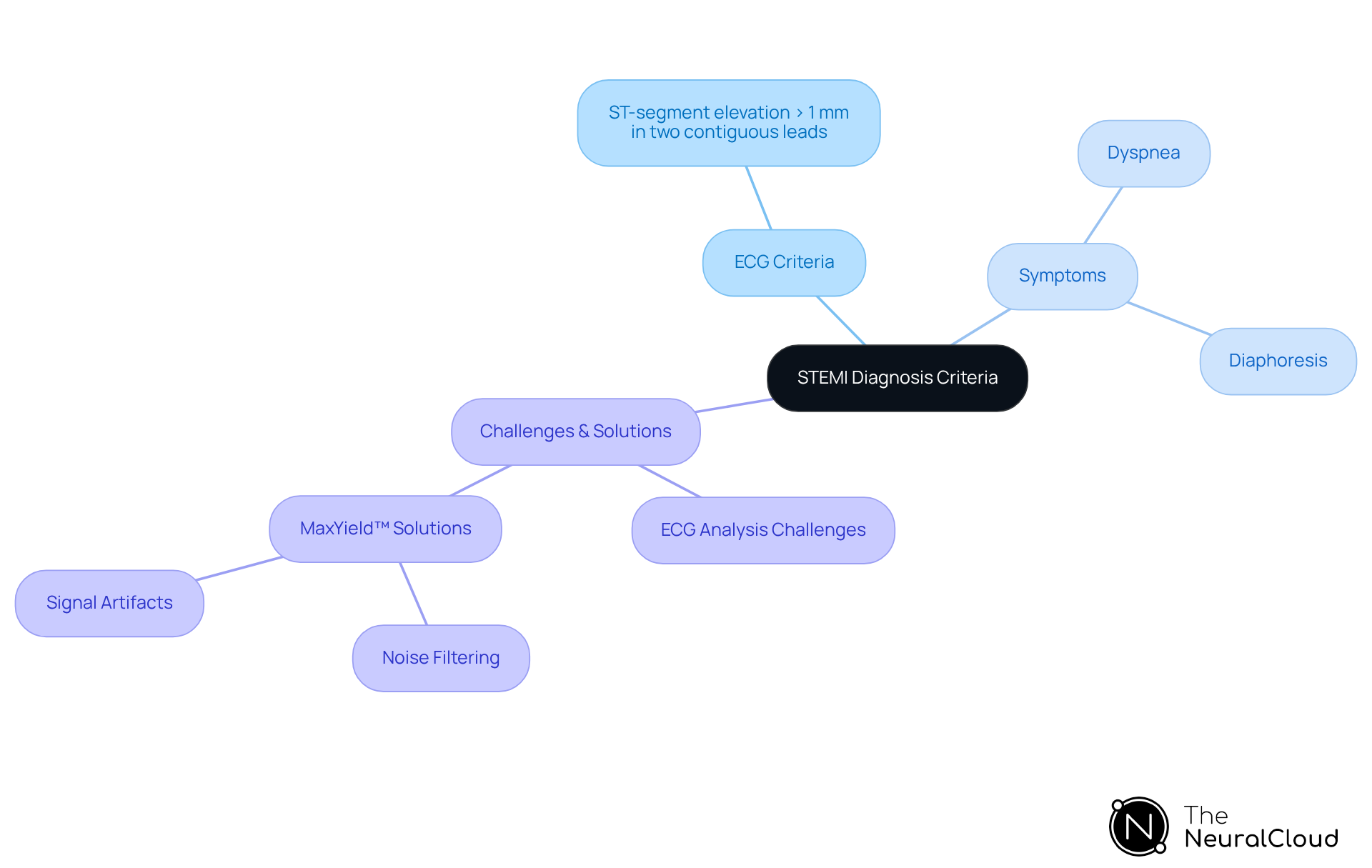
The American College of Cardiology (ACC) outlines essential guidelines for the diagnosis of STEMI, emphasizing the necessity of early recognition and prompt reperfusion therapy. Key diagnostic criteria for the diagnosis of STEMI include the identification of ST-segment elevation in two contiguous leads, coupled with clinical symptoms such as chest pain. However, challenges in ECG analysis persist, including misinterpretation of results, which can hinder accurate diagnosis.
Integrating Neural Cloud Solutions' technology addresses these challenges effectively. The platform features advanced algorithms and distinct wave recognition, which convert noisy ECG recordings into actionable insights. This capability enhances diagnostic accuracy by mitigating the impact of signal artifacts and physiological variability.
The advantages of using MaxYield™ are significant for healthcare professionals. By providing clearer ECG data, clinicians can make informed decisions, which is vital in emergency settings. This not only improves patient outcomes but also streamlines the workflow, allowing for timely interventions.
European Society of Cardiology: Essential STEMI Criteria
The European Society of Cardiology (ESC) outlines the criteria for diagnosing STEMI, which include significant ST-segment elevation on the ECG, typically greater than 1 mm in two contiguous leads. Additionally, the presence of symptoms such as dyspnea or diaphoresis can support the diagnosis. The criteria are vital for ensuring that patients receive prompt and appropriate treatment, thereby reducing the risk of complications. However, challenges in ECG analysis can hinder accurate diagnosis.
MaxYield™ enhances the efficiency of ECG analysis. It employs sophisticated noise filtering and distinct wave recognition to improve accuracy, even in recordings affected by high levels of noise and artifacts. This feature ensures that healthcare professionals can rely on clear readings, facilitating timely decision-making.
Furthermore, MaxYield™ effectively tackles the issues of misinterpretation. By providing clear and accurate ECG readings, it allows healthcare professionals to make informed decisions swiftly. The integration of this platform ultimately leads to improved patient outcomes and a reduction in the risk of complications associated with delayed diagnoses.
ECG Criteria: Fundamental Indicators of STEMI
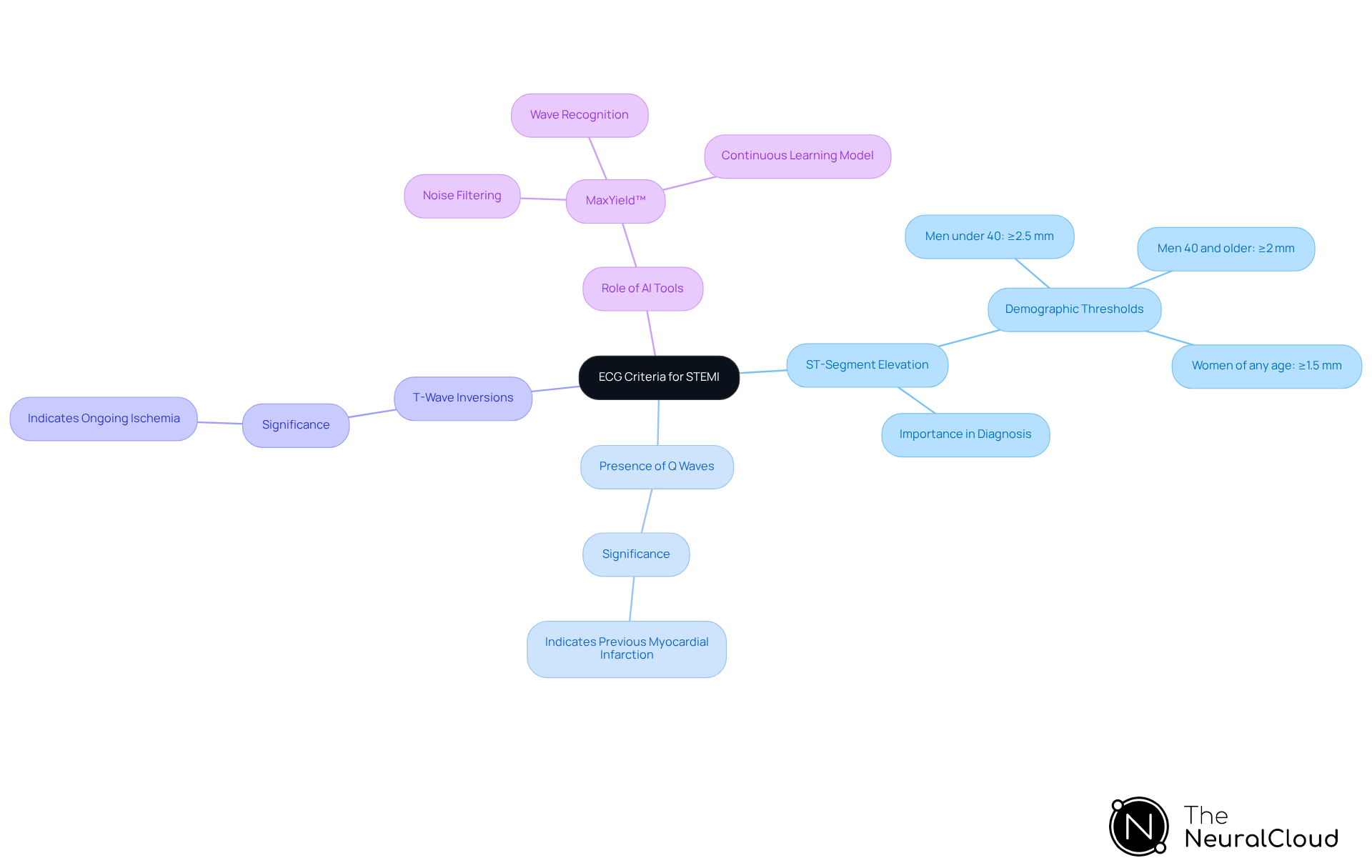
Key ECG criteria for diagnosing STEMI encompass:
- ST-segment elevation
- The presence of Q waves
Among these, ST-segment elevation stands out as the most critical indicator, typically observed in leads corresponding to the affected coronary artery. For instance, leads V2-V3 have specific elevation thresholds based on demographics: men under 40 require ≥2.5 mm, while women of any age need ≥1.5 mm. Clinicians must be adept at recognizing these changes, as guidelines recommend ECG interpretation within 10 minutes of contact, as delays can significantly elevate morbidity and mortality rates.
The significance of Q waves further emphasizes their role in STEMI detection. Q waves often signify previous myocardial infarction, whereas their absence can indicate a current event. Real-world examples highlight this: in patients with acute coronary syndrome, the presence of Q waves alongside ST-segment elevation can enhance diagnostic accuracy, guiding urgent interventions.
In practice, the integration of artificial intelligence has shown promise in improving the identification of these essential ECG changes. AI systems and distinct wave recognition capabilities facilitate the rapid isolation of ECG waves even in recordings affected by significant noise and artifacts. This adaptability is further augmented by its learning algorithm, which evolves with each use to enhance accuracy over time. Studies indicate that AI-driven algorithms can achieve a sensitivity of 80.6%, significantly surpassing traditional methods and ultimately leading to better outcomes for patients.
Reperfusion Therapy Criteria: Timeliness in STEMI Management
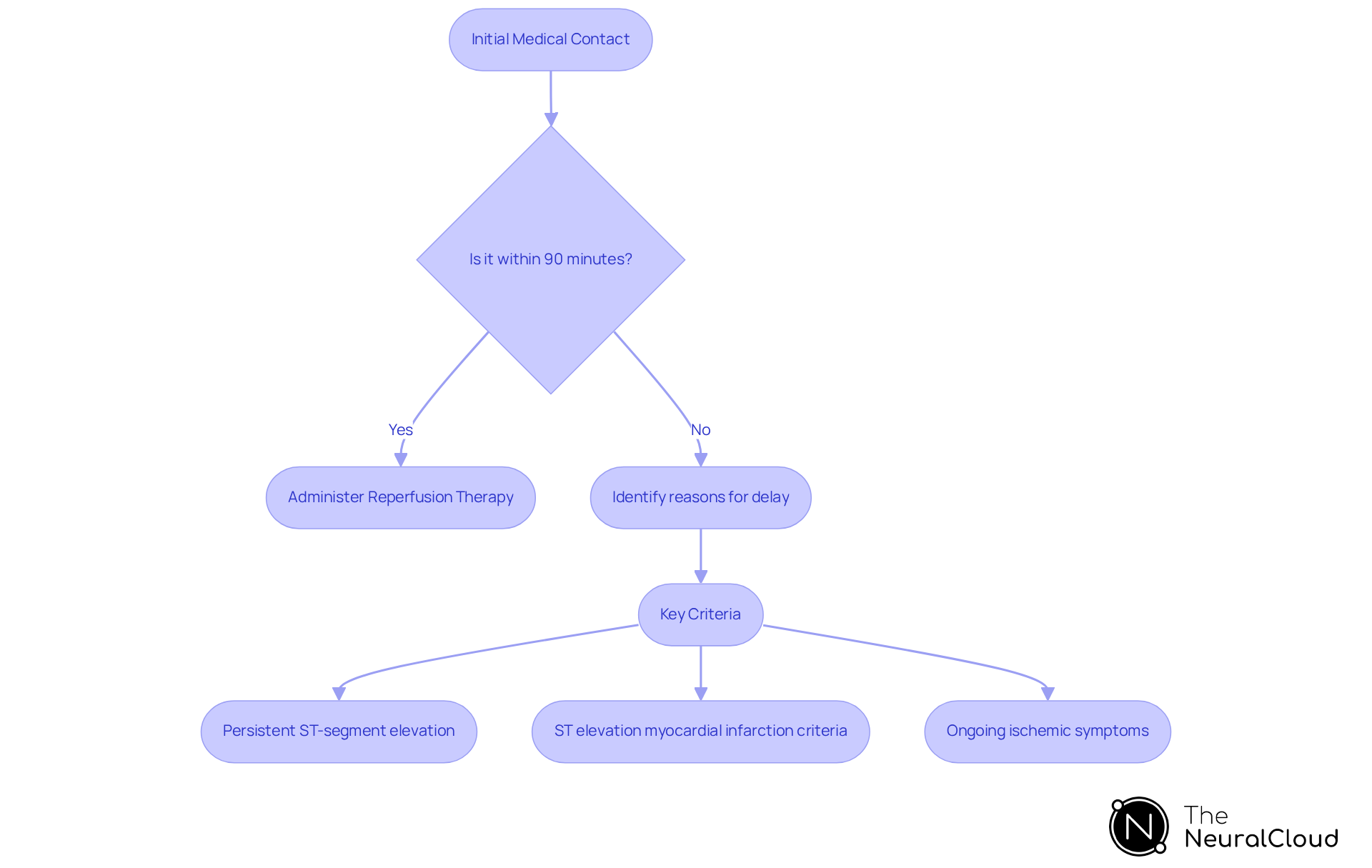
Reperfusion therapy is crucial for individuals experiencing STEMI. The American College of Cardiology advises that treatment should begin within 90 minutes of initial medical contact to enhance outcomes for individuals. Key criteria for reperfusion include:
- Persistent chest pain
- The presence of ST elevation
- Ongoing ischemic symptoms
Rapid identification and treatment can significantly enhance recovery, as studies indicate that timely intervention leads to improved survival rates.
For instance, only 59.5% of patients presenting to PCI-capable centers received treatment within the recommended 90 minutes, underscoring the need for improved adherence to these guidelines. Furthermore, the ACC emphasizes that meeting these timeframes is crucial not only for patient outcomes but also for long-term health results. This reinforces the significance of prompt action in STEMI management.
Differentiating STEMI from Other Myocardial Infarctions
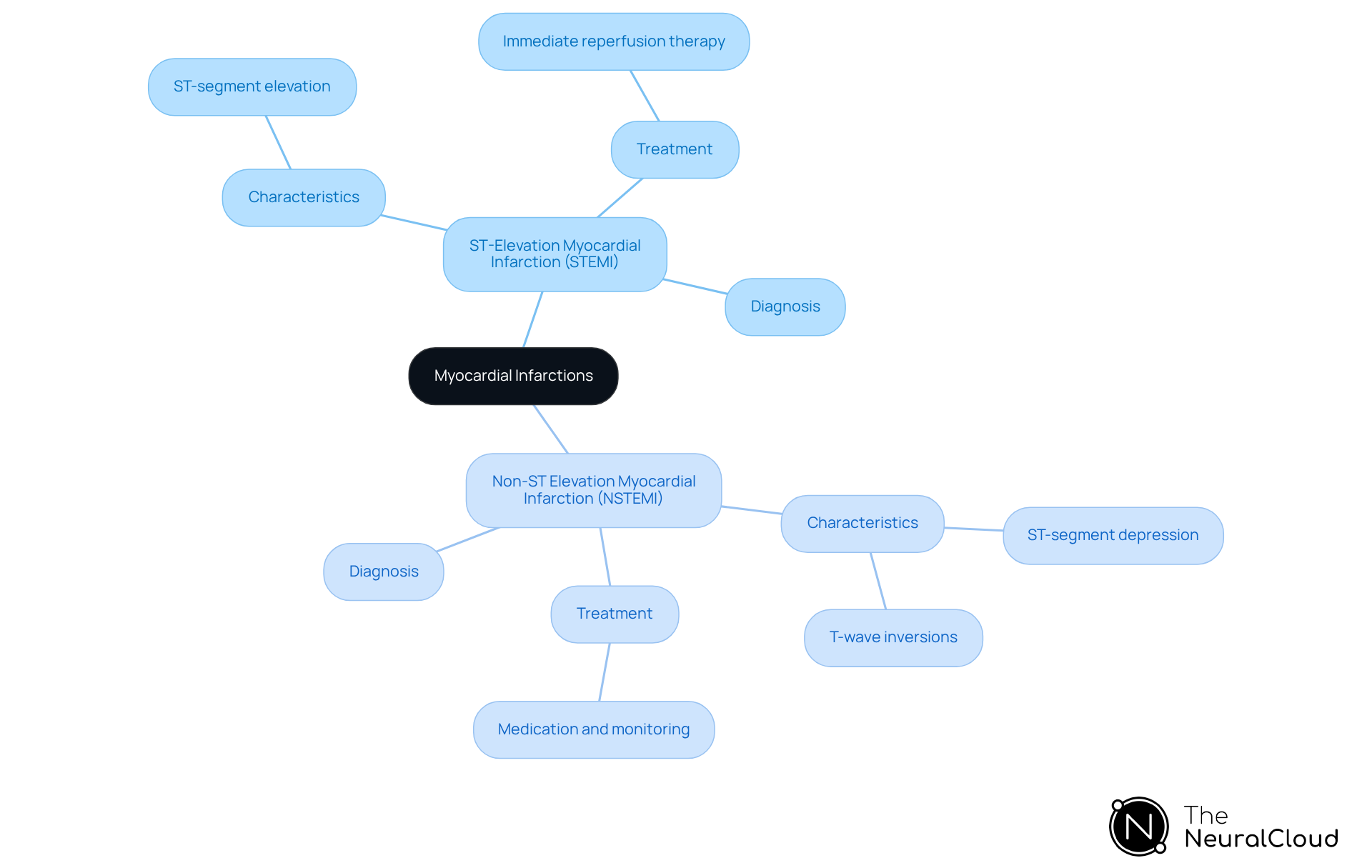
Distinguishing ST-Elevation Myocardial Infarction (STEMI) from other types of myocardial infarctions, such as Non-ST Elevation Myocardial Infarction (NSTEMI), is crucial for making informed treatment decisions. STEMI is characterized by ST-segment elevation, whereas NSTEMI may present with ST-segment depression or T-wave inversions. Accurate diagnosis is essential because the treatment protocols typically require immediate intervention, while NSTEMI can often be managed with medication and monitoring.
The diagnostic platform revolutionizes ECG analysis by transforming noisy ECG recordings into clear data. This platform effectively filters out noise and recognizes distinct ECG waves, enhancing the clarity and speed of ambulatory waveform processing. As a result, critical data is accurately identified and labeled, which is vital for healthcare professionals in diagnosing and treating patients.
Users have praised the system for its ability to salvage previously obscured sections of lengthy recordings. Its algorithm continuously evolves with each use, improving its accuracy and efficiency. This adaptability ensures that healthcare providers can rely on the system for precise analysis, ultimately leading to better patient outcomes.
Artificial Intelligence: Enhancing ECG Analysis for STEMI Detection
Artificial intelligence is transforming healthcare, significantly enhancing the diagnosis. The integration of advanced AI algorithms allows healthcare professionals to analyze data, revealing patterns that may be missed by human interpreters. The MaxYield™ platform exemplifies this innovation, providing a solution that accommodates recordings from any 1-lead or 3-lead device.
MaxYield™ employs technology, effectively mapping ECG signals through noise to isolate and label key features in every heartbeat. This platform can process 200,000 heartbeats in under 5 minutes, leading to improved outcomes for patients, as timely intervention is crucial in managing the condition.
The incorporation of AI into diagnostics signifies a move towards more efficient and reliable diagnostic processes. By enhancing the accuracy and speed of analysis, both clinicians and patients benefit from a system that supports better decision-making.
STEMI Mimics: Identifying False Positives in Diagnosis
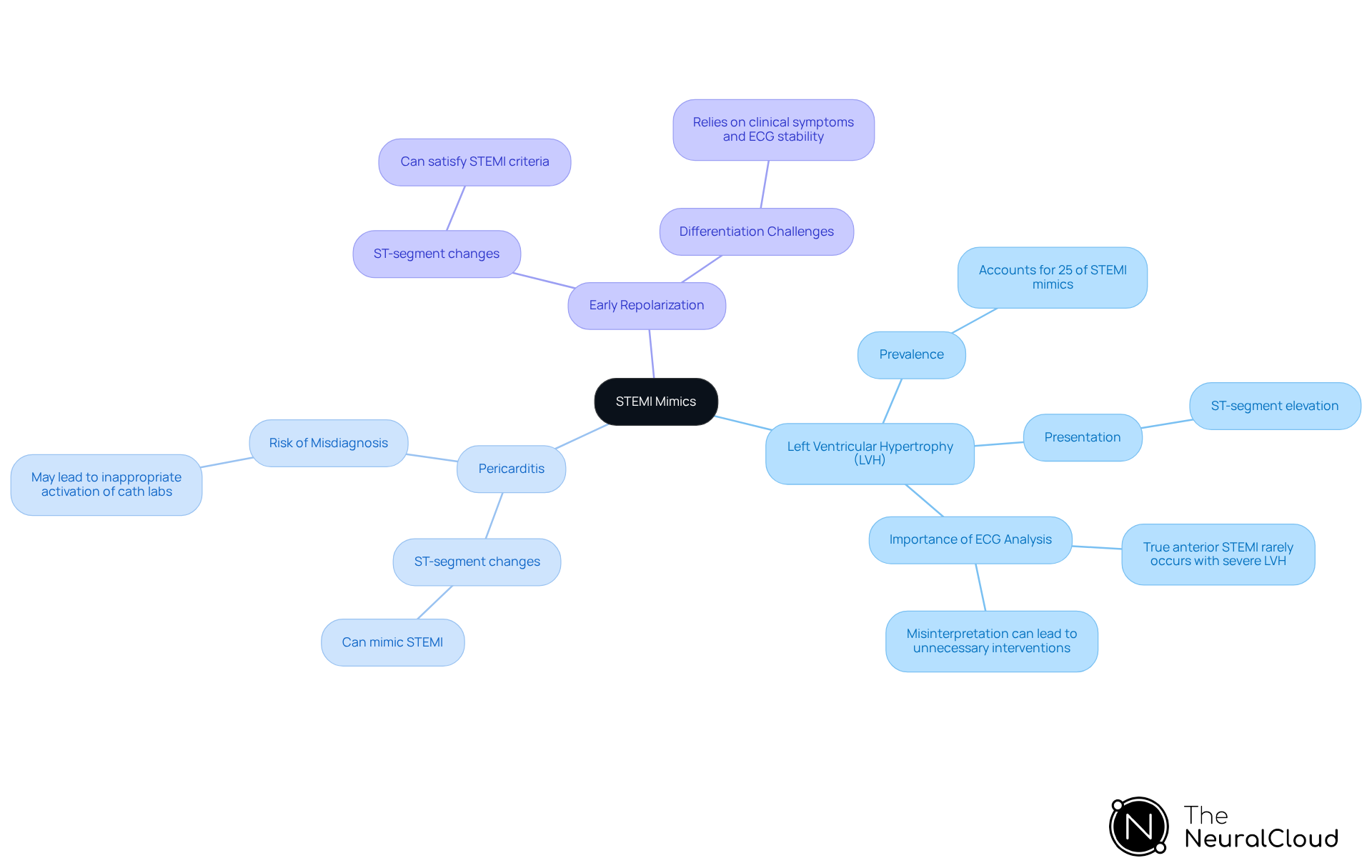
Conditions such as pericarditis, early repolarization, and left ventricular hypertrophy complicate the diagnosis of acute myocardial infarction. Clinicians must remain vigilant to avoid false positives that can lead to unnecessary interventions. Left ventricular hypertrophy, for instance, is the most frequent mimic of this type of heart attack, accounting for about 25% of instances. It often presents with ST-segment elevation, which can easily be mistaken for true myocardial infarction if not carefully evaluated. Research indicates that genuine anterior myocardial infarction rarely occurs in individuals with severe left ventricular hypertrophy, highlighting the importance of precise diagnosis.
Neural Cloud Solutions' technology enhances ECG analysis through advanced algorithms and distinct wave recognition capabilities. This technology allows for the rapid isolation of ECG waves from recordings affected by baseline wander, movement, and muscle artifact—common challenges in ECG interpretation. By leveraging this cutting-edge AI technology, clinicians can automate the labeling process, significantly reducing workload and improving diagnostic accuracy.
Moreover, conditions such as pericarditis and early repolarization can produce ST-segment changes that may satisfy the criteria for myocardial infarction. The prevalence of these mimics underscores the necessity for healthcare professionals to recognize these conditions and their look-alikes, particularly in relation to patient assessment. Misdiagnosis due to these mimics can lead to inappropriate activation of cardiac catheterization labs, as evidenced by a study that found a 34% misdiagnosis rate primarily due to ECG misinterpretations. Identifying these conditions is vital for effective management and ensuring timely treatment. Clinicians should routinely review ECG findings in the context of patient history and clinical presentation to minimize the risk of misdiagnosis. Implementing MaxYield™ can further enhance this process, as its algorithms evolve with each use to improve accuracy and efficiency.
Continuous Education: Staying Updated on STEMI Criteria
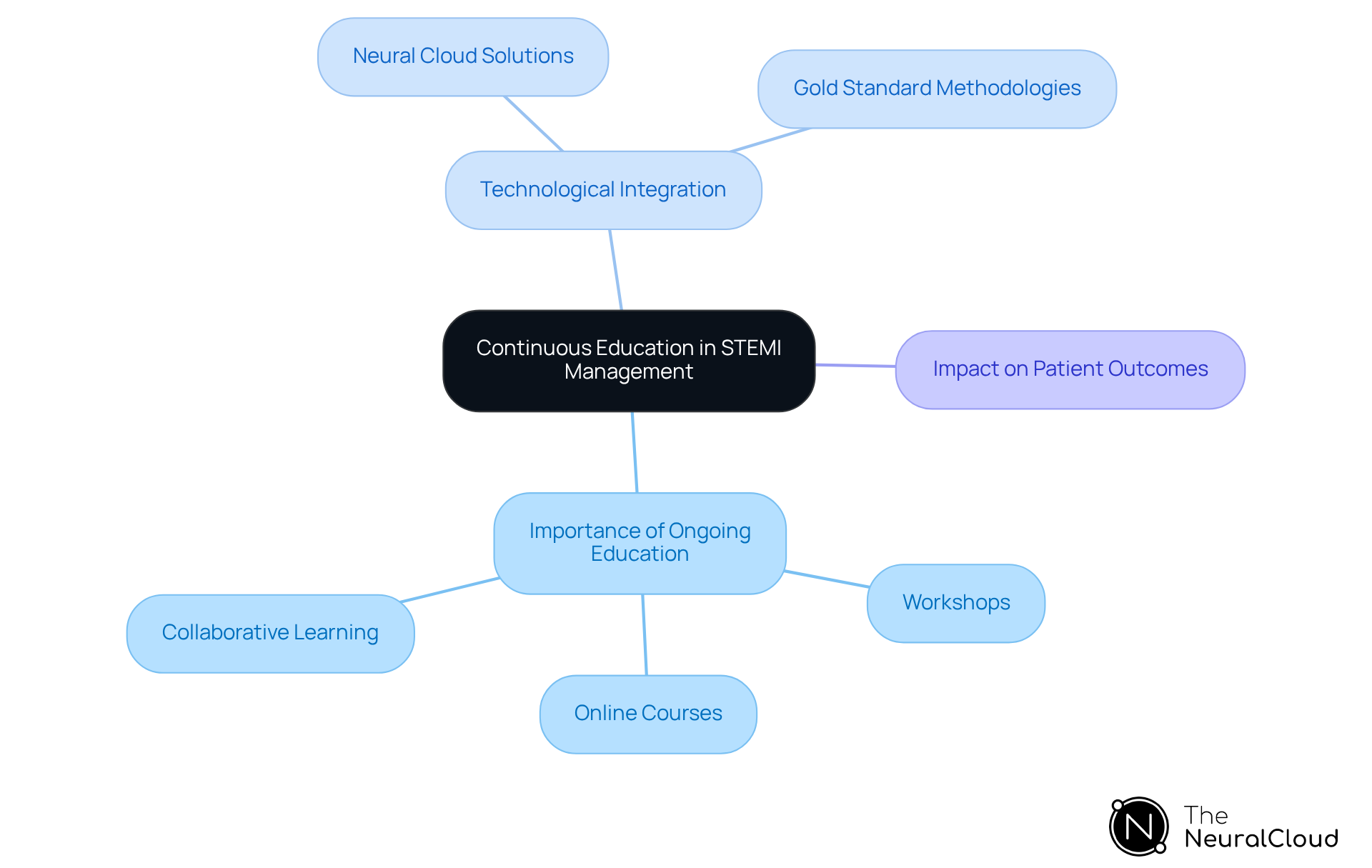
for healthcare professionals involved in heart attack management. Regular updates on the latest guidelines and protocols are essential for delivering optimal patient care. Recent studies indicate that delays in reperfusion are critical; for instance, each 30 minutes of delay in reperfusion is associated with a 7.5% increase in the relative risk of 1-year mortality. This underscores the need for clinicians to be well-versed in current practices. Engaging in workshops and conferences has shown to be beneficial in professional development. Initiatives concentrating on swift electrocardiographic acquisition and analysis have been associated with reduced reperfusion durations and decreased mortality rates from myocardial infarction. As noted, rapid electrocardiographic acquisition and interpretation is required for the identification of ST elevation myocardial infarction. Participating in online courses and collaborative learning settings further enables professionals to adjust to changing standards and technologies, ultimately resulting in improved outcomes for those they serve. Additionally, to address disparities in acute coronary syndrome management, ensuring that all patients receive timely interventions is crucial.
Leveraging advanced technologies like MaxYield™ platform can enhance ECG analysis by transforming noisy recordings into clear signals, streamlining workflows, and automating repetitive tasks. This integration of technology improves clarity and speed in ambulatory ECG waveform analysis. It also equips healthcare professionals with the tools necessary to meet the challenges of modern cardiology. Testimonials from users emphasize the effectiveness of the platform, showcasing its role in enhancing diagnostic accuracy and workflow efficiency. Furthermore, the resources employed by MaxYield™ ensure that healthcare professionals are equipped with the best practices for patient care.
Interdisciplinary Collaboration: A Key to Effective STEMI Management
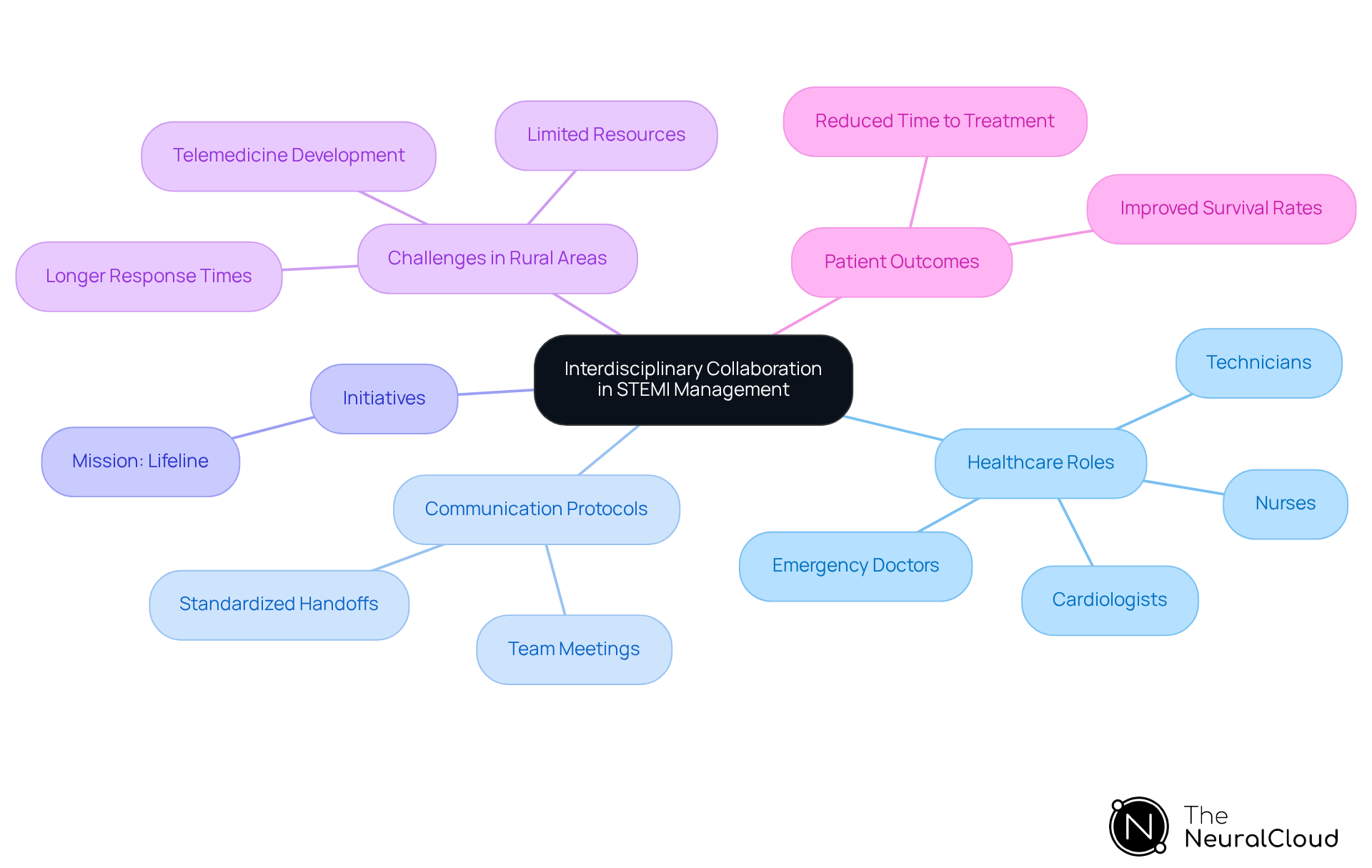
Interdisciplinary collaboration is essential for effective management, uniting cardiologists, emergency doctors, nurses, and technicians to ensure prompt and comprehensive care. A team approach to management of heart attacks, enhancing the overall experience for patients receiving care.
Implementing best practices, such as standardized handoff procedures and regular team meetings, fosters collaboration and reduces the risk of miscommunication. For instance, the Mission: Lifeline initiative demonstrated that collaborative efforts significantly improved survival rates and reduced time to treatment for patients who meet the criteria.
Moreover, studies indicate that by involving EMS personnel is a Class 1B recommendation, highlighting the importance of teamwork in prehospital settings. By prioritizing communication, healthcare teams can optimize workflows and ultimately enhance patient outcomes in emergency situations.
Conclusion
The accurate diagnosis of ST elevation myocardial infarction (STEMI) is crucial for timely and effective treatment. The integration of advanced technologies, such as Neural Cloud Solutions' MaxYield™ platform, represents a significant leap forward in this field. This innovative tool automates ECG analysis and enhances the clarity of critical cardiac data, effectively addressing the challenges posed by noise and variability in ECG recordings. As a result, healthcare professionals are empowered to make well-informed decisions quickly.
Throughout the article, key criteria for diagnosing STEMI have been highlighted. These include:
- The importance of recognizing ST-segment elevation in contiguous leads
- Understanding the implications of various ECG changes
- The necessity of timely reperfusion therapy
Furthermore, the role of artificial intelligence in improving ECG analysis accuracy, along with the significance of continuous education and interdisciplinary collaboration, has been emphasized. Collectively, these elements underscore the need for healthcare providers to be equipped with the latest tools and knowledge to respond effectively to acute cardiac events.
In light of these insights, it is imperative for healthcare professionals to embrace ongoing education and advanced technologies that can transform cardiac care. By prioritizing accurate ECG interpretation and fostering collaboration among medical teams, the healthcare community can significantly improve the management of STEMI. This ultimately leads to better patient outcomes and reduced mortality rates. The future of cardiac care lies in the integration of innovative solutions and a commitment to excellence in clinical practice.
Frequently Asked Questions
What challenges does ECG analysis face?
ECG analysis faces challenges such as complexity in interpreting data amidst noise and physiological variability, which can hinder accurate diagnosis.
How does Neural Cloud Solutions' MaxYield™ platform improve ECG analysis?
MaxYield™ automates the detection and labeling of critical cardiac features, utilizes advanced noise filtering and artifact handling, and processes over 200,000 heartbeats in under five minutes to provide clear, actionable ECG data.
What specific cardiac features does MaxYield™ identify and label?
MaxYield™ isolates and labels key features such as P-waves, QRS complexes, and T-waves, enabling clinicians to identify signs of heart attacks effectively.
How does MaxYield™ enhance the accuracy and efficiency of ECG interpretation?
The platform employs a continuous learning model that improves accuracy and efficiency, allowing healthcare professionals to rely on precise data for timely decision-making.
What are the benefits of using MaxYield™ in emergency settings?
MaxYield™ provides clearer ECG data, enabling clinicians to make informed decisions quickly, which is crucial for timely interventions and improved patient outcomes in emergencies.
What guidelines do the American College of Cardiology and the European Society of Cardiology provide for diagnosing STEMI?
Both organizations emphasize the need for rapid ECG interpretation and prompt reperfusion therapy, with key diagnostic criteria including ST-segment elevation in two contiguous leads and associated clinical symptoms like chest pain.
How does MaxYield™ address the challenges outlined by the ACC and ESC regarding ECG analysis?
MaxYield™ features advanced noise filtering and distinct wave recognition, converting noisy ECG recordings into clear data, which enhances accuracy and facilitates timely diagnosis and intervention.
What impact does MaxYield™ have on patient outcomes?
By providing clear and accurate ECG readings, MaxYield™ allows for improved decision-making and timely treatment, ultimately leading to better patient outcomes and reduced risks of complications associated with delayed diagnoses.
List of Sources
- Neural Cloud Solutions: MaxYield™ for Automated ECG Analysis
- Revolutionary AI-Powered ECG Platform MaxYield Seeks FDA Clearance: What This Means for Digital Health (https://stocktitan.net/news/AIMLF/aiml-hits-key-regulatory-benchmark-with-510-k-filing-for-max-yield-mj718ol7q93m.html)
- Major AI Health Partnership: MaxYield ECG Tech Powers Next-Gen Smart Ring Through Multi-Year License Deal (https://stocktitan.net/news/AIMLF/aiml-subsidiary-neural-cloud-signs-loi-with-circular-health-to-2oh9lpuw71dy.html)
- morningstar.com (https://morningstar.com/news/accesswire/1034743msn/aiml-subsidiary-neural-cloud-signs-loi-with-circular-health-to-license-maxyieldtm-ecg-signal-processing)
- sciencedirect.com (https://sciencedirect.com/science/article/abs/pii/S1386505624004167)
- AIML Hits Key Regulatory Benchmark with 510(k) Filing for MaxYield(TM) Signal Enhancement Platform (https://biospace.com/press-releases/aiml-hits-key-regulatory-benchmark-with-510k-filing-for-maxyieldtm-signal-enhancement-platform)
- American College of Cardiology: Key STEMI Diagnostic Guidelines
- researchgate.net (https://researchgate.net/publication/346113079_Artificial_Intelligence_Machine_Learning_and_Reasoning_in_Health_Informatics-Case_Studies)
- ECG Criteria: Fundamental Indicators of STEMI
- AI-ECG Model Outperforms STEMI Criteria for Identifying ACS Patients With Occlusions (https://tctmd.com/news/ai-ecg-model-outperforms-stemi-criteria-identifying-acs-patients-occlusions)
- STEMI ECG Criteria: ST-Elevation Thresholds (https://powerfulmedical.com/blog/stemi-ecg-criteria)
- Advanced STEMI Detection and Improved Cath Lab Activation Through Notifications (https://powerfulmedical.com/blog/advanced-stemi-detection-and-improved-cath-lab-activation-and-ecg-transmission-through-notifications)
- Acute ST-Segment Elevation Myocardial Infarction (STEMI) - StatPearls - NCBI Bookshelf (https://ncbi.nlm.nih.gov/books/NBK532281)
- tandfonline.com (https://tandfonline.com/doi/full/10.1080/14017431.2021.1875138)
- Reperfusion Therapy Criteria: Timeliness in STEMI Management
- tctmd.com (https://tctmd.com/news/many-stemi-patients-not-treated-within-national-time-goals)
- tctmd.com (https://tctmd.com/news/delays-stemi-treatment-remain-common-tied-worse-pci-outcomes)
- jamanetwork.com (https://jamanetwork.com/journals/jama/fullarticle/185995)
- openheart.bmj.com (https://openheart.bmj.com/content/8/1/e001650)
- Artificial Intelligence: Enhancing ECG Analysis for STEMI Detection
- Artificial intelligence may speed heart attack diagnosis and treatment (https://newsroom.heart.org/news/artificial-intelligence-may-speed-heart-attack-diagnosis-and-treatment)
- STEMI Mimics: Identifying False Positives in Diagnosis
- Technical Factors Involved in False Positive ECG STEMI Diagnoses (https://dicardiology.com/article/technical-factors-involved-false-positive-ecg-stemi-diagnoses)
- practicingclinicians.com (https://practicingclinicians.com/the-exchange/stemi-mimics-part-1-left-ventricular-hypertrophy)
- tctmd.com (https://tctmd.com/news/many-stemi-patients-not-treated-within-national-time-goals)
- STEMI Mimics: ECG Impostors of Heart Attack (https://powerfulmedical.com/blog/stemi-mimics)
- ST-segment elevation myocardial infarction mimics: The differential diagnosis of nonacute coronary syndrome causes of ST-segment/T-wave abnormalities in the chest pain patient - PMC (https://pmc.ncbi.nlm.nih.gov/articles/PMC11573177)
- Continuous Education: Staying Updated on STEMI Criteria
- Contributing to Advancing STEMI Heart Attack Care | Minneapolis Heart Institute Foundation (https://mplsheart.org/news/contributing-advancing-stemi-heart-attack-care)
- 2025 ACC/AHA/ACEP/NAEMSP/SCAI Guideline for the Management of Patients With Acute Coronary Syndromes: A Report of the American College of Cardiology/American Heart Association Joint Committee on Clinical Practice Guidelines | Circulation (https://ahajournals.org/doi/10.1161/CIR.0000000000001309)
- SCAI Expert Consensus Statement on the Management of Patients With STEMI Referred for Primary PCI (https://jscai.org/article/S2772-9303(24)01740-X/fulltext)
- Interdisciplinary Collaboration: A Key to Effective STEMI Management
- ahajournals.org (https://ahajournals.org/doi/10.1161/CIR.0000000000001025)