Introduction
Navigating the complexities of electrocardiography presents significant challenges for health tech developers aiming to deliver precise ECG readings. By understanding fundamental principles, leveraging artificial intelligence, and utilizing effective visualization tools, developers can significantly enhance the quality of cardiac monitoring solutions.
However, navigating the complexities of regulatory compliance and rapid technological advancements can be daunting for developers. By mastering these challenges, developers can create ECG devices that not only comply with regulations but also significantly enhance patient care.
Master Fundamental ECG Principles
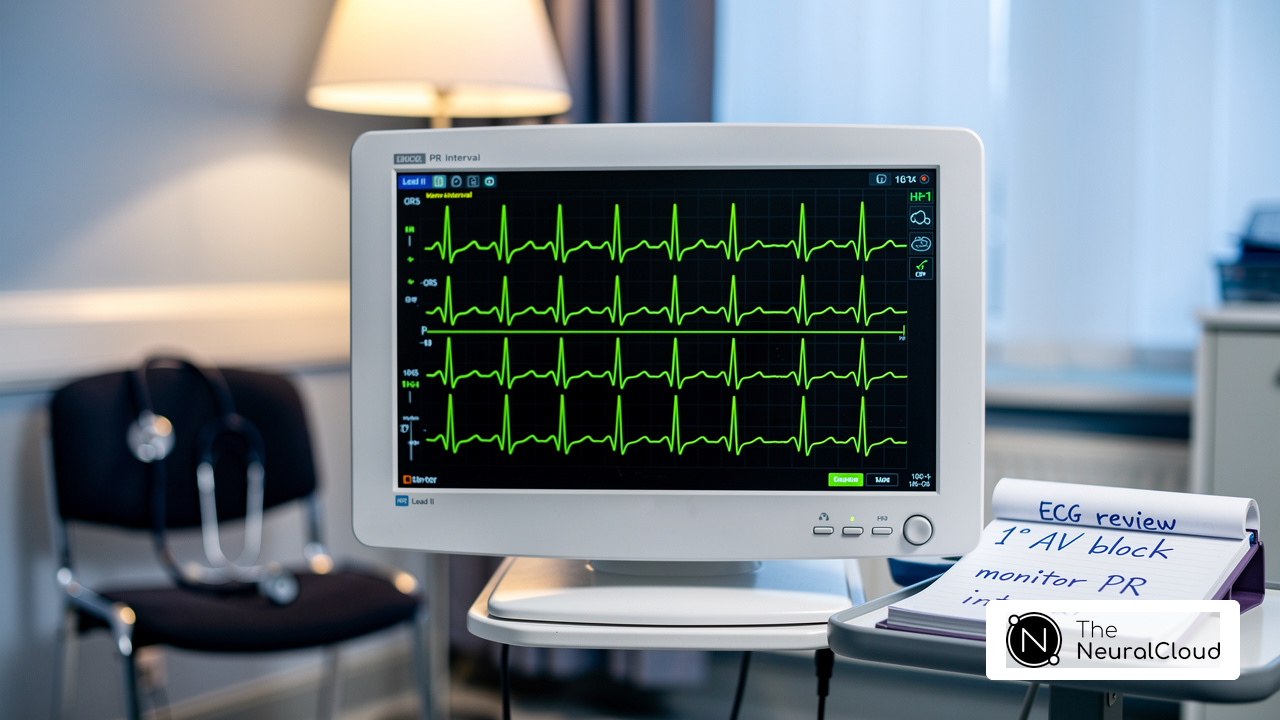
Accurate ECG readings hinge on a deep understanding of electrocardiography principles, which many developers overlook. To achieve this, developers must master the fundamental principles of electrocardiography. This means understanding the cardiac cycle, the roles of the P, QRS, and T waves, and how electrical conduction works in the heart. Ensuring that instruments accurately capture these waveforms is essential for diagnosing various cardiac conditions.
- Understand Cardiac Physiology: Familiarize yourself with how electrical impulses travel through the heart and how this correlates with the ECG waveform.
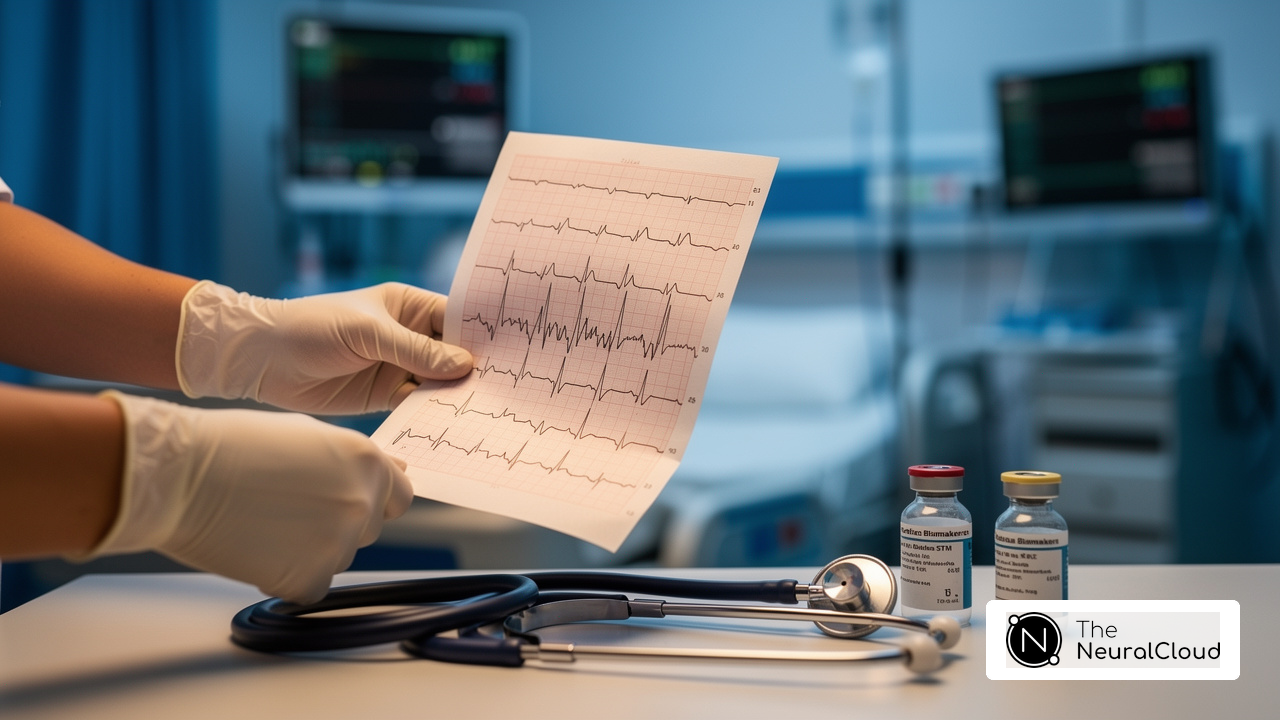
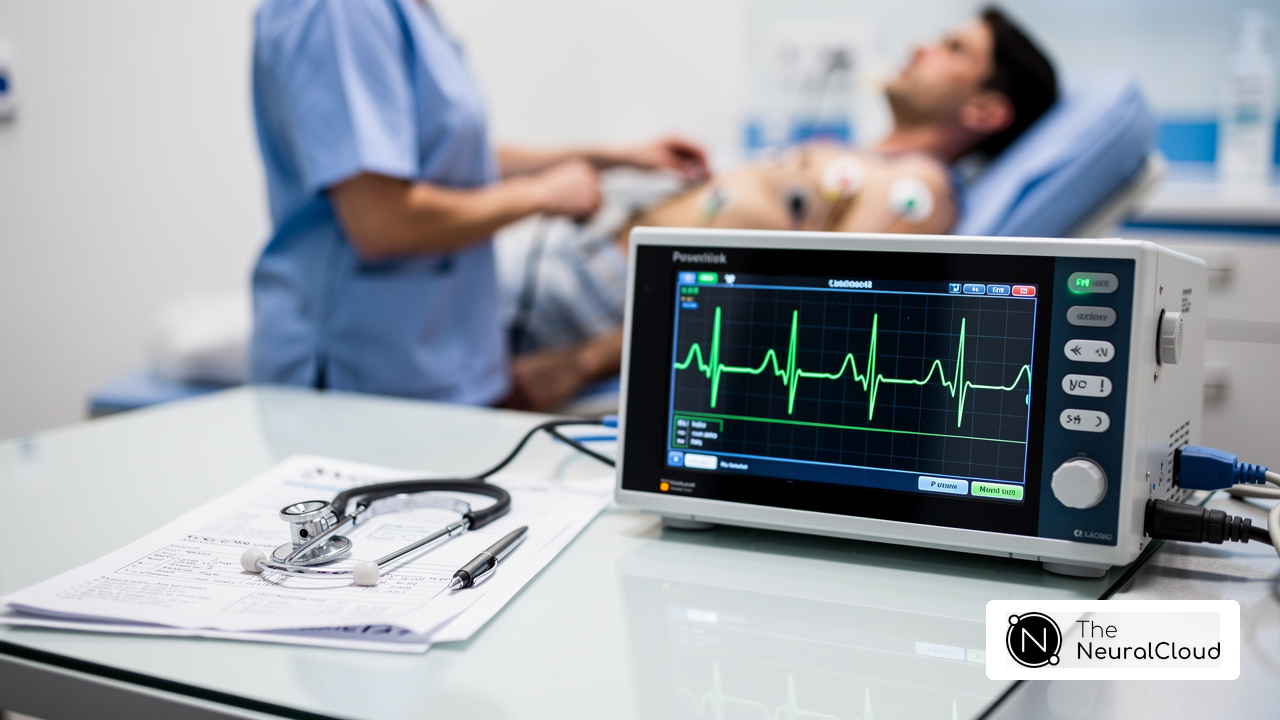
- Standardize Lead Placement: Follow established guidelines for electrode placement to ensure consistency and accuracy in readings. Resources like the AHA's recommendations for lead placement are invaluable. Notably, studies indicate that electrode misplacement occurs in up to 94.2% of ECG acquisitions, which can lead to serious diagnostic errors, affecting patient outcomes.
- Optimize Sampling Rates: Ensure that devices sample ECG signals at a minimum of 512 Hz to capture the necessary detail for accurate analysis.
Using the MaxYield platform from Neural Cloud Solutions Inc. can really boost the accuracy of good ECG readings by tackling issues like motion noise and signal artifacts. MaxYield's advanced noise filtering and distinct wave recognition capabilities allow for the isolation of critical data, even in recordings with high levels of interference. This ensures that a good ECG reading is not only precise but also dependable across various consumer-grade products.
A study in the Journal of Electrocardiology found that following standardized lead placements greatly improved diagnostic accuracy in clinical settings. Furthermore, it was noted that 72% of unnecessary cath lab activations are attributed to ECG-related factors, including electrode misplacement. This underscores the critical importance of mastering ECG fundamentals in device development, particularly in the context of Canadian cardiovascular care, including local realities in Toronto and Calgary. Experts like Dr. Alan Rabinowitz and Dr. Brett Heilbron emphasize that MaxYield's precision rivals human interpretation, making it an invaluable tool for health tech developers aiming to enhance patient monitoring solutions. Additionally, it is important to note that MaxYield is currently pending FDA Class II SaMD clearance and is equipped with audit-ready documentation to support GxP inspections. As the landscape of cardiovascular care evolves, tools like MaxYield will be essential in bridging the gap between technology and patient outcomes.

Leverage AI for Enhanced ECG Data Processing
Interpreting ECG data accurately can be challenging due to noise and complex patterns, but incorporating artificial intelligence offers a promising solution. AI can quickly analyze large datasets, spotting patterns and anomalies that might be missed by human eyes.
Key Practices:
- Implement Noise Reduction Algorithms: Use AI-driven algorithms to filter out noise and artifacts from ECG signals, enhancing data clarity.
- Utilize Machine Learning for Pattern Recognition: Train machine learning models on diverse ECG datasets to improve the detection of arrhythmias and other cardiac conditions.
- Incorporate Real-Time Analysis: Develop systems that provide real-time feedback and alerts based on AI analysis, facilitating immediate clinical decision-making.
Real-World Example:
A recent study revealed that AI-enhanced ECG analysis improved the detection of atrial fibrillation by 30% compared to traditional methods. This highlights the potential of AI to transform ECG diagnostics, making it an invaluable asset in the healthcare landscape.
Integrating AI into ECG processing streamlines workflows and addresses key challenges in cardiac care, including the need for a good ECG reading for accurate interpretation. As the demand for advanced cardiac monitoring solutions grows, leveraging AI technologies will be crucial for health tech developers aiming to improve patient outcomes.

Utilize Effective Visualization and Reporting Tools
Healthcare professionals often struggle with the complexities of ECG data interpretation, which can hinder their ability to achieve a good ECG reading for timely decision-making. To enhance the usefulness of ECG information, developers should focus on creating effective visualization and reporting resources that display information in a readily understandable format for healthcare professionals.
- Design Intuitive Dashboards: Create user-friendly dashboards that allow clinicians to quickly access and interpret ECG information, emphasizing key metrics and trends. This approach not only boosts decision-making but also enhances operational efficiency, reflecting the growing trend of using visualization tools in healthcare settings.
- Incorporate Customizable Reporting Features: Users can create customized reports that meet their unique needs and export data in various formats. This flexibility is crucial for meeting diverse clinical requirements and improving user engagement.
- Use Graphical Representations: Implement graphical representations of ECG waveforms and trends over time to facilitate easier interpretation of patient information. Visual aids can significantly improve comprehension and communication of intricate health information, which is essential for effective patient care.
Real-World Example: The Insight360 application created by Neural Cloud Solutions illustrates effective visualization, enabling users to design customizable dashboards that improve the speed and precision of ECG analysis. This tool not only streamlines the reporting process but also empowers healthcare professionals to derive actionable insights from ECG data, ultimately contributing to a good ECG reading and improving patient outcomes. By leveraging advanced visualization tools, healthcare professionals can transform ECG data into actionable insights that enhance patient care.

Ensure Compliance with Healthcare Regulations
Navigating the intricate landscape of ECG regulations is essential for developers aiming to ensure product safety and efficacy. Adhering to healthcare regulations is crucial for the advancement of ECG equipment, guaranteeing that products are both safe and effective. Developers face the challenge of navigating a complex landscape of standards and guidelines to ensure regulatory compliance.
- Familiarize with Regulatory Standards: Understanding the specific regulations applicable to ECG equipment, including Health Canada's Class II Medical Product Licence requirements and FDA guidelines, is crucial. Staying updated on these standards helps mitigate compliance risks.
- Conduct Thorough Testing: Implementing rigorous testing protocols is vital for validating the performance and safety of ECG equipment prior to market release. This encompasses both preclinical and clinical assessments to ensure products meet established safety benchmarks.
- Maintain Documentation: Comprehensive documentation of compliance efforts is necessary. This includes detailed records of testing results, quality assurance processes, and any modifications made during development. Such documentation facilitates smoother regulatory reviews and demonstrates adherence to standards.
Recent FDA guidance highlights that following established standards reduces the risk of recalls and enhances patient safety. This underscores the importance of a proactive approach to regulatory adherence in the ECG device development process.

Conclusion
Navigating the complexities of ECG readings requires a deep understanding of both technology and regulatory standards. By focusing on ECG fundamentals, using AI for data processing, and creating effective visualization tools, developers can significantly enhance the quality and reliability of ECG diagnostics.
This article highlights how standardized lead placements can make a real difference in ECG accuracy, along with the integration of AI for noise reduction and pattern recognition. These practices not only improve diagnostic accuracy but also streamline workflows for healthcare professionals, ultimately leading to better patient outcomes. Furthermore, ensuring compliance with healthcare regulations is essential for maintaining product safety and efficacy, which is critical in the Canadian healthcare landscape.
In conclusion, this commitment to innovation and compliance will shape the future of ECG diagnostics, making them more reliable and accessible for patients in Canada.
Frequently Asked Questions
What are the fundamental principles of electrocardiography that developers need to master?
Developers must understand the cardiac cycle, the roles of the P, QRS, and T waves, and how electrical conduction works in the heart to achieve accurate ECG readings.
Why is it important to standardize lead placement in ECG readings?
Standardizing lead placement is crucial for ensuring consistency and accuracy in readings. Misplacement can occur in up to 94.2% of ECG acquisitions, leading to serious diagnostic errors and negatively impacting patient outcomes.
What is the recommended minimum sampling rate for ECG devices?
Devices should sample ECG signals at a minimum of 512 Hz to capture the necessary detail for accurate analysis.
How does the MaxYield platform from Neural Cloud Solutions Inc. enhance ECG readings?
MaxYield improves the accuracy of ECG readings by addressing issues like motion noise and signal artifacts through advanced noise filtering and distinct wave recognition capabilities, ensuring precise and dependable readings.
What impact does standardized lead placement have on diagnostic accuracy?
Following standardized lead placements significantly improves diagnostic accuracy in clinical settings, as indicated by studies published in the Journal of Electrocardiology.
What percentage of unnecessary cath lab activations are attributed to ECG-related factors?
It is noted that 72% of unnecessary cath lab activations are attributed to ECG-related factors, including electrode misplacement.
Who are some experts that emphasize the importance of MaxYield in health tech development?
Experts like Dr. Alan Rabinowitz and Dr. Brett Heilbron highlight that MaxYield's precision rivals human interpretation, making it a valuable tool for health tech developers.
What is the current status of MaxYield regarding regulatory clearance?
MaxYield is currently pending FDA Class II SaMD clearance and is equipped with audit-ready documentation to support GxP inspections.
List of Sources
- Master Fundamental ECG Principles
- 12-Lead ECG Placement: The Complete Guide for Clinicians & EMS Providers (https://cboothinnovations.com/blog/12-lead-ecg-placement-guide)
- Algorithms for automated diagnosis of cardiovascular diseases based on ECG data: A comprehensive systematic review (https://sciencedirect.com/science/article/pii/S2405844023008083)
- The Power of Correct Placement for ECG Leadwires (https://gehealthcare.com/en-us/insights/article/the-power-of-correct-placement-for-ecg-leadwires?srsltid=AfmBOoqYi7QYvLHT7_g4WhbZaUC_O5-BFwyHQkf_DZcBXXQP9VafLkZo)
- The future of algorithms for ECG interpretation : What new research shows (https://gehealthcare.com/en-us/insights/article/the-future-of-algorithms-for-ecg-interpretation-what-new-research-shows?srsltid=AfmBOorh3bozoebkJLIEiQO7NOnbjtHyNFCbOAL_A1KUWSsuE8dPlKWD)
- Leverage AI for Enhanced ECG Data Processing
- AI ECG Analysis - Global Strategic Business Report (https://researchandmarkets.com/reports/6110003/ai-ecg-analysis-global-strategic-business-report?srsltid=AfmBOopUveD5PbgLYN_NMzihE0lnRxW4rBpHArbzS5-QdA6HNOvORS88)
- News: AI has potential to improve diagnostic accuracy, earlier detection of cardiac conditions, analysis finds | ACDIS (https://acdis.org/articles/news-ai-has-potential-improve-diagnostic-accuracy-earlier-detection-cardiac-conditions)
- With AI, researchers discover new way to detect sudden cardiac death risk - Berkeley News (https://news.berkeley.edu/2026/06/24/with-ai-researchers-discover-new-way-to-detect-sudden-cardiac-death-risk)
- ECG Interpretation AI Market Research Report 2034 (https://dataintelo.com/report/ecg-interpretation-ai-market)
- New AI algorithm could improve detection and prediction of heart diseases - Scripps Research (https://scripps.edu/news-events/news/new-ai-algorithm-could-improve-detection-and-prediction-of-heart-diseases)
- Utilize Effective Visualization and Reporting Tools
- Healthcare Data Visualization: Insights for Better Decision-Making (https://binariks.com/blog/data-visualization-in-healthcare)
- Canada Diagnostic Electrocardiograph/ECG Market Size, Share,Trends, Growth Analysis Report, 2030 (https://marketsandmarkets.com/Market-Reports/geography/diagnostic-ecg-global-market/canada)
- ECG 2026 Survey Report: State of AI Adoption in Healthcare (https://ecgmc.com/insights/blog/ecg-2026-survey-report-state-of-ai-adoption-in-healthcare)
- Best practices for healthcare data visualization (https://healthcareitnews.com/news/best-practices-healthcare-data-visualization)
- Healthcare Data Visualization Design: Trust, Colour, Latency (https://fuselabcreative.com/how-data-visualization-is-changing-healthcare-for-the-better)
- Ensure Compliance with Healthcare Regulations
- FDA Removes Clearance Requirement for ECG Electrodes (https://dicardiology.com/content/fda-removes-clearance-requirement-ecg-electrodes)
- SEERS’ AI-powered wearable ECG monitor wins Health Canada approval (https://koreabiomed.com/news/articleView.html?idxno=33062)
- FDA Device Guidance Agenda: What to Watch in 2026 (https://hlc.com/en/publications/fda-device-guidance-agenda-what-to-watch-in-2026)
- FDA Continues to Ease Regulatory Hurdles for Wearable Health Products (https://triagehealthlawblog.com/fda/fda-continues-to-ease-regulatory-hurdles-for-wearable-health-products)