Introduction
Clinicians face significant challenges in understanding Left Ventricular Internal Dimension (LVID) and its implications for cardiac health. LVIDD abnormalities can signal serious conditions like heart failure, making it crucial for healthcare professionals to master the best practices for their identification and management. Clinicians often struggle to stay updated with the latest diagnostic tools and treatment methods.
How can they effectively address these challenges? This article explores best practices for recognizing and managing LVIDD abnormalities, providing insights to enhance patient care and outcomes.
Understand Left Ventricular Internal Dimension (LVID) and Its Clinical Relevance
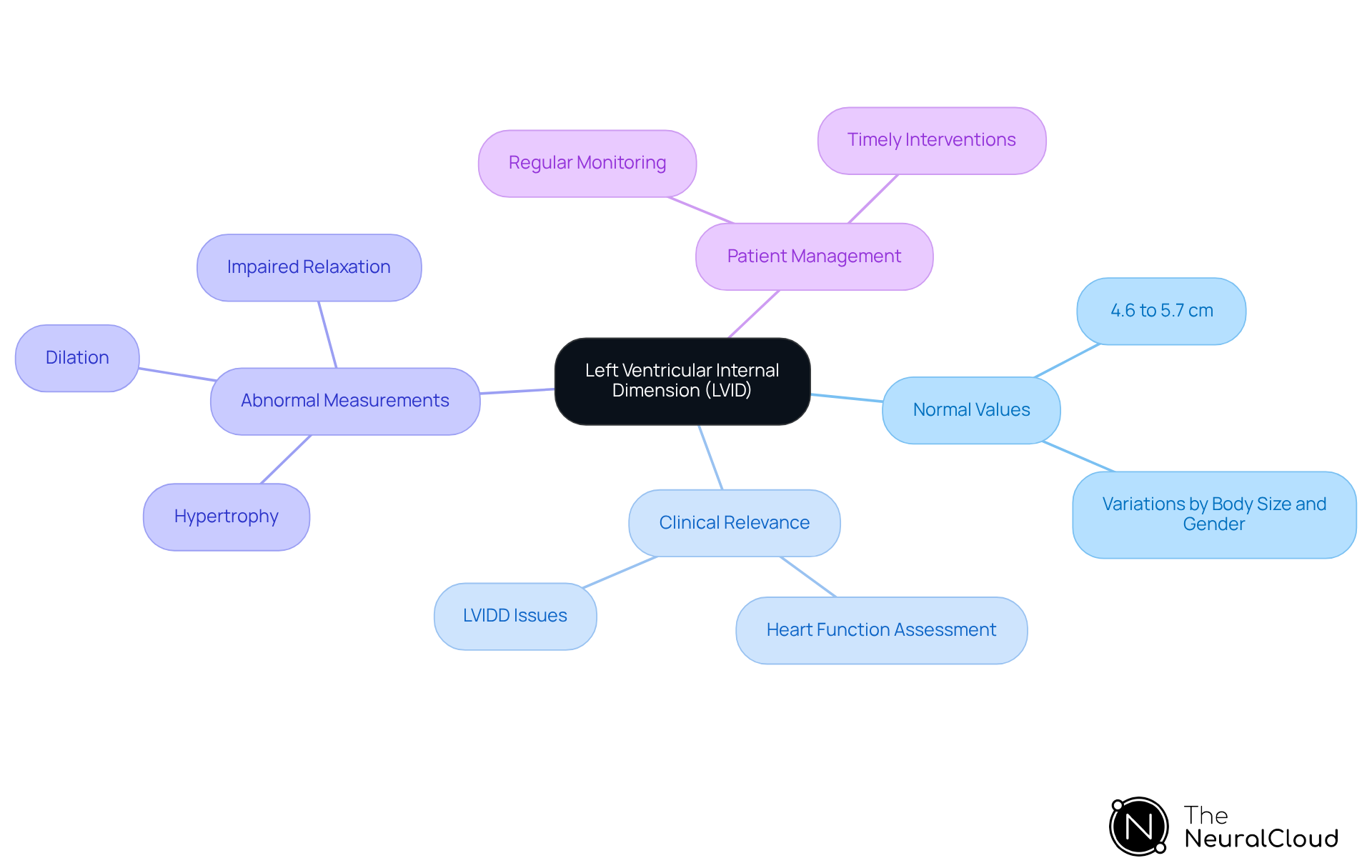
Understanding the Sinistral Chamber Internal Dimension (SVID) is crucial for accurate echocardiographic assessments of cardiac health. This measurement indicates the size of the left chamber at end-diastole, with normal left ventricular internal diameter values typically ranging from 4.6 to 5.7 cm in adults, depending on body size and gender. Keeping an eye on left ventricular internal diameter is key to assessing heart function and spotting issues like Left Ventricular Diastolic Dysfunction (LVIDD), which can lead to heart failure if not addressed.
When measurements of left ventricular internal diameter are LVIDD abnormal, they can indicate various cardiac issues, including hypertrophy, dilation, or impaired relaxation. Therefore, it's essential for clinicians to understand these parameters for effective management of patients. Regularly checking left ventricular internal diameter helps catch potential problems early, leading to better patient outcomes. By comprehending these measurements, clinicians can implement timely interventions that significantly improve patient health.
Implement Effective Diagnostic Techniques for LVIDD Identification
Accurately diagnosing LVIDD abnormal presents significant challenges for clinicians. To effectively identify the LVIDD abnormal, a combination of diagnostic techniques is essential.
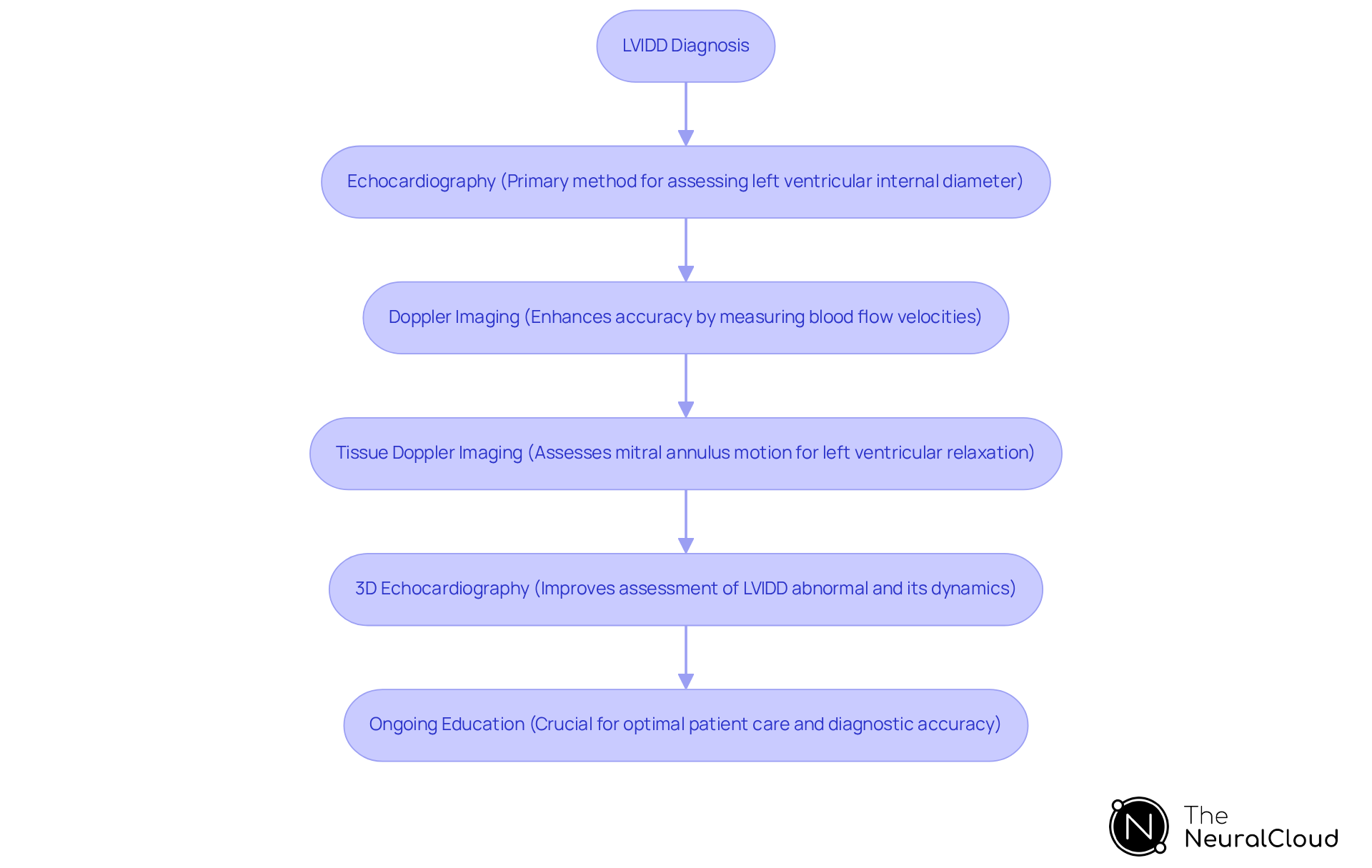
- Echocardiography is the primary method for assessing left ventricular internal diameter, providing real-time insights into cardiac structures and function.
- Doppler imaging further enhances diagnostic accuracy by measuring blood flow velocities and assessing diastolic function.
- Utilizing tissue Doppler imaging to assess mitral annulus motion offers valuable insights into left ventricular relaxation.
- Additionally, incorporating advanced imaging techniques such as 3D echocardiography can significantly improve the assessment of LVIDD abnormal and its dynamics.
- Ongoing education in these advanced techniques is crucial for clinicians to ensure optimal patient care and diagnostic accuracy.
Develop Comprehensive Treatment Plans for Managing LVIDD
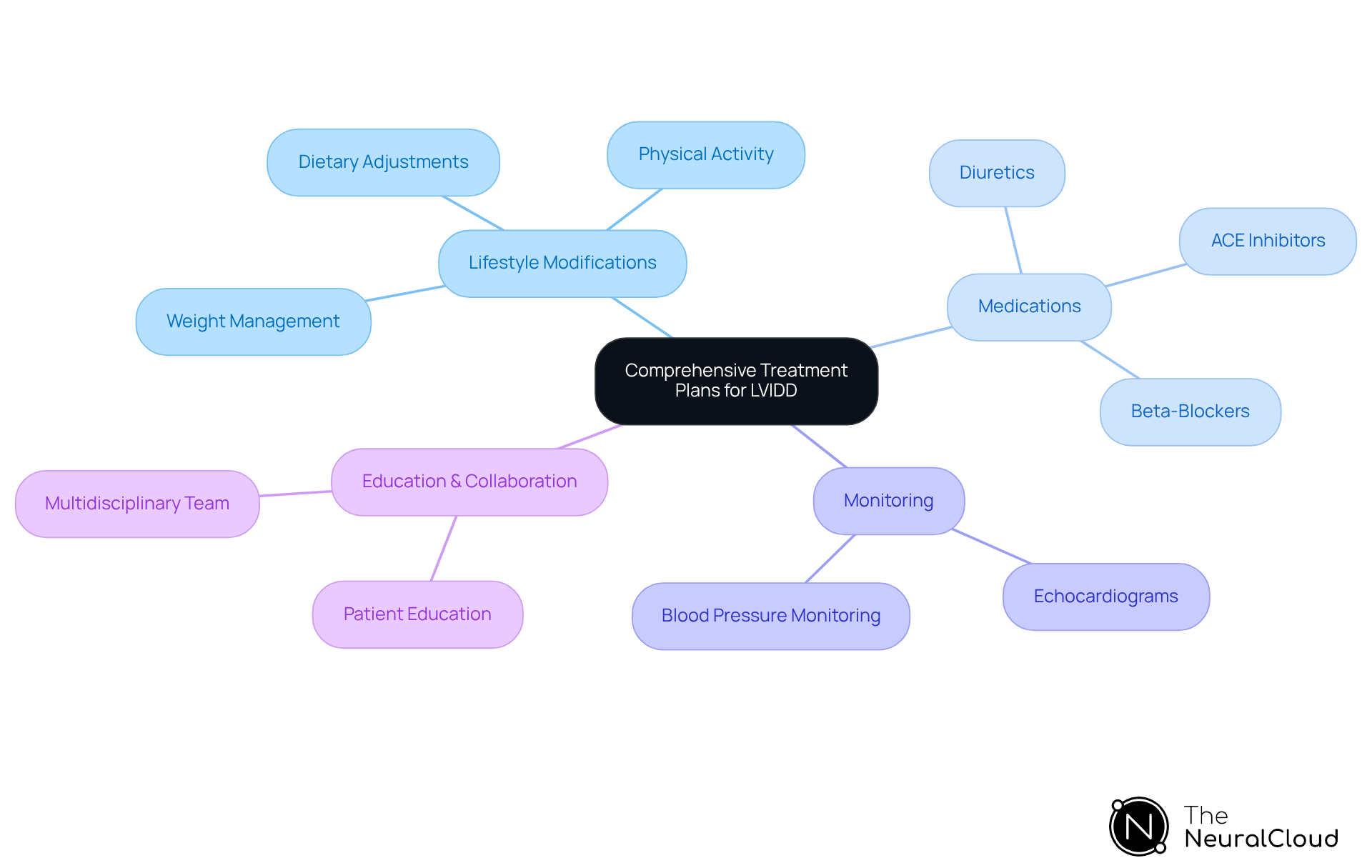
Managing LVIDD abnormal presents significant challenges that require a multifaceted approach. Initial treatment plans should prioritize lifestyle modifications, such as:
- Dietary adjustments
- Regular physical activity
- Effective weight management to reduce cardiovascular risk factors
Notably, hypertension is more prevalent in women and significantly increases the risk of heart failure, making blood pressure monitoring essential. Medications are key in treatment, often starting with:
- Diuretics to help reduce fluid overload
- ACE inhibitors to improve cardiac function
- Beta-blockers to regulate heart rate and decrease myocardial oxygen demand
The goal is to have all individuals with a left ventricular ejection fraction of 40 or less on all four medications at maximum doses, as stated by Dr. Allen.
Additionally, regular follow-up echocardiograms are crucial for tracking changes in left ventricular dimensions and for timely adjustments to treatment plans. Moreover, educating individuals on recognizing symptoms and adhering to prescribed regimens is vital for effective management. Collaboration with a multidisciplinary team can significantly enhance care coordination, ultimately leading to improved outcomes for individuals. Recent case studies highlight the effectiveness of these comprehensive treatment plans, demonstrating notable improvements in health and quality of life, particularly in individuals with comorbidities such as T2DM, which has a relative risk of 1.95 for heart failure in women. Without a coordinated strategy, individuals at risk of LVIDD abnormal may experience deteriorating health and reduced quality of life.
Leverage Advanced Technologies for Enhanced LVIDD Management
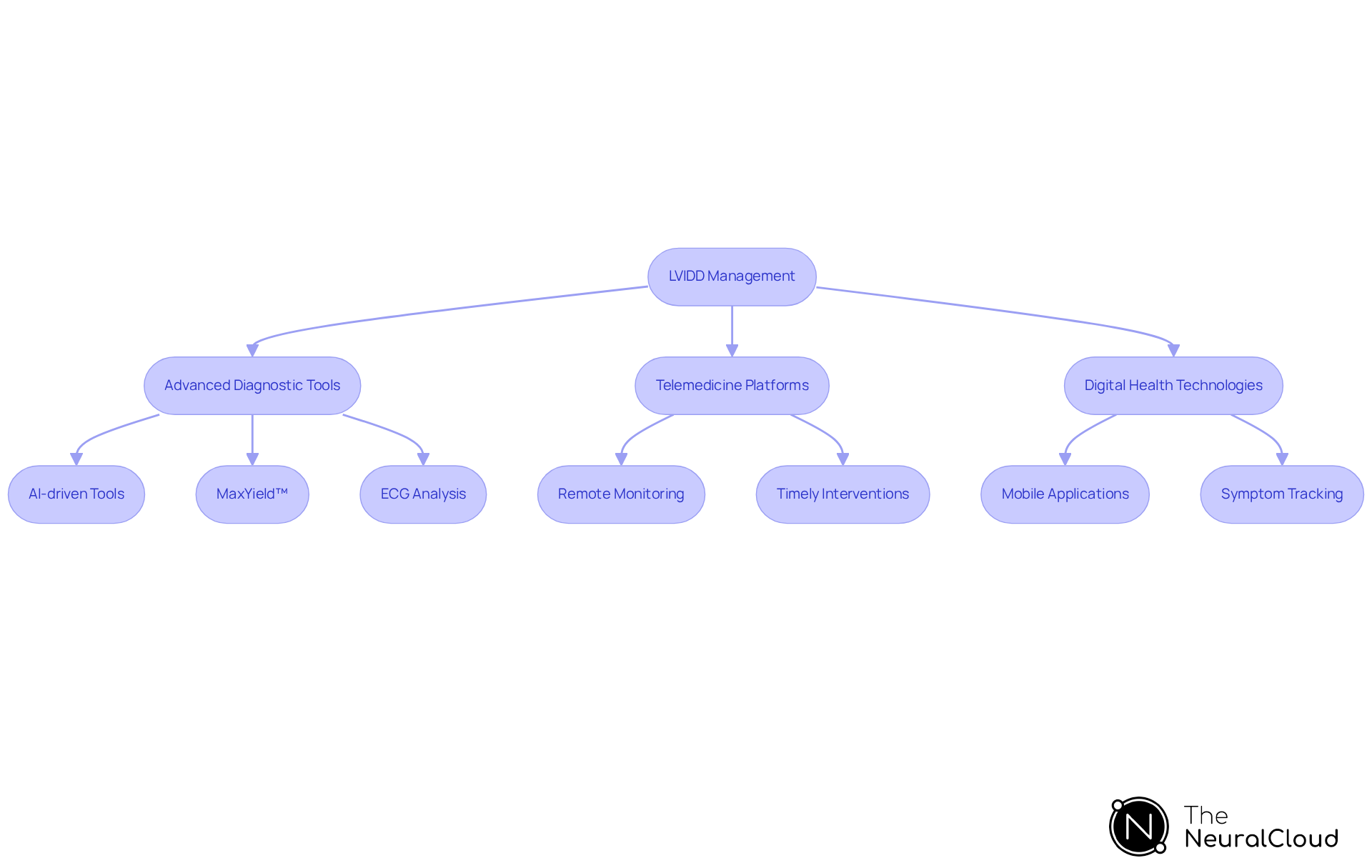
Managing LVIDD abnormal presents significant challenges for healthcare professionals, often requiring advanced diagnostic tools to ensure accurate treatment. Incorporating advanced technologies into the management of LVIDD abnormal can significantly enhance diagnostic and treatment capabilities. AI-driven tools, particularly machine learning algorithms, have shown diagnostic performance comparable to experienced cardiologists, achieving sensitivity and specificity rates exceeding 90% in various studies.
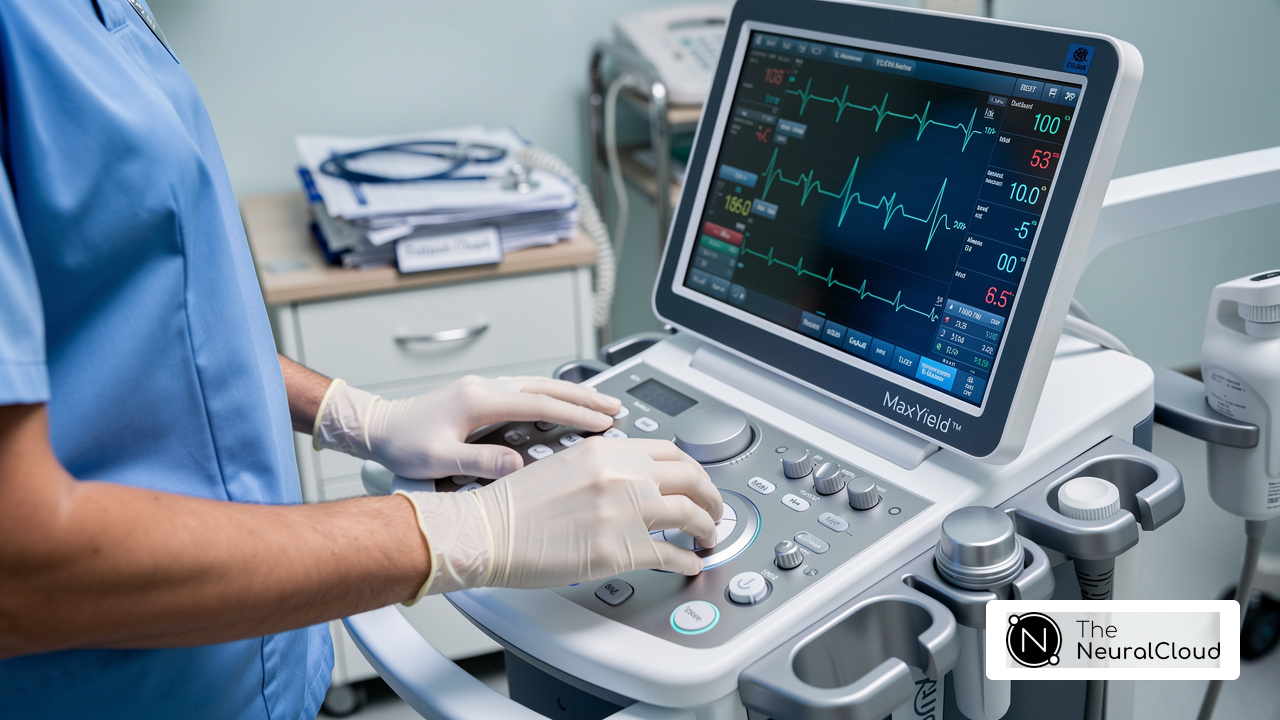
MaxYield™ automates ECG analysis, processing large datasets and providing beat-by-beat insights for 200,000 heartbeats in under five minutes. This helps clinicians make quick, informed decisions, as MaxYield™ effectively maps ECG signals through noise, isolating key features such as P-wave, QRS complex, and T-wave onsets and offsets in every heartbeat.
Furthermore, telemedicine platforms support remote monitoring of individuals, allowing for timely interventions and adjustments to treatment plans. Digital health technologies, including mobile applications for symptom tracking and medication adherence, enable individuals to take an active role in their care.
For instance, a recent case study highlighted the integration of ECG data with other modalities, which improved diagnostics and personalized healthcare delivery. Embracing these innovations, particularly the noise filtering and automated signal processing capabilities of MaxYield™, along with the customizable visualization and reporting tool Insight360, not only leads to improved patient outcomes but also enhances the efficiency of healthcare delivery.
As we approach 2026, the integration of AI-driven tools like MaxYield™ is set to redefine the landscape of cardiovascular care, ensuring better outcomes for patients with LVIDD abnormal.
Conclusion
Managing Left Ventricular Internal Dimension (LVID) abnormalities presents significant challenges that can impact cardiac health outcomes. By recognizing the importance of LVID measurements, clinicians can identify potential issues such as Left Ventricular Diastolic Dysfunction (LVIDD) and implement timely interventions. This proactive approach improves patient care and reduces the risks linked to heart failure.
The article highlights several key strategies for identifying and managing LVIDD abnormalities. Key diagnostic techniques include:
- Echocardiography
- Advanced imaging methods
These are crucial for accurate assessment. Comprehensive treatment plans that incorporate lifestyle modifications, medication management, and regular follow-ups are vital for optimizing patient outcomes. Furthermore, leveraging advanced technologies like MaxYield™ and telemedicine can significantly enhance diagnostic accuracy and treatment efficiency.
In conclusion, the integration of best practices in LVIDD management is paramount for clinicians aiming to improve patient health. Embracing advanced diagnostic tools and fostering a collaborative approach among healthcare professionals can lead to better management of LVIDD abnormalities. Ultimately, the commitment to integrating innovative diagnostic tools will redefine patient care in cardiology.
Frequently Asked Questions
What is the Left Ventricular Internal Dimension (LVID)?
The Left Ventricular Internal Dimension (LVID) refers to the size of the left chamber of the heart at end-diastole, which is crucial for assessing cardiac health through echocardiographic evaluations.
What are the normal values for LVID in adults?
Normal left ventricular internal diameter values typically range from 4.6 to 5.7 cm in adults, depending on body size and gender.
Why is monitoring LVID important?
Monitoring LVID is important for assessing heart function and identifying issues such as Left Ventricular Diastolic Dysfunction (LVIDD), which can lead to heart failure if not addressed.
What can abnormal LVID measurements indicate?
Abnormal LVID measurements can indicate various cardiac issues, including hypertrophy, dilation, or impaired relaxation of the heart.
How does understanding LVID benefit clinicians?
Understanding LVID allows clinicians to effectively manage patients by recognizing potential cardiac problems early, leading to timely interventions and improved patient outcomes.
List of Sources
- Understand Left Ventricular Internal Dimension (LVID) and Its Clinical Relevance
- Cardiologists scramble to prepare for mandatory heart failure payment model (https://cardiovascularbusiness.com/topics/clinical/heart-failure/cardiologists-scramble-prepare-mandatory-heart-failure-payment-model)
- New Scientific Statement Guides Clinicians on How to Integrate Digital Health Tools Into Heart Failure Care | HFSA (https://hfsa.org/new-scientific-statement-guides-clinicians-how-integrate-digital-health-tools-heart-failure-care)
- Global experts update heart failure definition to improve prevention, diagnosis and care (https://newsroom.heart.org/news/global-experts-update-heart-failure-definition-to-improve-prevention-diagnosis-and-care)
- Can AI help predict which heart-failure patients will worsen within a year? (https://news.mit.edu/2026/can-ai-help-predict-which-heart-failure-patients-will-worsen-0312)
- Remote Monitoring in Heart Failure: Revolutionizing Patient Management and Outcomes (https://uscjournal.com/articles/remote-monitoring-heart-failure-revolutionizing-patient-management-and-outcomes?language_content_entity=en)
- Implement Effective Diagnostic Techniques for LVIDD Identification
- New study explores how to improve diagnosis of a frequently missed heart condition (https://newsroom.heart.org/news/new-study-explores-how-to-improve-diagnosis-of-a-frequently-missed-heart-condition)
- Left Ventricular Diastolic Function – ASE (https://asecho.org/guideline/left-ventricular-diastolic-function-by-echo)
- Developments in 3D Echocardiography (https://uscjournal.com/articles/developments-3d-echocardiography?language_content_entity=en)
- New multiview AI architecture improves accuracy of heart disease diagnosis (https://news-medical.net/news/20260323/New-multiview-AI-architecture-improves-accuracy-of-heart-disease-diagnosis.aspx)
- Diagnosing heart failure with AI - New advances in echocardiography (https://ultromics.com/articles/diagnosing-heart-failure-with-ai-new-advances-in-echocardiography)
- Develop Comprehensive Treatment Plans for Managing LVIDD
- Case Lesson: Diagnosis and Treatment of Heart Failure in the Primary Care Office (https://clinicaladvisor.com/features/diagnosis-treatment-heart-failure-primary-care)
- Selective MMP Inhibitor Fast Tracked for Heart Failure Treatment (https://thecardiologyadvisor.com/news/selective-mmp-inhibitor-fast-tracked-for-heart-failure-treatment)
- Memorable Cardiology Quotes | TheKnowHow Blog (https://theknowhow.ae/memorable-cardiology-quotes-heart)
- New treatment pathways for patients with advanced heart failure - Mayo Clinic (https://mayoclinic.org/medical-professionals/cardiovascular-diseases/news/new-treatment-pathways-for-patients-with-advanced-heart-failure/mac-20585947)
- Heart Failure Management: Current Approaches and Future Directions (https://thecardiologyadvisor.com/features/heart-failure-management-2026)
- Leverage Advanced Technologies for Enhanced LVIDD Management
- pmc.ncbi.nlm.nih.gov (https://pmc.ncbi.nlm.nih.gov/articles/PMC10145690)
- The top cardiac tech stories out of HRS 2026 (https://massdevice.com/top-cardiac-tech-stories-hrs-2026)
- Cardiology Innovations 2026: AI, CRISPR & Heart Health (https://topdoctormagazine.com/chronic-care/cardiology-innovations-2026)
- Diagnostic accuracy of machine learning algorithms in electrocardiogram-based sleep apnea detection: A systematic review and meta-analysis (https://sciencedirect.com/science/article/abs/pii/S1087079225000504)
- AI's growing influence in cardiology | New heart failure implant shows potential | FDA clears advanced technologies (https://cardiovascularbusiness.com/newsletter/2026-03-17/ais-growing-influence-cardiology-new-heart-failure-implant-shows-potential-fda-clears-advanced)