Introduction
Atrial flutter presents significant challenges for healthcare professionals, particularly in diagnosis and treatment. As diagnostic technologies and treatment options evolve, healthcare providers must find ways to effectively manage the nuances of atrial flutter. Understanding the latest best practices can lead to improved patient outcomes and more effective management strategies. This article explores best practices for managing atrial flutter with rapid ventricular response (RVR):
- Diagnostic techniques
- Treatment approaches
- The role of advanced ECG technologies in enhancing care
Understanding these best practices is crucial for enhancing patient care and outcomes in atrial flutter management.
Define Atrial Flutter: Key Characteristics and Types
Atrial tachycardia (AFl) presents significant challenges in ECG analysis due to its organized yet rapid electrical activity in the atria. This condition typically features heart rates ranging from 240 to 340 beats per minute and often appears as a regular rhythm on an electrocardiogram (ECG). There are two primary types of atrial flutter:
- Typical Atrial Flutter: This is the most common variant, frequently associated with a reentrant circuit around the tricuspid valve in the right atrium. It is recognizable by a distinct 'sawtooth' pattern of wave oscillations, known as F-waves, which are visible in leads II, III, and aVF on the ECG.
- Atypical Atrial Flutter: This type diverges from the typical circuit and can manifest in various forms, often resulting from structural heart changes or prior cardiac surgery. Unusual oscillation may display various ECG patterns and requires careful distinction from AF.
Clinicians often struggle to distinguish between atrial flutter and other arrhythmias, particularly AF, due to their differing rhythms. Precise recognition of the kind of heart rhythm disturbance can greatly affect treatment choices and patient results. In Canada, recent research shows that women with heart rhythm disturbances face higher mortality rates than men, emphasizing the necessity for customized management approaches. Moreover, efficient therapies, such as catheter ablation, have demonstrated encouraging success rates, especially in typical heart rhythm disturbances, highlighting the significance of prompt intervention.
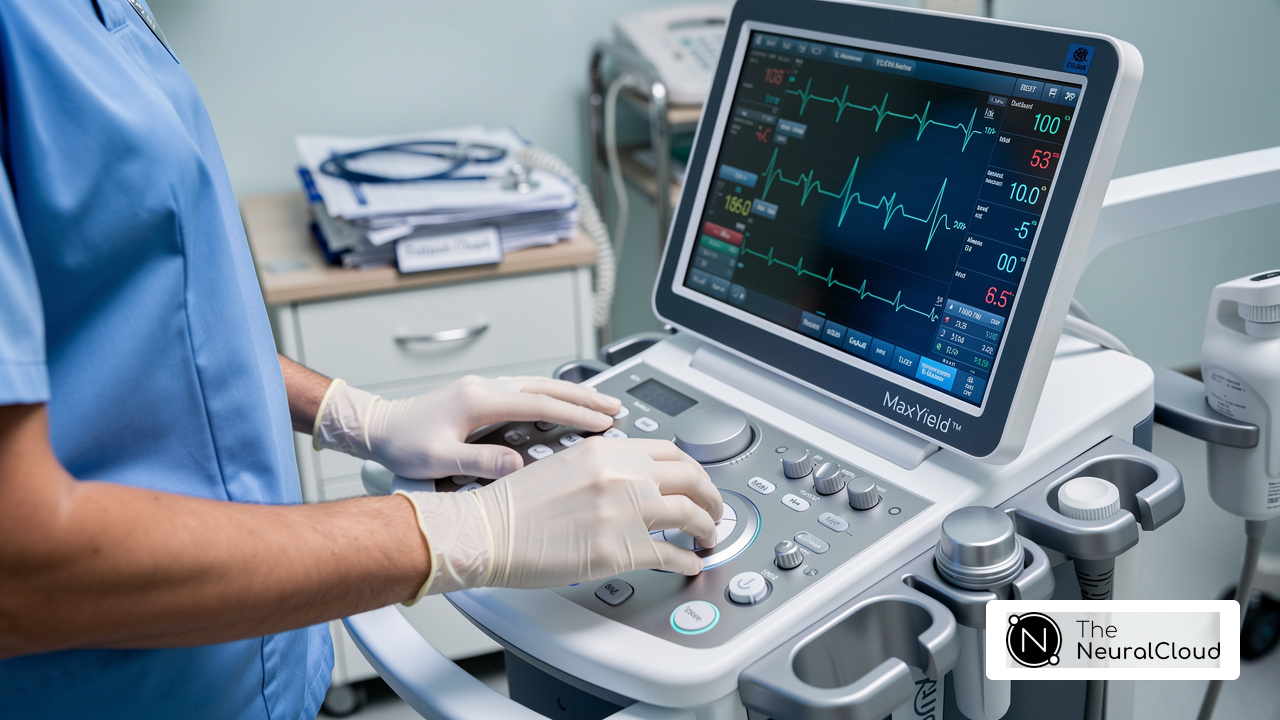
Neural Cloud Solutions Inc.'s MaxYield™ platform enhances this process by providing automated ECG analysis that rapidly isolates and labels critical data, even in recordings with high levels of noise and artifact. With its advanced noise filtering capabilities, MaxYield™ can salvage previously obscured sections of lengthy Holter, 1-Lead, and patch monitor recordings, ensuring that clinicians have access to clean, actionable data. Many clinicians find that MaxYield™ provides accuracy comparable to human analysis, making it a valuable tool for managing complex arrhythmias.
By integrating MaxYield™ into their workflows, health tech developers can significantly improve the efficiency of ECG analysis, addressing challenges related to physiological variability and signal artifacts. This not only improves clinical decision-making but also promotes better patient results in the management of heart rhythm disturbances. Additionally, it is important to note that MaxYield™ is currently pending FDA Class II SaMD clearance, ensuring compliance with regulatory standards.

Implement Effective Diagnostic Strategies for Atrial Flutter
Diagnosing atrial flutter presents unique challenges that require a comprehensive approach to ensure accurate identification of heart rhythm disturbances. Healthcare professionals should employ a combination of clinical assessment and advanced diagnostic tools to effectively diagnose this condition.
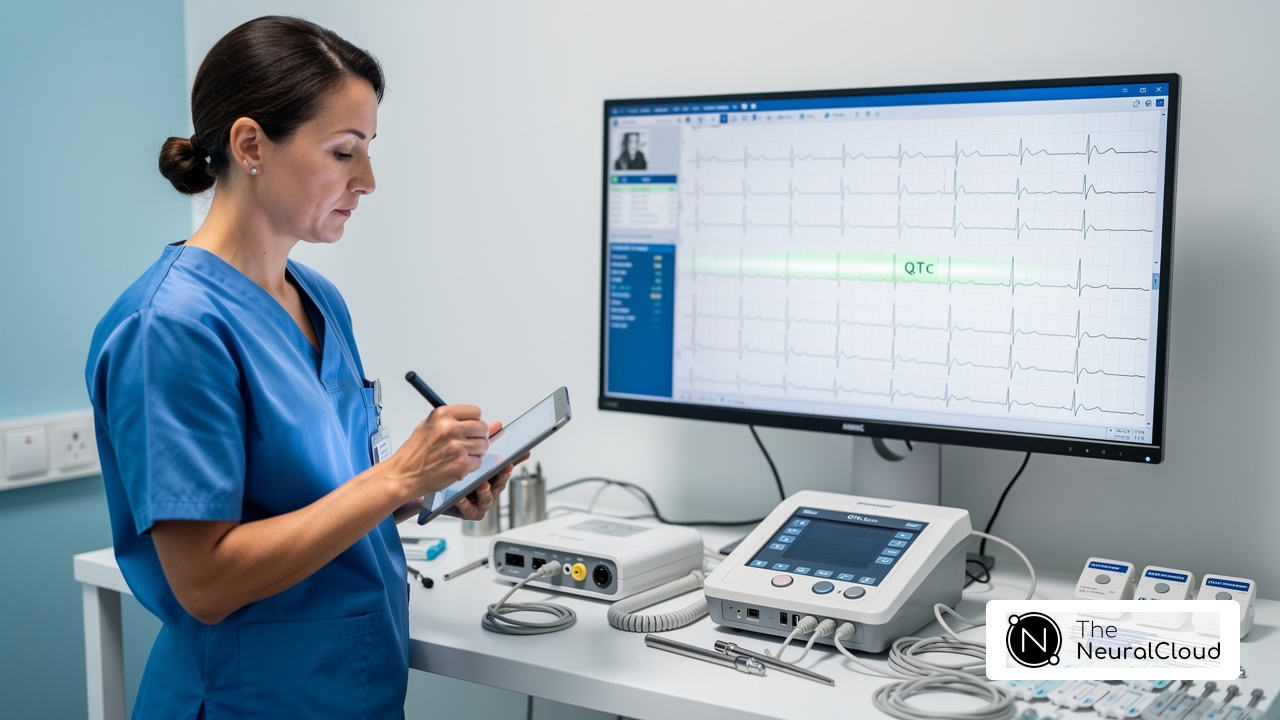
- Electrocardiogram (ECG): The ECG is the cornerstone of atrial arrhythmia diagnosis. It reveals characteristic flutter waves and helps differentiate between typical and atypical flutter. Continuous ECG monitoring may be necessary for individuals with intermittent symptoms.
- Holter Monitoring: For patients with sporadic symptoms, Holter monitoring can capture arrhythmias over 24-48 hours, providing valuable data for diagnosis.
- Echocardiography: This imaging technique evaluates structural heart irregularities that may lead to heart rhythm disturbances. It is especially beneficial in assessing left heart chamber size and function, which are crucial for risk stratification.
- Electrophysiological Study (EPS): In complex cases, an EPS may be warranted to map the electrical activity of the heart and identify the precise mechanism of the arrhythmia.
- AI-Enhanced Diagnostic Tools: With MaxYield™, healthcare professionals can benefit from advanced noise filtering and wave recognition, making their workflow smoother and more efficient. This device-agnostic ECG intelligence layer integrates seamlessly via API, SDK, or CDK without requiring hardware changes, allowing for enhanced adaptability in various clinical settings. Notably, AI models like EchoNext have achieved 77% accuracy in identifying heart disease, surpassing conventional techniques. In a clinical trial, EchoNext identified previously undiagnosed heart disease with a positive predictive value exceeding 50%, demonstrating the significant impact of AI on diagnosis. Dr. Alan Rabinowitz points out that MaxYield™ can match human interpretation when it comes to precision and reducing noise, which really boosts the diagnostic process. As David M Harmon from the Mayo Clinic observes, AI has enhanced the prediction and detection of fibrillation (AF) and may ultimately assist in guiding treatment.
By applying these diagnostic methods, clinicians can guarantee precise recognition of heart rhythm disturbances, resulting in prompt and efficient management. The integration of AI technologies not only streamlines the diagnostic process but also aligns with the latest advancements in cardiovascular care, ultimately enhancing outcomes for individuals. As advancements in AI continue to evolve, they promise to redefine the landscape of cardiovascular diagnostics, making it imperative for healthcare professionals to stay informed and engaged with these innovations. For those interested in exploring these advancements, Neural Cloud Solutions Inc. invites you to contact us for free trials or personalized walkthroughs of MaxYield™ and Insight360.

Explore Comprehensive Treatment Approaches for Atrial Flutter
Managing atrial flutter effectively requires a nuanced understanding of various treatment strategies and their implications for patient care. This condition necessitates a multifaceted approach that emphasizes rhythm control, rate control, and anticoagulation:
- Rhythm Control: Achieving rhythm control can involve pharmacological interventions or electrical cardioversion. Common antiarrhythmic medications, such as dofetilide and sotalol, are utilized to restore normal sinus rhythm. If these medications prove ineffective, electrical cardioversion may be employed to reset the heart's rhythm effectively.
- Rate Control: Effective management of the ventricular rate is crucial, particularly in individuals experiencing aflutter with rvr. Beta-blockers and calcium channel blockers are frequently recommended to assist in regulating heart rate during episodes of rapid heart rhythm.
- Anticoagulation: Because heart rhythm disturbances can raise the risk of blood clots, anticoagulation treatment becomes crucial, especially for individuals with additional stroke risk factors. Treatment options may include warfarin or direct oral anticoagulants (DOACs), customized to individual profiles.
- Catheter Ablation: For individuals with recurrent heart arrhythmia or those desiring a more conclusive treatment, catheter ablation offers a highly effective choice. This procedure focuses on the reentrant circuit responsible for the rapid heart rhythm, boasting success rates exceeding 90% in typical cases of this condition, as evidenced by recent studies. Notably, Dr. Jason Andrade highlights that catheter ablation can offer considerable advantages even for individuals with advanced fibrillation, addressing a crucial gap in treatment approaches.
- Long-term Management: Ongoing follow-up and monitoring are essential to evaluate treatment effectiveness and make necessary adjustments. Patients should also be educated on lifestyle modifications that can help reduce the frequency of episodes, such as managing hypertension and avoiding stimulants. Recent discoveries suggest that lifestyle modifications can greatly influence the reappearance of heart rhythm disturbances, in accordance with the advice from Canadian cardiovascular care guidelines.
By implementing a comprehensive treatment strategy, healthcare professionals can significantly enhance patient outcomes and quality of life, reflecting the latest advancements in heart rhythm management. Moreover, integrating insights from regional research and specialist views can enhance the strategy for managing heart rhythm disturbances in the Canadian healthcare context.

Leverage Advanced ECG Technologies for Enhanced Diagnosis and Treatment
Managing atrial flutter presents significant challenges for healthcare providers, including timely diagnosis and effective treatment strategies. The integration of advanced ECG technologies into clinical practice can significantly enhance the management of this condition:
- AI-Driven ECG Analysis: Utilizing AI algorithms, such as those in Neural Cloud Solutions' MaxYield platform, enhances ECG reading accuracy by filtering noise and isolating relevant cardiac signals. This leads to more distinct recognition of heart rhythm characteristics, enhancing diagnostic accuracy.
- Real-Time Monitoring: Wearable ECG devices equipped with advanced algorithms enable continuous observation of individuals at risk for atrial flutter. These devices can alert healthcare providers to arrhythmias in real-time, facilitating prompt intervention and potentially reducing complications.
- Data Visualization Tools: Platforms such as Insight360 enable clinicians to visualize ECG data in customizable formats, simplifying the interpretation of complex arrhythmias and monitoring individual progress over time. Improved visualization assists in decision-making and client education, fostering better understanding and engagement.
- Remote Individual Monitoring: Telehealth solutions that incorporate advanced ECG technologies enable healthcare providers to monitor individuals remotely, ensuring timely adjustments to treatment plans based on real-time data. This method improves healthcare by enabling proactive management of heart rhythm disturbances.
- Research and Development: Ongoing research into new ECG technologies and methodologies continues to evolve cardiac care. Keeping updated on these developments enables healthcare providers to utilize the most efficient instruments for handling heart rhythm disturbances, ultimately enhancing outcomes for individuals.
By integrating these technologies, healthcare providers can significantly improve patient outcomes and streamline their diagnostic processes. Integrating advanced ECG technologies not only enhances diagnostic accuracy but also empowers healthcare professionals to provide superior patient care.

Conclusion
Managing atrial flutter effectively requires a deep understanding of its challenges and the right tools to address them. The integration of advanced technologies, such as Neural Cloud Solutions Inc.'s MaxYield™ platform, is essential for improving diagnostic accuracy and treatment effectiveness, ultimately enhancing patient outcomes in the Canadian healthcare context.
Key insights from the article highlight the importance of precise diagnostic strategies, including the use of ECG, Holter monitoring, and advanced AI-driven tools. These methods not only facilitate accurate identification of atrial flutter but also streamline the treatment process through rhythm control, rate management, and anticoagulation strategies. Furthermore, catheter ablation emerges as a highly effective option for recurrent cases, underscoring the need for tailored approaches based on individual patient profiles.
As cardiovascular care evolves, healthcare professionals should embrace these new technologies and treatment methods. By staying informed and integrating innovative solutions, clinicians can significantly enhance their ability to manage atrial flutter effectively, ultimately leading to improved quality of life for patients. By leveraging innovative solutions like MaxYield™, healthcare providers can navigate the complexities of atrial flutter management, ultimately enhancing patient care.
Frequently Asked Questions
What is atrial flutter and what are its key characteristics?
Atrial flutter (AFl) is a type of atrial tachycardia characterized by organized yet rapid electrical activity in the atria, typically resulting in heart rates ranging from 240 to 340 beats per minute. It often appears as a regular rhythm on an electrocardiogram (ECG).
What are the two primary types of atrial flutter?
The two primary types of atrial flutter are: 1. Typical Atrial Flutter: The most common variant, associated with a reentrant circuit around the tricuspid valve in the right atrium, recognizable by a 'sawtooth' pattern of wave oscillations (F-waves) visible in leads II, III, and aVF on the ECG. 2. Atypical Atrial Flutter: This type diverges from the typical circuit and can manifest in various forms, often due to structural heart changes or prior cardiac surgery, displaying unusual oscillation patterns on the ECG.
Why is it challenging for clinicians to distinguish between atrial flutter and other arrhythmias?
Clinicians often struggle to distinguish between atrial flutter and other arrhythmias, particularly atrial fibrillation (AF), due to their differing rhythms. Accurate recognition of the type of heart rhythm disturbance is crucial as it significantly impacts treatment choices and patient outcomes.
What recent findings highlight the importance of customized management approaches for women with heart rhythm disturbances in Canada?
Recent research in Canada indicates that women with heart rhythm disturbances face higher mortality rates than men, underscoring the necessity for tailored management approaches to improve outcomes.
What therapies have shown success in treating atrial flutter?
Efficient therapies, such as catheter ablation, have demonstrated encouraging success rates, particularly in typical heart rhythm disturbances, highlighting the importance of prompt intervention.
How does Neural Cloud Solutions Inc.'s MaxYield™ platform assist in ECG analysis?
MaxYield™ enhances ECG analysis by providing automated analysis that rapidly isolates and labels critical data, even in recordings with high levels of noise and artifact. Its advanced noise filtering capabilities allow it to salvage obscured sections of lengthy Holter, 1-Lead, and patch monitor recordings, ensuring clinicians have access to clean, actionable data.
What is the accuracy of MaxYield™ compared to human analysis?
Many clinicians find that MaxYield™ provides accuracy comparable to human analysis, making it a valuable tool for managing complex arrhythmias.
How does integrating MaxYield™ into workflows benefit health tech developers and patient outcomes?
Integrating MaxYield™ into workflows significantly improves the efficiency of ECG analysis, addressing challenges related to physiological variability and signal artifacts. This enhancement promotes better clinical decision-making and improves patient outcomes in the management of heart rhythm disturbances.
What is the regulatory status of MaxYield™?
MaxYield™ is currently pending FDA Class II SaMD clearance, ensuring compliance with regulatory standards.
List of Sources
- Define Atrial Flutter: Key Characteristics and Types
- What Is Atrial Flutter? (https://my.clevelandclinic.org/health/diseases/22885-atrial-flutter)
- How Atrial Flutter Differs from Atrial Fibrillation (https://csofne.com/blog/atrial-flutter-vs-atrial-fibrillation)
- Atrial fibrillation, flutter could be more deadly for women (https://cardiovascularbusiness.com/topics/patient-care/atrial-fibrillation-flutter-could-be-more-deadly-women)
- Atrial Flutter Clinical Presentation: History, Physical Examination (https://emedicine.medscape.com/article/151210-clinical)
- Atrial flutter - Symptoms and causes (https://mayoclinic.org/diseases-conditions/atrial-flutter/symptoms-causes/syc-20352586)
- Implement Effective Diagnostic Strategies for Atrial Flutter
- Artificial intelligence-enhanced ECGs may speed heart failure diagnosis and treatment (https://newsroom.heart.org/news/artificial-intelligence-enhanced-ecgs-may-speed-heart-failure-diagnosis-and-treatment)
- AI Turns ECGs into Powerful Heart Disease Screening Tool (https://insideprecisionmedicine.com/topics/informatics/ai-turns-ecgs-into-powerful-heart-disease-screening-tool)
- Better measurement, better care for atrial fibrillation - News - PHRI (https://phri.ca/better-measurement-better-care-for-atrial-fibrillation)
- Artificial Intelligence for the Detection and Treatment of Atrial Fibrillation (https://aerjournal.com/articles/artificial-intelligence-detection-and-treatment-atrial-fibrillation?language_content_entity=en)
- Explore Comprehensive Treatment Approaches for Atrial Flutter
- Ablation for Atrial Flutter · Info for Participants · Clinical Trial 2026 | Power | Power (https://withpower.com/trial/phase-atrial-flutter-9-2021-4af8c)
- Catheter ablation for atrial flutter: a survey by the European Heart Rhythm Association and Canadian Heart Rhythm Society (https://academic.oup.com/europace/article/18/12/1880/2960772)
- Pulsed Field Ablation: An Emerging Option for Treating Atrial Flutter in Patients with AF (https://consultqd.clevelandclinic.org/pulsed-field-ablation-for-atrial-flutter-in-patients-with-af)
- New study reveals a better way to get the heart back on beat - UBC Faculty of Medicine (https://med.ubc.ca/news/new-study-reveals-a-better-way-to-get-the-heart-back-on-beat)
- 2024 ESC Guidelines for the management of atrial fibrillation (https://escardio.org/guidelines/clinical-practice-guidelines/all-esc-practice-guidelines/atrial-fibrillation)
- Leverage Advanced ECG Technologies for Enhanced Diagnosis and Treatment
- Heart Rhythm 2025 Features Advances in AI that Enhance Safety of Atrial Fibrillation Treatment - HRS (https://hrsonline.org/news/hr2025-features-advanced-ai-safety-afib-treatment)
- Diagnostic Accuracy of Artificial Intelligence for Arrhythmia Detection Using the 12-Lead Electrocardiogram: A Systematic Review and Meta-Analysis (https://medrxiv.org/content/10.64898/2026.02.06.26345251v1.full-text)
- AI Screening for Atrial Fibrillation Shows 90% Accuracy at HRS (https://mddionline.com/cardiovascular/ai-powered-atrial-fibrillation-detection-how-machine-learning-is-transforming-cardiac-care-through-ecg-analysis)
- Application of Artificial Intelligence in the Early Detection and Management of Atrial Fibrillation: State-of-the-art Review (https://ecrjournal.com/articles/application-artificial-intelligence-early-detection-and-management-atrial-fibrillation?language_content_entity=en)