Introduction
Many healthcare professionals struggle with the complexities of interpreting normal ECG values, which are crucial for effective cardiac care. Normal ECG readings serve as vital benchmarks for assessing heart health, guiding clinicians in diagnosing conditions ranging from arrhythmias to myocardial infarctions.
With variations influenced by age, gender, and ethnicity, how can healthcare providers ensure they interpret these readings accurately to improve patient outcomes?
Let’s explore the significance of normal ECG values in health technology, their role in diagnostics, and what this means for patient care in Canada.
Define Normal ECG Values
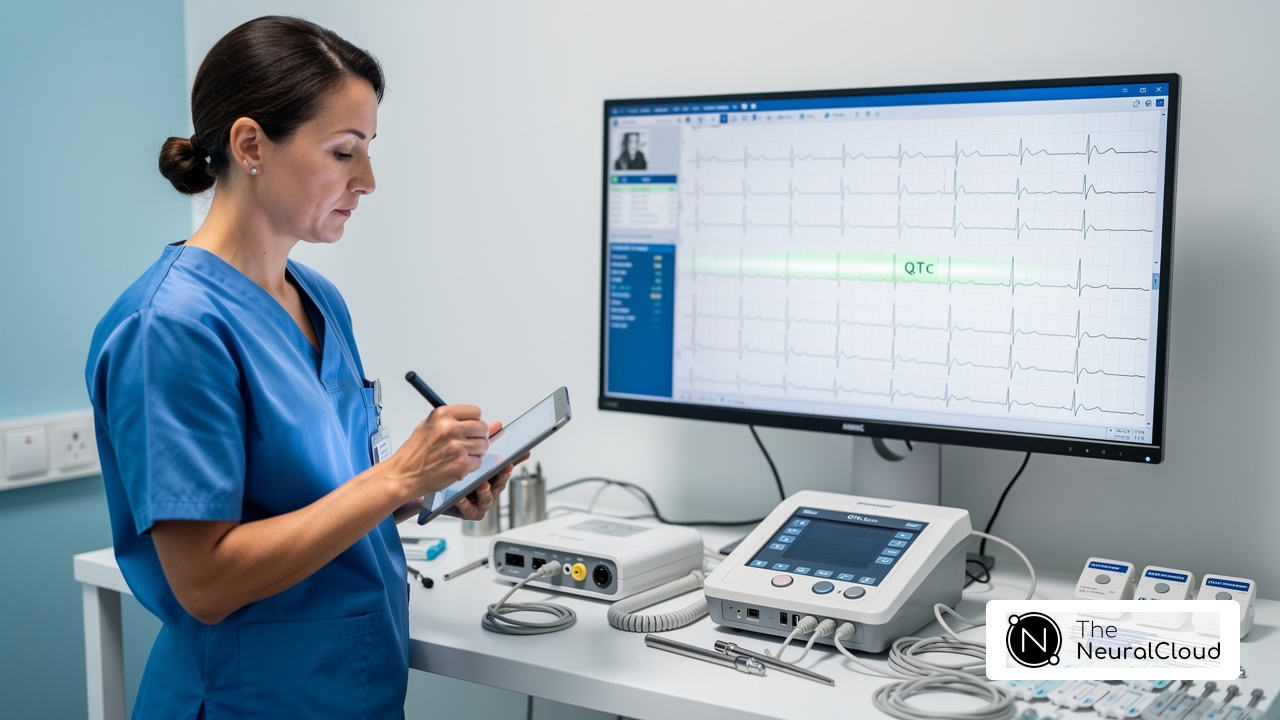
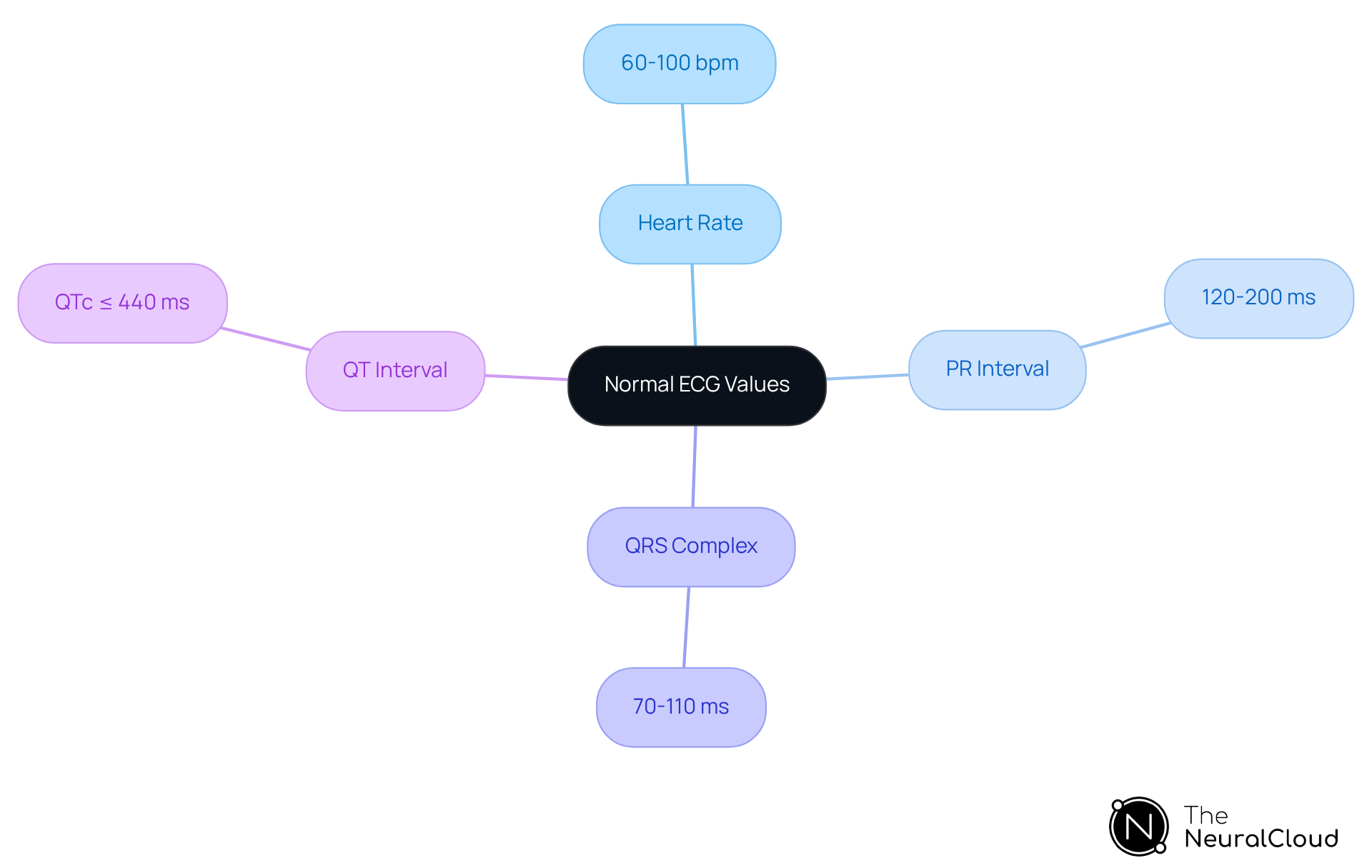
Accurate ECG analysis is crucial, yet many healthcare professionals struggle with interpreting deviations from standard measurements. Typical ECG readings help to determine what are the normal values of ECG, reflecting the electrical activity patterns of a healthy heart, recorded by an electrocardiogram (ECG). For adults, a typical heart rate ranges from 60 to 100 beats per minute (bpm). Key intervals, such as:
help to determine what are the normal values of ECG.
These principles are essential for healthcare professionals. Deviations from these standard measurements can complicate diagnosis and treatment, posing risks to patient health. By mastering what are the normal values of ECG, healthcare professionals can improve their diagnostic accuracy and enhance patient outcomes.
Context and Importance of Normal ECG Values
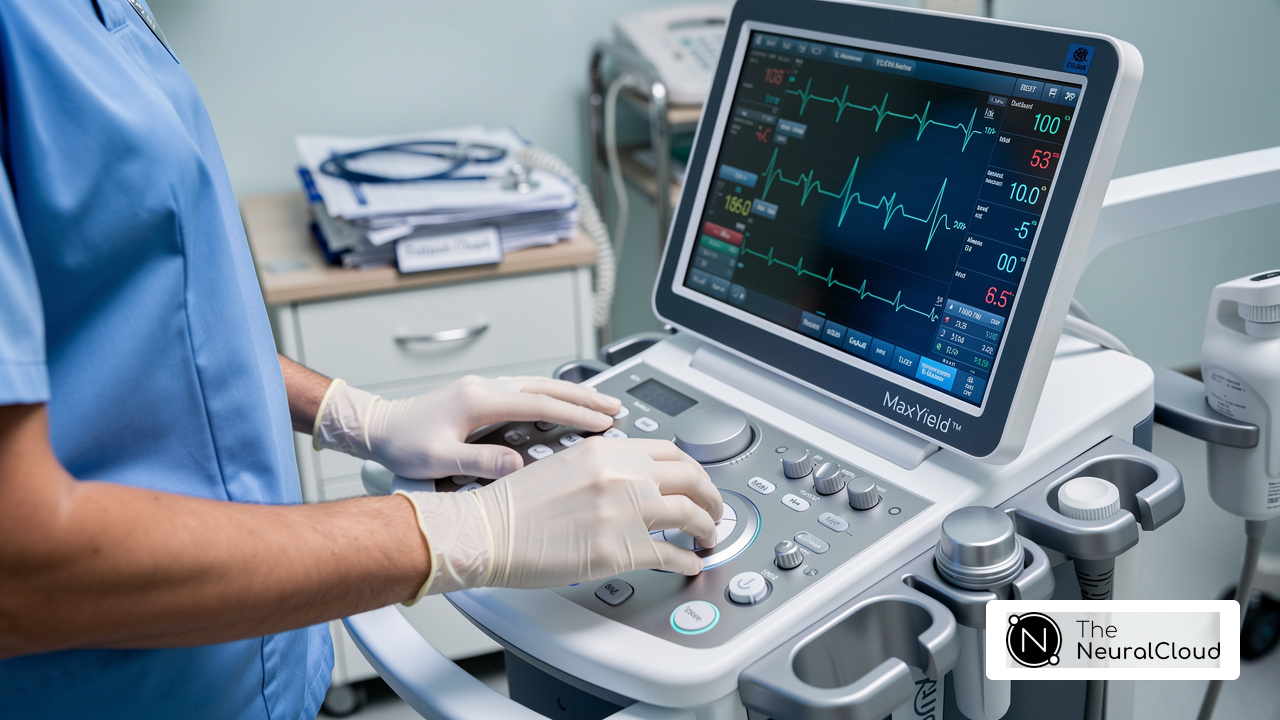
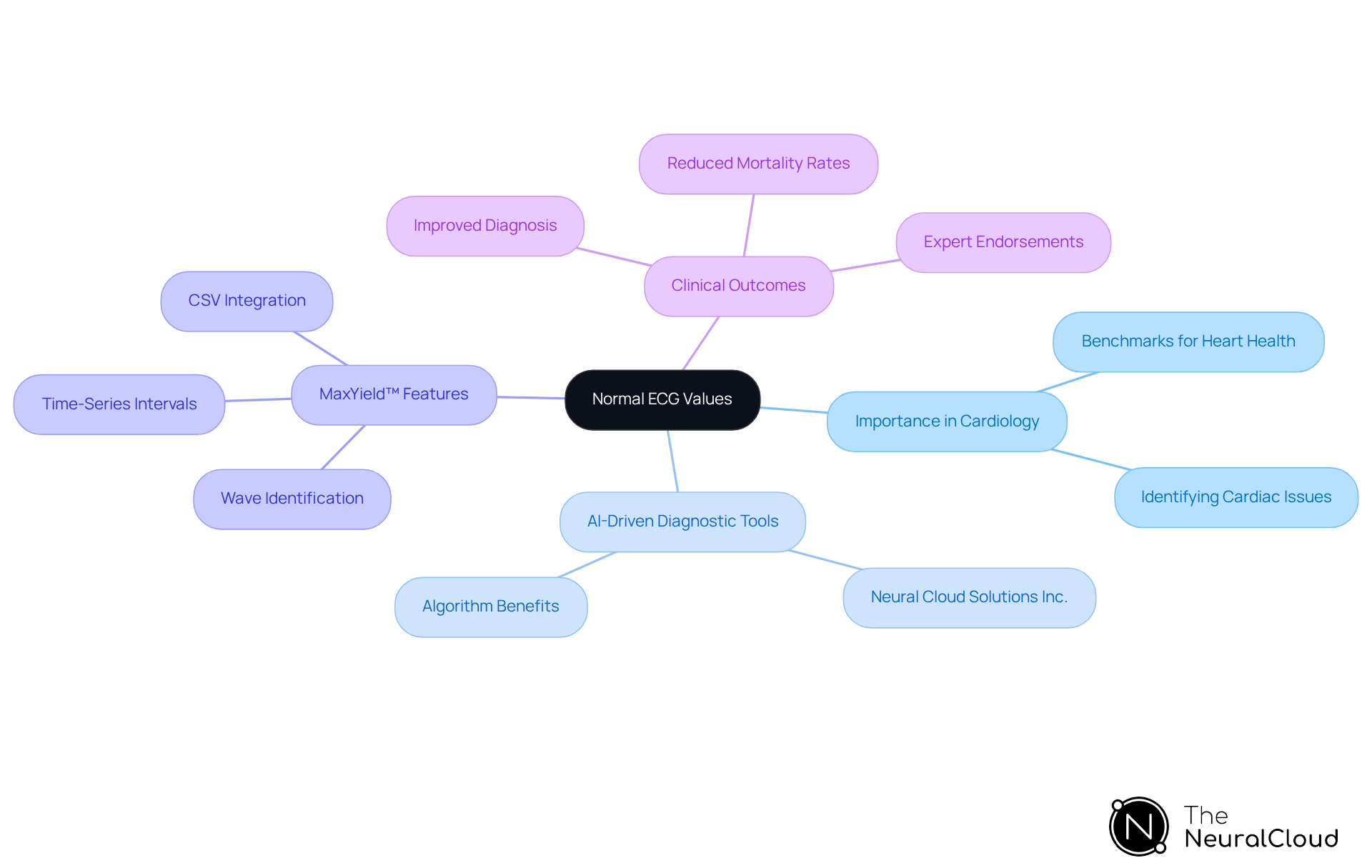
Accurate ECG readings are vital in cardiology, yet many face challenges in achieving precise assessments. These readings help determine what are the normal values of ECG, serving as essential benchmarks for evaluating heart health and identifying various cardiac issues, including arrhythmias and myocardial infarctions. In Canada, the significance of accurate ECG readings is highlighted by their role in developing AI-driven diagnostic tools, such as those offered by Neural Cloud Solutions Inc. By utilizing advanced algorithms like MaxYield™, healthcare professionals can achieve quicker and more precise diagnoses, significantly enhancing patient outcomes.
With MaxYield™, healthcare professionals can quickly identify the onsets and offsets of P, QRS, and T Waves. It also provides time-series intervals and beat-by-beat tabulation in CSV format, making it easy to integrate into existing workflows. This innovative ECG intelligence layer streamlines the analysis process and supports the discovery of new digital biomarkers, addressing challenges like physiological variability and signal artifacts. Delays in identifying variations from standard measurements can jeopardize patient survival. For instance, studies have shown that AI algorithms can detect conditions like left ventricular dysfunction with an accuracy AUC of 0.93, improving the identification of patients at risk for serious cardiac events. Furthermore, AI-generated ECG alerts have led to earlier clinical interventions, reducing all-cause mortality by 17% and cardiac mortality by 93% in a multicenter trial.
Expert endorsements from Dr. Alan Rabinowitz, Dr. Brett Heilbron, and Dr. Marc W. Deyell emphasize that MaxYield™ rivals human interpretation in precision and offers significant noise reduction benefits. The integration of AI in ECG diagnostics has demonstrated the potential to reduce false-positive rates in emergency settings, optimizing resource allocation and improving patient care.
Additionally, the regulatory compliance details, including FDA Class II SaMD clearance-pending status, further enhance the credibility of these advancements. Insight360, the customizable visualization tool, complements MaxYield™ by transforming clean ECG data into interactive dashboards and clinical-ready reports.
In summary, understanding what are the normal values of ECG not only guides clinical assessments but also enhances the efficacy of innovative health technologies like MaxYield™, ultimately leading to better management of cardiac conditions in the Canadian healthcare system. Addressing these challenges is essential for maximizing the benefits of AI in cardiac care.
Key Characteristics of Normal ECG Measurements
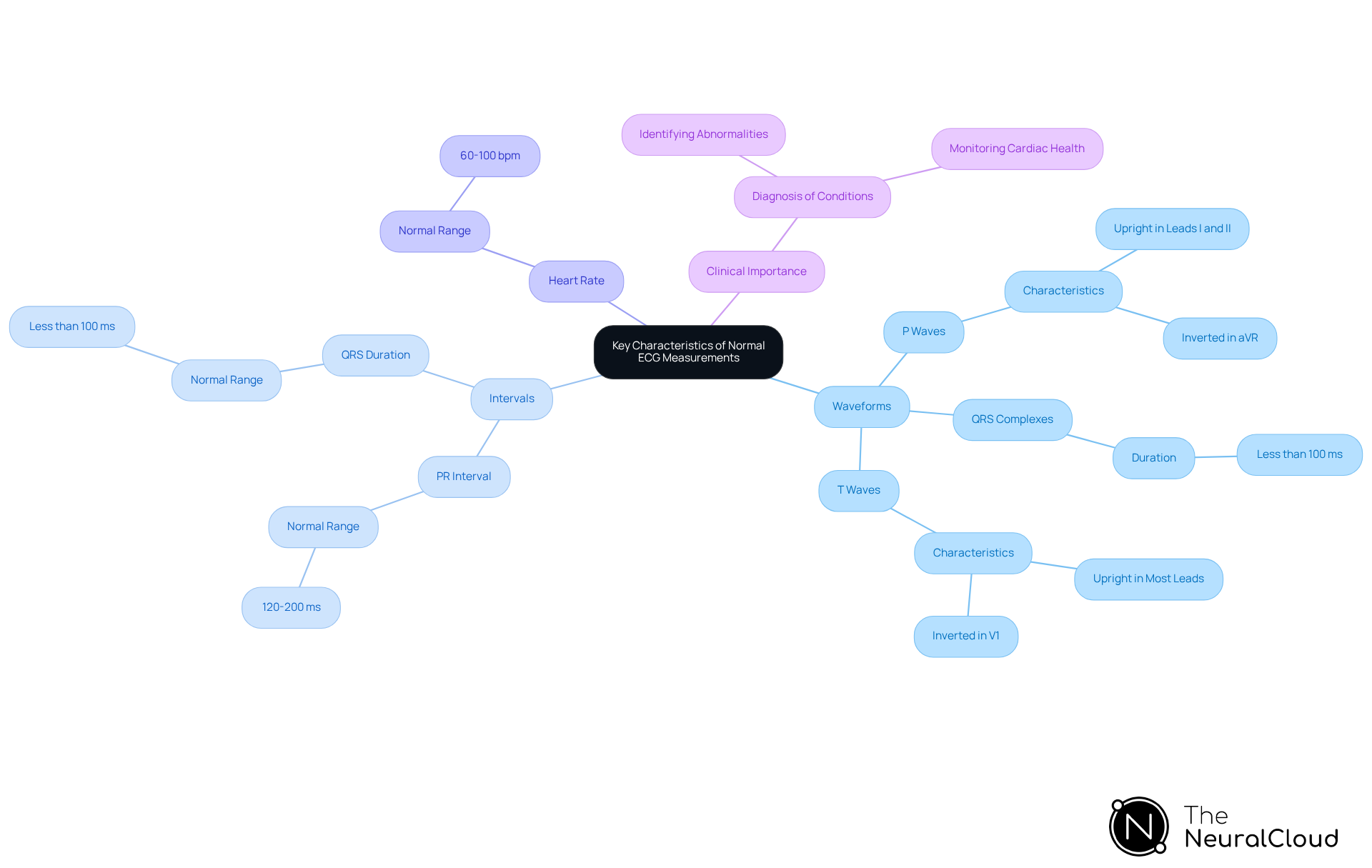
Understanding the nuances of ECG measurements is essential for accurate cardiac assessment. Key characteristics of typical ECG measurements include distinct waveforms: P waves, QRS complexes, and T waves. Each P wave precedes a QRS complex, indicating proper atrial depolarization followed by ventricular depolarization. The PR interval is typically consistent, ranging from 120 to 200 milliseconds, while the QRS duration should be narrow, ideally less than 100 milliseconds. The T wave is typically upright in most leads, indicating normal ventricular repolarization.
These characteristics are crucial for identifying typical sinus rhythm, defined by a heart rate of 60-100 beats per minute with less than 10% variation. Understanding what are the normal values of ECG is crucial, as variations can signal serious cardiac issues, such as first-degree heart block or bundle branch block, making this comprehension vital for healthcare professionals.
A case study on regular sinus rhythm highlighted that each P wave is followed by a QRS complex, confirming effective cardiac conduction. Comprehending these parameters assists in diagnosing typical ECGs and raises the question of what are the normal values of ECG to identify irregularities that may necessitate further examination.
MaxYield™ simplifies ECG analysis by automating the process, providing clear, actionable insights from noisy recordings. Additionally, Insight360 serves as a customizable visualization tool that transforms MaxYield’s clean ECG data into interactive dashboards and clinical-ready reports. Diagnosing a typical electrocardiogram involves identifying and excluding any abnormalities, underscoring the importance of these measurements in clinical practice.
As Dr. Alan Rabinowitz notes, MaxYield™ rivals human interpretation in precision, making it an invaluable tool for healthcare professionals aiming to improve diagnostic accuracy and patient outcomes. Furthermore, MaxYield™ is currently pending FDA Class II SaMD clearance, ensuring compliance with regulatory standards. As healthcare evolves, tools like MaxYield™ will be pivotal in enhancing diagnostic capabilities and patient care.
Variations in Normal ECG Values by Demographics
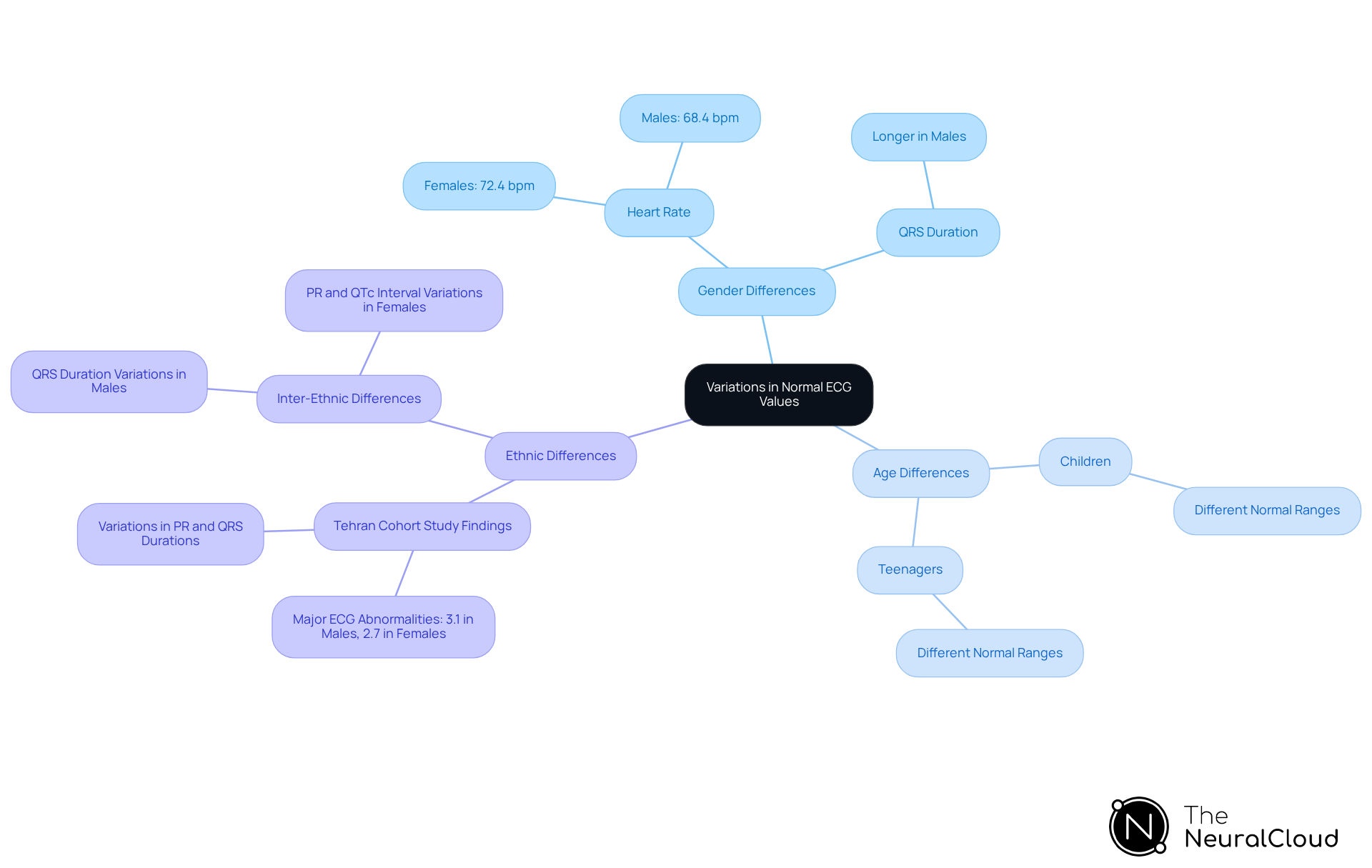
Demographic factors significantly influence what are the normal values of ECG, presenting challenges for accurate cardiac assessments. Research shows that women typically have higher resting heart rates. In contrast, men often exhibit longer QRS durations. For instance, in a study involving 7,630 adults, the average heart rate was found to be 72.4 bpm for females compared to 68.4 bpm for males, highlighting this gender disparity. Furthermore, children and teenagers exhibit different normal ranges compared to adults, requiring age-specific reference standards for precise assessments.
Ethnic differences also significantly impact ECG characteristics. The Tehran Cohort Study revealed that major ECG abnormalities were more prevalent among men (3.1%) than women (2.7%), with variations in parameters such as PR intervals and QRS durations across different ethnic groups. For example, significant inter-ethnic differences in QRS duration were observed among men, while PR and QTc intervals varied among women. These findings highlight why healthcare providers should consider ethnicity in ECG interpretations, as current reference values are predominantly based on middle-aged Caucasian populations.
Understanding these demographic variations is essential for healthcare professionals to avoid misdiagnosis and ensure precise evaluations of cardiac health, especially in relation to what are the normal values of ECG across diverse patient populations. Misinterpretations can arise when demographic factors are overlooked in ECG analysis. By integrating this knowledge into clinical practice, providers can enhance the accuracy of ECG interpretations and improve overall patient care outcomes.
Conclusion
Grasping normal ECG values is crucial for effective cardiac care and health technology. These values serve as critical benchmarks for healthcare professionals, enabling accurate assessments of heart health and timely identification of potential cardiac issues. Mastering standard measurements helps clinicians enhance diagnostic capabilities and improve patient outcomes.
The article highlights the importance of normal ECG values, detailing key characteristics such as:
- Heart rate
- PR interval
- QRS complex duration
- QT interval
It emphasizes the role of advanced tools like MaxYield™ from Neural Cloud Solutions Inc., which streamline ECG analysis and support healthcare professionals in making informed decisions. Additionally, the discussion on demographic variations underscores the necessity of considering factors like age, gender, and ethnicity in ECG interpretations to avoid misdiagnosis and ensure precise evaluations. Without a solid grasp of normal ECG values, clinicians risk misdiagnosing patients, leading to inadequate care.
Understanding normal ECG values is key to optimizing patient care. As the healthcare landscape evolves, utilizing advanced tools like MaxYield™ not only enhances diagnostic accuracy but also fosters better patient outcomes. Adopting these advancements is essential for improving patient care and ensuring the Canadian healthcare system effectively manages cardiac conditions.
Frequently Asked Questions
What is the importance of accurate ECG analysis?
Accurate ECG analysis is crucial for determining deviations from standard measurements, which can complicate diagnosis and treatment, posing risks to patient health.
What are the typical heart rate values for adults?
For adults, a typical heart rate ranges from 60 to 100 beats per minute (bpm).
What are the normal values for the PR interval in an ECG?
The normal PR interval spans from 120 to 200 milliseconds.
What is the normal duration for the QRS complex in an ECG?
The normal duration for the QRS complex is between 70 to 110 milliseconds.
What is the acceptable range for the corrected QT interval (QTc) in an ECG?
The acceptable range for the corrected QT interval (QTc) is 440 milliseconds or less.
How can mastering normal ECG values benefit healthcare professionals?
Mastering normal ECG values can improve diagnostic accuracy and enhance patient outcomes for healthcare professionals.
List of Sources
- Define Normal ECG Values
- Normal Electrocardiography (ECG) Intervals: Normal Electrocardiography Intervals (https://emedicine.medscape.com/article/2172196-overview)
- ECGlibrary.com: Normal adult 12-lead ECG (https://ecglibrary.com/norm.php)
- ECG tests no better than physical for predicting heart disease: study | CBC News (https://cbc.ca/news/science/ecg-tests-no-better-than-physical-for-predicting-heart-disease-study-1.738852)
- Context and Importance of Normal ECG Values
- Normal Electrocardiography (ECG) Intervals: Normal Electrocardiography Intervals (https://emedicine.medscape.com/article/2172196-overview)
- theneuralcloud.com (https://theneuralcloud.com/post/best-practices-for-effective-ecg-diagnosis-using-ai-solutions)
- Artificial Intelligence and ECG: A New Frontier in Cardiac Diagnostics and Prevention - PMC (https://pmc.ncbi.nlm.nih.gov/articles/PMC12292989)
- Artificial intelligence in ECG diagnostics - where are we now? (https://escardio.org/communities/councils/cardiology-practice/education/cardiopractice/artificial-intelligence-in-ecg-diagnostics-where-are-we-now)
- AI-ECG Finds STEMI Faster, Cuts False-Positive Cath Lab Activations (https://tctmd.com/news/ai-ecg-finds-stemi-faster-cuts-false-positive-cath-lab-activations)
- Key Characteristics of Normal ECG Measurements
- ECG Learning Center - An introduction to clinical electrocardiography (https://ecg.utah.edu/lesson/3)
- ECGlibrary.com: Normal adult 12-lead ECG (https://ecglibrary.com/norm.php)
- The Normal ECG | Normal 12-lead ECG | Geeky Medics (https://geekymedics.com/the-normal-ecg)
- Normal Sinus Rhythm (https://litfl.com/normal-sinus-rhythm-ecg-library)
- Conquering the ECG - Cardiology Explained - NCBI Bookshelf (https://ncbi.nlm.nih.gov/books/NBK2214)
- Variations in Normal ECG Values by Demographics
- Association of Age, Sex, Body Size and Ethnicity with Electrocardiographic Values in Community-based Older Asian Adults (https://sciencedirect.com/science/article/abs/pii/S144395061600069X)
- Age and gender differences of basic electrocardiographic values and abnormalities in the general adult population; Tehran Cohort Study - BMC Cardiovascular Disorders (https://link.springer.com/article/10.1186/s12872-023-03339-z)
- Age and gender differences of basic electrocardiographic values and abnormalities in the general adult population; Tehran Cohort Study - PubMed (https://pubmed.ncbi.nlm.nih.gov/37328821)