Introduction
Understanding the intricacies of heart health is increasingly vital, particularly regarding conditions like ST-Elevation Myocardial Infarction (STEMI). This serious type of heart attack necessitates immediate medical intervention, as it entails a complete obstruction of blood flow to the heart muscle, which can result in severe consequences.
In this article, readers will:
- Examine the defining characteristics of STEMI
- Investigate its causes and risk factors
- Discover the latest treatment options that can greatly enhance patient outcomes
However, given the high stakes involved, what obstacles persist in guaranteeing timely diagnosis and intervention for those at risk?
Define STEMI: An Overview of ST-Elevation Myocardial Infarction
ST-Elevation Myocardial Infarction is a critical form of heart attack, characterized by a pronounced elevation in the ST segment of the electrocardiogram (ECG). This elevation indicates a complete blockage of a coronary artery, halting blood flow to a segment of the heart muscle, which leads to tissue necrosis due to oxygen deprivation.
To understand STEMI, it is essential to recognize that timely intervention is crucial to restore blood flow and mitigate cardiac damage. Common symptoms associated with this type of heart attack include:
- Shortness of breath
- Excessive sweating
Prompt identification of these symptoms is crucial for healthcare professionals to initiate timely and effective care.
Recent studies show that STEMI can be life-threatening, with mortality rates ranging from 2.5% to 10% within 30 days of presentation. The TIMI risk score assesses various prognostic factors, aiding in forecasting these outcomes and classifying individuals into risk levels. Furthermore, a thorough patient history is vital, as it helps clarify or unclear symptom descriptions.
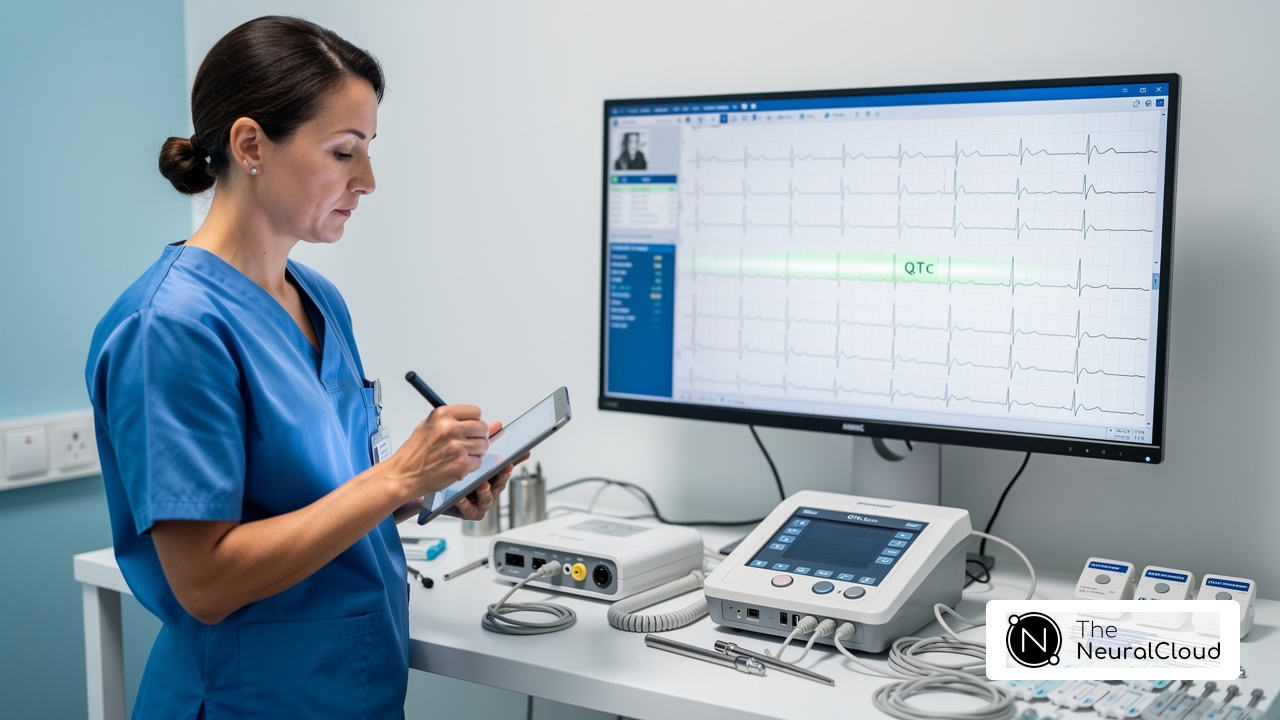
In clinical practice, the ECG serves as a critical diagnostic tool, enabling the differentiation of STEMI from non-ST-elevation acute coronary syndrome (NSTE-ACS). Recognizing ST elevation in specific leads, particularly V2 and V3, is essential for confirming the diagnosis of a heart attack and guiding subsequent management strategies.
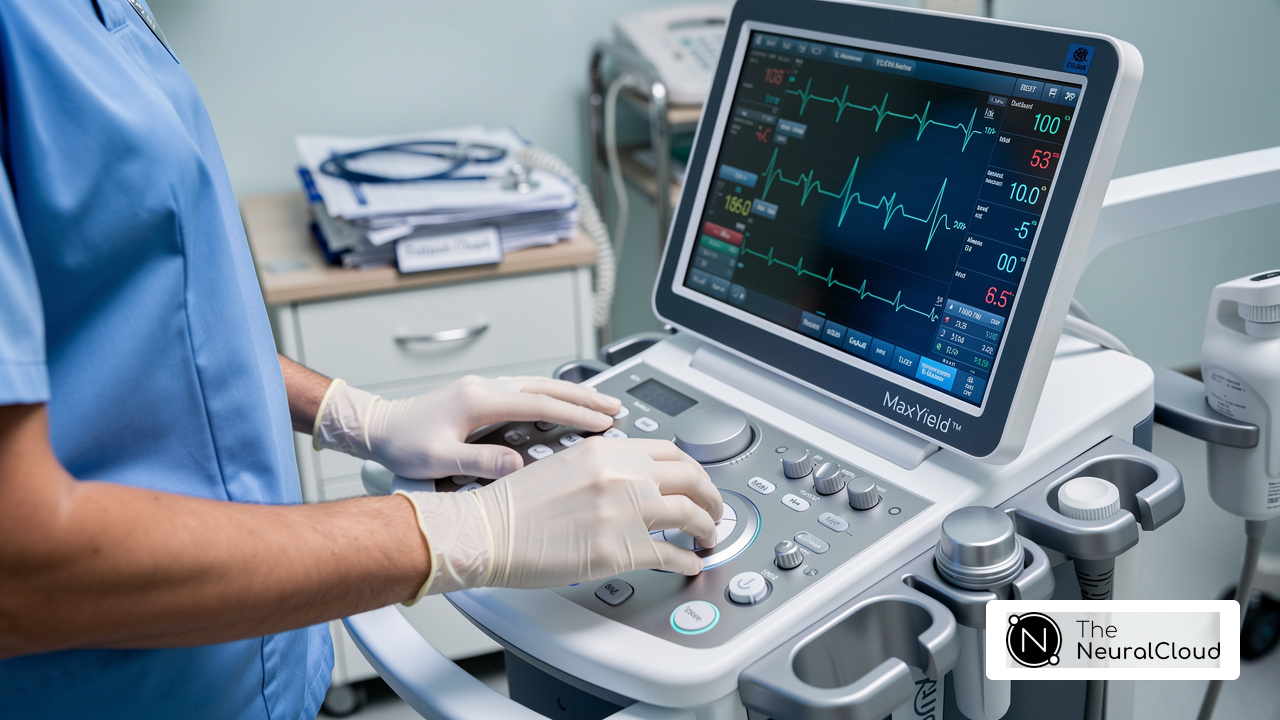
The integration of the MaxYield™ platform enhances diagnostics through advanced noise filtering and signal processing, improving the precision and effectiveness of ECG readings. This innovative approach addresses challenges such as physiological variability and signal artifacts, ensuring that crucial data is identified and labeled even in recordings with high noise levels.
As the landscape of heart attack management evolves, ongoing research underscores the necessity for coordinated care to address treatment delays and enhance patient outcomes.

Identify Causes and Risk Factors of STEMI
To understand what is a STEMI, it primarily arises from the rupture of an plaque in a coronary artery, leading to the formation of a blood clot that obstructs blood flow. Several contributing factors significantly facilitate the development of atherosclerosis, which can culminate in a heart attack. Key elements include:
- Elevated cholesterol levels
- Smoking
- Diabetes
- Obesity
- A sedentary lifestyle
Notably, approximately 47% of individuals with STEMI are diagnosed with hypertension, while smoking is responsible for about 36% of cases, with 69% of these individuals being smokers, predominantly male (88%). Furthermore, genetic predisposition and a family history of heart disease heighten the risk, as studies indicate that 39% of patients have a history of coronary artery disease (CAD). Understanding these risk factors is crucial for healthcare providers to develop effective treatment plans.
Implementing lifestyle changes, such as adopting a healthy diet and increasing physical activity, can significantly reduce the likelihood of heart attacks. Recent research underscores the importance of managing modifiable risk factors, as effective control of hypertension and diabetes can lead to considerable reductions in cardiovascular events. Additionally, physical inactivity presents a population-attributable risk of 12.2% for heart disease, emphasizing the necessity for enhanced physical activity. By educating individuals about these risk factors, healthcare professionals can empower them to make informed decisions that enhance their cardiovascular health.

Explore Treatment Options for STEMI
To understand what is a STEMI, it's important to know that the management of STEMI focuses on quickly restoring blood circulation to the heart, which is crucial for minimizing damage and improving outcomes for patients. The primary intervention is percutaneous coronary intervention (PCI), commonly known as angioplasty. This procedure involves inserting a catheter to open the blocked artery, often followed by placing a stent to keep the artery open. Data indicates that timely intervention can significantly enhance survival rates, with research showing that 60% of patients arriving at PCI-capable centers were treated within the recommended first medical contact (FMC) to device time of 90 minutes or less. However, only 11.1% of hospitals achieved the goal of treating at least 75% of patients arriving directly at a PCI center within the recommended time frames, underscoring the challenges in delivering prompt care.
In addition to PCI, thrombolytic therapy is used to dissolve blood clots that obstruct coronary arteries. This treatment is especially beneficial when PCI is not immediately available, as it can restore blood flow in a short time. Recent advancements in thrombolytic agents have enhanced their efficacy and safety profiles, making them a viable option in acute situations.
Current guidelines stress the importance of timely diagnosis and intervention in cases of STEMI. Medications such as antiplatelet agents, beta-blockers, and statins are routinely prescribed to manage symptoms and reduce the risk of future cardiac events. Adherence to guideline-directed medical therapies (GDMTs) has been shown to correlate with improved outcomes for patients, with a reported 91.8% compliance with GDMTs in recent studies. This adherence is vital, as it has been linked to better survival rates and fewer complications.
Real-world examples illustrate the effectiveness of these therapies. For instance, the Get With The Guidelines (GHATI) reported that 74.8% of patients received timely device intervention, contributing to a 2% improvement in combined endpoints, such as survival at discharge and reduced rates of cardiogenic shock. These findings highlight the critical role of adherence to established protocols in enhancing heart attack treatment outcomes.
Overall, a comprehensive approach is essential for the effective management of STEMI through the integration of PCI and thrombolytic therapy, supported by current guidelines and ongoing advancements, ultimately leading to improved patient prognoses.

Conclusion
Understanding ST-Elevation Myocardial Infarction (STEMI) is crucial for recognizing the severity of this type of heart attack, which demands immediate medical attention to prevent irreversible heart damage. The article highlights the critical nature of STEMI, characterized by a significant elevation in the ST segment of an ECG, indicating a complete blockage of a coronary artery. This blockage leads to tissue necrosis from oxygen deprivation, emphasizing the need for rapid identification and intervention.
Key insights from the article include:
- The importance of recognizing symptoms such as acute chest pain and shortness of breath.
- Understanding the risk factors that contribute to the development of STEMI, including high blood pressure, smoking, and diabetes.
- The discussion around treatment options, particularly the role of percutaneous coronary intervention (PCI) and thrombolytic therapy, underscores the urgency of restoring blood flow to minimize cardiac damage.
- Adherence to established treatment guidelines significantly correlates with improved patient outcomes, making coordinated care essential in the management of STEMI.
Reflecting on the information presented, it becomes evident that awareness and education regarding STEMI can empower individuals to seek timely medical help. By understanding the signs, risk factors, and treatment options, patients and healthcare providers can work together to improve outcomes. The ongoing research and advancements in heart attack management reinforce the significance of staying informed and proactive in cardiovascular health, ultimately saving lives and enhancing the quality of care for those affected by STEMI.
Frequently Asked Questions
What is a STEMI?
A STEMI, or ST-Elevation Myocardial Infarction, is a critical form of heart attack characterized by a pronounced elevation in the ST segment of the electrocardiogram (ECG). This elevation indicates a complete blockage of a coronary artery, leading to halted blood flow and tissue necrosis due to oxygen deprivation.
What are the common symptoms of a STEMI?
Common symptoms associated with a STEMI include acute chest pain, shortness of breath, and excessive sweating.
Why is immediate medical intervention crucial for STEMI patients?
Immediate medical intervention is essential to restore blood flow and mitigate cardiac damage, which can significantly improve outcomes for STEMI patients.
What are the mortality rates for STEMI patients within 30 days of presentation?
Mortality rates for STEMI patients within 30 days of presentation range from 2.5% to 10%.
How does the TIMI risk score help in STEMI cases?
The TIMI risk score assesses various prognostic factors to forecast outcomes for STEMI patients and classify individuals into different risk levels.
Why is a thorough patient history important in STEMI diagnosis?
A thorough patient history is vital because diagnostic delays often occur due to incomplete information or unclear symptom descriptions.
How does the ECG differentiate STEMI from other conditions?
The ECG is a critical diagnostic tool that helps differentiate STEMI from non-ST-elevation acute coronary syndrome (NSTE-ACS) by recognizing specific ST segment elevations in leads, particularly V2 and V3.
What role does Neural Cloud Solutions' MaxYield™ platform play in STEMI diagnosis?
The MaxYield™ platform enhances ECG analysis through advanced noise filtering and automated labeling of P-Waves and QRS-onsets, improving the precision and effectiveness of heart attack diagnosis.
What challenges does the MaxYield™ platform address in ECG recordings?
The MaxYield™ platform addresses challenges such as physiological variability and signal artifacts, ensuring crucial data is identified and labeled even in recordings with high noise levels.
What is the focus of ongoing research in heart attack management?
Ongoing research emphasizes the necessity for coordinated care to address treatment delays and enhance patient outcomes in heart attack management.
List of Sources
- Define STEMI: An Overview of ST-Elevation Myocardial Infarction
- Contributing to Advancing STEMI Heart Attack Care | Minneapolis Heart Institute Foundation (https://mplsheart.org/news/contributing-advancing-stemi-heart-attack-care)
- Acute ST-Segment Elevation Myocardial Infarction (STEMI) - StatPearls - NCBI Bookshelf (https://ncbi.nlm.nih.gov/books/NBK532281)
- finance.yahoo.com (https://finance.yahoo.com/news/study-reinforces-greater-coordination-heart-154200993.html)
- pmc.ncbi.nlm.nih.gov (https://pmc.ncbi.nlm.nih.gov/articles/PMC10122825)
- Identify Causes and Risk Factors of STEMI
- Contributing to Advancing STEMI Heart Attack Care | Minneapolis Heart Institute Foundation (https://mplsheart.org/news/contributing-advancing-stemi-heart-attack-care)
- Acute ST-Segment Elevation Myocardial Infarction (STEMI) - StatPearls - NCBI Bookshelf (https://ncbi.nlm.nih.gov/books/NBK532281)
- Risk Factors for Coronary Artery Disease - StatPearls - NCBI Bookshelf (https://ncbi.nlm.nih.gov/books/NBK554410)
- Myocardial infarction - Wikipedia (https://en.wikipedia.org/wiki/Myocardial_infarction)
- link.springer.com (https://link.springer.com/article/10.1007/s11845-025-03965-w)
- Explore Treatment Options for STEMI
- acc.org (https://acc.org/Latest-in-Cardiology/Journal-Scans/2025/06/17/20/23/STEMI-Treatment-Delays-Persist)
- tctmd.com (https://tctmd.com/news/delays-stemi-treatment-remain-common-tied-worse-pci-outcomes)
- pmc.ncbi.nlm.nih.gov (https://pmc.ncbi.nlm.nih.gov/articles/PMC11683228)
- tctmd.com (https://tctmd.com/news/complete-revascularization-stemi-still-superior-10-years-danami-3-primulti)
- Ten-Year Trends in Patient Characteristics, Treatments, and Outcomes in Myocardial Infarction From National Cardiovascular Data Registry Chest Pain–MI Registry | Circulation: Cardiovascular Quality and Outcomes (https://ahajournals.org/doi/10.1161/CIRCOUTCOMES.121.008112)