Introduction
Understanding anterior myocardial infarction is crucial for healthcare professionals, as it signifies a significant cardiac event that can lead to severe complications if not addressed promptly. This article explores the challenges associated with ECG analysis, particularly in the context of anterior infarcts, and emphasizes the importance of accurate diagnosis and timely intervention.
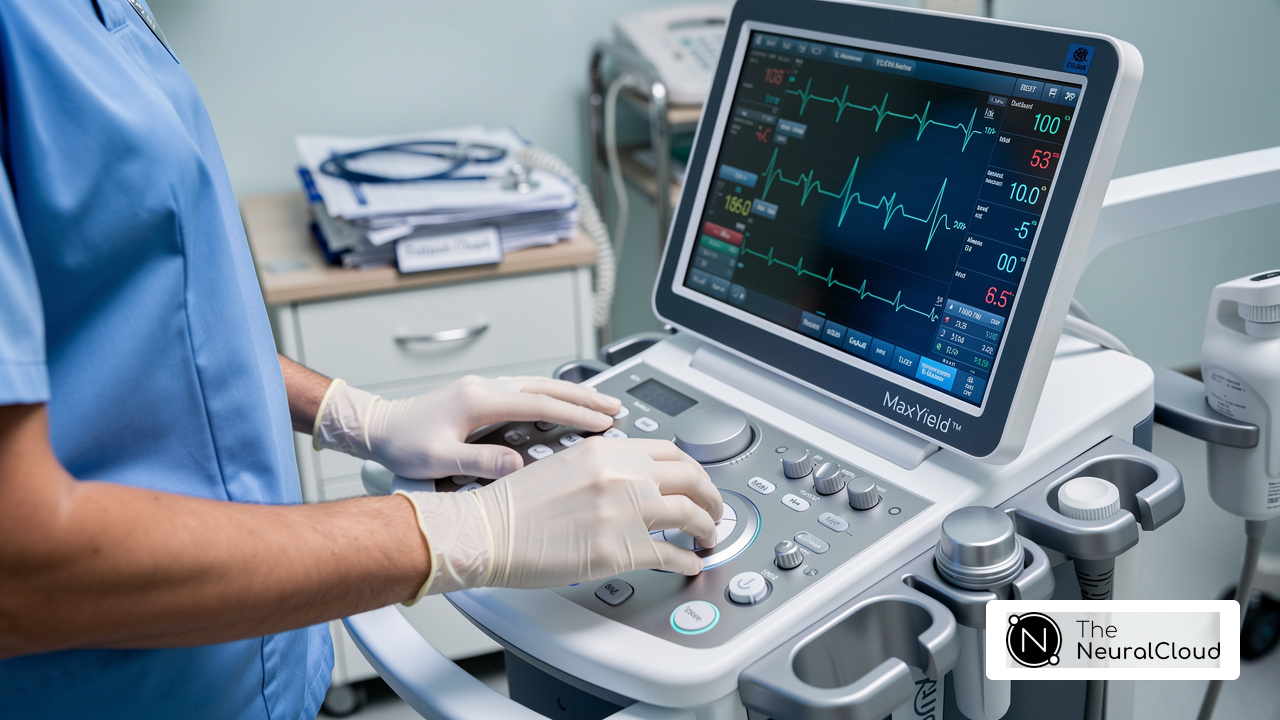
With advancements in ECG analysis technologies, notably the MaxYield™ platform, the ability to identify and respond to this critical condition has vastly improved. The MaxYield™ platform offers features that enhance ECG analysis, providing healthcare professionals with the tools necessary to improve patient outcomes.
However, the challenge remains: how can healthcare providers ensure they are leveraging these tools effectively to enhance patient outcomes?
Define Anterior Myocardial Infarction: Key Concepts and Terminology
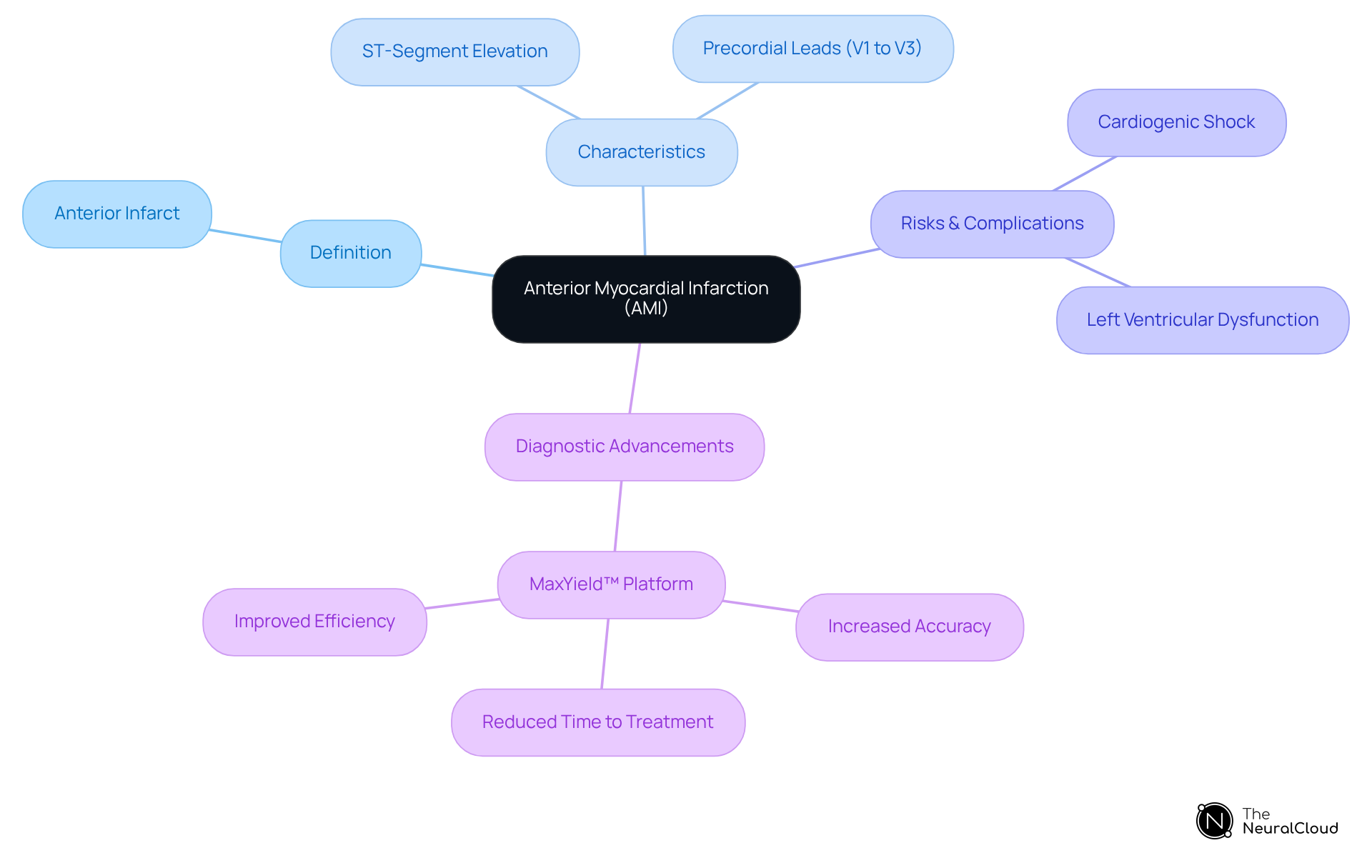
Anterior myocardial infarction, also known as an acute myocardial infarction (AMI), is a severe form of cardiac event that primarily affects the front wall of the heart, typically resulting from the blockage of the left anterior descending artery (LAD). This condition is characterized by ST elevation, which is observed in the precordial leads, particularly V1 to V3, on an electrocardiogram (ECG). Understanding key terms associated with AMI, such as 'ST elevation' and myocardial ischemia, is essential for accurate diagnosis and effective treatment planning. The severity of AMI can vary significantly, often posing a heightened risk due to the extensive area of myocardium susceptible to ischemia. If not managed promptly, this condition can lead to serious complications, including cardiogenic shock and left ventricular dysfunction. Recent research indicates that approximately 33% of all ST-elevation heart attacks (STEMIs) are anterior myocardial infarctions, underscoring the importance of timely intervention.
Advancements in ECG analysis technologies, particularly those offered by Neural Cloud Solutions' MaxYield™, significantly enhance the clarity of ECG signals. The platform features advanced algorithms that improve signal interpretation, allowing healthcare professionals to identify critical conditions with greater confidence. By providing real-time analysis, the platform enables quicker decision-making in emergency situations, ultimately benefiting patient outcomes. The advantages of using MaxYield™ include:
- Increased accuracy in diagnosis
- Reduced time to treatment
- Enhanced efficiency in clinical settings
Through these enhancements, healthcare professionals can respond more effectively to anterior myocardial infarction, ensuring better care for their patients.
Identify Clinical Signs and Diagnostic Criteria for Anterior Infarction
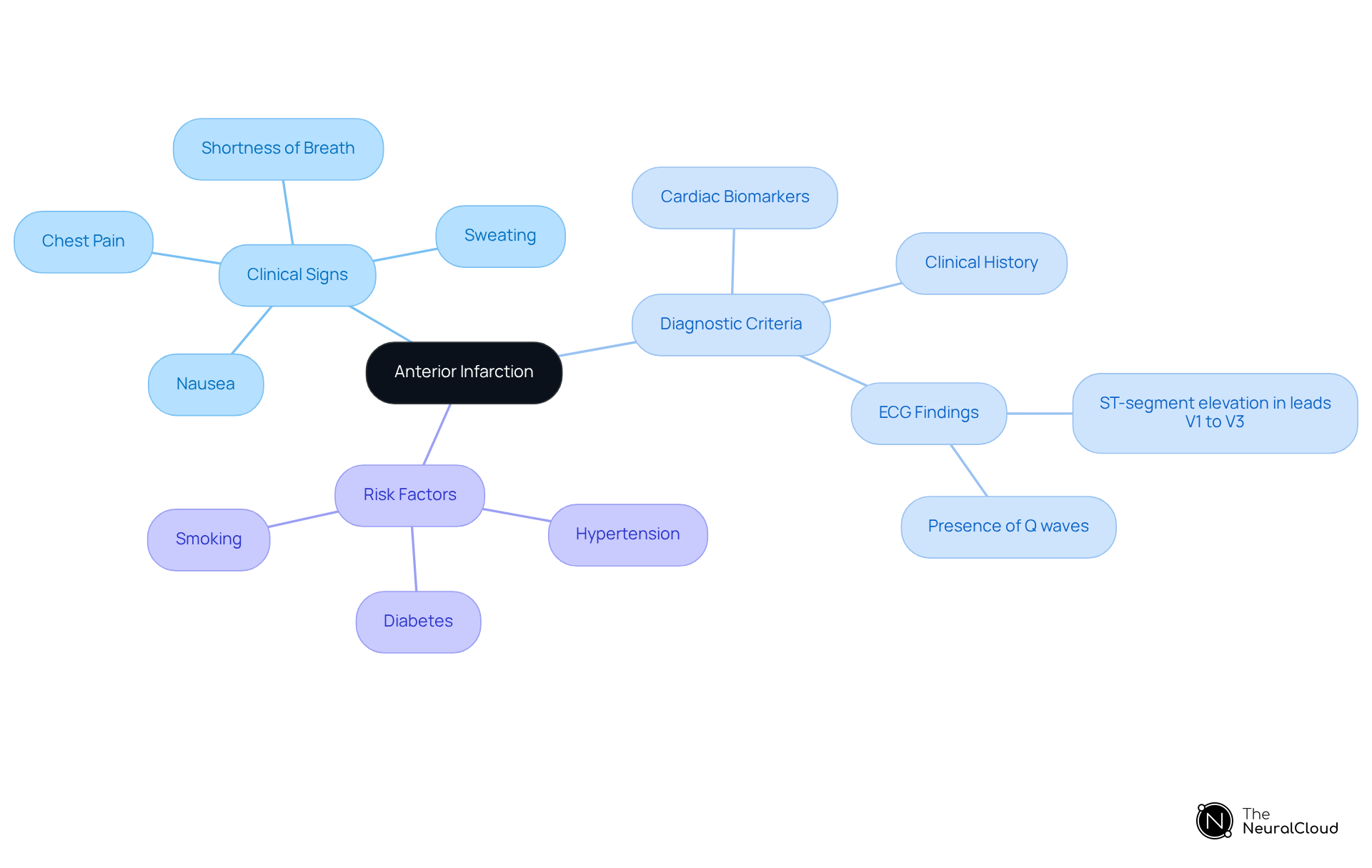
Clinical signs of an anterior myocardial infarction may include:
- Chest pain that radiates to the left arm, jaw, or back
- Shortness of breath
- Sweating
- Nausea
The diagnostic criteria for anterior myocardial infarction typically involve a combination of:
- Clinical history
Key findings include:
- The presence of Q waves may suggest a more extensive heart attack
Healthcare providers should also consider risk factors, such as:
- Diabetes
- Smoking
Utilizing guidelines, such as those outlined by the American College of Cardiology and American Heart Association, can aid in accurate diagnosis.
Implement Management Strategies and Treatment Protocols for Anterior Infarction
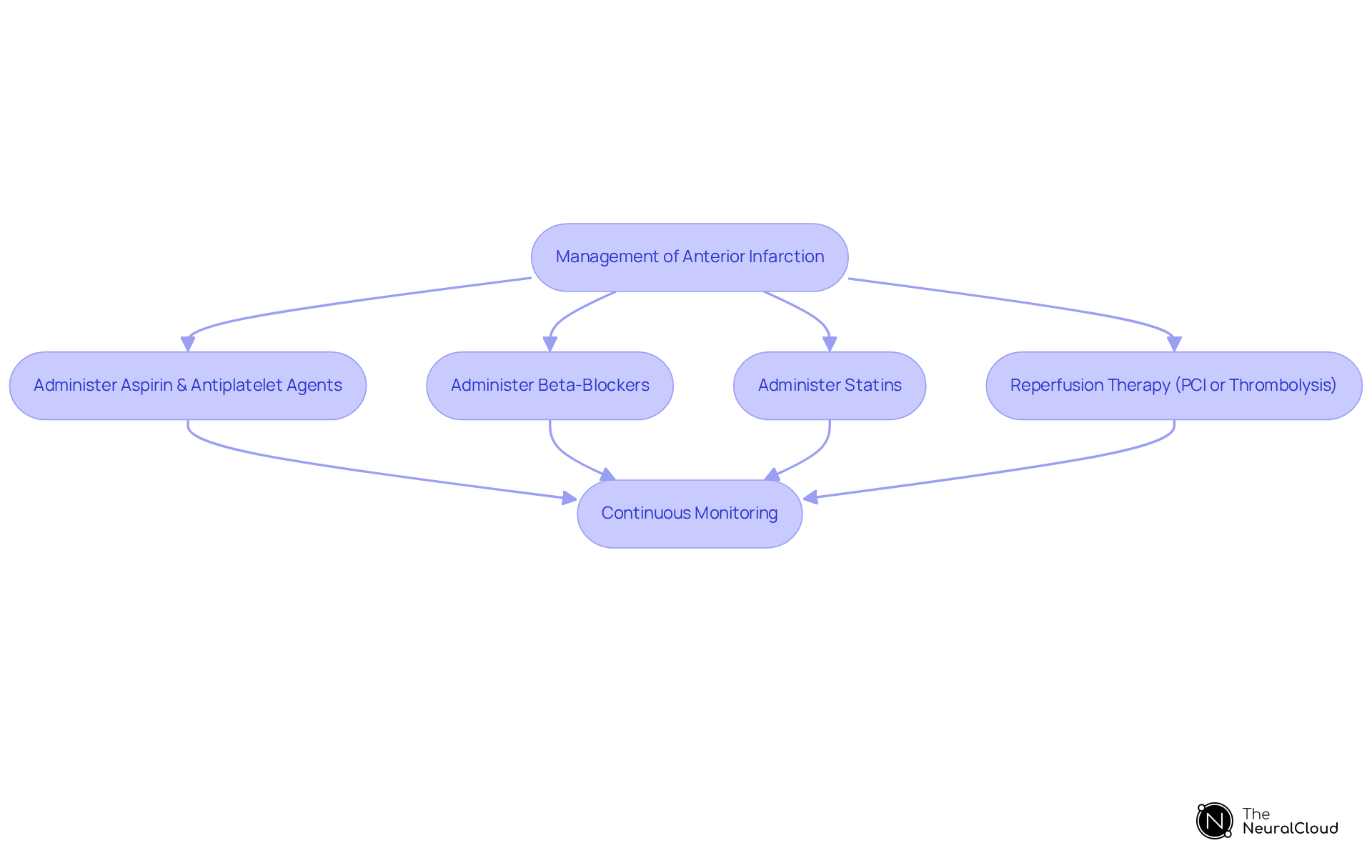
Management of an anterior myocardial infarction typically involves strategies aimed at restoring blood flow to the affected area. Key interventions include:
- Administering aspirin and other antiplatelet agents
- Beta-blockers
- Statins
Percutaneous coronary intervention (PCI) or thrombolysis is often indicated within the first few hours of symptom onset. Continuous monitoring of vital signs and cardiac function is crucial during treatment. Furthermore, addressing risk factors through lifestyle modifications and medication management is essential for recovery. Adhering to guidelines, such as those from the ACC/AHA, can help ensure that patients receive optimal care.
Leverage Advanced ECG Analysis Technologies for Enhanced Diagnosis
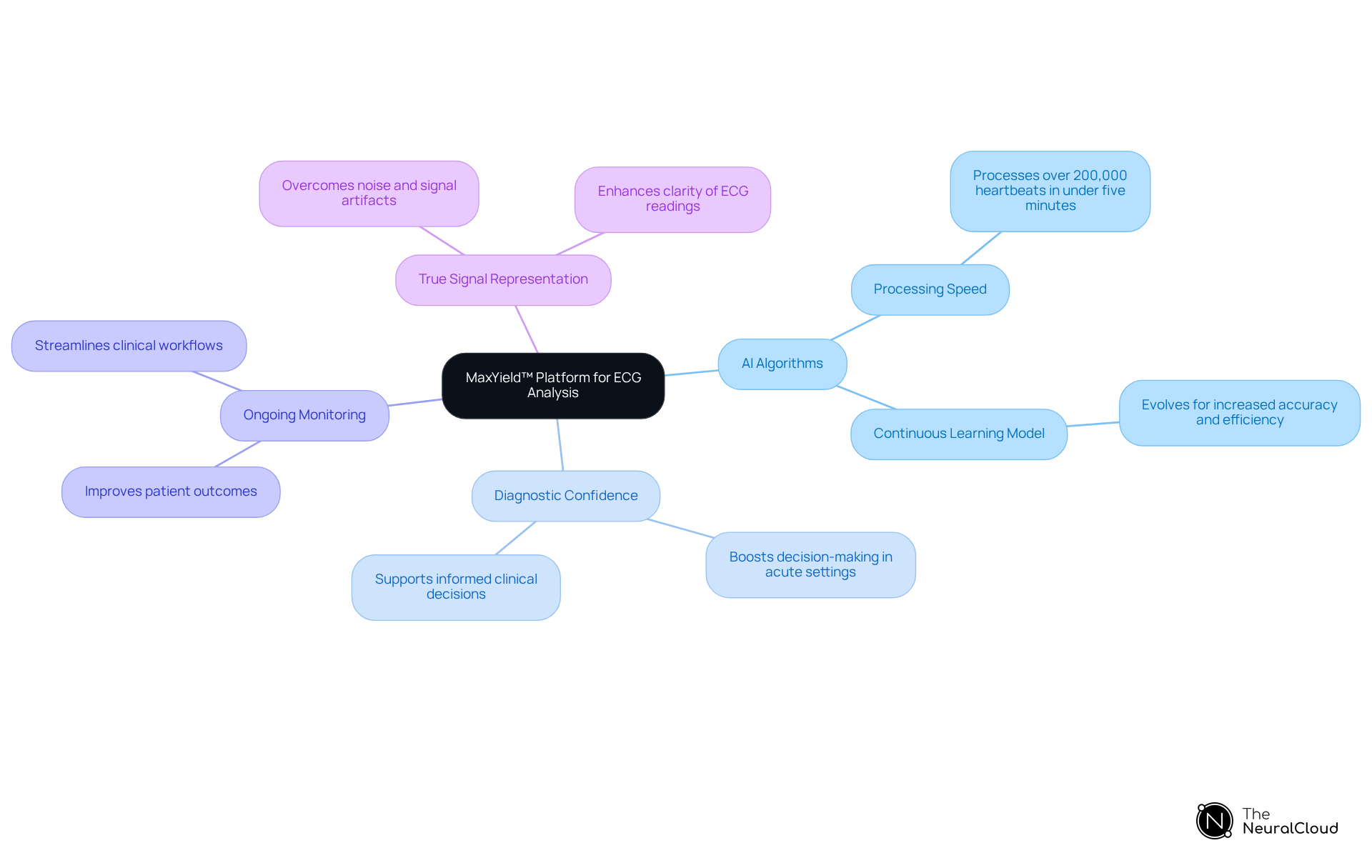
Advanced ECG analysis technologies face significant challenges, including noise that can obscure critical information. Neural Cloud Solutions' platform addresses these issues by harnessing the power of AI algorithms to automate and enhance the clarity of ECG signals. This platform is capable of analyzing data in under five minutes, identifying and classifying abnormal waveforms with remarkable precision.
The platform offers several key features that set it apart:
- By integrating advanced analytics, it significantly boosts diagnostic confidence, enabling healthcare professionals to make informed decisions swiftly in acute settings.
- It facilitates real-time monitoring, ultimately improving patient outcomes.
Another advantage of the platform is its ability to adapt, overcoming challenges posed by evolving medical standards. Its continuous learning model allows the algorithms to evolve, increasing accuracy and efficiency over time. Recent studies, with over 24 publications in AI and cardiology, underscore the platform's effectiveness in enhancing diagnostic capabilities.
In summary, the platform not only enhances ECG analysis but also provides healthcare professionals with the tools necessary for better patient management. By streamlining workflows, it supports informed decision-making, ultimately leading to improved patient care.
Conclusion
Anterior myocardial infarction (AMI) represents a critical cardiac event that necessitates immediate attention and intervention. This condition, primarily resulting from blockage in the left anterior descending artery, can lead to significant complications if not promptly diagnosed and treated. Understanding the intricacies of AMI, including its clinical signs, diagnostic criteria, and management strategies, is vital for healthcare professionals aiming to improve patient outcomes.
The article highlights essential aspects of anterior infarct, emphasizing the importance of recognizing key ECG findings, such as ST-segment elevation. Advanced technologies, like Neural Cloud Solutions' MaxYield™ platform, play a crucial role in enhancing diagnostic accuracy. By utilizing these innovative tools, healthcare providers can increase their confidence in diagnosing AMI, reduce time to treatment, and ultimately improve the efficiency of clinical care. Management strategies, including reperfusion therapy and lifestyle modifications, are also critical for long-term patient health.
In light of the significant risks associated with anterior myocardial infarction, healthcare professionals must stay informed about the latest advancements in diagnosis and treatment. Embracing cutting-edge technologies and adhering to established clinical guidelines not only enhances patient care but also empowers practitioners to make informed decisions swiftly in critical situations. The ongoing commitment to education and technological integration in cardiac care is essential for reducing the impact of AMI on patients' lives.
Frequently Asked Questions
What is an anterior myocardial infarction (AMI)?
Anterior myocardial infarction, also known as an anterior heart attack, is a severe cardiac event that primarily affects the front wall of the heart due to the blockage of the left anterior descending artery (LAD).
What are the key characteristics of an anterior myocardial infarction?
Anterior myocardial infarction is characterized by ST-segment elevation observed in the precordial leads, particularly V1 to V3, on an electrocardiogram (ECG).
Why is understanding terms like 'ST elevation' and 'myocardial ischemia' important?
Understanding these terms is essential for accurate diagnosis and effective treatment planning for anterior myocardial infarction.
What are the potential complications of an untreated anterior myocardial infarction?
If not managed promptly, anterior myocardial infarction can lead to serious complications such as cardiogenic shock and left ventricular dysfunction.
How common are anterior infarcts among ST-elevation heart attacks?
Approximately 33% of all ST-elevation heart attacks (STEMIs) are anterior infarcts, highlighting the importance of timely intervention.
What advancements have been made in ECG analysis for diagnosing anterior myocardial infarction?
Advancements such as Neural Cloud Solutions' MaxYield™ platform enhance ECG signal clarity and interpretation, allowing healthcare professionals to identify critical conditions more confidently.
What are the benefits of using the MaxYield™ platform in clinical settings?
The MaxYield™ platform provides increased accuracy in diagnosing AMI, reduces time to treatment, and improves overall efficiency in clinical settings, ultimately benefiting patient outcomes.
List of Sources
- Define Anterior Myocardial Infarction: Key Concepts and Terminology
- ncbi.nlm.nih.gov (https://ncbi.nlm.nih.gov/books/NBK562234)
- bmjopen.bmj.com (https://bmjopen.bmj.com/content/13/6/e070210)
- pubmed.ncbi.nlm.nih.gov (https://pubmed.ncbi.nlm.nih.gov/34076600)
- Identify Clinical Signs and Diagnostic Criteria for Anterior Infarction
- annemergmed.com (https://annemergmed.com/article/S0196-0644(24)01250-2/fulltext)
- litfl.com (https://litfl.com/omi-replacing-the-stemi-misnomer)
- ahajournals.org (https://ahajournals.org/doi/10.1161/JAHA.120.017119)
- Client Challenge (https://nature.com/articles/s41591-023-02396-3)
- heart.org (https://heart.org/en/health-topics/heart-attack/diagnosing-a-heart-attack)
- Implement Management Strategies and Treatment Protocols for Anterior Infarction
- onlinecjc.ca (https://onlinecjc.ca/article/S0828-282X(20)30432-3/fulltext)
- jamanetwork.com (https://jamanetwork.com/journals/jama/fullarticle/2790913)
- mplsheart.org (https://mplsheart.org/news/first-enrollment-research-evaluate-evidence-supersaturated-oxygen-therapy-reduce-heart-failure)
- tctmd.com (https://tctmd.com/news/crisp-ami-balloon-pump-therapy-fails-help-stemi-patients-without-shock)
- ACC/AHA Guidelines for the Management of Patients With Acute Myocardial Infarction:Executive Summary | Circulation (https://ahajournals.org/doi/10.1161/01.cir.94.9.2341)
- Leverage Advanced ECG Analysis Technologies for Enhanced Diagnosis
- mmemed.com (https://mmemed.com/category/ecg-ekg)
- anumana.ai (https://anumana.ai)
- investors.irhythmtech.com (https://investors.irhythmtech.com/news/news-details/2025/iRhythm-Launches-Zio-Long-Term-Continuous-Monitoring-Service-in-Japan-as-the-Zio-ECG-Recording-and-Analysis-System-Advancing-AI-Powered-Arrhythmia-Detection/default.aspx)