Introduction
Despite their critical role in diagnosing heart conditions, many healthcare professionals find ECG interpretation to be a daunting task. Normal ECG patterns are crucial for diagnosing cardiac conditions, but many clinicians find them complex and challenging to interpret.
We’ll explore:
- What defines normal ECG patterns
- Their historical importance
- How technology is advancing diagnostic capabilities
All while emphasizing why mastering ECG interpretation is vital for better patient outcomes.
Define Normal ECG Patterns and Their Significance
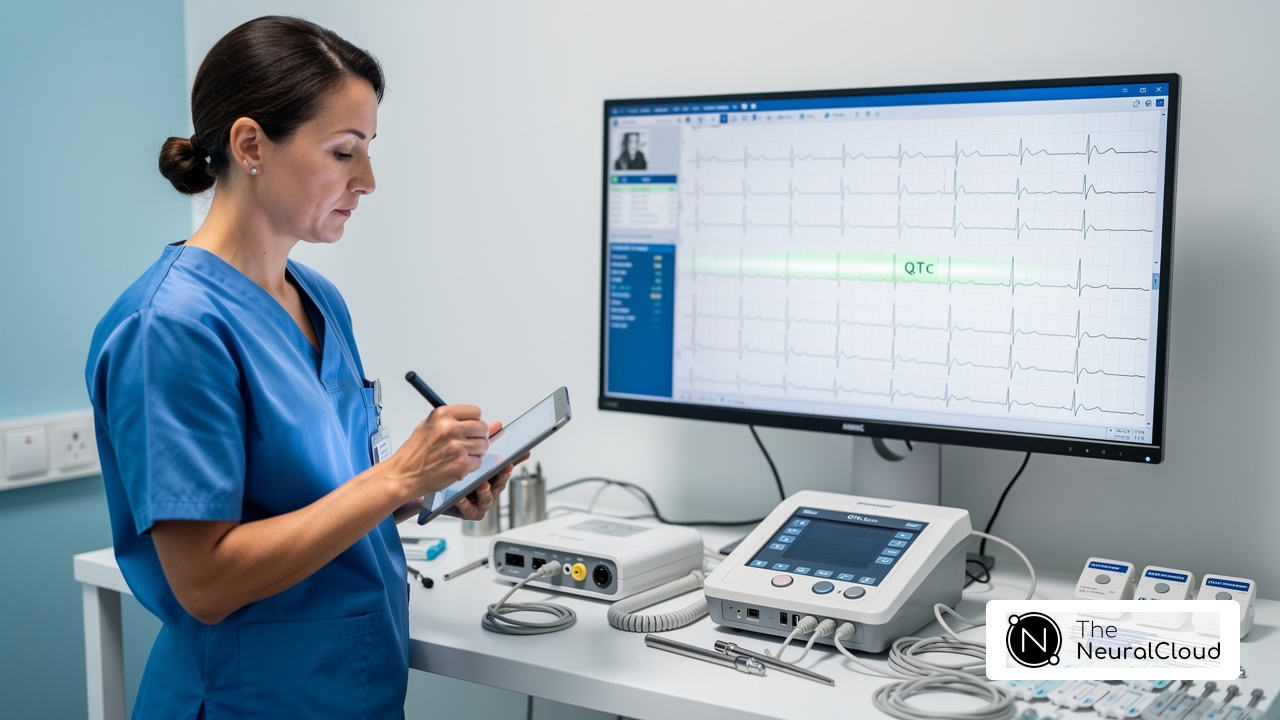
A typical electrocardiogram (ECG) configuration illustrates what should ECG look like to reveal critical insights into the heart's electrical activity, yet many healthcare professionals struggle to interpret its complexities. The primary components include the P wave, QRS complex, and T wave, which correspond to atrial depolarization, ventricular depolarization, and ventricular repolarization, respectively. Normal heart rates typically range from 60 to 100 beats per minute (bpm), with a regular rhythm originating from the sinoatrial (SA) node. Recognizing deviations in ECG patterns is crucial because they can indicate cardiac conditions like arrhythmias and ischemia. This highlights what should ECG look like, emphasizing its vital role in cardiovascular diagnostics.
Recent studies show that maintaining a typical ECG status can lead to fewer cardiovascular disease events, emphasizing its importance in tracking heart health over time. For instance, a thorough examination of 4,856 participants free from cardiovascular disease revealed that those who consistently upheld a standard ECG status encountered fewer cardiovascular events over a median follow-up of 13.2 years. This trend underscores the value of regular ECG assessments in identifying potential risks early.
Case studies further demonstrate what should ECG look like in terms of typical configurations and their clinical significance. ECGs are routinely employed to monitor patients on antiarrhythmics and during preoperative assessments, showcasing their utility in various healthcare settings. Additionally, advancements in ECG technology have enhanced diagnostic capabilities, allowing for real-time assessments that improve patient management.
By prioritizing the understanding of typical ECG configurations, healthcare professionals can significantly enhance patient care and outcomes in cardiovascular health.

Explore the Historical Context and Evolution of ECG Technology
The evolution of electrocardiography has been marked by significant breakthroughs that have transformed cardiac monitoring practices. The first human ECG was recorded by Augustus Waller in 1887, laying the groundwork for future advancements. However, it was Willem Einthoven who revolutionized the field in 1903 by developing the first practical ECG machine, a breakthrough that earned him a Nobel Prize. This breakthrough paved the way for moving from large, analog machines to sleek, portable digital systems that are easier to use, significantly enhancing accessibility and accuracy in cardiac monitoring.
As time progressed, the integration of computer algorithms and artificial intelligence has played a pivotal role in transforming ECG interpretation. These advancements enable rapid analysis and improve diagnostic precision, which is crucial in today's fast-paced medical environments. The ECG monitoring systems market is projected to grow significantly, with an estimated value of USD 1,743.9 million in 2026, expected to reach USD 3,047.4 million by 2033. This growth reflects the increasing demand for reliable cardiac diagnostics driven by a growing geriatric population and rising prevalence of cardiovascular diseases.
In Canada, the ECG market is projected to grow at a compound annual growth rate (CAGR) of 6.4% from 2025 to 2030, influenced by factors such as an aging population and modernization of healthcare infrastructure. This historical context underscores the importance of understanding what should ECG look like in terms of typical configurations. As technology advances, healthcare professionals can enhance their diagnostic and management capabilities for cardiac conditions.

Analyze Key Characteristics of Normal ECG Patterns
Accurate ECG interpretation is crucial, yet many healthcare professionals face challenges due to the limitations of standard ECG tests. To accurately interpret an ECG, it is important to understand what should ECG look like, as normal patterns exhibit several key characteristics. The P deflection should be upright in leads I and II, indicating proper atrial depolarization. The QRS complex, which represents ventricular depolarization, must be narrow, measuring less than 100 milliseconds, to signify normal conduction through the ventricles. The T deflection usually comes after the QRS complex and is upright in most leads, except for lead aVR, where it is consistently inverted.
The RR interval, which assesses the duration between consecutive R peaks, should stay stable, indicating a regular rhythm, usually between 60 to 100 beats per minute in a healthy adult. Additionally, the PR interval should range from 120 to 200 milliseconds, while the corrected QT interval should not exceed 0.40 seconds. Understanding what should ECG look like helps us assess how well the heart conducts electrical signals and recovers afterward, providing insights into the heart's electrical activity.
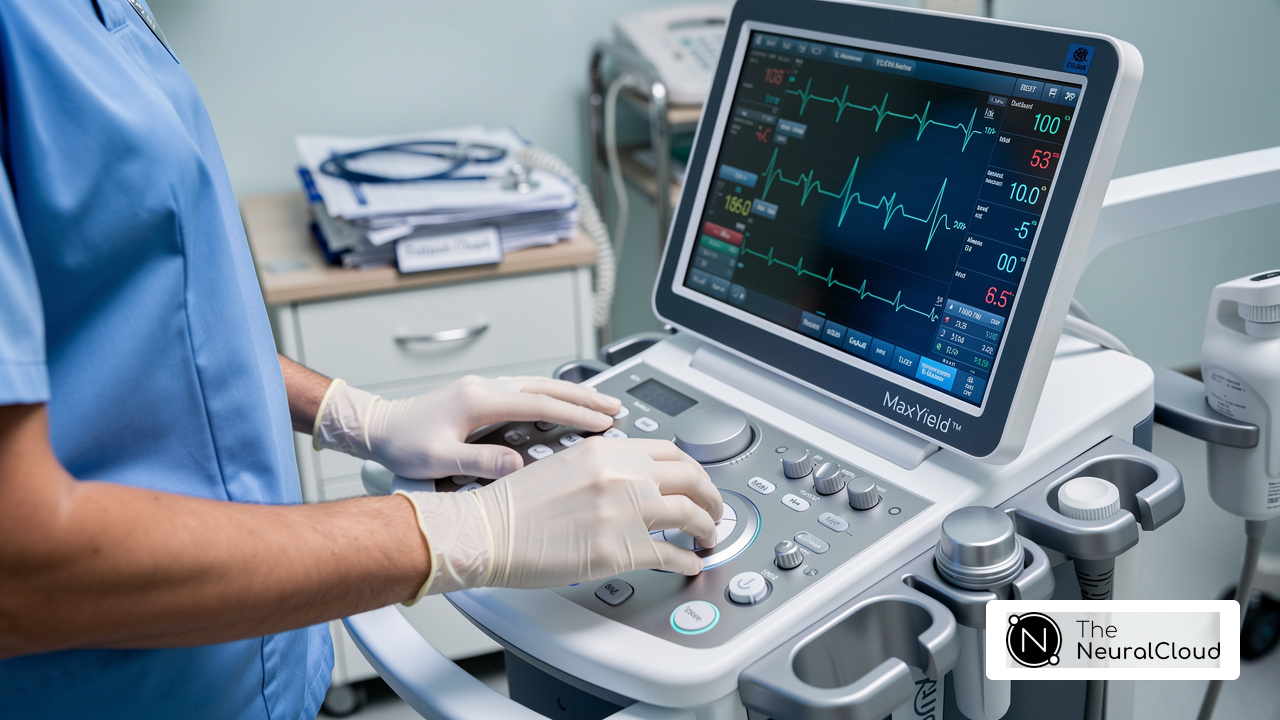
MaxYield™ improves ECG analysis by automating interpretation. It can analyze 200,000 heartbeats in under 5 minutes, providing detailed insights. This capability not only transforms noisy recordings into clear data but also supports healthcare professionals in identifying cardiac events with confidence. MaxYield™ delivers detailed analysis of P-wave, QRS complex, and T-wave onsets and offsets, ensuring comprehensive ECG evaluation. Case studies have demonstrated that typical sinus rhythm is characterized by a regular rhythm at 84 bpm in a healthy 18-year-old male, with each P wave followed by a QRS complex and a constant PR interval. It is important to note that typical sinus rhythm generally falls within the broader range of 60-100 bpm. Such findings underscore what should ECG look like in order to differentiate between normal and abnormal heart rhythms, aiding in the diagnosis of various cardiac conditions.
Furthermore, it is essential to recognize that standard ECG tests have limitations, as they only capture a brief snapshot of cardiac electrical activity, potentially missing intermittent problems. Grasping these trends is essential for healthcare professionals, as they establish the basis for effective ECG interpretation and subsequent clinical decision-making. As Dr. Alan Rabinowitz notes, "MaxYield™ rivals human interpretation in precision, significantly reducing noise and enhancing workflow efficiency." This underscores the transformative potential of MaxYield™ in the realm of ECG analysis. Additionally, MaxYield™ is currently pending FDA Class II SaMD clearance, ensuring compliance with regulatory standards and enhancing its credibility in clinical settings. With MaxYield™, healthcare professionals can achieve a level of precision in ECG analysis that was previously unattainable.

Present Examples of Normal ECG Patterns Across Different Scenarios
Interpreting ECG patterns can be challenging due to significant variability influenced by factors such as age and health conditions. For instance, athletes often exhibit bradycardia, characterized by resting heart rates under 60 beats per minute, yet their ECGs can still fall within typical ranges. In pediatric populations, heart rates are generally higher, aligning with age-specific norms. Notably, variations like sinus arrhythmia, where heart rates fluctuate with breathing, can also be considered typical under certain conditions.
Case studies highlight these patterns:
- A 13-year-old competitive swimmer may show T-wave inversions in leads V1 through V3, which are common for her age group but would raise concerns in adults.
- The new European guidelines classify sinus bradycardia and incomplete right bundle branch block as typical findings in pediatric athletes, reflecting the physiological adaptations of their developing hearts.
Experts agree that understanding what should ECG look like is crucial for accurate interpretation. Pediatric cardiologists emphasize that knowing what should ECG look like is vital for distinguishing benign findings from potential pathologies. For example, the sensitivity of ECG criteria is notably lower in younger adolescents, with studies indicating only 57% sensitivity in athletes aged 12 to 14. This highlights what should ECG look like by emphasizing the need for healthcare providers to apply age-appropriate criteria when evaluating ECGs, which ensures accurate assessments and reduces the risk of misdiagnosis.
Furthermore, Neural Cloud Solutions Inc.'s MaxYield™ platform addresses these challenges by utilizing advanced noise filtering and unique signal recognition capabilities. MaxYield™ rapidly isolates ECG waves from recordings impacted by baseline wander, movement, and muscle artifacts. This capability salvages previously obscured sections from lengthy Holter, 1-Lead, and patch monitor recordings. This device-agnostic ECG intelligence layer evolves with each use, continuously improving its accuracy and efficiency, thus providing healthcare professionals with the tools needed to interpret ECGs with greater confidence. Additionally, the platform is currently pending FDA Class II SaMD clearance, ensuring compliance with regulatory standards. Expert endorsements from Dr. Alan Rabinowitz, Dr. Brett Heilbron, and Dr. Marc W. Deyell further affirm that MaxYield™ rivals human interpretation in precision and effectively reduces noise, enhancing the overall diagnostic yield. Moreover, Insight360 serves as a customizable visualization and reporting tool that transforms MaxYield’s clean ECG data into interactive dashboards and clinical-ready reports, adding significant value to the ECG analysis process.

Conclusion
Recognizing normal ECG patterns is crucial for effective cardiovascular diagnosis and management. This foundational tool aids in diagnosing and managing cardiovascular health. The article emphasizes the significance of recognizing typical ECG patterns, which include the P wave, QRS complex, and T wave, as these components provide critical insights into the heart's electrical activity. By mastering these patterns, clinicians can better identify potential cardiac conditions and improve patient outcomes.
Key insights discussed include:
- The historical evolution of ECG technology, which has transformed from bulky machines to advanced digital systems, enhancing diagnostic capabilities.
- The importance of accurate ECG interpretation is highlighted, noting that variations exist based on age and health status.
- For instance, athletes may present with unique ECG characteristics that differ from the general population, underscoring the need for tailored assessments.
- Furthermore, the role of innovative tools like MaxYield™ is showcased, demonstrating how technology can aid in precise ECG analysis and interpretation.
In conclusion, the importance of understanding normal ECG patterns cannot be overstated. With the rise of cardiovascular diseases, healthcare professionals face increasing challenges in accurate diagnosis. By prioritizing ECG assessments and leveraging technology, clinicians can significantly improve patient care and outcomes. Embracing these insights and tools will empower clinicians to navigate the complexities of ECG interpretation with confidence, ensuring that they are well-equipped to address the evolving needs of their patients.
Frequently Asked Questions
What are the main components of a normal ECG pattern?
The main components of a normal ECG pattern include the P wave, QRS complex, and T wave, which correspond to atrial depolarization, ventricular depolarization, and ventricular repolarization, respectively.
What is the typical heart rate range for a normal ECG?
The typical heart rate range for a normal ECG is between 60 to 100 beats per minute (bpm).
Why is it important to recognize deviations in ECG patterns?
Recognizing deviations in ECG patterns is crucial because they can indicate cardiac conditions such as arrhythmias and ischemia, which are vital for cardiovascular diagnostics.
How does maintaining a normal ECG status impact cardiovascular health?
Maintaining a normal ECG status can lead to fewer cardiovascular disease events, as studies have shown that individuals who consistently uphold a standard ECG status encounter fewer cardiovascular events over time.
What did recent studies reveal about the relationship between ECG status and cardiovascular events?
A study involving 4,856 participants free from cardiovascular disease found that those who maintained a standard ECG status experienced fewer cardiovascular events over a median follow-up of 13.2 years.
In what healthcare settings are ECGs commonly used?
ECGs are routinely employed to monitor patients on antiarrhythmics and during preoperative assessments, showcasing their utility in various healthcare settings.
How have advancements in ECG technology improved patient management?
Advancements in ECG technology have enhanced diagnostic capabilities, allowing for real-time assessments that improve patient management and outcomes in cardiovascular health.
What is the significance of understanding typical ECG configurations for healthcare professionals?
By prioritizing the understanding of typical ECG configurations, healthcare professionals can significantly enhance patient care and outcomes in cardiovascular health.
List of Sources
- Define Normal ECG Patterns and Their Significance
- Electrocardiogram - StatPearls - NCBI Bookshelf (https://ncbi.nlm.nih.gov/books/NBK549803)
- Cardiac death risk increases with common ECG pattern (https://cordis.europa.eu/article/id/32379-cardiac-death-risk-increases-with-common-ecg-pattern)
- ECG/EKG Results Explained: Visual Guide (https://healthcentral.com/condition/heart-disease/ecg-ekg-results-explained-visual-guide)
- What is an ECG and Why is it Important for Your Heart Health? - Dr David Begley | Consultant Cardiologist (https://drbegleycardiology.co.uk/what-is-an-ecg-and-why-is-it-important-for-your-heart-health)
- Usefulness of Maintaining a Normal Electrocardiogram Over Time for Predicting Cardiovascular Health (https://ohsu.elsevierpure.com/en/publications/usefulness-of-maintaining-a-normal-electrocardiogram-over-time-fo)
- Explore the Historical Context and Evolution of ECG Technology
- Flashback: The First ECG | Pfizer (https://pfizer.com/news/articles/flashback_the_first_ecg)
- canada Diagnostic Electrocardiograph/ECG Market Size, Share,Trends, Growth Analysis Report, 2030 (https://marketsandmarkets.com/Market-Reports/geography/diagnostic-ecg-global-market/canada)
- Ecg Monitoring Systems Market Size, YoY Growth Rate, 2033 (https://coherentmarketinsights.com/market-insight/ecg-monitoring-systems-market-4027)
- New Trends in the ECG Monitoring (https://dicardiology.com/article/new-trends-ecg-monitoring)
- Analyze Key Characteristics of Normal ECG Patterns
- Normal Sinus Rhythm (https://litfl.com/normal-sinus-rhythm-ecg-library)
- ECG Learning Center - An introduction to clinical electrocardiography (https://ecg.utah.edu/lesson/3)
- Heart Disease With Normal ECG Results: Causes and Additional Tests (https://medanta.org/patient-education-blog/heart-disease-with-normal-ecg-results-causes-and-additional-tests)
- ECG Patterns | Critical Diagnostic Skills for Doctors (https://tricog.com/common-ecg-patterns?srsltid=AU7gw4WCfR_PKDKW8xmcFTMUWBF7ZJyKC9RPTw8k-5hZsYDMF9JafK32)
- Present Examples of Normal ECG Patterns Across Different Scenarios
- Pediatric athletes' ECG and diagnostic performance of contemporary ECG interpretation criteria - Congenital Heart International Professionals (CHiP) Network (https://thechipnetwork.org/pediatric-athletes-ecg-and-diagnostic-performance-of-contemporary-ecg-interpretation-criteria)
- ECG interpretation in child athletes: what is normal and what is not | Dr Alessandro Giardini | Dr Alessandro Giardini (https://childheartspecialist.com/blog/ecg-interpretation-child-athletes)
- New recommendations on interpreting athletes' ECG results prepared by Stanford team (https://med.stanford.edu/news/all-news/2011/08/new-recommendations-on-interpreting-athletes-ecg-results-prepared-by-stanford-team.html)
- ECG changes in athletes – what is normal and when should I worry? | Cardiology Today (https://cardiology.medicinetoday.com.au/ct/2023/april/feature-article/ecg-changes-athletes-what-normal-and-when-should-i-worry)