Introduction
The landscape of cardiac care is experiencing a transformative shift, propelled by advancements in electrocardiogram (ECG) technology. As healthcare developers strive to enhance patient outcomes, it is crucial to understand the essential leads in ECG. This article examines ten critical leads that not only enhance diagnostic accuracy but also streamline workflows for healthcare professionals. However, the rapid evolution of technology presents a challenge: how can developers ensure that their ECG solutions remain relevant and impactful in a fast-paced medical environment?
Neural Cloud Solutions' MaxYield™: Advanced ECG Analysis for Cardiologists
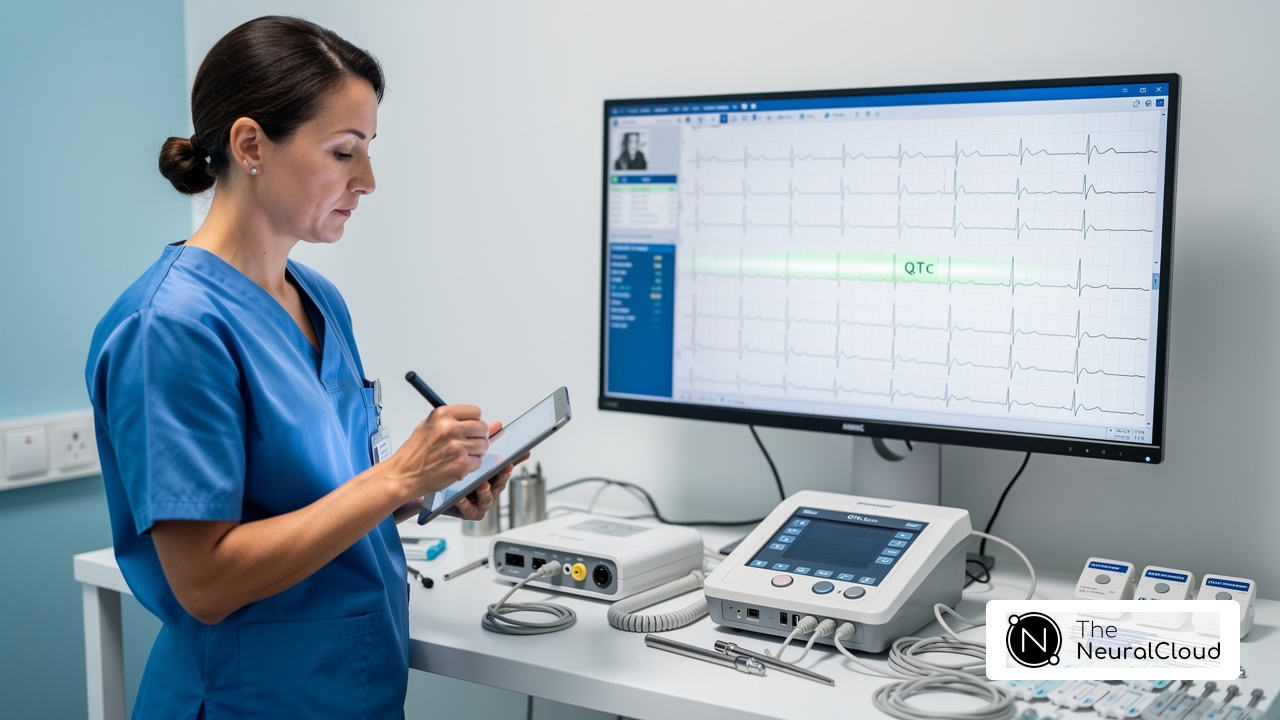
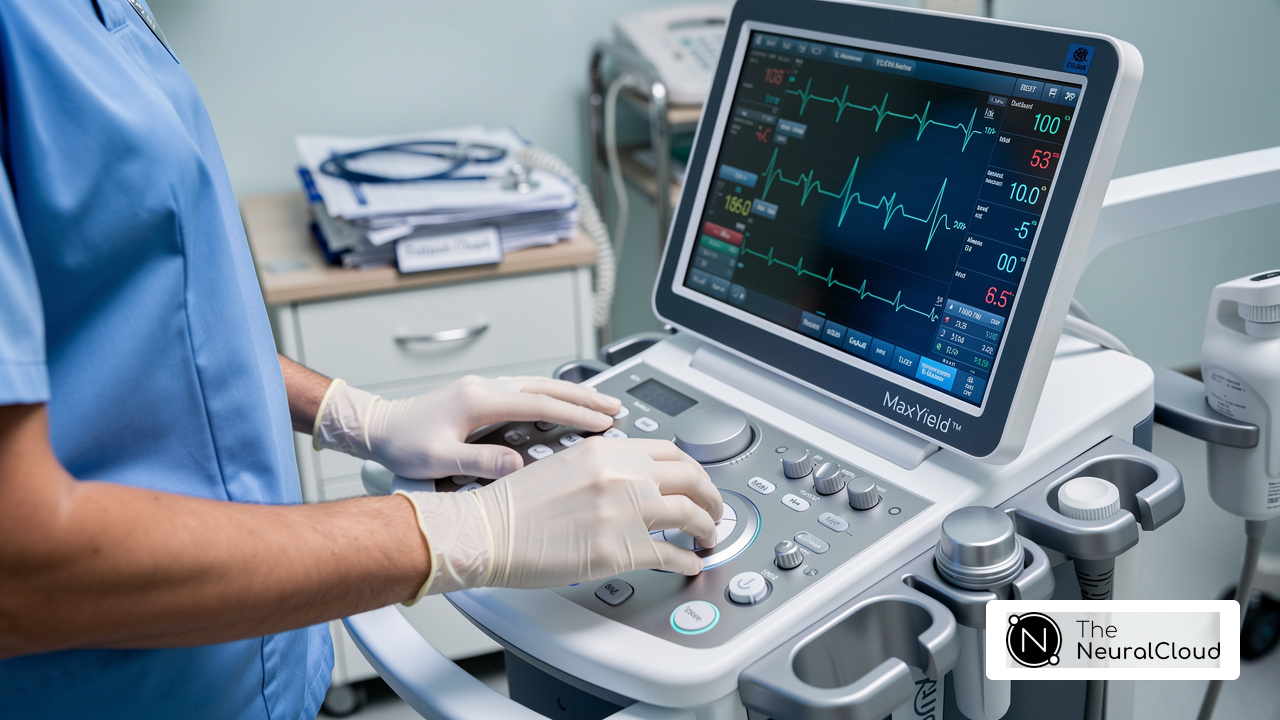
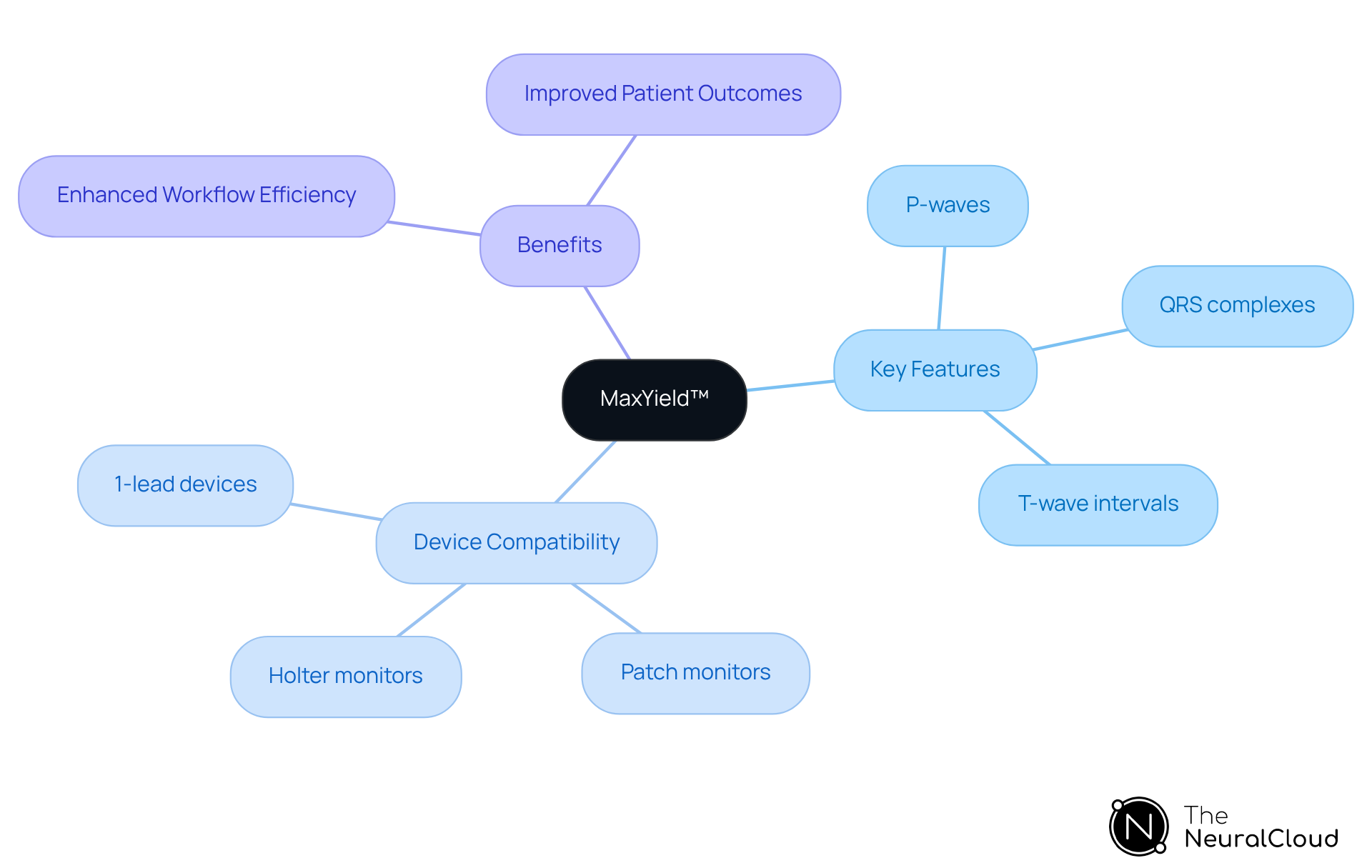
The challenges in ECG analysis can significantly impact patient care. The MaxYield™ platform addresses these issues by transforming ECG evaluation through automation. It processes over 200,000 heartbeats in under five minutes, allowing for rapid analysis. Leveraging advanced algorithms, the platform enhances ECG signal clarity with sophisticated noise filtering and distinct wave recognition. This capability empowers cardiologists to make informed decisions based on accurate data.
MaxYield™ improves ECG data quality by isolating and labeling key features, such as:
- P-waves
- QRS complexes
- T-wave intervals
This meticulous attention to detail ensures that cardiologists have access to reliable information. Its device-agnostic nature facilitates seamless integration with various ECG devices, including:
- Patch monitors
- 1-lead devices
Moreover, the platform's ability to salvage previously obscured sections of recordings and adapt through continuous learning makes it indispensable in addressing challenges.
The benefits of using MaxYield™ extend beyond data processing; it significantly enhances diagnostic accuracy. By providing clear, actionable insights, the platform allows for quicker diagnostics and improved patient outcomes. The combination of advanced features and user-friendly design ensures that both technical and non-technical users can effectively utilize the system. In summary, MaxYield™ stands out as a vital tool in modern healthcare, transforming the way ECG analysis is conducted.
Mason-Likar Lead System: Enhancing ECG Monitoring Accuracy
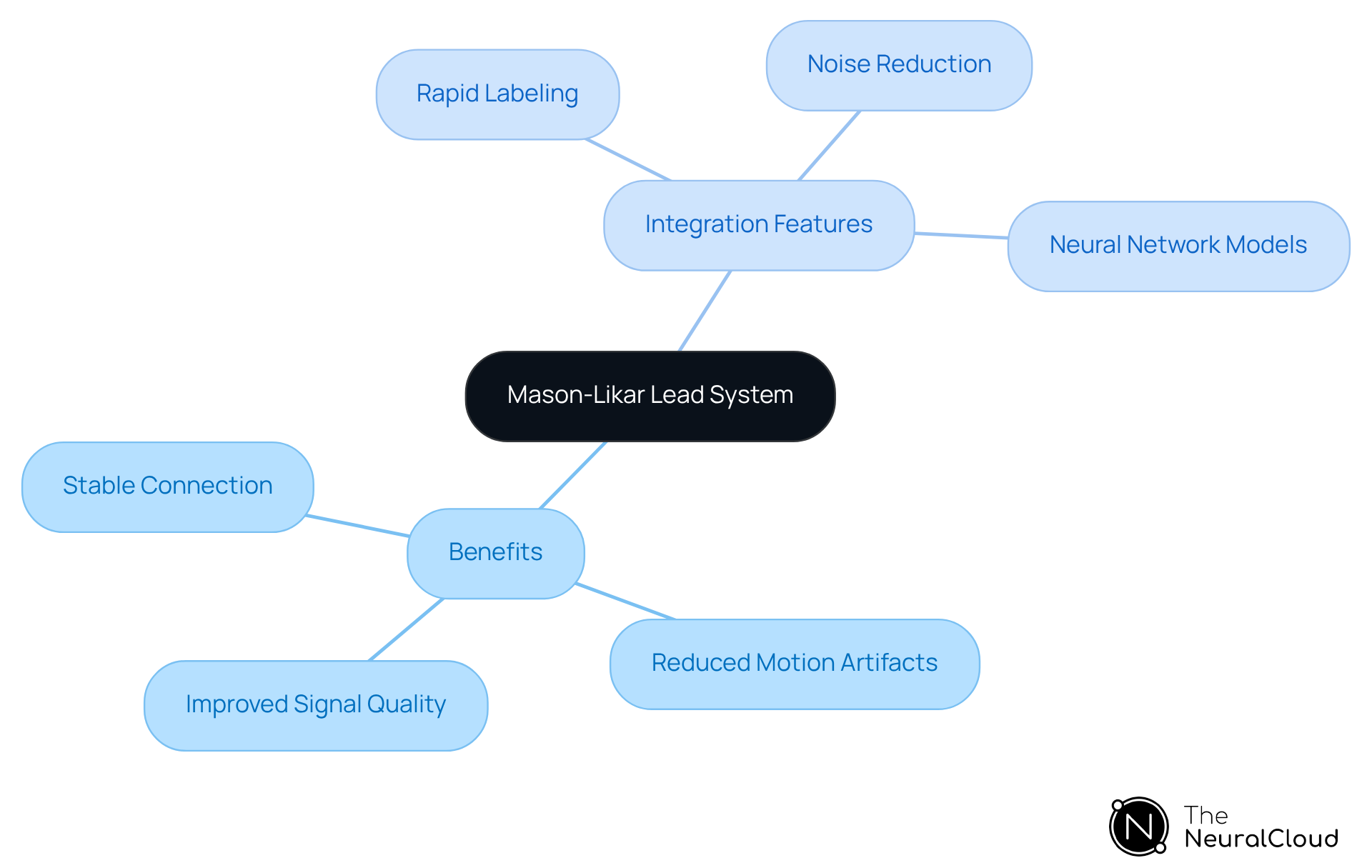
The Mason-Likar lead system enhances the accuracy of ECG monitoring and addresses its challenges. It provides a stable and reliable connection to the patient's body, significantly reducing motion artifacts. This is particularly beneficial in dynamic environments, such as emergency rooms or during exercise testing, as it leads to improved ECG readings.
Additionally, to bolster reliability, developers are encouraged to integrate features from the ECG analysis platform. This platform offers:
- Rapid labeling of ECG waveforms
- Creation of neural network models for complex signal processing
By leveraging this innovative solution, developers can effectively tackle ECG interpretation challenges. This ensures clearer data sets and clean signals, which contribute to better patient outcomes.
EASI Lead System: Simplifying ECG Monitoring with Precision
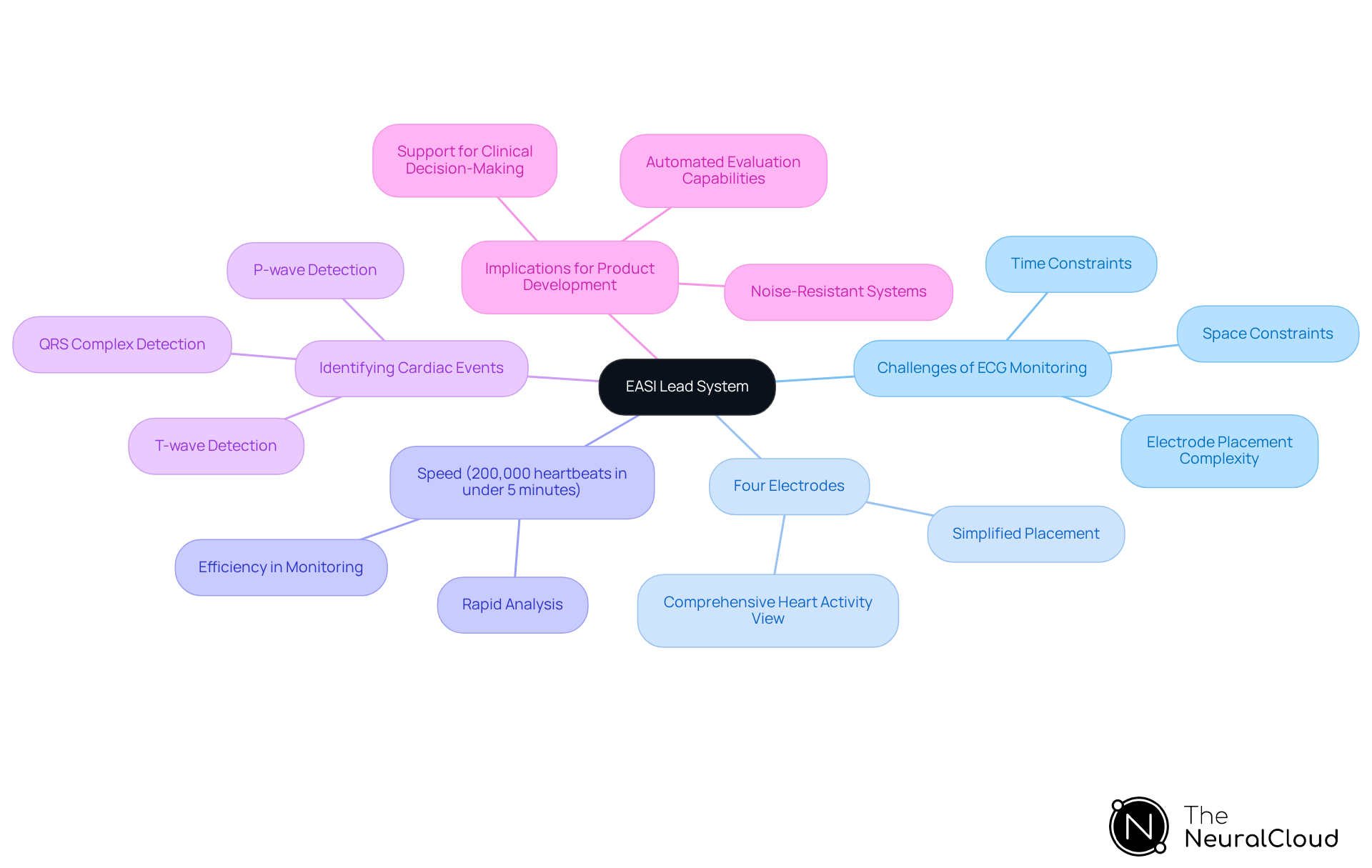
The leads ECG system known as EASI addresses the challenges of ECG monitoring by utilizing only four electrodes, offering a streamlined solution. This innovative approach is especially advantageous in environments where time and space constraints prevail, as it simplifies electrode placement while ensuring diagnostic accuracy.
By integrating advanced algorithms, the leads ECG system can identify critical cardiac events, including the detection of arrhythmias. This combination of simplicity and advanced evaluation empowers developers to create more effective products, including portable ECG devices, that support patient care.
To maximize the potential of ECG products, it is essential for developers to focus on incorporating advanced systems that leverage real-time data analysis.
12-Lead ECG Technique: Comprehensive Cardiac Insights
The technique, which utilizes 12-lead configurations, serves as the gold standard for cardiac assessment, offering a comprehensive view of the heart's electrical activity from diverse angles. This method effectively identifies various cardiac conditions, such as arrhythmias and ischemia. However, traditional ECG analysis faces challenges, including noise and interference that can obscure critical information.
Neural Cloud Solutions' MaxYield™ addresses these challenges with advanced noise reduction and artifact handling capabilities. This innovative technology not only supports 12-lead configurations but also enhances diagnostic yield through automated noise reduction and adaptive algorithms. By tackling physiological variability and signal artifacts, MaxYield™ salvages previously obscured sections of lengthy recordings, overcoming the limitations of conventional methods.
As healthcare professionals utilize this platform, they benefit from improved accuracy and efficiency over time. The continuous evolution of the product with each use ensures that practitioners can rely on precise data for informed decision-making. Ultimately, MaxYield™ empowers healthcare providers to deliver superior patient care through enhanced diagnostic capabilities.

Holter Monitor: Essential for Continuous ECG Monitoring
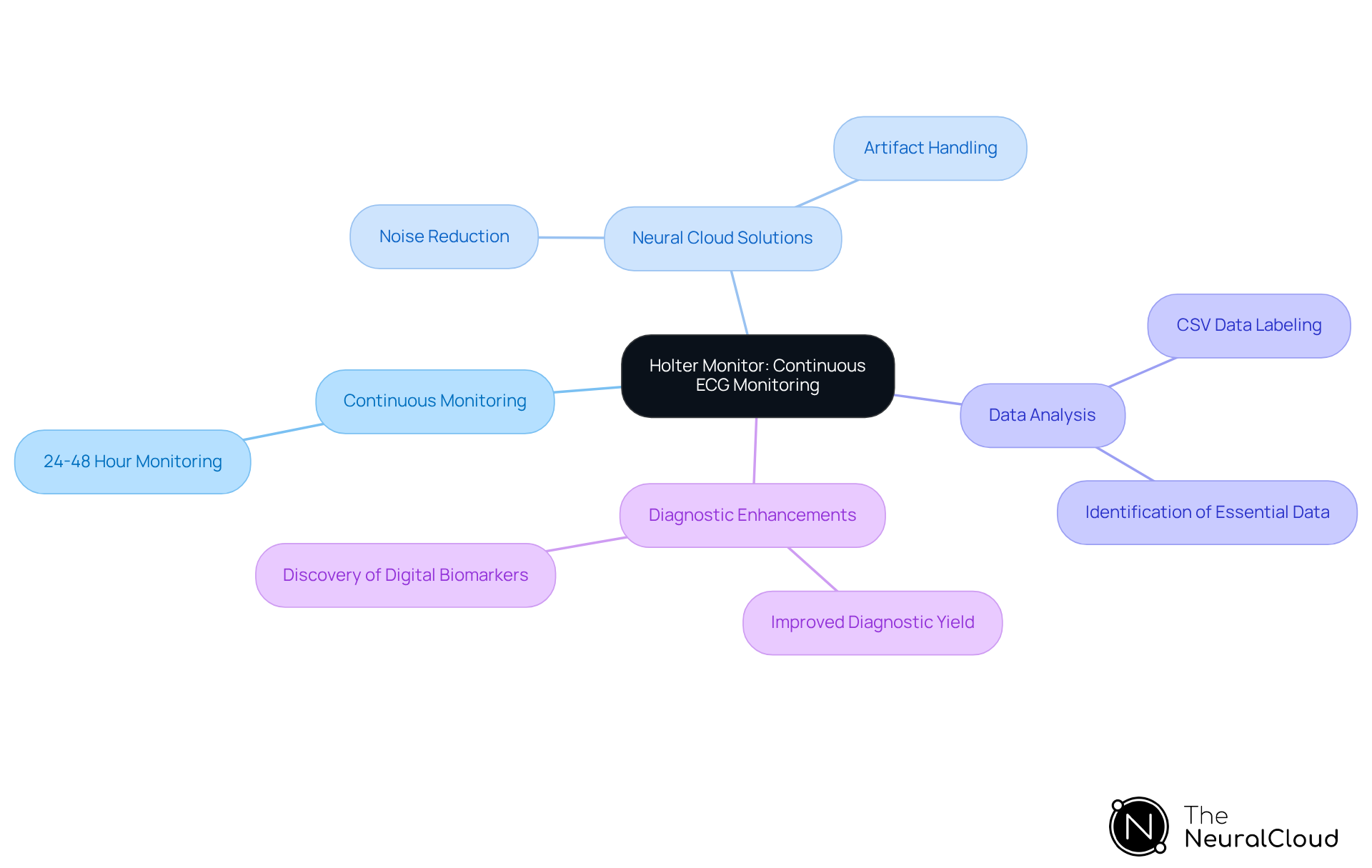
Holter monitors are essential for continuous monitoring of ECG leads, enabling the capture of heart activity over extended periods, typically 24 to 48 hours. This long-term monitoring addresses the challenges of arrhythmias that may not manifest during a standard ECG examination. The integration of Neural Cloud Solutions' platform significantly enhances the monitoring process by incorporating advanced noise reduction and artifact handling capabilities. This system quickly identifies and labels essential data in CSV format, even in recordings with high levels of noise, ensuring that previously obscured sections of lengthy Holter recordings can be salvaged.
The innovative approach of the platform not only improves accuracy through an algorithm that evolves with each use but also supports the discovery of new digital biomarkers. This makes it a valuable addition to any ECG monitoring system, providing healthcare professionals with critical insights. By addressing the challenges faced in ECG interpretation, the platform provides clear advantages that contribute to better patient outcomes.
Modified Chest Leads: Tailoring ECG Techniques for Patient Needs
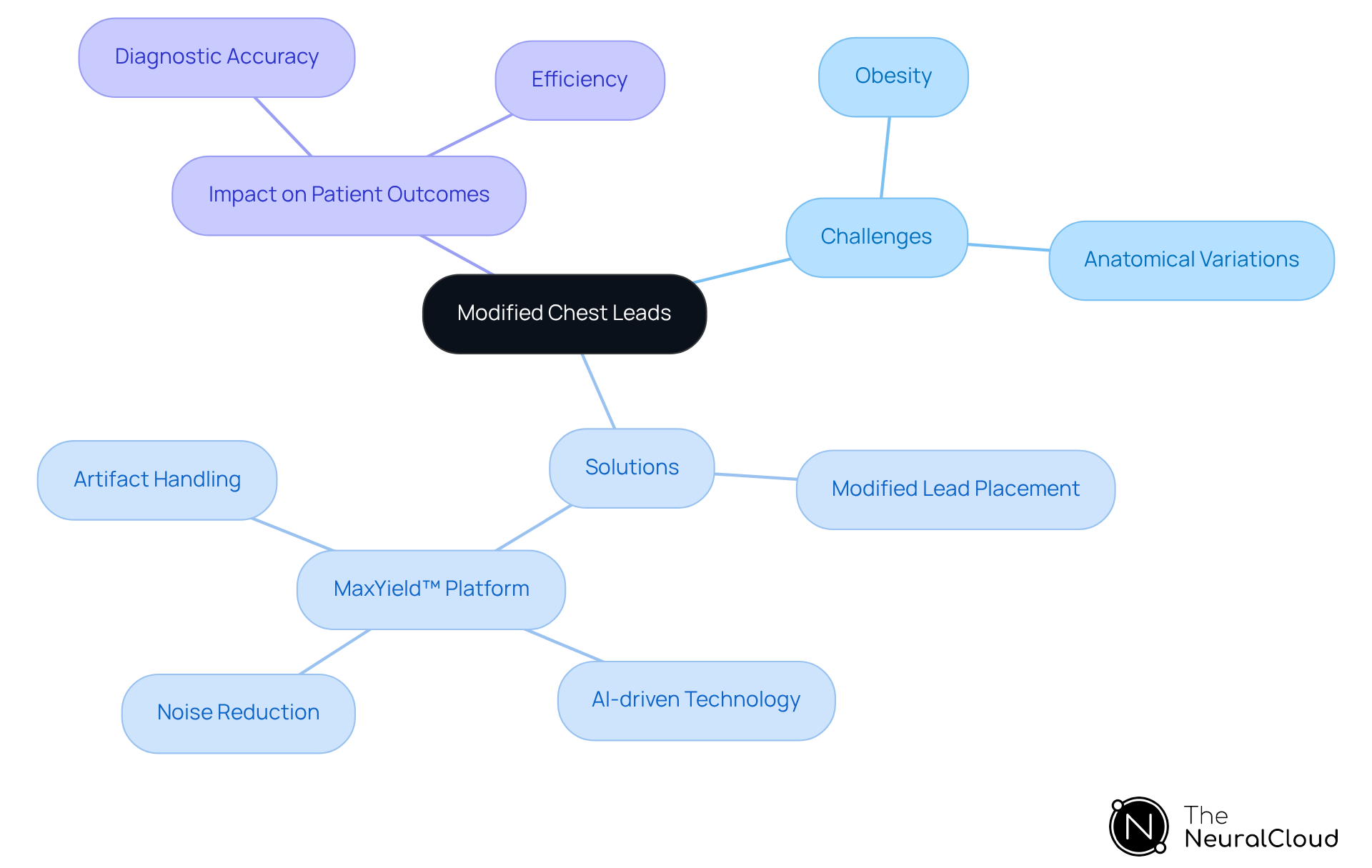
Challenges in ECG monitoring often arise in specific patient populations, particularly those with obesity or anatomical variations. Modified chest leads can significantly enhance ECG accuracy by adjusting lead placement, which allows healthcare providers to obtain clearer readings. This clarity is crucial for accurate diagnoses, especially in complex cases. The technology from Neural Cloud Solutions offers advanced analysis and artifact handling capabilities, which further enhance the clarity of ECG signals.
The features include AI-driven technology that adapts to user needs and evolves with each use. This adaptability ensures that even in challenging conditions, such as recordings with high levels of noise, the diagnostic potential is maximized. For instance, in real-world applications, the platform has successfully salvaged previously obscured sections of lengthy Holter recordings, demonstrating its effectiveness in improving signal quality.
Healthcare developers should consider integrating these advanced features alongside modified lead placements to significantly enhance patient outcomes. By leveraging the capabilities of the technology, healthcare providers can improve diagnostic accuracy and efficiency, ultimately benefiting patient care. The combination of innovative technology and strategic adjustments in leads for ECG represents a significant advancement in cardiac monitoring.
ST Segment Changes: Key Indicators in ECG Interpretation
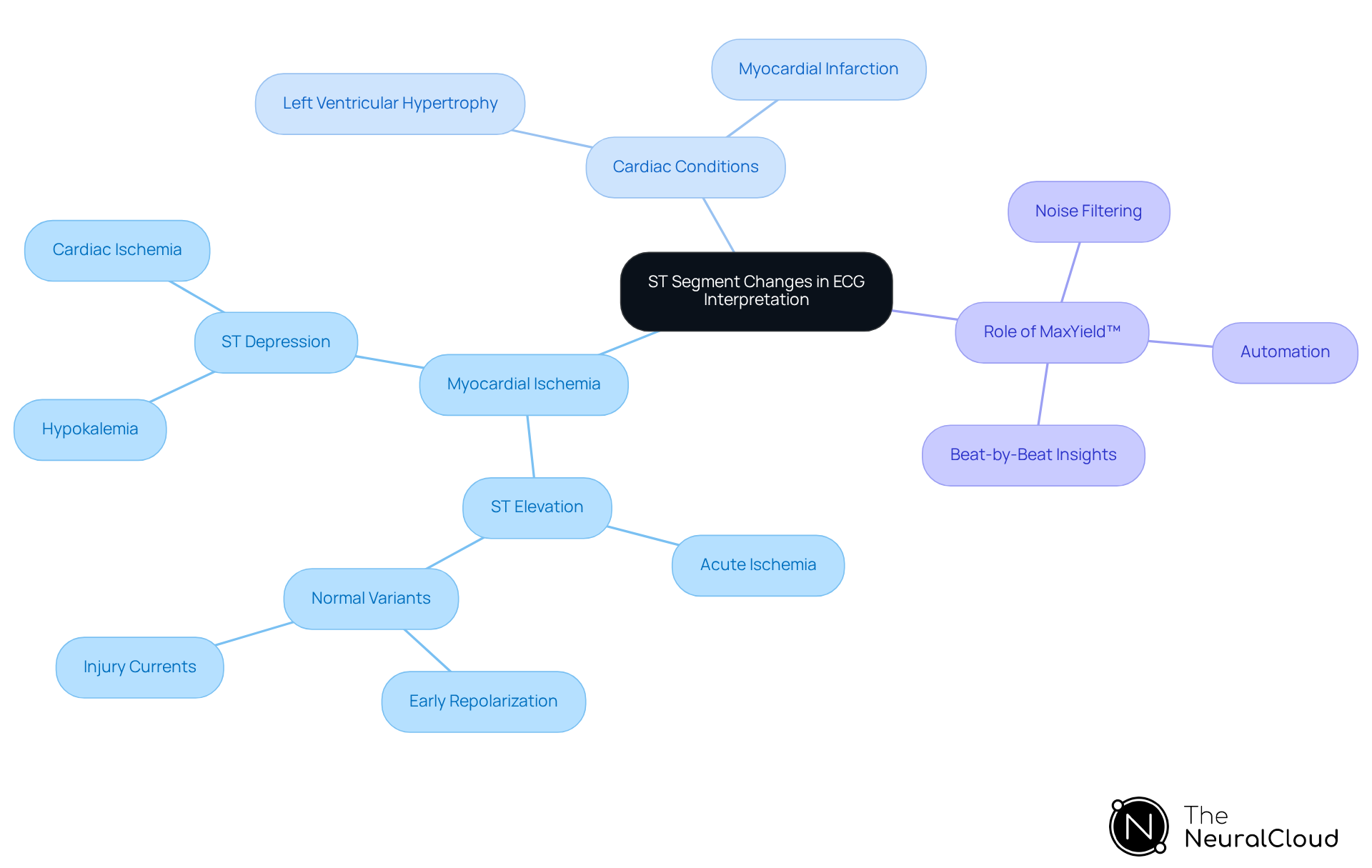
ST segment changes are crucial indicators of cardiac health. Recognizing these alterations is essential for timely interventions, which can significantly enhance patient outcomes. The ST segment represents the duration between the conclusion of ventricular depolarization and the onset of ventricular repolarization, making its examination vital in clinical environments. Variations in the ST segment, such as elevation or depression, can indicate underlying issues like ischemia, which may mimic myocardial infarction.
MaxYield™ addresses the challenges in ECG analysis by ensuring that tools for cardiologists are equipped to accurately identify and emphasize these abnormalities. This system leads ECG automation in the analysis process, delivering beat-by-beat insights while efficiently filtering noise to improve accuracy. For instance, a threshold of 0.15 mV for white males is considered the upper limit of normal.
The ability to distinguish between typical and abnormal ST segment alterations, supported by advanced noise-resilient algorithms, enhances diagnostic accuracy. Furthermore, MaxYield™ integrates seamlessly into existing workflows, facilitating the swift recognition of potentially significant ECG data, including leads from 12-lead ECG. This ultimately enhances the quality of care provided to patients.
QRS Complex Abnormalities: Critical for Cardiac Diagnosis
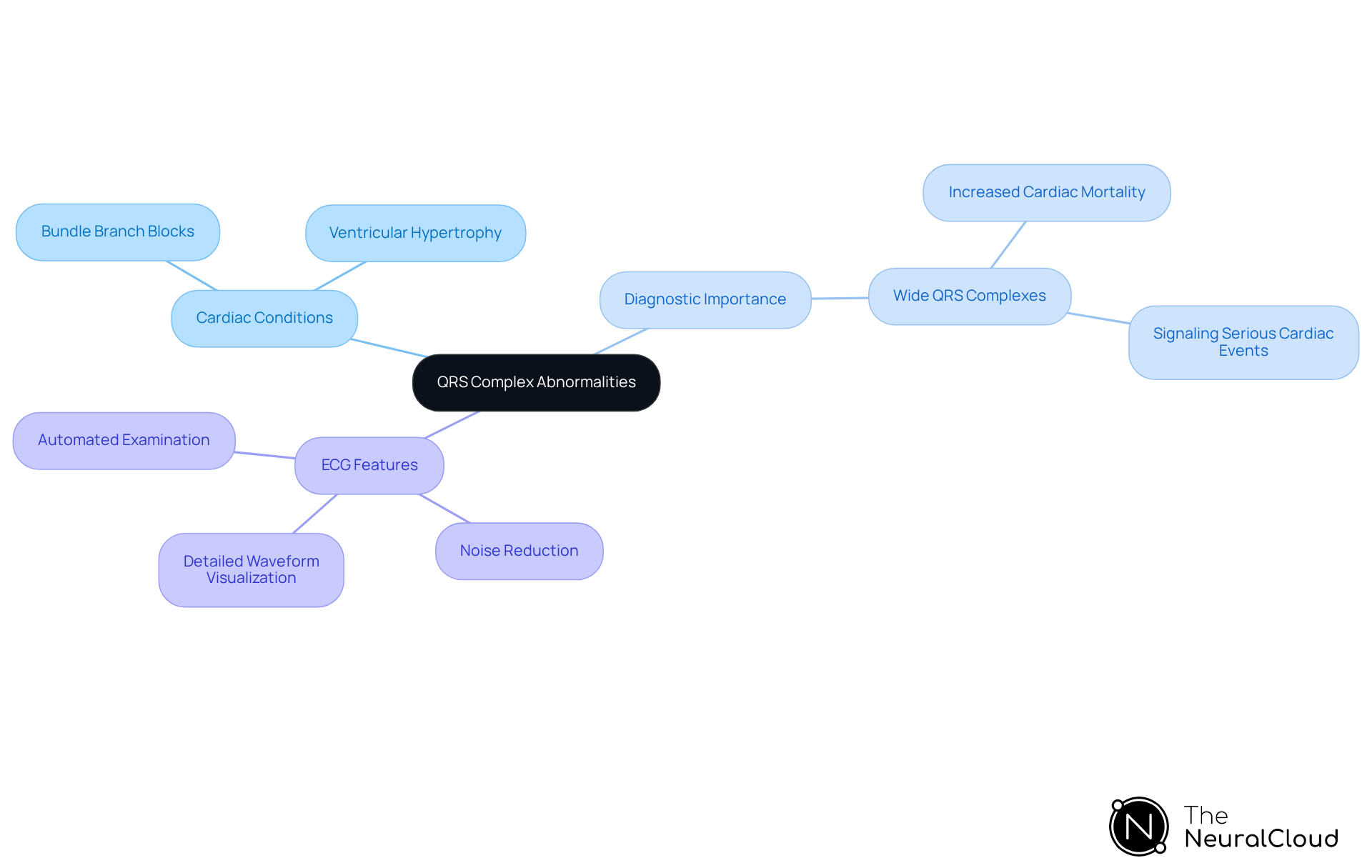
QRS complex abnormalities are vital indicators of various cardiac conditions, including bundle branch blocks and ventricular hypertrophy. Accurate identification of these variations is essential for diagnosis. Research indicates that recognizing QRS complex abnormalities is crucial for diagnosing serious cardiac events, as they can signal significant underlying issues. Furthermore, studies have shown that patients with a wide QRS complex face more than double the cardiac mortality compared to those with a narrow QRS complex, underscoring the diagnostic significance of these variations.
Healthcare experts emphasize the necessity for ECG solutions that utilize advanced technology for the detection and examination of QRS complex variations. The MaxYield™ platform meets this requirement by automating evaluations of QRS complexes and providing beat-by-beat insights, facilitating quick detection of QRS abnormalities. This platform transforms noisy recordings into detailed insights, offering data that support confident clinical decisions. As one expert noted, "Most abnormalities of the ECG are amenable to reason," highlighting the importance of accuracy in ECG interpretation. The platform's advanced AI-driven algorithms continuously learn and adapt, enhancing accuracy and efficiency, which is crucial for diagnosing conditions that can develop at various points in the heart's conduction system.
Developers should concentrate on incorporating features like:
- Noise reduction
These features improve the clarity and precision of QRS evaluation. This dedication to accuracy in ECG technology, particularly in critical care, not only enhances outcomes for individuals but also assists healthcare providers in delivering high-quality care.
PR Interval Analysis: Uncovering Cardiac Insights
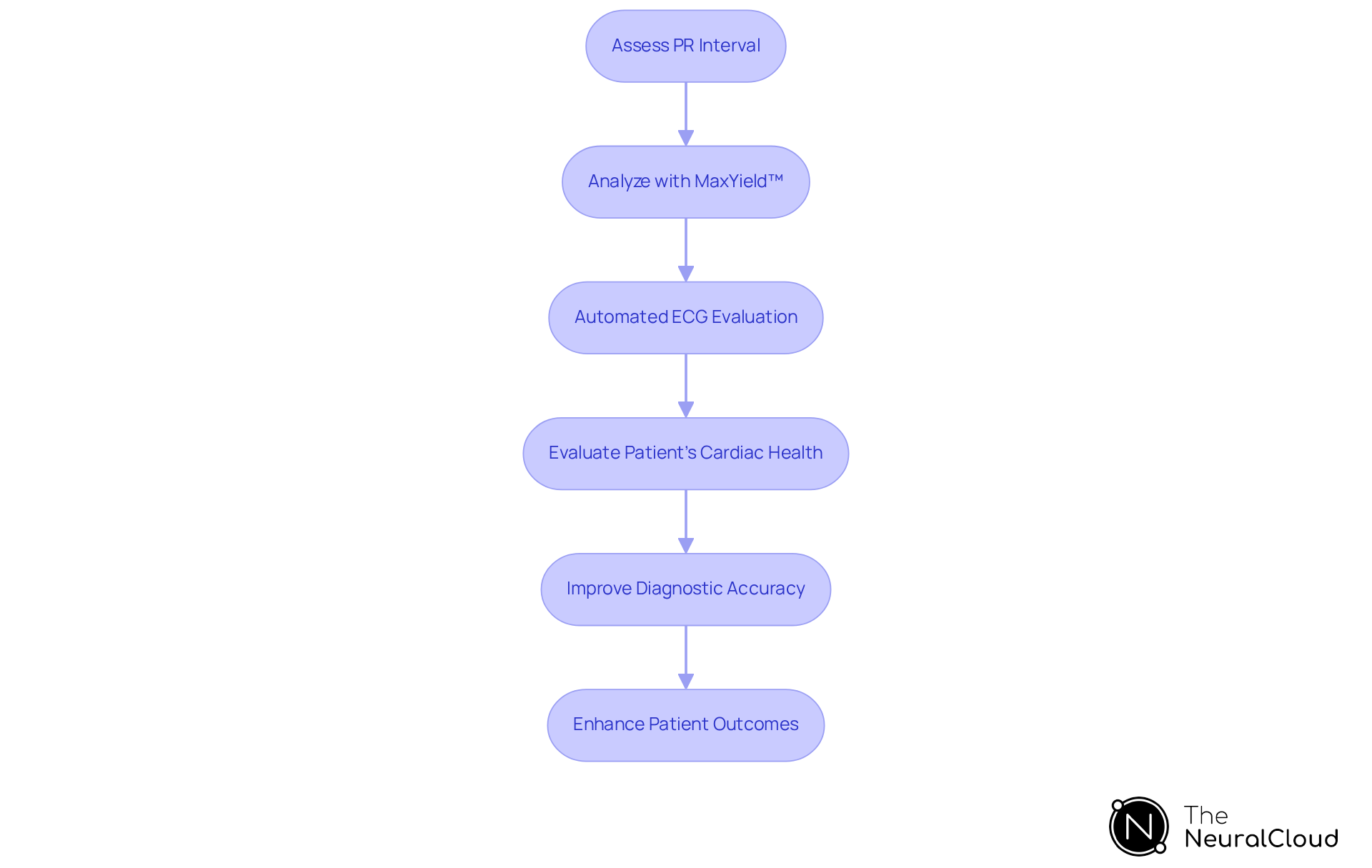
Assessing the PR interval is essential for cardiac assessment, providing critical insights into conditions like first-degree heart block. Measurements of the PR interval enable healthcare providers to effectively assess a patient's cardiac health. The system enhances ECG evaluation by reducing artifacts and minimizing noise in readings, allowing cardiologists to achieve a higher level of accuracy in understanding the nuances of the PR interval. This system can analyze 200,000 heartbeats in less than 5 minutes, significantly improving efficiency and underscoring its importance in the interpretation of cardiac rhythms.
For health tech developers, it is vital to integrate robust analytics into solutions, supported by MaxYield™'s automated and scalable features. This integration is crucial for improving diagnostic accuracy and patient outcomes. By utilizing these capabilities, healthcare professionals can gain more precise and actionable insights, ultimately enhancing patient care. The combination of speed and accuracy in analysis provided by the system represents a significant advancement in cardiac health assessment.
Continuous Learning in ECG Techniques: Adapting to Evolving Cardiology Practices
Continuous learning in ECG techniques is essential for adapting to the rapidly evolving field of cardiology. As new research emerges and technologies advance, health professionals must stay informed to provide optimal care for individuals. The challenge lies in ensuring that ECG solutions remain current and effective in clinical practice.
The platform addresses these challenges by incorporating innovative features that enhance ECG analysis. This platform rapidly labels P, QRS, and T waveforms, significantly improving diagnostic accuracy. By utilizing AI-driven automation, the system streamlines the workflow for healthcare providers, improving the efficiency of ECG interpretation.
The advantages of AI-driven solutions are manifold. By automating the labeling process, practitioners can focus more on patient care rather than manual data entry. This not only saves time but also reduces the potential for human error, ultimately leading to improved patient outcomes. Furthermore, the ongoing updates and learning capabilities of the platform ensure that practitioners have access to the latest advancements.
In summary, the platform offers a robust solution for the challenges faced in ECG monitoring. Its features, such as rapid waveform labeling and AI-driven automation, provide significant advantages for healthcare professionals. By integrating these innovative solutions, practitioners can enhance their diagnostic capabilities, ensuring they deliver the best possible care to their patients.
Conclusion
The exploration of essential leads in ECG for health tech developers reveals a transformative landscape in cardiac monitoring and analysis. By leveraging advanced technologies such as Neural Cloud Solutions' MaxYield™ platform, developers can significantly enhance the accuracy and efficiency of ECG evaluations, ultimately improving patient care. This platform addresses traditional challenges and empowers healthcare professionals to make informed decisions based on precise data.
Key insights highlight the importance of various ECG lead systems, including the Mason-Likar and EASI lead systems, which enhance monitoring accuracy and simplify processes. The discussion on the 12-lead ECG technique underscores its critical role in comprehensive cardiac assessment. Continuous monitoring through Holter devices and the adaptation of modified chest leads further illustrate the necessity for tailored ECG solutions in diverse patient populations. Each of these advancements contributes to a more reliable and efficient approach to cardiac diagnostics.
As the field of cardiology evolves, the significance of continuous learning and adaptation in ECG techniques cannot be overstated. Health tech developers and healthcare professionals are encouraged to embrace these advancements, integrating robust solutions that enhance diagnostic capabilities. By doing so, they ensure that patient care remains at the forefront, ultimately leading to improved outcomes and a deeper understanding of cardiac health.
Frequently Asked Questions
What is MaxYield™ by Neural Cloud Solutions?
MaxYield™ is an advanced ECG analysis platform that automates ECG evaluation, processes over 200,000 heartbeats in under five minutes, and enhances ECG signal clarity through advanced AI algorithms.
How does MaxYield™ improve ECG data quality?
It improves ECG data quality by isolating and labeling key features such as P-waves, QRS complexes, and T-wave intervals, ensuring healthcare professionals have access to reliable information.
What types of ECG devices can MaxYield™ integrate with?
MaxYield™ is device-agnostic and can seamlessly integrate with various ECG devices including Holter monitors, patch monitors, and 1-lead devices.
What additional capabilities does MaxYield™ offer?
The platform can salvage previously obscured sections of recordings and adapt through continuous learning, making it indispensable for addressing challenges in ECG analysis.
How does MaxYield™ enhance workflow efficiency for healthcare professionals?
By providing clear, actionable insights, MaxYield™ allows for quicker diagnostics and improved patient outcomes, enhancing overall workflow efficiency.
What is the Mason-Likar lead system and its benefits?
The Mason-Likar lead system enhances ECG monitoring accuracy by providing a stable connection to the patient's body, significantly reducing motion artifacts, which is particularly beneficial in dynamic environments.
How can developers improve ECG monitoring reliability using the Mason-Likar lead system?
Developers can integrate features from Neural Cloud Solutions' platform, such as rapid labeling of ECG waveforms and advanced noise reduction capabilities, to tackle physiological variability and signal artifacts.
What is the EASI lead system and its advantages?
The EASI lead system simplifies ECG monitoring by using only four electrodes to provide a comprehensive view of the heart's electrical activity, making it advantageous in time and space-constrained environments.
What critical cardiac events can the EASI lead system identify?
The EASI lead system can identify critical cardiac events including the P-wave, QRS complex, and T-wave by analyzing 200,000 heartbeats in under five minutes.
What should developers focus on to maximize the potential of ECG products?
Developers should focus on incorporating advanced systems that leverage automated, noise-resistant evaluation capabilities to create more effective ECG products.
List of Sources
- Modified Chest Leads: Tailoring ECG Techniques for Patient Needs
- sciencedirect.com (https://sciencedirect.com/science/article/pii/S154752712302026X)
- ST Segment Changes: Key Indicators in ECG Interpretation
- ST Segment - StatPearls - NCBI Bookshelf (https://ncbi.nlm.nih.gov/books/NBK459364)
- QRS Complex Abnormalities: Critical for Cardiac Diagnosis
- pmc.ncbi.nlm.nih.gov (https://pmc.ncbi.nlm.nih.gov/articles/PMC7783249)
- bookey.app (https://bookey.app/book/the-ecg-made-easy/quote)
- sciencedirect.com (https://sciencedirect.com/science/article/pii/S073510970502108X)
- PR Interval Analysis: Uncovering Cardiac Insights
- Common ECG finding may indicate serious cardiac problems — Harvard Gazette (https://news.harvard.edu/gazette/story/2009/06/common-ecg-finding-may-indicate-serious-cardiac-problems)