Introduction
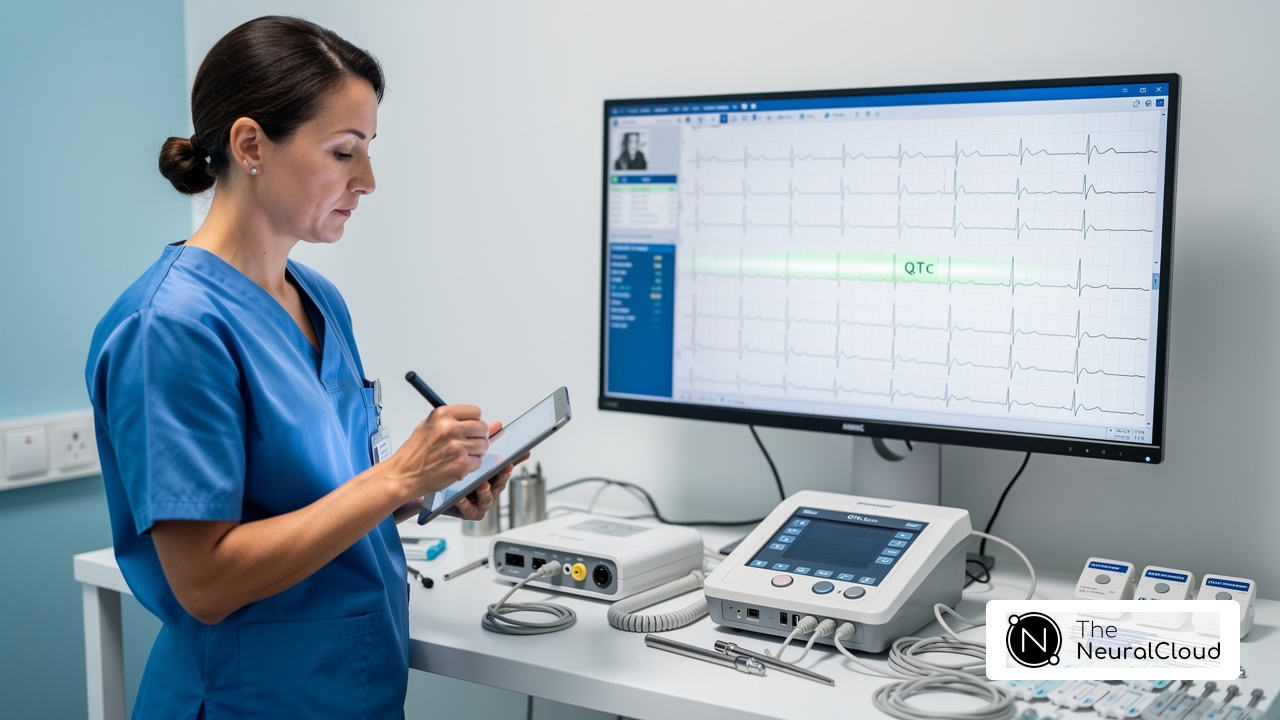
In the intricate realm of cardiac monitoring, the precision of EKG leads is crucial for accurate diagnoses and effective patient care. As healthcare technology advances, it is increasingly important for clinicians to understand the essential EKG leads and their applications. This article explores the various types of EKG leads—from the comprehensive 12-lead ECG to the simplified 5-lead system—highlighting their unique benefits and the critical importance of accurate lead placement.
How can healthcare professionals utilize these advancements to enhance cardiac assessments and improve patient outcomes?
Neural Cloud Solutions: MaxYield™ for Automated ECG Analysis
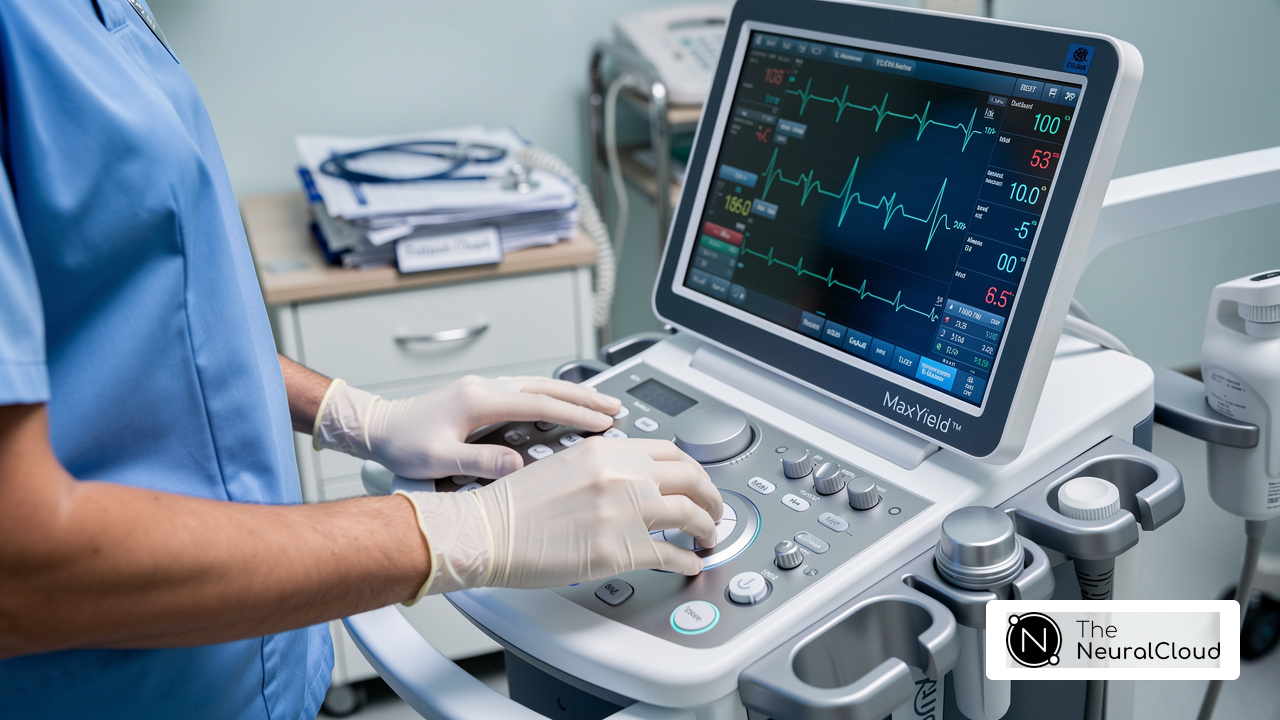
The solution from Neural Cloud Solutions is revolutionizing cardiac monitoring by addressing the common challenges faced in this field. Traditional methods often suffer from issues such as data inaccuracies, which can compromise the reliability of data. MaxYield™ tackles these challenges head-on, ensuring that clinicians receive clear and dependable information for their assessments.
MaxYield™ leverages advanced algorithms to process over 200,000 heartbeats in less than five minutes. This impressive capability allows for rapid analysis, accurately labeling critical features like P-waves, QRS complexes, and T-wave intervals. The automation provided by the platform not only streamlines the analysis process but also enables healthcare professionals to focus on patient care, significantly enhancing workflow efficiency and diagnostic yield.
Prominent cardiologists have noted that the clarity and precision offered by MaxYield™ facilitate more confident identification of heart events, ultimately leading to improved patient outcomes. The platform’s continuous learning model further enhances its capabilities, allowing the algorithms to evolve and increase accuracy over time.
In summary, MaxYield™ signifies a significant advancement in cardiac monitoring by utilizing EKG leads, providing healthcare professionals with essential insights and the tools needed to make informed decisions. By improving the accuracy and efficiency of ECG analysis, MaxYield™ is set to transform patient care in cardiology.
12-Lead ECG: Comprehensive Cardiac Assessment Technique
The 12-lead ECG is recognized as the gold standard for heart evaluation, capturing electrical activity from twelve distinct angles. This comprehensive perspective enables clinicians to effectively identify abnormalities such as arrhythmias, ischemia, and various cardiac conditions.
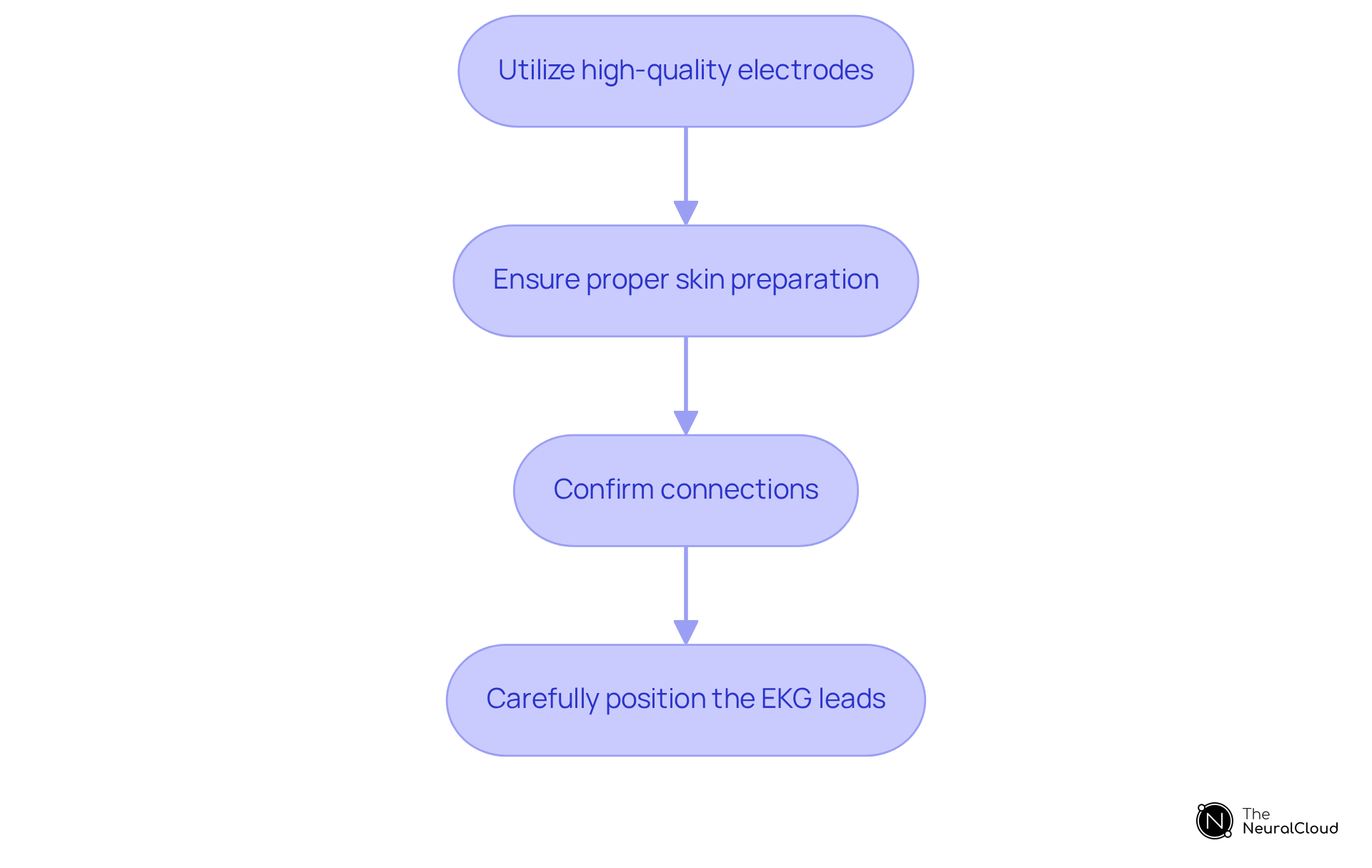
Lead placement is crucial; incorrect positioning of these leads can lead to misinterpretation of results, potentially jeopardizing patient care. For example, studies have shown that the likelihood of artifacts resulting from incorrect placement is reduced by 50%, underscoring the importance of meticulous technique. To ensure accuracy, healthcare professionals should follow established guidelines that emphasize the anatomical landmarks for each electrode. Optimal practices include:
- Utilizing high-quality electrodes
- Ensuring proper skin preparation to minimize noise
- Confirming connections
- Carefully positioning the EKG leads before recording
In emergency care settings, the 12-lead ECG has proven invaluable. Swift electrode positioning procedures have been developed to facilitate prompt diagnosis and management of cardiac events. As noted by Dr. Thomas Deering, "The synthesized technology can effectively support the diagnosis of arrhythmias, similar to traditional methods."
Research indicates that adherence to these protocols significantly enhances the accuracy of ECG readings, allowing for timely interventions that can save lives. Overall, the 12-lead ECG remains an essential tool in both emergency and routine heart evaluations, emphasizing the critical role of precise EKG leads placement for patient safety.
5-Lead ECG: Simplified Cardiac Monitoring
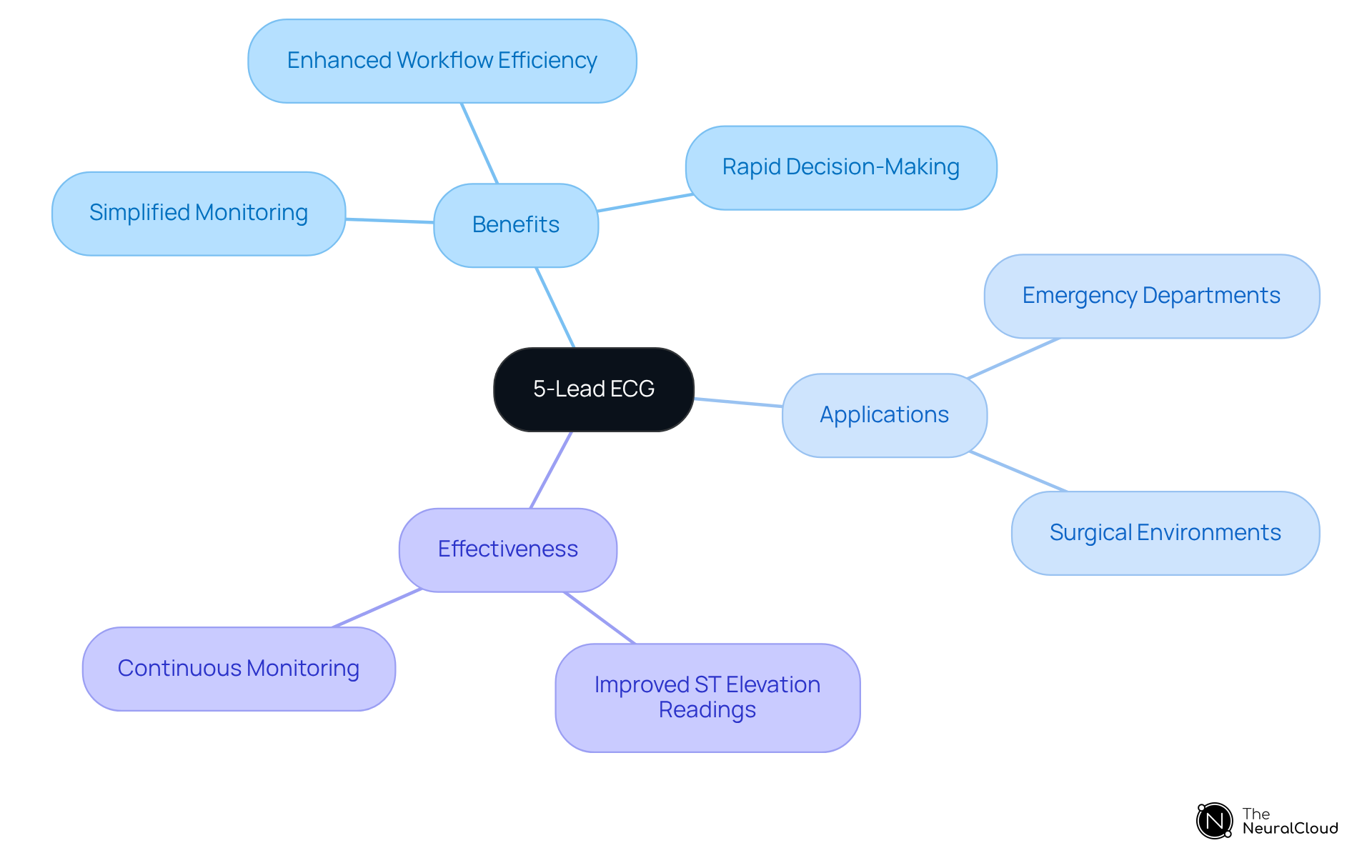
The system presents a simplified alternative to the conventional 12-lead setup, using fewer electrodes while still providing essential heart monitoring. This system proves particularly beneficial in emergency departments and surgical environments, where swift assessment of heart rhythm and rate is vital for the patient.
While it may not capture the complete range of heart activity like the 12-lead ECG, the 5-lead ECG, which utilizes EKG leads, excels in continuous monitoring and supports rapid decision-making. Healthcare professionals have observed that the simplicity of EKG leads in the monitoring process significantly enhances patient care, enabling timely interventions.
In practice, this system has shown effectiveness in various surgical applications, where monitoring is essential for safety. By streamlining heart monitoring, the EKG leads allow clinicians to focus on urgent individual needs without compromising the quality of care.
Furthermore, studies suggest that 5-lead monitoring yields improved ST elevation readings compared to 3-lead monitoring, underscoring its effectiveness. Accurate monitoring is crucial for patient outcomes, establishing the use of EKG leads as a valuable asset in acute care settings.
Holter Monitor: Continuous ECG Monitoring Solution
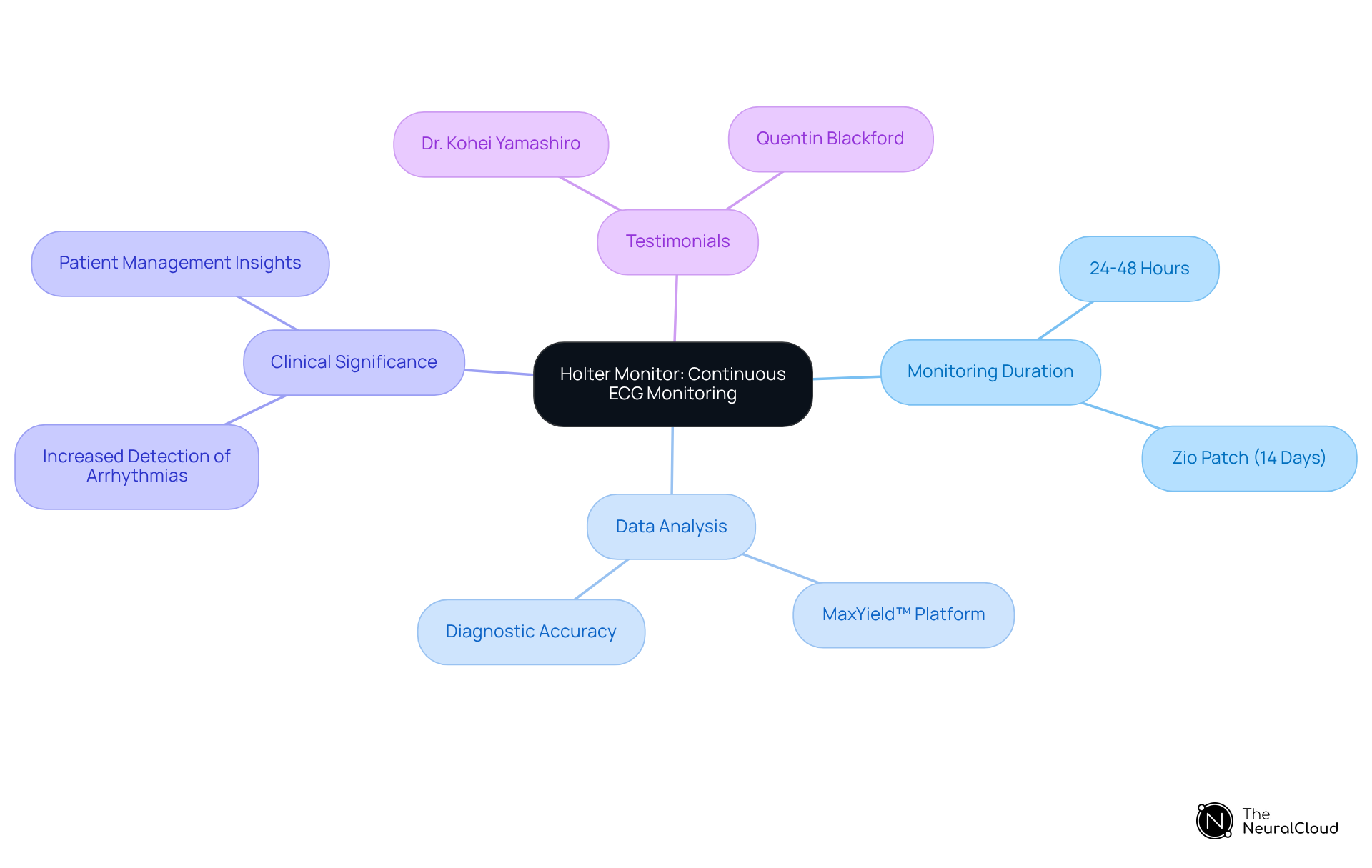
Holter monitors are designed for continuous ECG monitoring, typically lasting 24 to 48 hours, allowing for data collection during an individual's everyday activities. This extended monitoring period is crucial for identifying arrhythmias and other heart conditions that may not manifest during a standard ECG. For example, the Zio patch can monitor individuals for up to 14 days and is 96% more likely to detect abnormalities compared to traditional Holter monitoring services. This significantly increases the likelihood of accurate diagnosis.
The data collected from these devices can be analyzed using advanced algorithms, such as those in the cloud-based systems, which processes over 200,000 heartbeats in under five minutes. This capability improves diagnostic accuracy, enabling healthcare professionals to make informed decisions based on reliable heart insights. Testimonials from cardiologists, including Dr. Kohei Yamashiro, underscore the importance of continuous monitoring, highlighting that it provides critical data and timely intervention.
As the prevalence of heart disease continues to rise, especially among aging populations, the role of Holter monitors in cardiac care is becoming increasingly crucial. This is particularly significant given that heart diseases remain the world's leading cause of death.
Wearable ECG Devices: Real-Time Cardiac Monitoring
Wearable ECG devices, including smartwatches and fitness trackers equipped with EKG leads, are revolutionizing cardiac monitoring by enabling continuous observation of heart activity. These devices alert users to potential issues and generate essential data for healthcare providers. However, traditional monitoring involving EKG leads faces challenges, such as the need for improved accuracy. This is where platforms like MaxYield come into play.
MaxYield is designed to enhance cardiac monitoring through its advanced algorithms, which effectively utilize EKG leads. It can process over 200,000 heartbeats in under five minutes, significantly improving diagnostic yield. By accurately detecting conditions like atrial fibrillation (AFib) using EKG leads with high predictive value, MaxYield facilitates timely diagnosis and interventions, ultimately benefiting both patients and healthcare professionals.
The advantages of using wearable ECG devices are substantial. Healthcare providers gain access to precise and actionable insights from ECG data collected through EKG leads, enabling informed decision-making. As industry analysts forecast considerable growth in the wearable ECG market, projected to reach ~$150B by 2026, the role of these devices in early detection and monitoring becomes increasingly vital. By integrating advanced technology, wearable ECG devices exemplify how AI-driven solutions can optimize diagnostic processes and enhance patient outcomes.
In summary, wearable ECG devices are transforming cardiac care, and platforms like MaxYield are at the forefront of this innovation. By addressing the challenges of traditional monitoring and the use of EKG leads, they empower healthcare providers with the tools needed for effective monitoring and intervention, ultimately leading to improved patient health.
ECG Lead Placement: Ensuring Accurate Readings
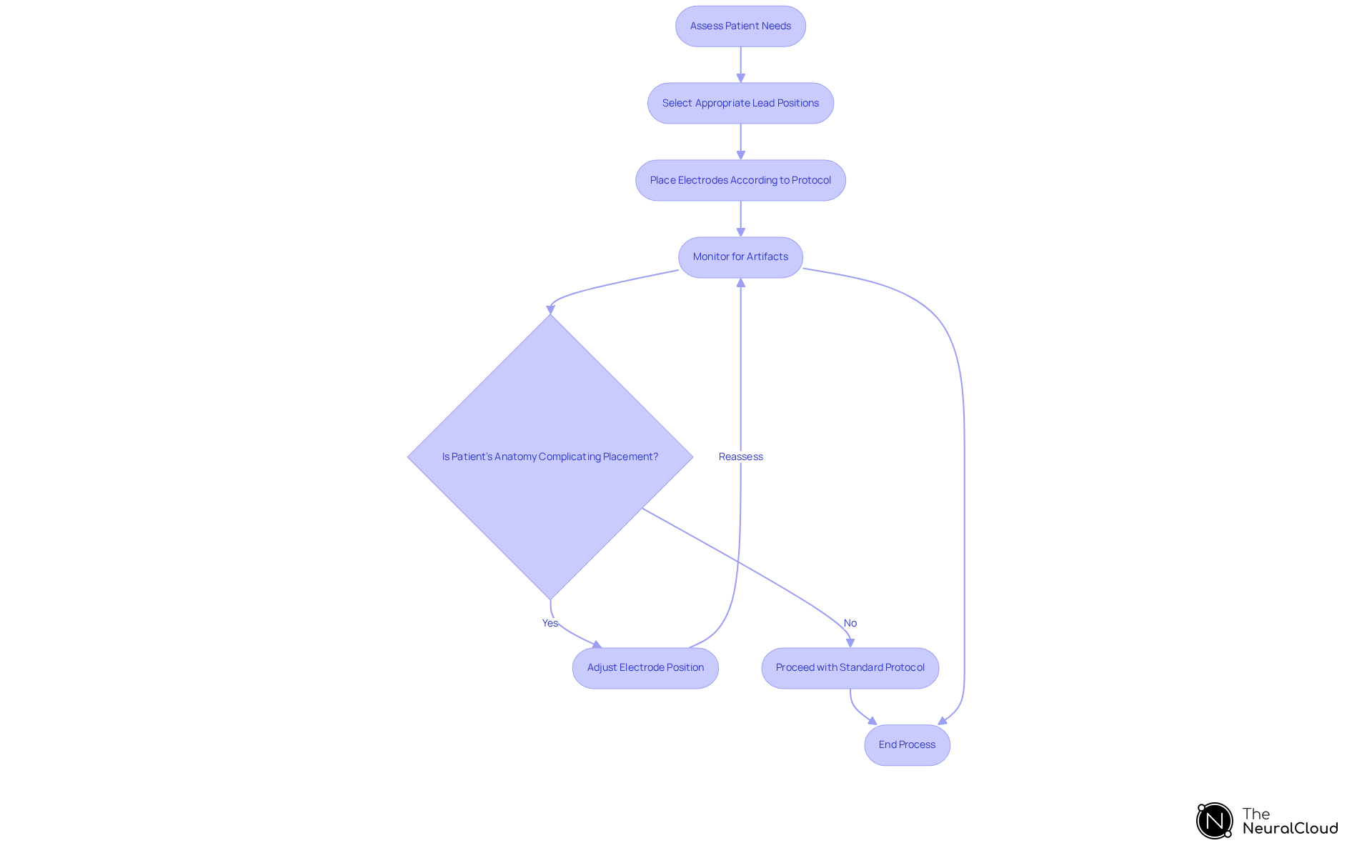
Exact measurements of an ECG are fundamentally dependent on the lead placement. Each of the electrodes must be placed according to established protocols to effectively capture the heart's electrical signals. Incorrect positioning can lead to misinterpretations, significantly undermining care for individuals. For instance, a study revealed that a 76-year-old individual displayed a Q wave in aVL due to torso limb positioning, which was resolved upon adjusting to standard limb configurations. This underscores the critical importance of proper lead placement in ensuring reliable ECG data.
Healthcare professionals must undergo rigorous training and adhere to guidelines to achieve accurate results. The European Society of Cardiology highlights that improper placement can lead to diagnostic errors, potentially resulting in false diagnoses. Specific recommendations include:
- Placing electrodes beneath breast tissue when necessary to ensure optimal contact.
Furthermore, the technology automates the labeling of ECG waveforms, allowing healthcare providers to concentrate on high-level decision-making rather than manual tasks. By prioritizing accurate placement of EKG leads and leveraging advanced technology, healthcare providers can improve the quality of ECG data, ultimately enhancing diagnostic outcomes and patient care.
As observed by a prominent cardiologist, "Precise lead placement is crucial; even slight errors can lead to considerable misunderstandings of cardiac health."
ECG Signal Artifacts: Challenges in Data Accuracy
Artifacts, such as electrical interference, present significant challenges to data accuracy. These artifacts can lead to misinterpretation, complicating clinical decision-making. The platform employs specifically designed algorithms to filter out noise and improve signal quality. This capability is essential, as studies show that approximately 42% of healthcare professionals find ECGs difficult to interpret due to artifacts, while 4% of ECGs recorded in intensive care units experienced misplacement or reversal of EKG leads.
By utilizing advanced noise reduction algorithms, MaxYield™ ensures that clinicians receive accurate and dependable data, ultimately improving patient outcomes. The platform processes over 200,000 heartbeats in under five minutes, and its continuous learning model further enhances its ability to adapt and refine its algorithms. This adaptability addresses the evolving challenges of data interpretation across diverse clinical settings.
In summary, the MaxYield™ platform not only mitigates the impact of artifacts but also empowers healthcare professionals with reliable information.
ECG Interpretation Techniques: Essential for Diagnostic Tools
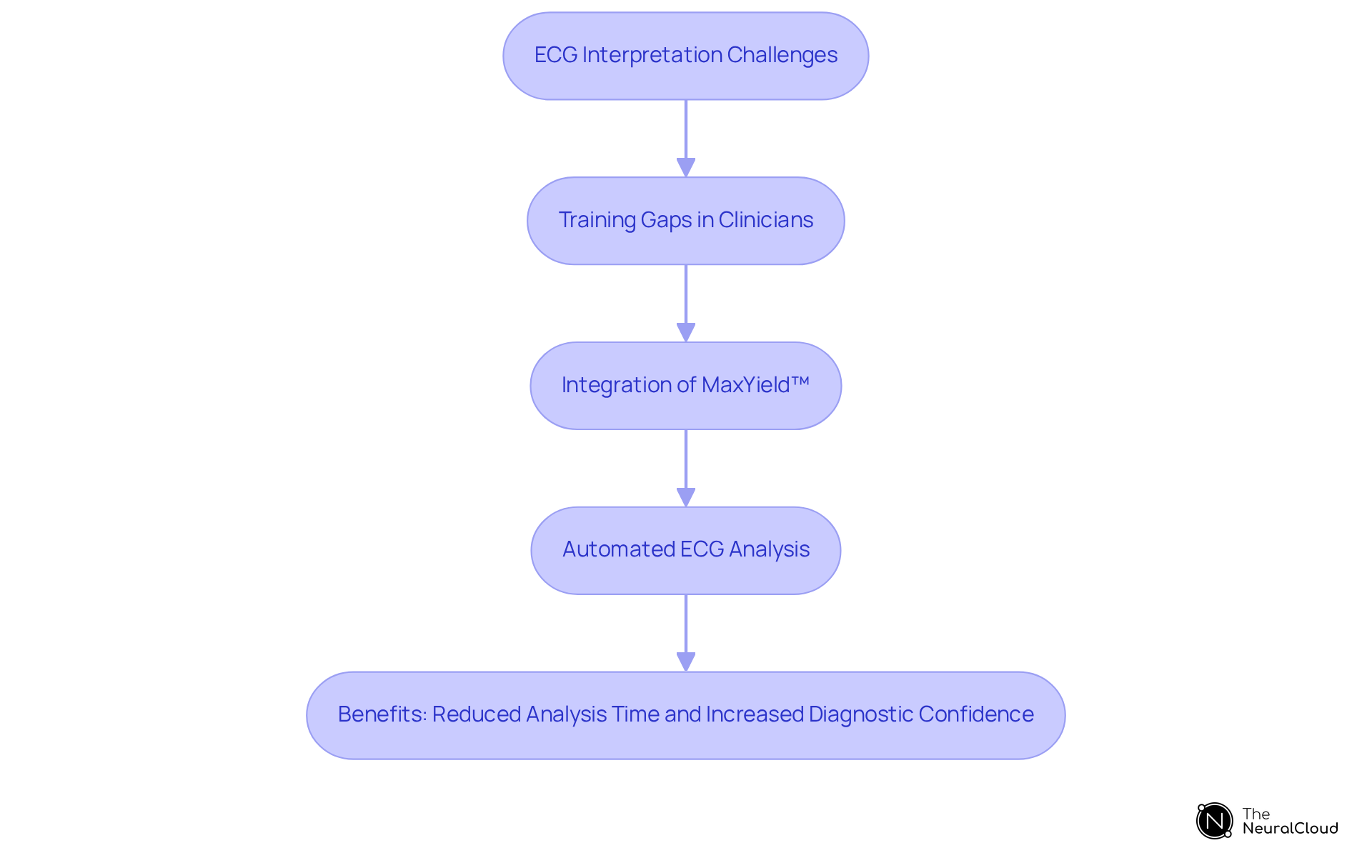
Effective ECG interpretation techniques involving EKG leads are essential for transforming raw data into significant clinical insights. Clinicians must be skilled at identifying patterns and abnormalities in ECG readings, including the presence of arrhythmias, to ensure precise diagnoses. Training in ECG interpretation, especially regarding the proper placement and use of EKG leads, is crucial, as studies reveal that many clinicians have received inadequate training; 71.8% have had five hours or less, and 68.1% have experienced either no or infrequent direct ECG supervision. This gap highlights the urgent need for improved educational initiatives in cardiac monitoring.
MaxYield™ enhances this process through its automated systems, delivering comprehensive analyses and highlighting critical features such as EKG leads, P-waves, QRS complexes, and T-wave intervals. These systems streamline the interpretation process of EKG leads, reducing the time needed for analysis by an average of 52 seconds per ECG and boosting overall diagnostic confidence by 15%. By employing advanced AI algorithms, MaxYield™ allows healthcare professionals to focus on high-level decision-making rather than labor-intensive manual tasks, ultimately improving patient outcomes, including the interpretation of EKG leads.
Features of MaxYield™:
- Automated ECG analysis.
- Real-time data processing.
- Increased diagnostic confidence for clinicians.
Advantages for Healthcare Professionals:
- Time savings in ECG interpretation.
- Enhanced ability to focus on complex clinical decisions.
- Improved patient care quality.
In conclusion, the integration of MaxYield™ into clinical practice not only addresses the challenges associated with ECG interpretation but also empowers healthcare professionals to deliver superior patient care through the use of advanced technology.
Cardiac Monitoring Principles: Foundations for Health Tech Solutions
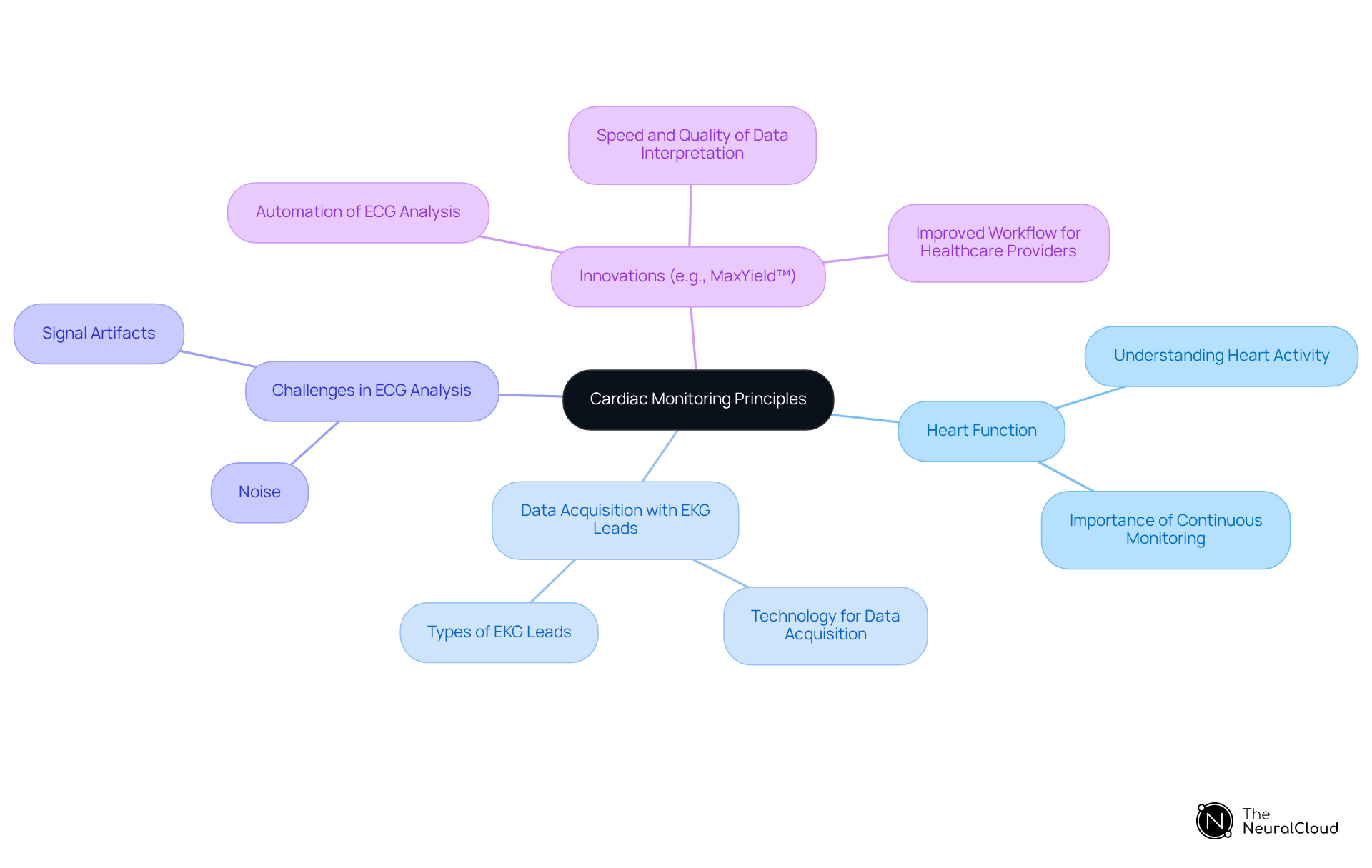
Cardiac monitoring relies on a comprehensive understanding of heart function, the technology for data acquisition through EKG leads, and the methods for analysis. These foundational components are essential for creating effective systems that can integrate with EKG leads. ECG analysis faces challenges, particularly with noise and signal artifacts that can obscure true signals. Innovations like the MaxYield platform from Neural Cloud Solutions effectively address these challenges by utilizing EKG leads. This platform processes over 200,000 heartbeats in under five minutes, utilizing EKG leads to improve and enhance both speed and quality of data interpretation. This advancement allows healthcare professionals to make informed decisions based on precise heart insights.
The platform's ability to automate analysis significantly improves the workflow for healthcare providers. By addressing critical issues, it enhances diagnostic accuracy and treatment efficacy. Healthcare professionals benefit from the platform's efficiency, enabling them to focus more on patient care rather than data processing. Continuous ECG recordings can last from 1 to 14 days, demonstrating the versatility and practicality of these innovations, particularly with the use of EKG leads. The integration of such advancements not only streamlines clinical workflows but also empowers both patients and providers, fostering a collaborative approach to heart health management.
In summary, the technology exemplifies how modern technology, particularly EKG leads, can transform cardiac monitoring. By improving diagnostic processes, it plays a vital role in accurate diagnosis and treatment. As industry leaders emphasize, EKG leads are crucial in today’s healthcare landscape. The benefits of these innovations extend beyond efficiency; they enhance patient outcomes by providing healthcare professionals with the tools necessary for effective care.
Advancements in ECG Technology: Keeping Up with Innovations
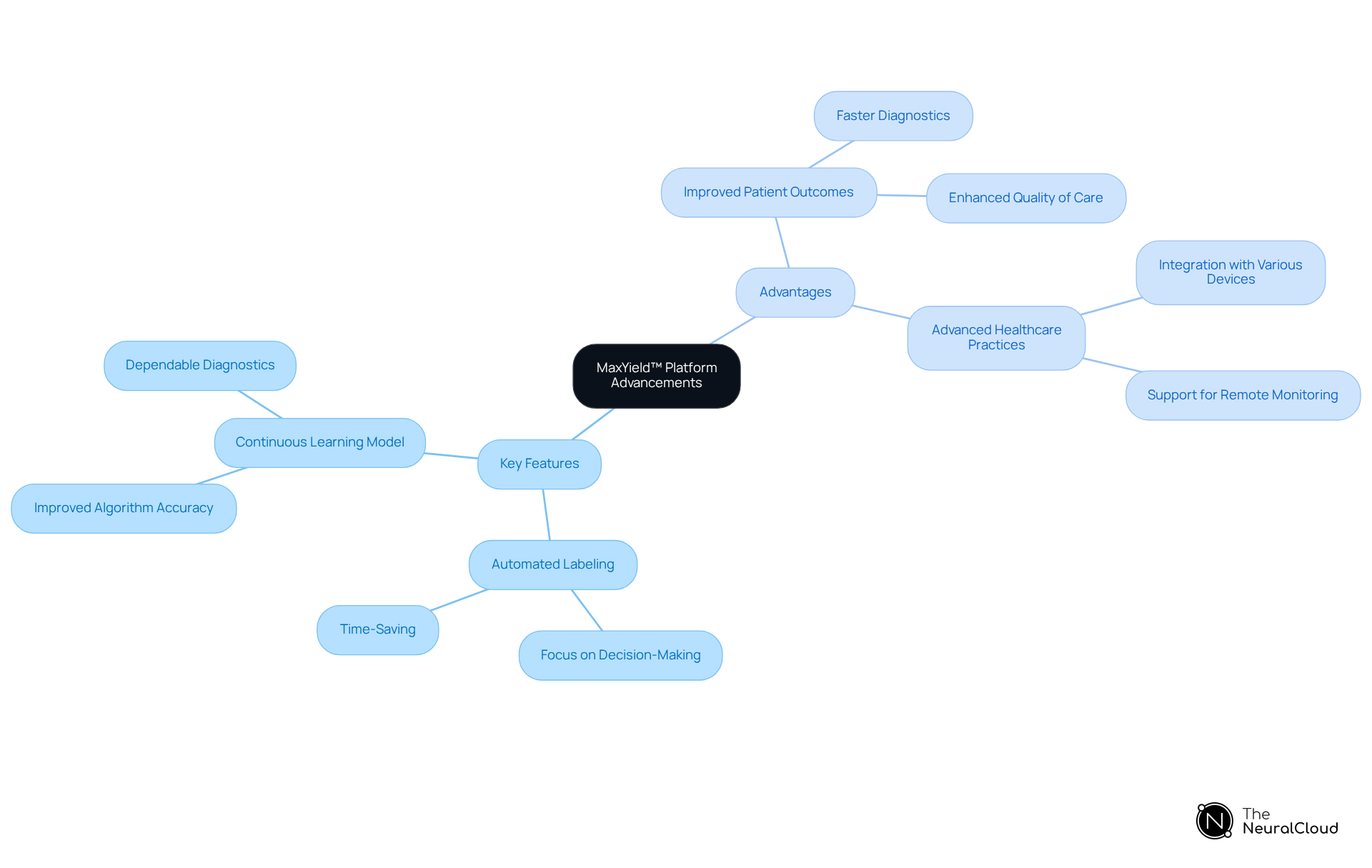
Recent advancements in ECG technology, particularly EKG lead innovations, are transforming heart monitoring with the use of EKG leads. Clinicians face challenges in accuracy, where traditional methods involving EKG leads can be time-consuming and prone to inaccuracies. Staying informed about innovations like the latest software is crucial for harnessing tools that significantly enhance diagnostic capabilities.
The technology offers several key features that improve efficiency by utilizing EKG leads:
- It automates the labeling of ECG waveforms and EKG leads, allowing users to focus on high-level decision-making rather than manual tasks.
- Its continuous learning model improves algorithm accuracy over time, ensuring clinicians can depend on precise diagnostics with EKG leads.
These features not only save time but also enhance patient outcomes.
The advantages of adopting the latest technology are substantial for healthcare providers. By leveraging cutting-edge resources, clinicians can improve patient care and advance healthcare practices. As the landscape of heart monitoring continues to evolve, embracing these innovations will be essential. As Robert Eno, CEO of HeartBeam, stated, "This recognition affirms our vision of innovation and validates our belief that access to high-fidelity ECG data should not be limited by healthcare settings."
Conclusion
The exploration of essential EKG leads for accurate cardiac monitoring underscores the pivotal role these tools play in enhancing patient care and diagnostic precision. By integrating advanced technologies such as the MaxYield™ platform, healthcare professionals significantly improve the reliability of ECG analysis, ensuring that critical heart conditions are identified swiftly and accurately.
Key insights from the article emphasize:
- The importance of proper lead placement
- The advantages of various ECG systems
- The impact of innovative monitoring devices
The 12-lead ECG remains the gold standard for comprehensive assessments, while the 5-lead system offers a simplified approach suitable for emergency settings. Continuous monitoring solutions, like Holter monitors and wearable devices, further extend the capabilities of cardiac monitoring, allowing for real-time data collection and analysis.
As the landscape of cardiac care continues to evolve, embracing these advancements is essential for healthcare providers. The integration of automated ECG analysis technologies streamlines workflows and enhances the quality of patient outcomes. By prioritizing accurate EKG lead placement and utilizing innovative platforms like MaxYield™, clinicians are better equipped to deliver effective and timely cardiac care, ultimately contributing to improved health management in the population.
Frequently Asked Questions
What is MaxYield™ and how does it improve ECG analysis?
MaxYield™ is a platform from Neural Cloud Solutions that enhances ECG analysis by addressing issues like noise and signal artifacts. It uses advanced AI algorithms to process over 200,000 heartbeats in less than five minutes, enabling detailed beat-by-beat analysis and providing reliable data for clinicians.
What are the key features of MaxYield™?
Key features of MaxYield™ include the automation of ECG analysis, accurate labeling of critical features such as P-waves, QRS complexes, and T-wave intervals, and a continuous learning model that improves accuracy over time. This helps healthcare professionals focus on high-level decision-making and enhances workflow efficiency.
How does the 12-lead ECG contribute to cardiac assessment?
The 12-lead ECG is considered the gold standard for heart evaluation as it captures electrical activity from twelve angles, allowing clinicians to identify abnormalities like arrhythmias and ischemia. Proper lead placement is crucial to avoid misinterpretation of results.
What practices ensure accurate placement of EKG leads in a 12-lead ECG?
To ensure accurate placement of EKG leads, healthcare professionals should use high-quality electrodes, prepare the skin properly to minimize noise, confirm connections, and carefully position the leads according to established anatomical guidelines.
In what situations is the 5-lead ECG particularly beneficial?
The 5-lead ECG is beneficial in emergency departments and surgical environments where quick heart rhythm and rate assessment is essential. It simplifies the monitoring process while still providing vital information for timely decision-making.
How does the 5-lead ECG compare to the 12-lead ECG?
While the 5-lead ECG does not capture the full range of heart activity like the 12-lead ECG, it excels in continuous monitoring and rapid assessment. It is particularly effective in critical situations where minimizing setup time is crucial.
What advantages does the 5-lead ECG offer in terms of monitoring?
The 5-lead ECG enhances workflow efficiency, supports timely interventions, and has shown improved ST elevation readings compared to 3-lead monitoring. It is an effective tool for continuous ECG monitoring in acute care settings.
List of Sources
- Neural Cloud Solutions: MaxYield™ for Automated ECG Analysis
- Supercharging the ECG: AI set to Revolutionize the Diagnostic Cardiology Market (https://dicardiology.com/article/supercharging-ecg-ai-set-revolutionize-diagnostic-cardiology-market)
- medicaleconomics.com (https://medicaleconomics.com/view/accurkardia-wins-best-new-tech-solution-for-ecg-at-medtech-breakthrough-awards)
- mobihealthnews.com (https://mobihealthnews.com/news/heartbeam-accurkardia-partner-speed-cardiac-diagnosis)
- New AI approach set to revolutionize ECG data interpretation in heart disease diagnosis (https://news-medical.net/news/20250219/New-AI-approach-set-to-revolutionize-ECG-data-interpretation-in-heart-disease-diagnosis.aspx)
- powerfulmedical.com (https://powerfulmedical.com/blog/may-highlights-from-powerful-medical-pmcardio-3-0-launch-stemi-research-and-clinical-breakthroughs)
- 12-Lead ECG: Comprehensive Cardiac Assessment Technique
- ir.heartbeam.com (https://ir.heartbeam.com/news-events/press-releases/detail/92/heartbeam-successfully-meets-clinical-endpoints-in-pivotal)
- researchgate.net (https://researchgate.net/publication/361740434_Resting_12-lead_ECG_tests_performed_by_patients_at_home_amid_the_COVID-19_pandemic_-_Results_from_the_first_1000_patients)
- icthealth.org (https://icthealth.org/news/wearable-ekg-patch-as-effective-as-traditional-ecg)
- tctmd.com (https://tctmd.com/news/smartphone-based-ecg-device-could-play-role-primary-care)
- 5-Lead ECG: Simplified Cardiac Monitoring
- AI-powered ECG model outperforms doctors in detecting hidden heart disease (https://news-medical.net/news/20250721/AI-powered-ECG-model-outperforms-doctors-in-detecting-hidden-heart-disease.aspx)
- mayoclinicproceedings.org (https://mayoclinicproceedings.org/article/S0025-6196(23)00370-1/fulltext)
- medicalxpress.com (https://medicalxpress.com/news/2024-07-ai-tool-heart-accuracy.html)
- ausmed.com (https://ausmed.com/learn/articles/5-lead-ecg)
- pcgh.org (https://pcgh.org/news/news-archive/2020/01/01/cardiac-monitoring-technology-is-improved-at-pcgh)
- Holter Monitor: Continuous ECG Monitoring Solution
- viatomcare.com (https://viatomcare.com/ecg-holter-monitor-becomes-the-game-changer-for-detecting-and-monitoring-hidden-heart-diseases)
- This is the Future of Cardiac Holter Monitoring & Diagnostics | LifeSignals (https://lifesignals.com/this-is-the-future-of-cardiac-holter-monitoring-and-diagnostics)
- finance.yahoo.com (https://finance.yahoo.com/news/irhythm-launches-zio-long-term-201000992.html)
- globenewswire.com (https://globenewswire.com/news-release/2025/05/08/3077401/0/en/Holter-ECG-Market-is-expected-to-generate-a-revenue-of-USD-1-23-Billion-by-2031-Globally-at-8-6-CAGR-Verified-Market-Research.html)
- dicardiology.com (https://dicardiology.com/channel/holter-monitoring-systems)
- Wearable ECG Devices: Real-Time Cardiac Monitoring
- nicenews.com (https://nicenews.com/health-and-wellness/wearable-tech-detect-heart-attacks)
- news-medical.net (https://news-medical.net/news/20250610/Smartwatch-alerts-retired-nurse-to-heart-injury-prompting-life-saving-hospital-care.aspx)
- iotm2mcouncil.org (https://iotm2mcouncil.org/iot-library/news/connected-health-news/cardiologs-puts-remote-cardiac-monitoring-in-smartwatches)
- conehealth.com (https://conehealth.com/employer-health-and-wellness-solutions/employer-health-solutions/news/smartwatches-offer-new-hope-for-heart-health)
- ts2.tech (https://ts2.tech/en/global-wearable-health-tech-news-june-and-july-2025)
- ECG Lead Placement: Ensuring Accurate Readings
- gehealthcare.com (https://gehealthcare.com/insights/article/best-practices-for-ecg-lead-placement-on-women?srsltid=AfmBOoqUnDObdfM6Ou9cT3O9vNkGrPgURGUh1Sch0m7DvQaZ5R-zDEmb)
- Electrocardiographic Limb Leads Placement and Its Clinical Implication: Two Cases of Electrocardiographic Illustrations - PMC (https://pmc.ncbi.nlm.nih.gov/articles/PMC8415387)
- numed.co.uk (https://numed.co.uk/news/12-lead-ecg-best-practices)
- publications.aap.org (https://publications.aap.org/aapgrandrounds/article/26/4/39/86604/New-ECG-Guidelines-Improve-Accuracy-of-Screening)
- Reducing ECG artifact (https://numed.co.uk/news/reducing-ecg-artifact)
- ECG Signal Artifacts: Challenges in Data Accuracy
- sciencedirect.com (https://sciencedirect.com/science/article/abs/pii/S0010482525011382)
- Robustness of electrocardiogram signal quality indices - PMC (https://pmc.ncbi.nlm.nih.gov/articles/PMC9006023)
- rhythmexpressecg.com (https://rhythmexpressecg.com/vivaquant-technology-shows-promise-for-improving-drug-safety-assessment-accuracy)
- healio.com (https://healio.com/news/cardiology/20240906/fda-clears-algorithm-to-reduce-ecg-noise-on-ambulatory-monitoring)
- statnews.com (https://statnews.com/2023/07/19/heart-data-wearables-apple-watch-health)
- ECG Interpretation Techniques: Essential for Diagnostic Tools
- New AI approach set to revolutionize ECG data interpretation in heart disease diagnosis (https://news-medical.net/news/20250219/New-AI-approach-set-to-revolutionize-ECG-data-interpretation-in-heart-disease-diagnosis.aspx)
- AI ECG Interpretation Rivals Cardiologists (https://powerfulmedical.com/blog/how-is-ai-transforming-ecg-interpretation)
- New AI Tool Beats Standard Approaches for Detecting Heart Attacks (https://upmc.com/media/news/062923-ecg-model-heart-attacks)
- gehealthcare.com (https://gehealthcare.com/en-th/insights/article/the-future-of-algorithms-for-ecg-interpretation-what-new-research-shows?srsltid=AfmBOoqPmuJVp4Q39tCZLF9bSFhJhnSe0IoH0pt0rLFRE22NnKZ7G9XQ)
- Spotlight on early detection of 3 heart diseases using ECG-AI - Mayo Clinic News Network (https://newsnetwork.mayoclinic.org/discussion/spotlight-on-early-detection-of-3-heart-diseases-using-ecg-ai)
- Cardiac Monitoring Principles: Foundations for Health Tech Solutions
- medicalnewstoday.com (https://medicalnewstoday.com/articles/5-medical-advances-that-could-change-heart-health-monitoring)
- capecodhealth.org (https://capecodhealth.org/cape-cod-health-news/advances-in-heart-monitoring-technology-pose-new-challenges)
- philips.com (https://philips.com/a-w/about/news/archive/standard/news/press/2024/philips-aims-to-transform-diagnostic-cardiology-with-introduction-of-new-cardiac-workstation.html)
- pmc.ncbi.nlm.nih.gov (https://pmc.ncbi.nlm.nih.gov/articles/PMC7545156)
- Advancements in ECG Technology: Keeping Up with Innovations
- medicaleconomics.com (https://medicaleconomics.com/view/accurkardia-wins-best-new-tech-solution-for-ecg-at-medtech-breakthrough-awards)
- cardiacvascularnews.com (https://cardiacvascularnews.com/heartbeam-wins-industry-innovation-award-for-advancing-remote-cardiac-care-with-groundbreaking-ecg-technology)
- finance.yahoo.com (https://finance.yahoo.com/news/heartbeam-wins-industry-innovation-award-110000602.html)
- dicardiology.com (https://dicardiology.com/content/heartbeam-receives-two-patents-cardiac-diagnostic-technology)
- Advances in Cardiac ECG Monitoring Technologies (https://dicardiology.com/channel/advances-cardiac-ecg-monitoring-technologies)