Introduction
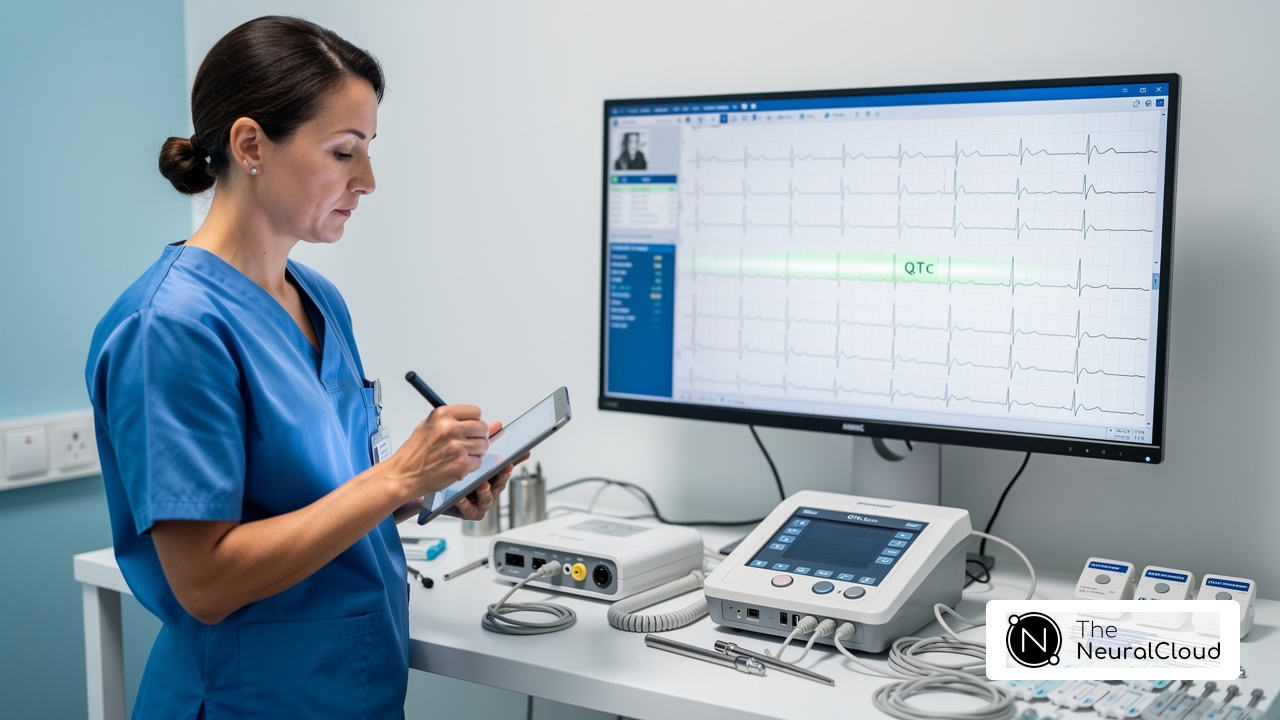
Misdiagnosing STEMI mimickers poses a significant risk in healthcare, particularly in Canada, where it can lead to harmful interventions and adverse patient outcomes. This article explores four best practices that healthcare providers can adopt to enhance their diagnostic accuracy and effectively differentiate between true STEMI and its mimickers. As the stakes are high, improving diagnostic accuracy not only enhances patient care but also minimizes the risks associated with misdiagnosis.
Understand Common STEMI Mimickers and Their ECG Features
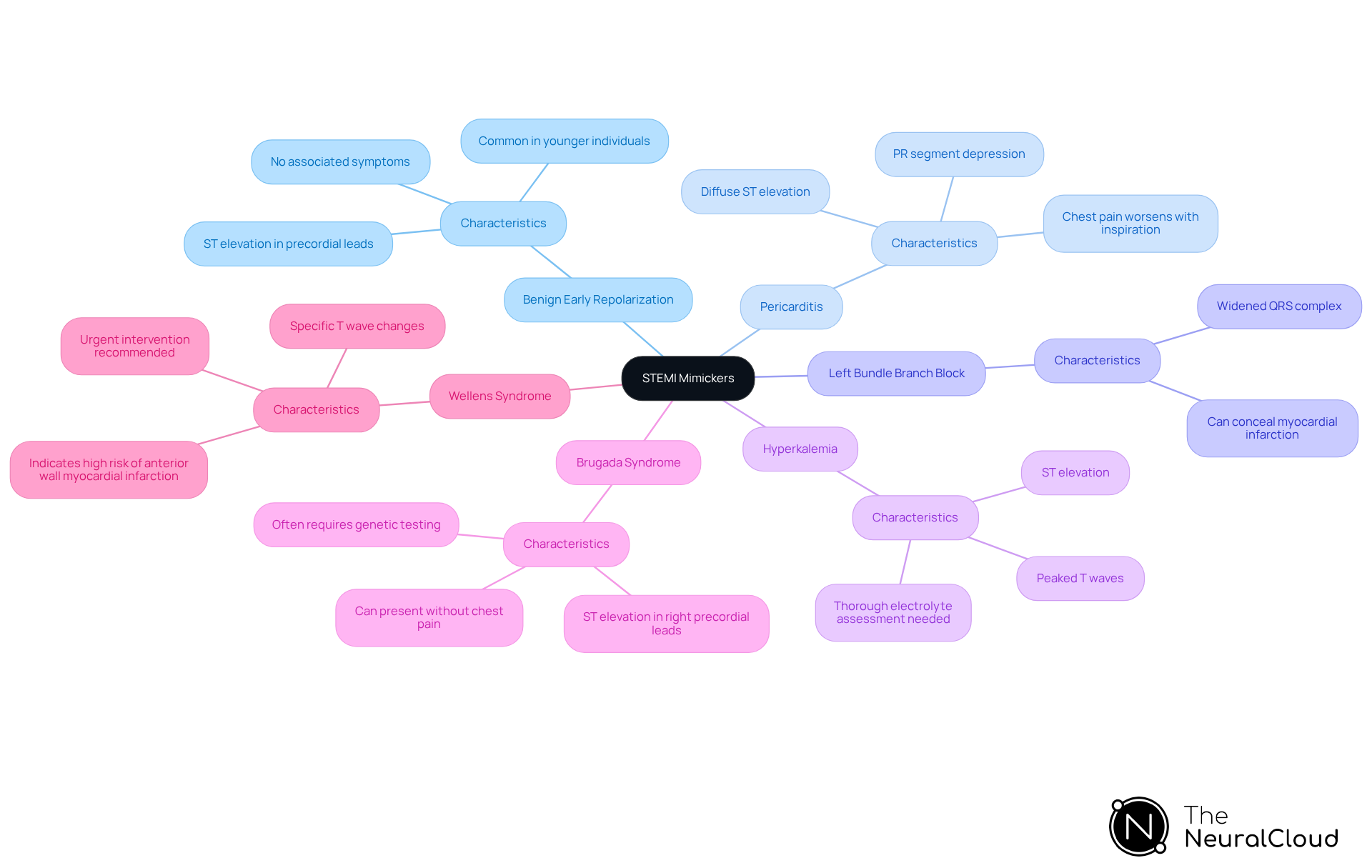
STEMI mimickers can lead to significant challenges in ECG interpretation and patient management. In Canada, understanding STEMI mimickers is crucial for accurate patient management and avoiding unnecessary interventions. Common mimickers include:
- Benign Early Repolarization (BER): Frequently observed in younger individuals, BER is characterized by ST elevation in the precordial leads without associated symptoms. This variant is often benign and should be distinguished from pathological conditions.
- Pericarditis: This condition presents with diffuse ST elevation and PR segment depression, typically accompanied by chest pain that worsens with inspiration. Recognizing these signs is key to telling pericarditis apart from a heart attack.
- Left Bundle Branch Block (LBBB): LBBB can conceal the diagnosis of myocardial infarction with ST-segment elevation due to its similar ECG patterns. It is vital for clinicians to recognize its distinct features, such as a widened QRS complex, to avoid misdiagnosis.
- Hyperkalemia: Elevated potassium levels can lead to peaked T waves and ST elevation, necessitating a thorough electrolyte assessment. The lack of reciprocal changes can assist in distinguishing hyperkalemia from myocardial infarction.
- Brugada Syndrome: This hereditary disorder can resemble a heart attack with ST elevation in the right precordial leads. It often requires further genetic testing for confirmation, especially in patients presenting without chest pain.
Studies show that misdiagnosing these conditions can lead to inappropriate treatments for 10-36% of patients with ST-segment elevation. Furthermore, the lack of reciprocal changes usually observed in myocardial infarction is a key differentiator, as noted by Dr. Smith. Identifying these conditions and their ECG features is essential for medical providers to guarantee precise patient management and enhance results, particularly in the case of STEMI mimickers, within the Canadian medical system. Moreover, comprehending Wellens Syndrome, which is marked by particular EKG alterations signifying a high risk of anterior wall myocardial infarction, emphasizes the essential importance of precise diagnosis and prompt intervention.
Implement Diagnostic Strategies for Accurate Identification
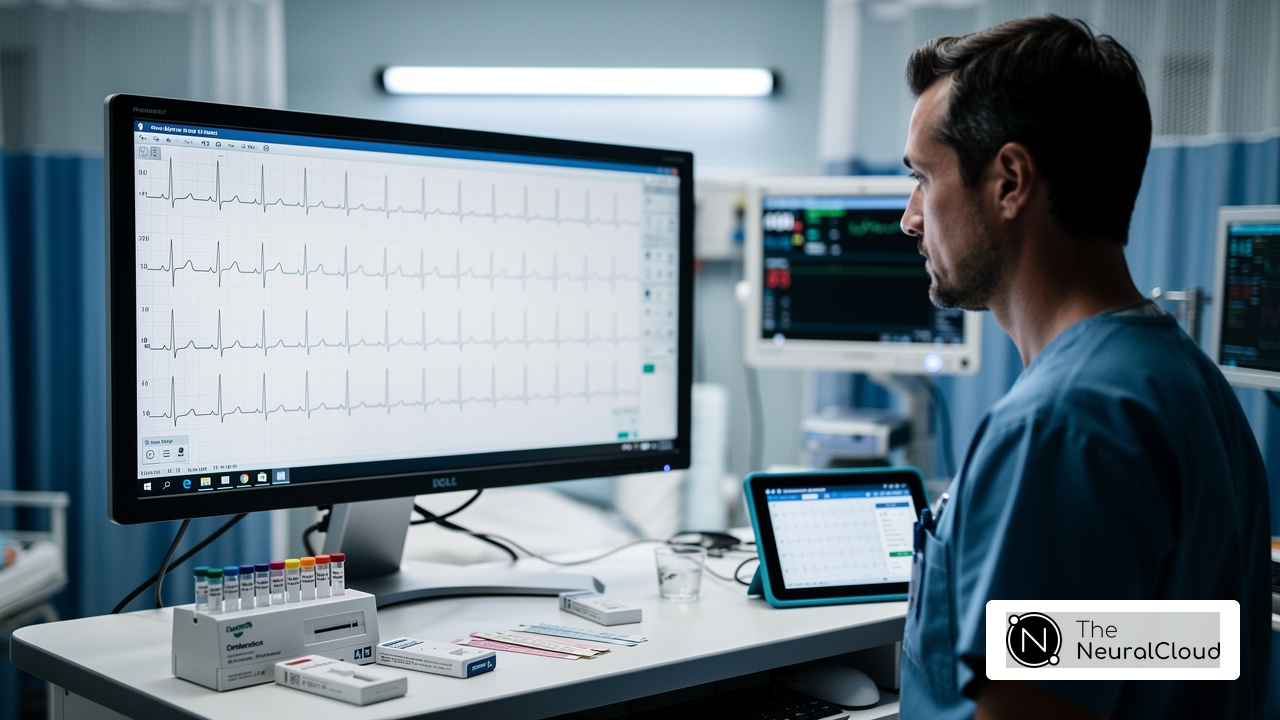
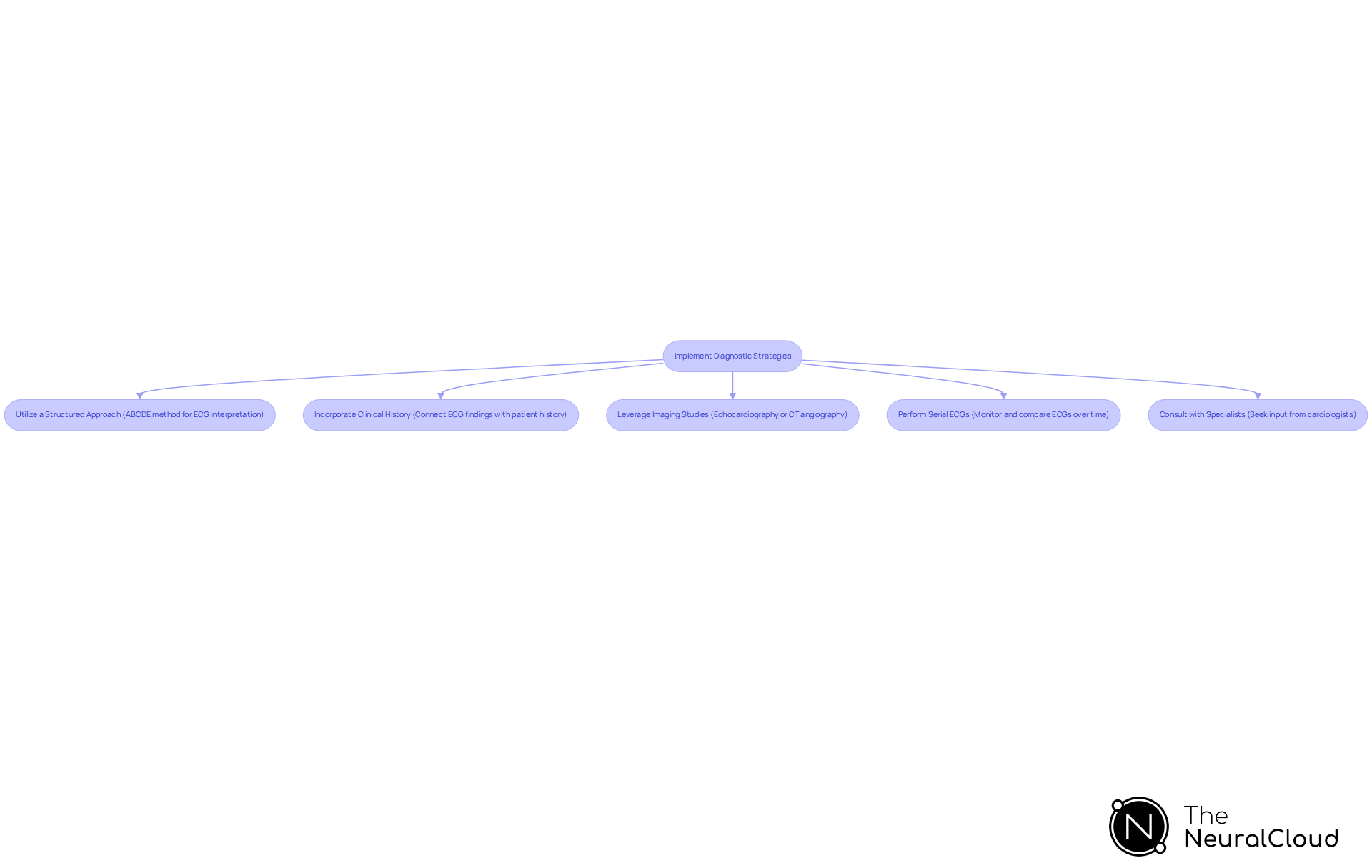
The accurate diagnosis of stemi mimickers is often complicated by overlapping symptoms and conditions. To effectively identify these mimickers, healthcare providers should implement the following diagnostic strategies:
- Utilize a Structured Approach: Employ a systematic method for ECG interpretation, such as the ABCDE approach (A: Analyze, B: Background, C: Clinical context, D: Differential diagnosis, E: Evaluate).
- Incorporate Clinical History: It's essential to connect ECG findings with the patient's clinical history and symptoms. Inquire about the onset, duration, and nature of chest pain, as well as any associated symptoms.
- Leverage Imaging Studies: Utilize imaging techniques like echocardiography or CT angiography to exclude conditions that may present similarly to myocardial infarction, such as pulmonary embolism or aortic dissection. High clinical suspicion and appropriate imaging are crucial for accurate diagnosis.
- Perform [[[[[[[[[[Serial ECGs](https://saem.org/about-saem/academies-interest-groups-affiliates2/cdem/for-students/online-education/m3-curriculum/group-electrocardiogram-(ecg)-rhythm-recognition/stemi)](https://saem.org/about-saem/academies-interest-groups-affiliates2/cdem/for-students/online-education/m3-curriculum/group-electrocardiogram-(ecg)-rhythm-recognition/stemi)](https://saem.org/about-saem/academies-interest-groups-affiliates2/cdem/for-students/online-education/m3-curriculum/group-electrocardiogram-(ecg)-rhythm-recognition/stemi)](https://saem.org/about-saem/academies-interest-groups-affiliates2/cdem/for-students/online-education/m3-curriculum/group-electrocardiogram-(ecg)-rhythm-recognition/stemi)](https://saem.org/about-saem/academies-interest-groups-affiliates2/cdem/for-students/online-education/m3-curriculum/group-electrocardiogram-(ecg)-rhythm-recognition/stemi)](https://saem.org/about-saem/academies-interest-groups-affiliates2/cdem/for-students/online-education/m3-curriculum/group-electrocardiogram-(ecg)-rhythm-recognition/stemi)](https://saem.org/about-saem/academies-interest-groups-affiliates2/cdem/for-students/online-education/m3-curriculum/group-electrocardiogram-(ecg)-rhythm-recognition/stemi)](https://saem.org/about-saem/academies-interest-groups-affiliates2/cdem/for-students/online-education/m3-curriculum/group-electrocardiogram-(ecg)-rhythm-recognition/stemi)](https://saem.org/about-saem/academies-interest-groups-affiliates2/cdem/for-students/online-education/m3-curriculum/group-electrocardiogram-(ecg)-rhythm-recognition/stemi)](https://saem.org/about-saem/academies-interest-groups-affiliates2/cdem/for-students/online-education/m3-curriculum/group-electrocardiogram-(ecg)-rhythm-recognition/stemi): Regularly monitor and compare serial ECGs to identify evolving patterns that may clarify the diagnosis over time. This practice can help in recognizing changes indicative of true myocardial infarction versus stemi mimickers.
- Consult with Specialists: When in doubt, seek input from cardiologists or other specialists who can provide additional insights into complex cases. Collaboration with experts can enhance diagnostic accuracy and improve patient outcomes.
By implementing these strategies, healthcare providers can significantly reduce misdiagnosis and improve patient outcomes. Ultimately, these strategies can lead to more precise diagnoses and better patient care in the Canadian healthcare landscape.
Leverage Advanced Technologies for Enhanced ECG Analysis
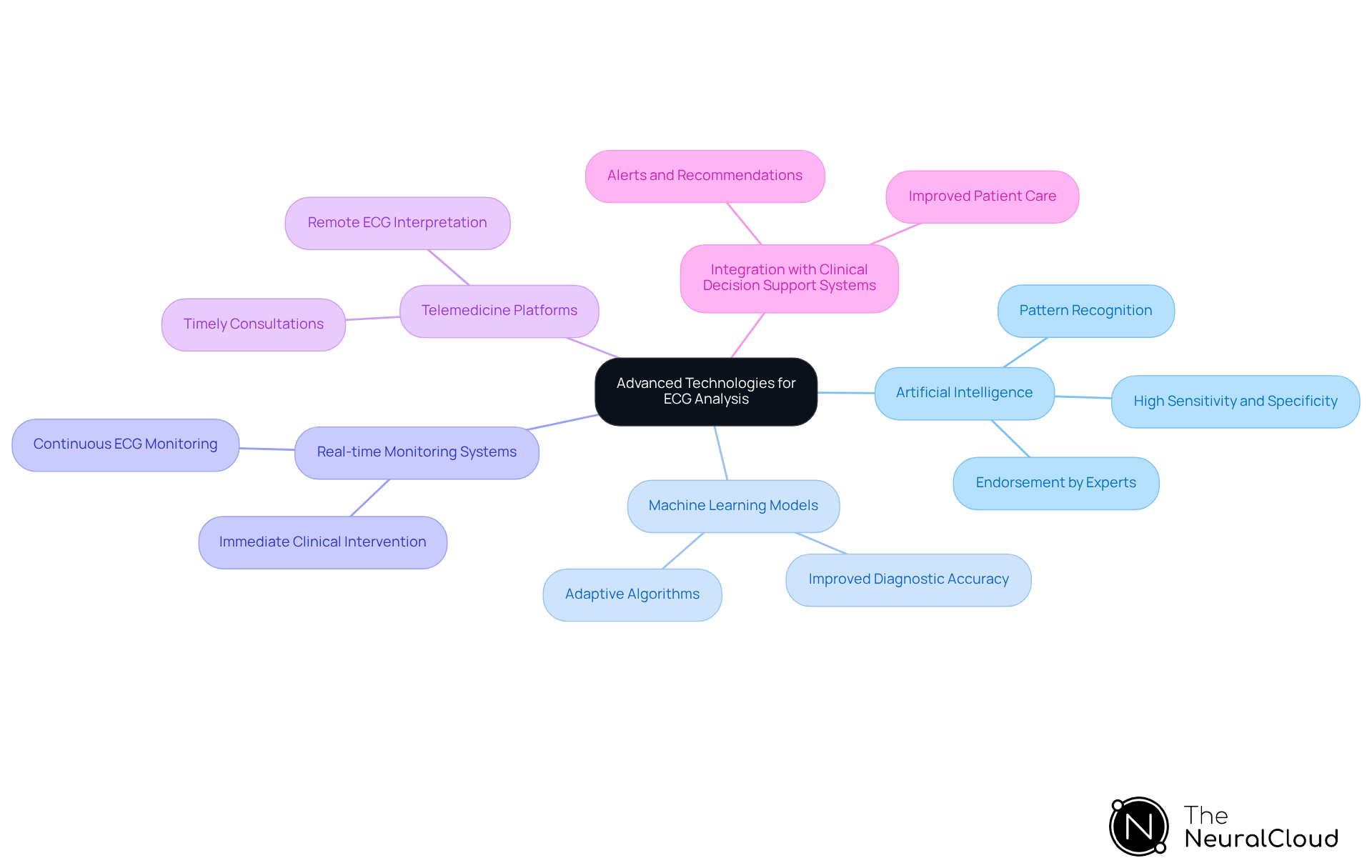
Healthcare professionals face significant challenges in accurately identifying stemi mimickers, which can result in misdiagnoses and delayed treatment. Advanced technologies play a crucial role in enhancing ECG analysis and improving the identification of these conditions. Key technologies include:
- Artificial Intelligence (AI): AI algorithms, such as those employed in Neural Cloud Solutions Inc.'s product, analyze ECG data swiftly and precisely. They recognize patterns suggestive of stemi mimickers, allowing them to differentiate between true STEMI and conditions like LBBB or BER with high sensitivity and specificity. Dr. Alan Rabinowitz endorses this capability, noting its precision rivals human interpretation.
- Machine Learning Models: These models are trained on large datasets to recognize subtle ECG changes associated with various conditions. This improves diagnostic accuracy over traditional methods. The system employs an adaptive algorithm that evolves with each use, continuously enhancing its diagnostic yield.
- Real-time Monitoring Systems: Continuous ECG monitoring systems can detect changes in heart rhythm and ST-segment elevation in real-time, enabling immediate clinical intervention. Integrating the product with wearable technology gives clinicians access to automated labeling, enhancing efficiency and reducing costs.
- Telemedicine Platforms: Utilizing telemedicine for remote ECG interpretation facilitates timely consultations with specialists, especially in rural or underserved areas. Integrating the system into telemedicine workflows gives clinicians access to high-quality ECG analysis.
- Integration with Clinical Decision Support Systems: Incorporating ECG analysis tools into electronic health records (EHR) provides clinicians with alerts and recommendations based on the latest guidelines and research. This integration is crucial for improving patient care and outcomes.
By leveraging these technologies, healthcare providers can significantly enhance diagnostic accuracy and patient outcomes. Dr. Brett Heilbron emphasizes that the automated noise reduction features of this system significantly enhance clarity in ECG interpretation, making it an invaluable tool in cardiac diagnostics. Furthermore, with FDA Class II SaMD clearance-pending status, Neural Cloud Solutions Inc. is committed to regulatory compliance and audit-ready documentation supporting GxP inspections, ensuring the highest standards in ECG analysis.
Prioritize Continuous Education and Training for Healthcare Providers
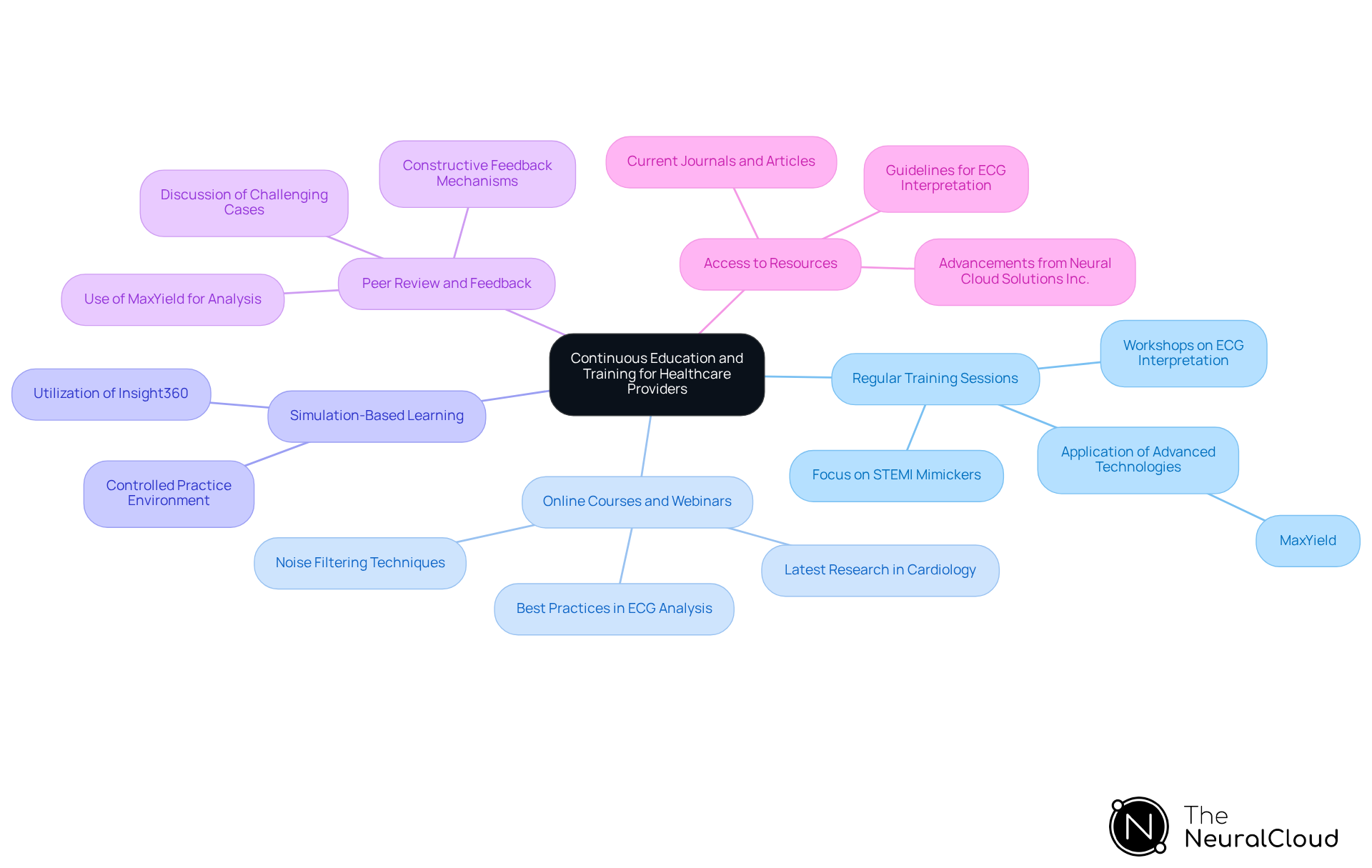
Healthcare providers face significant challenges in accurately recognizing heart attack imitators, making ongoing education essential. Effective strategies to prioritize education include:
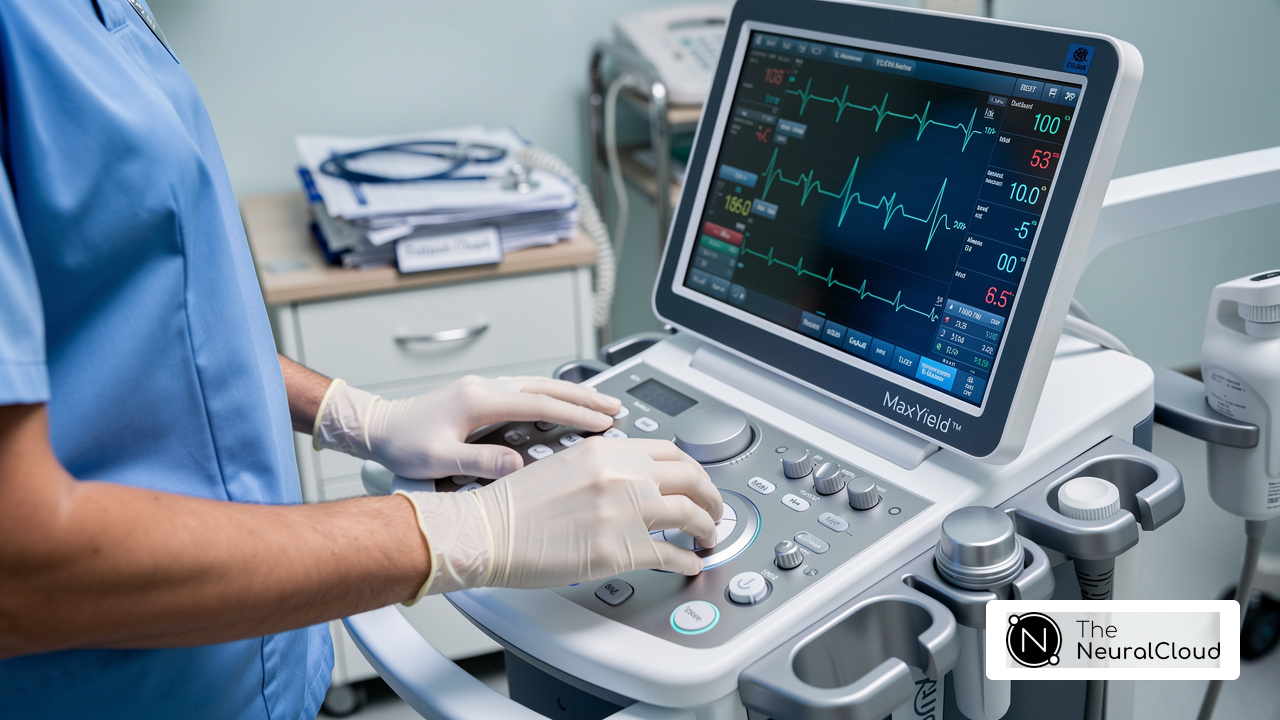
- Regular Training Sessions: Conduct workshops and training sessions that focus on ECG interpretation, emphasizing the identification of STEMI mimickers and the application of advanced technologies such as MaxYield.
- Online Courses and Webinars: Encourage involvement in online courses and webinars that showcase the latest research and best practices in cardiology and ECG analysis, enhancing knowledge and skills, particularly concerning the capabilities of the system in noise filtering and distinct wave recognition.
- Simulation-Based Learning: Implement simulation-based training programs that provide medical providers with opportunities to practice ECG interpretation in a controlled environment, boosting their confidence and proficiency while utilizing Insight360 for interactive reporting.
- Peer Review and Feedback: Foster a culture of peer review where medical providers can discuss challenging cases and receive constructive feedback on their ECG interpretations, facilitating continuous improvement and potentially using MaxYield™ to analyze complex recordings.
- Access to Resources: Ensure medical providers have access to current resources, including journals, articles, and guidelines, to stay informed about the latest developments in the field, including the advancements brought by Neural Cloud Solutions Inc. and the importance of FDA Class II SaMD clearance-pending status.
By prioritizing continuous education and training, medical providers can significantly enhance their diagnostic accuracy, ultimately leading to improved patient outcomes. A meta-analysis showed that after training, the median accuracy for ECG interpretation rose from 54% to 67%, highlighting the effectiveness of structured educational programs. Furthermore, ongoing education is crucial for compliance with regulatory requirements, ensuring that healthcare professionals remain adept in their practice and capable of adapting to evolving patient needs. Many medical students and trainees struggle with ECG training, highlighting a critical gap that needs to be addressed. According to experts such as Dr. Alan Rabinowitz, Dr. Brett Heilbron, and Dr. Marc W. Deyell, MaxYield™ matches human interpretation in precision and significantly reduces noise, making it an invaluable tool in the training process.
Conclusion
Accurate identification of STEMI mimickers is crucial for effective patient management and avoiding unnecessary interventions. Recognizing common conditions that mimic ST-segment elevation myocardial infarction (STEMI) is vital for effective diagnosis. Conditions such as Benign Early Repolarization, Pericarditis, Left Bundle Branch Block, Hyperkalemia, and Brugada Syndrome can complicate ECG interpretation. By employing structured diagnostic strategies and leveraging advanced technologies, clinicians can significantly enhance their diagnostic accuracy and improve patient outcomes.
Key strategies include:
- Utilizing a systematic approach to ECG interpretation
- Incorporating clinical history
- Leveraging imaging studies
- Performing serial ECGs
- Consulting with specialists
The integration of advanced technologies, such as AI and machine learning, further aids in the accurate identification of STEMI mimickers. Continuous education ensures that healthcare providers remain adept in their skills and knowledge. The commitment to ongoing training and the use of innovative tools like MaxYield and Insight360 can bridge the gap in ECG interpretation and enhance the overall quality of care.
The importance of accurately diagnosing STEMI mimickers is paramount for patient safety and care quality. By embracing these best practices, healthcare providers in Canada can improve diagnostic precision, reduce misdiagnoses, and ensure timely and appropriate treatment for patients. The integration of advanced technologies and a focus on continuous education will not only elevate individual competencies but also enhance the overall quality of care in cardiology.
Frequently Asked Questions
What are STEMI mimickers?
STEMI mimickers are conditions that can lead to misinterpretation of ECG results, potentially resulting in incorrect patient management and unnecessary interventions.
Why is understanding STEMI mimickers important in Canada?
Understanding STEMI mimickers is crucial for accurate patient management in Canada, as it helps avoid misdiagnosis and inappropriate treatments for patients presenting with ST-segment elevation.
What are some common STEMI mimickers?
Common STEMI mimickers include Benign Early Repolarization (BER), Pericarditis, Left Bundle Branch Block (LBBB), Hyperkalemia, and Brugada Syndrome.
What is Benign Early Repolarization (BER)?
BER is characterized by ST elevation in the precordial leads, commonly seen in younger individuals, and is typically benign without associated symptoms.
How does Pericarditis present on an ECG?
Pericarditis presents with diffuse ST elevation and PR segment depression, usually accompanied by chest pain that worsens with inspiration.
What is the significance of Left Bundle Branch Block (LBBB) in ECG interpretation?
LBBB can obscure the diagnosis of myocardial infarction due to similar ECG patterns, making it essential for clinicians to recognize its distinct features, such as a widened QRS complex.
What ECG changes are associated with Hyperkalemia?
Hyperkalemia is associated with peaked T waves and ST elevation, and the absence of reciprocal changes can help differentiate it from myocardial infarction.
What is Brugada Syndrome and how does it appear on an ECG?
Brugada Syndrome is a hereditary disorder that can mimic a heart attack, showing ST elevation in the right precordial leads, often requiring genetic testing for confirmation.
What are the consequences of misdiagnosing STEMI mimickers?
Misdiagnosing these conditions can lead to inappropriate treatments for 10-36% of patients with ST-segment elevation, highlighting the importance of accurate diagnosis.
What is Wellens Syndrome?
Wellens Syndrome is characterized by specific EKG changes that indicate a high risk of anterior wall myocardial infarction, emphasizing the need for precise diagnosis and prompt intervention.
List of Sources
- Understand Common STEMI Mimickers and Their ECG Features
- ST-segment elevation myocardial infarction mimics: The differential diagnosis of nonacute coronary syndrome causes of ST-segment/T-wave abnormalities in the chest pain patient - PMC (https://pmc.ncbi.nlm.nih.gov/articles/PMC11573177)
- STEMIs in Disguise — Taming the SRU (https://tamingthesru.com/blog/diagnostics/stemis-in-disguise)
- Discerning STEMI Mimics in the Field (https://jems.com/patient-care/emergency-medical-care/discerning-stemi-mimics-field)
- STEMI Mimics: ECG Impostors of Heart Attack (https://powerfulmedical.com/blog/stemi-mimics)
- Implement Diagnostic Strategies for Accurate Identification
- Avoiding STEMI and NSTEMI Misdiagnoses with Fast, Accurate ECG Interpretation (https://gehealthcare.com/content/gehealthcare/language-masters/en/insights/article/avoiding-stemi-and-nstemi-misdiagnoses-with-fast-accurate-ecg-interpretation.html?srsltid=AfmBOooDt0lY_iVkD0La6ShBlvq53NmWnWy-Mkm8D0lZ0Bo2PCCeMiri)
- STEMI Mimics: ECG Impostors of Heart Attack (https://powerfulmedical.com/blog/stemi-mimics)
- Discerning STEMI Mimics in the Field (https://jems.com/patient-care/emergency-medical-care/discerning-stemi-mimics-field)
- STEMI - Electrocardiogram - M3 Curriculum | SAEM (https://saem.org/about-saem/academies-interest-groups-affiliates2/cdem/for-students/online-education/m3-curriculum/group-electrocardiogram-(ecg)-rhythm-recognition/stemi)
- AI-ECG Finds STEMI Faster, Cuts False-Positive Cath Lab Activations (https://tctmd.com/news/ai-ecg-finds-stemi-faster-cuts-false-positive-cath-lab-activations)
- Leverage Advanced Technologies for Enhanced ECG Analysis
- AI-ECG Finds STEMI Faster, Cuts False-Positive Cath Lab Activations (https://tctmd.com/news/ai-ecg-finds-stemi-faster-cuts-false-positive-cath-lab-activations)
- New study finds AI model improves heart attack detection (https://health.ucdavis.edu/news/headlines/new-study-finds-ai-model-improves-heart-attack-detection/2025/11)
- Checking your browser - reCAPTCHA (https://pubmed.ncbi.nlm.nih.gov/41158088)
- AI-Based ECG Analysis Significantly Improves STEMI Detection, Reduces False Activations - American College of Cardiology (https://acc.org/latest-in-cardiology/articles/2025/10/24/16/56/tues-554pm-ai-tct-2025)
- ECG Interpretation AI Market Research Report 2034 (https://dataintelo.com/report/ecg-interpretation-ai-market)
- Prioritize Continuous Education and Training for Healthcare Providers
- New ECG Interpretation and Pediatric Critical Care Online Courses Offer Nurses and Clinicians the Latest Knowledge, Tools | Newswise (https://newswise.com/articles/enhanced-ecg-interpretation-and-pediatric-critical-care-online-courses-offer-nurses-and-clinicians-the-newest-knowledge-tools)
- The importance of continuing professional development in health professions - Faculty of Health Sciences (https://healthsci.mcmaster.ca/the-importance-of-continuing-professional-development-in-health-professions)
- How can we fix the ECG training gap for medical students and trainees? (https://gehealthcare.com/en-ca/insights/article/the-ecg--how-can-we-fix-the-training-gap-for-medical-students-and-trainees?srsltid=AfmBOorKzT7LJi9ZJBC94S9t4CviqLbnCJ5Exz92fKjlcDJ4tjWbj0Iw)
- The Importance of Investing in Continuing Education for Canadian Healthcare Professionals - Canadian College of Healthcare and Pharmaceutics (https://cchap.ca/the-importance-of-investing-in-continuing-education-for-canadian-healthcare-professionals)