Introduction
The evolution of electrocardiogram (ECG) technology is reshaping cardiovascular diagnostics, offering health tech developers unprecedented opportunities to enhance patient care. By implementing innovative strategies and leveraging advanced AI solutions such as Neural Cloud Solutions' MaxYield™, developers can significantly improve the accuracy and reliability of ECG readings.
However, as the demand for precise cardiac assessments rises, developers face the challenge of navigating the complexities of ECG interpretation to ensure optimal outcomes for patients. This article explores ten essential strategies designed to elevate ECG readings, ultimately transforming the landscape of cardiac health management.
Neural Cloud Solutions: MaxYield™ for Enhanced ECG Clarity
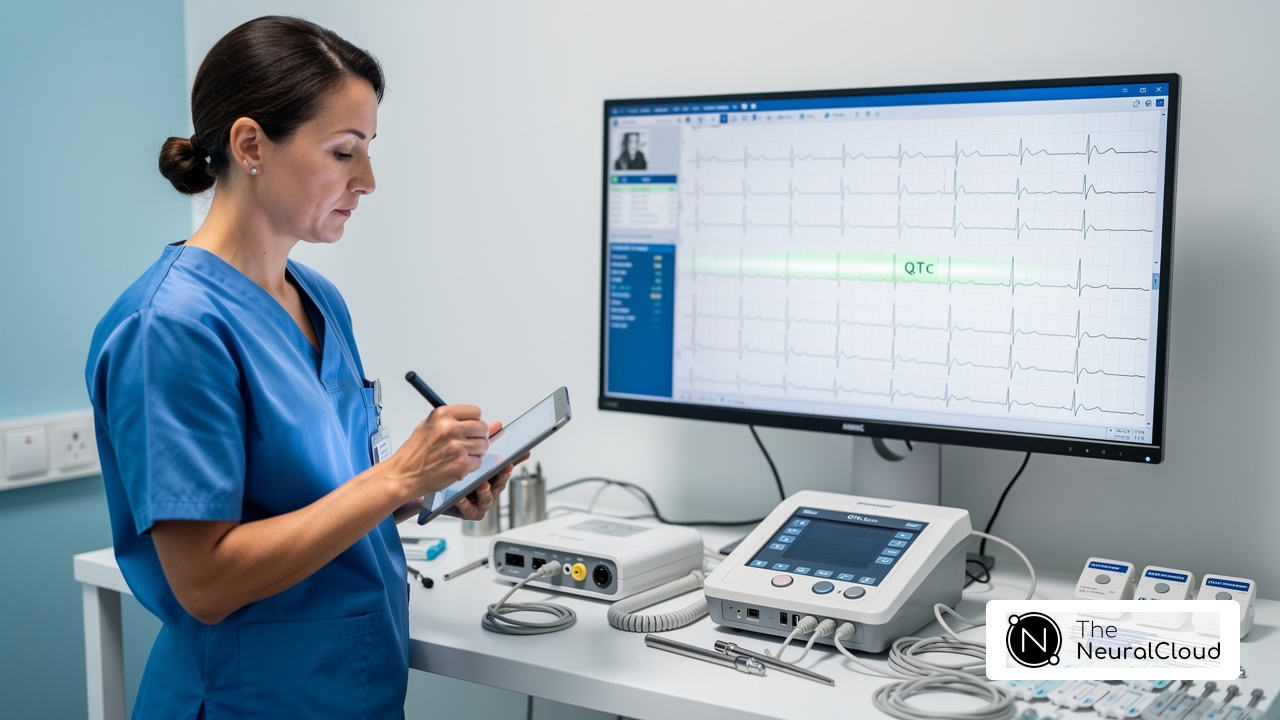
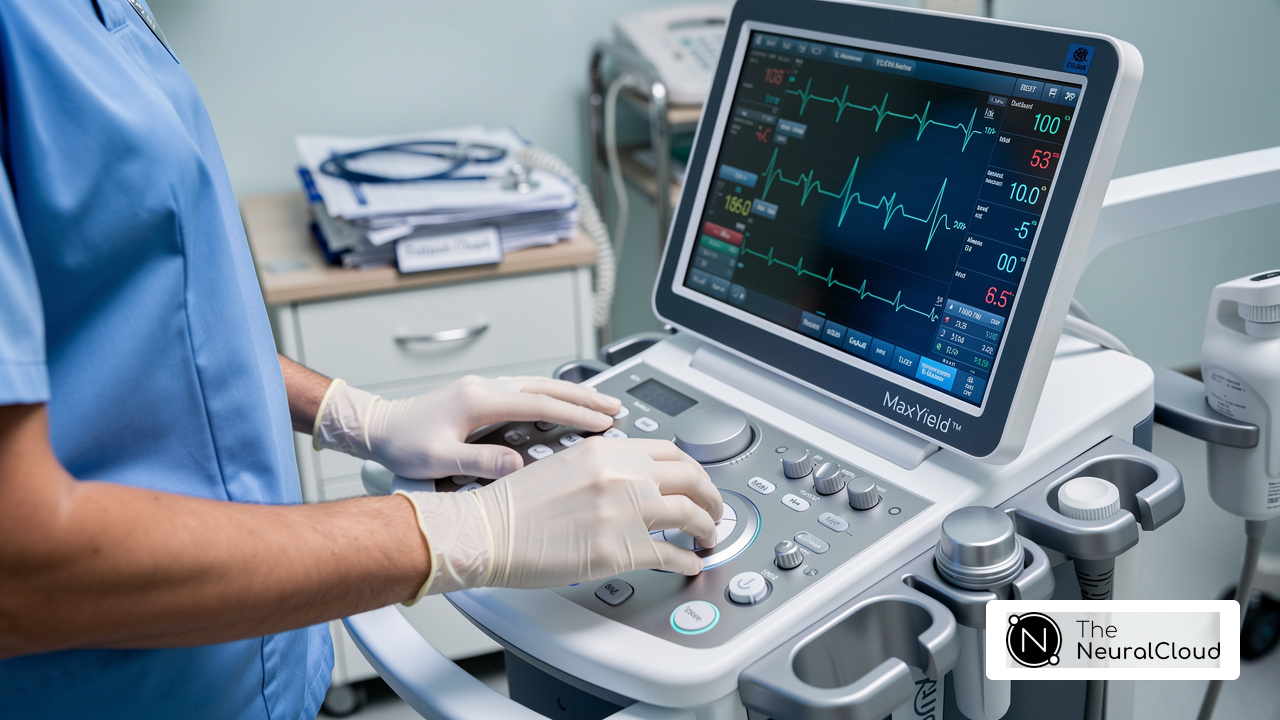
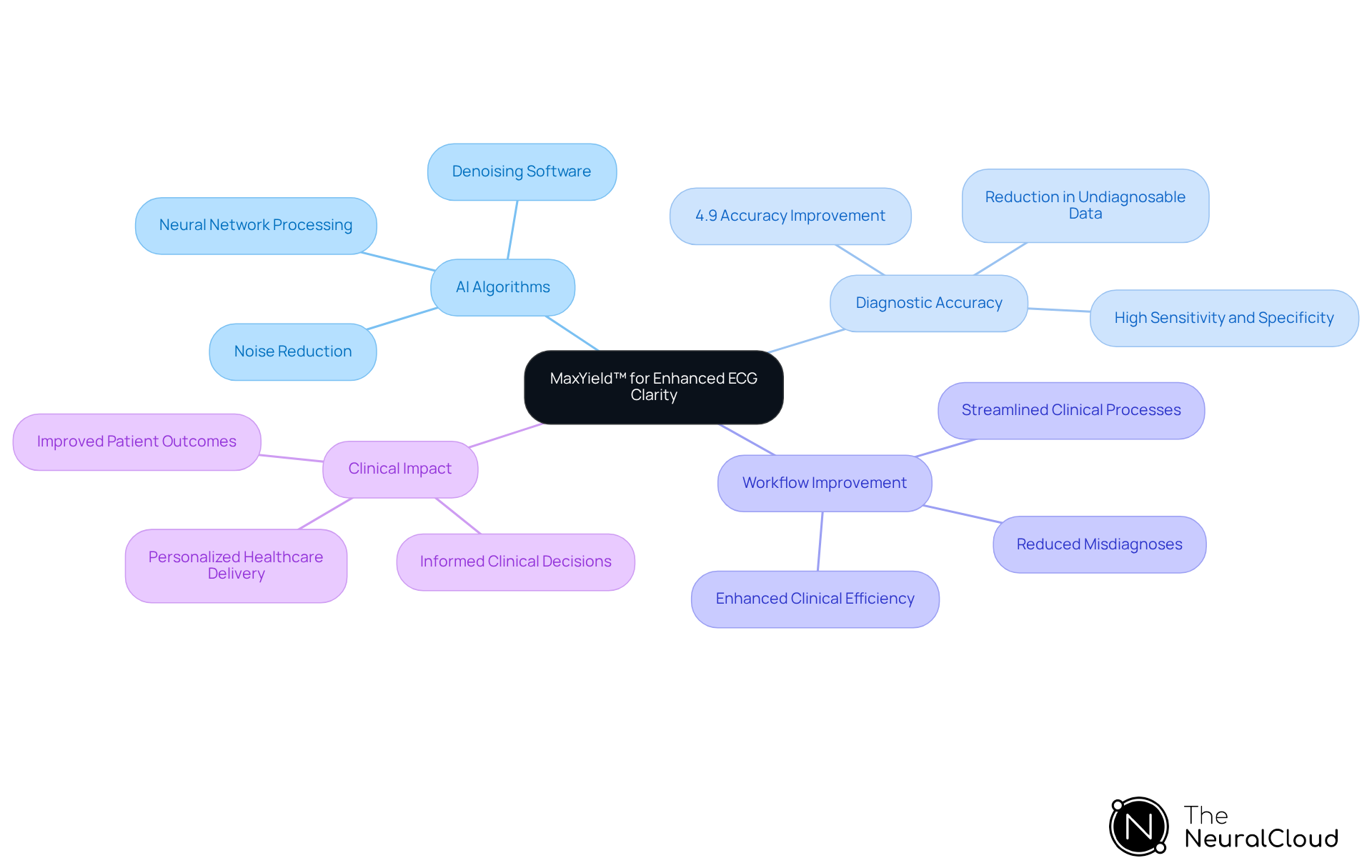
Neural Cloud Solutions' platform is at the forefront of revolutionizing ECG analysis through technologies that automate and enhance the clarity of ECG signals. With the ability to process over 200,000 heartbeats in under five minutes, it effectively isolating and labeling critical features such as P-waves, QRS complexes, and T-wave intervals. By leveraging this innovative technology, healthcare professionals are empowered to make informed decisions based on precise cardiac insights, ultimately leading to improved patient outcomes.
Recent advancements in AI ECG analysis have shown significant improvements in diagnostic accuracy. For example, studies indicate that the confidence levels of healthcare professionals, with a reported 4.9% increase in rhythm classification accuracy when utilizing combined viewing formats of raw and denoised ECG signals. This integration not only boosts confidence scores among clinicians but also reduces the proportion of undiagnosable data, highlighting the importance of technology in refining ECG readings.
What sets this technology apart from conventional ECG interpretation methods is its ability to quickly identify ECG waves from recordings with considerable noise and artifacts, recovering previously hidden portions of extensive Holter, 1-Lead, and patch monitor recordings. Successful implementations of automated ECG analysis platforms, such as the one mentioned, have been recognized for their capacity to enhance diagnostic accuracy. Cardiologists have noted the significant impact of these technologies, emphasizing their potential to reduce misdiagnoses and improve care management. As AI continues to develop, its integration into ECG analysis is poised to redefine diagnostic processes, ultimately enhancing cardiovascular health management. For health tech developers, utilizing MaxYield™ can substantially improve ECG analysis, leading to better outcomes for individuals.
Ensure Proper Equipment Setup for Accurate ECG Readings
Achieving accurate readings is critical, starting with meticulous equipment setup. Ensuring that all connections are secure and that the ECG machine is functioning properly is essential. Calibration should follow a systematic approach, which includes:
- Verifying machine settings
- Applying test signals
- Making necessary adjustments based on the patient's specific needs
Regular maintenance inspections are vital to prevent issues that could undermine the quality of information. For example, routine checks can mitigate errors caused by equipment drift, ensuring consistent performance.
Studies indicate that misconfigured settings can lead to misclassifications of arrhythmia. Factors such as operator error and anatomical variations play significant roles in these misclassifications. Furthermore, utilizing noise reduction techniques can reduce triboelectric noise, thereby improving reliability. Integrating advanced algorithms, such as those offered by Neural Cloud Solutions, can greatly enhance the ECG workflow. These innovations automate routine tasks and manage greater volumes of data in shorter periods.
Documenting maintenance procedures is crucial for maintaining optimal machine performance over time. By adhering to these best practices and leveraging innovative solutions, healthcare providers can significantly enhance the reliability of ECG readings. This ultimately leads to improved care for individuals, ensuring that healthcare professionals can rely on accurate data for better patient outcomes.
Prepare Patients Effectively to Improve ECG Data Quality
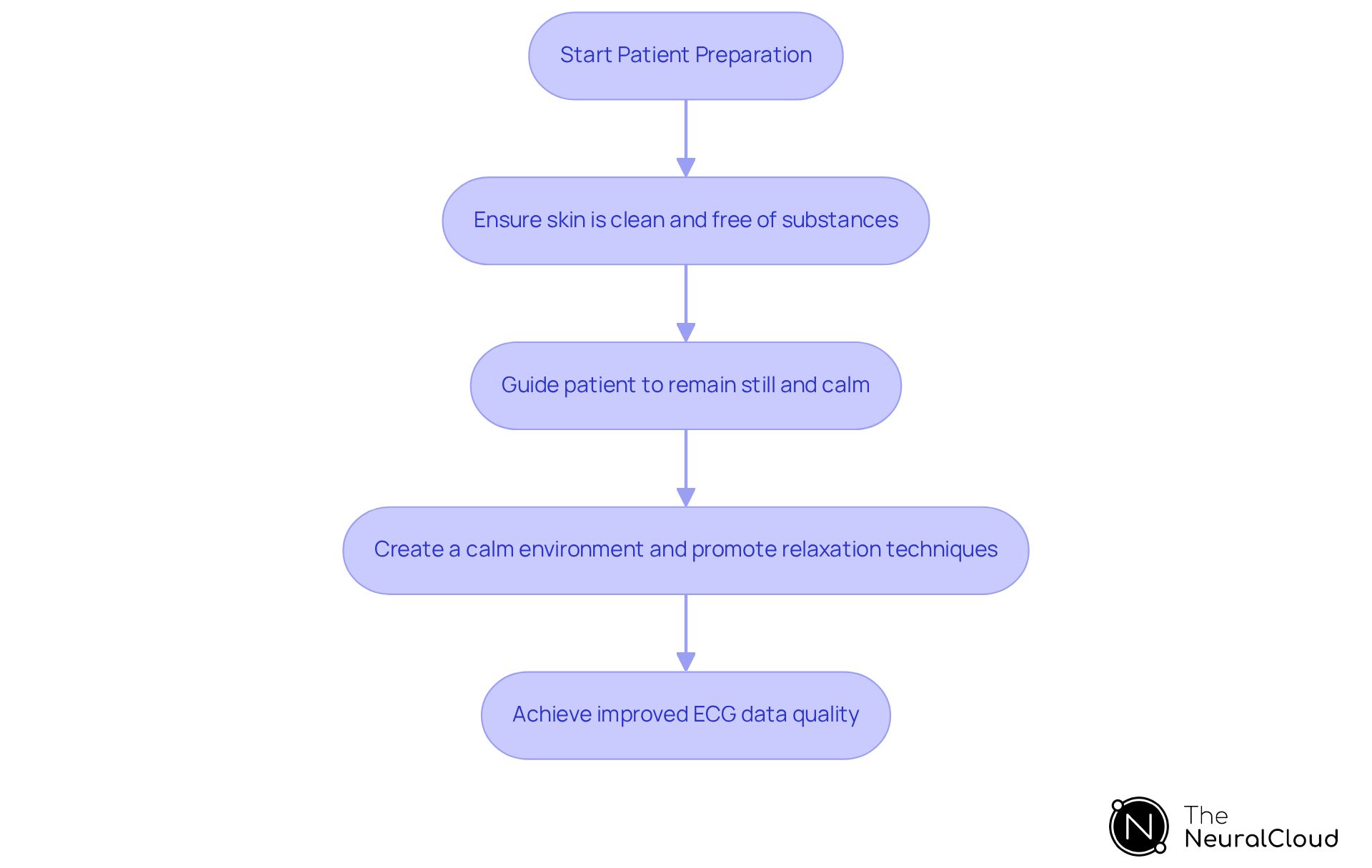
Effective preparation of individuals is crucial for obtaining accurate ECG readings, especially when using technology like MaxYield™. Ensuring that the individual's skin is clean and devoid of oils, lotions, or creams is paramount, as these substances can significantly hinder electrode adhesion. Proper skin preparation not only facilitates improved contact but also minimizes the risk of artifacts, which can lead to inaccurate readings.
Additionally, guiding individuals to remain still and calm during the procedure is essential for reducing motion artifacts. Stress or anxiety can elevate heart rates or induce irregular rhythms, potentially mimicking heart issues. Therefore, fostering a calm environment and promoting relaxation techniques can further improve data quality.
By adhering to these preparation guidelines, healthcare providers can ensure accurate ECG readings, which ultimately results in more reliable cardiac assessments. Furthermore, leveraging the advanced features of the technology, such as its X-Factor Signal Mapping, can enhance the clarity and diagnostic yield of ECG analysis, as evidenced by studies in real-world applications.
Understand ECG Waveforms for Better Interpretation
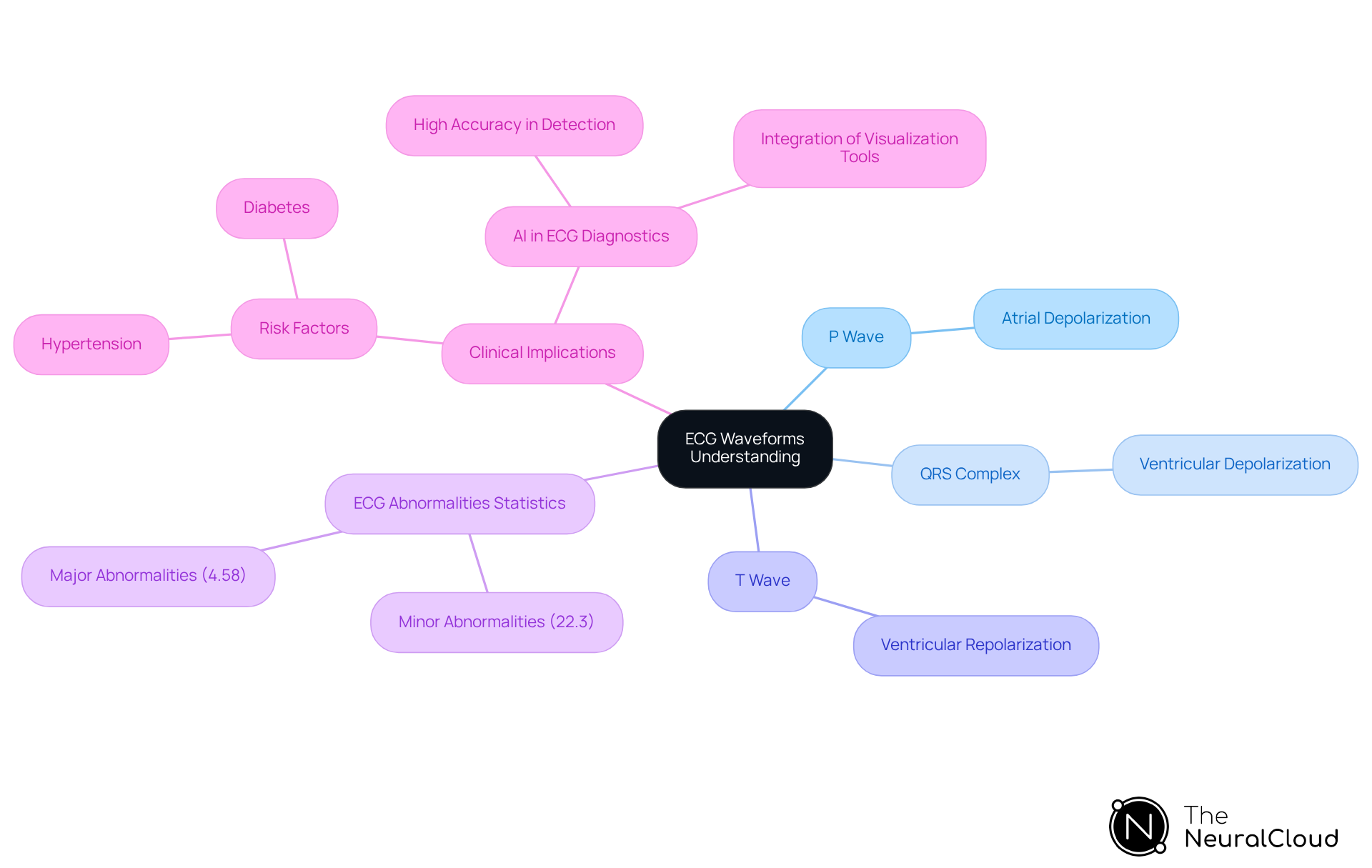
Understanding ECG waveforms is essential for accurate interpretation. Each component—the P wave, QRS complex, and T wave—provides crucial insights into the heart's electrical activity. The P wave reflects atrial depolarization, the QRS complex indicates ventricular depolarization, and the T wave represents ventricular repolarization. Misinterpretations of these components can lead to significant clinical consequences. Studies show that:
- 22.3% of participants exhibited minor abnormalities
- 4.58% had major issues, often linked to cardiovascular risk factors such as hypertension and diabetes.
Developers must ensure their systems effectively display these waveforms, facilitating quick identification of abnormalities. Algorithms have demonstrated high accuracy in left ventricular hypertrophy (LVH) and atrial fibrillation (AF). Some algorithms have achieved an area under the curve (AUC) of 0.93 in identifying LV dysfunction. Such capabilities underscore the importance of integrating advanced algorithms in ECG systems to enhance clinical decision-making.
Furthermore, comprehending typical ECG waveform irregularities—such as major ST-T changes and minor Q-wave abnormalities—can significantly influence outcomes for individuals. For instance, the prevalence of atrial fibrillation is often associated with increased morbidity. This highlights the need for routine ECG screenings even in low-risk populations. By prioritizing accurate ECG interpretation, health tech developers can contribute to enhanced cardiac health monitoring and care.
Implement Noise Reduction Techniques for Clearer ECG Signals
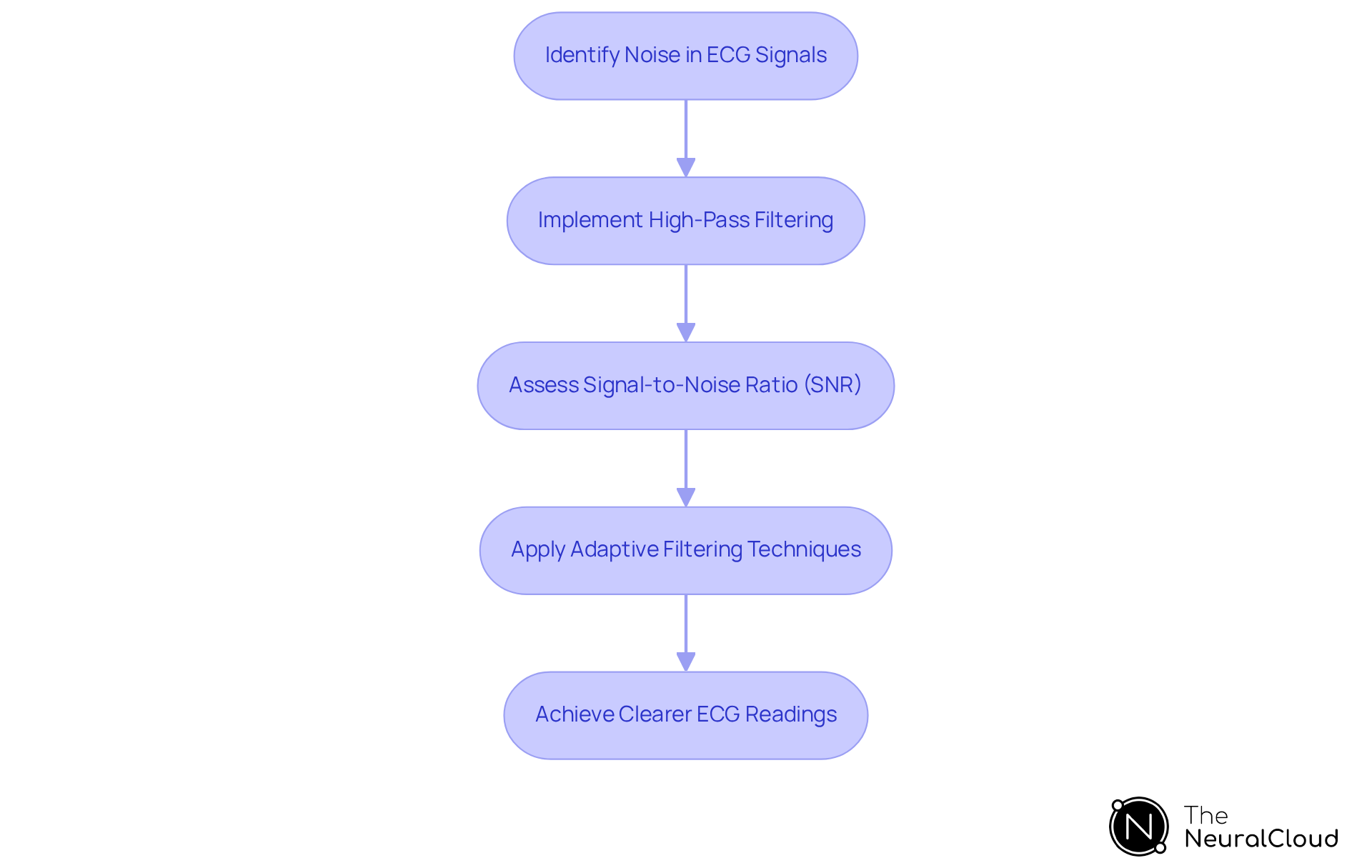
Implementing noise reduction techniques is crucial for achieving clearer ECG signals. This method effectively eliminates low-frequency noise, which can obscure critical cardiac information. This method has been shown to significantly improve the quality of the readings, enhancing the overall clarity of the ECG signals. Furthermore, adaptive filters are essential as they dynamically adjust to varying noise levels in real-time, ensuring consistent signal clarity. By incorporating these techniques into platforms for analyzing ECG readings, such as MaxYield™ offerings, developers can enhance the reliability and precision of the information gathered.
MaxYield™'s adaptive algorithm evolves with each application, constantly enhancing ECG signal quality. This iterative improvement ultimately results in better outcomes for individuals. The platform's ability to detect and categorize essential information, even in recordings with significant noise and artifacts, positions it as a vital tool for healthcare professionals. By leveraging these features, users can expect improvements in ECG readings analysis, leading to more informed clinical decisions.
Utilize Continuous Monitoring for Comprehensive ECG Analysis
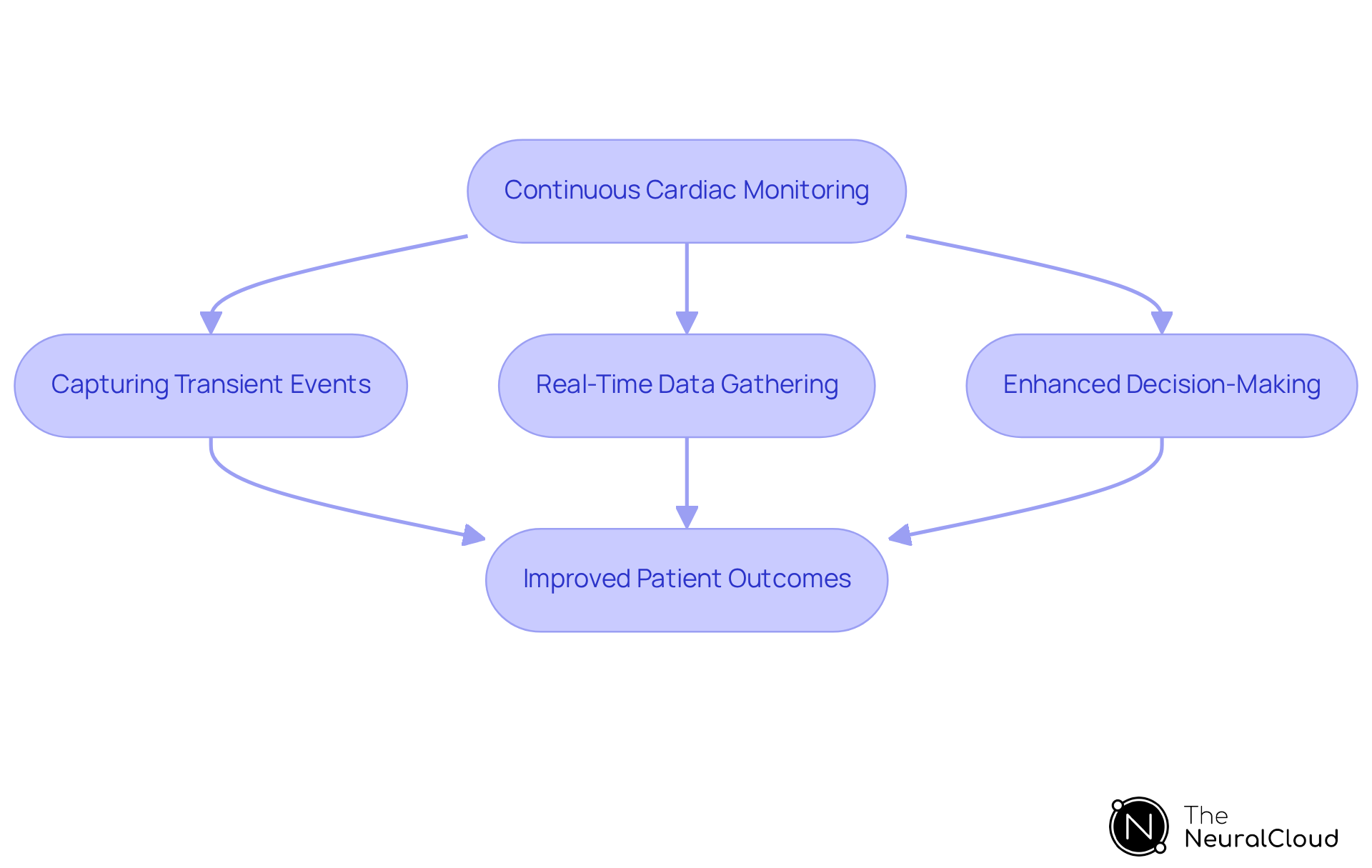
Continuous cardiac monitoring technology significantly enhances the analysis of ECG data by capturing nuances that standard ECG tests often overlook. This advanced method facilitates real-time data gathering, providing healthcare professionals with a more detailed understanding of an individual's cardiac health. For instance, research indicates that individuals with implantable cardiac monitors (ICMs) experience a median duration to the initiation of antiarrhythmic drug therapy of only 36 days, compared to 46 days for those without such monitoring. This rapid response highlights the critical role of continuous monitoring in enabling timely interventions.
Furthermore, integrating monitoring capabilities into patient care can lead to improved outcomes. Research demonstrates that continuous monitoring can enhance ongoing decision-making in atrial fibrillation (AF) management, ultimately reducing AF-related morbidity and mortality. By capturing transient events, such as brief episodes of arrhythmia, developers can equip clinicians with the necessary tools to make informed decisions based on real-time data. As emphasized by the American Heart Association, understanding and addressing these transient events is essential for effective patient management, reinforcing the need for innovative solutions in healthcare technology.
Train Healthcare Professionals for Enhanced ECG Interpretation Skills
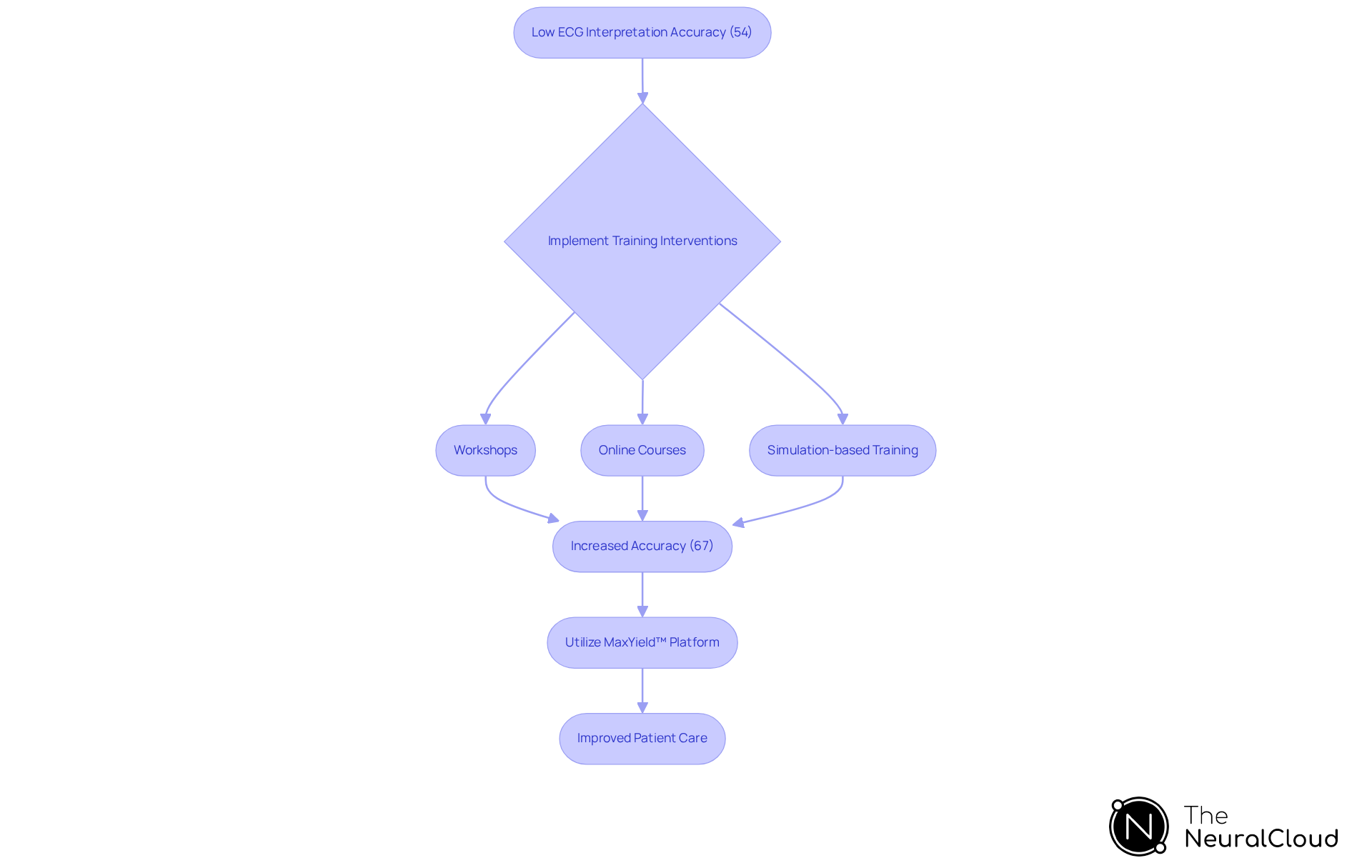
Training healthcare professionals in ECG readings is vital for enhancing and improving patient outcomes. Healthcare providers frequently encounter challenges with accuracy, with median accuracy rates plummeting to as low as 54% across all training levels prior to interventions. To address these issues, developers must prioritize the creation of resources that explore the intricacies of ECG interpretation. Among these resources, the platform stands out. This innovative platform rapidly labels P, QRS, and T Wave onsets, offsets, and time-series intervals, allowing healthcare providers to analyze more data in less time while ensuring clear data sets and clean signals.
The platform offers several key features that significantly enhance the analysis of ECG readings. By leveraging advanced technology, it provides healthcare professionals with the tools necessary to accurately interpret ECG readings. The platform's capabilities not only streamline the analysis process but also empower practitioners to make more informed decisions. Evidence indicates that workshops, online courses, and simulation-based training can effectively enhance skills in interpreting ECG readings, resulting in a median accuracy increase to 67% post-training across all levels. Furthermore, the alarming statistic that practitioners misinterpret 25% to 30% of emergency ECG readings highlights the urgent need for effective training.
By utilizing the platform's continuous learning model, which evolves with each use to improve diagnostic yield, targeted educational interventions can drastically reduce misinterpretations, including misdiagnosing arrhythmias and ischemic features prevalent in clinical practice. Implementing comprehensive training strategies that incorporate best practices can equip healthcare professionals with the necessary competencies to accurately interpret ECG readings. Ultimately, this advancement in training will lead to improved patient outcomes by addressing the critical challenges faced in interpreting ECG readings.
Calibrate ECG Machines Regularly to Ensure Accurate Readings
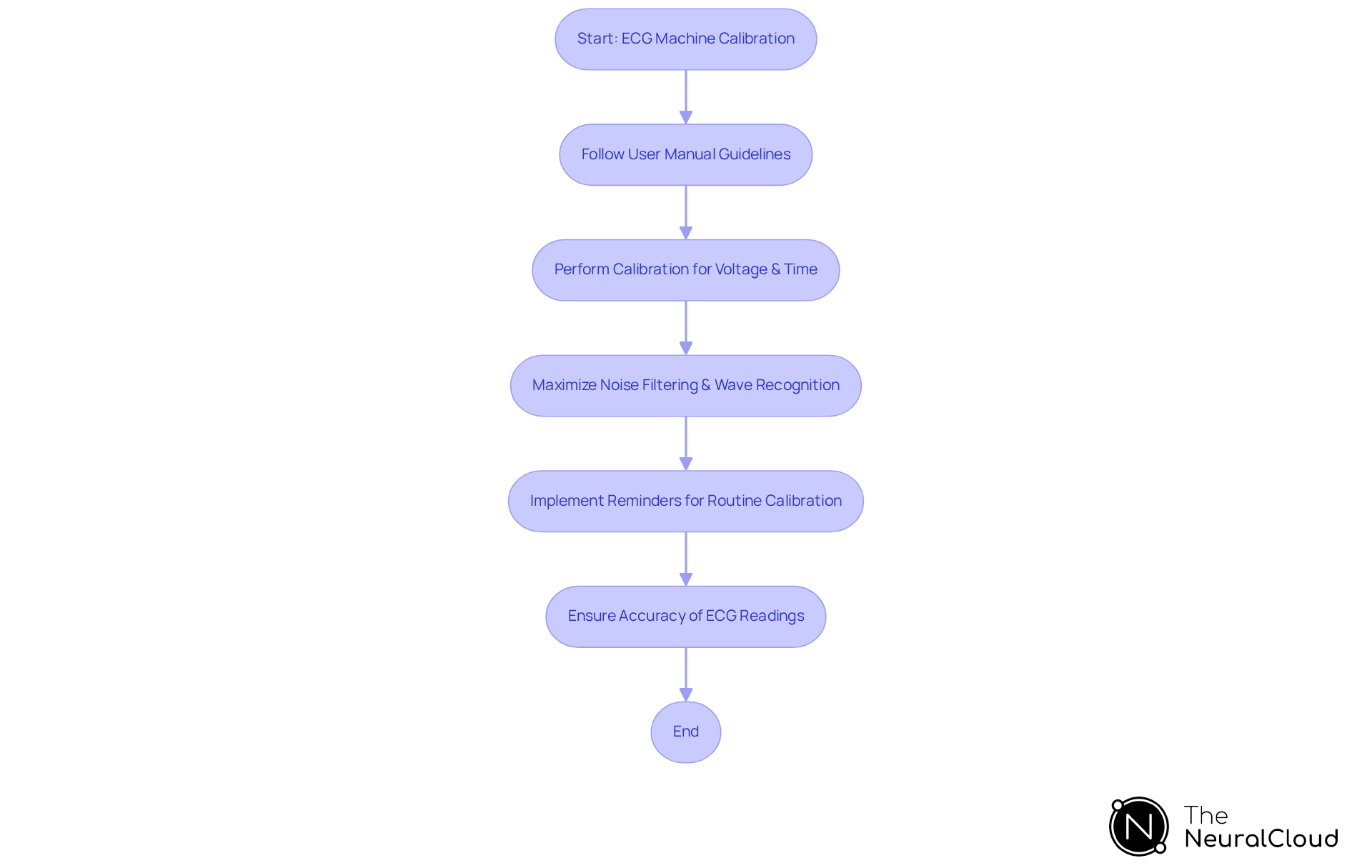
Frequent calibration of ECG devices is essential for ensuring accuracy, particularly with advanced systems. Calibration serves as a reference point for voltage and time measurements, which is vital for diagnosing cardiac conditions. User manuals emphasize that following proper procedures maximizes the effectiveness of signal processing and wave recognition capabilities.
Developers are encouraged to implement reminders and protocols for regular calibration, which helps maintain the integrity of ECG data. This proactive strategy not only improves data quality but also ensures that machines operate at peak efficiency, ultimately enhancing the diagnostic process.
Integrate Advanced Algorithms for Efficient ECG Analysis
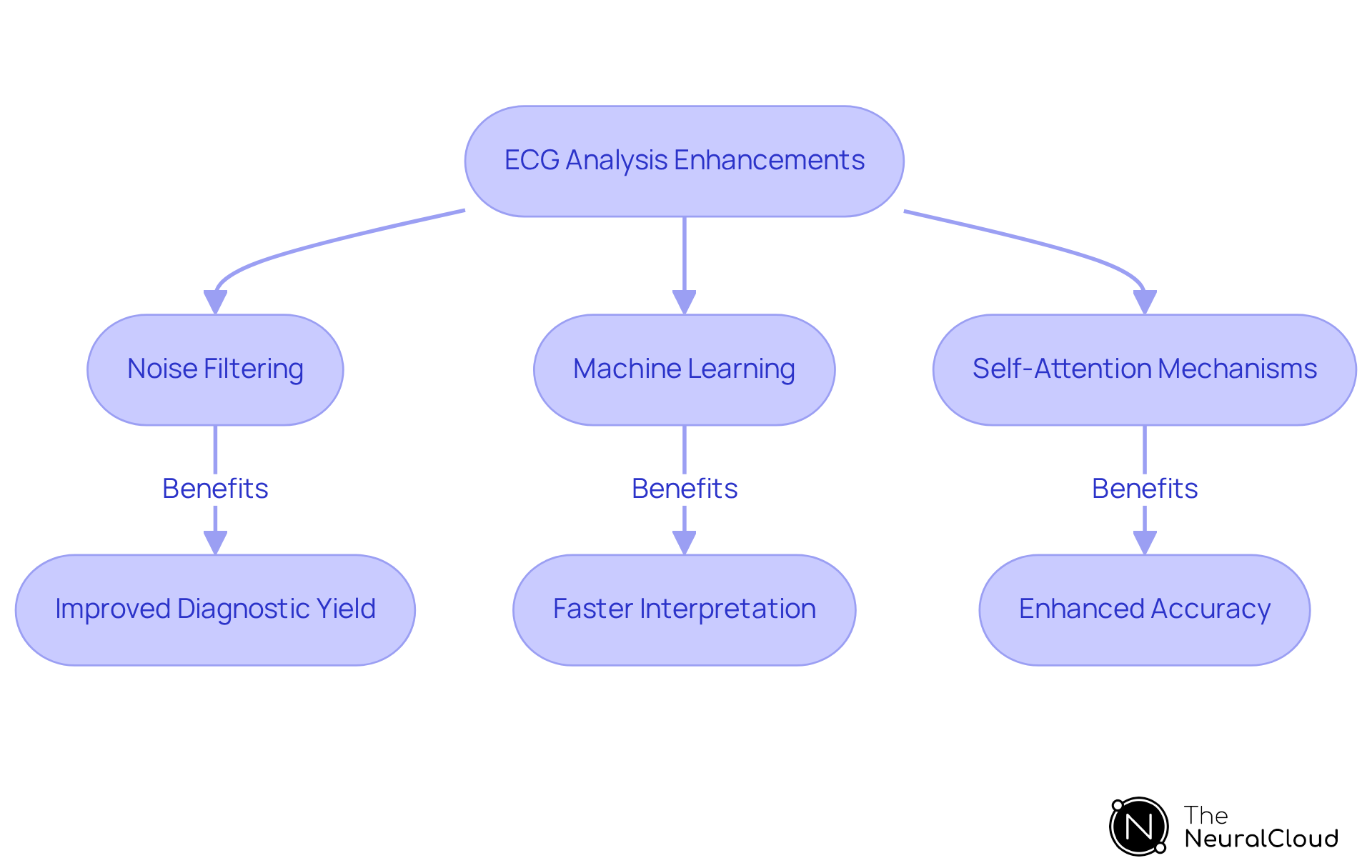
Integrating advanced algorithms into platforms for analyzing ECG readings addresses significant challenges in efficiency and accuracy. MaxYield™ exemplifies this by employing advanced noise filtering and adaptive algorithms that evolve with each use. As a result, it significantly improves diagnostic yield. This innovative approach enables the analysis of ECG data, even in recordings affected by noise and artifacts, such as baseline wander and muscle interference.
Machine learning algorithms play a crucial role by enhancing data interpretation, which streamlines the interpretation process. For instance, a deep neural network (DNN) trained on over 8.5 million ECGs has demonstrated impressive sensitivity of 86.3% and specificity of 85.5% in diagnosing left ventricular systolic dysfunction (LVSD). Such performance underscores the potential of AI to enhance diagnostic outcomes while simultaneously reducing analysis time.
Moreover, the implementation of advanced algorithms has yielded remarkable results, achieving an accuracy of 99.71% in predicting cardiovascular diseases. These advancements not only clarify ECG signals but also empower healthcare professionals to make informed decisions swiftly. By utilizing these technologies, developers can equip clinicians with tools that enhance diagnostic precision and efficiency, ultimately leading to improved care for individuals, particularly through accurate ECG readings.
Expert views emphasize the significance of these advancements; the incorporation of AI in analyzing ECG readings is expected to be vital in recognizing high-risk individuals and facilitating prompt interventions. As the healthcare landscape evolves, the adoption of advanced algorithms in ECG platforms, such as MaxYield™, will be pivotal in improving diagnostic efficiency and outcomes. Addressing challenges such as noise and artifacts in ECG analysis is essential for the successful implementation of these technologies.
Review ECG Data Promptly for Timely Clinical Decisions
Prompt review of ECG data is essential for timely clinical decisions. Developers should prioritize designing platforms that facilitate rapid access to ECG readings, enabling healthcare professionals to respond swiftly to critical findings. The implementation of advanced algorithms significantly enhances the responsiveness of ECG analysis, ultimately leading to improved patient outcomes.
Research shows that effective data review can streamline workflows and elevate the overall quality of care, as they promote timely interventions. By leveraging continuous monitoring, developers can equip clinicians with the necessary tools to make informed decisions, thereby optimizing patient outcomes.
Conclusion
The integration of advanced technologies and best practices in ECG analysis is crucial for enhancing diagnostic accuracy and improving patient outcomes. Leveraging innovations such as Neural Cloud Solutions' MaxYield™ platform allows health tech developers to significantly elevate the quality of ECG readings. This platform streamlines the analysis process, empowering healthcare professionals with precise cardiac insights, ultimately leading to better clinical decisions.
Key strategies for effective ECG analysis include:
- Ensuring proper equipment setup
- Effective patient preparation
- Implementing noise reduction techniques
A thorough understanding of ECG waveforms and the utilization of continuous monitoring further enhance comprehensive cardiac assessments. Additionally, training healthcare professionals in ECG interpretation and regularly calibrating machines are essential steps in maintaining the integrity of ECG data.
In the rapidly evolving healthcare landscape, embracing these strategies is vital for fostering improved cardiovascular health management. By prioritizing accuracy and efficiency in ECG readings, developers and healthcare providers can collaborate to enhance patient care and safety. The ongoing commitment to innovation and education in this field will benefit practitioners and significantly impact the lives of individuals relying on accurate cardiac assessments.
Frequently Asked Questions
What is MaxYield™ and how does it enhance ECG analysis?
MaxYield™ is a platform developed by Neural Cloud Solutions that utilizes advanced AI algorithms to automate and improve the clarity of ECG signals. It processes over 200,000 heartbeats in under five minutes, providing detailed beat-by-beat analysis and effectively isolating critical features such as P-waves, QRS complexes, and T-wave intervals.
How does MaxYield™ address challenges in ECG readings?
MaxYield™ addresses challenges posed by noise and signal artifacts, allowing for the recovery of previously hidden portions of recordings and enhancing the interpretive capabilities of healthcare professionals. This leads to improved diagnostic accuracy and efficiency.
What improvements have been observed with the use of AI in ECG analysis?
Studies have shown a 4.9% increase in rhythm classification accuracy when using combined viewing formats of raw and denoised ECG signals, boosting clinician confidence and reducing undiagnosable data.
Why is proper equipment setup important for accurate ECG readings?
Proper equipment setup is essential for accurate ECG readings as it ensures secure connections and proper calibration of the ECG machine. This includes verifying machine settings, applying test signals, and making adjustments based on patient needs, which helps prevent misclassifications and technical issues.
What role does patient preparation play in ECG data quality?
Effective patient preparation is crucial for enhancing ECG data quality. Ensuring the skin is clean and free of oils, lotions, or creams improves electrode adhesion and minimizes signal interference. Additionally, guiding patients to remain still and calm reduces motion artifacts that can lead to inaccurate readings.
How can healthcare providers optimize conditions for accurate ECG readings using MaxYield™?
Healthcare providers can optimize conditions by adhering to preparation guidelines such as ensuring clean skin and promoting a calm environment. Utilizing advanced features of MaxYield™, like X-Factor Signal Mapping, can further enhance the clarity and diagnostic yield of ECG analysis.
What benefits do automated ECG analysis platforms provide to healthcare professionals?
Automated ECG analysis platforms streamline workflows, enhance clinical efficiency, reduce misdiagnoses, and improve care management, allowing healthcare professionals to rely on accurate data for better patient outcomes.
List of Sources
- Neural Cloud Solutions: MaxYield™ for Enhanced ECG Clarity
- academic.oup.com (https://academic.oup.com/ehjdh/article/5/5/601/7731843)
- AIML Hits Key Regulatory Benchmark with 510(k) Filing for MaxYield(TM) Signal Enhancement Platform (https://biospace.com/press-releases/aiml-hits-key-regulatory-benchmark-with-510k-filing-for-maxyieldtm-signal-enhancement-platform)
- pmc.ncbi.nlm.nih.gov (https://pmc.ncbi.nlm.nih.gov/articles/PMC10145690)
- gehealthcare.com (https://gehealthcare.com/insights/article/ai-and-ecg-interpretation-insights-and-trends-for-today's-cardiologists?srsltid=AfmBOorBVhwGwYJYhaBtBwrSWKYmErrHJAhNovhMR_HeCzm0iCW8zEr4)
- Ensure Proper Equipment Setup for Accurate ECG Readings
- truthhealthacademy.com (https://truthhealthacademy.com/2024/09/27/ekg-machine-calibration-accuracy)
- sciencedirect.com (https://sciencedirect.com/science/article/abs/pii/S0169260721003436)
- gehealthcare.com (https://gehealthcare.com/insights/article/the-power-of-correct-placement-for-ecg-leadwires?srsltid=AfmBOorfCCKbBV_hqPjWnr0ZwYqFzWOuBYfmE0usNvEV7uLpFpVN84pE)
- researchgate.net (https://researchgate.net/publication/310690637_Statistical_Assessment_and_Calibration_of_Numerical_ECG_Models)
- whaleteq.com (https://whaleteq.com/en/app/view19-how-to-use-ecg-testers-to-verify-basic-performance-of-ecg-systems)
- Prepare Patients Effectively to Improve ECG Data Quality
- noblehealthclinic.com (https://noblehealthclinic.com/how-to-prepare-for-an-electrocardiogram)
- gehealthcare.com (https://gehealthcare.com/insights/article/ecg-signal-quality-a-practical-guide-for-ecg-readings?srsltid=AfmBOooNl2EtMc22JmzZ5J4hbunftHpivoMYBF0VOQKg5WHJ0eHGX1Fa)
- capitolcardiology.com (https://capitolcardiology.com/how-to-prepare-for-an-ecg)
- danleemedical.com (https://danleemedical.com/blog/everything-you-need-to-know-about-ekg-prep)
- researchgate.net (https://researchgate.net/publication/274396161_Proper_Skin_Preparation_and_Electrode_Placement_Decreases_Alarms_on_a_Telemetry_Unit)
- Understand ECG Waveforms for Better Interpretation
- Association Between ECG Abnormalities and Mortality in a Low‐Risk Population | Journal of the American Heart Association (https://ahajournals.org/doi/10.1161/JAHA.123.033306)
- cardiovascularservices.mayoclinic.com (https://cardiovascularservices.mayoclinic.com/2024/01/02/the-importance-of-ecg-interpretation-in-medical-practice)
- escardio.org (https://escardio.org/Councils/Council-for-Cardiology-Practice-(CCP)/Cardiopractice/artificial-intelligence-in-ecg-diagnostics-where-are-we-now)
- pmc.ncbi.nlm.nih.gov (https://pmc.ncbi.nlm.nih.gov/articles/PMC8842030)
- Implement Noise Reduction Techniques for Clearer ECG Signals
- researchgate.net (https://researchgate.net/publication/383255917_Noise_Reduction_Techniques_in_ECG_Signal)
- Review of noise removal techniques in ECG signals (https://ietresearch.onlinelibrary.wiley.com/doi/10.1049/iet-spr.2020.0104)
- specialchem.com (https://specialchem.com/adhesives/news/vivalink-launches-ecg-adhesive-to-boost-p-wave-detection-accuracy)
- sciencedirect.com (https://sciencedirect.com/science/article/pii/S2405844024022023)
- pubmed.ncbi.nlm.nih.gov (https://pubmed.ncbi.nlm.nih.gov/20061664)
- Utilize Continuous Monitoring for Comprehensive ECG Analysis
- crestline.com (https://crestline.com/c/slogans-for-american-heart-month)
- New Study Show Implantable Cardiac Monitors Significantly Improve Care Pathways for Patients with Atrial Fibrillation - HRS (https://hrsonline.org/news/icm-improves-afib-patient-management)
- New Clinical Trial Finds Human Oversight ECG Monitors Outperform AI-Dependent Monitoring - HRS (https://hrsonline.org/news/human-oversight-ecg-monitors-outperform-ai-dependent-monitoring)
- Train Healthcare Professionals for Enhanced ECG Interpretation Skills
- Electrocardiogram Interpretation: A Core Competency CR Professionals Need to Improve Care Outcomes (https://newsandviews.aacvpr.org/Full-Article/electrocardiogram-interpretation-a-core-competency-cr-professionals-need-to-improve-care-outcomes-1)
- Checking your browser - reCAPTCHA (https://pmc.ncbi.nlm.nih.gov/articles/PMC12338287)
- Checking your browser - reCAPTCHA (https://pmc.ncbi.nlm.nih.gov/articles/PMC7522782)
- pmc.ncbi.nlm.nih.gov (https://pmc.ncbi.nlm.nih.gov/articles/PMC12137353)
- Calibrate ECG Machines Regularly to Ensure Accurate Readings
- sciencedirect.com (https://sciencedirect.com/science/article/pii/S2405500X2500338X)
- sciencedirect.com (https://sciencedirect.com/science/article/abs/pii/S0146280623004061)
- pmc.ncbi.nlm.nih.gov (https://pmc.ncbi.nlm.nih.gov/articles/PMC10800643)
- jacc.org (https://jacc.org/doi/10.1016/j.jacadv.2024.101538)
- bmcmededuc.biomedcentral.com (https://bmcmededuc.biomedcentral.com/articles/10.1186/s12909-023-04670-x)
- Integrate Advanced Algorithms for Efficient ECG Analysis
- nyit.edu (https://nyit.edu/news/articles/using-ai-to-detect-ecg-abnormalities)
- pmc.ncbi.nlm.nih.gov (https://pmc.ncbi.nlm.nih.gov/articles/PMC10145690)
- gehealthcare.com (https://gehealthcare.com/insights/article/ai-and-ecg-interpretation-insights-and-trends-for-today's-cardiologists?srsltid=AfmBOoqiIr4yMmOccWHI0kEzePA-WAJBWD7EU-V16fJFL6BCkWBMCh4a)
- mountsinai.org (https://mountsinai.org/about/newsroom/2023/mount-sinai-researchers-use-new-deep-learning-approach-to-enable-analysis-of-electrocardiograms-as-language)
- nature.com (https://nature.com/articles/s41598-025-93906-5)
- Review ECG Data Promptly for Timely Clinical Decisions
- reuters.com (https://reuters.com/business/healthcare-pharmaceuticals/health-rounds-ai-expands-usefulness-common-heart-test-2025-07-18)
- AI-powered ECG model outperforms doctors in detecting hidden heart disease (https://news-medical.net/news/20250721/AI-powered-ECG-model-outperforms-doctors-in-detecting-hidden-heart-disease.aspx)
- Reinventing Clinical Decision Support Quotes by Paul Cerrato (https://goodreads.com/work/quotes/74584661-reinventing-clinical-decision-support-data-analytics-artificial-intell)