Introduction
Integrating left bundle branch block (LBBB) analysis into health technology poses significant challenges that can impact cardiac care outcomes. As the prevalence of LBBB continues to rise, particularly among patients with chronic heart failure, healthcare providers struggle with the complexities of integrating LBBB analysis into existing systems, facing hurdles such as:
- Regulatory compliance
- The need for specialized training
What if organizations could use advanced algorithms and AI-driven solutions like Neural Cloud Solutions Inc.'s MaxYield™ to tackle these challenges and enhance their ECG analysis? Addressing these challenges is essential for healthcare organizations to enhance diagnostic accuracy and improve patient outcomes in cardiac care.
Understand Left Bundle Branch Block (LBBB) Analysis
Left Bundle Branch Block presents significant challenges in ECG analysis, complicating the diagnosis of various cardiac conditions. Defined by a delay or obstruction in the electrical signals controlling the heart's left ventricle, it leads to a unique ECG pattern characterized by a widened QRS complex (exceeding 120 ms) and specific morphological changes across the leads. Clinicians need to grasp the nuances of left bundle branch block because it complicates diagnosing various cardiac conditions, such as myocardial infarction. For example, left bundle branch block can obscure ST-segment elevation, making it harder to identify acute coronary syndromes. Therefore, a comprehensive understanding of left bundle branch block is essential for precise ECG analysis and effective patient management.
Recent studies indicate that approximately 34% of individuals with chronic heart failure exhibit left bundle branch block on their 12-lead ECG, with the occurrence increasing to 10.9% during the first year of follow-up. Furthermore, the percentage of individuals with left bundle branch block rose from 34.0% at baseline to 42.3% over three years, underscoring the condition's prevalence in this population. The integration of AI-driven ECG models, such as Neural Cloud Solutions Inc.'s MaxYield™, has shown promise in enhancing the identification of left ventricular systolic dysfunction (LVSD) in patients with left bundle branch block. For instance, an AI-enabled ECG algorithm demonstrated a sensitivity of 95.6% and specificity of 79.4% in identifying LVSD compared to traditional echocardiography, highlighting the potential of advanced technologies to improve diagnostic accuracy.
Understanding left bundle branch block is crucial for both interpreting ECGs and effectively diagnosing cardiac conditions. Recent Canadian studies have emphasized the need for improved screening methods for LBBB, particularly in resource-limited settings. By leveraging AI technologies like MaxYield™, which is currently pending FDA Class II SaMD clearance, medical professionals can enhance their diagnostic capabilities. Expert endorsements from Dr. Alan Rabinowitz, Dr. Brett Heilbron, and Dr. Marc W. Deyell further emphasize MaxYield's precision, rivaling human interpretation and reducing noise. This can result in misdiagnosis and delays in treatment, ultimately leading to improved patient outcomes and more efficient medical service delivery.

Integrate LBBB Analysis into Existing Health Tech Solutions
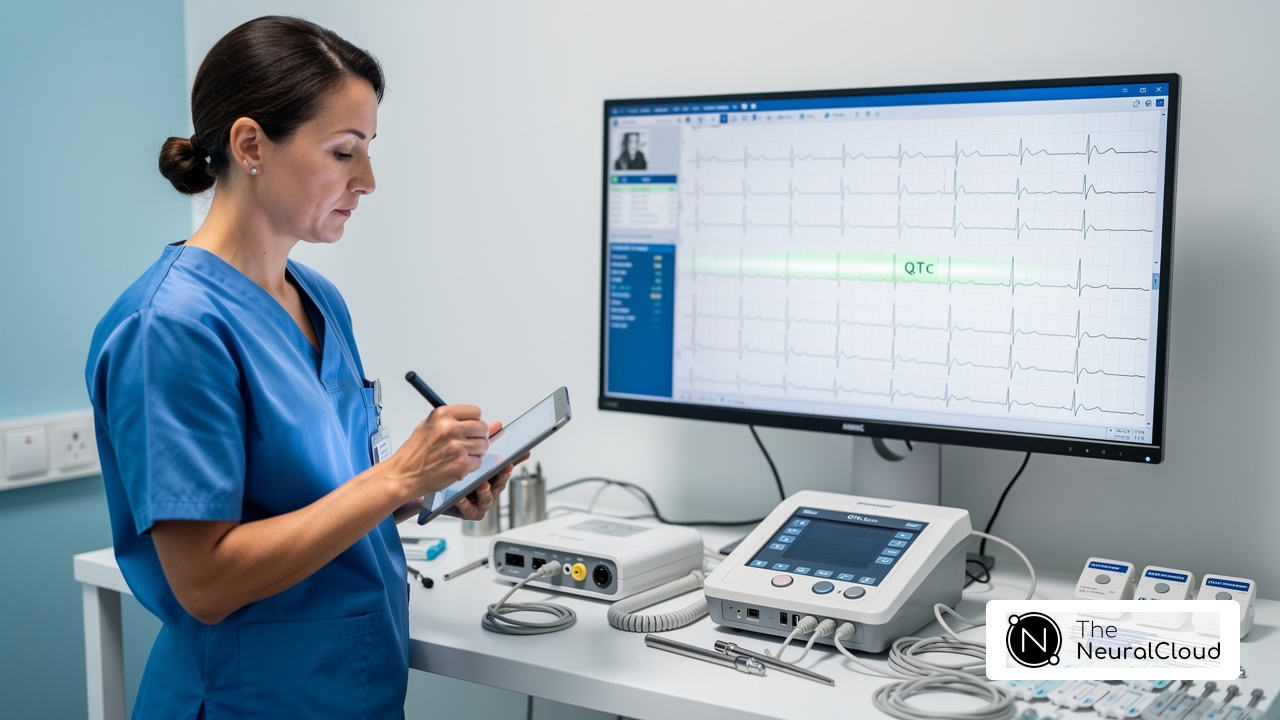
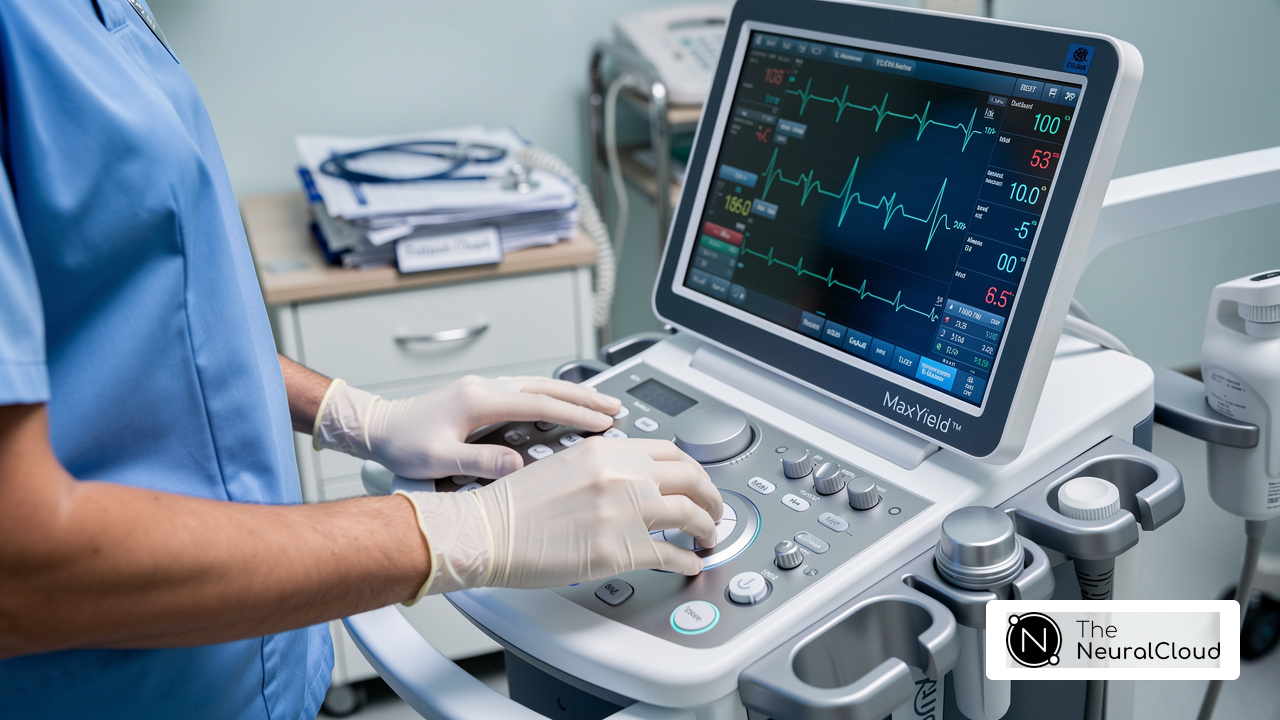
Integrating left bundle branch block analysis into existing health tech solutions presents unique challenges for healthcare providers. Start by assessing the existing ECG systems to determine their compatibility with new lbbb analysis tools. This might mean updating software or enhancing hardware to support advanced algorithms, such as those found in AI-based systems like MaxYield™, a device-agnostic ECG intelligence layer that integrates seamlessly via API, SDK, or CDK without requiring hardware changes. Clear protocols for data input and output are crucial for smooth communication between systems.
Platforms like MaxYield™ greatly simplify integrating new lbbb analysis across different ECG devices, including Holter monitors and wearable technology. They also enable rapid labeling of P, QRS, and T wave onsets and offsets in CSV format for easy data ingestion. Training staff on the new systems is vital to maximize integration benefits. Regular feedback loops will refine processes and tackle challenges during implementation.
In 2024, 52% of medical providers with access to clinical information utilized digital health systems to share this data, highlighting the importance of integration and training. Expert endorsements from Dr. Alan Rabinowitz, Dr. Brett Heilbron, and Dr. Marc W. Deyell emphasize that MaxYield™ offers precision rivaling human interpretation and significant noise reduction benefits. By prioritizing integration and training, healthcare providers can significantly enhance diagnostic accuracy and patient outcomes.

Implement Advanced Algorithms for Enhanced LBBB Analysis
Accurate ECG interpretation poses significant challenges, particularly in cases of new LBBB, where traditional methods may fall short. Advanced algorithms are essential for enhancing the analysis of left bundle branch block, particularly in the context of new LBBB, by significantly improving the accuracy of ECG interpretations. Machine learning models analyze large datasets to find patterns that might be missed by human analysts. For instance, the application of the Smith-modified Sgarbossa criteria has been shown to improve the identification of acute myocardial infarction in individuals with left bundle branch block. Moreover, AI-driven ECG screening tools, like Neural Cloud Solutions Inc.'s MaxYield, play a crucial role in the early detection of left ventricular systolic dysfunction (LVSD) among individuals with new LBBB, enabling timely interventions that can enhance outcomes.
MaxYield offers advanced noise filtering and distinct wave recognition capabilities, allowing healthcare professionals to quickly isolate ECG waves, even from recordings filled with noise and artifacts. This feature is particularly beneficial for salvaging previously obscured sections of lengthy Holter, 1-Lead, and patch monitor recordings. Notably, a recent study found that the transfer learning model achieved a specificity of 0.718 at 90% sensitivity, underscoring the effectiveness of these algorithms in practice. As Dr. Alan Rabinowitz noted, MaxYield's precision rivals human interpretation, making it a valuable tool in clinical settings.
To effectively implement these algorithms, medical providers should work with technology partners like Neural Cloud Solutions Inc. to customize solutions that fit their needs, including ensuring compliance with FDA Class II SaMD clearance-pending status and audit-ready documentation for GxP inspections. Ongoing updates and training on these algorithms are crucial to ensure that medical professionals are skilled in using these advanced tools, ultimately resulting in improved management and care. As Hak Seung Lee highlighted, the dual role of AI-ECG in screening and risk stratification may offer a paradigm shift in preventive cardiology, emphasizing the importance of integrating these technologies into clinical practice. Integrating AI-driven ECG analysis into clinical practice not only enhances diagnostic accuracy but also transforms patient care in cardiology.

Ensure Compliance and Provide User Training for LBBB Integration
Integrating LBBB analysis tools in medical settings presents unique challenges that require careful navigation of regulatory standards and user training needs. Successful integration necessitates strict adherence to regulations such as HIPAA and FDA guidelines, including FDA Class II SaMD clearance-pending status. Providers must conduct comprehensive assessments to ensure that the technology complies with standards for patient data security and device efficacy. Implementing tailored user training programs is equally important. These programs should meet the specific needs of healthcare staff, covering both the technical functionalities of the new tools and the clinical implications of new LBBB analysis.
Hands-on training sessions, simulations, and ongoing support can really boost user confidence and proficiency. Frequent assessments of user performance, along with helpful feedback, are crucial for pinpointing areas requiring enhancement. This approach guarantees that the incorporation of analysis tools is effective and adheres to industry standards. Case studies of effective user training programs for new LBBB analysis tools in Canadian healthcare can provide practical insights. These insights help the target audience avoid common implementation pitfalls.
Moreover, leveraging MaxYield™'s advanced noise filtering and distinct wave recognition capabilities can significantly enhance the clarity and accuracy of ECG interpretations, making it a vital component in the training process. Expert endorsements from Dr. Alan Rabinowitz, Dr. Brett Heilbron, and Dr. Marc W. Deyell emphasize that MaxYield™'s precision rivals human interpretation. By prioritizing comprehensive training and leveraging advanced technology like MaxYield™, healthcare providers can significantly improve ECG interpretation accuracy and patient outcomes.

Conclusion
Integrating left bundle branch block (LBBB) analysis into health technology presents both challenges and opportunities for enhancing cardiac care. By understanding the complexities of LBBB and leveraging advanced tools like Neural Cloud Solutions Inc.'s MaxYield™, healthcare providers can improve diagnostic accuracy and patient outcomes. Integrating LBBB analysis needs careful planning, considering factors like compatibility, advanced algorithms, compliance, and thorough user training.
Key insights from the article highlight the importance of utilizing AI-driven solutions to address the challenges posed by LBBB. The integration of advanced algorithms not only enhances the accuracy of ECG interpretations but also facilitates timely interventions for conditions like left ventricular systolic dysfunction. Furthermore, ensuring compliance with regulatory standards and providing tailored training programs are essential steps in maximizing the benefits of LBBB analysis tools.
As the healthcare landscape continues to evolve, embracing innovative technologies like MaxYield™ will be pivotal in transforming cardiac diagnostics. Focusing on integration, training, and compliance will help healthcare providers navigate the complexities of LBBB analysis effectively, ultimately leading to improved patient care and outcomes. Ultimately, the successful integration of LBBB analysis tools will redefine cardiac diagnostics and elevate patient care standards across Canada.
Frequently Asked Questions
What is Left Bundle Branch Block (LBBB)?
Left Bundle Branch Block is a condition characterized by a delay or obstruction in the electrical signals that control the heart's left ventricle, leading to a unique ECG pattern with a widened QRS complex exceeding 120 ms.
Why is understanding LBBB important for clinicians?
Understanding LBBB is crucial because it complicates the diagnosis of various cardiac conditions, such as myocardial infarction, and can obscure ST-segment elevation, making it harder to identify acute coronary syndromes.
What is the prevalence of LBBB in individuals with chronic heart failure?
Approximately 34% of individuals with chronic heart failure exhibit LBBB on their 12-lead ECG, with the occurrence increasing to 10.9% during the first year of follow-up and rising to 42.3% over three years.
How can AI technologies assist in diagnosing LBBB?
AI-driven ECG models, such as Neural Cloud Solutions Inc.'s MaxYield™, have shown promise in enhancing the identification of left ventricular systolic dysfunction (LVSD) in patients with LBBB, demonstrating a sensitivity of 95.6% and specificity of 79.4% compared to traditional echocardiography.
What are the benefits of using MaxYield™ for LBBB analysis?
MaxYield™ can improve diagnostic accuracy, reduce misdiagnosis and delays in treatment, and enhance patient outcomes by providing precision that rivals human interpretation, as endorsed by experts in the field.
What is the current status of MaxYield™ in terms of regulatory approval?
MaxYield™ is currently pending FDA Class II SaMD clearance, indicating its potential for use in clinical settings to improve diagnostic capabilities for LBBB.
What do recent Canadian studies suggest about LBBB screening?
Recent Canadian studies emphasize the need for improved screening methods for LBBB, particularly in resource-limited settings, highlighting the importance of leveraging advanced technologies like MaxYield™.
List of Sources
- Understand Left Bundle Branch Block (LBBB) Analysis
- The prevalence and incidence of left bundle branch block in ambulant patients with chronic heart failure - PubMed (https://pubmed.ncbi.nlm.nih.gov/18501670)
- AI-powered ECG model outperforms doctors in detecting hidden heart disease (https://news-medical.net/news/20250721/AI-powered-ECG-model-outperforms-doctors-in-detecting-hidden-heart-disease.aspx)
- AI-enabled ECG algorithm performs well in the early detection of heart failure in Kenya (https://escardio.org/news/press/press-releases/AI-enabled-ECG-algorithm-performs-well-in-the-early-detection-of-heart-failure-in-Kenya)
- Integrate LBBB Analysis into Existing Health Tech Solutions
- ECG market keeps evolving thanks to AI, home monitoring and Epic integration (https://cardiovascularbusiness.com/topics/cardiac-imaging/electrocardiography-ecg/ecg-market-keeps-evolving-thanks-ai-home-monitoring-and-epic-integration)
- Best Practices in Healthcare Integration (YEL2021) - IHF (https://ihf-fih.org/news-insights/best-practices-in-healthcare-integration)
- 5 Ways to Leverage Tech for Hospital Success Under Value-Based Care (https://healthtechmagazine.net/article/2022/05/5-ways-leverage-tech-hospital-success-under-value-based-care)
- Accuracy of Left Bundle Branch Block Chronology and Electrocardiography Criteria for Acute Myocardial Infarction Diagnosis: A Systematic Review and Meta-analysis - ABC Cardiol (https://abccardiol.org/en/article/accuracy-of-left-bundle-branch-block-chronology-and-electrocardiography-criteria-for-acute-myocardial-infarction-diagnosis-a-systematic-review-and-meta-analysis)
- The Daily — Survey on the Use of Digital Technologies by Health Care Providers, 2025 (https://www150.statcan.gc.ca/n1/daily-quotidien/260330/dq260330b-eng.htm)
- Implement Advanced Algorithms for Enhanced LBBB Analysis
- New study finds AI model improves heart attack detection (https://health.ucdavis.edu/news/headlines/new-study-finds-ai-model-improves-heart-attack-detection/2025/11)
- pmc.ncbi.nlm.nih.gov (https://pmc.ncbi.nlm.nih.gov/articles/PMC10145690)
- Artificial Intelligence–Enabled ECG Screening for LVSD in LBBB: Evaluating Model Development and Transfer Learning Approaches - PMC (https://pmc.ncbi.nlm.nih.gov/articles/PMC12398843)
- Ensure Compliance and Provide User Training for LBBB Integration
- Healthcare Compliance Regulations: Laws, Risks & Guide (https://bigid.com/blog/healthcare-compliance-regulations-guide)
- U.S. Healthcare, Life Science Industries Face Rising Compliance Pressures, Barnes & Thornburg’s 2025 Healthcare Compliance Outlook Shows | Barnes & Thornburg (https://btlaw.com/en/insights/news/2024/us-healthcare-life-science-industries-face-rising-compliance-pressures)
- Healthcare Compliance News (https://hipaajournal.com/category/healthcare-compliance)
- Navigating US Regulatory Requirements for AI-Powered Medical Devices: A Comprehensive Guide to FDA, HIPAA, and IRB Compliance | Iliomad (https://iliomadhealthdata.com/post/navigating-us-regulatory-requirements-for-ai-powered-medical-devices-a-comprehensive-guide-to-fda-hipaa-and-irb-compliance)
- Navigating Regulatory Changes in Healthcare: 2024 A Guide for Executives - The Healthcare Executive (https://thehealthcareexecutive.net/article/navigating-regulatory-changes-healthcare-2024-guide-executives)