Introduction
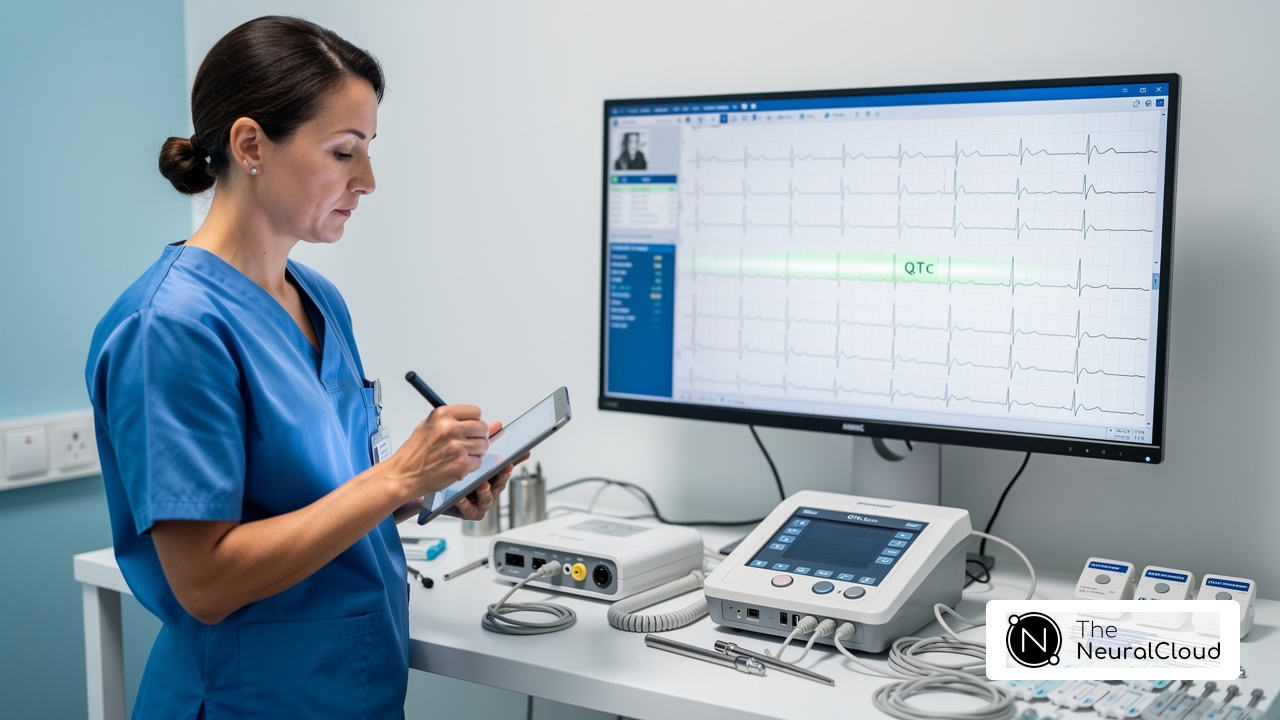
The landscape of electrocardiogram (ECG) analysis is evolving rapidly, driven by the need for accuracy and efficiency in diagnosing heart conditions. Healthcare professionals often encounter challenges with traditional ECG methods, which can be time-consuming and susceptible to human error. In this context, innovative solutions like MaxYield™ emerge as significant advancements. This article explores the features of MaxYield™, highlighting how it improves ECG analysis and the direct benefits it offers to healthcare professionals.
MaxYield™ leverages automation and AI-driven analysis to enhance diagnostic precision. By streamlining the ECG interpretation process, it reduces the time required for analysis and minimizes the risk of errors. This platform not only improves the accuracy of diagnoses but also allows healthcare providers to focus more on patient care rather than administrative tasks. As we delve deeper, we will examine the specific features of MaxYield™ that set it apart from conventional ECG techniques.
The advantages of adopting MaxYield™ are clear. With its ability to provide faster and more reliable results, healthcare professionals can make informed decisions more quickly, ultimately improving patient outcomes. Furthermore, the integration of advanced technology into ECG analysis represents a shift towards a more efficient healthcare system. As we consider the future of cardiac health management, it raises important questions: Can automation and AI-driven analysis truly enhance diagnostic precision, or do traditional methods still hold their ground in specific clinical scenarios?
Understanding ECG Analysis: Basics and Importance
Electrocardiogram (ECG) analysis focuses on the fundamentals of cardiology, capturing the heart's electrical activity through strategically placed electrodes on the skin. This is vital for assessing heart rhythm, rate, and overall cardiac health. However, the detection of a range of conditions, including arrhythmias, ischemia, and other heart conditions, is instrumental through the analysis process. Recent studies indicate that the precision of ECG analysis varies significantly, with a median accuracy of 54% on pretraining assessments and 67% post-training across various methodologies. This highlights the necessity for accurate interpretation to facilitate effective treatment.
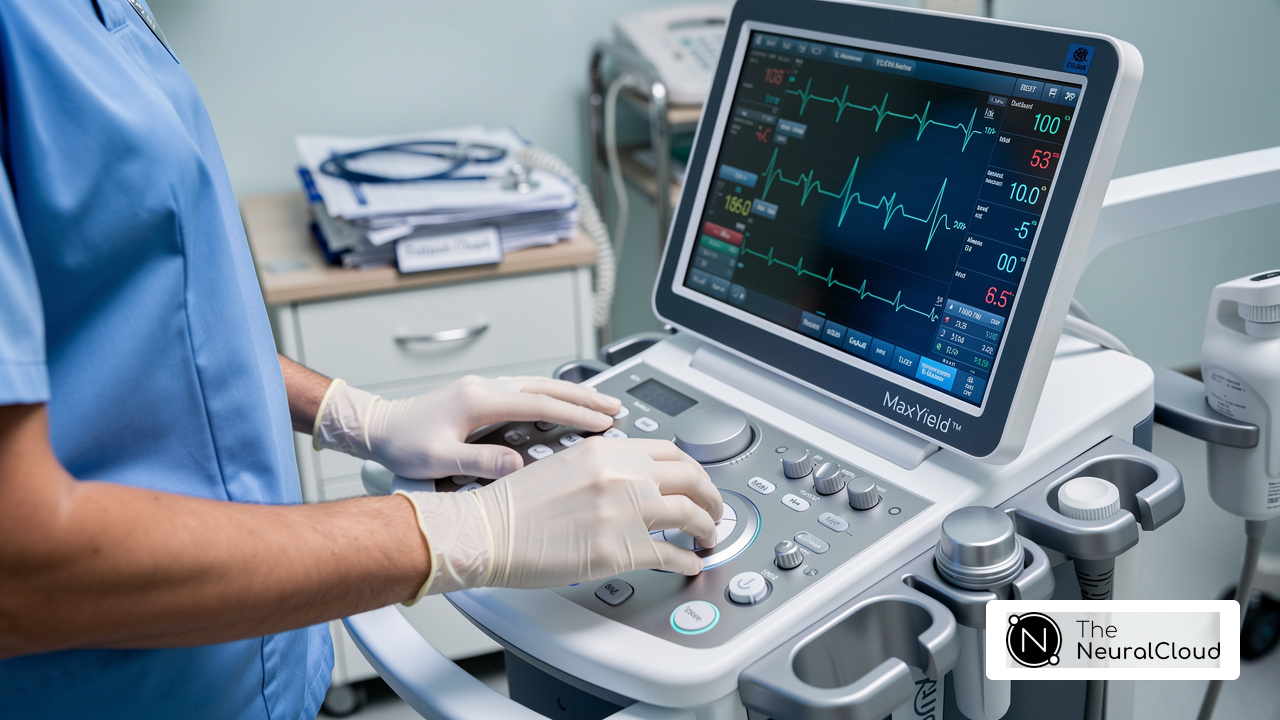
As technology progresses, new methods have developed, resulting in innovative platforms that improve the clarity and efficiency of the assessment. MaxYield™ stands out as a device-agnostic solution, enabling seamless integration with any 1-lead or 3-lead device. It utilizes automation to automate the evaluation process, significantly enhancing the speed and precision of interpreting the data. For instance, it can process over 200,000 heartbeats in under five minutes, allowing healthcare providers to identify critical cardiac events with confidence.
The incorporation of AI-ECG algorithms into clinical workflows is transforming how healthcare professionals handle ECG evaluation. These algorithms not only enhance diagnostic capabilities but also reduce the workload on clinicians, enabling them to focus on high-level decision-making. The capability to identify conditions like arrhythmias and myocardial infarction through the advanced evaluation of the ECG data is vital, as prompt intervention can greatly improve patient outcomes.
Overall, the evolution of the technology, illustrated by platforms such as MaxYield™, represents a significant advancement in cardiac health management. This innovation addresses the challenges faced by healthcare providers in interpreting ECG data effectively.
Features of MaxYield™:
- Device-agnostic integration with 1-lead or 3-lead devices
- Automation for automated evaluation
- Rapid processing of over 200,000 heartbeats in under five minutes
Advantages for healthcare providers:
- Enhanced speed and precision in ECG interpretation
- Improved diagnostic accuracy
- Reduced clinician workload, allowing focus on critical decision-making
In conclusion, the platform not only streamlines ECG analysis but also significantly contributes to better patient outcomes through improved diagnostic capabilities.

MaxYield™ Features: Automation and Clarity in ECG Analysis
ECG analysis faces several challenges, including noise interference and the accuracy of readings. The MaxYield™ platform addresses these issues with its innovative features designed to enhance analysis.
One of the standout features of MaxYield™ is its automation, which significantly improves the clarity of the ECG line signals. This is particularly beneficial in recordings that may contain high levels of noise and artifacts. Additionally, the platform offers beat-by-beat analysis and real-time monitoring, allowing it to handle over 200,000 heartbeats in less than five minutes. This capability drastically reduces the time required for ECG analysis, enabling healthcare professionals to make quicker decisions.
The continuous learning model further enhances the platform's effectiveness. Unlike conventional ECG analysis techniques that rely on fixed algorithms, MaxYield™ utilizes a continuous learning model. This means that its algorithms adapt based on incoming data, ensuring ongoing improvements in precision and effectiveness.
The advantages of this level of automation are significant. By reducing manual input, healthcare professionals can reduce the likelihood of human error, ultimately leading to better patient outcomes. Moreover, the integration of advanced analytics exemplifies how advanced technology can enhance clinical decision-making and patient care.
While there are economic considerations and implementation challenges, the benefits of MaxYield™ in improving the evaluation of the ECG line are substantial. This platform not only addresses existing challenges but also paves the way for future advancements in ECG analysis.

Traditional ECG Methods: Processes and Limitations
Conventional ECG techniques rely heavily on the equipment that include the ECG line produced by 12-lead systems. This practice, standard for decades, faces significant challenges. Manual analysis is time-consuming, often taking much longer than automated systems, which can process over 200,000 heartbeats in under five minutes. In busy clinical environments, this inefficiency increases the potential for errors. Research indicates that 38% of electrophysiologists misidentified artifacts as ventricular tachycardia, underscoring the risks associated with manual analysis.
Moreover, technicians struggle with noise that can obscure critical cardiac signals represented on the ECG line, leading to misinterpretations. The dependence on skilled technicians for accurate interpretation introduces variability, resulting in inconsistent outcomes across different practitioners. Additionally, conventional ECG systems often find it difficult to manage large datasets, complicating the evaluation of prolonged recordings or ongoing patient monitoring. These challenges highlight the urgent need for innovative solutions that utilize automation and advanced signal processing.
The MaxYield™ platform addresses these issues by incorporating features such as real-time analysis, along with a data wall for improved workflow efficiency. This system enhances precision and effectiveness in ECG evaluation by detecting and tagging essential information on the ECG line, even in recordings with high levels of interference and distortion. By leveraging automation, healthcare providers can achieve more accurate diagnoses and streamline their workflow, ultimately improving patient care.

Comparative Analysis: MaxYield™ vs. Traditional Methods
MaxYield™ features, particularly when relying on conventional techniques, often require hours for manual interpretation, which can lead to delays in diagnosis and treatment. In contrast, the platform revolutionizes this process by streamlining ECG evaluation, capable of processing over 200,000 heartbeats in under five minutes. This remarkable speed not only accelerates analysis but also significantly improves diagnostic accuracy.
The MaxYield™ platform boasts advanced algorithms that continuously learn and adapt, enhancing the analysis process. One of its standout features is the automated interpretation, which effectively reduces the time needed for analysis. Coupled with P, QRS, and T Wave highlighting, this technology ensures that the ECG line provides clearer signals that bolster diagnostic confidence. The highlighting feature specifically aids in identifying critical abnormalities, which further refines the accuracy of evaluations.
While traditional methods rely heavily on human interpretation, which can introduce variability in accuracy, the MaxYield™ platform offers a more consistent solution. Although conventional approaches may still hold value in certain scenarios, the scalability and reliability of MaxYield™ establish it as the preferred choice for modern ECG analysis. By adopting this innovative solution, healthcare professionals can enhance their diagnostic capabilities and improve patient outcomes.

Implications for Healthcare: Choosing the Right ECG Analysis Method
The choice between innovative methods and traditional methods for reading the ECG line significantly impacts patient care. The MaxYield™ system stands out as a compelling solution, offering automation and rapid processing that enhance patient throughput and optimize resource allocation. Its advanced noise filtering, combined with real-time analytics, streamlines workflow, enabling clinicians to analyze over 200,000 heartbeats in under five minutes. This capability allows healthcare professionals to concentrate on high-level decision-making rather than time-consuming manual tasks. Such efficiency is crucial as healthcare organizations increasingly adopt technology to improve operational costs and patient outcomes. Notably, MaxYield™ reduces the risk of human error, making this option particularly attractive for institutions looking to enhance efficiency.
In contrast, traditional methods may still hold value in specific clinical settings where manual analysis is preferred or mandated by clinical guidelines. However, as the healthcare landscape evolves, incorporating innovative solutions becomes essential for institutions aiming to remain competitive, especially given the pressures from firms like Siemens Healthineers and Philips, which could limit market share growth. The projected market growth of $200 billion by 2026 underscores the necessity for providers to embrace these advancements.
Ultimately, the choice of method for ECG analysis should align with the unique needs of the healthcare environment, the volume of ECG data processed, and the accuracy required for interpretations. As the field of cardiology progresses, leveraging innovative technologies such as MaxYield™ will be vital for enhancing patient care and operational efficiency.
Conclusion
The evolution of ECG analysis technology represents a significant shift in how healthcare providers evaluate cardiac health, with MaxYield™ leading the way in this transformation. This platform utilizes advanced AI algorithms and automation, greatly improving the speed and accuracy of ECG evaluations compared to traditional methods. As a result, patient outcomes are enhanced, making MaxYield™ a vital tool in modern healthcare.
Key features of the MaxYield™ system include:
- Device-agnostic compatibility: Works seamlessly with various ECG devices.
- Rapid processing capabilities: Processes over 200,000 heartbeats in under five minutes.
- Superior noise filtering: Reduces interference for clearer results.
While traditional ECG methods still hold value in certain situations, they often suffer from inefficiencies and a higher risk of human error. This makes them less suitable for the fast-paced demands of today’s healthcare environments. MaxYield™ not only streamlines workflows but also empowers clinicians in their decision-making processes, ultimately leading to better patient care.
As the healthcare landscape evolves, adopting innovative solutions like MaxYield™ is essential. Integrating advanced ECG analysis tools can significantly enhance operational efficiency and patient care, positioning healthcare organizations to thrive in a competitive market. The future of ECG analysis lies in balancing traditional methods with cutting-edge technology, emphasizing automation and clarity in results. Embracing these advancements will be crucial for healthcare providers aiming to deliver timely and accurate diagnoses, resulting in improved health outcomes for patients.
Frequently Asked Questions
What is ECG analysis and why is it important?
ECG analysis involves capturing the heart's electrical activity through electrodes placed on the skin. It is vital for assessing heart rhythm, rate, and overall cardiac health, and is instrumental in detecting various cardiac abnormalities such as arrhythmias and ischemia.
How accurate is ECG analysis among healthcare professionals?
Recent studies indicate that the accuracy of ECG analysis varies, with a median accuracy of 54% on pretraining assessments and 67% post-training among various healthcare professionals.
What advancements have been made in ECG evaluation techniques?
Advancements include the development of innovative platforms like MaxYield™, which enhances the clarity and efficiency of ECG line assessments through device-agnostic integration and advanced AI algorithms.
What is MaxYield™ and how does it improve ECG analysis?
MaxYield™ is a platform that integrates with any 1-lead or 3-lead device and uses advanced AI algorithms to automate ECG evaluation, processing over 200,000 heartbeats in under five minutes for faster and more precise interpretations.
What are the benefits of using AI-ECG algorithms in clinical workflows?
AI-ECG algorithms improve diagnostic accuracy, reduce clinician workload, and enable healthcare professionals to focus on high-level decision-making, ultimately enhancing patient outcomes.
What features does MaxYield™ offer to enhance ECG analysis?
MaxYield™ features include device-agnostic integration, automated noise filtering, beat-by-beat analysis, real-time data processing, and automated labeling of P-waves, QRS complexes, and T-wave intervals.
How does MaxYield™ address challenges in traditional ECG analysis?
MaxYield™ addresses challenges such as noise interference and the time-consuming nature of traditional methods by offering automated noise filtering and rapid processing capabilities, allowing for quicker decision-making.
What are the economic considerations associated with adopting AI tools like MaxYield™ in healthcare?
While there are economic considerations and challenges in adopting AI tools, the benefits of improved clarity and efficiency in ECG evaluations provided by MaxYield™ are substantial and contribute to better patient outcomes.
List of Sources
- Understanding ECG Analysis: Basics and Importance
- mdpi.com (https://mdpi.com/2673-3846/2/4/39)
- expertcardiologist.co.uk (https://expertcardiologist.co.uk/the-role-of-an-ecg-in-diagnosing-heart-conditions)
- Checking your browser - reCAPTCHA (https://pmc.ncbi.nlm.nih.gov/articles/PMC7522782)
- HeartBeam Receives FDA Clearance for First-Ever, Cable-Free Synthesized 12-Lead ECG for At-Home Arrhythmia Assessment (https://ir.heartbeam.com/news-events/press-releases/detail/107/heartbeam-receives-fda-clearance-for-first-ever-cable-free)
- New study finds AI model improves heart attack detection (https://health.ucdavis.edu/news/headlines/new-study-finds-ai-model-improves-heart-attack-detection/2025/11)
- MaxYield™ Features: Automation and Clarity in ECG Analysis
- pubmed.ncbi.nlm.nih.gov (https://pubmed.ncbi.nlm.nih.gov/41099922)
- Performance of an artificial intelligence-powered smartphone application in the UK clinical settings: ECG automation compared to healthcare professionals - PMC (https://pmc.ncbi.nlm.nih.gov/articles/PMC12532542)
- morningstar.com (https://morningstar.com/news/accesswire/1140365msn/neural-cloud-enters-distribution-agreement-with-intelimed-to-expand-into-latin-america)
- Quotes That Make You Rethink Intelligent Automation | UiPath (https://uipath.com/blog/automation/rethink-intelligent-automation-quotes)
- 32 of the Best AI and Automation Quotes To Inspire Healthcare Leaders - Blog - Akasa (https://akasa.com/blog/automation-quotes)
- Traditional ECG Methods: Processes and Limitations
- mdpi.com (https://mdpi.com/2673-3846/2/4/39)
- sciencedirect.com (https://sciencedirect.com/science/article/pii/S1936879825026007)
- Checking your browser - reCAPTCHA (https://pmc.ncbi.nlm.nih.gov/articles/PMC6932211)
- onlinelibrary.wiley.com (https://onlinelibrary.wiley.com/doi/10.1002/9781119536475.ch3)
- AI-ECG Momentum and Rising Competition Reshape Diagnostic Cardiology in 2026 (https://signifyresearch.net/insights/diagnostic-cardiology-market-bouncing-into-2026)
- Comparative Analysis: MaxYield™ vs. Traditional Methods
- theneuralcloud.com (https://theneuralcloud.com/post/4-key-insights-on-continuous-ecg-monitoring-devices-for-developers)
- theneuralcloud.com (https://theneuralcloud.com/post/10-must-know-features-of-the-ecg-monitor-patch-for-health-tech-developers)
- theneuralcloud.com (https://theneuralcloud.com/post/10-key-ecg-abnormalities-every-health-tech-developer-should-know)
- Performance of an artificial intelligence-powered smartphone application in the UK clinical settings: ECG automation compared to healthcare professionals - PMC (https://pmc.ncbi.nlm.nih.gov/articles/PMC12532542)
- finance.yahoo.com (https://finance.yahoo.com/news/aiml-subsidiary-neuralcloud-signs-non-120000632.html)
- Implications for Healthcare: Choosing the Right ECG Analysis Method
- beckershospitalreview.com (https://beckershospitalreview.com/cardiology/mayo-clinics-ai-powered-ecg-saves-thousands-in-medical-costs-study)
- inferscience.com (https://inferscience.com/10-key-ai-in-healthcare-statistics-driving-industry-change)
- finance.yahoo.com (https://finance.yahoo.com/news/ge-healthcare-ecg-ai-imaging-010847179.html)
- ECG market keeps evolving thanks to AI, home monitoring and Epic integration (https://cardiovascularbusiness.com/topics/cardiac-imaging/electrocardiography-ecg/ecg-market-keeps-evolving-thanks-ai-home-monitoring-and-epic-integration)
- icthealth.org (https://icthealth.org/news/ces-2026-10-most-impressive-innovations-for-healthcare)