Introduction
Identifying an infarct on an EKG is a critical skill for healthcare professionals, particularly in emergency situations where timely decisions are vital. This guide offers a systematic approach to EKG analysis, highlighting key changes associated with myocardial infarction and the importance of accurate interpretation. The intricate nature of EKG patterns can lead to misinterpretation, posing risks in emergency situations. This article explores systematic methods and advanced tools designed to enhance diagnostic accuracy and improve patient outcomes in Canada.
Understand Infarction: Definition and Types
Myocardial damage, commonly known as a heart attack, poses significant challenges in timely diagnosis and treatment. Myocardial infarctions can be categorized into several types:
- ST-Elevation Myocardial Infarction (STEMI): Characterized by significant ST-segment elevation on the EKG, indicating a complete blockage of a coronary artery. Immediate intervention is critical, as timely reperfusion can significantly improve outcomes.
- Non-ST-Elevation Myocardial Infarction (NSTEMI): Involves partial blockage and is identified by ST-segment depression or T-wave inversions without the pronounced elevation seen in STEMI. Although NSTEMI may present with less severe symptoms, it still requires prompt medical attention.
- Silent Myocardial Infarction: Occurs without noticeable symptoms, often detected incidentally during routine examinations. Approximately 20% of myocardial infarctions are silent, highlighting the importance of regular cardiovascular assessments.
Grasping these types is key to accurately interpreting an infarct on EKGs. Each type presents distinct EKG changes, such as an infarct on EKG, that signal different underlying pathophysiological processes. Leveraging Neural Cloud Solutions' platform, along with the customizable visualization and reporting tool Insight360, can significantly enhance the analysis of these changes. With advanced noise filtering and automated signal processing, this system helps overcome inefficiencies and physiological variability in ECG analysis, ensuring that clinicians can concentrate on precise diagnosis and treatment. Additionally, the platform is currently pending FDA Class II SaMD clearance, which adds to its credibility. By consolidating workflow and providing a clean, 'neuralized' signal, MaxYield™ empowers health tech developers to streamline their processes and improve patient outcomes. By enhancing ECG analysis, MaxYield™ not only aids in accurate diagnosis but also plays a vital role in improving patient care and outcomes.

Recognize Key EKG Changes Associated with Infarction
In emergency medicine, the ability to quickly and accurately interpret EKG changes is vital for effective patient care. Understanding key EKG changes, including an infarct on EKG, associated with heart attacks is essential for timely diagnosis and effective intervention. The key changes include the following:
- ST-Segment Elevation: This is a defining characteristic of ST-Elevation Myocardial Infarction (STEMI), indicating acute myocardial injury. Typically, an infarct on EKG is indicated by ST-segment elevation observed in adjacent leads that correspond to the affected heart tissue, which serves as a crucial indicator for clinicians.
- T-Wave Inversion: Commonly observed in both STEMI and Non-ST-Elevation Infarction (NSTEMI), T-wave inversions indicate heart muscle ischemia. These inversions can manifest in leads that reflect the area of ischemia, providing essential diagnostic information.
- Pathological Q Waves: Over time, pathological Q waves develop in the leads corresponding to the infarct on EKG, indicating necrosis of heart tissue. Their presence indicates a prior myocardial event, which is essential for understanding the patient's cardiac history.
- Reciprocal Changes: These alterations may manifest in leads contrary to the region of tissue death, providing further diagnostic hints that can assist in verifying the diagnosis.
By using the platform's advanced ECG analysis, healthcare professionals can more easily identify these critical changes. This enhancement not only streamlines the diagnostic process but also significantly increases the likelihood of positive patient outcomes. Being familiar with these EKG changes enables healthcare professionals to diagnose more quickly and accurately. This is especially crucial in emergency settings, where timely intervention can greatly affect patient outcomes.

Apply a Step-by-Step Method for EKG Analysis
Analyzing an EKG for signs of myocardial infarction requires a meticulous and systematic approach to ensure accurate diagnosis:
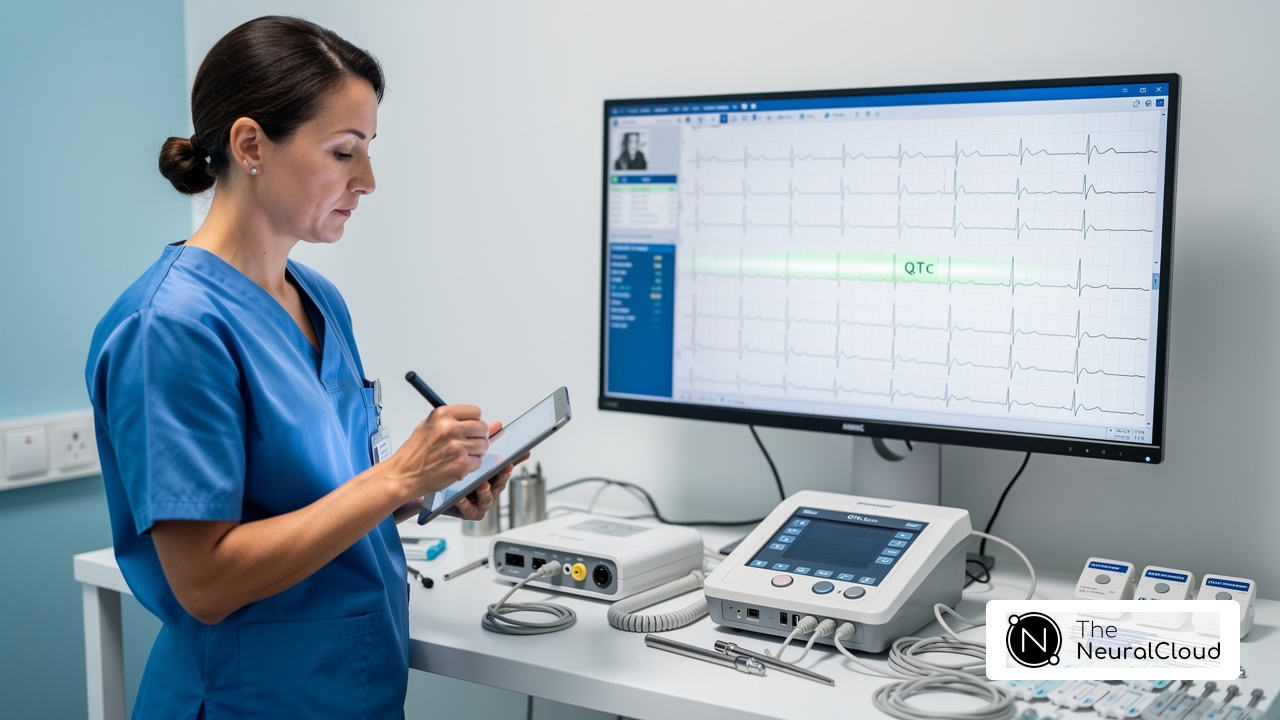
- Assess the Quality of the EKG: Ensure the tracing is clear and free from artifacts. Poor quality can lead to misinterpretation, which is critical as approximately 70% of fatal AMI cases are attributed to occlusion caused by atherosclerotic plaques. Misinterpretation of EKGs can lead to critical errors in diagnosing an infarct on EKG related to myocardial infarction. With Neural Cloud Solutions' platform, you can streamline this process thanks to its advanced noise filtering capabilities, ensuring a clean, 'neuralized' signal.
- Determine the Heart Rate: Calculate the heart rate using the R-R interval method or by counting the number of large squares between R waves. A normal heart rate ranges from 60 to 100 beats per minute.
- Evaluate the Rhythm: Identify whether the rhythm is regular or irregular, which can provide insights into underlying cardiac conditions. Regular rhythms show evenly spaced R-R complexes, while irregular rhythms may indicate arrhythmias.
- Analyze the P Waves: Check for the presence and morphology of P waves, which indicate atrial activity. A normal sinus rhythm is characterized by one upright P wave for every QRS complex, typically between 3 to 5 small boxes in length.
- Measure the PR Interval: This interval should be consistent, typically between 120 and 200 milliseconds; deviations may indicate conduction abnormalities such as first-degree AV block.
- Examine the QRS Complex: Assess the width and morphology of the QRS complex. A normal QRS interval ranges from 0.08 to 0.10 seconds; a width greater than 0.12 seconds may indicate a bundle branch block. MaxYield™ enhances this analysis by providing clear, beat-by-beat data.
- Look for ST Segment Changes: Identify any elevations or depressions in the ST segment, which are critical for diagnosing infarction. Significant ST elevation is defined as ≥2mm in leads V2-V3 for men ≥40 years, and ≥1.5mm for women.
- Assess T Waves: Note any inversions or flattening of T waves, which can indicate ischemia. An inverted T wave may indicate heart tissue ischemia, while a normal T wave should be upright.
- Identify Pathological Q Waves: Look for the development of Q waves, which indicate prior heart damage. The presence of pathological Q waves is a key indicator of previous heart attack.
Following these steps and using Insight360's features allows practitioners to assess EKGs systematically, enhancing diagnostic precision, which is crucial since ECG offers confirmation in about 80% of suspected myocardial infarction instances. By leveraging the capabilities of Insight360, healthcare professionals can enhance their diagnostic accuracy and ultimately improve patient care outcomes.

Utilize Advanced Tools and Technologies for Enhanced Analysis
In the realm of ECG analysis, healthcare professionals face significant challenges that can hinder accurate diagnosis and treatment. To enhance EKG analysis, consider integrating the following advanced tools and technologies:
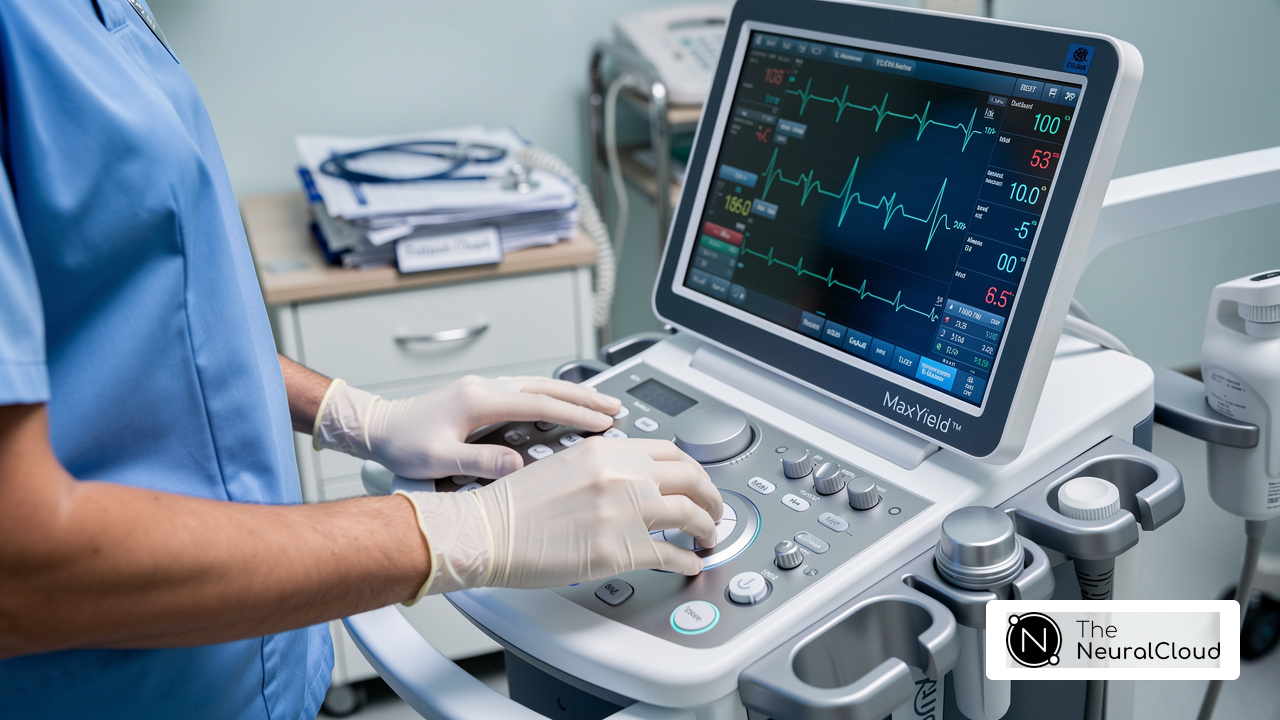
- MaxYield™ Automated ECG Analysis Platform: MaxYield™ effectively filters through noisy ECG signals, pinpointing and labeling essential features in each heartbeat. This innovative platform leverages advanced algorithms to deliver beat-by-beat analysis, outputting insights from 200,000 heartbeats in less than 5 minutes. By transforming noisy recordings into detailed insights, MaxYield™ supports confident clinical decisions and helps identify cardiac events, making it a valuable asset in clinical practice.
- AI-Powered ECG Interpretation Software: Innovative platforms leverage artificial intelligence to analyze EKGs, delivering rapid interpretations and identifying potential abnormalities with high accuracy. In areas where cardiologists are in short supply, these tools can really streamline diagnostics and boost patient outcomes. Notably, AI-powered ECG interpretation systems can analyze cardiac tracings in milliseconds with diagnostic accuracy exceeding 99%, making them a valuable asset in clinical practice.
- ECG Simulators: Training platforms allow practitioners to practice EKG interpretation in a controlled environment, enhancing their skills through realistic simulations. This hands-on training is vital for building confidence and skill in interpreting complex cardiac data. As the demand for skilled interpreters rises, such training becomes even more essential.
- Mobile ECG Devices: Portable ECG technologies enable quick assessments and preliminary interpretations, facilitating timely decision-making in various clinical settings. These devices shine in remote areas, where specialized care can be hard to come by. The integration of mobile ECG devices aligns with the projected growth of the ECG Interpretation AI market, which is expected to reach $11.8 billion by 2034.
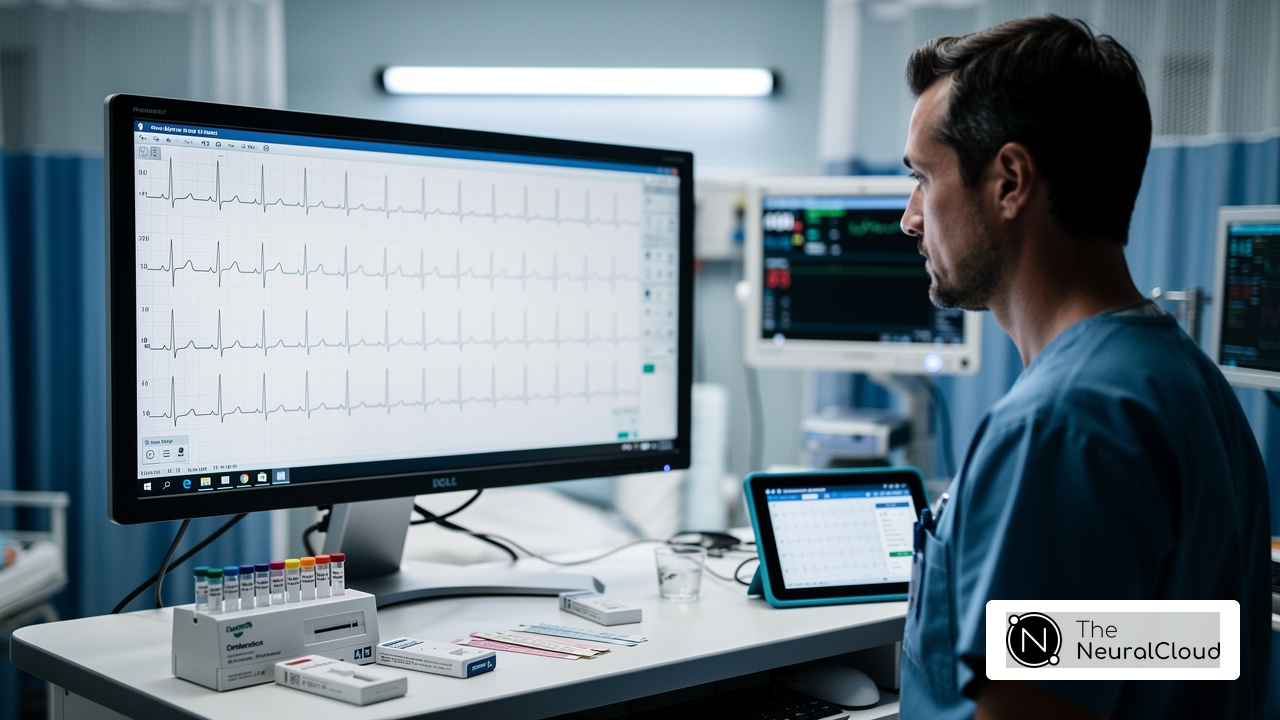
- Visualization Tools: Advanced software solutions like Insight360 can visualize trends and generate comprehensive reports based on EKG data. This feature helps communicate findings clearly to both colleagues and patients, while also boosting workflow efficiency in clinical settings. Insight360 transforms MaxYield’s clean ECG data into interactive dashboards and clinical-ready reports, making it easier to communicate findings effectively.
By leveraging these technologies, healthcare professionals can significantly improve their diagnostic capabilities, streamline workflows, and ultimately enhance patient care, particularly in the evolving landscape of cardiac diagnostics in Canada. Furthermore, addressing challenges such as integration with existing healthcare systems and compliance with healthcare regulations will be crucial for successful adoption. Ultimately, embracing these advanced tools is essential for enhancing diagnostic accuracy and improving patient care in cardiac diagnostics across Canada.

Conclusion
Identifying an infarct on an EKG is vital for ensuring timely patient care. This guide has outlined essential steps and considerations for accurate EKG analysis, emphasizing the importance of recognizing different types of myocardial infarctions and their corresponding EKG changes. By employing a systematic approach, healthcare professionals can enhance their diagnostic capabilities and improve patient outcomes.
Key insights discussed include:
- Differentiation between STEMI and NSTEMI
- Significance of ST-segment changes
- T-wave inversions
- Development of pathological Q waves
Utilizing advanced tools such as MaxYield™ and Insight360 can streamline the analysis process, allowing for quicker and more accurate interpretations. These technologies not only enhance diagnostic precision but also support clinicians in making informed decisions that can significantly impact patient care.
Using advanced tools and methods can help tackle the challenges in EKG interpretation. As the landscape of cardiac diagnostics continues to evolve, embracing innovative solutions will be vital for improving diagnostic accuracy and ultimately enhancing patient care across Canada. By prioritizing education and integrating advanced technologies, healthcare professionals can effectively identify myocardial infarctions and respond promptly to this critical medical condition.
Frequently Asked Questions
What is a myocardial infarction?
A myocardial infarction, commonly known as a heart attack, refers to myocardial damage that poses significant challenges in timely diagnosis and treatment.
What are the different types of myocardial infarctions?
The different types of myocardial infarctions include:
- ST-Elevation Myocardial Infarction (STEMI): Characterized by significant ST-segment elevation on the EKG, indicating a complete blockage of a coronary artery.
- Non-ST-Elevation Myocardial Infarction (NSTEMI): Involves partial blockage and is identified by ST-segment depression or T-wave inversions without the pronounced elevation seen in STEMI.
- Silent Myocardial Infarction: Occurs without noticeable symptoms and is often detected incidentally during routine examinations.
Why is it important to understand the types of myocardial infarctions?
Understanding the types of myocardial infarctions is key to accurately interpreting an infarct on EKGs, as each type presents distinct EKG changes that signal different underlying pathophysiological processes.
How can technology assist in the analysis of myocardial infarctions?
Leveraging Neural Cloud Solutions' platform, along with the customizable visualization and reporting tool Insight360, can enhance the analysis of EKG changes. This system features advanced noise filtering and automated signal processing to improve the efficiency and accuracy of ECG analysis.
What is the significance of the MaxYield™ platform?
MaxYield™ empowers health tech developers to streamline their processes and improve patient outcomes by consolidating workflow and providing a clean, 'neuralized' signal, which aids in accurate diagnosis and enhances patient care.
What is the current status of the Neural Cloud Solutions platform?
The platform is currently pending FDA Class II SaMD clearance, which adds to its credibility in the medical field.
List of Sources
- Understand Infarction: Definition and Types
- ST-elevation myocardial infarction - Symptoms, diagnosis and treatment | BMJ Best Practice US (https://bestpractice.bmj.com/topics/en-us/150)
- Differences in the characteristics and outcomes of STEMI versus NSTEMI cardiogenic shock: A systematic review and meta-analysis - PMC (https://pmc.ncbi.nlm.nih.gov/articles/PMC12537256)
- Acute Myocardial Infarction - StatPearls - NCBI Bookshelf (https://ncbi.nlm.nih.gov/books/NBK459269)
- Myocardial Infarction: Background, Definitions, Etiology (https://emedicine.medscape.com/article/155919-overview)
- Recognize Key EKG Changes Associated with Infarction
- Myocardial Infarction - StatPearls - NCBI Bookshelf (https://ncbi.nlm.nih.gov/books/NBK537076)
- pmc.ncbi.nlm.nih.gov (https://pmc.ncbi.nlm.nih.gov/articles/PMC10122825)
- STEMI: ST-segment Elevation Myocardial Infarction - The Cardiology Advisor (https://thecardiologyadvisor.com/ddi/stemi-st-elevation-myocardial-infarction)
- Heart disease case numbers in Canada 2000-2023| Statista (https://statista.com/statistics/882486/diagnosed-heart-disease-cases-number-canada?srsltid=AfmBOoqapGQ_f0pwsEbNgW0w1wxN3mWQ2kOEbhE4sb2zeQb8sV00LVUe)
- AI-based ECG interpretation outperforms standard diagnosis of occlusive myocardial infarction (https://news-medical.net/news/20260323/AI-based-ECG-interpretation-outperforms-standard-diagnosis-of-occlusive-myocardial-infarction.aspx)
- Apply a Step-by-Step Method for EKG Analysis
- Acute Myocardial Infarction - StatPearls - NCBI Bookshelf (https://ncbi.nlm.nih.gov/books/NBK459269)
- theneuralcloud.com (https://theneuralcloud.com/post/master-infarction-on-ecg-key-changes-and-advanced-analysis-techniques)
- Electrocardiogram Interpretation in 10 Simple Steps (https://aclscertification.org/electrocardiogram-interpretation-in-10-simple-steps)
- Understanding STEMI vs NSTEMI: ECG Interpretation Guide (https://tricog.com/understanding-stemi-vs-nstemi-in-ecg-interpretation?srsltid=AfmBOoplUwX5_7bUYNPIHf7yzMlCV6BnWBTci8wpl2Ja8g5Ix7QD3TKw)
- pmc.ncbi.nlm.nih.gov (https://pmc.ncbi.nlm.nih.gov/articles/PMC11491539)
- Utilize Advanced Tools and Technologies for Enhanced Analysis
- ECG Interpretation AI Market Research Report 2034 (https://marketintelo.com/report/ecg-interpretation-ai-market/amp)
- AI in Hospitals: 2025 Adoption Trends & Statistics | IntuitionLabs (https://intuitionlabs.ai/articles/ai-adoption-us-hospitals-2025)
- medicalgorithmics.com (https://medicalgorithmics.com/medicalgorithmics-receives-approval-for-commercialization-in-canada-for-the-latest-generation-of-deeprhythmai-artificial-intelligence-algorithms)
- Study Shows Promising Results for ECG Technology (https://dicardiology.com/content/study-shows-promising-results-ecg-technology)
- Movesense and NeuralCloud to Pilot AI-Powered ECG and Holter Reporting — Movesense (https://movesense.com/news/2026/02/movesense-and-neuralcloud-to-pilot-ai-powered-ecg-and-holter-reporting)