Introduction
In the realm of cardiac care, managing ST Elevation Myocardial Infarction (STEMI) presents significant challenges that can impact patient survival. We will explore best practices for diagnosing and treating STEMI, focusing on the critical role of rapid identification and effective treatment protocols.
Healthcare providers often face challenges due to the diverse presentations of STEMI, which can lead to misdiagnosis. To address these challenges, they must adopt innovative technologies and evidence-based strategies. By embracing these approaches, healthcare professionals can significantly improve patient outcomes in the face of this life-threatening condition.
Define ST Elevation Myocardial Infarction (STEMI)
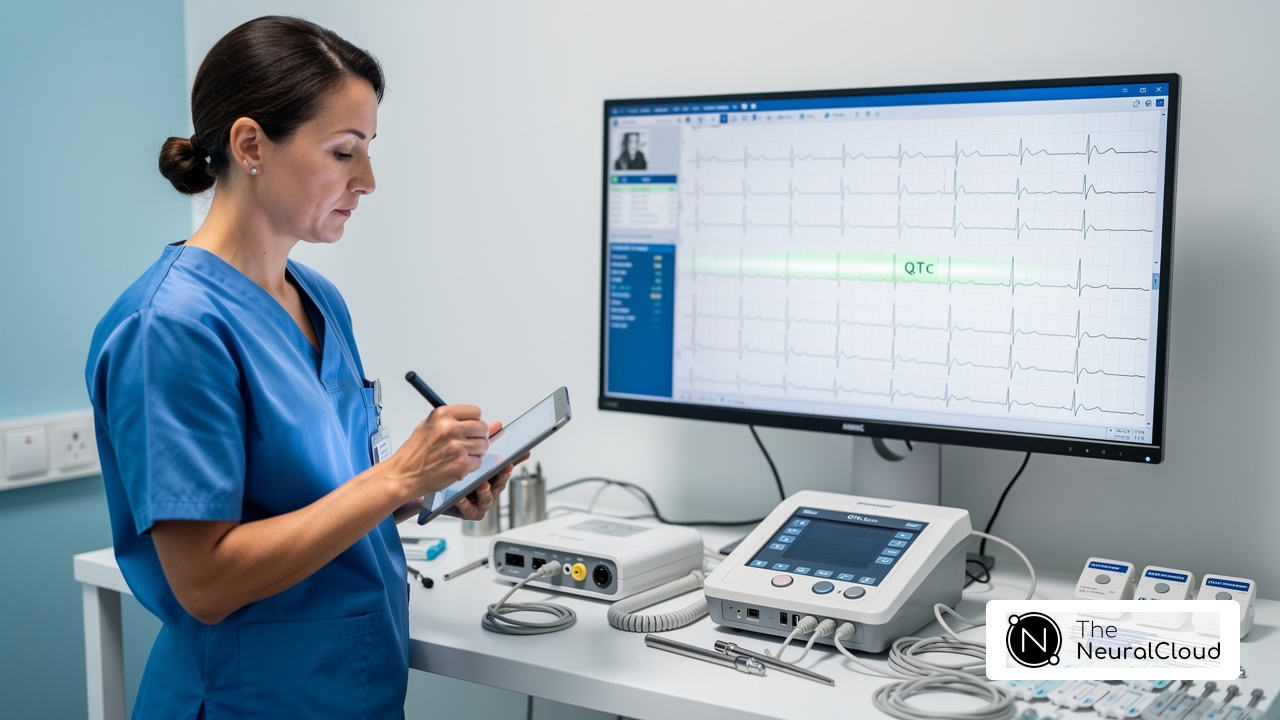
ST Elevation Myocardial Infarction presents a critical challenge in emergency cardiac care. This condition can be identified on a 12-lead ECG by observing ST-segment elevation in two or more contiguous leads. Such elevation indicates that a segment of the heart muscle is deprived of adequate blood supply, making immediate medical intervention essential to restore blood flow and mitigate myocardial damage.
Quick identification of ST elevation treatment for myocardial infarction is crucial, as prompt care can greatly improve outcomes for individuals and reduce mortality rates associated with heart attacks. Current guidelines recommend achieving a door-to-balloon time of less than 90 minutes to optimize ST elevation treatment. Delays in treatment can lead to significantly worse outcomes for patients, doubling the one-year mortality risk.
Moreover, studies suggest that as many as 40% of individuals with ST-elevation myocardial infarction may not display typical ECG results, emphasizing the importance for healthcare providers to stay alert and consider other presentations when diagnosing acute coronary blockage.
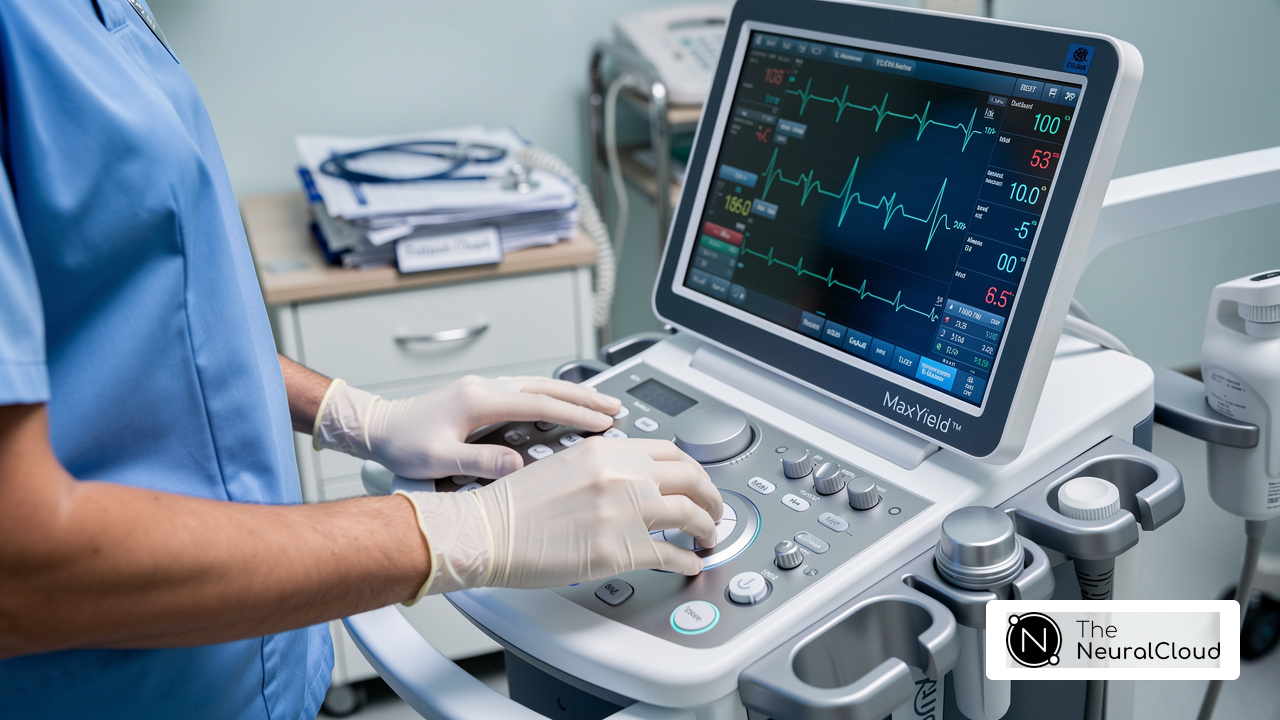
Neural Cloud Solutions' MaxYield™ platform enhances this process by utilizing advanced noise filtering and automated labeling of ECG signals, ensuring clear wave definition even in challenging recordings. This technology alleviates the burden of manual input, allowing healthcare providers to focus on clinical presentation and timely intervention.
It’s crucial to remember that treating the patient goes beyond just analyzing the ECG; clinical presentation plays a vital role in evaluation.

Identify Key Diagnostic Factors for STEMI
Accurate diagnosis of ST-Elevation Myocardial Infarction is often complicated by overlapping symptoms and variable ECG presentations. Key diagnostic factors include clinical symptoms, ECG findings, and biomarker elevations. Patients frequently report symptoms such as:
- Chest pain or discomfort
- Shortness of breath
- Nausea
- Diaphoresis
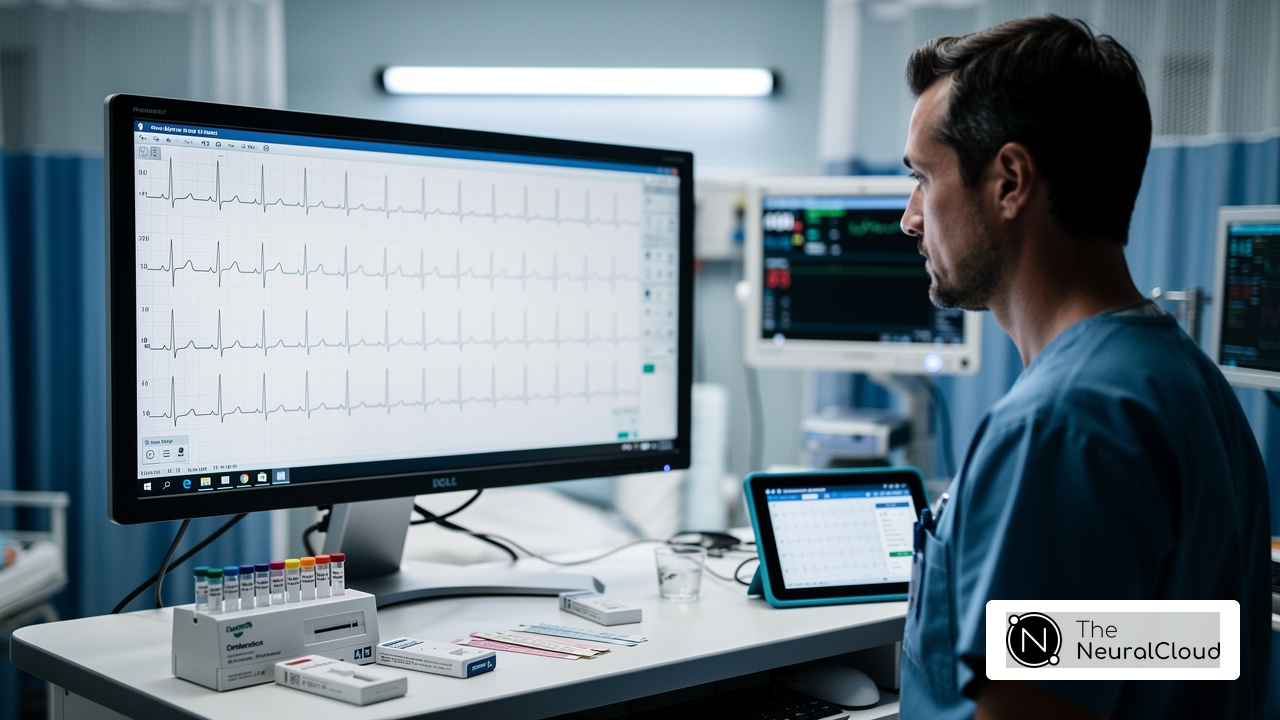
On the ECG, ST-segment elevation of at least 1 mm in two or more contiguous leads signifies acute myocardial injury. Recognizing these indicators quickly is vital; they determine how urgently ST elevation treatment protocols, such as immediate reperfusion therapy, need to be initiated. Elevated cardiac biomarkers, particularly troponin I or T, are essential for confirming myocardial necrosis. Recent studies highlight the significance of combining clinical symptoms with ECG results to enhance diagnostic precision and improve patient outcomes in acute myocardial infarction management.
The MaxYield™ platform from Neural Cloud Solutions uses advanced AI technology and a Continuous Learning Model to automate ECG analysis, constantly enhancing its accuracy by learning from new data and tackling challenges like physiological variability and signal artifacts. By integrating AI technology, healthcare professionals can enhance diagnostic accuracy and expedite treatment decisions, ultimately improving patient outcomes. Dr. Ivan Rokos highlights this potential, stating, 'AI can certainly enhance and boost our capabilities,' which underscores how AI-ECG technology can improve heart attack detection and management.

Explore Effective Treatment Options for STEMI
Managing ST-Elevation Myocardial Infarction (STEMI) presents significant challenges, particularly in determining the most effective reperfusion strategy. Efficient solutions primarily focus on reperfusion methods, especially primary percutaneous coronary intervention (PCI) and thrombolytic procedures. PCI is widely regarded as the preferred method due to its ability to mechanically open blocked arteries, often utilizing stents to ensure sustained blood flow. In contrast, thrombolytic therapy, while less frequently employed today, remains a viable option when PCI is not accessible.
Quickly administering antiplatelet agents like aspirin and P2Y12 inhibitors, along with anticoagulants, is crucial to prevent further clot formation. These interventions should be initiated promptly upon STEMI diagnosis, ideally within the first 90 minutes of presentation, to enhance myocardial salvage and improve outcomes.
Recent studies indicate that in individuals without heart failure, the incidence of primary endpoints-such as infarct size-was comparable between immediate and staged revascularization strategies, with rates of 8.0% and 9.5%, respectively. However, in individuals with heart failure, immediate revascularization led to a notably greater occurrence of adverse outcomes (22.8% vs. 13.3% for staged revascularization). This highlights the necessity for customized care strategies based on individual profiles. Significantly, 33.1% of individuals had heart failure upon admission, which is essential for understanding the demographics and results associated with these therapeutic strategies. The hazard ratio (HR) for the primary endpoint in heart failure patients receiving immediate revascularization was 1.79, further emphasizing the risks associated with different treatment approaches.
Recent advancements in PCI techniques are making reperfusion therapies even more effective. For example, the use of mechanical circulatory support devices, such as the Impella CP, has been investigated to enhance outcomes in anterior myocardial infarction cases. However, recent trials have shown that while these devices may offer benefits in specific populations, they do not universally reduce infarct size or improve outcomes when compared to standard PCI alone.
Navin K. Kapur highlights that 'Acute ST-elevation myocardial infarction, especially in anterior cases, is still associated with significant morbidity and mortality, even with prompt reperfusion.' This emphasizes the crucial importance of timely reperfusion treatments in the context of ST elevation treatment for managing heart attacks. Ultimately, the evolution of treatment strategies must focus on individual patient needs to optimize outcomes in STEMI management.

Implement Post-STEMI Care and Rehabilitation Strategies
Managing post-STEMI care effectively is crucial for improving patient outcomes and preventing future cardiovascular events. This involves:
- Medication management
- Lifestyle changes
- Structured cardiac rehabilitation programs
Patients should receive dual antiplatelet therapy for at least one year to mitigate the risk of recurrent events. Cardiac rehabilitation is essential for recovery, incorporating:
- Supervised exercise training
- Education on heart-healthy living
- Psychological support
Research indicates that completing 36 sessions of cardiac rehabilitation can lower the risk of death by 47% and heart attack by 31% compared to attending just one session. Furthermore, 73.1% of individuals received at least one intervention post-STEMI, highlighting the significance of ongoing care. Continuous monitoring of risk factors such as hypertension, diabetes, and hyperlipidemia is vital to prevent future cardiovascular incidents.
By prioritizing patient engagement and education, healthcare providers can significantly influence long-term health outcomes for post-STEMI patients.

Conclusion
Timely diagnosis and intervention are often challenging yet crucial in managing STEMI effectively. By recognizing clinical symptoms, interpreting ECG findings, and utilizing biomarker elevations, healthcare providers can significantly enhance patient outcomes and reduce heart attack mortality. The integration of advanced technologies like Neural Cloud Solutions' MaxYield™ platform helps improve diagnostic accuracy and speeds up treatment decisions, underscoring the importance of both clinical presentation and technology in enhancing care.
In conclusion, the journey of managing STEMI does not end with acute treatment; ongoing post-STEMI care and rehabilitation are essential for long-term success. Emphasizing medication management, lifestyle changes, and structured rehabilitation programs can profoundly impact recovery and prevent future cardiovascular events. By prioritizing these best practices, healthcare professionals can significantly improve recovery rates and reduce the risk of future cardiovascular events.
Frequently Asked Questions
What is ST Elevation Myocardial Infarction (STEMI)?
ST Elevation Myocardial Infarction is a serious condition identified by ST-segment elevation in two or more contiguous leads on a 12-lead ECG, indicating that a segment of the heart muscle is not receiving enough blood supply.
Why is quick identification and treatment of STEMI important?
Prompt identification and treatment of STEMI are crucial because immediate medical intervention can significantly improve patient outcomes and reduce mortality rates associated with heart attacks.
What is the recommended door-to-balloon time for STEMI treatment?
Current guidelines recommend achieving a door-to-balloon time of less than 90 minutes to optimize treatment for ST elevation myocardial infarction.
What are the consequences of delays in STEMI treatment?
Delays in treatment can lead to significantly worse outcomes for patients, potentially doubling the one-year mortality risk.
Can all individuals with STEMI display typical ECG results?
No, studies indicate that up to 40% of individuals with ST-elevation myocardial infarction may not show typical ECG results, highlighting the need for healthcare providers to be vigilant and consider other presentations when diagnosing acute coronary blockage.
How does Neural Cloud Solutions' MaxYield™ platform assist in diagnosing STEMI?
The MaxYield™ platform enhances the diagnosis process by utilizing advanced noise filtering and automated labeling of ECG signals, ensuring clear wave definition even in difficult recordings, which allows healthcare providers to focus on timely interventions.
What should healthcare providers consider when evaluating a patient for STEMI?
Providers should remember that evaluating a patient goes beyond just analyzing the ECG; the clinical presentation of the patient is also vital in the assessment.
List of Sources
- Define ST Elevation Myocardial Infarction (STEMI)
- uhems.org (https://uhems.org/blog/2026/04/21/Monday-Morning-Medical-Directors-Message-April-20-2026)
- cardiovascularnews.com (https://cardiovascularnews.com/tag/stemi)
- threads.com (https://threads.com/@medtriage/post/DWhq5Hmid_t/a-new-randomized-trial-in-patients-with-large-stemi-heart-attacks-found-no)
- Queen of Hearts AI Hits 92% STEMI Accuracy (https://powerfulmedical.com/blog/pmcardio-reports-positive-rct-results-and-late-breaking-clinical-science-for-stemi-detection)
- internationaljournalofcardiology.com (https://internationaljournalofcardiology.com/article/S0167-5273(24)01464-5/fulltext)
- Identify Key Diagnostic Factors for STEMI
- New Guideline on Acute Coronary Syndromes: Key Takeaways (https://consultqd.clevelandclinic.org/new-guideline-on-acute-coronary-syndromes-key-takeaways-for-cardiologists)
- AI-ECG Finds STEMI Faster, Cuts False-Positive Cath Lab Activations (https://tctmd.com/news/ai-ecg-finds-stemi-faster-cuts-false-positive-cath-lab-activations)
- acc.org (https://acc.org/latest-in-cardiology/articles/2025/10/24/16/56/tues-254pm-combo-mi-tct-2025)
- New guidelines for diagnosis and management of acute coronary… (https://insightplus.mja.com.au/2026/8/new-guidelines-for-diagnosis-and-management-of-acute-coronary-syndromes)
- Explore Effective Treatment Options for STEMI
- pcronline.com (https://pcronline.com/News/Congress-coverages/ACC/2026/STEMI-Door-to-Unload-primary-LV-unloading-in-anterior-STEMI-without-shock)
- OPTION-STEMI: Staged vs Immediate Revascularisation Insights (https://cfrjournal.com/news/option-stemi-staged-revascularisation-stemi-hf?language_content_entity=en)
- abiomed.com (https://abiomed.com/en-us/about-us/news-and-media/press-releases/stemi-dtu-acc-2026)
- Mechanical Circulatory Support Doesn’t Reduce Infarct Size in STEMI (https://tctmd.com/news/mechanical-circulatory-support-doesnt-reduce-infarct-size-stemi)
- Implement Post-STEMI Care and Rehabilitation Strategies
- sciencedirect.com (https://sciencedirect.com/science/article/pii/S2589790X25006419)
- local12.com (https://local12.com/health/breakthroughs-in-medicine/cardiac-rehab-health-rehabilitation-heart-medicine-hospital-injured-hospitalized-attack-arrest)
- frontiersin.org (https://frontiersin.org/journals/cardiovascular-medicine/articles/10.3389/fcvm.2025.1484401/full)