Introduction
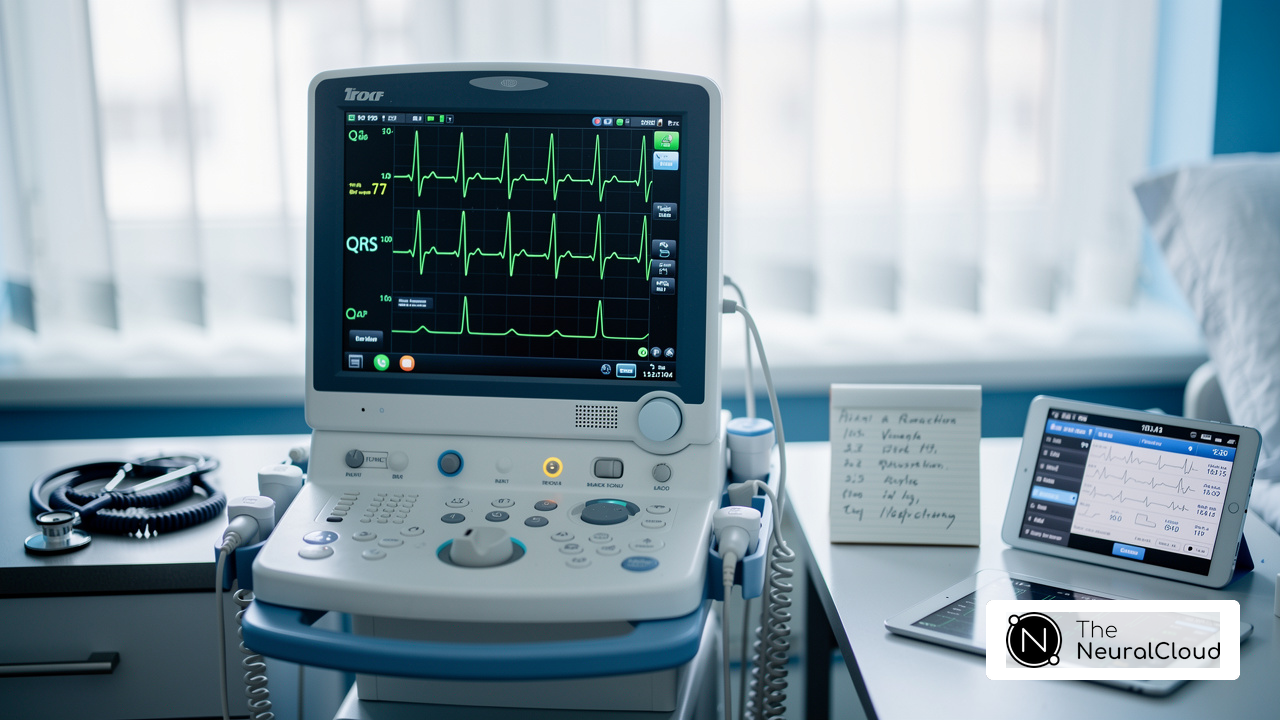
Understanding idioventricular rhythms (IVR) is essential for improving health technology, especially in ECG analysis. IVR is characterized by a ventricular rate below 50 beats per minute and the absence of P waves. These rhythms can signal significant cardiac events, particularly during recovery from myocardial infarction. As developers in health tech work to enhance diagnostic tools, they face challenges in accurately detecting and interpreting these rhythms.
Innovations in AI and automated analysis hold the potential to transform how healthcare professionals manage idioventricular rhythms. By improving detection methods, these technologies can lead to better patient outcomes. The integration of advanced algorithms can streamline ECG analysis, making it more efficient and reliable. Ultimately, this progress could significantly enhance the quality of care provided to patients experiencing IVR.
Define Idioventricular Rhythms: Characteristics and Clinical Significance
IVR are defined by a ventricular rate typically below 50 beats per minute, the absence of P waves, and a QRS duration exceeding 120 milliseconds. While often perceived as benign, IVR occurs when the sinoatrial node, the heart's primary pacemaker, fails, allowing ectopic pacemakers within the ventricles to assume control. This phenomenon is particularly noteworthy during the reperfusion phase after an ischemic event, where IVR can signify the heart's recovery process.
For health tech developers, grasping these characteristics is essential for effective interpretation in ECG analysis. Recent studies highlight that advanced algorithms can greatly enhance the detection of such patterns. For instance, one model achieved a sensitivity of 95% in identifying ST-segment elevation myocardial infarction (STEMI), which frequently coexists with IVR.
Moreover, case studies indicate that IVR is often self-limiting and resolves as the sinus rate increases. This underscores the necessity for accurate data to inform clinical decisions. By integrating these insights into health technology solutions, developers can ensure that healthcare professionals receive reliable data, ultimately improving health outcomes.

Explore Etiology and Pathophysiology of Idioventricular Rhythms
can arise from various factors, including medications, particularly from medications like digoxin and structural heart disease. Idioventricular rhythms occur as a result of the sinoatrial node being suppressed or blocked, which activates latent pacemakers within the ventricles. Myocardial infarction is a common trigger for idioventricular rhythms, particularly in individuals recovering from myocardial infarctions and those undergoing thrombolytic therapy. Additionally, certain medications can exacerbate the condition, highlighting the importance of monitoring patients on specific medications.
Understanding these mechanisms is crucial for developers, as it informs the creation of algorithms that accurately identify the conditions under which idioventricular rhythms occur. Neural Cloud Solutions' MaxYield™ platform addresses these challenges by providing advanced analytics. This platform enhances ECG analysis by mapping signals through noise, isolating and labeling key features in every heartbeat.
Features of MaxYield™:
- Ability to analyze 200,000 heartbeats in under 5 minutes
Advantages for Healthcare Professionals:
- More accurate assessments of IVR conditions
- Creation of tailored treatment plans
MaxYield™ empowers healthcare professionals by enabling timely interventions, ultimately improving patient outcomes. This innovative platform not only streamlines the ECG analysis process but also supports informed decision-making in clinical settings.

Interpret ECG Findings: Identifying Idioventricular Rhythms
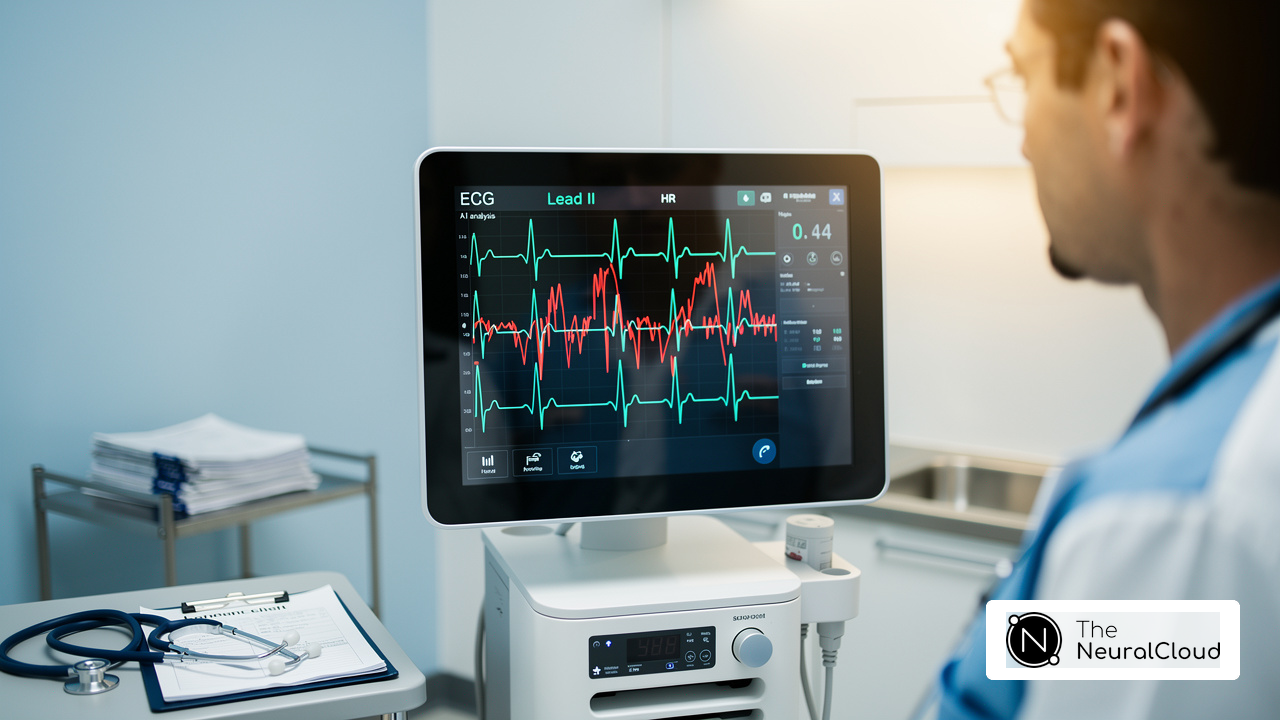
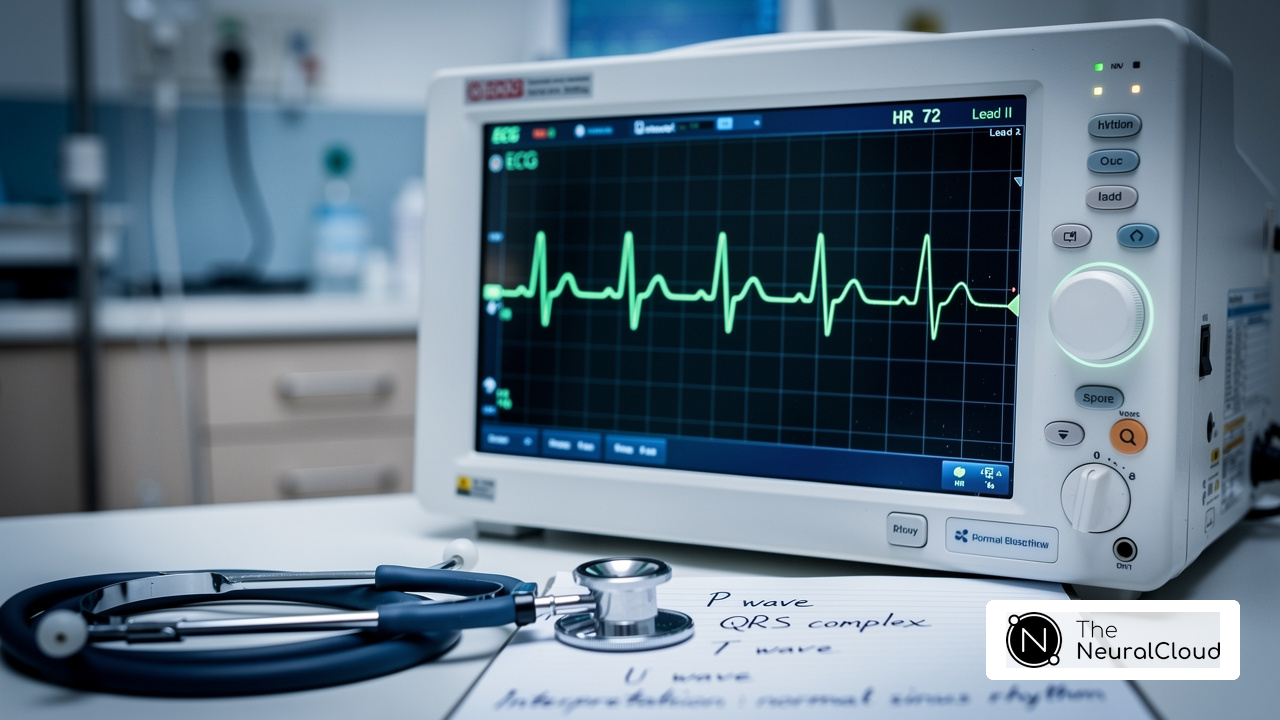
can be challenging. It requires careful observation of specific traits: the absence of P waves, a QRS duration exceeding 0.10 seconds, and a consistent beat typically below 50 bpm. This is where technology comes into play.
Features of technology:
- Automates analysis
- Delivers beat-by-beat insights
- Provides heart rate, QRS complex, and T-wave intervals
With these features, technology enhances the identification of IVR, which is crucial for accurate diagnosis. For instance, an ECG strip showing a consistent pattern of beats without preceding P waves is indicative of idioventricular rhythms. This information is vital for clinicians in their decision-making.
Advantages of Using technology:
- Improved accuracy
- Promotes better outcomes for patients
- Facilitates timely interventions
Recent advancements in ECG technology, particularly through software solutions, have significantly improved the tools available for recognizing these patterns. Research has shown that early detection can lead to timely interventions, ultimately enhancing patient care.
Manage Idioventricular Rhythms: Treatment Approaches and Clinical Considerations
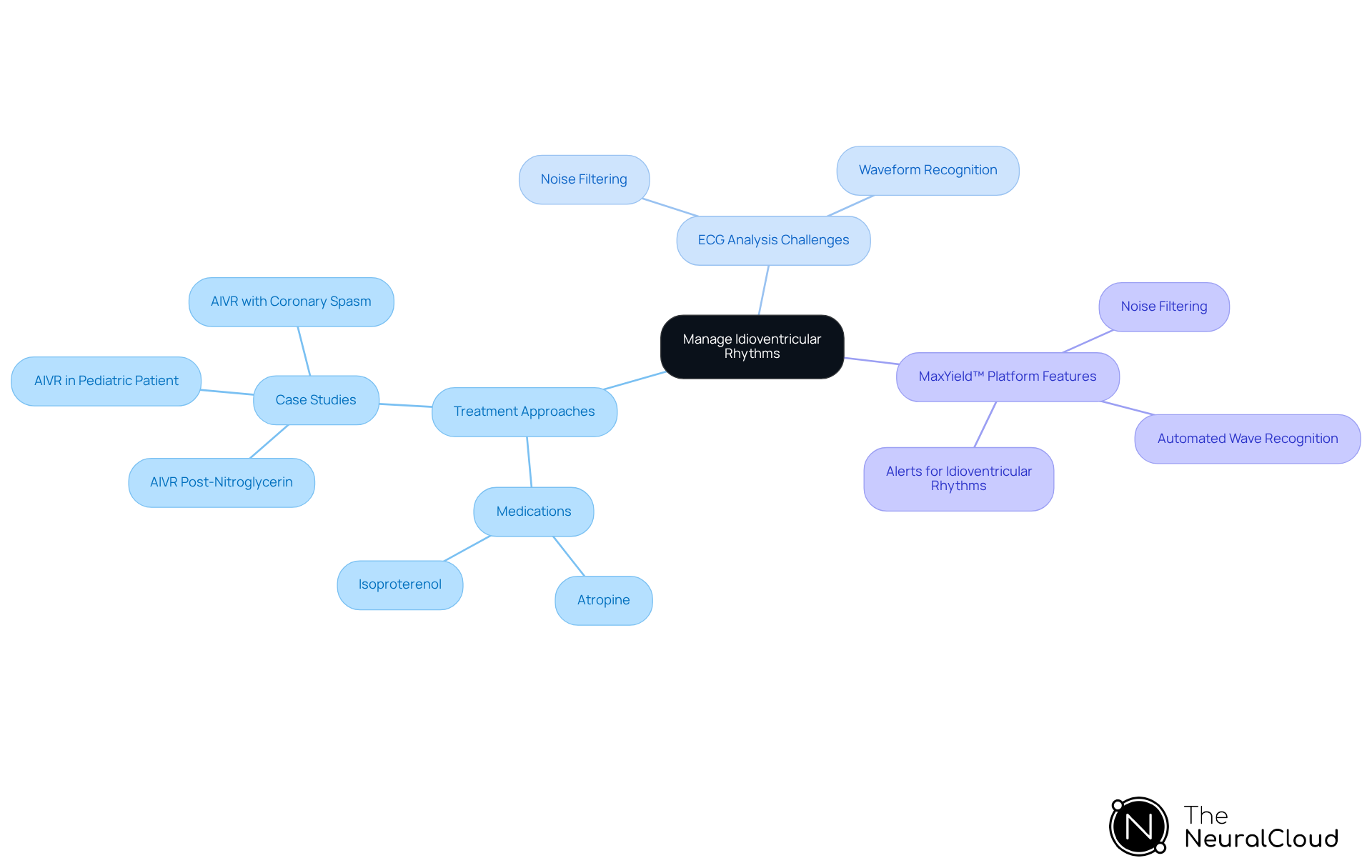
Management of idioventricular rhythms primarily involves addressing the underlying causes, as these rhythms are often benign and self-limiting. In cases where intervention is necessary, treatment options may include medications such as atropine or isoproterenol, particularly for symptomatic individuals or those experiencing hemodynamic instability. For instance, a case study highlighted an individual who developed idioventricular rhythm following a myocardial infarction, which resolved spontaneously without significant complications. This example underscores the typically benign nature of AIVR, especially in the context of myocardial reperfusion.
Healthcare developers face challenges in ECG monitoring, particularly in filtering noise and accurately recognizing waveforms. To address these issues, incorporating advanced algorithms into platforms is essential. Neural Cloud Solutions' MaxYield™ platform offers innovative features. These features significantly enhance ECG analysis by providing clear, clinically acceptable tracings that reduce signal artifacts.
The advantages of the MaxYield™ platform are substantial for healthcare professionals. Key features include:
- Advanced noise filtering that improves signal clarity.
- Automated wave recognition for accurate diagnosis.
- Alerts for the presence of arrhythmias and their associated symptoms.
These features facilitate timely interventions when necessary, ultimately improving patient care. By empowering clinicians to make informed decisions based on real-time data, the platform optimizes clinical workflows and outcomes. Expert testimonials highlight the revolutionary impact of Neural Cloud's AI technology, emphasizing its precision and efficiency in ECG monitoring, which aligns perfectly with the needs of healthcare providers.
Conclusion
Understanding idioventricular rhythms (IVR) is crucial for health tech developers aiming to enhance patient care through advanced diagnostic tools. Recognizing the characteristics and clinical significance of IVR allows developers to create algorithms that improve the detection and classification of these rhythms in ECG analysis. The integration of AI technologies, such as the MaxYield™ platform, exemplifies how these insights can lead to more accurate assessments and timely interventions.
Challenges in ECG Analysis
Identifying idioventricular rhythms on ECGs presents several challenges. Factors such as myocardial ischemia and drug toxicity can complicate the management of IVR. Real-time data is essential for informed clinical decision-making, making it vital to utilize advanced tools that enhance ECG analysis.
Features of the MaxYield™ Platform
The MaxYield™ platform offers several key features that streamline the identification and management of IVR:
- Advanced Algorithms: Improve detection and classification of IVR.
- Real-Time Data Processing: Supports timely clinical decisions.
- User-Friendly Interface: Accessible for both technical and non-technical users.
Advantages for Healthcare Professionals
By leveraging the MaxYield™ platform, healthcare professionals can experience significant benefits:
- Enhanced Accuracy: More precise ECG analysis leads to better patient outcomes.
- Improved Efficiency: Streamlined processes save time and resources.
- Informed Decision-Making: Access to real-time data supports critical clinical choices.
Ultimately, advancements in health technology surrounding idioventricular rhythms underscore the potential for improved patient care and outcomes. Developers are encouraged to leverage these insights to create innovative solutions that enhance the accuracy of ECG analysis and support healthcare professionals in their critical decision-making processes. Embracing these technological innovations will be paramount in addressing the complexities of idioventricular rhythms and advancing health tech development.
Frequently Asked Questions
What are the defining characteristics of idioventricular rhythms (IVR)?
Idioventricular rhythms are characterized by a ventricular rate typically below 50 beats per minute, the absence of P waves, and a QRS duration exceeding 120 milliseconds.
What causes idioventricular rhythms to occur?
IVR occurs when the sinoatrial node, the heart's primary pacemaker, fails, allowing ectopic pacemakers within the ventricles to take control.
In what clinical context is idioventricular rhythm particularly significant?
IVR is particularly noteworthy during the reperfusion phase after an acute myocardial infarction, where it can signify the heart's recovery process.
How can health tech developers utilize the characteristics of IVR?
Health tech developers can use the characteristics of IVR to create algorithms that effectively detect and classify IVR in ECG analysis.
What advancements have been made in AI-based ECG models for detecting IVR?
Recent studies indicate that AI-based ECG models can significantly enhance the detection of IVR patterns, with one model achieving a sensitivity of 92% and specificity of 81% in identifying ST-segment elevation myocardial infarction (STEMI), which often coexists with IVR.
Is idioventricular rhythm usually a long-term condition?
Case studies suggest that IVR is often self-limiting and resolves as the sinus rate increases, highlighting the importance of timely and accurate detection for clinical decisions.
List of Sources
- Define Idioventricular Rhythms: Characteristics and Clinical Significance
- AI-driven ECG improves detection of severe heart attacks (https://news-medical.net/news/20251029/AI-driven-ECG-improves-detection-of-severe-heart-attacks.aspx)
- Accelerated Idioventricular Rhythm (AIVR) (https://litfl.com/accelerated-idioventricular-rhythm-aivr)
- AI-Based ECG Analysis Significantly Improves STEMI Detection, Reduces False Activations - American College of Cardiology (https://acc.org/latest-in-cardiology/articles/2025/10/24/16/56/tues-554pm-ai-tct-2025)
- ajconline.org (https://ajconline.org/article/S0002-9149(99)00892-9/abstract)
- en.wikipedia.org (https://en.wikipedia.org/wiki/Idioventricular_rhythm)
- Explore Etiology and Pathophysiology of Idioventricular Rhythms
- accjournal.org (https://accjournal.org/journal/view.php?number=416)
- Accelerated Idioventricular Rhythm (AIVR) (https://litfl.com/accelerated-idioventricular-rhythm-aivr)
- onlinelibrary.wiley.com (https://onlinelibrary.wiley.com/doi/10.1111/anec.13131)
- What Is Idioventricular Rhythm? (https://icliniq.com/articles/heart-circulatory-health/idioventricular-rhythm)
- Interpret ECG Findings: Identifying Idioventricular Rhythms
- AI-driven ECG improves detection of severe heart attacks (https://news-medical.net/news/20251029/AI-driven-ECG-improves-detection-of-severe-heart-attacks.aspx)
- AI Turns ECGs into Powerful Heart Disease Screening Tool (https://insideprecisionmedicine.com/topics/informatics/ai-turns-ecgs-into-powerful-heart-disease-screening-tool)
- ECG Case Studies | Interpretation & Answers | Geeky Medics (https://geekymedics.com/ecg-case-studies)
- Study Shows Promising Results for ECG Technology (https://dicardiology.com/content/study-shows-promising-results-ecg-technology)
- HeartBeam’s Deep Learning Algorithms Demonstrate High Rates of Accuracy for Detecting Arrhythmias (https://ir.heartbeam.com/news-events/press-releases/detail/102/heartbeams-deep-learning-algorithms-demonstrate-high)
- Manage Idioventricular Rhythms: Treatment Approaches and Clinical Considerations
- pubmed.ncbi.nlm.nih.gov (https://pubmed.ncbi.nlm.nih.gov/33485745)
- accjournal.org (https://accjournal.org/journal/view.php?number=416)
- Accelerated Idioventricular Rhythm (AIVR) (https://litfl.com/accelerated-idioventricular-rhythm-aivr)
- Clinical characteristics and therapeutic strategy of frequent accelerated idioventricular rhythm - BMC Cardiovascular Disorders (https://link.springer.com/article/10.1186/s12872-021-02221-0)