Introduction
Mastering the interpretation of electrocardiograms (ECGs) is essential for health tech developers, particularly as the need for accurate and timely cardiac assessments continues to rise. The challenges in ECG analysis include physiological variability and the complexities of waveform analysis, which can hinder effective interpretation. By adopting systematic practices and leveraging advanced technologies, developers can enhance the reliability of ECG analysis. This improvement not only streamlines the interpretation process but also elevates the standard of care in clinical settings.
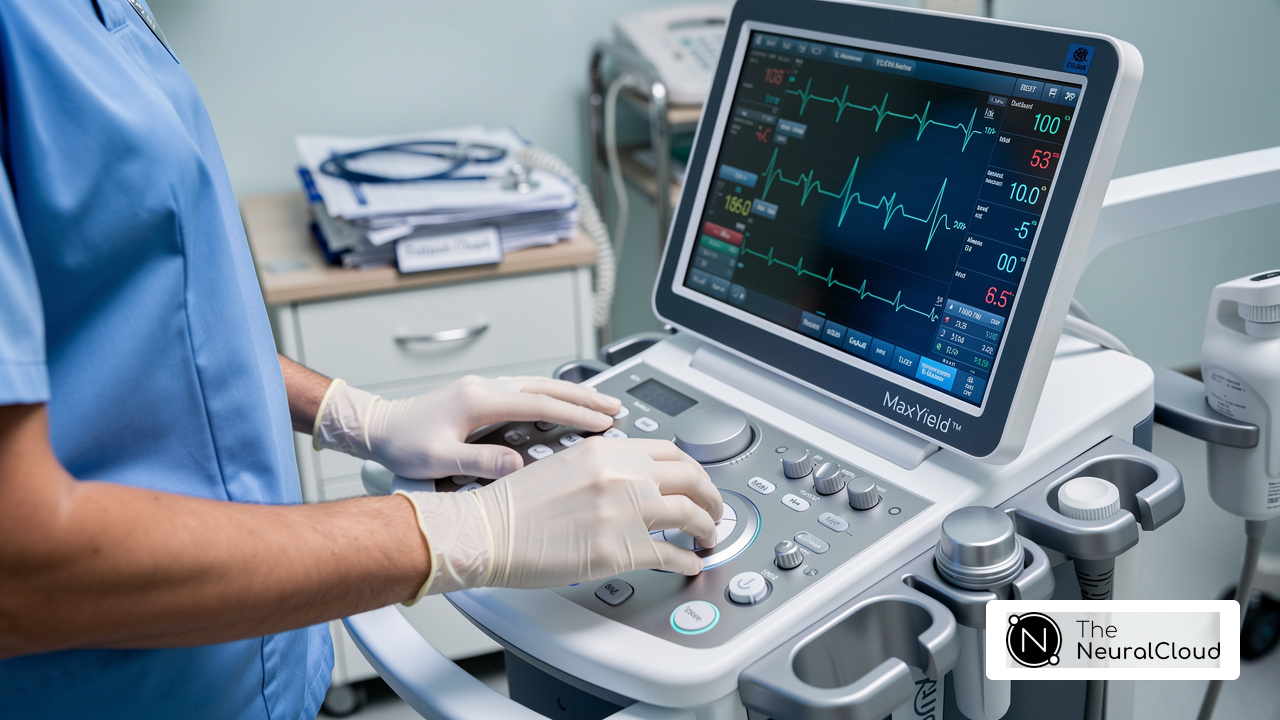
To address these challenges, the MaxYield™ platform offers a range of features designed to improve ECG analysis. These features include:
- Advanced algorithms for waveform analysis
- Real-time data processing
- User-friendly interfaces that facilitate quick decision-making
By utilizing these tools, healthcare professionals can achieve more accurate assessments, leading to better patient outcomes.
The advantages of the MaxYield™ platform extend beyond just improved analysis. With its ability to reduce interpretation time and minimize errors, healthcare providers can focus more on patient care rather than getting bogged down by complex data. This shift not only enhances efficiency but also fosters a higher standard of care, ultimately benefiting both patients and healthcare professionals alike.
Establish a Systematic Approach to ECG Interpretation
To master ECG interpretation, health tech developers should adopt a systematic approach that includes the following steps:
- Begin by verifying the patient's identity and clinical history, as this context is crucial for accurate diagnosis.
- Check ECG Leads: Ensure that the leads are correctly placed and functioning. Misplaced leads can significantly distort readings, leading to potential misinterpretations.
- Calculate Heart Rate: Calculate the heart rate and determine whether the rhythm is regular or irregular. This initial evaluation is essential for interpreting ECG, directing additional examination, and recognizing any immediate issues.
- Evaluate Waveforms: Identify and analyze the P wave, QRS complex, and T wave. Each component provides essential insights into cardiac function and can indicate various conditions.
- Document Observations: Maintain a detailed record of observations, including any abnormalities noted during the analysis process. This documentation is critical for ongoing patient management and communication among healthcare providers.
By following these steps, programmers can create tools that aid in interpreting ECG, enhancing the accuracy of results and ultimately leading to improved patient outcomes.
Utilizing the platform from Neural Cloud Solutions, which employs a Continuous Learning Model, can greatly improve the precision and effectiveness of ECG analysis. This platform addresses challenges such as noise reduction and signal artifacts, ensuring that health tech developers can automate processes and reduce workload while improving accuracy.
For instance, successful implementations of the technology in various healthcare settings have demonstrated its effectiveness in reducing errors. Research shows that advanced tools can lower misreading rates, which are a major issue in clinical environments. By leveraging the technology, healthcare professionals can expect more reliable ECG interpretations, ultimately leading to better patient care.

Identify and Analyze Key ECG Waveforms
is vital for accurate analysis, particularly when understanding the key waveforms, especially when using advanced tools like Neural Cloud Solutions' technology. Here’s a breakdown of how to identify and analyze these waveforms:
- P Wave: This represents atrial depolarization. A normal P wave is small and rounded. Its presence and morphology are key to assessing atrial function. Abnormalities may indicate atrial enlargement or other pathologies.
- QRS Complex: This indicates ventricular depolarization. The width and shape of the QRS complex can provide insights into conduction abnormalities. A narrow QRS suggests normal conduction, while a wide QRS may signal a block or other issues.
- T Wave: This reflects ventricular repolarization. Typically, the T wave should be upright in most leads. Inversions or abnormalities can indicate ischemia or other conditions. For instance, tall T waves may suggest hyperkalemia, while flat or inverted T waves could indicate ischemic heart disease.
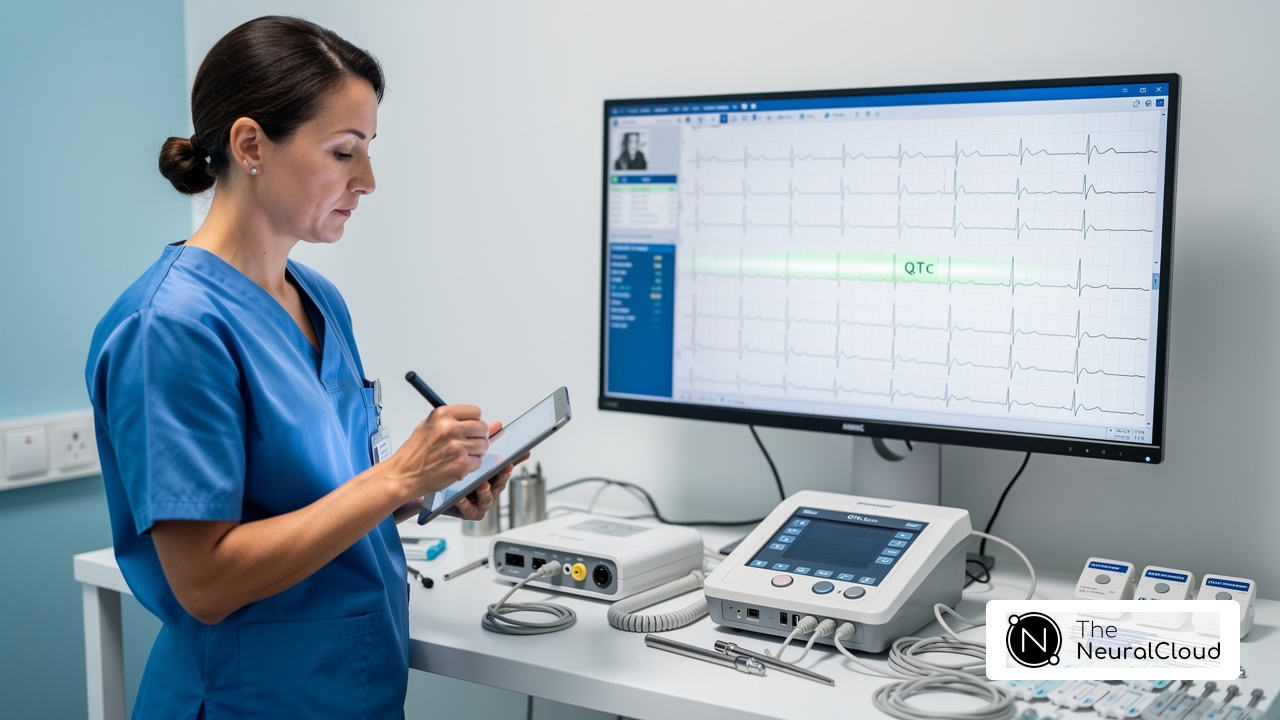
- Intervals: It’s important to measure the PR interval, QRS duration, and QT interval. These measurements offer insights into the heart's electrical conduction system. The QT interval is particularly significant for evaluating proarrhythmic risk, as prolongation can lead to serious arrhythmias.
By focusing on these waveforms, healthcare professionals can leverage MaxYield™'s features to enhance the diagnostic clarity and efficiency of evaluation tools. Moreover, the technology continuously evolves its algorithms with each use, improving accuracy and efficiency, which is essential for effective patient care.

Leverage Advanced Technology for Enhanced ECG Analysis
To enhance ECG analysis, developers face several challenges that can be addressed through advanced technologies. Here are some key features and their benefits:
- AI algorithms: By implementing AI algorithms, ECG waveforms can be automatically detected and classified. This not only reduces the time needed for manual interpretation but also significantly increases accuracy, allowing healthcare professionals to make quicker, more informed decisions.
- Machine learning: Utilizing machine learning enables the system to learn from extensive datasets of ECG readings. Over time, these models improve diagnostic capabilities and adapt to new data, enhancing their predictive power and reliability in clinical settings.
- Signal processing: Advanced signal processing methods, such as wavelet transforms, can effectively filter out noise and artifacts from ECG signals. This results in clearer ECG data, which is crucial for interpreting ECG accurately and for clinical analysis.
- Integration: Ensuring that ECG evaluation tools can seamlessly integrate with various wearable devices allows for the capture of real-time data. This capability facilitates continuous monitoring and timely interventions, ultimately improving patient outcomes.
By leveraging these technologies, programmers can develop robust ECG evaluation tools that provide precise and practical insights, benefiting healthcare providers and enhancing patient care.

Embrace Continuous Learning and Adaptation in ECG Practices
To maintain a competitive edge in health technology, developers should focus on several key strategies:
- Stay Updated with Research: Regularly review the literature. This helps grasp emerging trends and methodologies. For instance, developments like the ECG-LM model have shown promise, highlighting the potential of integrating large language models into ECG analysis.
- Participate in training programs by engaging in workshops, webinars, and courses that focus on ECG interpretation and technological advancements. Continuous education is essential; studies reveal that 71.8% of clinicians have received limited ECG training, emphasizing the need for enhanced educational initiatives. Programs aimed at improving skills have resulted in a significant increase in competency, demonstrating their effectiveness.
- Solicit Feedback: Actively seek insights from healthcare professionals who use your tools. Their feedback is crucial for guiding enhancements and ensuring that your products effectively meet clinical needs. Engaging with users fosters a collaborative environment that can lead to innovative improvements.
- Iterate on Technology: Regularly update and refine algorithms and software based on new findings and user feedback. By utilizing Neural Cloud Solutions' resources, programmers can ensure that their tools improve with each use, enhancing precision and effectiveness in diagnostic yield.
By fostering a culture of continuous learning and adaptation, developers can significantly enhance their tools. This ultimately contributes to better patient outcomes and more efficient clinical workflows.

Conclusion
Mastering ECG interpretation is crucial for health tech developers who want to boost diagnostic accuracy and improve patient outcomes. By following a systematic approach that includes:
- Verifying patient details
- Ensuring proper lead placement
- Assessing heart rate and rhythm
- Evaluating waveforms
- Documenting findings
developers can create more effective ECG evaluation tools. This structured methodology minimizes misinterpretations and provides healthcare professionals with reliable data for informed decision-making.
Key insights highlight the significant role of advanced technologies like artificial intelligence and machine learning in streamlining ECG analysis. These innovations enable:
- Automatic waveform detection
- Enhanced diagnostic capabilities
- Clarified ECG signals
Moreover, the importance of continuous learning and adaptation in ECG practices is paramount; staying updated with the latest research and collaborating with healthcare professionals can greatly improve the effectiveness of ECG tools.
Ultimately, adopting these best practices and utilizing advanced technologies will refine ECG interpretation and promote better patient care. By committing to ongoing education and iterative improvements, health tech developers can ensure their ECG analysis tools are precise and responsive to the evolving needs of the healthcare landscape. This proactive approach is essential for advancing clinical outcomes and ensuring that patients receive the highest standard of care.
Frequently Asked Questions
What is the first step in a systematic approach to ECG interpretation?
The first step is to confirm the patient's details by verifying their identity and clinical history, as this context is crucial for accurate ECG analysis.
Why is it important to check ECG leads?
It is important to check ECG leads to ensure they are correctly placed and functioning, as misplaced leads can significantly distort readings and lead to potential misinterpretations.
How do you assess heart rate and rhythm in ECG interpretation?
To assess heart rate and rhythm, you calculate the heart rate and determine whether the rhythm is regular or irregular. This initial evaluation is essential for interpreting ECG and recognizing any immediate issues.
What waveforms should be evaluated during ECG interpretation?
During ECG interpretation, you should identify and analyze the P wave, QRS complex, and T wave, as each component provides essential insights into cardiac function and can indicate various conditions.
Why is documentation important in ECG interpretation?
Documentation is important because it maintains a detailed record of observations, including any abnormalities noted during the analysis process. This is critical for ongoing patient management and communication among healthcare providers.
How can the MaxYield™ platform improve ECG analysis?
The MaxYield™ platform can improve ECG analysis by employing a Continuous Learning Model that addresses challenges such as physiological variability and signal artifacts, ensuring automated processes and reduced workload while providing clearer ECG signals for better diagnostic clarity.
What benefits have been observed from using the MaxYield™ platform in healthcare settings?
Successful implementations of the MaxYield™ platform in various healthcare settings have demonstrated its effectiveness in enhancing diagnostic accuracy and reducing misinterpretation rates, leading to more reliable ECG interpretations and better patient care.
What impact does a systematic method have on ECG interpretation?
A systematic method in interpreting ECG analysis can lower misreading rates, which are a major issue in clinical environments, ultimately improving the accuracy of diagnoses and patient outcomes.
List of Sources
- Establish a Systematic Approach to ECG Interpretation
- pubmed.ncbi.nlm.nih.gov (https://pubmed.ncbi.nlm.nih.gov/25701104)
- New study finds AI model improves heart attack detection (https://health.ucdavis.edu/news/headlines/new-study-finds-ai-model-improves-heart-attack-detection/2025/11)
- sciencedirect.com (https://sciencedirect.com/science/article/pii/S1058981324000365)
- New AI approach set to revolutionize ECG data interpretation in heart disease diagnosis (https://news-medical.net/news/20250219/New-AI-approach-set-to-revolutionize-ECG-data-interpretation-in-heart-disease-diagnosis.aspx)
- viz.ai (https://viz.ai/news/cms-reimbursement-pathway-for-hcm)
- Identify and Analyze Key ECG Waveforms
- linkedin.com (https://linkedin.com/posts/khalpey-ai_ecg-cardiology-artificialintelligence-activity-7408823623337095169-i9ip)
- Checking your browser - reCAPTCHA (https://pmc.ncbi.nlm.nih.gov/articles/PMC11929567)
- Decoding the Heart: What Is an ECG? (https://visiblebody.com/blog/decoding-the-heart-what-is-an-ecg)
- About ECG waveform analysis - Kubios HRV (https://kubios.com/blog/about-ecg-waveform-analysis)
- Embrace Continuous Learning and Adaptation in ECG Practices
- gehealthcare.com (https://gehealthcare.com/middle-east/insights/article/the-future-of-algorithms-for-ecg-interpretation-what-new-research-shows?srsltid=AfmBOopixcRkRv4iZ_qtKs9f_IF191mhQ9GDdMR0idjJ6YJYyONn0t2t)
- New AI approach set to revolutionize ECG data interpretation in heart disease diagnosis (https://news-medical.net/news/20250219/New-AI-approach-set-to-revolutionize-ECG-data-interpretation-in-heart-disease-diagnosis.aspx)
- Study Shows Promising Results for ECG Technology (https://dicardiology.com/content/study-shows-promising-results-ecg-technology)
- Smartwatches Help Detect Hidden Dangerous Heart Rhythm Problems, Clinical Trial Finds (https://usnews.com/news/health-news/articles/2026-01-23/smartwatches-help-detect-hidden-dangerous-heart-rhythm-problems-clinical-trial-finds)
- New study finds AI model improves heart attack detection (https://health.ucdavis.edu/news/headlines/new-study-finds-ai-model-improves-heart-attack-detection/2025/11)