Introduction
In the realm of cardiac care, the accurate interpretation of inferior infarct ECGs is crucial for timely and effective patient management. Myocardial infarction remains a leading cause of mortality worldwide, making the demand for innovative solutions that enhance diagnostic accuracy increasingly urgent. This article explores the transformative capabilities of Neural Cloud Solutions' MaxYield™ platform, which utilizes advanced AI and automation to streamline ECG analysis, reduce diagnostic errors, and ultimately improve clinical outcomes. Healthcare professionals can harness these cutting-edge tools to navigate the complexities of inferior infarct ECG interpretation, ensuring better patient care.
Neural Cloud Solutions' MaxYield™: Transforming ECG Analysis for Inferior Infarcts
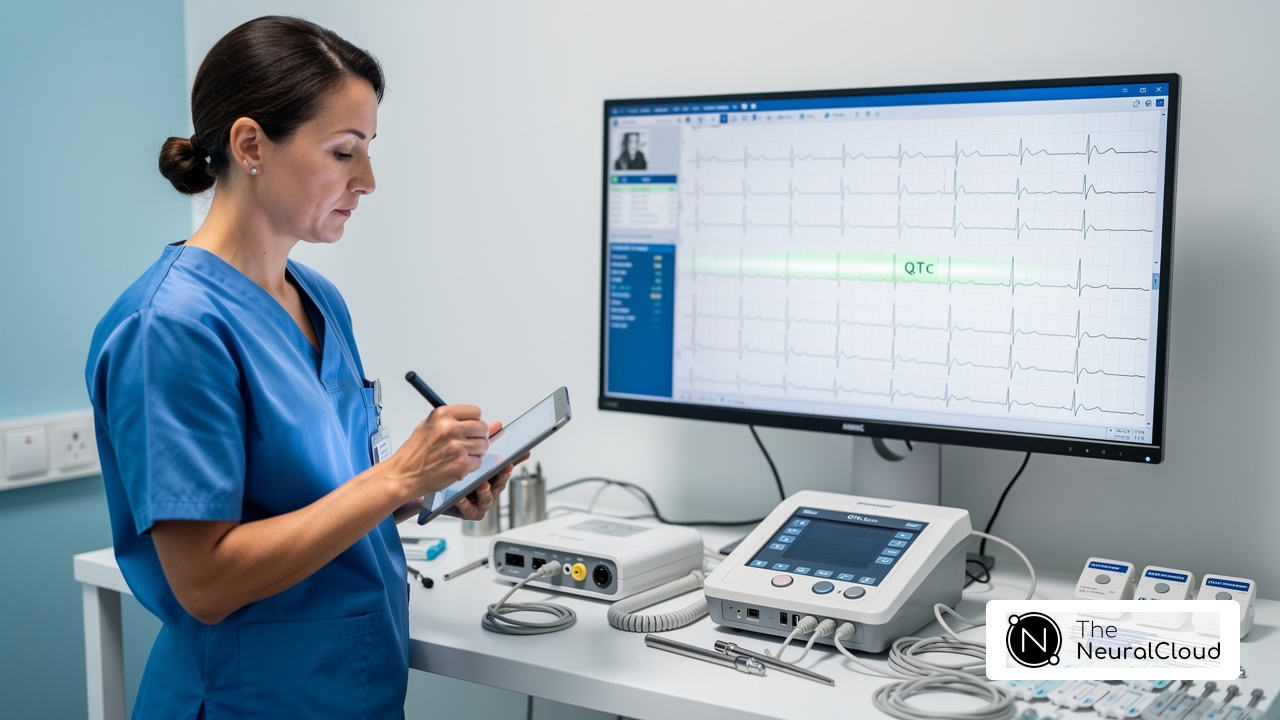
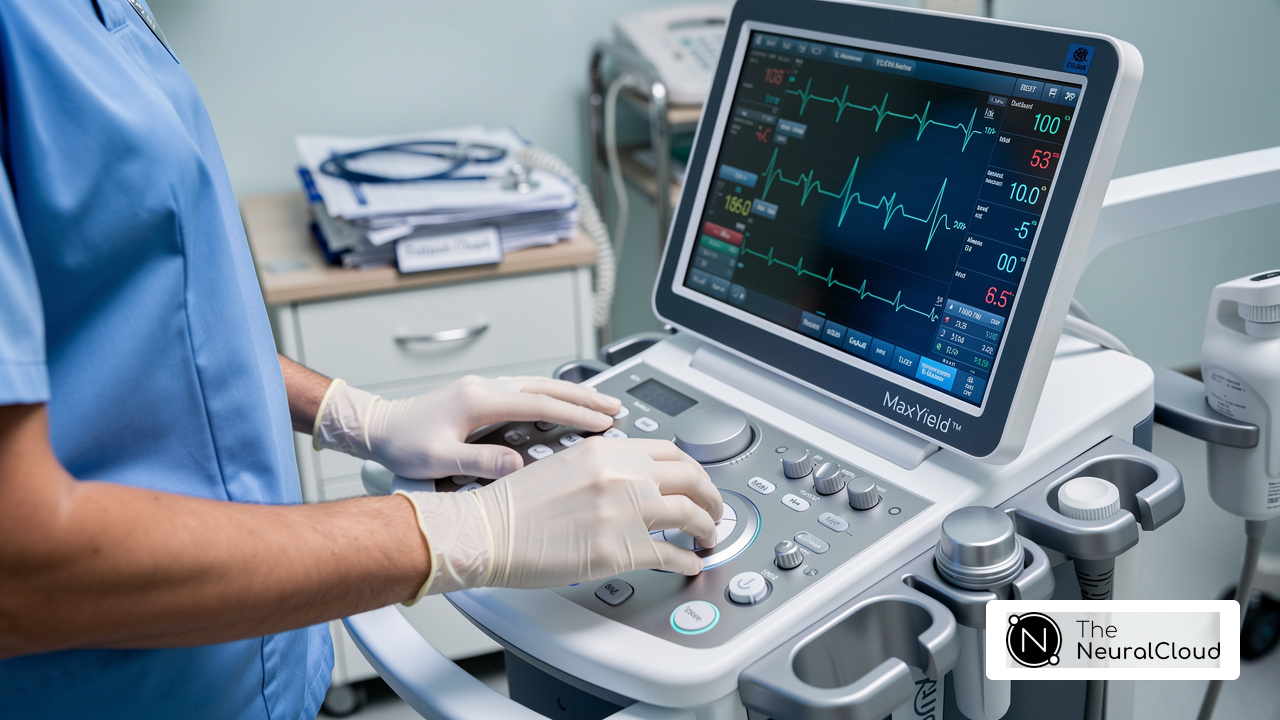
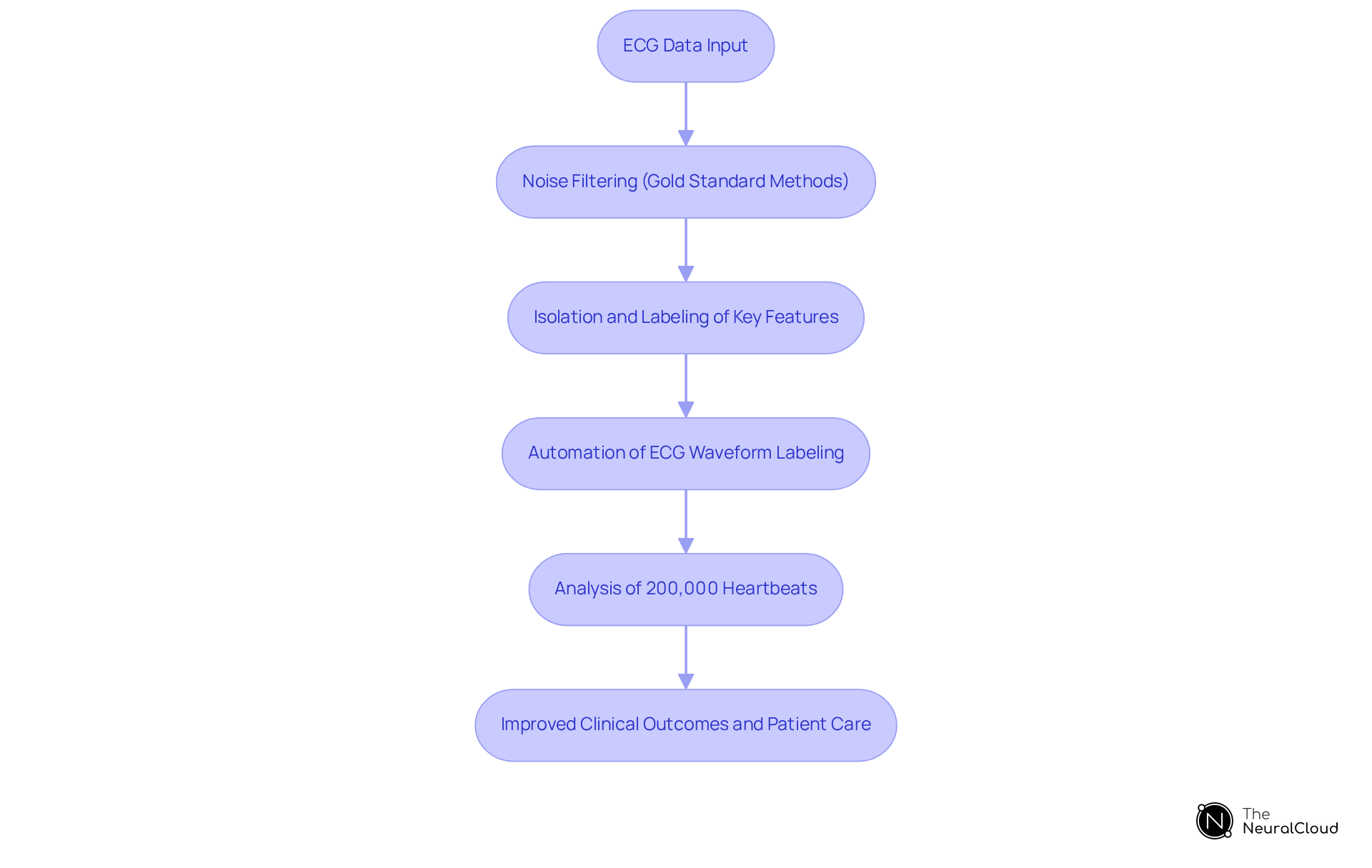
Neural Cloud Solutions' system is at the forefront of transforming ECG analysis through its technology, particularly in the recognition and tagging of vital cardiac characteristics essential for detecting inferior infarcts. By utilizing advanced algorithms, MaxYield™ enhances workflow efficiency, allowing clinicians to focus on high-level decision-making instead of labor-intensive manual tasks.
The system employs machine learning techniques to effectively isolate and label key features in each heartbeat, while eliminating noise and artifacts, including motion artifacts and non-physiological noise that often obscure authentic ECG signals. This innovative platform can analyze over 200,000 heartbeats in under five minutes, enabling healthcare professionals to interpret ECG data swiftly and accurately. Such efficiency is critical for improving outcomes, ultimately leading to better diagnosis and patient care.
Furthermore, this system is designed for integration with various devices, including mobile and wearable devices, making it a versatile solution for healthcare providers. With its adaptive algorithm that evolves with each use, this system continuously improves, addressing challenges in ECG analysis and ensuring that even in recordings with high levels of noise and artifact, accurate interpretations are achieved.
Recognize Key ECG Patterns: Identifying Inferior Myocardial Infarction
Key ECG patterns indicative of inferior myocardial infarction include in leads II, III, and aVF, accompanied by reciprocal changes in leads I and aVL. These patterns signal the need for immediate intervention. With an American dying from MI every 60 seconds, underscoring the urgency of timely diagnosis. These challenges in ECG interpretation highlight the necessity for tools that can streamline the diagnostic process.
The MaxYield platform addresses these challenges by automating the tagging of essential attributes in ECG readings. This automation allows clinicians to concentrate on critical decision-making rather than labor-intensive manual evaluation. The platform enhances the speed of diagnosis and improves the accuracy of ECG interpretations, enabling clinicians to respond effectively to cardiac events. Testimonials from cardiologists emphasize the platform's effectiveness in recognizing inferior myocardial infarction, reinforcing its value in clinical practice.
Moreover, this system skillfully tackles diagnostic delays. By offering a thorough solution, it empowers healthcare providers to provide prompt and knowledgeable care for individuals undergoing an inferior myocardial infarction. The integration of advanced AI technology within the platform represents a significant advancement in the field, ultimately leading to better patient outcomes.
Avoid Diagnostic Pitfalls: Common Mistakes in Inferior Infarct ECG Interpretation
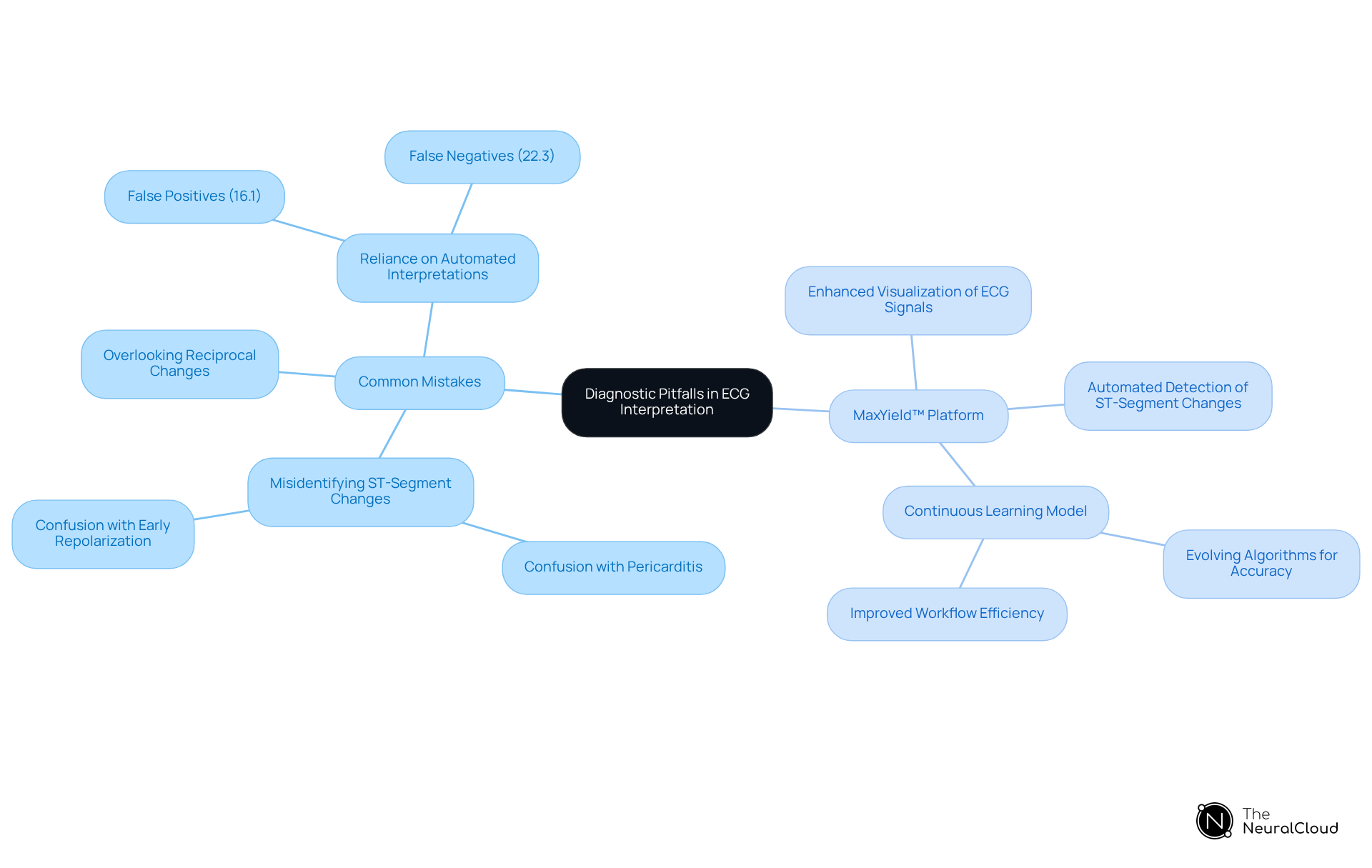
Interpreting ECGs often presents challenges. These changes can easily be confused with conditions such as pericarditis or early repolarization. Additionally, overlooking reciprocal changes in the inferior leads can lead to misdiagnosis, complicating the management of patients. The MaxYield™ platform addresses these challenges effectively by automating the identification of critical ECG features and enhancing signal clarity.
This advanced technology allows healthcare professionals to concentrate on patient care, thereby reducing the likelihood of misinterpretation. By streamlining the analysis process, MaxYield™ improves overall diagnostic confidence, which is crucial for effective patient management. The platform not only helps in identifying potential issues but also empowers clinicians to make informed decisions with greater ease.
Key features of the MaxYield™ platform include:
These features provide significant advantages, such as improving diagnostic accuracy and minimizing the chances of oversight. Ultimately, the benefits of using MaxYield™ extend to better patient outcomes and more efficient healthcare delivery.
Consider Clinical Context: Enhancing ECG Interpretation for Inferior Infarcts
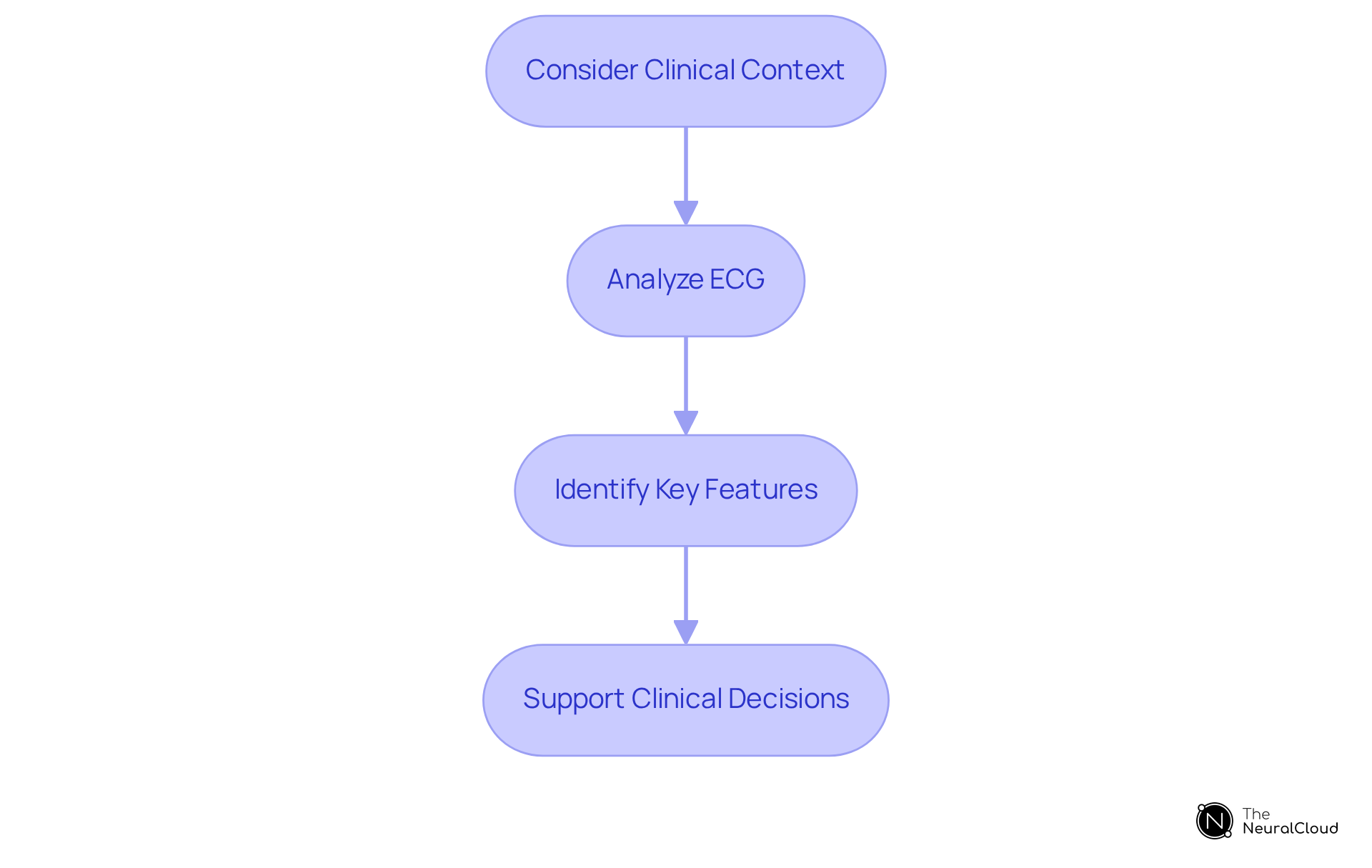
Interpreting inferior infarct ECG for myocardial infarction presents several challenges, particularly when considering the individual’s clinical context, including symptoms, medical history, and risk factors. For example, a patient with a history of coronary artery disease may exhibit different presentation compared to a younger, healthier individual. This section addresses these challenges by providing insights. This enhancement allows clinicians to effectively correlate ECG findings with clinical information.
The system features advanced algorithms and the capability to analyze 200,000 heartbeats in under five minutes. These capabilities support the identification of key features such as the P-wave, QRS complex, and T-wave. By streamlining the analysis process, this system ultimately aids in supporting accurate diagnoses.
The advantages of utilizing advanced technology are significant for healthcare professionals. Clinicians benefit from improved accuracy, leading to better patient outcomes. The integration of automated analysis not only saves time but also enhances the overall efficiency of clinical workflows. With these tools, healthcare providers can make informed decisions more swiftly, ensuring optimal patient care.
Leverage Advanced Diagnostics: AI and Machine Learning in Inferior Infarct ECG Analysis
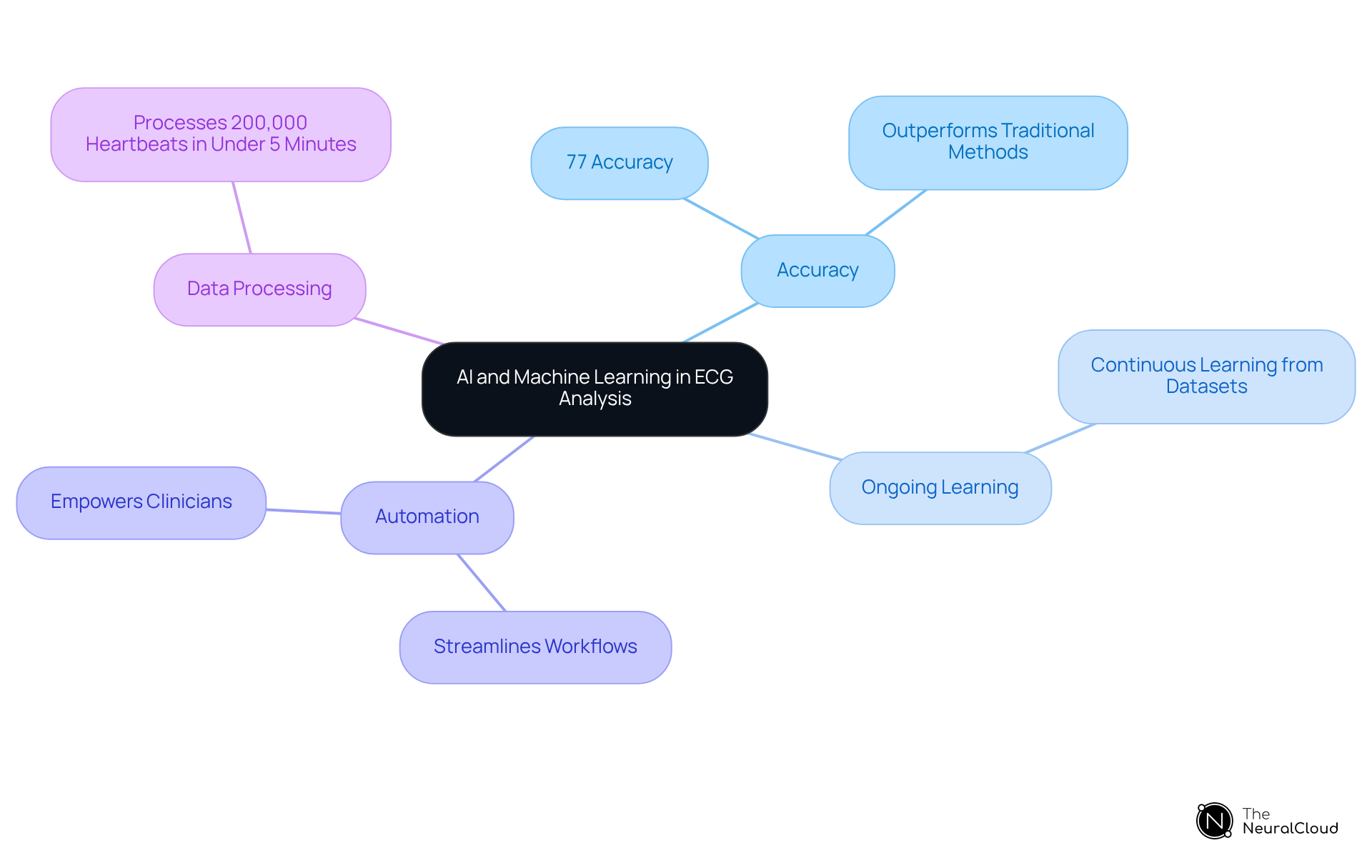
AI and machine learning are essential tools. The system utilizes algorithms that continuously learn from extensive datasets, enhancing its capability to detect subtle variations in ECG signals. This ongoing learning process positions the system at the forefront of medical technology, offering clinicians insights that can significantly influence patient outcomes.
Recent studies demonstrate that AI systems can identify inferior myocardial infarctions with an accuracy of 77%, outperforming traditional methods. As advancements in AI technology progress, particularly for inferior infarct ECG, the integration of these technologies streamlines workflows by automating repetitive tasks and empowers healthcare professionals to make swift, informed decisions, ultimately improving patient care.
The system is highly adaptable, allowing seamless data capture from various ECG devices, and processes over 200,000 heartbeats in under five minutes, enhancing both the speed and quality of diagnosis.
Prioritize Continuous Education: Training for Accurate Inferior Infarct ECG Recognition
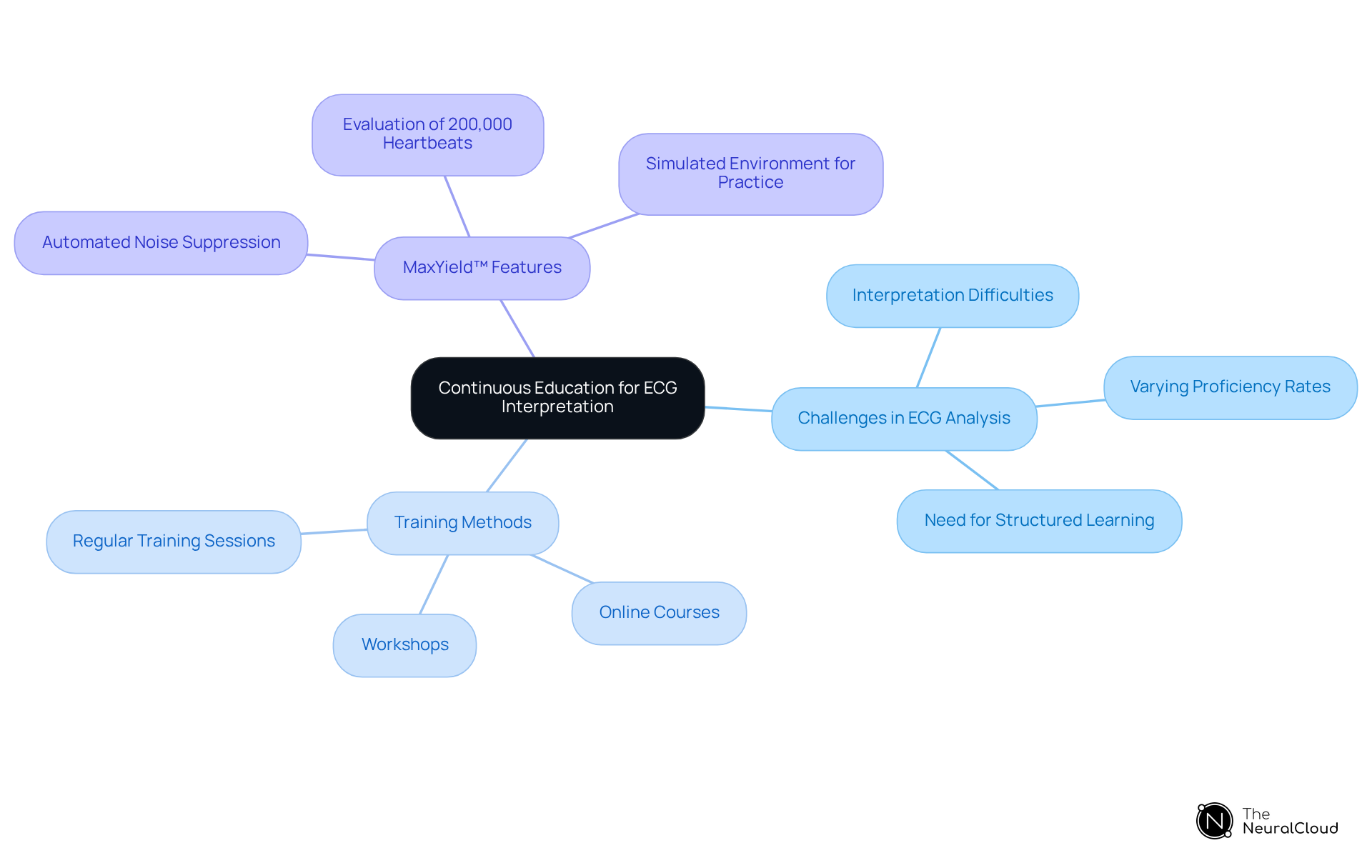
Healthcare professionals face significant challenges in ECG interpretation, particularly when interpreting conditions like those related to myocardial infarction. To address these challenges, continuous education is vital. It enables clinicians to stay informed about the latest advancements in ECG technology and interpretation techniques.
The MaxYield™ platform offers sophisticated features that enhance ECG analysis. It provides automated noise suppression and the capability to analyze complex data. These features not only streamline the assessment process but also serve as a valuable training resource for healthcare professionals.
By utilizing the MaxYield™ platform, professionals can practice and refine their skills in a simulated environment. This platform transforms noisy recordings into detailed insights, allowing for more accurate diagnoses. As a result, clinicians can make confident clinical decisions based on high-quality data.
In summary, prioritizing continuous education and utilizing advanced tools equips healthcare professionals with the tools necessary for accurate ECG interpretation. This approach ultimately leads to improved patient outcomes and enhanced overall healthcare delivery.
Integrate ECG Tools: Streamlining Inferior Infarct Diagnosis in Clinical Practice
Incorporating advanced ECG tools into clinical practice helps to address the challenges of diagnosing inferior infarcts. The automation system, which significantly reduces the time healthcare providers spend on manual interpretation. This leads to faster decision-making and improved patient outcomes. The system is capable of analyzing 200,000 heartbeats in under five minutes, allowing for seamless integration with existing clinical workflows and facilitating a smooth transition to advanced diagnostics.
This automation not only streamlines the identification of critical ECG features, such as ST-segment elevation, but also incorporates machine learning algorithms. As a result, clinicians receive precise and actionable data. Consequently, healthcare professionals can make informed decisions, maximizing diagnostic yield and optimizing resource allocation within their practices.
For practical applications, user manuals and use cases provide clear illustrations of how the ECG tools can be effectively utilized across various clinical settings. This ensures that all healthcare providers, regardless of their technical expertise, can leverage the platform's capabilities to enhance patient care.
Understand Patient Demographics: Influencing Factors in Inferior Infarct ECG Interpretation
Patient demographics, including age, gender, and ethnicity, significantly influence the interpretation of ECG results. Research shows that women frequently display different symptoms than men, which can result in misdiagnosis if not adequately acknowledged.
For example, studies indicate that women may present atypically during myocardial infarctions, underscoring the need for a tailored approach. The analysis enhances this understanding by delivering critical insights, thus improving diagnostic accuracy.
By utilizing advanced technology, MaxYield™ allows clinicians to focus on these nuances, ultimately leading to better patient outcomes.
Foster Interdisciplinary Collaboration: Improving Care for Inferior Infarct Patients
among cardiologists, nurses, and technicians is essential for experiencing an effective collaboration. Effective teamwork guarantees thorough attention to individual needs, from precise ECG interpretation to prompt treatment interventions. The technology plays a crucial role in this process by enhancing communication and enabling data sharing among team members. For instance, its ability to process over 200,000 heartbeats in under five minutes allows healthcare providers to quickly identify abnormalities, leading to more informed decision-making.
The system's features significantly improve workflow, providing healthcare teams with the tools necessary for efficient patient care. Testimonials from healthcare teams highlight the platform's influence on enhancing management of individuals, especially in complicated situations where prompt and precise information is essential. By promoting a cooperative atmosphere and employing sophisticated resources, healthcare teams can significantly improve the care provided to patients with inferior infarcts.
In summary, the system not only streamlines communication among team members but also empowers healthcare professionals with rapid and accurate data analysis, ultimately enhancing patient outcomes.
Support Ongoing Research: Advancements in ECG Technology for Inferior Infarcts
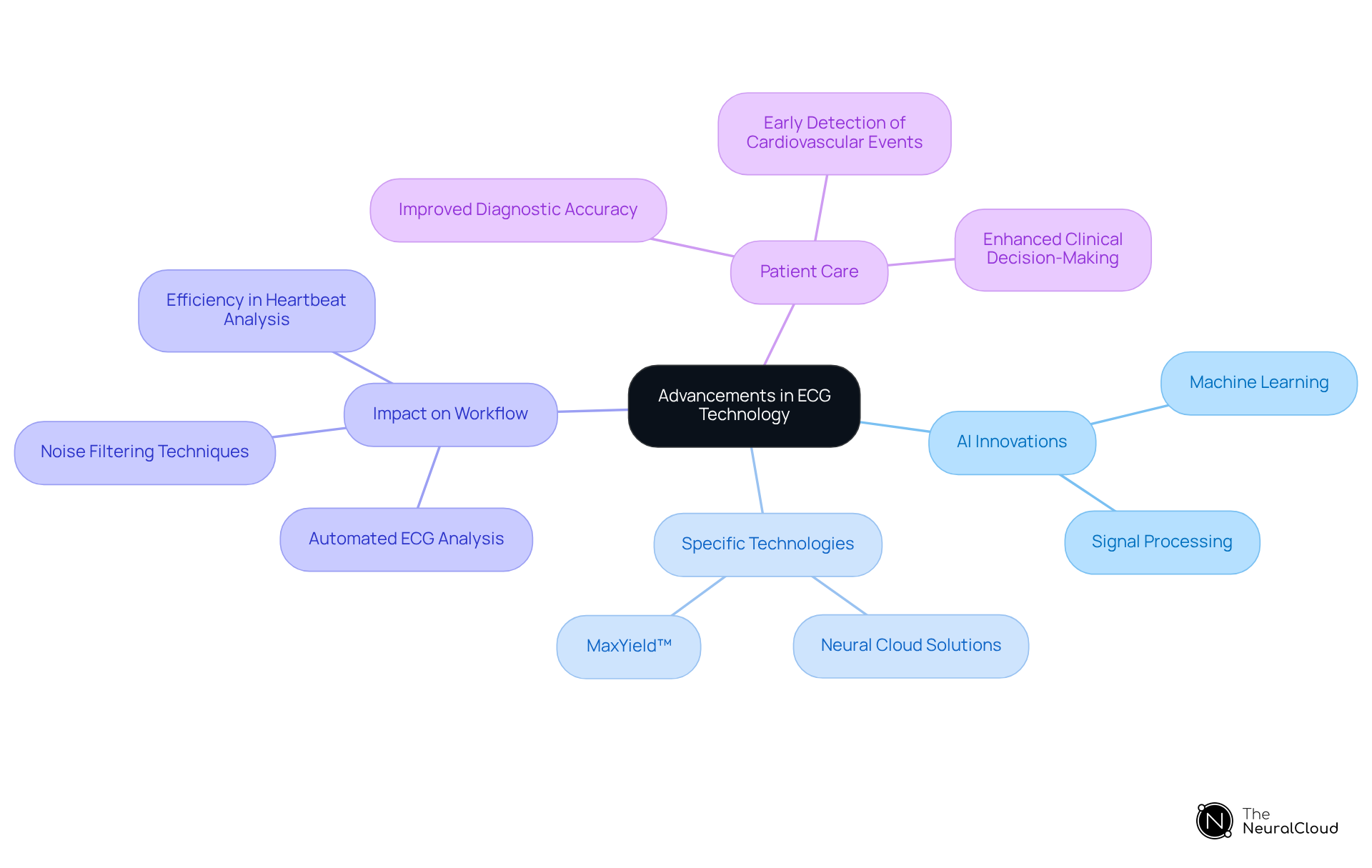
Supporting ongoing research in ECG technology is essential for advancing the field and improving patient outcomes. Innovations in AI, machine learning, and signal processing lead to new methodologies that enhance diagnostic accuracy. For instance, the MaxYield platform exemplifies this innovation by integrating advanced algorithms and employing real-time data analysis. This device-agnostic technology enables healthcare providers to analyze 200,000 heartbeats in less than 5 minutes, significantly enhancing clarity and efficiency.
A recent study highlighted that AI paired with ECG technology can predict arrhythmias up to an hour before they occur, achieving sensitivity levels over 90%, similar to hospital-grade monitors. By investing in research initiatives, such as the project at UT Tyler funded by the National Science Foundation to enhance EKG diagnostics, healthcare professionals contribute to the development of cutting-edge technologies like MaxYield™, which supports confident clinical decision-making through automated signal labeling and analysis.
Dr. Laurent Fiorina emphasizes that "developing new AI models to detect cardiovascular conditions is crucial for enhancing health outcomes." This commitment fosters innovation and directly benefits patient care and outcomes, ensuring that clinicians have access to the most reliable diagnostic tools available. The MaxYield technology not only improves ECG analysis but also provides healthcare professionals with actionable insights, ultimately enhancing patient care.
Conclusion
The exploration of advanced ECG interpretation techniques for inferior infarcts underscores the transformative potential of cutting-edge technology in clinical practice. The MaxYield™ platform from Neural Cloud Solutions exemplifies how automation and AI enhance diagnostic accuracy, streamline workflows, and ultimately improve patient care. By concentrating on key ECG patterns, addressing common diagnostic pitfalls, and integrating comprehensive clinical context, healthcare professionals are better equipped to respond effectively to myocardial infarction cases.
Critical insights throughout the article emphasize the importance of recognizing specific ECG changes, such as ST-segment elevations, alongside the necessity for continuous education and training in ECG interpretation. The platform’s capability to analyze vast amounts of data rapidly while minimizing noise and artifacts empowers clinicians to make informed decisions with confidence. Furthermore, fostering interdisciplinary collaboration ensures that teams can leverage these tools to provide comprehensive care for patients experiencing inferior infarct ECGs.
As advancements in ECG technology continue to evolve, it is essential for healthcare professionals to remain informed about these developments and incorporate them into their practice. Embracing tools like MaxYield™ not only enhances diagnostic capabilities but also supports ongoing research and innovation in the field. The commitment to improving ECG interpretation through education, collaboration, and technology ultimately leads to better outcomes for patients, reinforcing the critical role of accurate and timely diagnosis in cardiac care.
Frequently Asked Questions
What is Neural Cloud Solutions' MaxYield™?
MaxYield™ is an advanced ECG analysis system that automates the recognition and tagging of vital cardiac characteristics, particularly for detecting inferior infarct ECGs, enhancing workflow efficiency for healthcare professionals.
How does MaxYield™ improve ECG analysis?
The system automates the labeling of ECG waveforms, employs gold standard noise filtering methods, and can analyze over 200,000 heartbeats in under five minutes, allowing for swift and accurate interpretation of ECG data.
What are the key ECG patterns indicative of inferior myocardial infarction?
Key patterns include ST-segment elevation in leads II, III, and aVF, along with reciprocal changes in leads I and aVL, which signal the need for immediate medical intervention.
Why is timely diagnosis of inferior myocardial infarction critical?
Myocardial infarction accounts for over 15% of annual global mortality, with a significant number of deaths occurring every minute, highlighting the urgency for quick and accurate diagnosis.
What common mistakes occur in the interpretation of inferior infarct ECGs?
Common pitfalls include misidentifying ST-segment changes and overlooking reciprocal changes, which can lead to missed diagnoses and complicate patient management.
How does MaxYield™ help avoid diagnostic pitfalls?
MaxYield™ automates the identification of critical ECG features and enhances signal clarity, allowing healthcare professionals to focus on accurate interpretations and reducing the likelihood of misinterpretation.
What are the benefits of using MaxYield™ for healthcare professionals?
The platform reduces cognitive load, minimizes oversight, enhances diagnostic confidence, and ultimately leads to improved patient outcomes and more efficient healthcare delivery.
Can MaxYield™ be integrated into various clinical environments?
Yes, MaxYield™ is designed for seamless integration into mobile and wearable devices, making it a versatile solution for healthcare providers.
How does the adaptive algorithm of MaxYield™ work?
The adaptive algorithm evolves with each use, continuously enhancing diagnostic yield and ensuring that critical data is identified even in recordings with high levels of noise and artifact.
List of Sources
- Neural Cloud Solutions' MaxYield™: Transforming ECG Analysis for Inferior Infarcts
- AIML Subsidiary Neural Cloud Signs LOI with Circular Health to License MaxYield(TM) ECG Signal Processing (https://finance.yahoo.com/news/aiml-subsidiary-neural-cloud-signs-110000257.html)
- aiml.health (https://aiml.health/press-release/aiml-strengthens-ip-portfolio-with-provisional-patents-for-ai-driven-ecg-signal-processing)
- Revolutionary AI-Powered ECG Platform MaxYield Seeks FDA Clearance: What This Means for Digital Health (https://stocktitan.net/news/AIMLF/aiml-hits-key-regulatory-benchmark-with-510-k-filing-for-max-yield-mj718ol7q93m.html)
- wjbf.com (https://wjbf.com/business/press-releases/accesswire/1028022/aiml-hits-key-regulatory-benchmark-with-510k-filing-for-maxyieldtm-signal-enhancement-platform)
- morningstar.com (https://morningstar.com/news/accesswire/1034743msn/aiml-subsidiary-neural-cloud-signs-loi-with-circular-health-to-license-maxyieldtm-ecg-signal-processing)
- Recognize Key ECG Patterns: Identifying Inferior Myocardial Infarction
- aging.networkofcare.org (https://aging.networkofcare.org/sanmateo/CommunityResources/ClinicalTrials/Detail/NCT03387280?keyword=%22Electrocardiogram%22)
- intechopen.com (https://intechopen.com/chapters/59778)
- AI Shows Promise in Detecting Type 1 MI and Need for Revascularization (https://tctmd.com/news/ai-shows-promise-detecting-type-1-mi-and-need-revascularization)
- pmc.ncbi.nlm.nih.gov (https://pmc.ncbi.nlm.nih.gov/articles/PMC10111456)
- ahajournals.org (https://ahajournals.org/doi/10.1161/01.CIR.102.17.2038)
- Avoid Diagnostic Pitfalls: Common Mistakes in Inferior Infarct ECG Interpretation
- Common Errors in ECG Interpretation – That Can Easily Be Corrected » Mayo Clinic Cardiac Monitoring (https://cardiovascularservices.mayoclinic.com/2024/05/14/common-errors-in-ecg-interpretation-that-can-easily-be-corrected)
- Frontiers | The most common errors in automatic ECG interpretation (https://frontiersin.org/journals/physiology/articles/10.3389/fphys.2025.1590170/full)
- pmc.ncbi.nlm.nih.gov (https://pmc.ncbi.nlm.nih.gov/articles/PMC5468064)
- news.weill.cornell.edu (https://news.weill.cornell.edu/news/2005/08/computerized-electrocardiogram-rhythm-errors-common-newyork-presbyterianweill-cornell-study-finds)
- products-unlimited.com (https://products-unlimited.com/common-mistakes-in-ecg-interpretation-and-how-to-avoid-them)
- Consider Clinical Context: Enhancing ECG Interpretation for Inferior Infarcts
- Spotlight on early detection of 3 heart diseases using ECG-AI - Mayo Clinic News Network (https://newsnetwork.mayoclinic.org/discussion/spotlight-on-early-detection-of-3-heart-diseases-using-ecg-ai)
- AI-powered ECG model outperforms doctors in detecting hidden heart disease (https://news-medical.net/news/20250721/AI-powered-ECG-model-outperforms-doctors-in-detecting-hidden-heart-disease.aspx)
- pmc.ncbi.nlm.nih.gov (https://pmc.ncbi.nlm.nih.gov/articles/PMC8303043)
- Advanced STEMI Detection and Improved Cath Lab Activation Through Notifications (https://powerfulmedical.com/blog/advanced-stemi-detection-and-improved-cath-lab-activation-and-ecg-transmission-through-notifications)
- powerfulmedical.com (https://powerfulmedical.com/blog/mayo-clinic-podcast-write-up-from-dr-robert-hermans-talk-on-ai-augmented-ecg-interpretation)
- Leverage Advanced Diagnostics: AI and Machine Learning in Inferior Infarct ECG Analysis
- AI-powered ECG model outperforms doctors in detecting hidden heart disease (https://news-medical.net/news/20250721/AI-powered-ECG-model-outperforms-doctors-in-detecting-hidden-heart-disease.aspx)
- New AI Tool Beats Standard Approaches for Detecting Heart Attacks (https://upmc.com/media/news/062923-ecg-model-heart-attacks)
- nyit.edu (https://nyit.edu/news/articles/using-ai-to-detect-ecg-abnormalities)
- Roundup: Access to cardiac AI holds promise to save more lives (https://healthcareitnews.com/news/roundup-access-cardiac-ai-holds-promise-save-more-lives)
- nyp.org (https://nyp.org/advances/article/cardiology/study-shows-ai-screening-tool-developed-at-newyork-presbyterian-and-columbia-can-detect-structural-heart-disease-using-electrocardiogram-data)
- Prioritize Continuous Education: Training for Accurate Inferior Infarct ECG Recognition
- cpduk.co.uk (https://cpduk.co.uk/news/understanding-ecg-interpretation-beyond-basics)
- Electrocardiogram Interpretation: A Core Competency CR Professionals Need to Improve Care Outcomes (https://newsandviews.aacvpr.org/Full-Article/electrocardiogram-interpretation-a-core-competency-cr-professionals-need-to-improve-care-outcomes-1)
- pmc.ncbi.nlm.nih.gov (https://pmc.ncbi.nlm.nih.gov/articles/PMC11948722)
- college.mayo.edu (https://college.mayo.edu/about/news/news-archive/transforming-ecg-education-isnt-all-fun-and-games-except-when-it-is)
- gehealthcare.co.uk (https://gehealthcare.co.uk/insights/article/the-ecg--how-can-we-fix-the-training-gap-for-medical-students-and-trainees)
- Integrate ECG Tools: Streamlining Inferior Infarct Diagnosis in Clinical Practice
- Artificial intelligence may speed heart attack diagnosis and treatment (https://newsroom.heart.org/news/artificial-intelligence-may-speed-heart-attack-diagnosis-and-treatment)
- Philips Launches ECG AI Marketplace to Enhance Early Cardiac Diagnosis (https://usa.philips.com/a-w/about/news/archive/standard/news/press/2025/philips-launches-ecg-ai-marketplace-to-enhance-early-cardiac-diagnosis.html)
- FDA Clears AI-ECG Screening Tools for CV Care: What’s Next Is Up for Grabs (https://tctmd.com/news/fda-clears-ai-ecg-screening-tools-cv-care-whats-next-grabs)
- hlth.com (https://hlth.com/insights/news/philips-and-anumana-partner-to-launch-ecg-ai-marketplace-for-enhanced-cardiac-diagnostics-2025-07-18)
- Understand Patient Demographics: Influencing Factors in Inferior Infarct ECG Interpretation
- gehealthcare.com (https://gehealthcare.com/insights/article/bridging-health-disparities-and-ecg-reimagining-cardiac-healthcare?srsltid=AfmBOopAABUEb4tRMgtWEoO1b_9HWMpA4h-4oQEmjj_7EJUKq5E4f0R5)
- bmccardiovascdisord.biomedcentral.com (https://bmccardiovascdisord.biomedcentral.com/articles/10.1186/s12872-023-03339-z)
- mdpi.com (https://mdpi.com/1660-4601/22/3/337)
- ahajournals.org (https://ahajournals.org/doi/10.1161/CIRCHEARTFAILURE.123.010879)
- Researchers unlock hidden geometry of the heart to revolutionise ECG interpretation | King's College London (https://kcl.ac.uk/news/researchers-unlock-hidden-geometry-of-the-heart-to-revolutionise-ecg-interpretation)
- Foster Interdisciplinary Collaboration: Improving Care for Inferior Infarct Patients
- dicardiology.com (https://dicardiology.com/content/american-heart-association-offers-approaches-improve-stemi-heart-attack-care)
- academic.oup.com (https://academic.oup.com/icvts/article/37/2/ivad134/7241522)
- corporate.dukehealth.org (https://corporate.dukehealth.org/news/coordinated-emergency-care-improves-survival-patients-heart-attacks)
- osfhealthcare.org (https://osfhealthcare.org/blog/improving-heart-attack-outcomes-through-collaboration)
- medscape.com (https://medscape.com/viewarticle/interdisciplinary-collaboration-key-cvd-prevention-diabetes-2025a1000bdo)
- Support Ongoing Research: Advancements in ECG Technology for Inferior Infarcts
- ucsf.edu (https://ucsf.edu/news/2022/03/422396/using-ai-electrocardiogram-analysis-can-improve-diagnosis-and-treatment)
- signifyresearch.net (https://signifyresearch.net/insights/revving-up-ai-for-ecg-regulatory-and-reimbursement-breakthroughs-in-2024)
- scai.org (https://scai.org/media-center/news-and-articles/new-studies-highlight-potential-artificial-intelligence-improve)
- Philips presents study results at Heart Rhythm Annual Meeting demonstrating benefits of its AI-powered cardiac monitoring solutions (https://usa.philips.com/a-w/about/news/archive/standard/news/press/2024/philips-presents-study-results-at-heart-rhythm-annual-meeting-demonstrating-benefits-of-its-ai-powered-cardiac-monitoring-solutions.html)
- uttyler.edu (https://uttyler.edu/about/news/pressrelease/2025/08052025.php)