Introduction
Many healthcare professionals face challenges in accurately interpreting QRS heart rhythm analysis, which is crucial for effective cardiac care. The QRS complex is central to ECG interpretation, providing critical insights that influence diagnosis and treatment strategies. Clinicians often find QRS analysis challenging due to its complexity. This raises an important question: how can advanced technologies improve the accuracy of QRS analysis and enhance patient outcomes?
Understand QRS Heart Rhythm Analysis Fundamentals
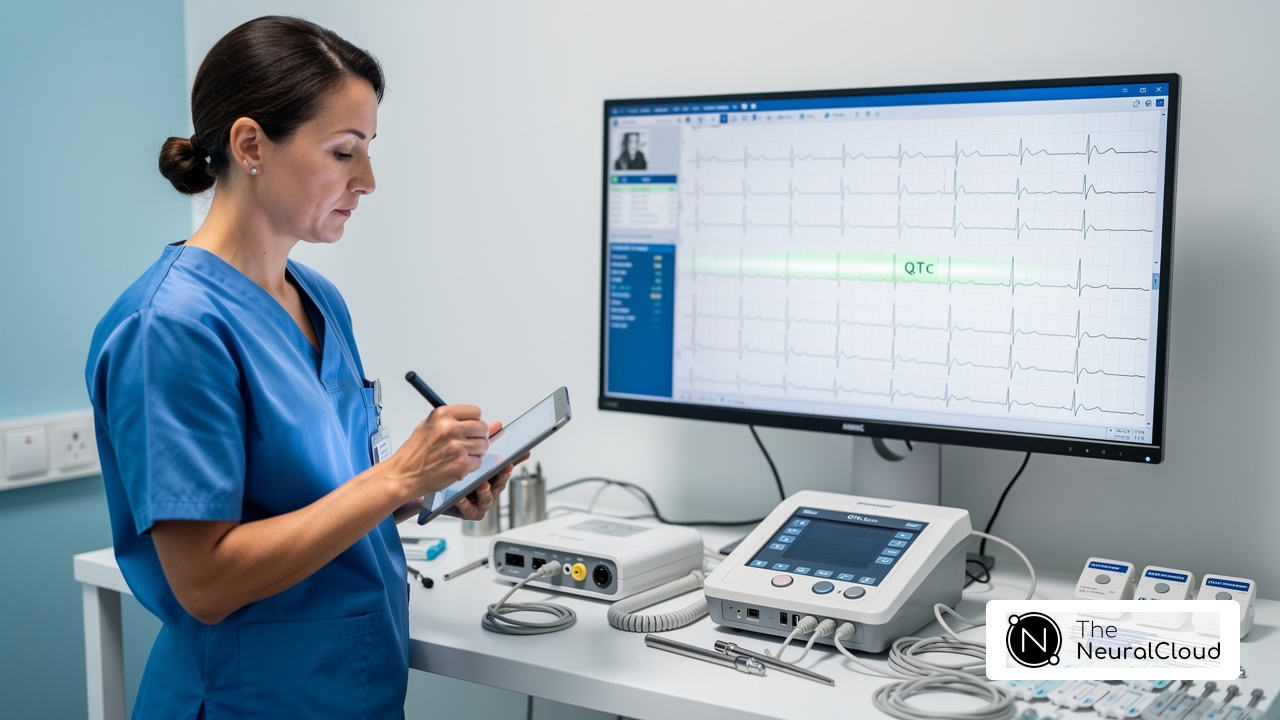
Understanding the QRS heart rhythm is crucial for accurate ECG interpretation, yet many healthcare professionals face challenges in this area. The QRS heart rhythm is a pivotal element of the ECG waveform, representing the electrical depolarization of the ventricles. A comprehensive grasp of its morphology, duration, and variations is essential for diagnosing various cardiac conditions, particularly when employing advanced technologies that attain hospital-grade ECG accuracy from consumer-grade devices. Key aspects include:
- QRS Duration: The normal duration typically ranges from 80 to 100 milliseconds. A prolonged QRS heart rhythm, defined as greater than 100 milliseconds, can indicate significant underlying cardiac issues such as bundle branch block or left ventricular hypertrophy, which is prevalent in approximately 22.2% of the general population studied. The automated analysis from this company can swiftly detect these variations, improving diagnostic accuracy and decreasing incorrect complaint tickets.
The shape of the QRS heart rhythm can reveal specific arrhythmias or conduction abnormalities. For example, a wide QRS heart rhythm may indicate a ventricular origin of the rhythm, which is critical for accurate diagnosis and treatment planning. The company’s advanced algorithms help pinpoint and label important features in each heartbeat, offering clear insights into these variations.
Clinical relevance emphasizes that accurately interpreting the QRS heart rhythm is vital for evaluating heart function and making informed treatment choices. Misinterpretation can lead to inappropriate management strategies, potentially increasing the risk of adverse outcomes. Studies have shown that for every 10-ms increase in the QRS heart rhythm duration, there is an 18% increase in cardiovascular risk, underscoring the importance of precise measurement and analysis. With its capabilities, healthcare professionals can confidently analyze up to 200,000 heartbeats in under 5 minutes, greatly enhancing their diagnostic precision and allowing ongoing monitoring without the expenses tied to clinical-grade equipment.
Additionally, patients with a QRS heart rhythm duration greater than 130 ms experienced nearly double the risk of cardiovascular death compared to those with a duration of 110 ms or less, highlighting the significant implications of the QRS heart rhythm duration in clinical settings.
By mastering these fundamentals and utilizing advanced ECG analysis technologies, healthcare professionals can not only enhance diagnostic accuracy but also significantly impact patient care outcomes.

Utilize MaxYield for Enhanced ECG Data Processing
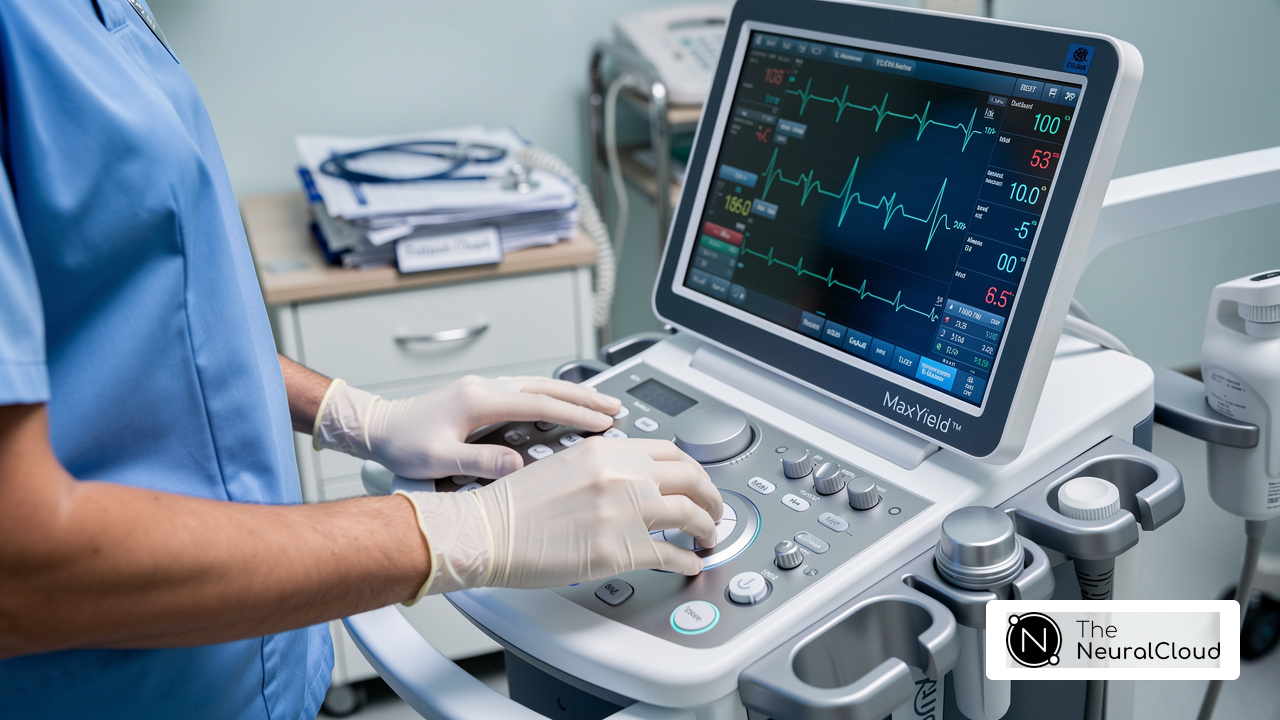
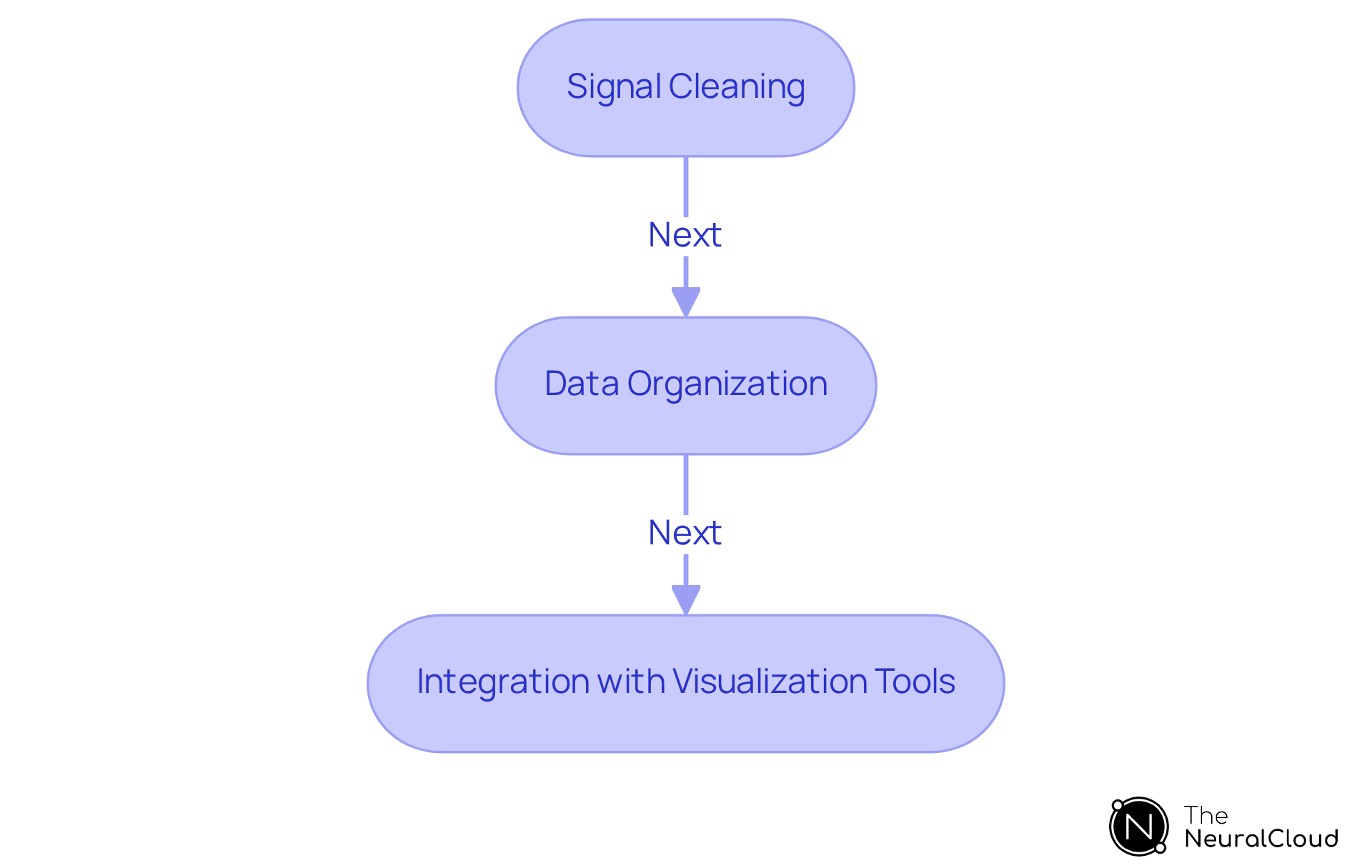
Inaccurate ECG readings due to noisy signals can lead to misdiagnoses and delayed treatments. The MaxYield™ platform utilizes patented signal mapping algorithms to significantly improve ECG processing by isolating and cleaning noisy signals. Key practices for utilizing MaxYield effectively include:
- Signal Cleaning: The algorithms effectively reduce noise and artifacts, leading to clearer identification of the QRS complex. Having clear signals is essential for making accurate diagnoses and planning effective treatments, as it enables healthcare professionals to make informed decisions based on trustworthy information.
- Data Organization: The company transforms raw ECG recordings into organized tables, simplifying analysis and interpretation. Clinicians can swiftly access the QRS heart rhythm, including P and T wave onsets and offsets, streamlining their workflow and improving efficiency in patient care.
- Integration with Visualization Tools: By leveraging Insight360, healthcare professionals can create customizable dashboards and reports that visualize trends and clinical metrics. This capability enhances decision-making processes, allowing for a more comprehensive understanding of patient data.
Using this system not only sharpens the accuracy of ECG analyses but also saves precious time for clinicians, allowing them to focus more on patient care.
Integrate MaxYield into Existing Healthcare Systems
Integrating advanced technology like MaxYield into existing healthcare systems presents unique challenges that organizations must navigate effectively. To effectively integrate MaxYield into existing healthcare systems, healthcare organizations should adhere to the following best practices:
- Assess Compatibility: Conduct a thorough evaluation of current ECG devices and software to ensure they are compatible with MaxYield. This platform is designed to be device-agnostic, enabling seamless integration with a variety of ECG machines and wearable technologies. Many healthcare organizations face the challenge of integrating multiple software systems, leading to inefficiencies and data silos. MaxYield's interoperability is vital for avoiding these issues and improving overall information management. Its ability to process signals from various sources, not solely ECGs, further supports diverse integration needs and aids in the discovery of new digital biomarkers.
- Training and Support: Implement comprehensive training programs for staff to maximize the effective use of the system. This training should cover its features, troubleshooting common issues, and interpreting enhanced data outputs. Putting resources into training pays off, boosting productivity and making employees happier, which is a win for everyone involved. Utilizing the automated labeling features can significantly lessen manual workload, enabling staff to concentrate on higher-value tasks.
- Pilot Testing: Initiate a pilot program to evaluate the product in a controlled environment prior to full-scale deployment. This approach allows for necessary adjustments based on user feedback and operational challenges, ensuring that the integration process is smooth and effective. Employing the continuous learning model of the company during this phase can assist in improving its algorithms based on real-world information, increasing diagnostic yield over time.
- Feedback Loop: Establish a robust system for ongoing feedback from users to continuously refine the integration process and promptly address any emerging issues. This feedback system is essential, as healthcare organizations can lose up to $20 million each year due to ineffective information exchange. By enhancing information management, organizations can streamline operations and potentially save millions in losses through improved communication, ultimately enhancing ECG analysis efficiency.
By following these steps, healthcare organizations can significantly enhance their ECG analysis capabilities, particularly in analyzing the qrs heart rhythm, while ensuring a seamless transition to advanced technology. Ultimately, a well-executed integration of MaxYield can transform ECG analysis, leading to better patient outcomes and operational efficiency.

Embrace Continuous Monitoring for Real-Time ECG Insights
Continuous ECG monitoring is vital for the timely detection of cardiac events. Timely detection of cardiac events remains a challenge for healthcare providers, often leading to delayed interventions. Here are best practices for implementing this approach:
- Utilize Wearable Technology: Leverage wearable ECG monitors that integrate seamlessly with MaxYield™ to facilitate continuous data collection. This enables real-time monitoring of patients, particularly those at high risk for arrhythmias. MaxYield™'s advanced noise filtering and distinct wave recognition capabilities ensure precise identification of critical information, even in recordings with high levels of noise and artifact.
- Analysis and Alerts: Implement automated systems that examine ECG information in real-time using MaxYield™'s evolving algorithms, which enhance accuracy and efficiency with each use. These systems can generate alerts for healthcare providers when abnormal rhythms are detected, ensuring prompt intervention when necessary.
- Patient Engagement: When patients are engaged, they tend to stick to monitoring protocols and share their symptoms more accurately. Educating patients on the importance of continuous monitoring and its role in managing their cardiac health is crucial. This engagement benefits from the enhanced insights provided by MaxYield™.
- Regular Review of Data: Schedule consistent reviews of the collected ECG data to identify trends and make informed decisions about patient care. MaxYield™ allows for the salvage of previously obscured sections of lengthy recordings, leading to better management of chronic conditions and improved patient outcomes.
By utilizing MaxYield™, healthcare providers can transform their approach to cardiac monitoring, leading to improved patient outcomes.

Conclusion
Many healthcare professionals struggle with the complexities of ECG interpretation, leading to potential misdiagnoses. Understanding the intricacies of QRS heart rhythm analysis is essential for improving diagnostic accuracy and patient care. By mastering QRS interpretation and using advanced technologies like MaxYield, clinicians can enhance their ability to detect and manage cardiovascular conditions effectively.
The article outlines several key practices, including:
- The importance of QRS duration analysis
- The utilization of MaxYield’s signal processing capabilities
- Strategies for integrating this technology into existing healthcare systems
Emphasizing the role of continuous monitoring and real-time data analysis, healthcare providers can improve their diagnostic precision and ensure timely interventions that lead to better patient outcomes.
By embracing best practices in QRS heart rhythm analysis and using innovative tools like MaxYield, we can transform cardiac care. Prioritizing accurate ECG interpretation and continuous monitoring allows healthcare professionals to significantly reduce the risk of misdiagnoses and enhance the overall quality of patient care. Engaging with these advancements is a vital step toward ensuring better heart health outcomes for all patients.
Frequently Asked Questions
What is the significance of the QRS heart rhythm in ECG interpretation?
The QRS heart rhythm is crucial for accurate ECG interpretation as it represents the electrical depolarization of the ventricles, which is essential for diagnosing various cardiac conditions.
What is the normal duration of the QRS heart rhythm?
The normal duration of the QRS heart rhythm typically ranges from 80 to 100 milliseconds.
What does a prolonged QRS heart rhythm indicate?
A prolonged QRS heart rhythm, defined as greater than 100 milliseconds, can indicate significant underlying cardiac issues such as bundle branch block or left ventricular hypertrophy.
How prevalent is left ventricular hypertrophy in the general population?
Left ventricular hypertrophy is prevalent in approximately 22.2% of the general population studied.
What role do advanced algorithms play in QRS heart rhythm analysis?
Advanced algorithms help pinpoint and label important features in each heartbeat, offering clear insights into variations and improving diagnostic accuracy.
Why is accurate interpretation of the QRS heart rhythm clinically relevant?
Accurate interpretation is vital for evaluating heart function and making informed treatment choices; misinterpretation can lead to inappropriate management strategies and increase the risk of adverse outcomes.
How does an increase in QRS heart rhythm duration affect cardiovascular risk?
Studies show that for every 10-ms increase in the QRS heart rhythm duration, there is an 18% increase in cardiovascular risk.
How quickly can healthcare professionals analyze heartbeats using advanced ECG analysis technologies?
Healthcare professionals can analyze up to 200,000 heartbeats in under 5 minutes with advanced ECG analysis technologies.
What are the implications of a QRS heart rhythm duration greater than 130 ms?
Patients with a QRS heart rhythm duration greater than 130 ms experienced nearly double the risk of cardiovascular death compared to those with a duration of 110 ms or less.
How can mastering QRS heart rhythm fundamentals impact patient care?
By mastering these fundamentals and utilizing advanced ECG analysis technologies, healthcare professionals can enhance diagnostic accuracy and significantly improve patient care outcomes.
List of Sources
- Understand QRS Heart Rhythm Analysis Fundamentals
- QRS Interval (https://litfl.com/qrs-interval-ecg-library)
- jacc.org (https://jacc.org/doi/10.1016/j.jcin.2025.10.018)
- pmc.ncbi.nlm.nih.gov (https://pmc.ncbi.nlm.nih.gov/articles/PMC8886432)
- Normal Electrocardiography (ECG) Intervals: Normal Electrocardiography Intervals (https://emedicine.medscape.com/article/2172196-overview)
- Prognostic Significance of Quantitative QRS Duration (https://amjmed.com/article/S0002-9343(05)00760-6/fulltext)
- Utilize MaxYield for Enhanced ECG Data Processing
- sciencedirect.com (https://sciencedirect.com/science/article/abs/pii/S1746809425008274)
- arxiv.org (https://arxiv.org/html/2502.14522v1)
- aiml-innovations.com (https://aiml-innovations.com/press-release/aiml-subsidiary-neural-cloud-signs-loi-with-circular-health-to-license-maxyield-tm-ecg-signal-processing)
- AIML Hits Key Regulatory Benchmark with 510(k) Filing for MaxYield(TM) Signal Enhancement Platform (https://biospace.com/press-releases/aiml-hits-key-regulatory-benchmark-with-510k-filing-for-maxyieldtm-signal-enhancement-platform)
- Integrate MaxYield into Existing Healthcare Systems
- 42 Training Quotes: Inspirational Words for Learning | ITD World (https://itdworld.com/blog/human-resources/training-quotes-inspirational)
- Performance of an artificial intelligence-powered smartphone application in the UK clinical settings: ECG automation compared to healthcare professionals - PMC (https://pmc.ncbi.nlm.nih.gov/articles/PMC12532542)
- Training Inspiration Meets eLearning: 15+ Quotes About Training & Insights (https://elmlearning.com/blog/quotes-about-training)
- Interoperability Challenges in Medium Healthcare Organizations (https://edenlab.io/blog/interoperability-strategy-healthcare-organizations)
- 18 of Our Favorite Quotes About the Power of Training & Development - Abilitie (https://abilitie.com/blog/2018-7-6-18-of-our-favorite-quotes-about-the-power-of-training-development)
- Embrace Continuous Monitoring for Real-Time ECG Insights
- iRhythm data backs long-term ECG in post-ablation, pregnant populations (https://massdevice.com/irhythm-hrs-2026-ecg-ablation-pregnancy)
- The Future of Cardiac Safety: How Wearable ECGs Enhance Patient Monitoring in Drug Trials | Applied Clinical Trials Online (https://appliedclinicaltrialsonline.com/view/future-cardiac-safety-wearable-ecg-enhance-patient-monitoring)
- Data presented at ACC.26 further demonstrate the benefits of iRhythm’s Zio® ambulatory ECG portfolio across multiple patient populations as company launches new digital education platform (https://investors.irhythmtech.com/news/news-details/2026/Data-presented-at-ACC-26-further-demonstrate-the-benefits-of-iRhythms-Zio-ambulatory-ECG-portfolio-across-multiple-patient-populations-as-company-launches-new-digital-education-platform/default.aspx)