Introduction
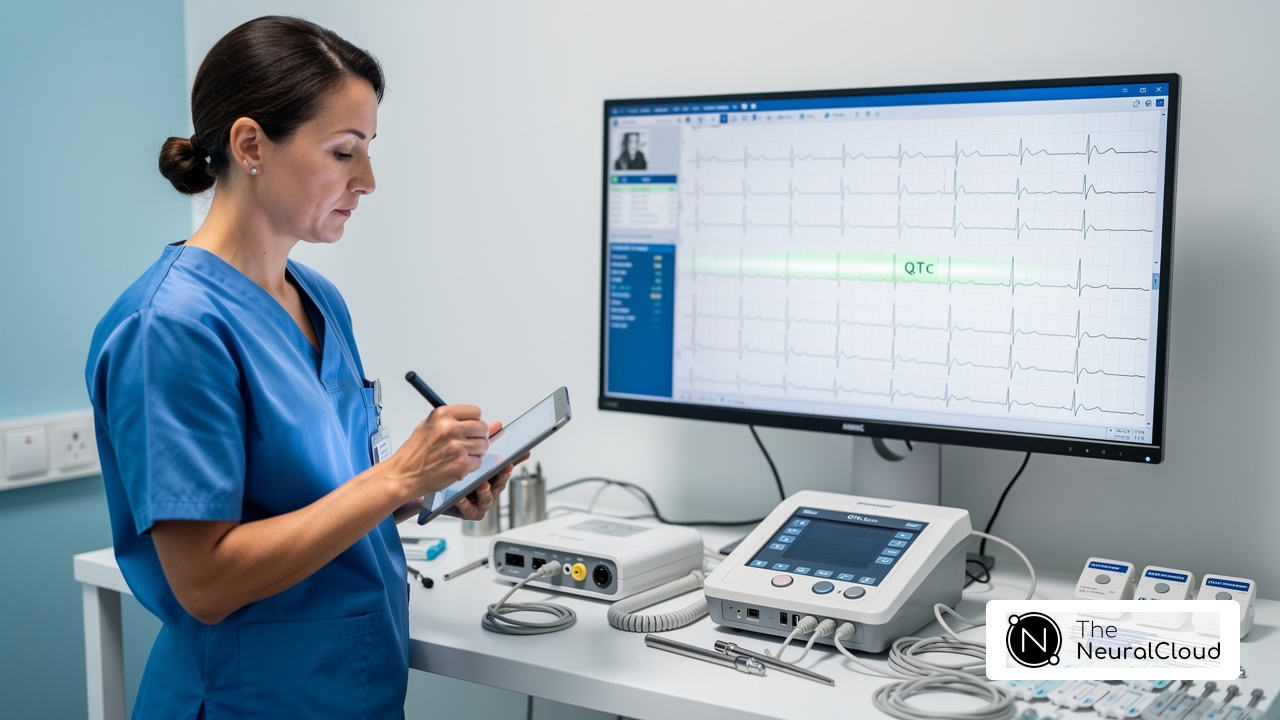
Understanding the intricacies of ECG artifacts is essential for healthcare professionals aiming for accurate cardiac readings. These disturbances, arising from both physiological and external sources, can significantly undermine the accuracy of ECG interpretations, potentially leading to misdiagnoses. This article explores effective strategies for identifying, analyzing, and mitigating these artifacts, providing clinicians with the necessary tools to enhance diagnostic accuracy.
How can healthcare providers ensure they are not misled by erroneous signals? Additionally, what innovative solutions exist to address this widespread challenge?
Understand ECG Artifacts: Types and Causes
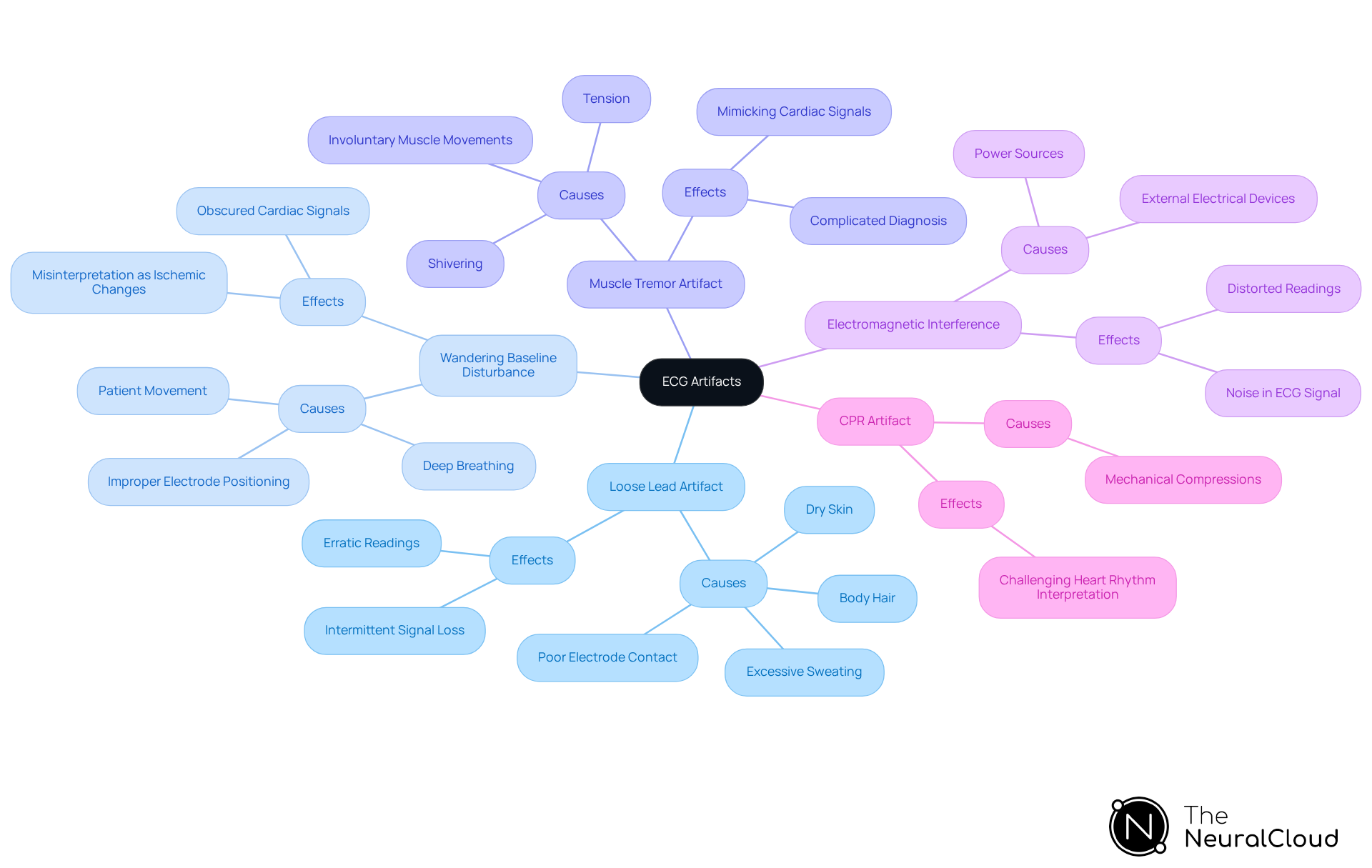
ECG disturbances, often referred to as artifacts, can arise from various physiological and non-physiological sources, significantly impacting the accuracy of ECG readings. Understanding these artifacts is crucial for clinicians to ensure precise ECG interpretation and to minimize potential misdiagnoses caused by misleading signals. Common types of ECG artifacts include:
- Poor Electrode Contact: This occurs when electrodes are not securely attached to the skin, leading to erratic readings. Poor electrode contact may result from dry skin, excessive sweating, or body hair, causing intermittent signal loss or irregular waveforms. Statistics indicate that a substantial proportion of ECG recordings are not analyzable due to such interferences, highlighting the importance of electrode placement and skin preparation to reduce artifacts.
- Motion Artifact: Often triggered by individual movement or improper positioning, this disturbance leads to fluctuations that can obscure genuine cardiac signals. Deep or irregular breathing can also contribute to baseline wandering, which may be misinterpreted as ischemic ST-segment changes. Case studies have shown that motion artifacts, which are considered significant, can impede accurate diagnosis, necessitating careful observation of patient activity during recordings.
- Muscle Tremor Artifact: Caused by involuntary muscle movements like shivering or tension, these artifacts can mimic cardiac signals and complicate diagnosis, contributing to the presence of false positives. Encouraging patients to relax and hold their breath briefly during recordings is essential to reduce this type of interference.
- Electrical Interference: External electrical devices can introduce noise into the ECG signal, distorting readings. To mitigate such interference that may cause misinterpretation, ECG machines should be plugged into dedicated, grounded outlets and positioned away from power sources and electronic equipment.
- CPR Artifact: During cardiopulmonary resuscitation, mechanical compressions can create distinct patterns on the ECG, making accurate interpretation of heart rhythms challenging. Training healthcare professionals to recognize CPR artifacts and other distortions is critical for effective cardiac monitoring.
The 'Neural Cloud Solutions' platform addresses these challenges by employing advanced noise filtering and wave recognition techniques. By swiftly isolating ECG waves from recordings affected by baseline drift, movement, and muscle interferences, the system enhances the precision of ECG analysis. Its algorithm evolves with each use, continuously improving accuracy and efficiency, enabling healthcare providers to recover previously obscured segments of lengthy Holter, 1-Lead, and patch monitor recordings. By identifying and addressing these common artifacts, healthcare providers can significantly improve their ability to interpret ECGs, ultimately enhancing patient outcomes.
Identify ECG Artifacts: Techniques and Best Practices
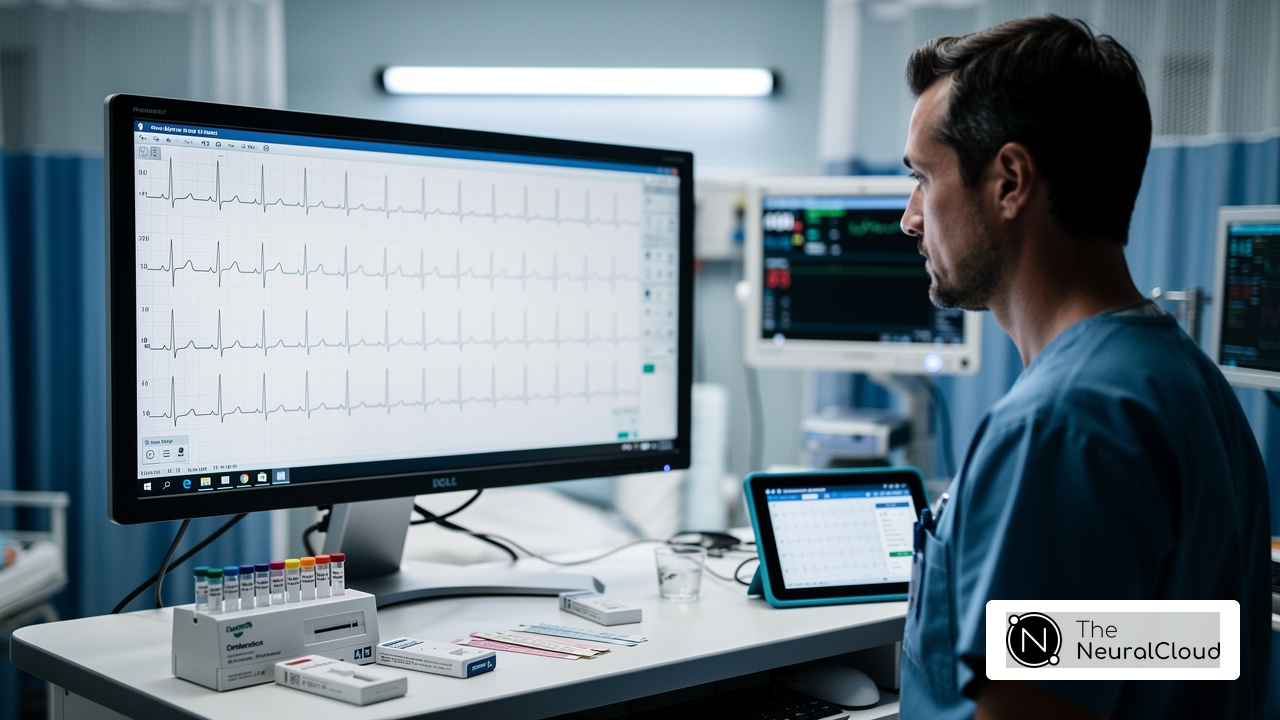
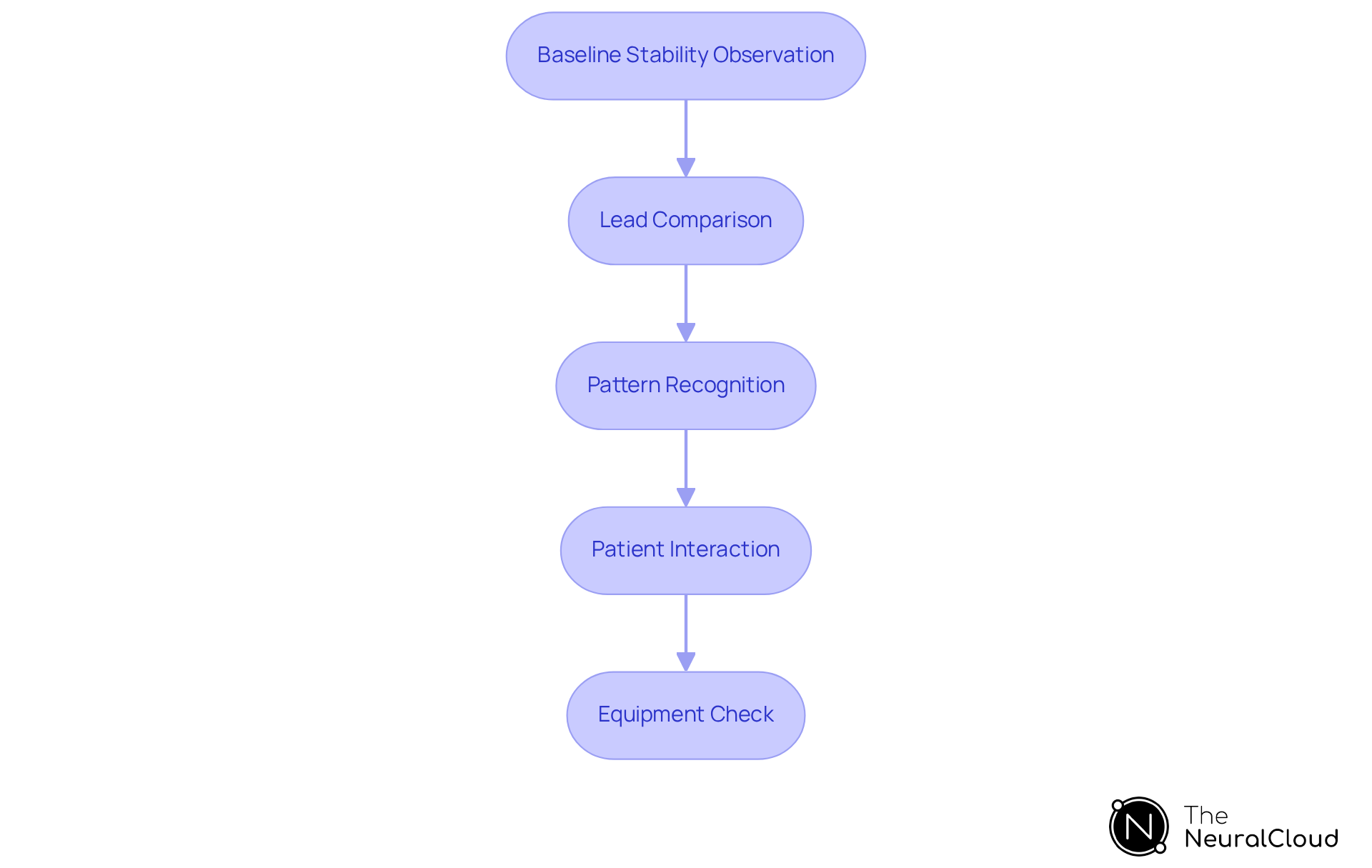
To effectively identify ECG artifacts, clinicians can utilize several techniques, enhanced by the capabilities of Neural Cloud Solutions:
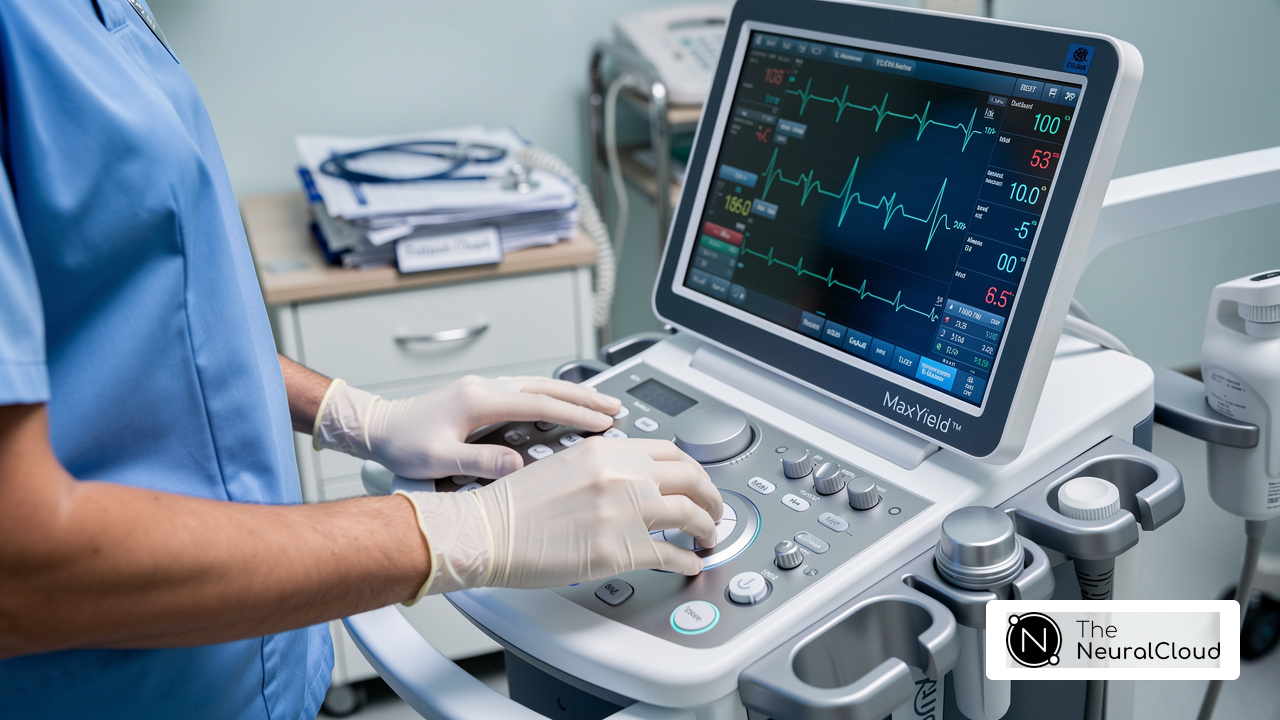
- Monitoring: Clinicians should monitor the baseline for stability; fluctuations may indicate artifacts. MaxYield™ excels in isolating ECG waves while managing noise, even amidst baseline wander, ensuring clearer readings.
- Comparison: Comparing readings across different leads can help identify inconsistencies that may indicate artifacts. The platform's adaptability to physiological variability improves accuracy across diverse patient profiles.
- Familiarization: Familiarizing oneself with common patterns, such as sharp spikes or irregular rhythms, aids in quickly identifying anomalies and distinguishing them from normal variations. The system continuously evolves its recognition capabilities, enhancing diagnostic yield over time.
- Engagement: Engaging with the patient minimizes movement and ensures comfort, which can help reduce issues related to motion. The combination of wearable technology allows for automated labeling, further simplifying this process.
- Maintenance: Regularly inspecting and maintaining equipment prevents technical issues that could introduce artifacts. This system aids in salvaging previously obscured sections of recordings, ensuring that even with equipment challenges, critical data is not lost.
Implementing these techniques, alongside the advanced features of MaxYield™, can significantly improve the accuracy of ECG readings and minimize errors, enhancing the clinician's ability to make informed decisions.
Mitigate ECG Artifacts: Effective Reduction Strategies
To effectively mitigate ECG artifacts, implement the following strategies:
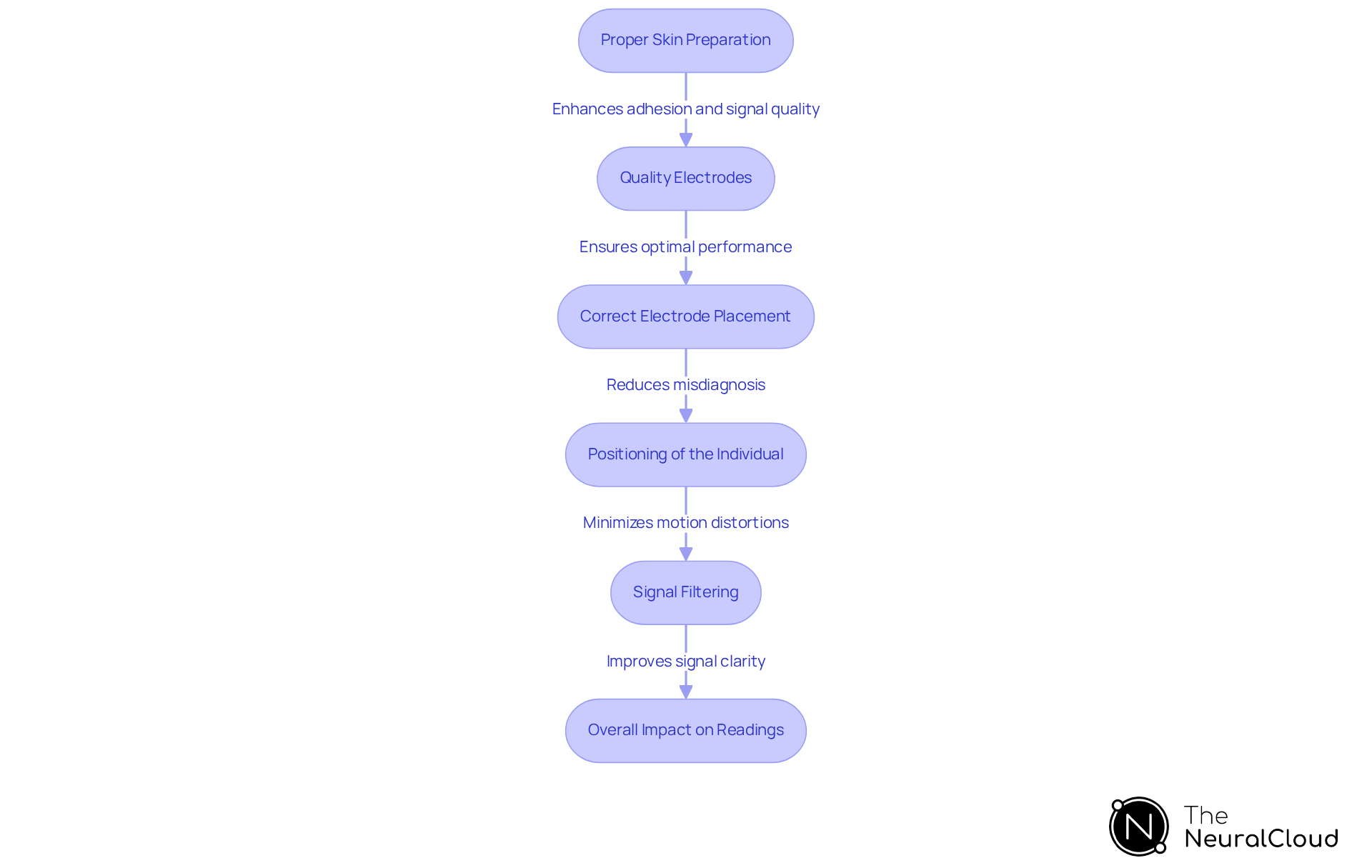
- Proper Skin Preparation: Thoroughly cleanse and dry the skin prior to electrode placement to enhance adhesion and signal quality. Research indicates that proper skin preparation can improve accuracy by up to 70%, which significantly improves the accuracy of readings. The system further supports this by ensuring that the electrodes adhere through its design.
- Quality Electrodes: Utilize high-quality electrodes tailored to the patient's skin type and condition. Studies have shown that the application of conductive gel can enhance the performance of textile electrodes, making them a viable alternative to traditional Ag/AgCl electrodes. MaxYield™ can help in identifying the best electrode types for specific conditions, ensuring optimal performance.
- Electrode Positioning: Follow established guidelines for electrode positioning to reduce frequent mistakes that can result in distortions. Inaccurate lead placement is a frequent cause of misdiagnosis, with automated systems experiencing a 45% misdiagnosis rate due to ECG artefacts. Adhering to guidelines reduces the likelihood of errors.
- Positioning of the Patient: Ensure proper positioning and minimize movement during the ECG recording. Patient movements, such as coughing or shifting, can introduce motion distortions that complicate interpretation. The platform can monitor patient movement and notify the technician of potential issues during the recording.
- Signal Filtering: Employ various filtering techniques, including low-pass and high-pass filters, to eliminate unwanted noise while maintaining the integrity of the ECG signal. The 'Neural Cloud Solutions' platform enhances this process by employing sophisticated noise filtering and wave identification, enabling the separation of ECG waves even in recordings with elevated levels of noise and interference. Setting the diagnostic mode of a 12-lead ECG monitor to 0.05 - 40 Hz can help minimize 60 cycle interference, further enhancing signal clarity.
By adopting these strategies, healthcare professionals can significantly reduce the impact of ECG artefacts on readings, leading to more reliable data for clinical decision-making. As noted by Wendy Pearson, "ECG artifacts are critical to address, as they can significantly influence the accuracy of the results." Additionally, incorporating the system into the workflow can streamline processes, automate repetitive tasks, and enhance overall diagnostic yield.
Leverage Technology: Integrate Advanced Solutions for Accurate ECG Analysis
To enhance ECG analysis, it is essential to integrate technologies that can help improve accuracy.
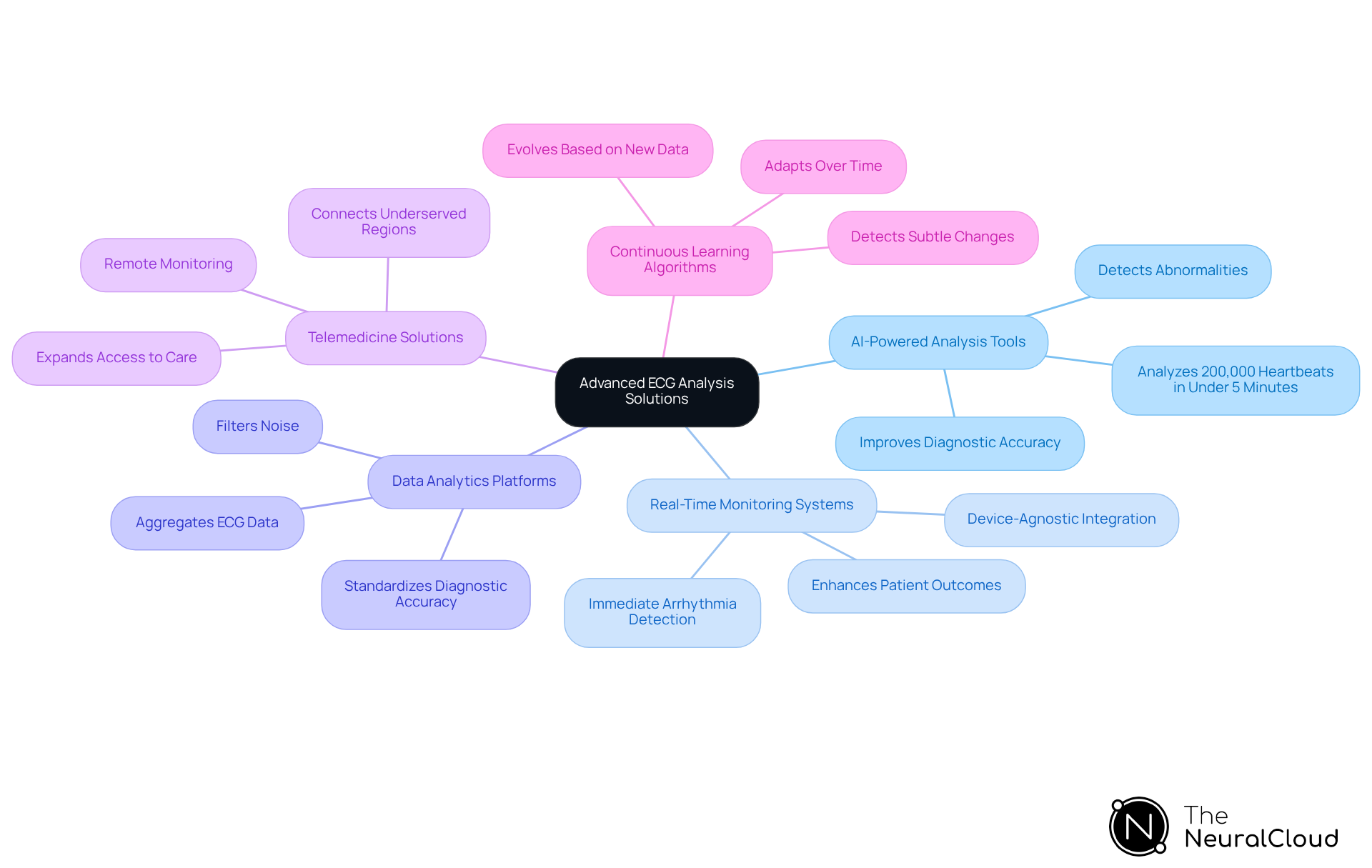
- AI-Powered Analysis Tools: The platform from Neural Cloud Solutions leverages algorithms to automatically detect and classify ECG abnormalities. This significantly improves diagnostic accuracy and speed. The system can analyze 200,000 heartbeats in under five minutes, demonstrating high accuracy in arrhythmia detection.
- Continuous Monitoring Systems: Continuous ECG monitoring systems facilitate immediate detection of arrhythmias and other cardiac issues. The device-agnostic features allow for smooth integration with various monitoring apparatus, which is crucial for prompt interventions that enhance outcomes for patients.
- Data Aggregation Platforms: Utilizing platforms that aggregate and analyze ECG data from multiple sources provides comprehensive insights into cardiac health. This process is enhanced by filtering noise and isolating critical ECG waves to minimize artifacts, ensuring standardized diagnostic accuracy across health systems.
- Telemedicine Solutions: Telemedicine technologies enable remote diagnosis and interpretation, thereby expanding access to care. This approach is particularly beneficial for connecting with individuals in underserved regions, ultimately improving healthcare delivery.
- Continuous Learning Algorithms: Systems that adapt and improve over time enhance the ability to detect anomalies. The technology ensures that diagnostic tools evolve based on new data, maintaining their cutting-edge status in ECG analysis.
Integrating these technologies can revolutionize ECG analysis by reducing errors, empowering healthcare professionals to deliver more accurate and timely cardiac care. As Milind Desai, Director of the Center for Hypertrophic Cardiomyopathy at Cleveland Clinic, noted, "By utilizing AI as an additional set of eyes, we can enhance the capacity to identify more individuals with HCM sooner and among varied populations, addressing a condition that’s frequently difficult to recognize." The integration of advanced ECG technologies, particularly through Neural Cloud Solutions' MaxYield™, is pivotal in overcoming the challenges of traditional diagnostic methods, especially those related to accuracy, ultimately leading to improved patient outcomes.
Conclusion
Understanding and addressing ECG artifacts is essential for accurate cardiac monitoring and diagnosis. By recognizing various types of artifacts, including loose lead artifacts, wandering baseline disturbances, and electromagnetic interference, healthcare professionals can significantly enhance ECG reading quality. The MaxYield™ platform offers advanced technologies that equip clinicians with powerful tools to effectively identify and mitigate these artifacts, ensuring clearer and more reliable data for informed decision-making.
Key strategies for mitigating ECG artifacts encompass:
- Proper skin preparation
- The use of quality electrodes
- Maintaining correct electrode placement
Engaging with patients to minimize motion and employing advanced signal filtering techniques are also crucial steps in improving ECG reading accuracy. Implementing these best practices and leveraging technology enables healthcare providers to reduce misdiagnosis risks and enhance patient outcomes.
The importance of mastering ECG artifacts cannot be overstated. As cardiac care evolves, adopting innovative solutions and methodologies is vital to overcoming traditional challenges. Embracing advanced technologies not only improves diagnostic accuracy but also expands access to quality cardiac care. Ultimately, prioritizing the reduction of ECG artifacts leads to more effective monitoring and treatment, ensuring patients receive the best possible care in their journey toward better heart health.
Frequently Asked Questions
What are ECG artifacts?
ECG artifacts are disturbances that can arise from various physiological and non-physiological sources, impacting the accuracy of cardiac readings and potentially leading to misdiagnoses.
What are common types of ECG artifacts?
Common types of ECG artifacts include Loose Lead Artifact, Wandering Baseline Disturbance, Muscle Tremor Artifact, Electromagnetic Interference (EMI), and CPR Artifact.
What causes Loose Lead Artifact?
Loose Lead Artifact occurs when electrodes are not securely attached to the skin, often due to dry skin, excessive sweating, or body hair, leading to erratic readings and intermittent signal loss.
How does Wandering Baseline Disturbance affect ECG readings?
Wandering Baseline Disturbance, caused by individual movement or improper electrode positioning, can obscure genuine cardiac signals and may be misinterpreted as ischemic ST-segment changes.
What is Muscle Tremor Artifact and how can it be reduced?
Muscle Tremor Artifact is caused by involuntary muscle movements such as shivering or tension, which can mimic cardiac signals. Encouraging patients to relax and hold their breath briefly during recordings can help reduce this interference.
What is Electromagnetic Interference (EMI) in ECG?
Electromagnetic Interference (EMI) is noise introduced into the ECG signal from external electrical devices, distorting readings. To mitigate this, ECG machines should be plugged into dedicated, grounded outlets and kept away from power sources and electronic equipment.
How does CPR Artifact impact ECG interpretation?
CPR Artifact occurs during cardiopulmonary resuscitation when mechanical compressions create distinct patterns on the ECG, making accurate interpretation of heart rhythms challenging.
What solutions does the 'Neural Cloud Solutions' platform provide for ECG artifacts?
The 'Neural Cloud Solutions' platform employs advanced noise filtering and wave recognition techniques to isolate ECG waves from recordings affected by various artifacts, enhancing the precision of ECG analysis and improving the ability to assess cardiac conditions.
List of Sources
- Understand ECG Artifacts: Types and Causes
- Guide to Understanding ECG Artifact | ACLS Training Blog (https://aclsmedicaltraining.com/blog/guide-to-understanding-ecg-artifact)
- ECG Artifacts: Types, Causes, Identifications, and More (https://aclsnow.com/blog/understanding-ecg-artifacts)
- ahajournals.org (https://ahajournals.org/doi/10.1161/JAHA.120.017563)
- pmc.ncbi.nlm.nih.gov (https://pmc.ncbi.nlm.nih.gov/articles/PMC12330957)
- Identify ECG Artifacts: Techniques and Best Practices
- ECG Artifacts: Types, Causes, Identifications, and More (https://aclsnow.com/blog/understanding-ecg-artifacts)
- physicianresources.templehealth.org (https://physicianresources.templehealth.org/videos/telemetry-tips-part-3-electrical-artifacts)
- Reducing ECG artifact (https://numed.co.uk/news/reducing-ecg-artifact)
- Guide to Understanding ECG Artifact | ACLS Training Blog (https://aclsmedicaltraining.com/blog/guide-to-understanding-ecg-artifact)
- sciencedirect.com (https://sciencedirect.com/science/article/pii/S0169260719312817)
- Mitigate ECG Artifacts: Effective Reduction Strategies
- Guide to Understanding ECG Artifact | ACLS Training Blog (https://aclsmedicaltraining.com/blog/guide-to-understanding-ecg-artifact)
- ECG Artifacts: Types, Causes, Identifications, and More (https://aclsnow.com/blog/understanding-ecg-artifacts)
- The impact of skin preparation method on electrocardiogram quality in horses - PMC (https://pmc.ncbi.nlm.nih.gov/articles/PMC10880388)
- Reducing ECG artifact (https://numed.co.uk/news/reducing-ecg-artifact)
- Leverage Technology: Integrate Advanced Solutions for Accurate ECG Analysis
- prnewswire.com (https://prnewswire.com/news-releases/cms-recognizes-eko-healths-ai-powered-heart-disease-detection-in-opps-july-2025-update-establishing-payment-rate-for-sensora-302495070.html)
- viz.ai (https://viz.ai/blog/ai-finds-its-pulse-in-cardiology)
- Checking your browser - reCAPTCHA (https://pmc.ncbi.nlm.nih.gov/articles/PMC10145690)
- powerfulmedical.com (https://powerfulmedical.com/blog/introducing-pmcardio-for-individuals-3-0-a-new-era-in-ai-powered-second-opinions-for-ecg-interpretation)