Introduction
An electrocardiogram (ECG) serves as a vital window into heart health, capturing the electrical impulses that dictate the rhythm and function of this essential organ. Understanding the normal range of ECG readings is crucial for healthcare professionals, as it lays the foundation for accurate diagnosis and effective treatment of various cardiac conditions. However, traditional ECG analysis presents complexities and potential inaccuracies.
How can clinicians ensure they interpret these readings correctly? This article explores the significance of the electrocardiogram normal range, advancements in technology that enhance its accuracy, and the implications for patient care.
Define Electrocardiogram (ECG) and Its Functionality
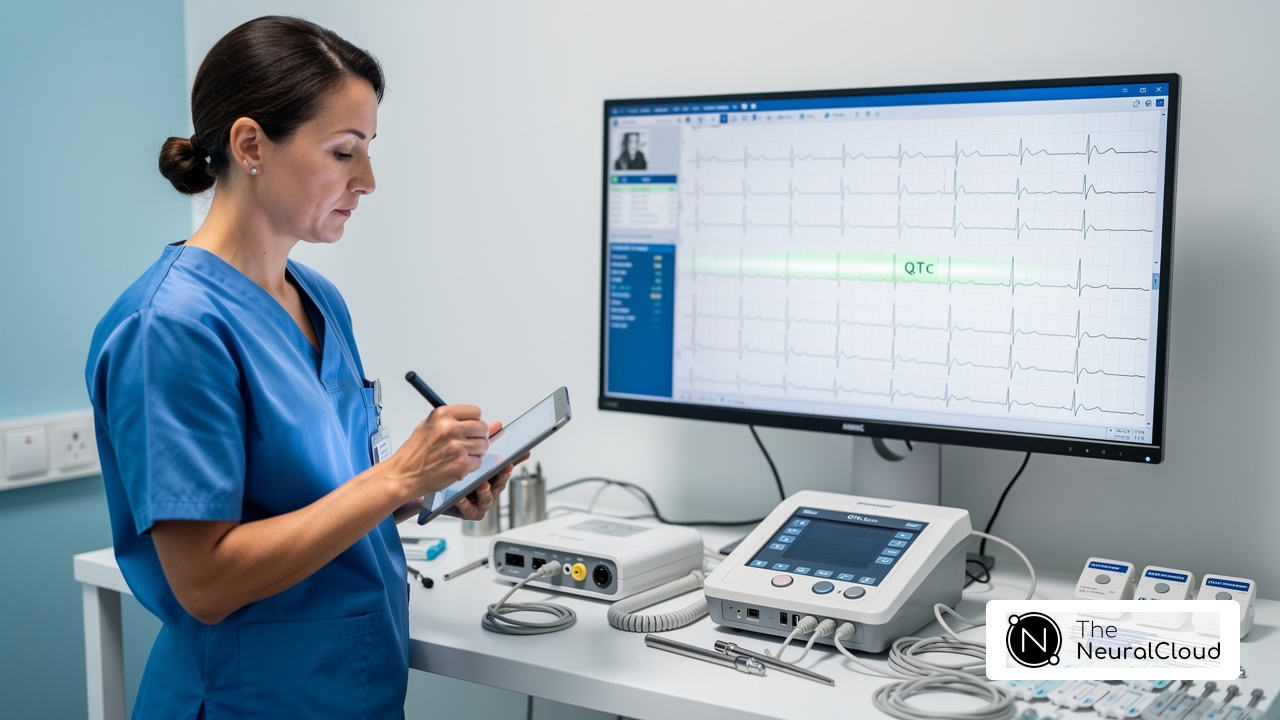
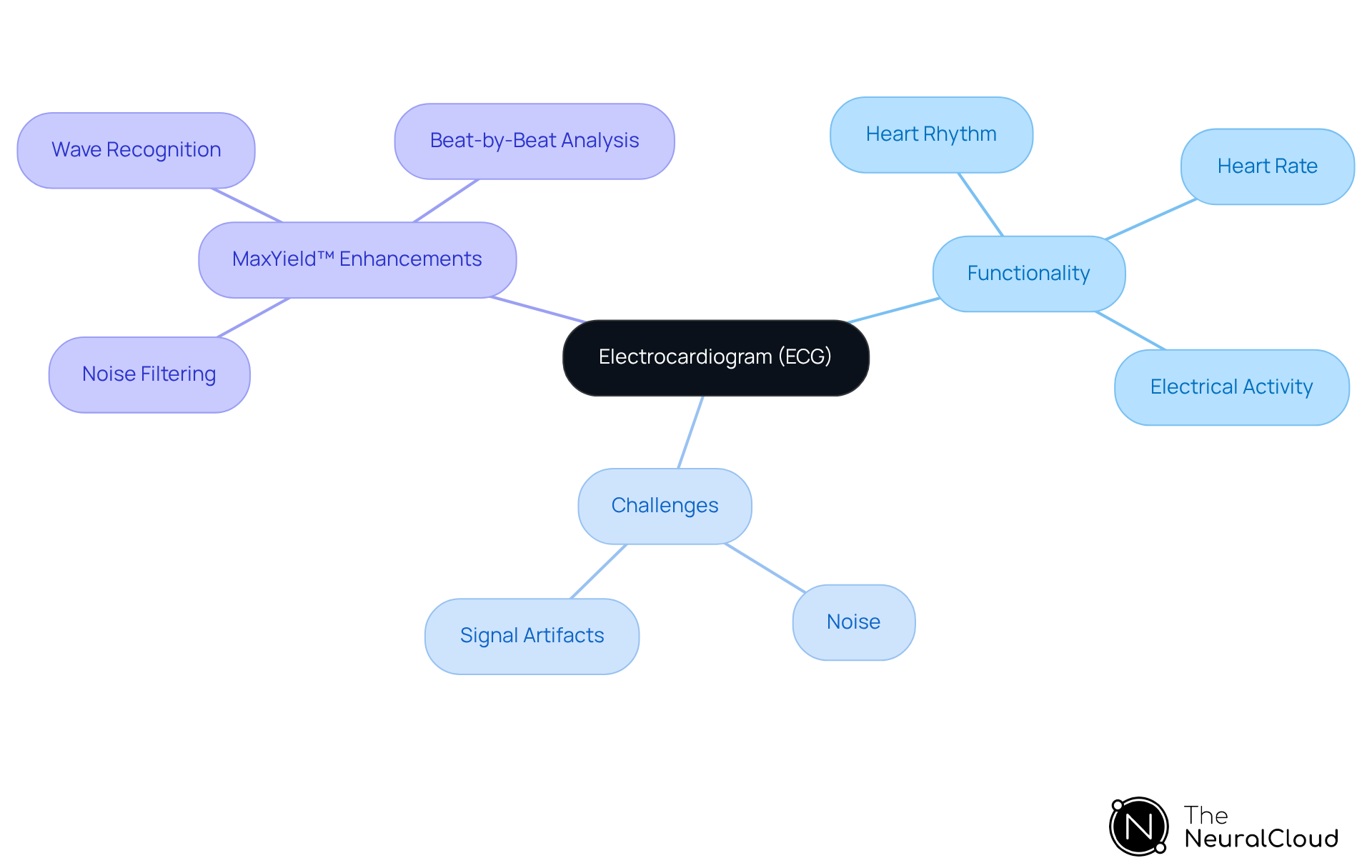
An electrocardiogram (ECG or EKG) is a medical examination that captures the electrical activity of the heart over time. It involves placing electrodes on the skin to detect electrical impulses generated by heartbeats. The resulting graph displays the heart's rhythm, rate, and electrical activity, allowing healthcare providers to determine if these parameters fall within the normal range to assess heart health. However, traditional ECG technology often faces challenges such as noise interference.
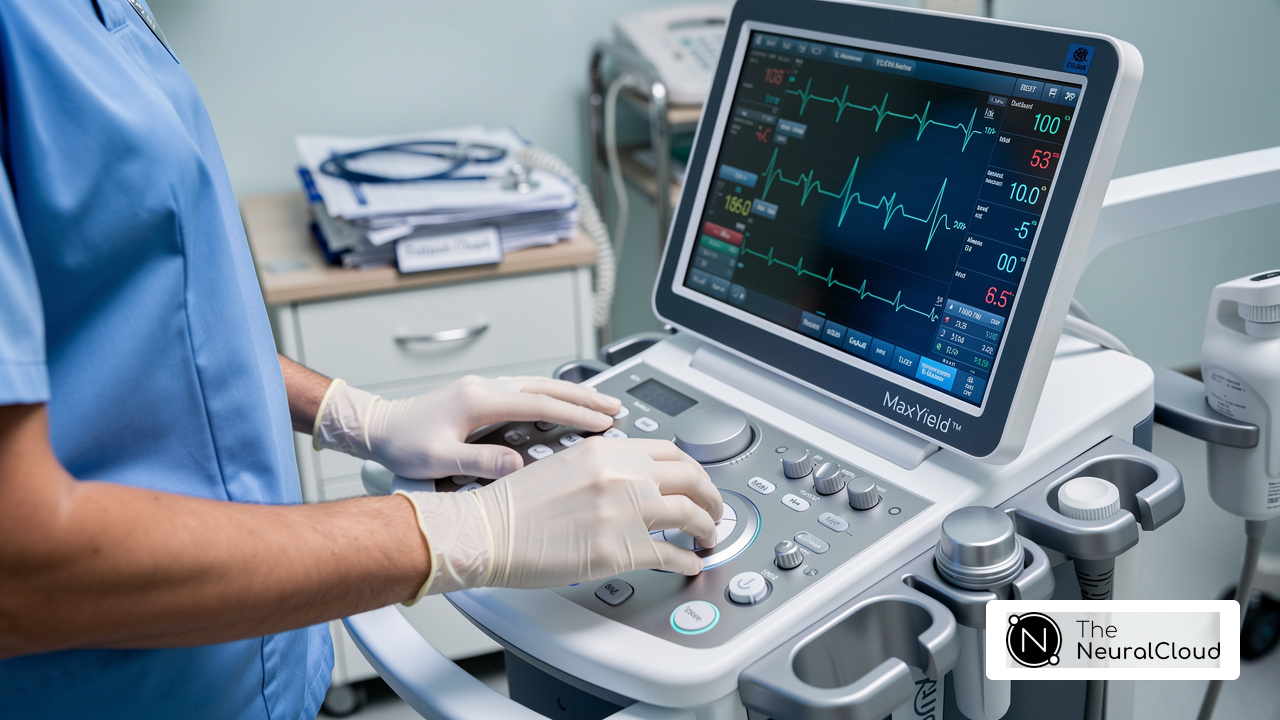
The MaxYield™ technology addresses these limitations by integrating advanced technologies like artificial intelligence. It employs innovative noise filtering and wave recognition algorithms that enhance the efficiency of ECG analysis. This capability enables the rapid isolation and labeling of critical data, even in recordings with high levels of noise. Consequently, previously obscured sections of lengthy Holter, 1-Lead, and patch monitor recordings can be salvaged, providing healthcare providers with clearer insights into cardiac events.
Additionally, MaxYield™ offers beat-by-beat analysis, delivering detailed insights on P-wave, QRS complex, and T-wave onsets and offsets. This significantly enhances the functionality of an ECG, allowing for a more comprehensive analysis in relation to the patient's heart health. Therefore, MaxYield™ is an essential tool for cardiologists and healthcare professionals in diagnosing various cardiac conditions, including arrhythmias, myocardial infarctions, and other cardiovascular diseases.
In summary, the MaxYield™ technology not only improves the accuracy of ECG readings but also empowers healthcare providers with the tools needed for effective diagnosis and treatment, ultimately enhancing patient care.
Contextualize the Normal Range of ECG Readings
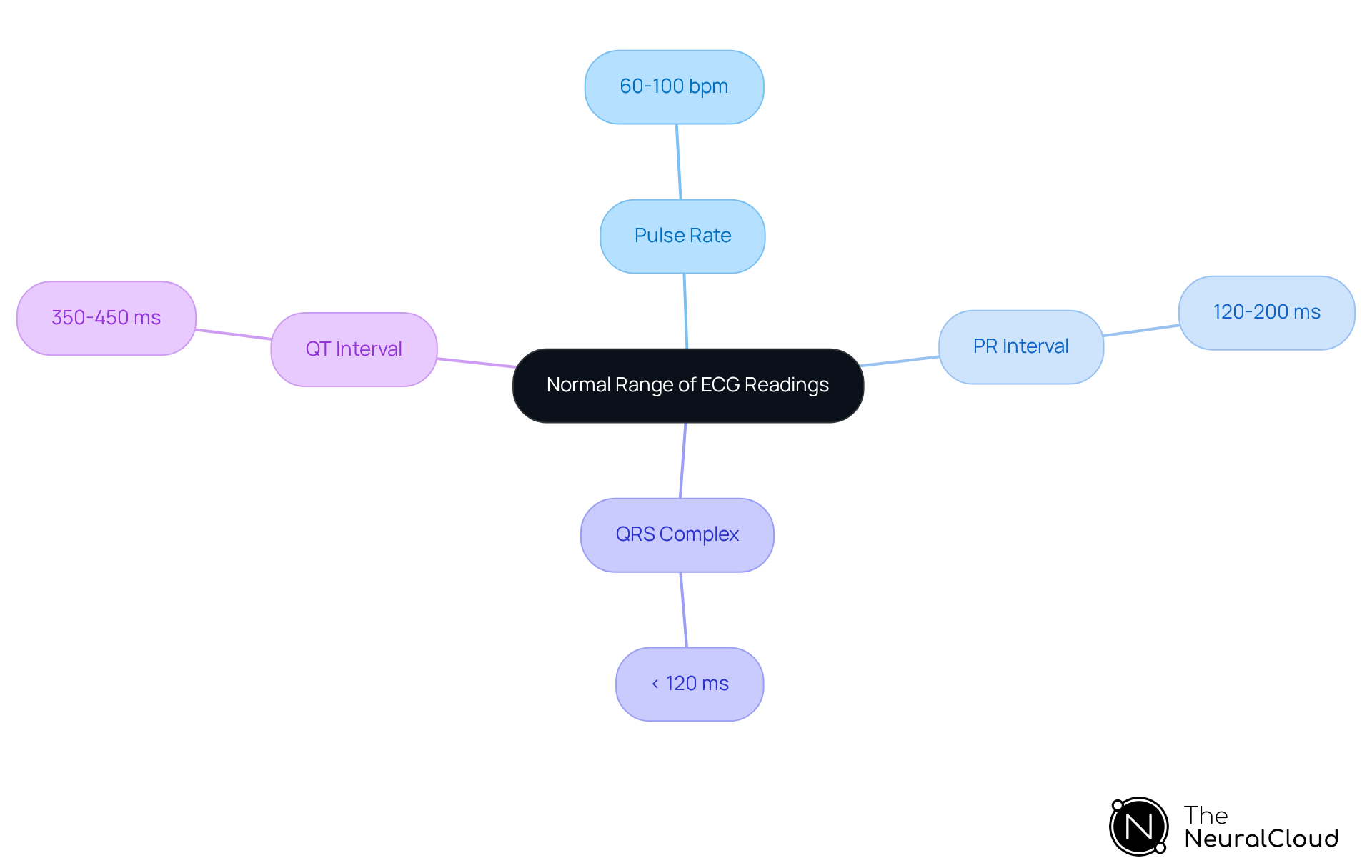
The normal range of ECG readings, known as the normal range, encompasses specific measurements for various intervals and waves, which are critical for diagnosis. For instance:
- A typical pulse rate ranges from 60 to 100 beats per minute.
- The PR interval should be between 120 to 200 milliseconds.
- The QRS complex duration is generally less than 120 milliseconds.
- The QT interval varies based on heart rate but typically falls between 350 to 450 milliseconds.
The technology addresses these challenges by efficiently analyzing these parameters. It rapidly labels P, QRS, and T wave onsets and offsets, providing beat-by-beat tabulation in CSV format. This not only enhances data clarity but also mitigates issues related to physiological variability and signal artifacts. Consequently, healthcare providers can make informed decisions regarding patient care.
Moreover, the algorithm continually evolves with each use, improving its accuracy and efficiency in identifying abnormalities. This ongoing enhancement ultimately benefits patient outcomes, allowing healthcare professionals to better understand and respond to patient needs.
Trace the Historical Development of ECG Technology
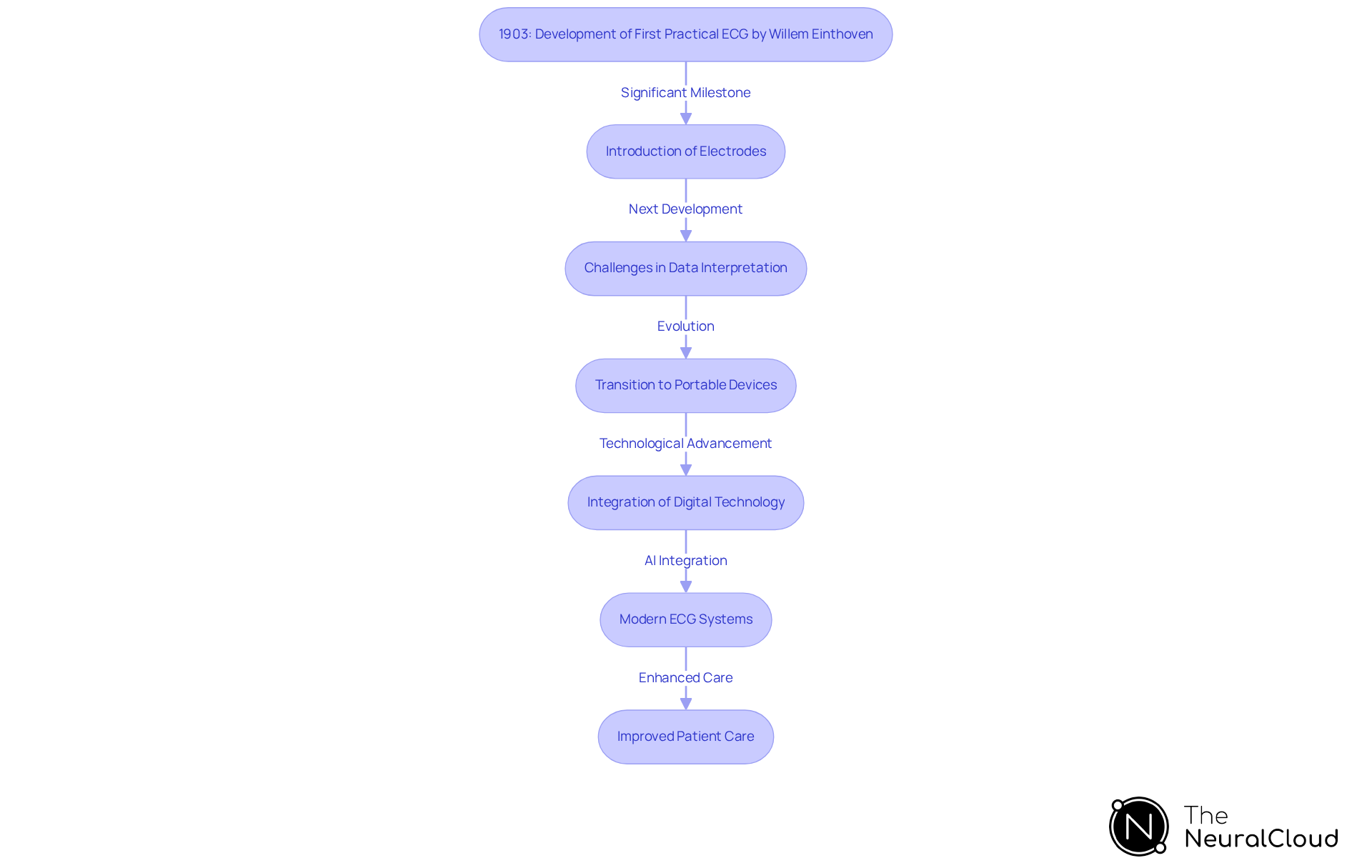
The electrocardiogram (ECG) has evolved significantly since its inception in the early 20th century by Willem Einthoven, who developed the first practical ECG machine. His pioneering work laid the groundwork for modern electrocardiography through the introduction of electrodes for measuring the heart's electrical activity. However, traditional ECG analysis faced challenges, including the accuracy of readings and the limitations of older technology.
Today, ECG technology is advancing rapidly, moving from bulky, stationary machines to portable devices that improve accessibility across various clinical settings. The integration of digital technology has been a game changer, leading to the development of sophisticated computer algorithms that enhance data interpretation. For instance, platforms like Neural Cloud Solutions' advanced system utilize machine learning and top-tier analytics, including P, QRS, and T Wave highlighting.
These features offer significant advantages for healthcare professionals. By streamlining workflows, the innovative approach of automating the analysis of cardiac data. This efficiency enables clinicians to focus on critical decision-making, ultimately improving patient outcomes. The ongoing advancements in ECG technology not only enhance the accuracy of diagnoses but also empower healthcare providers to deliver better care.
Identify Key Characteristics of Normal ECG Readings
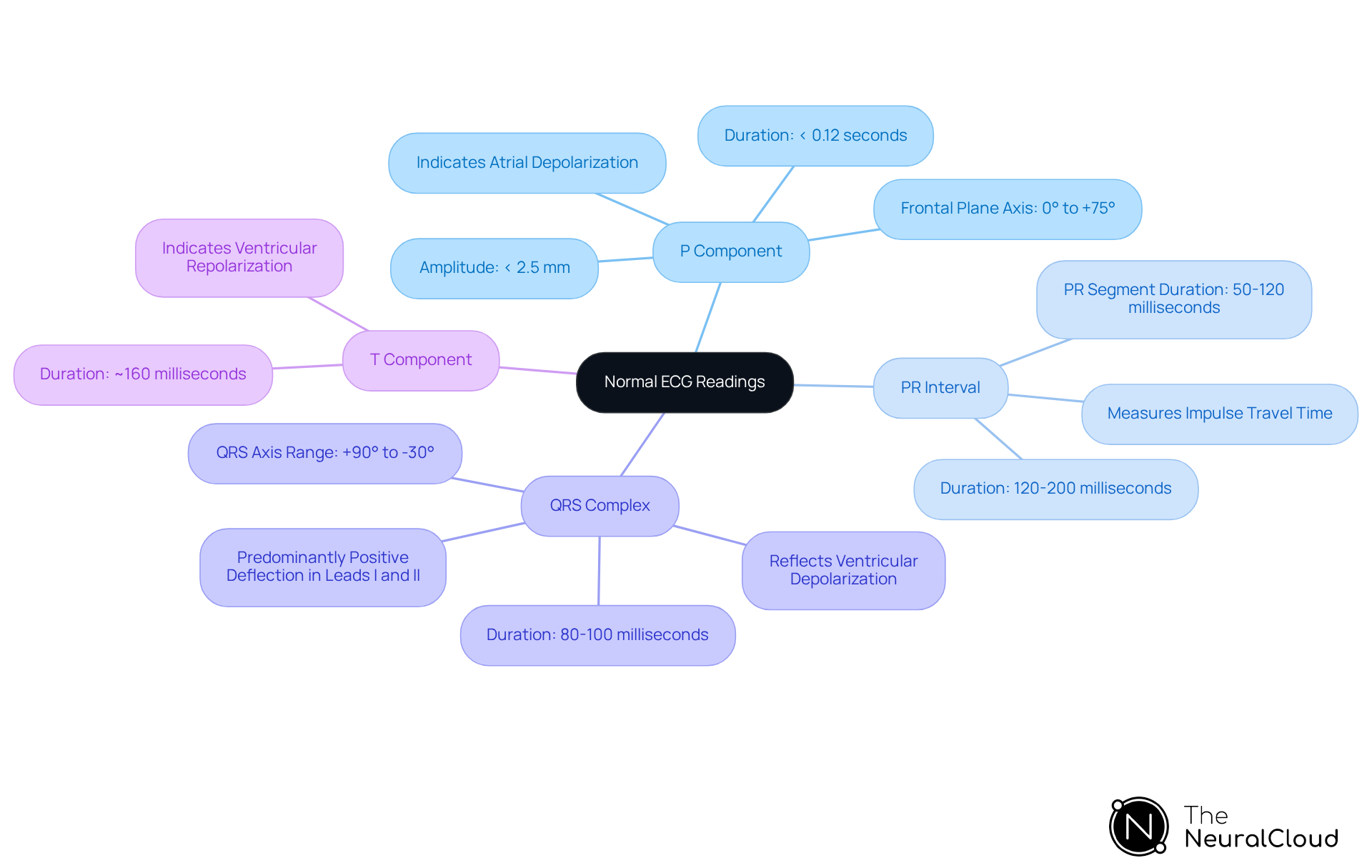
Normal ECG readings exhibit distinct characteristics crucial for accurate interpretation. The technology enhances this process by addressing common challenges in diagnosis. Essential elements include the P wave, PR interval, QRS complex, and T component, each representing specific cardiac events.
- The P signal indicates atrial depolarization, typically lasting under 0.12 seconds.
- The PR interval measures the time taken for impulses to travel from the atria to the ventricles, ranging from 120 to 200 milliseconds.
- The QRS complex reflects ventricular depolarization, with a duration of 80 to 100 milliseconds and a predominantly positive deflection in leads I and II.
- Finally, the T deflection indicates ventricular repolarization, usually lasting around 160 milliseconds.
Recognizing these intervals and their significance is essential for healthcare professionals, as any deviations can indicate underlying conditions. The technology enhances this recognition through advanced noise filtering and distinct wave identification, enabling clinicians to salvage previously obscured sections of lengthy Holter, 1-Lead, and patch monitor recordings.
Understanding these characteristics, combined with the training resources and continuous learning model of MaxYield™, allows clinicians to identify abnormalities promptly. This facilitates timely interventions and ultimately improves patient outcomes.
Conclusion
Understanding the normal range of electrocardiograms (ECGs) is essential for preserving heart health and accurately diagnosing cardiac conditions. By capturing the heart's electrical activity, an ECG offers critical insights into the rhythm and rate of heartbeats. Technological advancements, particularly through platforms like MaxYield™, have transformed ECG analysis, leading to more precise readings and improved patient outcomes.
Key insights emphasize the necessity of recognizing normal ECG parameters, including pulse rate and interval durations. These metrics are vital for detecting abnormalities that may signal serious health issues. Additionally, the incorporation of advanced algorithms and noise filtering techniques enhances the clarity and reliability of ECG data, enabling healthcare professionals to make informed decisions promptly.
In conclusion, the continuous evolution of ECG technology highlights its importance in contemporary medicine. As healthcare providers increasingly utilize these advancements, the ability to interpret ECG readings accurately will be crucial in enhancing patient care. Understanding the normal range of electrocardiograms not only supports timely diagnosis but also encourages a proactive approach to managing heart health.
Frequently Asked Questions
What is an electrocardiogram (ECG or EKG)?
An electrocardiogram (ECG or EKG) is a medical examination that captures the electrical activity of the heart over time by placing electrodes on the skin to detect electrical impulses generated by heartbeats.
What information does an ECG provide?
An ECG provides information about the heart's rhythm, rate, and electrical activity, allowing healthcare providers to assess whether these parameters fall within the normal range for heart health.
What challenges are associated with traditional ECG analysis?
Traditional ECG analysis often faces challenges such as noise and signal artifacts, which can obscure the readings and complicate the analysis.
How does the MaxYield™ platform improve ECG analysis?
The MaxYield™ platform improves ECG analysis by integrating advanced technologies like Neural Cloud Solutions, which utilize innovative noise filtering and wave recognition algorithms to enhance the efficiency of ECG readings.
What capabilities does MaxYield™ offer for ECG recordings?
MaxYield™ offers rapid isolation and labeling of critical data, even in recordings with high noise levels, and allows for beat-by-beat analysis of P-wave, QRS complex, and T-wave onsets and offsets.
Why is MaxYield™ considered essential for healthcare professionals?
MaxYield™ is considered essential for cardiologists and healthcare professionals because it enhances the accuracy of ECG readings and provides tools for effective diagnosis and treatment of various cardiac conditions, such as arrhythmias and myocardial infarctions.
How does MaxYield™ contribute to patient care?
By improving the accuracy of ECG readings and empowering healthcare providers with advanced diagnostic tools, MaxYield™ ultimately enhances patient care in the management of cardiovascular diseases.
List of Sources
- Trace the Historical Development of ECG Technology
- ahajournals.org (https://ahajournals.org/doi/10.1161/CIRCULATIONAHA.123.065489)
- Identify Key Characteristics of Normal ECG Readings
- ECG Learning Center - An introduction to clinical electrocardiography (https://ecg.utah.edu/lesson/3)
- Normal Electrocardiography (ECG) Intervals: Normal Electrocardiography Intervals (https://emedicine.medscape.com/article/2172196-overview)
- Electrocardiogram - StatPearls - NCBI Bookshelf (https://ncbi.nlm.nih.gov/books/NBK549803)
- ECG interpretation: Characteristics of the normal ECG (P-wave, QRS complex, ST segment, T-wave) – The Cardiovascular (https://ecgwaves.com/topic/ecg-normal-p-wave-qrs-complex-st-segment-t-wave-j-point)