Introduction
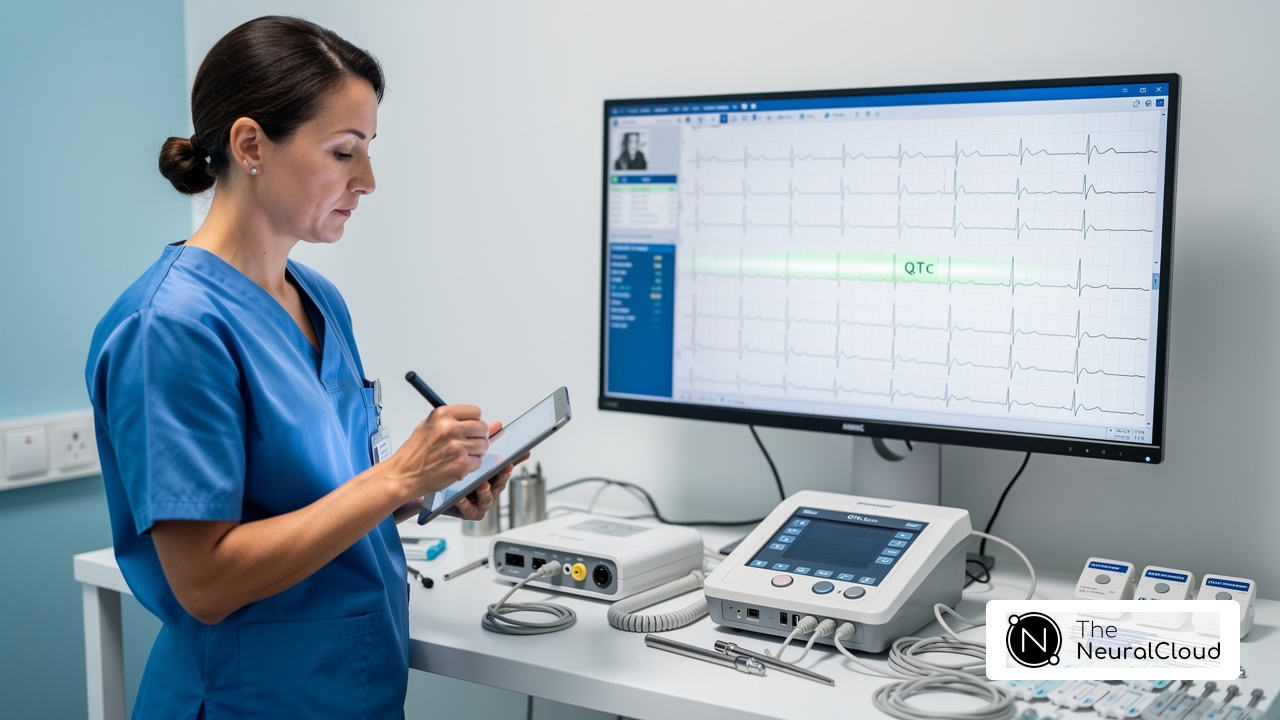
Hyperkalemia is a condition characterized by elevated potassium levels, which can significantly threaten cardiac function. This often presents as distinct changes on an electrocardiogram (ECG), with the widening of the QRS complex being particularly notable. For healthcare professionals, understanding these ECG alterations is essential for effectively managing this potentially life-threatening condition. However, accurately identifying these changes can be challenging due to the complexities involved in ECG interpretation.
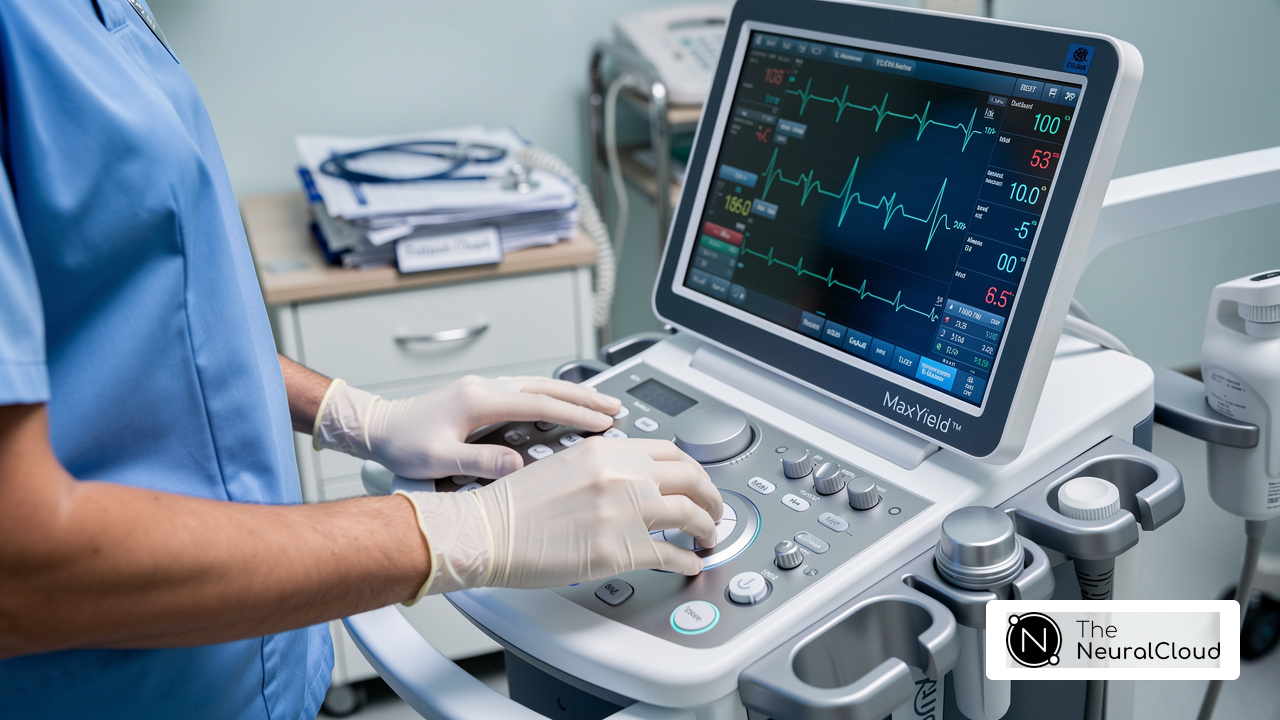
The MaxYield™ platform offers advanced technology designed to enhance the detection and management of hyperkalemia-related ECG changes. This platform features sophisticated algorithms that analyze ECG data with precision, allowing for quicker identification of critical alterations. By streamlining the ECG analysis process, MaxYield™ not only improves the accuracy of diagnoses but also facilitates timely interventions, which are crucial for patient outcomes.
The advantages of utilizing the MaxYield™ platform are significant for healthcare professionals:
- With its user-friendly interface and robust analytical capabilities, the platform empowers clinicians to make informed decisions swiftly.
- This leads to improved patient care, as timely recognition of hyperkalemia can prevent severe complications.
- Furthermore, the integration of visual aids, such as diagrams or infographics, enhances understanding and retention of complex information, making it easier for both technical and non-technical readers to grasp the implications of ECG changes.
Explain Hyperkalemia and Its Effects on ECG
Hyperkalemia, characterized by potassium levels exceeding 5.5 mEq/L, presents significant risks to cardiac health due to its impact on myocardial excitability and conduction. As potassium levels rise, the resting membrane potential of cardiac cells becomes less negative, disrupting normal electrical activity. The ECG manifestations of hyperkalemia are crucial for diagnosis and include:
- Peaked T Waves: Often the earliest sign, these T waves become tall and narrow as potassium levels increase, indicating early myocardial changes.
- Widened QRS Complex: As hyperkalemia progresses, the widening of the QRS complex occurs due to slowed conduction velocity, which can lead to serious arrhythmias. In severe cases, the QRS may merge with T patterns, forming a sine-like configuration, a critical observation that can precede ventricular fibrillation or asystole.
- Loss of P Components: In advanced stages, P components may disappear entirely, indicating significant conduction disturbances that complicate diagnosis.
Recent studies emphasize the urgency of recognizing these ECG changes. For example, the absence of visible P waves in severe potassium elevation can mimic idioventricular rhythm or ventricular tachycardia, complicating clinical assessments. Moreover, statistics show that less than 50% of elevated potassium cases might be identified by physicians without advanced support systems, highlighting the need for improved diagnostic tools.
Neural Cloud Solutions' MaxYield™ platform effectively addresses these challenges by automating ECG analysis and enhancing workflow efficiency. Features of MaxYield™ include advanced noise filtering and adaptive algorithms that quickly isolate and label critical ECG features, even in recordings with significant noise and artifact. Advantages of this platform are evident in its ability to provide beat-by-beat evaluation, analyzing 200,000 heartbeats in under 5 minutes. This capability is essential for accurately recognizing ECG alterations associated with hyperkalemia, including broadened QRS complexes and peaked T forms.
Benefits for healthcare professionals are substantial. Case studies illustrate the real-world implications of these ECG changes. In one instance, a 92-year-old woman exhibited hyperkalemia with critically elevated potassium levels of 9.7 mEq/L, along with significant ECG abnormalities that resolved following emergent hemodialysis. This case underscores the critical role of timely intervention in managing severe potassium imbalance to prevent life-threatening complications.
Understanding these ECG alterations is vital for healthcare providers, as swift identification and intervention can greatly enhance patient outcomes in cases of elevated potassium levels. Utilizing advanced tools like MaxYield™ can improve diagnostic accuracy and support clinical decision-making in these critical situations.

Identify ECG Changes in Hyperkalemia: Focus on Wide QRS Complex
In hyperkalemia, ECG changes evolve as potassium levels rise, with key alterations that healthcare providers must recognize:
- Peaked T Waves: Often the first noticeable change, peaked T waves can appear at potassium levels as low as 5.5 mEq/L, indicating early cardiac effects.
- Wide QRS: A QRS duration exceeding 120 milliseconds is a hallmark of significantly elevated potassium levels, typically observed at concentrations of 6.5 mEq/L or higher. This widening occurs due to impaired conduction through the His-Purkinje system and ventricular myocardium, which can lead to serious arrhythmias.
- Loss of P Waves: As potassium levels continue to rise, P wave deflections may flatten or disappear, signaling significant conduction dysfunction and increasing the risk of critical arrhythmias.
- Sine Wave Pattern: This alarming pattern, where the QRS complex merges with the T wave, indicates an imminent risk of cardiac arrest and necessitates immediate medical intervention.
Understanding these ECG changes is crucial for healthcare providers to accurately assess the severity of elevated potassium levels and initiate prompt treatment. Recent studies highlight that hyperkalemia wide QRS complexes are significant, with abnormal ECG findings reported in over 61% of patients with increased potassium concentrations. Furthermore, specialists note that while these ECG alterations are characteristic of elevated potassium levels, they may not always correlate directly with serum potassium concentrations, complicating clinical evaluations. Thus, continuous monitoring and advanced ECG interpretation are vital for effective management.

Analyze ECGs for Hyperkalemia: Step-by-Step Guide
To effectively analyze ECGs for signs of hyperkalemia using Neural Cloud Solutions' MaxYield™ platform, follow these organized steps:
- Obtain a Clear ECG: Ensure the ECG is properly calibrated and free of artifacts. Utilize a 12-lead ECG for a thorough analysis, leveraging MaxYield™'s advanced noise reduction capabilities to enhance signal clarity.
- Assess Heart Rate and Rhythm: Determine if the patient exhibits bradycardia or tachycardia. Bradycardia, especially with a ventricular rate under 60 bpm, may suggest severe potassium elevation and requires prompt attention.
- Evaluate P Oscillations: Examine the presence, shape, and duration of P oscillations. Flattened or absent P shapes can indicate worsening high potassium, particularly at concentrations surpassing 6.0 mEq/L.
- Measure QRS Duration: Calculate the QRS duration. An expanding QRS complex, typically exceeding 120 milliseconds, is characteristic of hyperkalemia wide qrs and can evolve into a sine pattern at potassium levels above 8.0 mEq/L. MaxYield™ assists in precisely measuring these intervals, even in recordings with high noise levels.
- Inspect T Patterns: Identify T pattern morphology. Peaked T waves, particularly visible in precordial leads, are often the earliest ECG finding at potassium levels above 5.5 mEq/L.
- Look for Sine Wave Patterns: This pattern indicates severe potassium elevation and requires immediate intervention, as it can lead to life-threatening arrhythmias. MaxYield™'s automated labeling can assist in quickly identifying these critical patterns.
- Correlate with Clinical Context: Always consider the patient's clinical history and laboratory results to confirm elevated potassium levels. Notably, more than half of hyperkalemic patients may not exhibit typical ECG changes, underscoring the need for comprehensive assessment.
By adhering to this structured method, clinicians can enhance their diagnostic precision. Research indicates that cardiologists achieve only 35.8% accuracy in ECG-based potassium level detection, while emergency physicians exhibit even lower precision at 28.4%. Utilizing MaxYield™ not only improves patient outcomes but also aligns with the latest guidelines for ECG interpretation in elevated potassium levels.

Leverage Technology for Enhanced ECG Analysis of Hyperkalemia
The integration of technology in ECG analysis has notably enhanced the detection and management of elevated potassium levels. This advancement addresses significant challenges faced in traditional ECG interpretation, particularly in identifying hyperkalemia, which leads to one to two million hospitalizations annually in the U.S.
- AI-Powered ECG Interpretation: The MaxYield™ platform from Neural Cloud Solutions employs advanced algorithms to swiftly analyze ECG data. This feature allows for the accurate identification of changes related to hyperkalemia wide qrs, which is crucial for timely patient care.
- Real-Time Alerts: With AI systems providing immediate notifications for abnormal ECG findings, healthcare professionals can facilitate prompt clinical interventions. This rapid response is vital, as the all-cause mortality rate increases by 33% following episodes of moderate to severe potassium elevation in dialysis patients.
- Automated Analysis: Automation significantly cuts down the time needed for ECG interpretation, enabling healthcare providers to focus more on patient care rather than manual analysis. For example, MaxYield™ can process over 200,000 heartbeats in less than five minutes, greatly speeding up the diagnostic process.
- Continuous Learning Models: AI systems like MaxYield™ continuously enhance their performance by learning from new data, which improves diagnostic accuracy and reduces false positives. This adaptability is essential for managing the complexities associated with elevated potassium levels, where precise detection can prevent costly hospital stays.
- Integration with Clinical Workflows: Advanced ECG analysis tools seamlessly fit into existing clinical workflows, boosting efficiency and minimizing the risk of errors. MaxYield™ is device-agnostic, capturing ECG recordings from various devices and outputting data in CSV format for easy integration into current workflows, facilitating smooth transitions in diverse healthcare environments.
By leveraging these technological advancements, healthcare providers can significantly enhance their ability to detect and manage hyperkalemia wide qrs, ultimately leading to improved patient outcomes.

Conclusion
Hyperkalemia poses a significant threat to cardiac health, primarily through its disruptive effects on electrocardiogram (ECG) readings. Elevated potassium levels lead to critical ECG changes, particularly the widening of the QRS complex, which can signal severe arrhythmias. Understanding these alterations is vital for healthcare providers to ensure timely diagnosis and intervention, ultimately safeguarding patient outcomes.
The progressive nature of ECG changes associated with hyperkalemia is alarming. It begins with peaked T waves and can escalate to a sine wave pattern, indicating a life-threatening condition. To combat these challenges, advanced technologies like Neural Cloud Solutions' MaxYield™ platform are essential. This platform enhances the accuracy and efficiency of ECG analysis, aiding in the swift identification of critical features and supporting clinicians in making informed decisions during emergencies.
The MaxYield™ platform offers several key features:
- Enhanced ECG Analysis: Provides precise identification of ECG changes associated with hyperkalemia.
- Real-Time Monitoring: Allows for immediate assessment of patient conditions.
- User-Friendly Interface: Simplifies the process for healthcare professionals, regardless of their technical expertise.
By embracing these innovations, healthcare professionals can significantly improve their diagnostic precision and response times. This not only reduces the risk of complications associated with elevated potassium levels but also enhances overall patient care. As the healthcare landscape continues to evolve, leveraging technology in ECG interpretation will be essential for improving outcomes in the face of hyperkalemia.
Frequently Asked Questions
What is hyperkalemia?
Hyperkalemia is a condition characterized by potassium levels exceeding 5.5 mEq/L, which poses significant risks to cardiac health by affecting myocardial excitability and conduction.
How does hyperkalemia affect the resting membrane potential of cardiac cells?
As potassium levels rise in hyperkalemia, the resting membrane potential of cardiac cells becomes less negative, disrupting normal electrical activity.
What are the ECG manifestations of hyperkalemia?
The ECG manifestations of hyperkalemia include peaked T waves, widened QRS complex, and loss of P components.
What do peaked T waves indicate in hyperkalemia?
Peaked T waves are often the earliest sign of hyperkalemia, becoming tall and narrow as potassium levels increase, indicating early myocardial changes.
What happens to the QRS complex as hyperkalemia progresses?
As hyperkalemia progresses, the QRS complex widens due to slowed conduction velocity, which can lead to serious arrhythmias. In severe cases, the QRS may merge with T patterns, forming a sine-like configuration.
What does the loss of P components indicate in advanced hyperkalemia?
The loss of P components in advanced hyperkalemia may indicate significant conduction disturbances, complicating diagnosis.
Why is recognizing ECG changes in hyperkalemia urgent?
Recognizing ECG changes is urgent because the absence of visible P waves in severe potassium elevation can mimic other rhythms, complicating clinical assessments. Statistics show that less than 50% of elevated potassium cases may be identified by physicians without advanced support systems.
How does Neural Cloud Solutions' MaxYield™ platform assist in diagnosing hyperkalemia?
MaxYield™ automates ECG analysis and enhances workflow efficiency by providing advanced noise filtering and adaptive algorithms that quickly isolate and label critical ECG features, even in noisy recordings.
What are the benefits of using the MaxYield™ platform for healthcare professionals?
The MaxYield™ platform allows for beat-by-beat evaluation, analyzing 200,000 heartbeats in under 5 minutes, which is essential for accurately recognizing ECG alterations associated with hyperkalemia.
Can you provide an example of how timely intervention in hyperkalemia can impact patient outcomes?
In one case, a 92-year-old woman with critically elevated potassium levels of 9.7 mEq/L exhibited significant ECG abnormalities that resolved following emergent hemodialysis, highlighting the importance of timely intervention to prevent life-threatening complications.
List of Sources
- Explain Hyperkalemia and Its Effects on ECG
- Hyperkalemia ECG Changes: Peaked T Waves (https://powerfulmedical.com/blog/hyperkalemia-ecg-critical-changes)
- droracle.ai (https://droracle.ai/articles/877363/what-is-the-urgent-management-of-hyperkalemia-especially-when)
- pmc.ncbi.nlm.nih.gov (https://pmc.ncbi.nlm.nih.gov/articles/PMC12664752)
- Client Challenge (https://nature.com/articles/s41467-025-66394-4)
- Changes in ECG in Acute versus Chronic Hyperkalemia | Docwire News (https://docwirenews.com/post/changes-in-ecg-in-acute-versus-chronic-hyperkalemia)
- Identify ECG Changes in Hyperkalemia: Focus on Wide QRS Complex
- nyulangone.org (https://nyulangone.org/news/nyu-langone-heart-cardiologists-present-latest-clinical-findings-research-acc2026)
- Electrocardiographic Abnormalities in Patients with Hyperkalemia: A Retrospective Study in an Emergency Department in Colombia - PMC (https://pmc.ncbi.nlm.nih.gov/articles/PMC11215665)
- hcplive.com (https://hcplive.com/view/q1-2026-recap-cardiology-news-and-updates)
- ECG frequency changes in potassium disorders: a narrative review - PMC (https://pmc.ncbi.nlm.nih.gov/articles/PMC9301030)
- pmc.ncbi.nlm.nih.gov (https://pmc.ncbi.nlm.nih.gov/articles/PMC9736513)
- Analyze ECGs for Hyperkalemia: Step-by-Step Guide
- aliem.com (https://aliem.com/qi-series-hyperkalemia)
- tricog.com (https://tricog.com/how-to-interpret-ecg-in-hyperkalemia?srsltid=AfmBOorXhpl5HcaypBoqemFowj_ACyoNza04cT-yLrLxjSWMVLuXhlIu)
- Changes in ECG in Acute versus Chronic Hyperkalemia | Docwire News (https://docwirenews.com/post/changes-in-ecg-in-acute-versus-chronic-hyperkalemia)
- droracle.ai (https://droracle.ai/articles/877363/what-is-the-urgent-management-of-hyperkalemia-especially-when)
- Hyperkalemia ECG Review (https://healio.com/cardiology/learn-the-heart/ecg-review/ecg-topic-reviews-and-criteria/hyperkalemia-review)
- Leverage Technology for Enhanced ECG Analysis of Hyperkalemia
- businesswire.com (https://businesswire.com/news/home/20250916497308/en/AccurKardia-Announces-Clinical-Pilot-Study-of-Its-AK-Guard-ECG-based-AI-powered-Hyperkalemia-Detection-Software)
- Client Challenge (https://nature.com/articles/s41467-025-66394-4)
- cardiacvascularnews.com (https://cardiacvascularnews.com/accurkardia-receives-fda-breakthrough-device-designation-for-ai-powered-hyperkalemia-detection-solution-using-lead-i-ecg-data)
- AccurKardia (https://accurkardia.com/news)
- sciencedirect.com (https://sciencedirect.com/science/article/pii/S1936879825026007)