Introduction
Understanding the complexities of ST-Elevation Myocardial Infarction (STEMI) is vital for health tech developers focused on improving cardiac care. With its potential to significantly impact patient outcomes, recognizing the various types of STEMI and their implications is essential for creating effective diagnostic and treatment tools. Developers must continuously adapt their innovations to align with the evolving needs of clinicians and patients. This article provides a detailed overview of the classifications, diagnostic criteria, and management strategies of STEMI, equipping health tech developers with essential insights.
Define STEMI: Understanding Its Importance in Cardiac Care
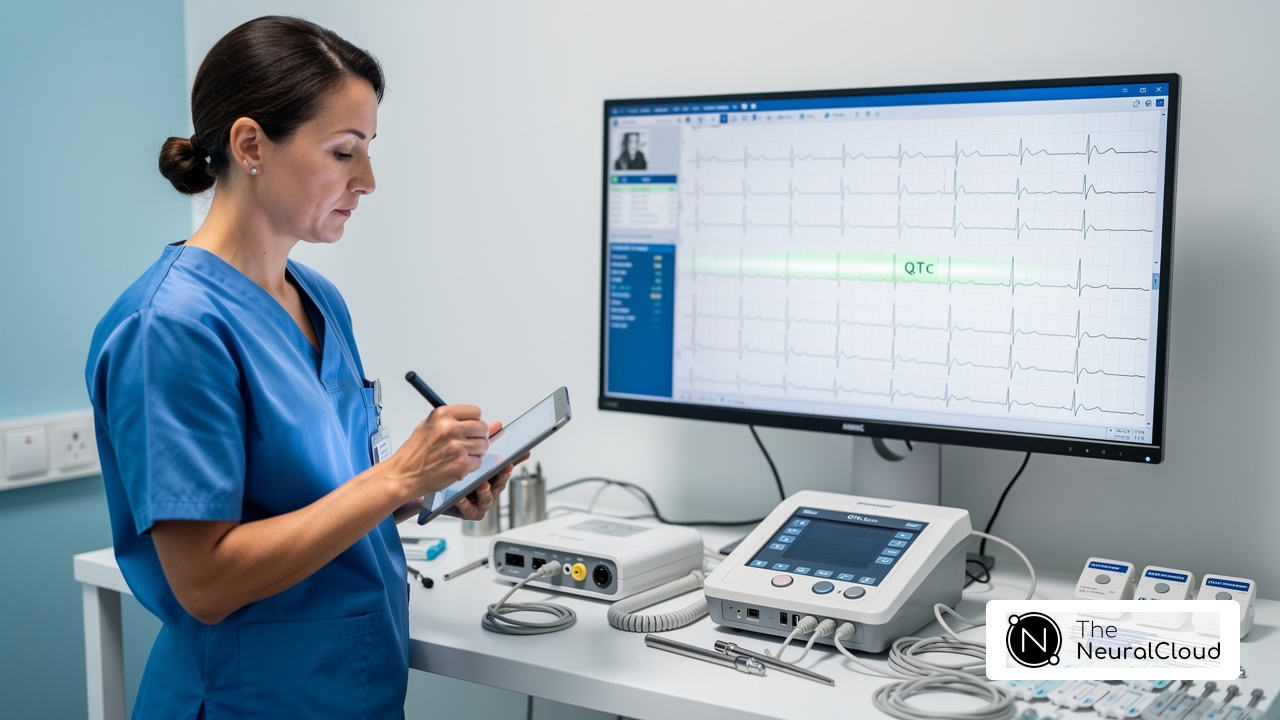
ST-Elevation Myocardial Infarction is a critical heart attack type that demands immediate attention due to its severe implications. It occurs when a coronary artery is completely blocked, leading to significant myocardial ischemia. This condition can be identified on an electrocardiogram (ECG) by distinct ST-segment elevation in two or more contiguous leads. Understanding this condition is vital for health technology creators, as prompt diagnosis and intervention can significantly impact survival rates.
The pathophysiology of acute myocardial infarction often begins with the rupture of atherosclerotic plaques. This rupture leads to thrombus formation, which blocks blood flow to the heart muscle. If not addressed swiftly, this blockage can cause irreversible damage, underscoring the necessity for technologies that enable rapid and accurate diagnosis.
Recent studies indicate a decrease in the incidence of first myocardial infarctions (MIs) in Canada, with a notable decline of 6.47 events per 100,000 inhabitants per year. However, the incidence of recurrent MIs has risen, highlighting the ongoing challenges in managing cardiovascular health. This trend highlights the critical need for innovative solutions in cardiac care.
Case studies from Canadian institutions, like UC Davis Medical Center, illustrate the effectiveness of AI-driven ECG platforms in enhancing triage precision for heart attacks, showcasing the potential for technology to improve outcomes for individuals. As the field of cardiac care progresses, incorporating innovative solutions that enable rapid diagnosis and treatment of heart attacks remains crucial for health tech developers seeking to enhance healthcare delivery.
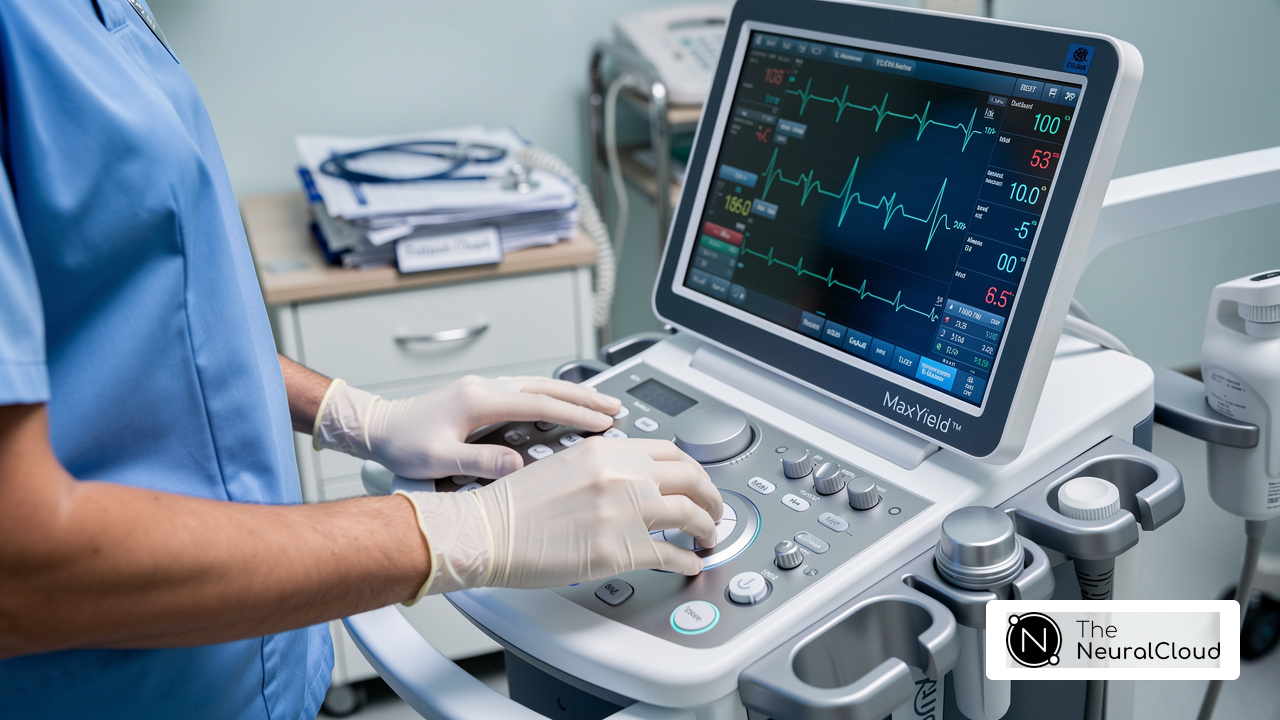
Neural Cloud Solutions Inc.'s MaxYield platform plays a pivotal role in this context by providing hospital-grade ECG accuracy from consumer-grade devices. With advanced noise reduction and artifact handling capabilities, MaxYield ensures clean PPG data, enabling health tech developers to deliver reliable insights for remote individual monitoring. The platform's ability to analyze ECG signals through noise allows for the identification of critical cardiac events, supporting confident clinical decision-making.
Furthermore, Insight360 serves as a customizable visualization and reporting tool that transforms MaxYield’s clean ECG data into interactive dashboards and clinical-ready reports. According to experts like Dr. Alan Rabinowitz and Dr. Brett Heilbron, MaxYield’s accuracy rivals that of human analysis, rendering it an essential resource in the battle against heart attacks. By integrating MaxYield into their systems, developers can enhance diagnostic yield and improve patient outcomes, ultimately transforming cardiac care. Additionally, the platform is currently pending FDA Class II SaMD clearance, ensuring compliance with regulatory standards and supporting audit-ready documentation for GxP inspections.

Explore Types of STEMI: Classifications and Characteristics
Understanding the types of stemis is essential for effective diagnosis and treatment in clinical practice. Myocardial infarction can be classified based on its location, which directly correlates with the affected coronary artery. The primary types include:
- Anterior myocardial infarction: Typically caused by blockage of the left anterior descending artery, this type impacts the front wall of the heart and is linked to considerable morbidity and mortality due to the extensive area of myocardium at risk. Anterior STEMIs are critical to recognize for timely intervention, as they can lead to severe complications.
- Inferior myocardial infarction: Resulting from blockage in the right coronary artery, this type affects the lower wall of the heart and may present with different ECG changes, such as ST elevation in leads II, III, and aVF. Inferior STEMIs can sometimes involve right ventricular infarction, which requires careful management.
- Lateral myocardial infarction: Caused by blockage of the left circumflex artery, this type impacts the side wall of the heart and frequently shows ST elevation in leads I and aVL. Recognizing lateral STEMIs is essential for appropriate management and intervention.
- Posterior myocardial infarction: Less common, this type occurs due to blockage of the right coronary artery or left circumflex artery, leading to ST depression in the anterior leads and elevation in the posterior leads. Awareness of posterior STEMIs and the use of posterior ECG leads can enhance diagnosis and treatment.
Understanding the types of stemis classifications is vital for health tech developers. It helps in creating diagnostic tools that accurately identify the type of heart attack, leading to appropriate treatment strategies. Neural Cloud Solutions Inc.'s MaxYield™ platform improves this process by automating ECG analysis, efficiently filtering noise, and identifying unique waveforms, which is essential for precise classification of ST-elevation myocardial infarction. In Canada, over 7 million individuals are diagnosed with acute coronary syndrome each year. Quickly and accurately classifying STEMIs can greatly enhance patient outcomes and improve healthcare efficiency. Furthermore, with the platform's pending FDA Class II SaMD clearance, it is positioned to meet regulatory standards while delivering high-quality diagnostic insights. The TIMI risk score, which assesses the risk linked to ST elevation myocardial infarction using eight prognostic factors, is an essential tool that can further improve the effectiveness of these diagnostic instruments. Dr. Alan Rabinowitz emphasizes that 'MaxYield™ rivals human interpretation in precision, making it an invaluable asset in clinical settings.' With advancements like the MaxYield™ platform, healthcare professionals can enhance their diagnostic capabilities, ultimately improving patient care and outcomes.

Identify STEMI: Diagnostic Criteria and ECG Findings
Diagnosing ST-Elevation Myocardial Infarction requires careful consideration of specific criteria that can significantly impact patient outcomes. Key diagnostic criteria include:
- Clinical Symptoms: Patients typically present with chest pain, shortness of breath, and other symptoms indicative of myocardial ischemia, which are critical for initial assessment.
- ECG Changes: A key indicator of ST-elevation myocardial infarction is when the ST-segment rises more than 1 mm in two or more adjacent leads on a 12-lead ECG. This elevation signifies transmural ischemia and is vital for diagnosis.
- Biomarkers: Elevated cardiac biomarkers, particularly troponin, are utilized to confirm myocardial injury, providing additional diagnostic support.
- Time Factor: The duration of symptoms is crucial; ST elevation myocardial infarction is often diagnosed when symptoms persist for more than 20 minutes, emphasizing the need for prompt recognition and treatment.
Health tech developers can greatly boost the speed and accuracy of STEMI detection by incorporating these diagnostic criteria into their tools. Recent studies, including one involving over 1,000 individuals at UC Davis Medical Center, have shown that advanced AI models, such as Neural Cloud Solutions Inc.'s MaxYield, can outperform traditional methods. MaxYield uses automated, scalable, and AI-driven insights to cut false positives from nearly 42% down to about 8%, highlighting its powerful ECG analysis capabilities.
Practical examples from user manuals demonstrate how MaxYield can be utilized in real-world situations, such as in Toronto and Calgary, where clinicians can leverage its capabilities for enhanced outcomes. Expert endorsements from Dr. Alan Rabinowitz, Dr. Brett Heilbron, and Dr. Marc W. Deyell emphasize that MaxYield's precision rivals human interpretation, while its advanced noise filtering and wave recognition improve ECG analysis accuracy. Furthermore, with FDA Class II SaMD clearance-pending status and audit-ready documentation supporting GxP inspections, MaxYield stands as a reliable solution for healthcare professionals. With MaxYield, healthcare professionals can not only streamline their diagnostic processes but also improve patient outcomes through enhanced accuracy and efficiency.

Manage STEMI: Treatment Strategies and Patient Care
Effective management of types of stemis requires overcoming significant challenges in diagnosis and treatment. Rapid diagnosis, timely reperfusion therapy, and thorough care are essential for improving patient outcomes. Key treatment strategies include:
-
Reperfusion Therapy: The primary goal is to restore blood flow to the affected heart area as quickly as possible. This can be achieved through:
- Percutaneous Coronary Intervention (PCI): A minimally invasive procedure that uses a catheter to open blocked arteries, ideally performed within 90-120 minutes of first medical contact.
- Thrombolytic Therapy: Medications that dissolve blood clots, administered within the first few hours of symptom onset, particularly beneficial when PCI is not immediately available.
-
Medications: Patients typically receive antiplatelet agents (e.g., aspirin, clopidogrel), beta-blockers, ACE inhibitors, and statins to manage symptoms and prevent further complications. Newer fibrin-specific thrombolytics have shown effectiveness comparable to primary angioplasty when administered promptly.
-
Monitoring and Support: During the acute phase, it's vital to keep a close eye on cardiac activity while providing supportive care to manage symptoms and complications. Continuous cardiac monitoring, along with clinical parameters, ECG changes, and enzyme activity, is essential for assessing reperfusion adequacy post-thrombolysis. Here, Neural Cloud Solutions Inc.'s MaxYield™ platform plays a pivotal role by rapidly labeling P, QRS, and T wave onsets and offsets, providing clear data sets that improve monitoring accuracy. Additionally, MaxYield™ is pending FDA Class II SaMD clearance, ensuring compliance with regulatory standards.
-
Post-Discharge Care: Education on lifestyle modifications, medication adherence, and follow-up appointments is vital for long-term recovery. Comprehensive post-hospital care plans, including cardiac rehabilitation, are recommended to support individuals after discharge. Recent guidelines emphasize the importance of post-thrombolysis PCI within 24 hours, which significantly reduces hospital stay and improves outcomes.
Health tech developers need to understand these management strategies. This knowledge is key to creating tools that facilitate timely interventions and improve patient education, enhancing overall care quality for heart attack patients. Expert Patrick O’Gara emphasizes the need for more patients to survive with less heart damage, highlighting the critical role of timely interventions. Additionally, the establishment of regional care systems for types of STEMIs is advocated to optimize treatment delivery and address the systemic challenges faced in STEMI management. Furthermore, the integration of MaxYield™'s advanced noise filtering and wave recognition capabilities can significantly enhance the efficiency of ECG analysis, addressing challenges such as physiological variability and signal artifacts, thereby revolutionizing cardiac diagnostics.

Conclusion
Navigating the complexities of ST-Elevation Myocardial Infarction (STEMI) presents significant challenges for health tech developers focused on improving cardiac care. By grasping the nuances of STEMI classifications, developers can create diagnostic tools that facilitate timely and accurate identification of heart attacks, ultimately improving patient outcomes. The MaxYield platform offers advanced ECG analysis tools that enhance diagnostic accuracy and streamline treatment processes, exemplifying how innovation can transform the landscape of cardiac diagnostics and treatment.
This article highlights why recognizing different STEMI types is so important, including anterior, inferior, lateral, and posterior myocardial infarctions. Each type presents unique challenges and requires specific management strategies, emphasizing the importance of accurate ECG analysis and prompt intervention. Furthermore, the discussion on diagnostic criteria and treatment strategies underscores the critical role of health tech solutions in streamlining processes and enhancing clinical decision-making.
By utilizing advanced diagnostic tools, developers can significantly enhance the speed and accuracy of STEMI identification, leading to better patient care. Health tech developers are encouraged to leverage advancements like MaxYield to improve diagnostic accuracy and patient care. Embracing innovative solutions like MaxYield is essential for advancing cardiac care and ensuring timely interventions that can save lives.
Frequently Asked Questions
What is STEMI and why is it important in cardiac care?
ST-Elevation Myocardial Infarction (STEMI) is a critical type of heart attack that requires immediate attention due to its severe implications. It occurs when a coronary artery is completely blocked, leading to significant myocardial ischemia, which can be identified on an electrocardiogram (ECG) by distinct ST-segment elevation in two or more contiguous leads.
What causes STEMI?
The pathophysiology of STEMI often begins with the rupture of atherosclerotic plaques, leading to thrombus formation that blocks blood flow to the heart muscle. If not addressed swiftly, this blockage can cause irreversible damage to the heart.
What is the current trend in myocardial infarction incidence in Canada?
Recent studies indicate a decrease in the incidence of first myocardial infarctions (MIs) in Canada, with a decline of 6.47 events per 100,000 inhabitants per year. However, the incidence of recurrent MIs has risen, highlighting ongoing challenges in managing cardiovascular health.
How can technology improve the management of STEMI?
Case studies from Canadian institutions, such as UC Davis Medical Center, demonstrate the effectiveness of AI-driven ECG platforms in enhancing triage precision for heart attacks. These technologies can significantly improve outcomes by enabling rapid and accurate diagnosis and treatment.
What role does Neural Cloud Solutions Inc.'s MaxYield platform play in cardiac care?
MaxYield provides hospital-grade ECG accuracy from consumer-grade devices, featuring advanced noise reduction and artifact handling capabilities. This ensures clean PPG data, allowing health tech developers to deliver reliable insights for remote individual monitoring and support confident clinical decision-making.
How does Insight360 enhance the use of MaxYield data?
Insight360 is a customizable visualization and reporting tool that transforms MaxYield’s clean ECG data into interactive dashboards and clinical-ready reports, enhancing diagnostic yield and improving patient outcomes in cardiac care.
What is the regulatory status of the MaxYield platform?
The MaxYield platform is currently pending FDA Class II SaMD clearance, ensuring compliance with regulatory standards and supporting audit-ready documentation for Good Practice (GxP) inspections.
List of Sources
- Define STEMI: Understanding Its Importance in Cardiac Care
- Temporal Trends in Incidence and Outcomes of Acute Myocardial Infarction in a Canadian Province: A 23-Year Analysis (https://sciencedirect.com/science/article/pii/S2589790X26003215)
- Balancing Innovation and Reality: Evaluating AI's Role in STEMI Diagnosis - REBEL EM - Emergency Medicine Blog (https://rebelem.com/balancing-innovation-and-reality-evaluating-ais-role-in-stemi-diagnosis)
- New study finds AI model improves heart attack detection (https://health.ucdavis.edu/news/headlines/new-study-finds-ai-model-improves-heart-attack-detection/2025/11)
- Explore Types of STEMI: Classifications and Characteristics
- What Is a STEMI? (https://my.clevelandclinic.org/health/diseases/22068-stemi-heart-attack)
- STEMI: ST-segment Elevation Myocardial Infarction - The Cardiology Advisor (https://thecardiologyadvisor.com/ddi/stemi-st-elevation-myocardial-infarction)
- Acute ST-Segment Elevation Myocardial Infarction (STEMI) - StatPearls - NCBI Bookshelf (https://ncbi.nlm.nih.gov/books/NBK532281)
- STEMI - Electrocardiogram - M3 Curriculum | SAEM (https://saem.org/about-saem/academies-interest-groups-affiliates2/cdem/for-students/online-education/m3-curriculum/group-electrocardiogram-(ecg)-rhythm-recognition/stemi)
- Identify STEMI: Diagnostic Criteria and ECG Findings
- FDA authorizes ‘Queen of Hearts’ AI model for detecting heart attacks in ECG results (https://cardiovascularbusiness.com/topics/cardiac-imaging/electrocardiography-ecg/fda-authorizes-queen-hearts-ai-model-detecting-heart-attacks-ecg-results)
- New study finds AI model improves heart attack detection (https://health.ucdavis.edu/news/headlines/new-study-finds-ai-model-improves-heart-attack-detection/2025/11)
- ESC ACS Guidelines Update: OMI Paradigm (https://powerfulmedical.com/blog/acs-guidelines-update-2023-esc-omi)
- Artificial intelligence may speed heart attack diagnosis and treatment (https://newsroom.heart.org/news/artificial-intelligence-may-speed-heart-attack-diagnosis-and-treatment)
- AI-Based ECG Analysis Significantly Improves STEMI Detection, Reduces False Activations - American College of Cardiology (https://acc.org/latest-in-cardiology/articles/2025/10/24/16/56/tues-554pm-ai-tct-2025)
- Manage STEMI: Treatment Strategies and Patient Care
- Guidelines for STEMI care emphasize treatment urgency (https://cardiovascularbusiness.com/topics/clinical/interventional-cardiology/guidelines-stemi-care-emphasize-treatment-urgency)
- Latest Strategies and Patient Outcomes in the Treatment of ST-segment-elevation Myocardial Infarction (https://ecrjournal.com/articles/latest-strategies-and-patient-outcomes-treatment-st-segment-elevation-myocardial?language_content_entity=en)
- The Unremitting Advances in STEMI Care and PCI (https://professional.heart.org/en/archive/the-unremitting-advances-in-stemi-care-and-pci)
- STEMI Guidelines Emphasize Timely Reperfusion, Ideally PCI (https://empr.com/home/news/drug-news/stemi-guidelines-emphasize-timely-reperfusion-ideally-pci)