Introduction
For patients at risk of myocardial infarction, missing subtle changes in electrocardiograms (ECGs) can have dire consequences. Wellens Syndrome, marked by distinctive T-wave alterations, serves as a crucial warning sign of significant coronary artery disease, particularly in the left anterior descending artery.
Clinicians often struggle to differentiate critical ECG changes from normal variations during routine evaluations. This challenge underscores the importance of accurately identifying these ECG patterns. By employing effective strategies for ECG analysis, healthcare professionals can significantly enhance patient safety and outcomes.
Define Wellens Syndrome: Importance in Cardiac Diagnostics
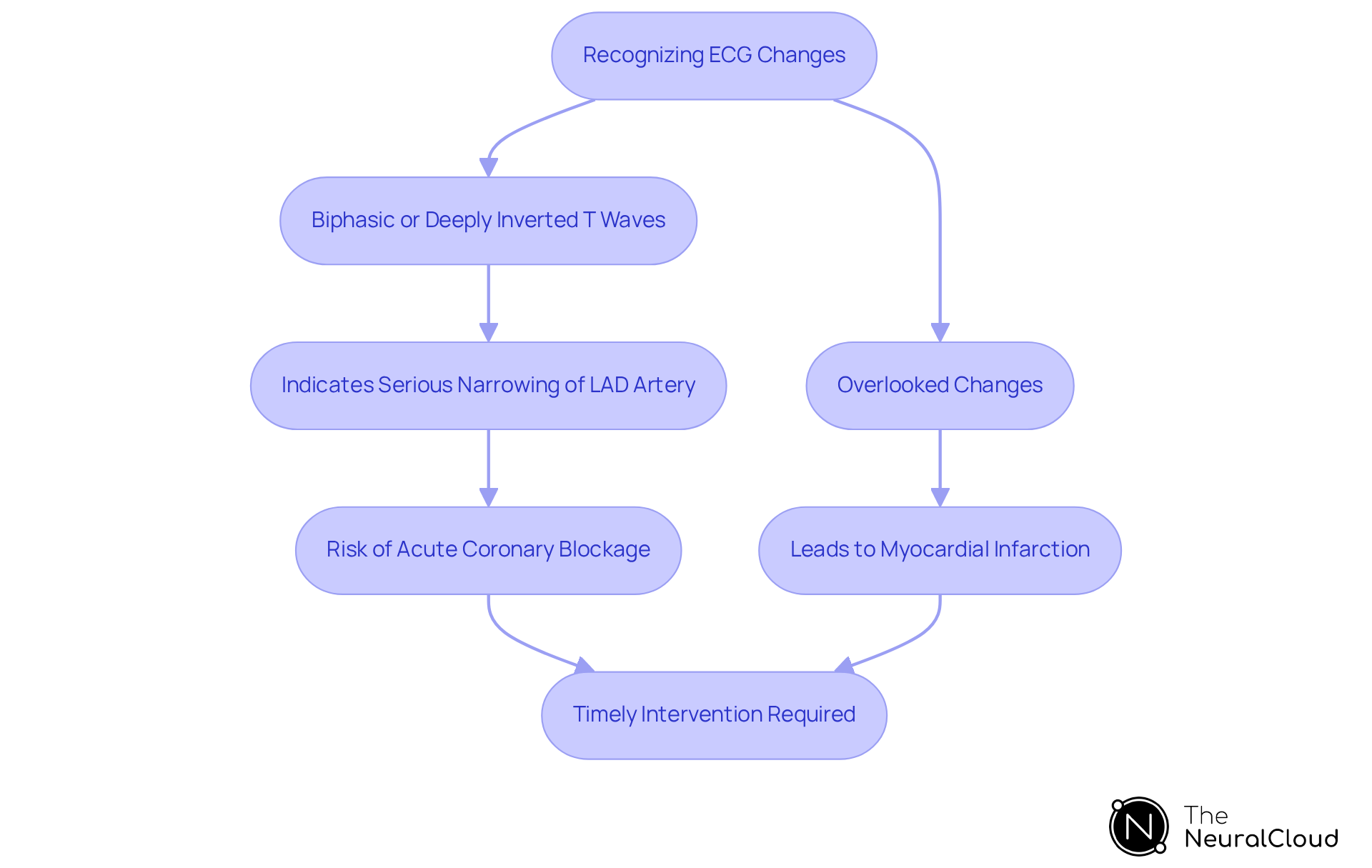
Recognizing the nuances of ECG changes is crucial in preventing severe cardiac events, yet many practitioners overlook them. This condition is a significant clinical issue characterized by distinct electrocardiographic (ECG) changes, specifically biphasic or deeply inverted T waves in leads V2 and V3. It typically manifests in patients with a history of angina who are pain-free at the time of the ECG. Spotting this condition is vital because it signals a serious narrowing of the left anterior descending (LAD) artery, which presents a significant risk for acute coronary blockage if not treated quickly.
In fact, Type-B T-waves, which are profoundly inverted and symmetrical, represent 75% of cases related to this condition and are a strong predictor of impending myocardial infarction. The challenge lies in recognizing these subtle ECG changes, which can easily be overlooked in routine assessments. The identification of this syndrome can guide urgent interventions, making it a pivotal aspect of cardiac diagnostics. Notably, in Canada, this condition represents 5.7% of acute coronary cases, emphasizing its significance in clinical practice.
Prompt identification and action are crucial, as most individuals with this condition will experience anterior myocardial infarction without suitable coronary intervention. Without timely intervention, patients face a high risk of severe cardiac events, underscoring the need for vigilance in ECG interpretation. Case studies highlight the importance of multidisciplinary medical care in managing this condition, emphasizing that early identification can prevent major cardiovascular events and save lives. Ultimately, timely recognition and intervention can be the difference between life and death for patients at risk of myocardial infarction.
Identify ECG Changes: Recognizing Wellens Syndrome on 12-Lead EKG
Identifying Wellens Syndrome on a 12-lead ECG requires careful attention to specific characteristic changes that can easily be overlooked. Clinicians should focus on the following key indicators:
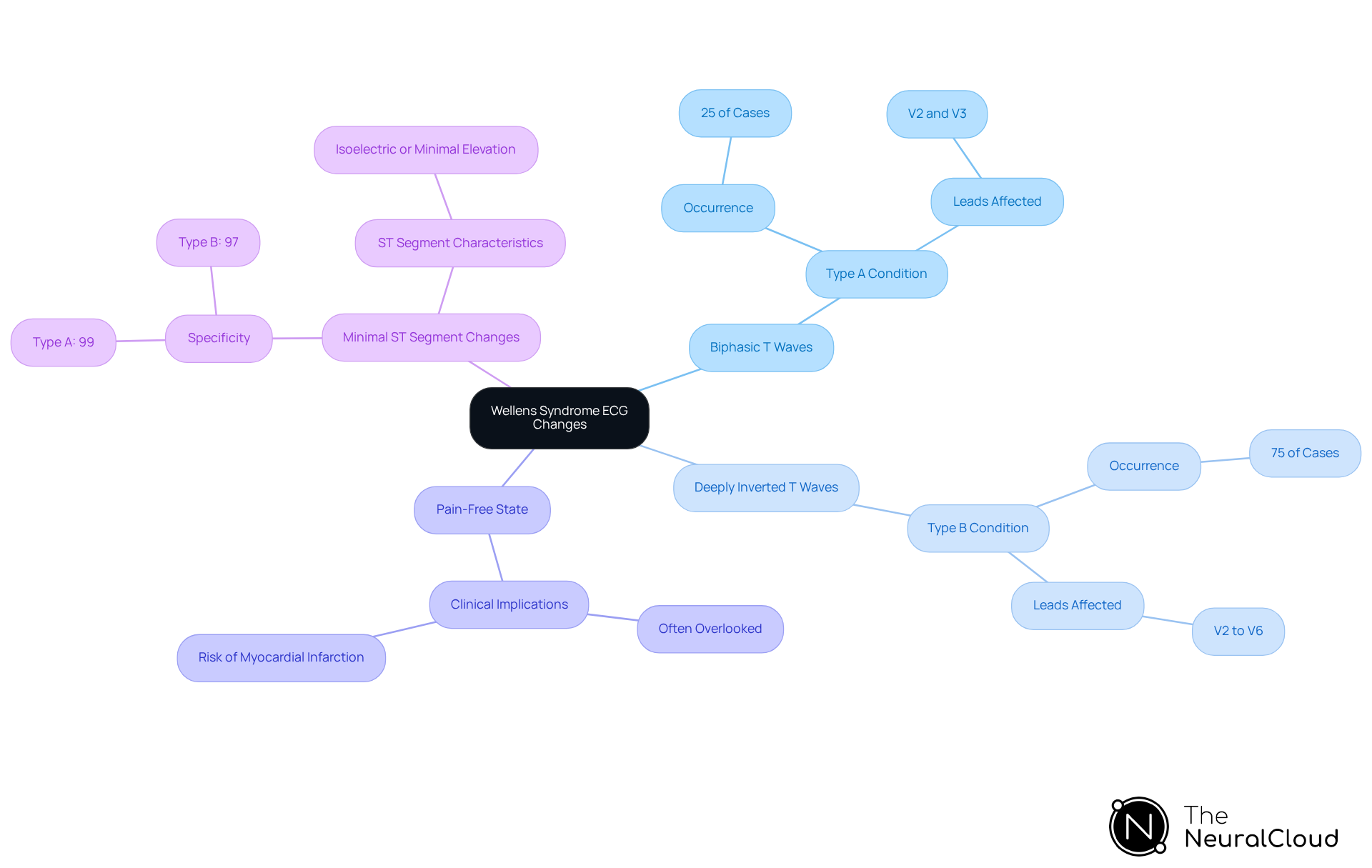
- Biphasic T Waves: Typically observed in leads V2 and V3, these T waves exhibit a biphasic pattern, with an initial positive deflection followed by a negative deflection. This pattern suggests Type A condition, which appears in about 25% of instances.
- Deeply Inverted T Waves: In Type B condition, which represents approximately 75% of instances, T waves may seem deeply inverted in leads V2 to V6.
- Pain-Free State: Notably, these ECG changes are often present when the patient is pain-free, complicating recognition. Patients may seem at ease despite the underlying danger of myocardial infarction, leading to this condition often being referred to as 'hidden in plain sight.'
- Minimal ST Segment Changes: There may be slight or no ST segment elevation or depression, which aids in distinguishing this condition from other acute coronary disorders. The ECG criteria show either no change or only slight elevation in the ST segment, achieving a specificity of 99% for Type A and 97% for Type B patterns.
Spotting these patterns is key to starting the right management and avoiding a potential heart attack. For instance, in a case study involving an individual with a history of hypertension and hyperlipidemia, the identification of biphasic T waves led to urgent catheterization, preventing a severe cardiac event. Clinicians should maintain a high level of suspicion for this condition, particularly in individuals presenting with chest pain that alleviates with rest, as prompt intervention can greatly enhance outcomes.
Additionally, with the integration of MaxYield™ from Neural Cloud Solutions, clinicians can enhance their ECG analysis efficiency. With MaxYield™, clinicians can quickly isolate ECG waves, even when recordings are filled with noise and artifacts, thanks to its advanced noise filtering and wave recognition capabilities. This capability is particularly beneficial in salvaging previously obscured sections of lengthy Holter, 1-Lead, and patch monitor recordings. As noted by experts like Dr. Alan Rabinowitz and Dr. Brett Heilbron, MaxYield™ rivals human interpretation in precision and significantly reduces noise, thereby improving diagnostic yield.
Patients identified with the specific condition need hospital admission and prompt cardiology consultation, and acquiring serial ECGs is crucial for identifying changes, especially after pain resolution. As noted by experts, early recognition and prompt coronary intervention are vital for these individuals, as they do not respond well to medical management alone. Thus, understanding these ECG patterns is essential for timely intervention and improved patient outcomes.
Conduct Diagnostic Evaluations: Testing and Confirming Wellens Syndrome
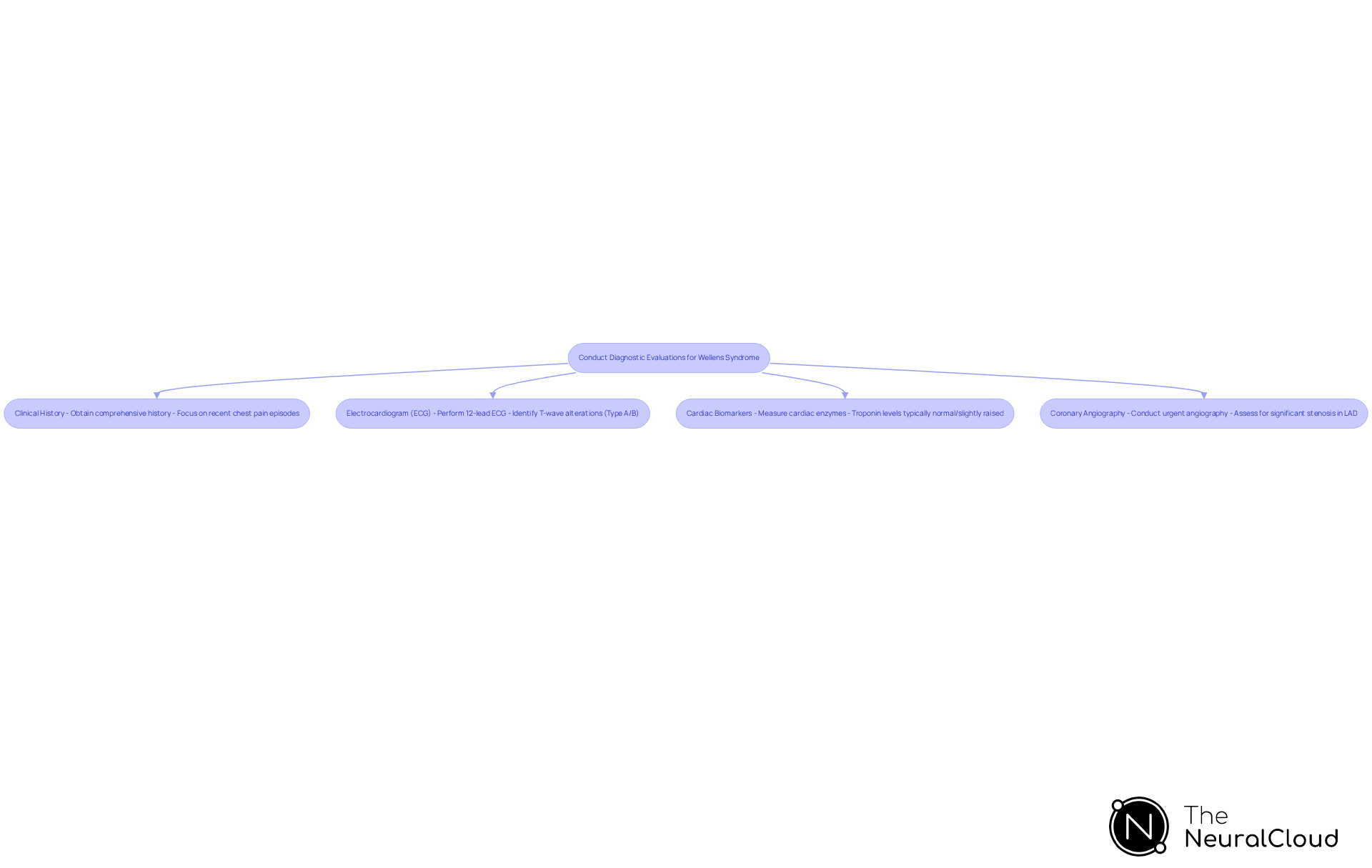
Confirming a diagnosis of Wellens Syndrome requires a thorough evaluation of several key diagnostic factors:
- Clinical History: A comprehensive clinical history should be obtained, emphasizing any recent episodes of chest pain, particularly those that have resolved spontaneously. This history is crucial as patients often present with a history of angina that subsides with rest.
- Electrocardiogram (ECG): A 12-lead ECG is essential for detecting the distinctive T-wave alterations linked to this condition. Specifically, Type A condition presents with biphasic T waves, while Type B is characterized by deeply inverted T waves in leads V2 and V3. These changes suggest a wellens warning indicating critical stenosis of the proximal left anterior descending artery (LAD). MaxYield™ significantly enhances the analysis of these ECG patterns. It employs advanced noise filtering and distinct wave recognition, allowing for the rapid isolation of ECG waves even in recordings with high levels of noise and artifact. This capability ensures that clinicians can confidently identify the critical T-wave changes linked to the condition. Additionally, MaxYield™ is compliant with FDA Class II SaMD clearance-pending status, ensuring regulatory adherence in clinical applications.
- Cardiac Biomarkers: Blood tests to measure cardiac enzymes, such as troponin, should be conducted. In this condition, these biomarkers are usually normal or only slightly raised, which aids in distinguishing it from other acute coronary conditions. For example, an individual with a specific heart condition may exhibit a troponin I level that is slightly raised, as observed in case studies where individuals showed minor increases despite considerable coronary artery disease.
- Coronary Angiography: If the condition is suspected based on the ECG findings, urgent coronary angiography is warranted to assess for significant stenosis in the LAD artery. This evaluation is critical for determining the need for potential interventions, such as percutaneous coronary intervention (PCI), especially in the context of a wellens warning. Studies indicate that early PCI leads to better outcomes, with a greater percentage of individuals with the condition receiving early intervention compared to those without.
These assessments are crucial for confirming the diagnosis and guiding subsequent management strategies, as prompt identification and action can greatly change outcomes for individuals. As Dr. Alan Rabinowitz notes, "MaxYield™ rivals human interpretation in precision, ensuring that even the most challenging ECGs are analyzed with clarity and confidence." Furthermore, the integration of Insight360 as a customizable visualization tool transforms MaxYield’s clean ECG data into interactive dashboards and clinical-ready reports, enhancing the overall diagnostic process.
Implement Management Strategies: Treatment and Intervention for Wellens Syndrome
Effective management of the wellens warning is critical due to the potential for rapid deterioration into acute myocardial infarction (AMI). Here are several key strategies that healthcare professionals should consider:
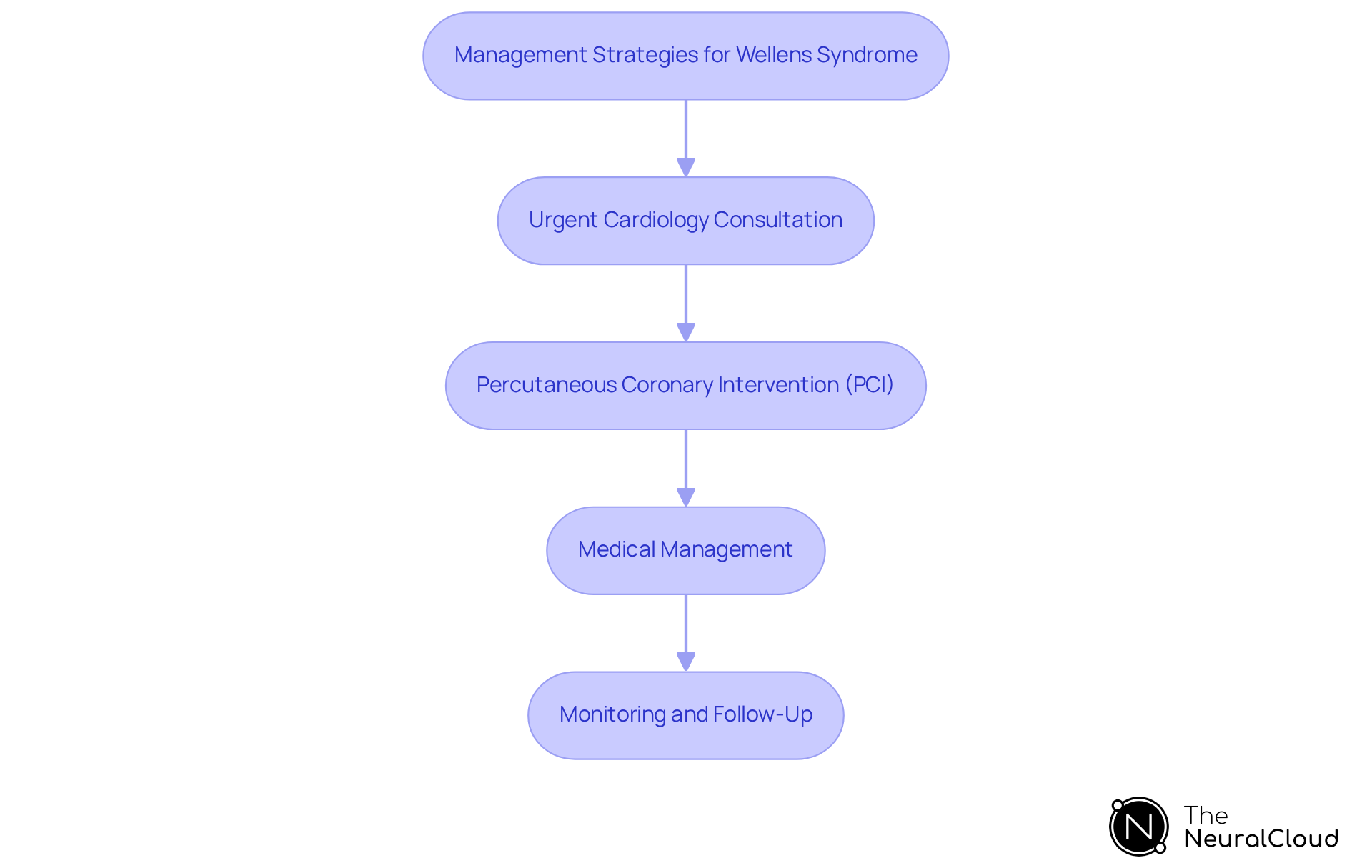
- Urgent Cardiology Consultation: Immediate referral to a cardiologist is essential for patients diagnosed with Wellens Syndrome. This ensures prompt evaluation and management, which is critical given the high risk of progression to AMI.
- Percutaneous Coronary Intervention (PCI): Often the preferred treatment, PCI aims to restore blood flow through the left anterior descending (LAD) artery. This intervention is crucial for addressing the critical stenosis indicated by specific ECG changes, significantly reducing the risk of major adverse cardiovascular events (MACCEs).
- Medical Management: Alongside PCI, individuals typically require a comprehensive medication regimen. This may include antiplatelet agents such as aspirin, beta-blockers, and statins to effectively manage cardiovascular risk factors and prevent further complications.
- Monitoring and Follow-Up: It's essential to keep a close eye on patients, especially right after the intervention. Continuous monitoring ensures stability and allows for the early detection of any complications, which is essential for improving long-term outcomes.
By implementing these management strategies, healthcare professionals can significantly enhance patient outcomes and reduce the serious risks linked to the wellens warning associated with Wellens Syndrome. Timely intervention not only enhances immediate care but also plays a pivotal role in reducing long-term cardiovascular risks for patients.
Conclusion
Understanding Wellens Syndrome is crucial for clinicians, as it signals a significant risk of myocardial infarction. The distinct ECG changes associated with this condition, particularly the biphasic and deeply inverted T waves, highlight the urgent need for accurate interpretation and timely intervention. By focusing on these patterns, healthcare professionals can greatly enhance patient outcomes and avert serious cardiac events.
Throughout the article, we've discussed key insights into the diagnostic process, including the importance of:
- A thorough clinical history
- The role of a 12-lead ECG
- The necessity of cardiac biomarker assessments
The integration of advanced tools like MaxYield™ from Neural Cloud Solutions Inc. enhances the ability to detect these subtle ECG changes, ensuring that clinicians can act swiftly and effectively. Furthermore, the outlined management strategies, including:
- Urgent cardiology consultations
- Percutaneous coronary interventions
underscore the importance of a proactive approach in treating patients with Wellens Syndrome.
The importance of Wellens Syndrome in cardiac diagnostics is profound. Clinicians are encouraged to remain vigilant in their ECG interpretations and to utilize available technologies to enhance diagnostic accuracy. By leveraging advanced diagnostic tools, clinicians can significantly mitigate the risks associated with Wellens Syndrome, ultimately enhancing patient care and outcomes.
Frequently Asked Questions
What is Wellens Syndrome?
Wellens Syndrome is a significant clinical condition characterized by distinct electrocardiographic (ECG) changes, specifically biphasic or deeply inverted T waves in leads V2 and V3. It typically occurs in patients with a history of angina who are pain-free at the time of the ECG.
Why is recognizing Wellens Syndrome important in cardiac diagnostics?
Recognizing Wellens Syndrome is crucial because it indicates a serious narrowing of the left anterior descending (LAD) artery, which poses a significant risk for acute coronary blockage if not treated promptly. Early identification can guide urgent interventions and prevent severe cardiac events.
What percentage of acute coronary cases in Canada does Wellens Syndrome represent?
In Canada, Wellens Syndrome represents 5.7% of acute coronary cases, highlighting its importance in clinical practice.
What are the typical ECG changes associated with Wellens Syndrome?
The typical ECG changes associated with Wellens Syndrome include Type-B T-waves, which are profoundly inverted and symmetrical, representing 75% of cases related to this condition and serving as a strong predictor of impending myocardial infarction.
What are the risks of not identifying Wellens Syndrome in patients?
If Wellens Syndrome is not identified, most individuals will likely experience anterior myocardial infarction without suitable coronary intervention, leading to a high risk of severe cardiac events.
How can multidisciplinary medical care impact the management of Wellens Syndrome?
Multidisciplinary medical care is essential in managing Wellens Syndrome, as early identification and intervention can prevent major cardiovascular events and save lives. Case studies emphasize the importance of collaborative approaches in treatment.
List of Sources
- Define Wellens Syndrome: Importance in Cardiac Diagnostics
- Wellens Syndrome Important to Consider in Chest Pain: Key Points - American College of Cardiology (https://acc.org/latest-in-cardiology/ten-points-to-remember/2023/01/20/17/59/wellens-syndrome)
- “Wellens Syndrome” an Underdiagnosed and Potentially Catastrophic Entity. Regarding a Case (https://irispublishers.com/ojcrr/fulltext/Wellens-Syndrome-an-Underdiagnosed-and-Potentially-Catastrophic-Entity-Regarding-a-Case.ID.000679.php)
- Wellens’ Syndrome: Hidden in Plain Sight - PCNA (https://pcna.net/news/wellens-syndrome-hidden-in-plain-sight)
- Two EKG Patterns You Must Know Before Your EM Rotation: Wellens and Brugada - Emergency Medicine Residents' Association (https://emra.org/news/wellens-and-brugada)
- Identify ECG Changes: Recognizing Wellens Syndrome on 12-Lead EKG
- Wellens Syndrome Important to Consider in Chest Pain: Key Points - American College of Cardiology (https://acc.org/latest-in-cardiology/ten-points-to-remember/2023/01/20/17/59/wellens-syndrome)
- Wellens’ Syndrome: Hidden in Plain Sight - PCNA (https://pcna.net/news/wellens-syndrome-hidden-in-plain-sight)
- Wellens Syndrome: The Forgotten Diagnosis | ACOEP RSO (https://acoep-rso.org/the-fast-track/wellens-syndrome-the-forgotten-diagnosis)
- Wellens' Syndrome: ECG Signs & Criteria (https://powerfulmedical.com/blog/wellens-syndrome)
- Conduct Diagnostic Evaluations: Testing and Confirming Wellens Syndrome
- “Wellens Syndrome” an Underdiagnosed and Potentially Catastrophic Entity. Regarding a Case (https://irispublishers.com/ojcrr/fulltext/Wellens-Syndrome-an-Underdiagnosed-and-Potentially-Catastrophic-Entity-Regarding-a-Case.ID.000679.php)
- Wellens Syndrome in the Modern Era: A Contemporary Review | Request PDF (https://researchgate.net/publication/403646810_Wellens_Syndrome_in_the_Modern_Era_A_Contemporary_Review)
- (PDF) Diagnostic Accuracy of Wellens’ Syndrome in Predicting Significant Proximal Left Anterior Descending Artery Stenosis among Patients with Acute Coronary Syndrome (https://researchgate.net/publication/399422823_Diagnostic_Accuracy_of_Wellens'_Syndrome_in_Predicting_Significant_Proximal_Left_Anterior_Descending_Artery_Stenosis_among_Patients_with_Acute_Coronary_Syndrome)
- Wellens’ Syndrome: Hidden in Plain Sight - PCNA (https://pcna.net/news/wellens-syndrome-hidden-in-plain-sight)
- Checking your browser - reCAPTCHA (https://pmc.ncbi.nlm.nih.gov/articles/PMC9013025)
- Implement Management Strategies: Treatment and Intervention for Wellens Syndrome
- “Wellens Syndrome” an Underdiagnosed and Potentially Catastrophic Entity. Regarding a Case (https://irispublishers.com/ojcrr/fulltext/Wellens-Syndrome-an-Underdiagnosed-and-Potentially-Catastrophic-Entity-Regarding-a-Case.ID.000679.php)
- Wellens Syndrome Treatment & Management: Approach Considerations, Prehospital Care, Emergency Stabilization, MI Prevention, and Pharmacotherapy (https://emedicine.medscape.com/article/1512230-treatment)
- Checking your browser - reCAPTCHA (https://pmc.ncbi.nlm.nih.gov/articles/PMC10065856)
- Wellens' Syndrome: ECG Signs & Criteria (https://powerfulmedical.com/blog/wellens-syndrome)
- Wellens Syndrome: The Forgotten Diagnosis | ACOEP RSO (https://acoep-rso.org/the-fast-track/wellens-syndrome-the-forgotten-diagnosis)