Introduction
The landscape of cardiac care is experiencing a transformative shift, primarily fueled by innovative technologies that significantly enhance the accuracy and efficiency of ECG analysis. Healthcare providers are increasingly focused on improving patient outcomes, and the integration of automation, artificial intelligence, and wearable devices presents a remarkable opportunity to revolutionize traditional diagnostic methods. However, these advancements raise a critical question: how do they effectively address the challenges posed by lengthy and noisy recordings that often complicate accurate interpretation?
Exploring the latest innovations in ECG technology not only highlights the potential for improved diagnostic accuracy but also underscores the necessity for a collaborative approach in modern healthcare. By leveraging cutting-edge tools, healthcare professionals can streamline the diagnostic process, reduce errors, and ultimately provide better care for their patients. This shift towards advanced ECG solutions is essential for overcoming the existing limitations in cardiac care.
Neural Cloud Solutions MaxYield™: Automate ECG Analysis for Enhanced Clarity
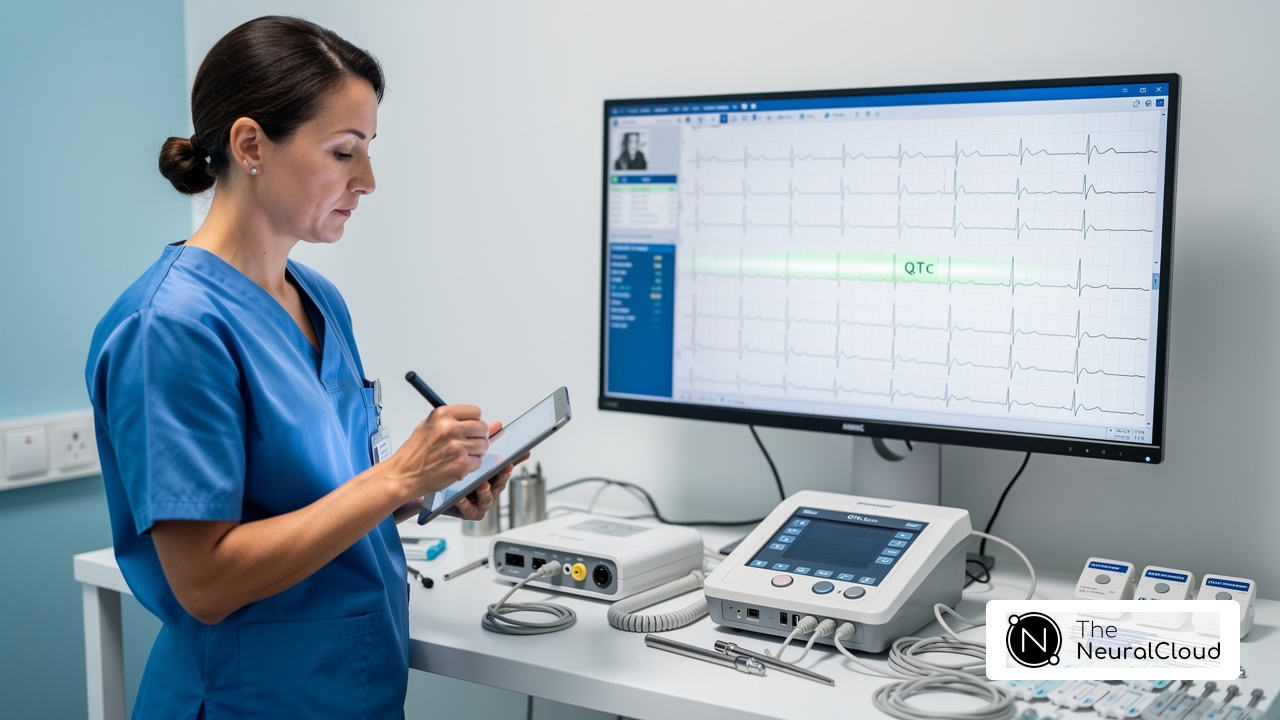
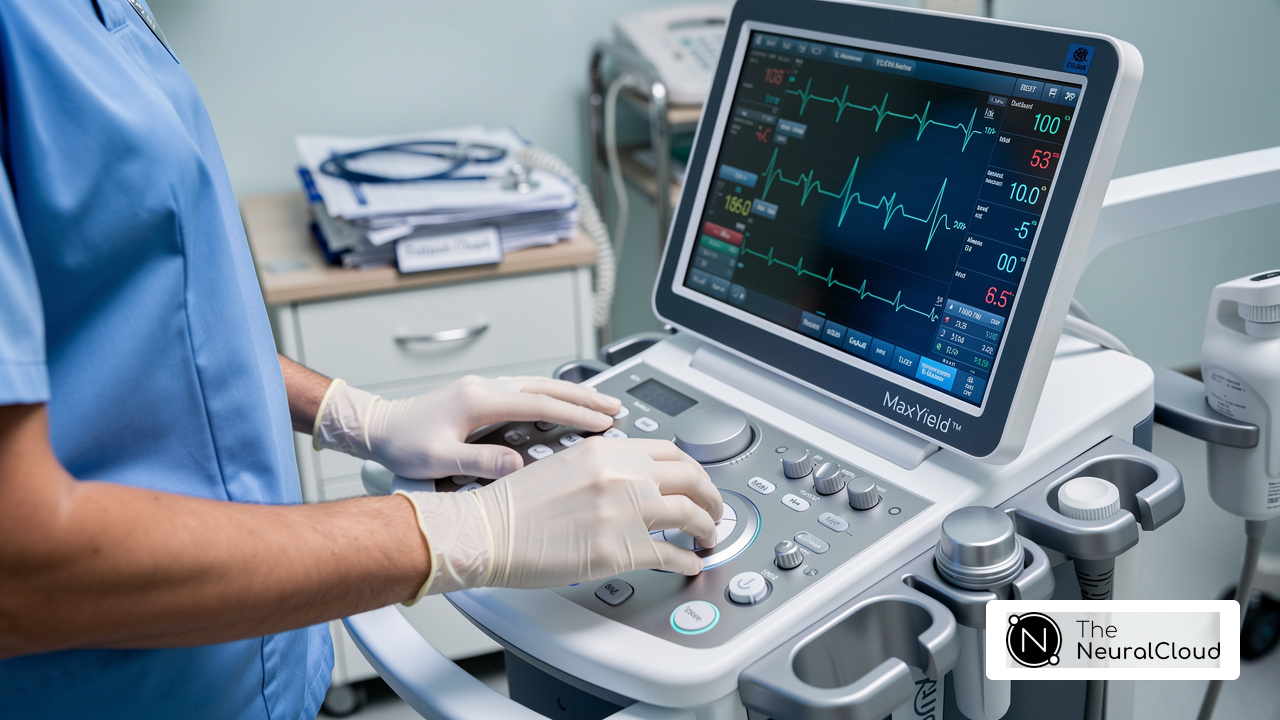
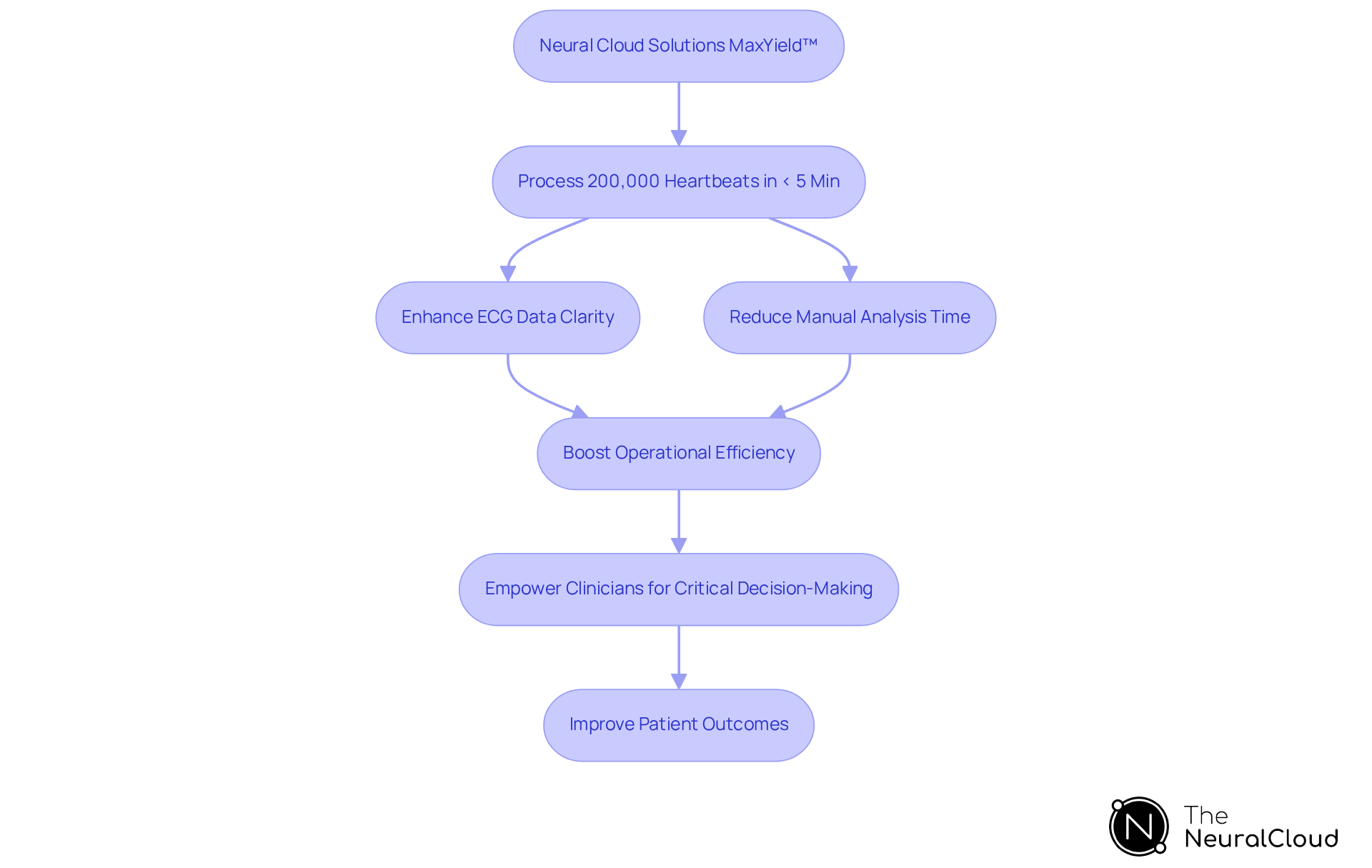
Neural Cloud Solutions' platform is at the forefront of revolutionizing ECG analysis through automation, enabling clinicians to improve efficiency. This system is capable of processing over 200,000 heartbeats in under five minutes, significantly reducing the time clinicians dedicate to manual analysis. The automation not only streamlines workflows but also empowers healthcare professionals to concentrate on patient care, leveraging reliable data for informed decision-making. As healthcare professionals increasingly recognize the value of swift ECG interpretation, the integration of AI technology is poised to enhance diagnostic accuracy.
AI-Driven ECG Interpretation: Improve Diagnostic Accuracy with Machine Learning
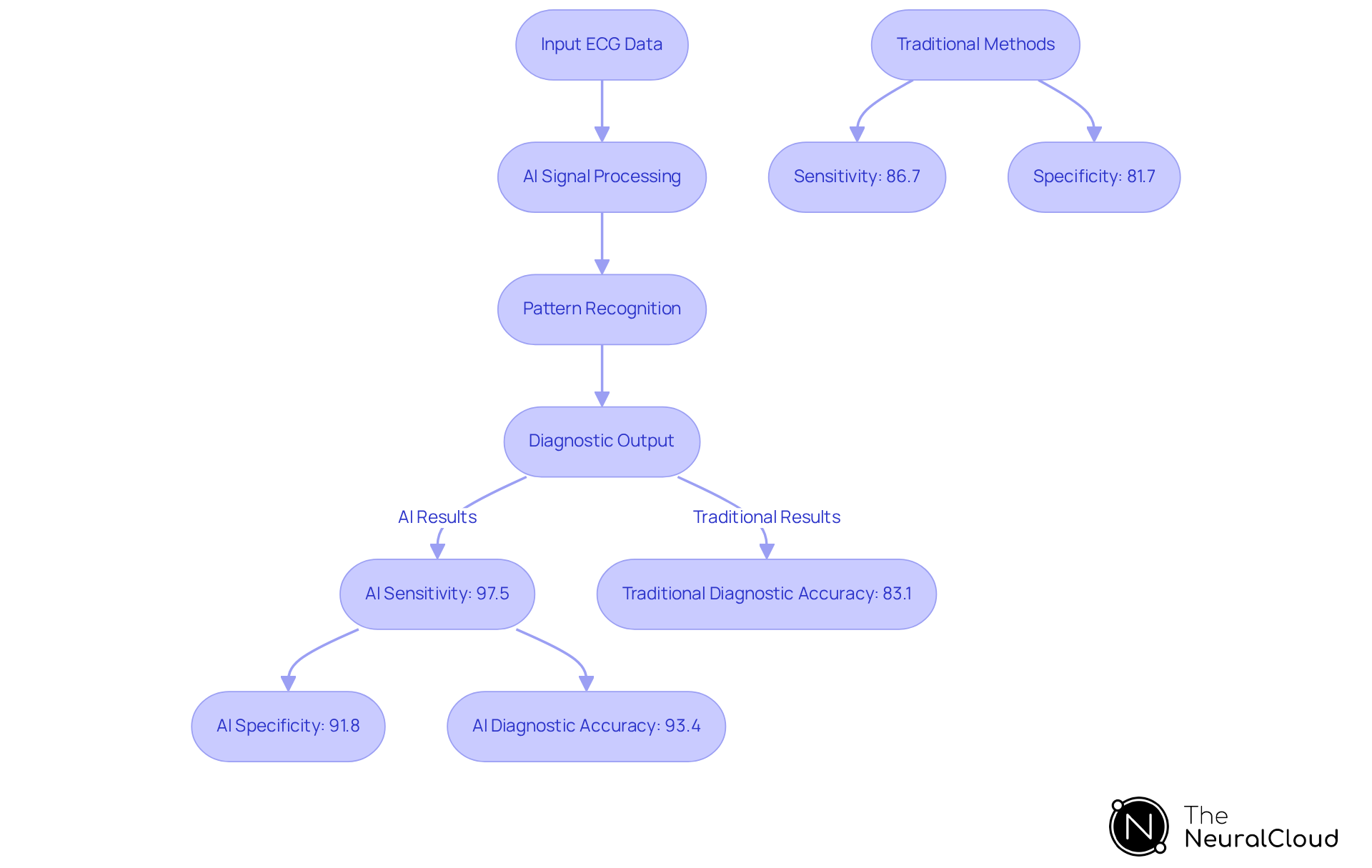
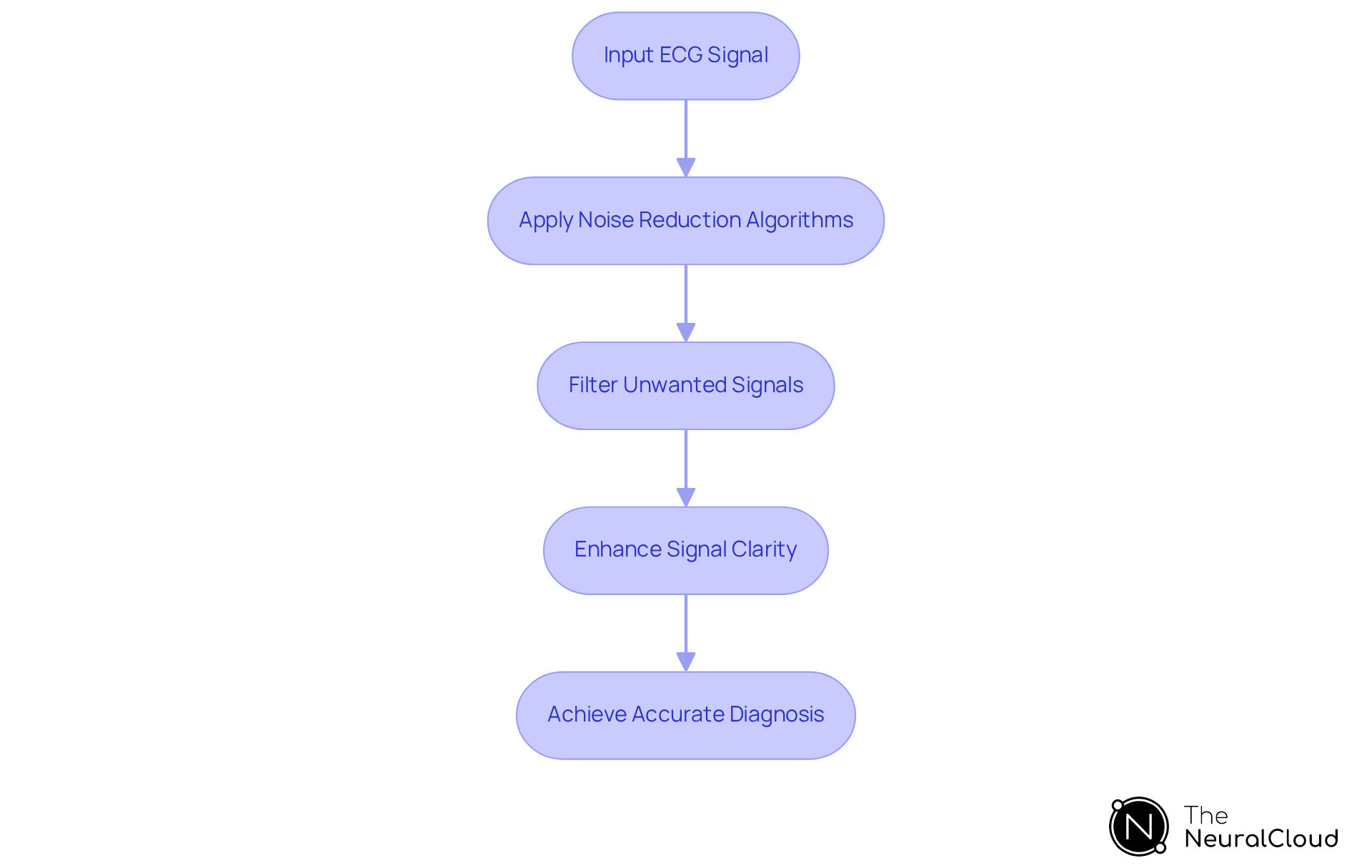
utilizes advanced machine learning algorithms to analyze complex cardiac signals with exceptional precision. The technology from Neural Cloud Solutions enhances this process through effective noise filtering and automated signal processing, transforming lengthy and noisy ECG recordings into clean, clear signals. These systems continuously learn from new data, allowing them to identify patterns and anomalies that traditional methods may miss. This capability significantly improves diagnostic accuracy, empowering healthcare professionals to make informed decisions and ultimately enhance patient care.
For example, research indicates that AI achieves a sensitivity of 91.8%, surpassing conventional physician reporting, which recorded 86.7% sensitivity and 81.7% specificity. Furthermore, AI's overall accuracy stands at 93.4%, compared to 83.1% for traditional methods. Such advancements highlight the essential role of machine learning in cardiac diagnostics, particularly through the use of algorithms, which streamlines the analysis process and reduces the time to diagnosis from an average of 6.5 minutes to just 1.8 minutes. This efficiency is particularly critical in acute treatment settings, where timely interventions can significantly impact patient outcomes.
The integration of AI in ECG analysis, particularly through its advanced systems, signifies not just a technological enhancement but a fundamental shift in how we utilize the technology to monitor and manage cardiac health. This evolution leads to more tailored and efficient treatment approaches. Notably, a pilot program with a Canadian cardiology clinic is set to implement AI-powered ECG analysis, aiming to enhance patient outcomes through improved diagnostics.
Additionally, cardiologist Deepak Sharma has emphasized that AI is crucial in predicting arrhythmias, further underscoring the transformative potential of AI in this domain. User testimonials highlight the effectiveness of the product in improving diagnostic accuracy and enhancing patient care, illustrating its vital role in modern cardiac treatment.
Wearable ECG Devices: Enable Continuous Monitoring for Real-Time Insights
Wearable ECG devices have revolutionized cardiac care by enabling monitoring of patients' heart rhythms using a smartphone app. These devices provide real-time insights, facilitating immediate intervention when abnormalities are detected. The integration of wearable technology with platforms like MaxYield™ enhances data gathering and examination, ensuring healthcare professionals have access to critical information.
MaxYield™ features advanced and distinct wave recognition, allowing it to identify and label critical data even in recordings with high noise levels and artifacts. This capability is essential for rapidly isolating ECG waves from recordings affected by baseline wander, movement, and muscle artifact, ultimately salvaging previously obscured sections of lengthy recordings.
The market is projected to grow from USD 6.27 billion in 2024 to around USD 10.07 billion by 2031, with a compound annual growth rate (CAGR) of 6.1%. This growth reflects the increasing demand for such technology, particularly as over 60% of hospitals in the U.S. are now incorporating wearable devices into their cardiac care protocols. This shift not only enhances outcomes for individuals but also streamlines clinical workflows, allowing for more efficient management of heart health with the use of wearable technology.
As Jiang Li, CEO of Vivalink, noted, wearable ECGs have the potential to become standard tools in clinical trials, further underscoring their importance.

Noise Reduction Algorithms: Enhance Signal Clarity in ECG Readings
Noise reduction algorithms play a critical role in enhancing signal clarity by filtering out unwanted signals and artifacts. This process ensures that true cardiac signals are accurately represented, which is essential for reliable diagnosis and treatment planning. AI technology exemplifies this advancement by identifying and labeling critical data even in recordings with high levels of noise and artifact. Its innovative adaptive algorithm evolves with each use, continuously improving accuracy and efficiency in ECG analysis.
For instance, AI algorithms have demonstrated the ability to achieve high accuracy in controlled datasets. This showcases the effectiveness of these technologies in clinical settings. Furthermore, devices that utilize advanced sampling techniques can uncover subtle electrical abnormalities that standard ECGs might miss, leading to more accurate diagnoses. As highlighted by researchers, incorporating noise reduction methods is crucial for clinicians to trust the data they rely upon, ultimately enhancing health outcomes.
The advancements in noise reduction, particularly through Neural Cloud Solutions' algorithms and wave recognition, not only improve the signal-to-noise ratio but also recover previously obscured sections of lengthy Holter, 1-Lead, and patch monitor recordings. This capability enables the clinician to make informed decisions using a cardio card, allowing for prompt interventions that can significantly impact individuals' well-being.
AI Integration: Streamline Workflows and Improve User Adoption in Healthcare
Integrating AI into healthcare workflows significantly streamlines processes, alleviating the workload on healthcare professionals. By automating routine tasks and delivering intelligent insights, healthcare providers can enhance patient care.
Features of AI Integration:
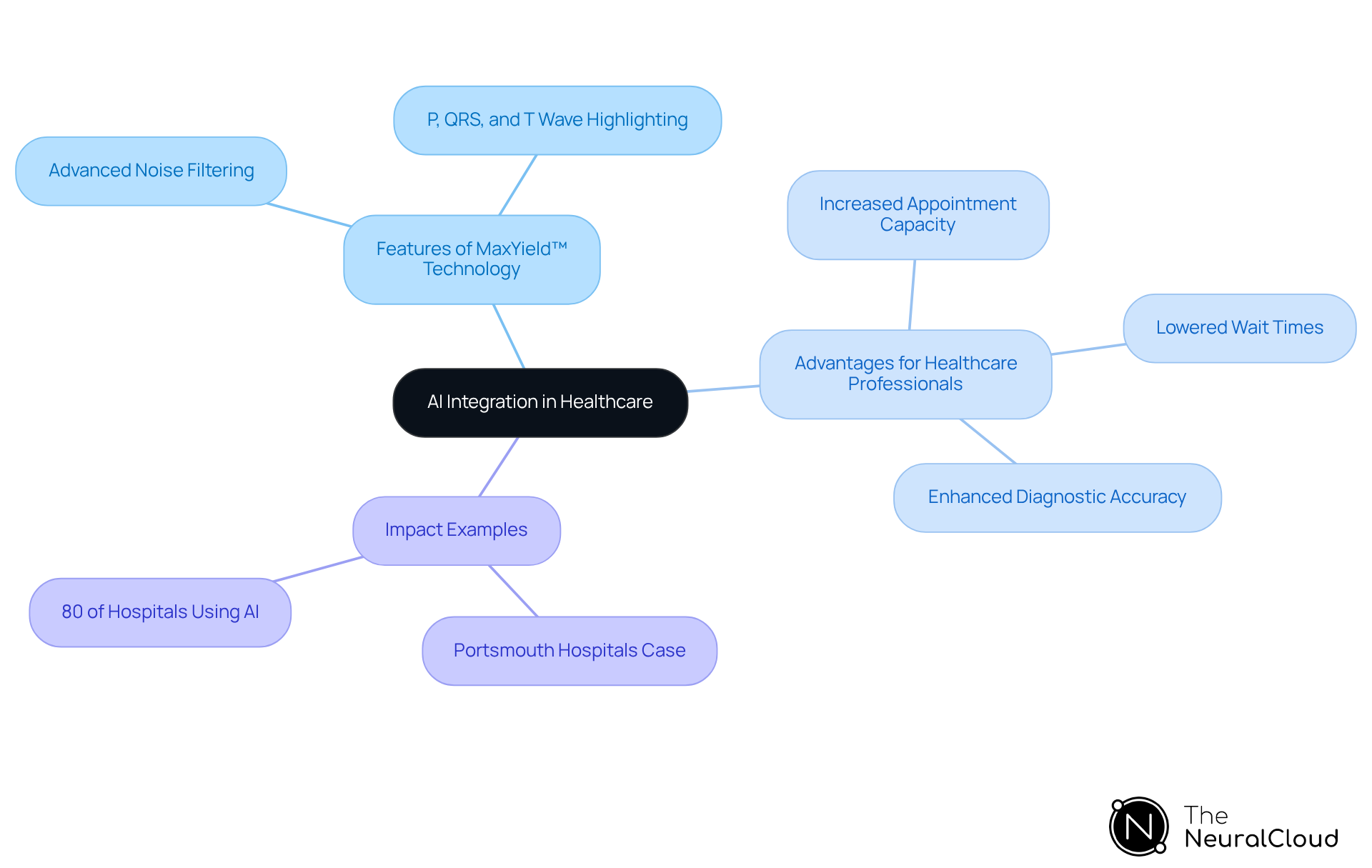
- P, QRS, and T Wave highlighting
The 'Neural Cloud Solutions' exemplifies how automation can process more data in less time, allowing clinicians to concentrate on individuals rather than administrative duties. This integration enables clinicians to prioritize patient needs, ultimately enhancing the quality of care.
Advantages for Healthcare Professionals:
For example, Portsmouth Hospitals increased maternity appointment capacity by 33% through AI integration, which not only lowered wait times but also improved communication with patients, saving £105,000 by preventing the outsourcing of pregnancy scans. Additionally, improved patient outcomes and workflow efficiency, showcasing a broad acknowledgment of AI's ability to revolutionize healthcare delivery.
As healthcare leaders increasingly acknowledge the benefits of AI, with 76% citing improved efficiency as a key advantage, the focus on patient-centered care is growing. This shift not only enhances clinical effectiveness but also fosters a more patient-centered approach in clinical settings.
Cloud-Based ECG Solutions: Enhance Accessibility and Collaboration in Cardiac Care
significantly enhance accessibility by enabling healthcare providers to access client data from any location at any time. This capability streamlines workflows and promotes collaboration among specialists, allowing them to share insights and make informed, collective decisions regarding patient care. However, the system often faces challenges such as lengthy and noisy recordings that can hinder effective interpretation.
Neural Cloud Solutions' technology improves patient outcomes by transforming lengthy and noisy ECG recordings into clean, crisp signals. Leveraging advanced AI technology, it enhances clarity and speed in data analysis. The incorporation of gold standard noise filtering and automation ensures that clinicians can respond promptly to individual needs, regardless of geographical limitations.
The benefits of MaxYield™ are substantial. By improving the quality of ECG readings, it helps clinicians provide timely interventions. This ultimately results in better patient outcomes and more efficient service delivery, allowing for a higher standard of care in various healthcare settings.

Predictive Analytics: Identify Cardiac Events Early with AI Insights
Predictive analytics powered by AI is revolutionizing cardiac care by identifying potential cardiac events before they occur, enabling proactive interventions with the help of a predictive model. By analyzing extensive historical data and recognizing intricate patterns, these advanced tools can alert clinicians to patients at risk, facilitating timely and targeted treatment.
MaxYield™ Features:
For instance, Neural Cloud Solutions' platform transforms noisy ECG recordings into detailed insights, delivering actionable information, isolating and labeling key features such as P-wave, QRS complex, and T-wave onsets and offsets. This capability significantly enhances patient care and decreases hospitalizations, improving outcomes for individuals while streamlining the overall efficiency of cardiac treatment.
Leading cardiologists emphasize the importance of AI in proactive cardiac care, highlighting that these insights can transform patient management, particularly when utilizing a comprehensive approach. As Fatima Rodriguez, MD, stated, "AI has the potential to personalize treatment plans tailored to individual risk profiles," highlighting the potential for personalized treatment plans tailored to individual risk profiles, ultimately enhancing adherence to preventive measures. Furthermore, this system employs a continuous learning model that evolves with each use, ensuring that risk predictions remain accurate and relevant, as noted in recent studies demonstrating how AI methodologies improve traditional risk prediction models.
The impact of AI insights on early cardiac event identification is profound, with cardiovascular diseases, which have seen a 60% increase in mortality over the past three decades according to the World Health Federation (WHF). By utilizing advanced analytics, healthcare providers can improve diagnostic precision for conditions related to the heart and promote a more proactive strategy for patient management, ultimately resulting in better health outcomes and a healthier community.
To integrate these insights into practice, healthcare professionals should consider adopting AI tools and risk assessment, ensuring they stay ahead in the evolving landscape of cardiac care.

Data Visualization Tools: Improve ECG Data Interpretation for Clinicians
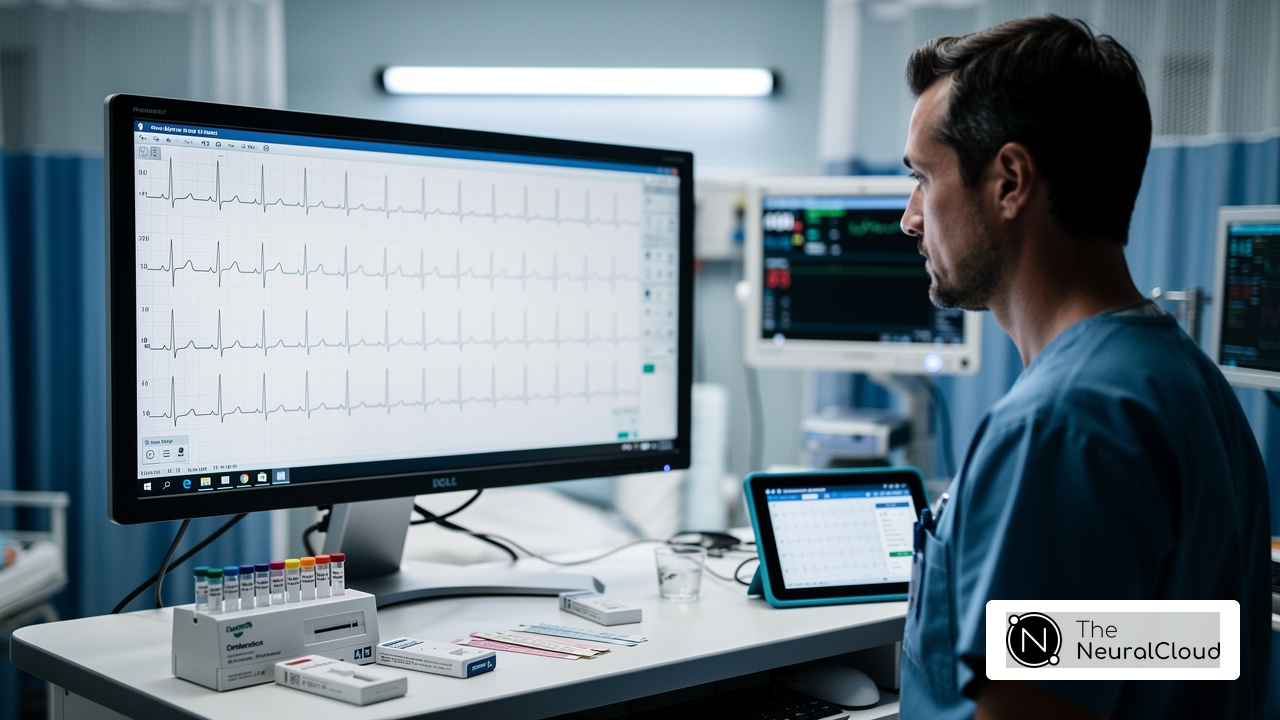
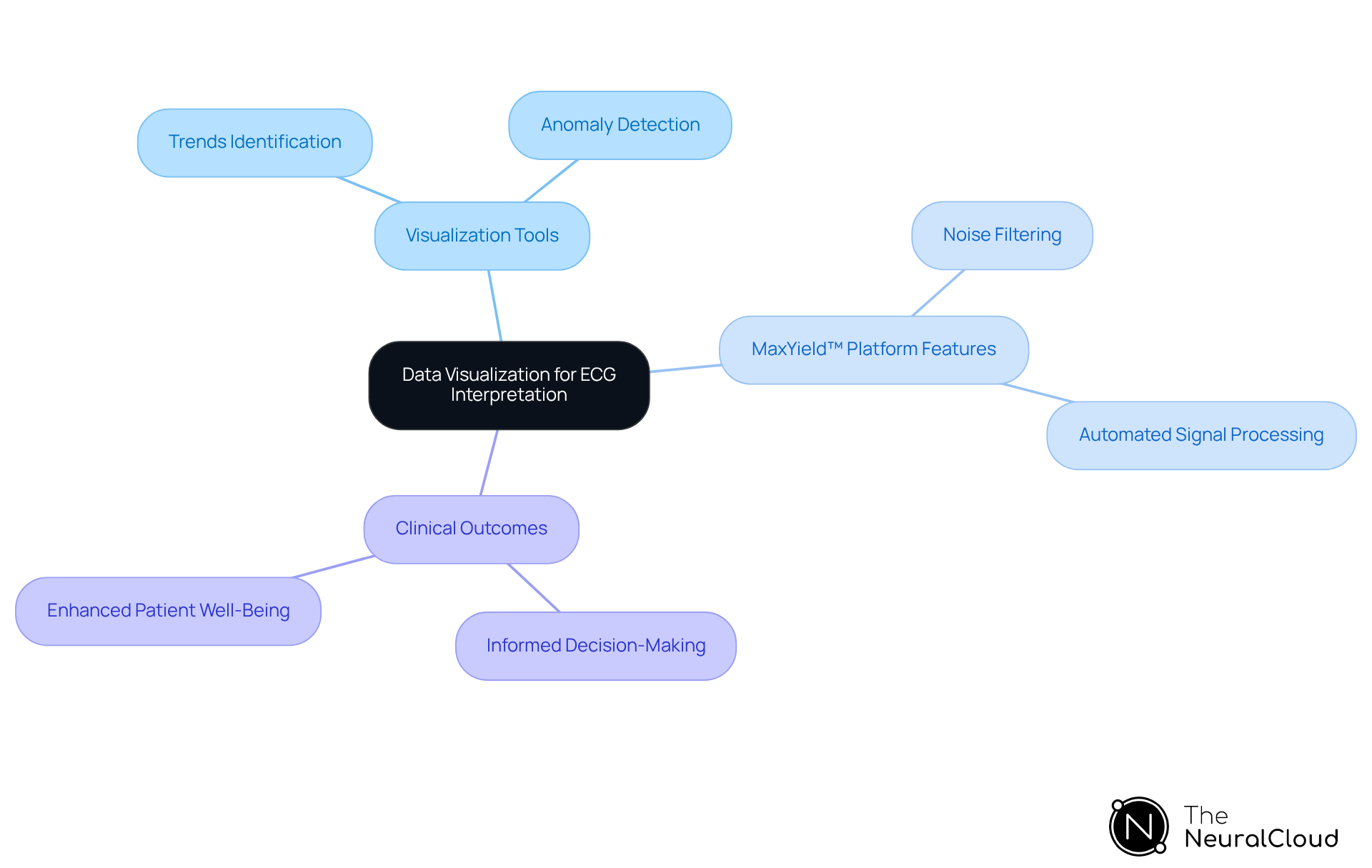
Data visualization tools are essential for ECG analysis, particularly when integrated with sophisticated systems like the cloud. These tools present complex information in a digestible format, enabling healthcare professionals to swiftly interpret data. The technology enhances this process through its innovative and user-friendly interface. This ensures that clinicians can make decisions based on clear, 'neuralized' signals and distinct patterns. The integration of AI, coupled with its effectiveness, supports better patient outcomes, ultimately enhancing the well-being of individuals.
Professional Training: Maximize AI Tool Benefits in ECG Analysis
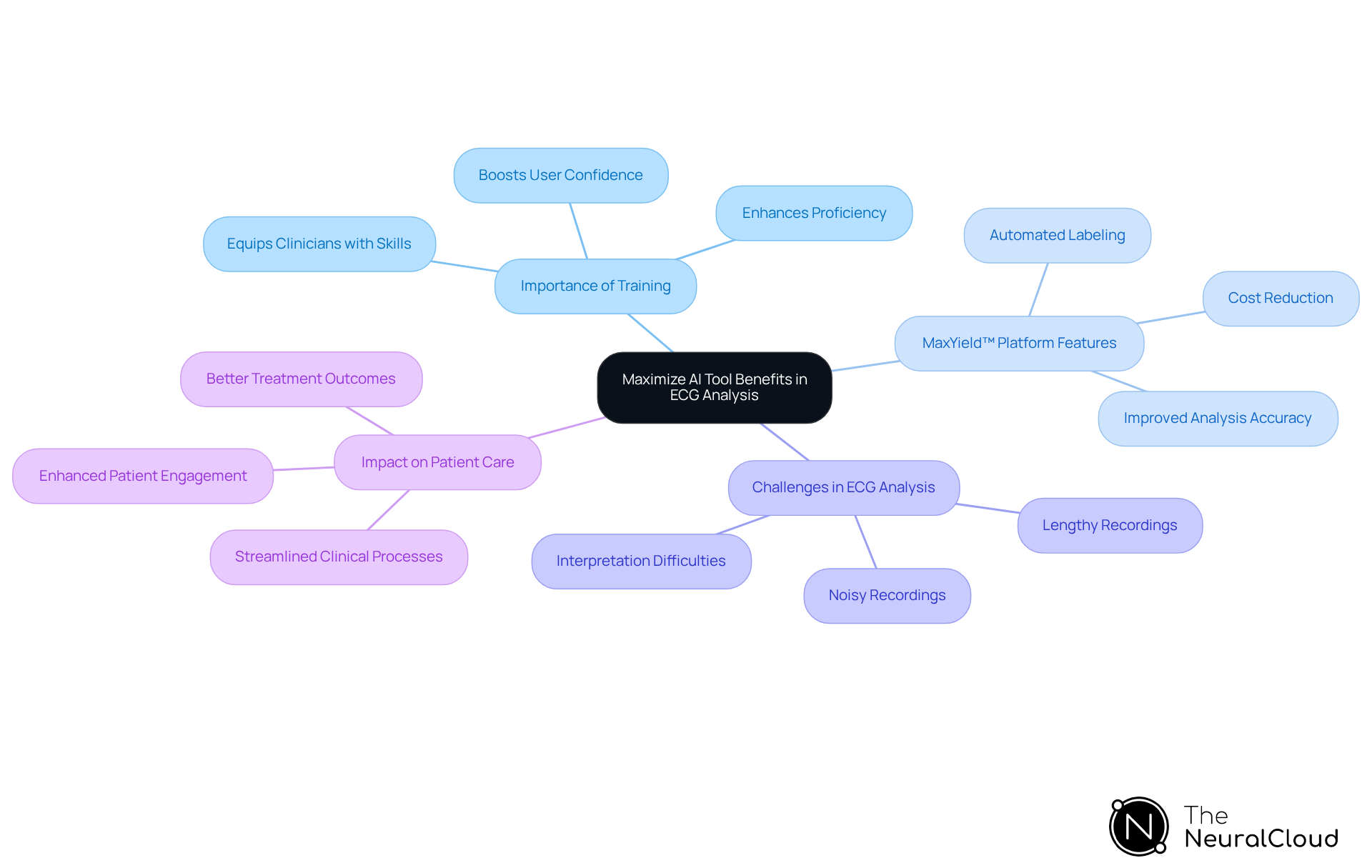
Professional training is essential for healthcare providers aiming to fully leverage AI tools in ECG analysis, particularly with innovations like Neural Cloud Solutions' offerings. The challenges in ECG analysis often stem from lengthy and noisy recordings, which can hinder accurate interpretation. By equipping clinicians with essential skills and knowledge, training programs significantly boost user confidence and proficiency in utilizing advanced technologies that improve diagnostic accuracy.
The program exemplifies this advancement, offering features that enhance workflow efficiency. Key features include automation, which streamlines the analysis process, and cost reduction, making it a valuable resource for healthcare facilities. These advantages not only improve the effectiveness of AI applications but also lead to better treatment outcomes for patients.
Statistics indicate that as demand rises, training is crucial for maximizing the benefits of these technologies. Well-structured training empowers clinicians to utilize AI tools effectively, fostering a more efficient and accurate ECG analysis process. Testimonials from participants further highlight the transformative impact of training programs, showcasing increased utilization of AI tools in ECG analysis.
As healthcare technology continues to advance, ongoing training will be essential for clinicians to maintain confidence and competence in using AI tools. By investing in education, healthcare providers not only enhance their skills but also contribute to improved patient care.
Collaborative ECG Platforms: Enhance Diagnostic Accuracy Through Specialist Sharing
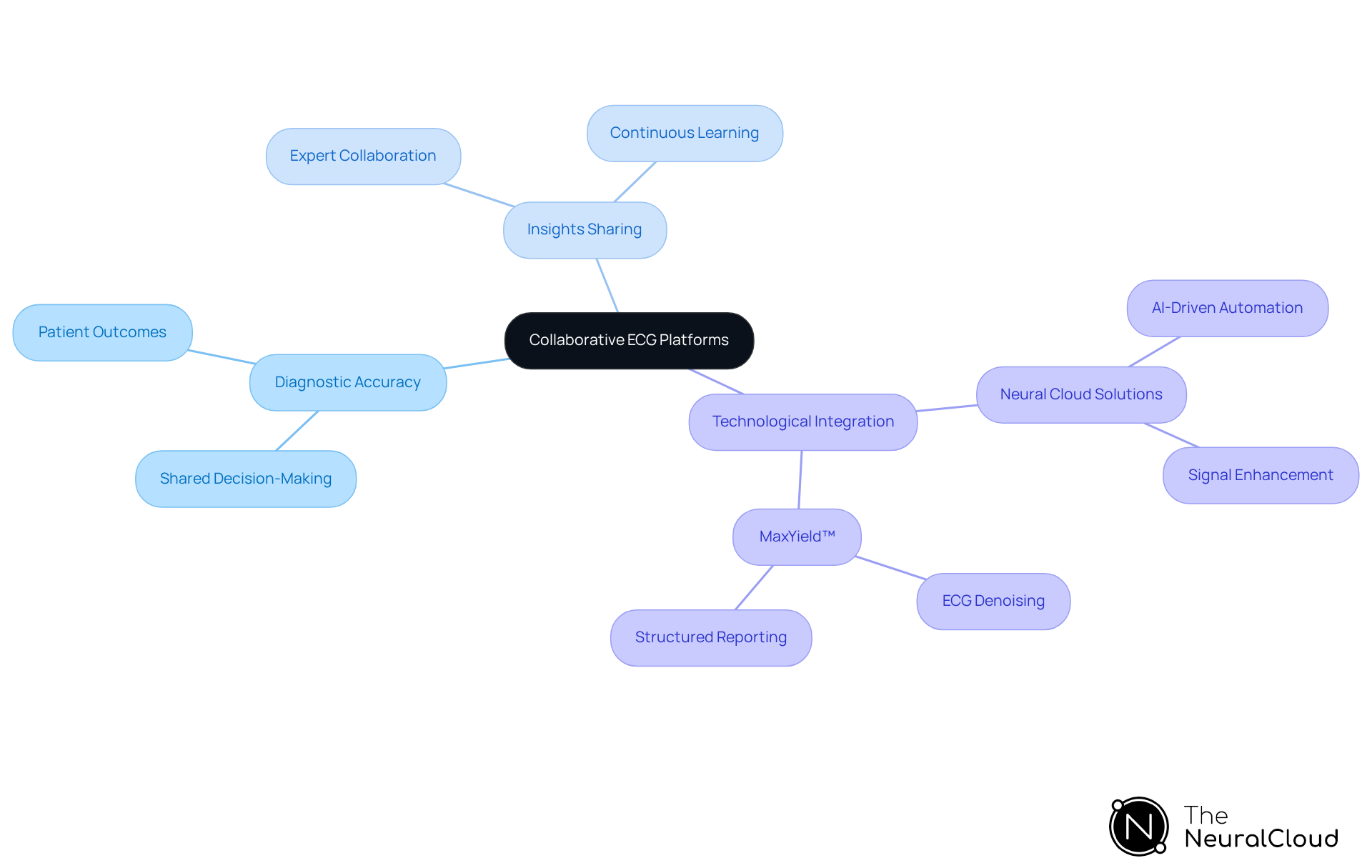
Collaborative ECG platforms significantly enhance diagnostic accuracy by facilitating the sharing of insights and expertise among specialists. These platforms allow various experts to examine and discuss ECG data together, fostering a thorough approach to healthcare. This not only elevates the quality of diagnoses but also nurtures a culture of continuous learning and improvement within the healthcare community. For instance, studies have shown that when specialists engage in collaboration, diagnostic accuracy improves, particularly in complex cases.
The integration of diverse perspectives allows for more thorough interpretations of ECG data, ultimately leading to better patient outcomes. As healthcare professionals increasingly recognize the value of collaboration, the impact on patient care in cardiology becomes increasingly evident, reinforcing the necessity of these innovative platforms in modern medical practice. Platforms such as Neural Cloud Solutions' innovative offerings exemplify how technological advancements facilitate this collaboration by transforming lengthy and noisy ECG recordings into clean, crisp signals.
With its advanced algorithms, this system enhances ECG analysis accuracy and efficiency through real-time processing, addressing challenges such as noise reduction and signal artifacts. However, it is essential to remain aware of potential limitations, such as the risk of groupthink, which can lead to incorrect majority responses. By advocating for collaboration and implementing best practices alongside advanced technologies like machine learning, health tech developers can contribute to improving diagnostic accuracy and patient care.
Conclusion
The evolution of ECG analysis through innovative technologies like Neural Cloud Solutions' MaxYield™ platform signifies a pivotal shift in cardiac care. By automating processes and integrating advanced AI capabilities, healthcare professionals can achieve faster and more accurate diagnoses, leading to improved patient outcomes. This transformation enhances operational efficiency and empowers clinicians to focus on critical decision-making, ultimately fostering a more patient-centered approach in cardiac treatment.
Key advancements include:
- AI-driven ECG interpretation, which significantly boosts diagnostic accuracy
- Wearable ECG devices that enable continuous monitoring for real-time insights
- Noise reduction algorithms that enhance signal clarity, ensuring that true cardiac signals are represented accurately
- Integration of collaborative platforms that promote knowledge sharing among specialists, improving diagnostic precision and fostering a culture of continuous learning within the healthcare community
As the landscape of cardiac care evolves, embracing these innovations is essential for healthcare providers. Investing in training and adopting AI tools enhances individual skills and contributes to a more effective healthcare system. By prioritizing technology and collaboration, the potential to improve diagnostic accuracy and patient care is immense, paving the way for a healthier future in cardiac health management.
Frequently Asked Questions
What is the MaxYield™ platform by Neural Cloud Solutions?
The MaxYield™ platform is an automated ECG analysis system that enables rapid and precise interpretation of cardiac signals, capable of processing over 200,000 heartbeats in under five minutes.
How does the automation of ECG analysis benefit healthcare providers?
Automation enhances operational efficiency by minimizing the time clinicians spend on manual analysis, allowing them to focus on critical decision-making and improving patient outcomes through reliable data.
What role does AI play in ECG interpretation?
AI utilizes advanced machine learning algorithms to analyze complex cardiac signals with high precision, enhancing diagnostic accuracy and enabling the identification of patterns and anomalies that traditional methods may miss.
How does the diagnostic accuracy of AI-driven ECG interpretation compare to traditional methods?
AI interpretation achieves a sensitivity of 97.5% and specificity of 91.8%, surpassing conventional physician reporting, which has 86.7% sensitivity and 81.7% specificity. The overall diagnostic accuracy for AI is 93.4% compared to 83.1% for traditional methods.
What is the significance of the time reduction in ECG diagnosis when using AI?
The integration of AI reduces the time to diagnosis from an average of 6.5 minutes to just 1.8 minutes, which is critical in acute treatment settings where timely interventions can significantly impact patient outcomes.
How do wearable ECG devices enhance cardiac care?
Wearable ECG devices enable continuous monitoring of patients' heart rhythms, providing real-time insights and facilitating immediate intervention when abnormalities are detected.
What features of MaxYield™ support effective ECG monitoring?
MaxYield™ includes advanced noise filtering and distinct wave recognition, allowing it to identify and label critical data even in recordings affected by noise and artifacts.
What is the projected growth of the mobile ECG devices market?
The mobile ECG devices market is projected to grow from USD 6.27 billion in 2024 to around USD 10.07 billion by 2031, with a compound annual growth rate (CAGR) of 6.1%.
How are hospitals in the U.S. adapting to mobile ECG technology?
Over 60% of hospitals in the U.S. are incorporating mobile ECG devices into their cardiac care protocols, enhancing outcomes and streamlining clinical workflows.
What potential do wearable ECG devices have in clinical trials?
Wearable ECGs are expected to become standard tools in clinical trials, emphasizing their critical role in modern healthcare.
List of Sources
- Neural Cloud Solutions MaxYield™: Automate ECG Analysis for Enhanced Clarity
- powerfulmedical.com (https://powerfulmedical.com/blog/webinar-ecg-in-primary-care-a-new-era-of-ai-powered-interpretation)
- How is AI transforming ECG interpretation? | AI ECG (https://powerfulmedical.com/blog/how-is-ai-transforming-ecg-interpretation)
- Checking your browser - reCAPTCHA (https://pmc.ncbi.nlm.nih.gov/articles/PMC10145690)
- Checking your browser - reCAPTCHA (https://pmc.ncbi.nlm.nih.gov/articles/PMC12419789)
- ucsf.edu (https://ucsf.edu/news/2021/08/421301/ai-algorithm-matches-cardiologists-expertise-while-explaining-its-decisions)
- AI-Driven ECG Interpretation: Improve Diagnostic Accuracy with Machine Learning
- Checking your browser - reCAPTCHA (https://pmc.ncbi.nlm.nih.gov/articles/PMC10145690)
- AIML Subsidiary NeuralCloud Solutions Commencing Pilot with Canadian Cardiology Clinic to Advance AI-Powered ECG Reporting (https://biospace.com/press-releases/aiml-subsidiary-neuralcloud-solutions-commencing-pilot-with-canadian-cardiology-clinic-to-advance-ai-powered-ecg-reporting)
- Artificial Intelligence–Assisted ECG Interpretation versus Conventional Reporting in Predicting Arrhythmias in Acute Coronary Syndrome: A Diagnostic Accuracy Study (https://healthcare-bulletin.co.uk/article/artificial-intelligence-assisted-ecg-interpretation-versus-conventional-reporting-in-predicting-arrhythmias-in-acute-coronary-syndrome-a-diagnostic-accuracy-study-4252)
- AI-powered ECG model outperforms doctors in detecting hidden heart disease (https://news-medical.net/news/20250721/AI-powered-ECG-model-outperforms-doctors-in-detecting-hidden-heart-disease.aspx)
- Philips Launches ECG AI Marketplace to Enhance Early Cardiac Diagnosis (https://usa.philips.com/a-w/about/news/archive/standard/news/press/2025/philips-launches-ecg-ai-marketplace-to-enhance-early-cardiac-diagnosis.html)
- Wearable ECG Devices: Enable Continuous Monitoring for Real-Time Insights
- researchandmarkets.com (https://researchandmarkets.com/report/wearable-ecg-monitors?srsltid=AfmBOoq1SCCwcFnDzmUUgAYSvTFbi8viEI8VjzwfDdX_UvHwBYaSL1ZG)
- verifiedmarketresearch.com (https://verifiedmarketresearch.com/product/mobile-ecg-devices-market)
- The Future of Cardiac Safety: How Wearable ECGs Enhance Patient Monitoring in Drug Trials | Applied Clinical Trials Online (https://appliedclinicaltrialsonline.com/view/future-cardiac-safety-wearable-ecg-enhance-patient-monitoring)
- massdevice.com (https://massdevice.com/cardiosense-fda-clearance-wearable-ecg-sensor)
- Noise Reduction Algorithms: Enhance Signal Clarity in ECG Readings
- Review of noise removal techniques in ECG signals (https://ietresearch.onlinelibrary.wiley.com/doi/10.1049/iet-spr.2020.0104)
- Checking your browser - reCAPTCHA (https://pmc.ncbi.nlm.nih.gov/articles/PMC10145690)
- Advancements in ECG Technology and Signal Processing (https://medicalsearch.com.au/buying-guide/advancements-in-ecg-technology-and-signal-processing/f/24927)
- nature.com (https://nature.com/articles/s41598-025-93906-5)
- diagnosticimaging.com (https://diagnosticimaging.com/view/fda-new-electrocardiogram-suite-algorithms-and-analytics)
- AI Integration: Streamline Workflows and Improve User Adoption in Healthcare
- hai.stanford.edu (https://hai.stanford.edu/news/how-to-build-a-safe-secure-medical-ai-platform)
- AI in Healthcare Statistics 2025: Overview of Trends (https://docus.ai/blog/ai-healthcare-statistics)
- keragon.com (https://keragon.com/blog/ai-in-healthcare-statistics)
- Top Healthcare AI Statistics 2025 (https://blueprism.com/resources/blog/ai-in-healthcare-statistics)
- 2026's AI News, Innovations, Breakthroughs in Healthcare and Medical | News (https://crescendo.ai/news/ai-in-healthcare-news)
- Cloud-Based ECG Solutions: Enhance Accessibility and Collaboration in Cardiac Care
- philips.com (https://philips.com/a-w/about/news/archive/blogs/innovation-matters/2021/20210803-three-reasons-why-healthcare-providers-are-moving-to-the-cloud.html)
- healthcareitsm.com (https://healthcareitsm.com/blog/cloud-computing-revolutionize-healthcare)
- webisoft.com (https://webisoft.com/articles/cloud-computing-in-healthcare)
- nordicglobal.com (https://nordicglobal.com/blog/9-insightful-quotes-on-cloud-and-ai-from-stanford-health-care-and-aws-leaders-at-arab-health-2024)
- Predictive Analytics: Identify Cardiac Events Early with AI Insights
- magazine.medicaltourism.com (https://magazine.medicaltourism.com/article/experts-in-ai-powered-cardiac-risk-prediction-models)
- journals.lww.com (https://journals.lww.com/ijsgh/fulltext/2024/03010/ai_based_predictive_modeling__applications_in.31.aspx)
- healio.com (https://healio.com/news/cardiology/20250819/ai-impact-on-future-of-preventive-cardiology-likely-profound)
- pmc.ncbi.nlm.nih.gov (https://pmc.ncbi.nlm.nih.gov/articles/PMC11652958)
- waferwire.com (https://waferwire.com/blog/harnessing-the-power-of-predictive-analytics-to-mitigate-heart-attack-risks)
- Data Visualization Tools: Improve ECG Data Interpretation for Clinicians
- AI-powered ECG model outperforms doctors in detecting hidden heart disease (https://news-medical.net/news/20250721/AI-powered-ECG-model-outperforms-doctors-in-detecting-hidden-heart-disease.aspx)
- compunnel.com (https://compunnel.com/blogs/data-visualization-tools-enhancing-patient-outcomes)
- New AI approach set to revolutionize ECG data interpretation in heart disease diagnosis (https://news-medical.net/news/20250219/New-AI-approach-set-to-revolutionize-ECG-data-interpretation-in-heart-disease-diagnosis.aspx)
- Healthcare Data Visualization: Insights for Better Decision-Making (https://binariks.com/blog/data-visualization-in-healthcare)
- nyit.edu (https://nyit.edu/news/articles/using-ai-to-detect-ecg-abnormalities)
- Professional Training: Maximize AI Tool Benefits in ECG Analysis
- beckershospitalreview.com (https://beckershospitalreview.com/healthcare-information-technology/innovation/5-key-quotes-about-how-ai-will-transform-healthcare)
- 2 in 3 physicians are using health AI—up 78% from 2023 (https://ama-assn.org/practice-management/digital-health/2-3-physicians-are-using-health-ai-78-2023)
- foreseemed.com (https://foreseemed.com/artificial-intelligence-in-healthcare)
- forbes.com (https://forbes.com/sites/sachinjain/2025/10/21/ai-adoption-in-healthcare-is-surging-what-a-new-report-reveals)
- Collaborative ECG Platforms: Enhance Diagnostic Accuracy Through Specialist Sharing
- Philips Launches ECG AI Marketplace to Enhance Early Cardiac Diagnosis (https://usa.philips.com/a-w/about/news/archive/standard/news/press/2025/philips-launches-ecg-ai-marketplace-to-enhance-early-cardiac-diagnosis.html)
- AIML Subsidiary NeuralCloud Solutions Commencing Pilot with Canadian Cardiology Clinic to Advance AI-Powered ECG Reporting (https://biospace.com/press-releases/aiml-subsidiary-neuralcloud-solutions-commencing-pilot-with-canadian-cardiology-clinic-to-advance-ai-powered-ecg-reporting)
- pmc.ncbi.nlm.nih.gov (https://pmc.ncbi.nlm.nih.gov/articles/PMC8167709)
- strongbytes.ai (https://strongbytes.ai/case_studies/enhancing-data-management-and-analytics)