Introduction
The integrity of ECG readings is paramount in clinical settings; however, numerous factors can introduce artifacts that obscure critical information. Faulty leads, muscle tremors, and other interferences complicate diagnosis and can lead to misinterpretations that jeopardize patient care. This article explores ten key ECG artifact issues and their innovative solutions, particularly emphasizing the transformative role of advanced AI technologies, such as Neural Cloud Solutions' MaxYield™ platform. How can healthcare professionals effectively navigate these challenges to ensure accurate and reliable ECG analysis?
Neural Cloud Solutions MaxYield™: Advanced AI for ECG Artifact Detection
The challenges in ECG analysis often stem from various interferences that can obscure signal clarity. 'Neural Cloud Solutions' platform addresses these issues by utilizing advanced algorithms to efficiently identify and reduce artifacts, which significantly enhances the clarity of ECG signals. The platform automates the analysis process, allowing healthcare professionals to concentrate on critical decision-making rather than the time-consuming task of manual artifact identification. This innovative technology processes over 200,000 heartbeats in under five minutes, ensuring rapid and precise results—an essential capability in clinical environments where accuracy is crucial.
The integration of AI within the platform streamlines workflows and improves diagnostic accuracy. Studies indicate that the use of technology enhanced by AI can achieve a positive predictive value of 86.77% and a sensitivity of 97.19%. These impressive statistics underscore the platform's effectiveness in reducing false positives. Cardiologists have noted that the artefact ECG detection and similar automated systems can revolutionize ECG interpretation, improving accuracy by up to 98%. This reduction not only enhances patient outcomes but also contributes to greater efficiency, allowing healthcare providers to allocate resources more effectively.
Faulty Leads: Identifying and Resolving Lead-Related ECG Artifacts
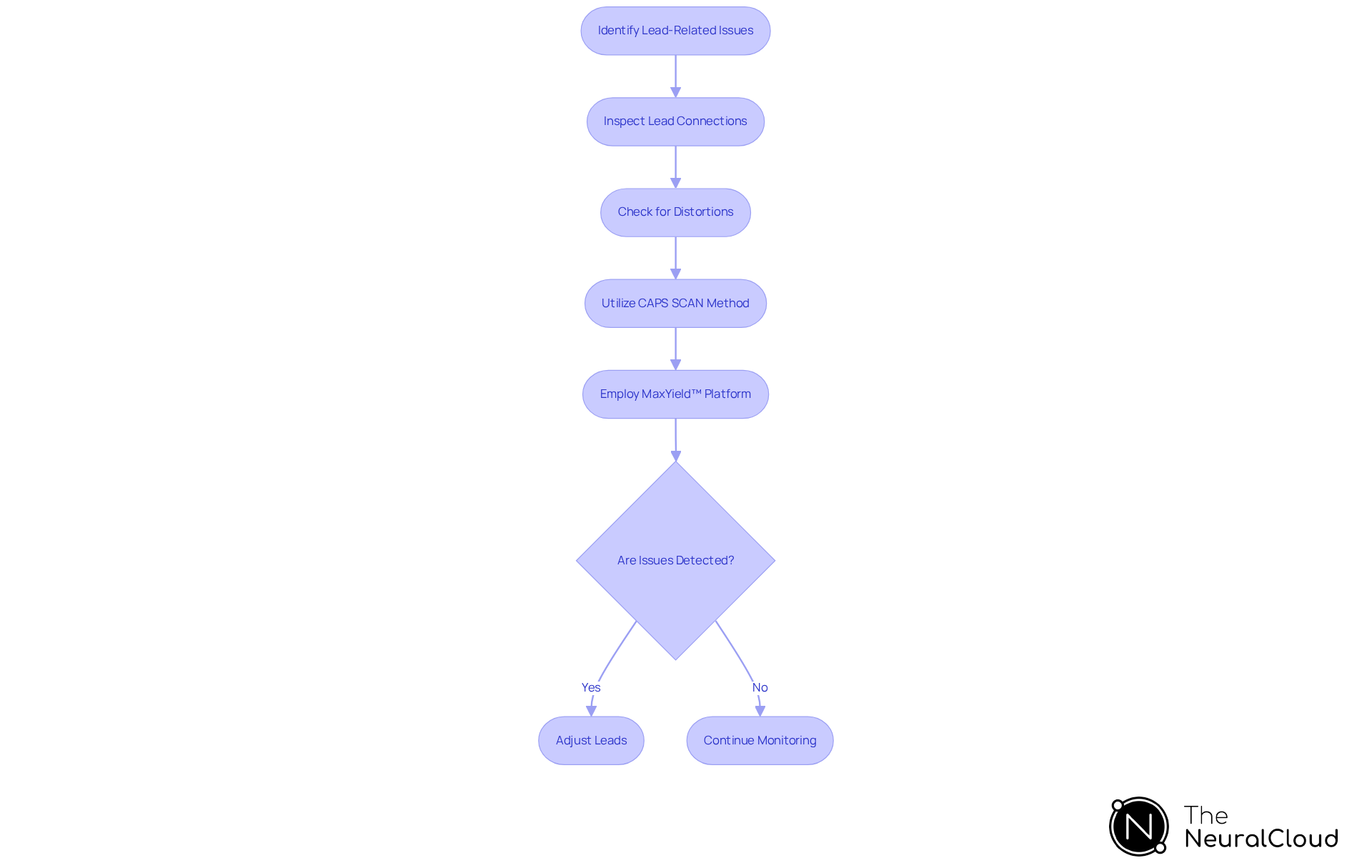
Defective leads can create considerable distortions in ECG readings, frequently appearing as erratic spikes or baseline shifts. Research indicates that faulty leads can lead to misinterpretations, with up to 10% of ECGs showing abnormalities due to lead issues. To effectively identify these problems, clinicians should routinely check leads, ensuring they are securely attached to both the patient and the ECG machine. If issues are detected, changing or adjusting the leads can often rectify the problem.
Optimal methods for lead upkeep involve utilizing premium electrodes, conducting regular inspections, and following best practices to maintain lead integrity. Additionally, employing methods such as the 'CAPS SCAN' can help clinicians assess for potential lead-related issues in artefact ECGs. This method includes:
- Identifying artifacts
- Assessing P-wave negativity
- Looking for straight lines that may indicate lead failure
Furthermore, utilizing the MaxYield™ platform can enhance the accuracy of ECG readings by providing sophisticated noise filtering and wave recognition capabilities. This platform offers beat-by-beat tabulation in CSV format for easy integration into workflows, enhancing workflow effectiveness. Healthcare professionals can handle more data in a shorter period while ensuring that the ECG signals are clear and distinct.
By following these guidelines and leveraging the MaxYield™ platform, healthcare professionals can ensure accurate ECG readings and reduce unnecessary testing or procedures. This approach not only streamlines the ECG analysis process but also supports improved patient outcomes.
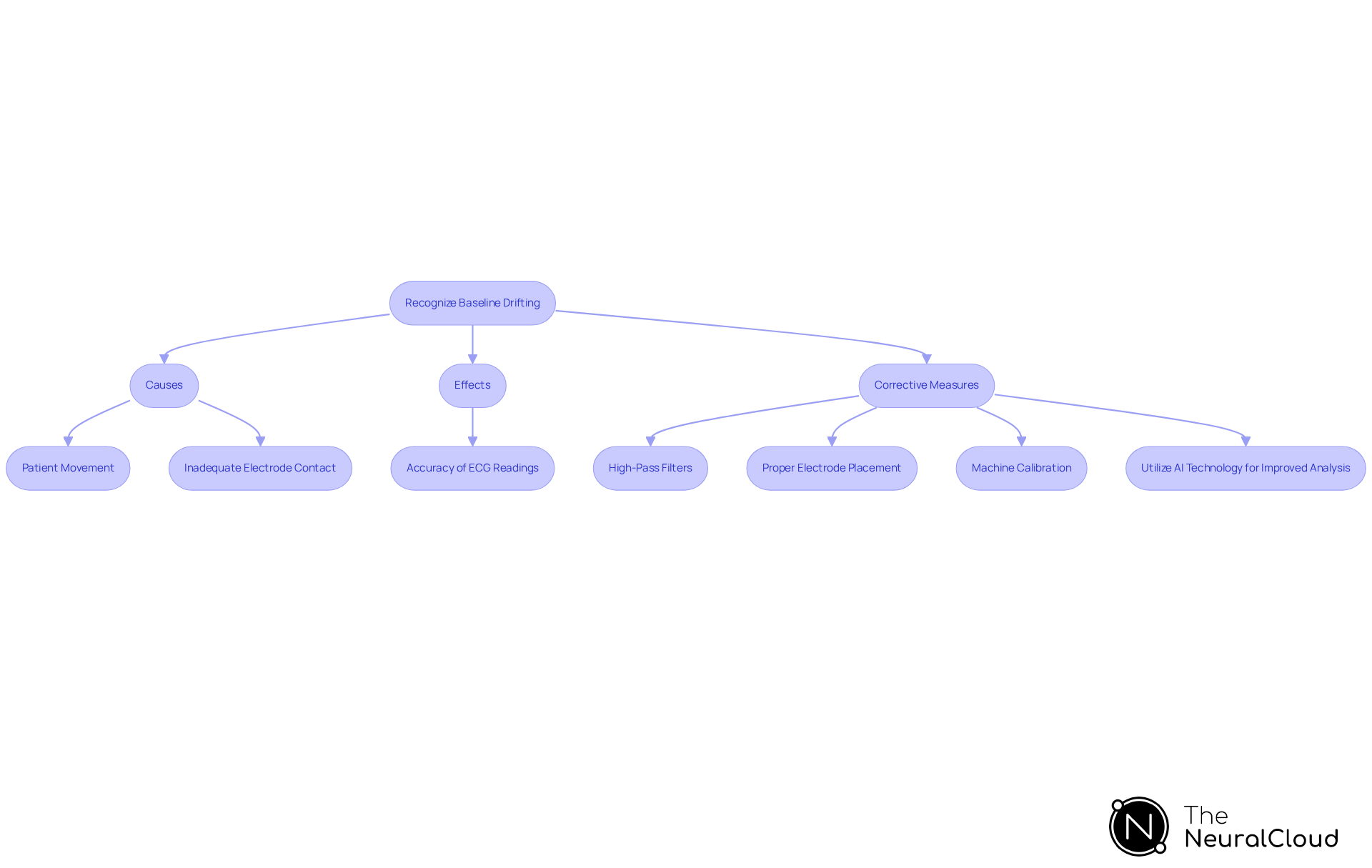
Baseline Drifting: Recognizing and Correcting ECG Signal Distortions
when the trace diverges from its isoelectric line, often due to factors such as patient movement or inadequate electrode contact. This fluctuation can significantly affect the accuracy of the readings. To mitigate this issue, clinicians frequently employ filtering techniques, which have been shown to improve the signal-to-noise ratio (SNR) of processed artefact ECG data, effectively reducing baseline estimation errors by up to 50%. Successful implementations of algorithms in the analysis of artefact ECG illustrate their capability to enhance accuracy compared to traditional methods.
To achieve a stable baseline, proper electrode placement and thorough skin preparation are crucial. Ensuring that the skin is clean and free of oils or lotions can enhance electrode adherence and improve the quality of readings. Additionally, regular maintenance of the ECG machine is essential, as it guarantees that the equipment operates at its best and provides reliable readings.
The Neural Cloud Solutions MaxYield™ platform addresses these challenges by utilizing advanced AI technology that clarifies the ECG analysis process. By automating the labeling and enhancing signal clarity, it improves accuracy and precision in ECG interpretation, effectively tackling signal distortions that may obscure essential diagnostic information. Cardiologists emphasize the necessity of maintaining stable artefact ECG baselines, noting that fluctuations can hinder critical diagnostic insights. Moreover, patient movement can worsen baseline drift in the artefact ECG, making it imperative for healthcare providers to minimize disturbances during ECG recordings. By implementing these strategies, clinicians can significantly enhance the accuracy and reliability of analyses related to artefact ECG.
For practical application, consider conducting a pre-procedure checklist that includes steps such as:
- Verifying electrode placement
- Ensuring skin preparation
- Calibrating the ECG machine prior to each recording
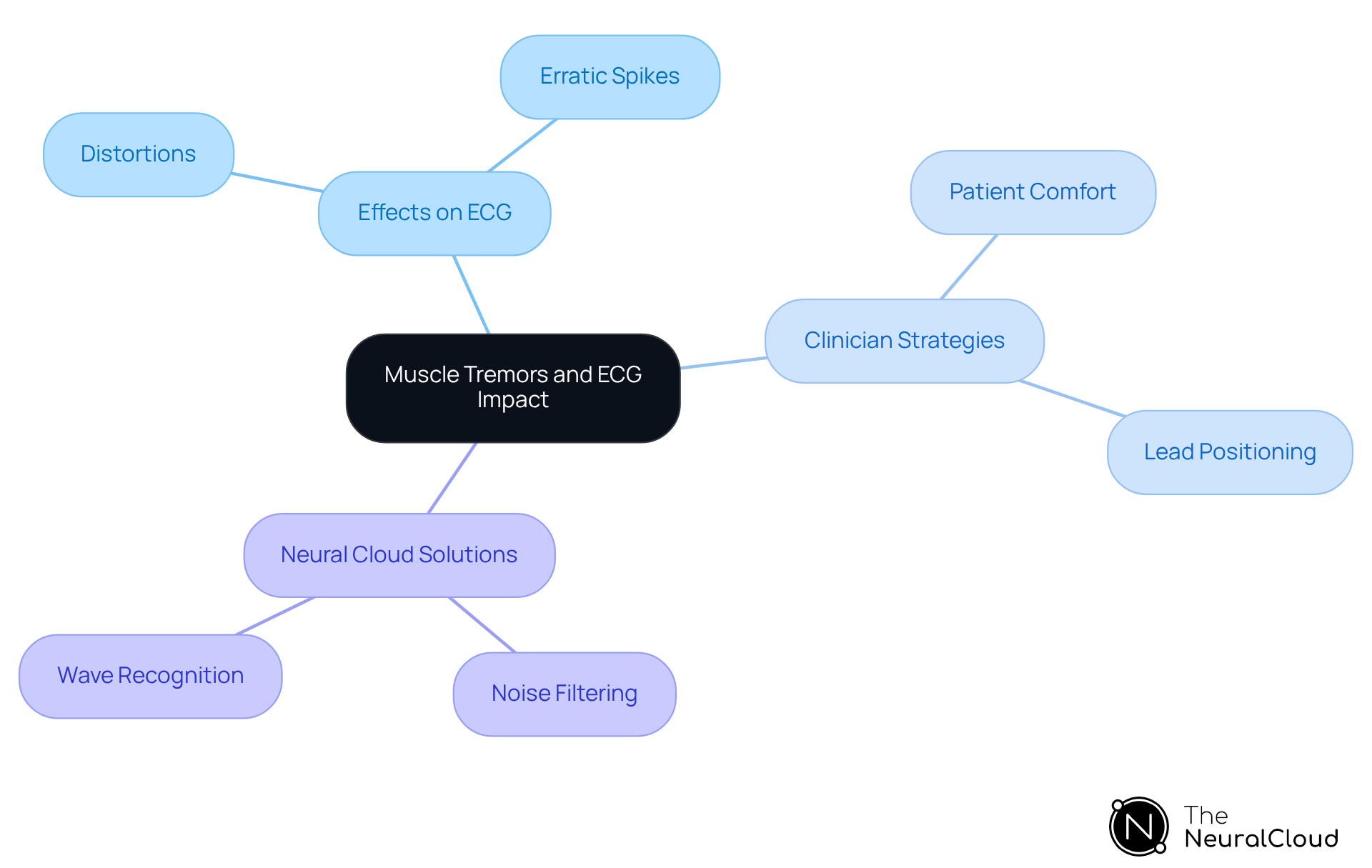
Muscle Tremors: Understanding Their Impact on ECG Readings
Muscle tremors, often triggered by anxiety or involuntary movements, can create distortions resembling arrhythmias on an ECG. These distortions typically manifest as small, erratic spikes throughout the tracing. To mitigate their impact, clinicians should prioritize patient comfort and relaxation during the ECG procedure. Additionally, adjusting lead positioning to reduce muscle tension can help minimize disturbances related to tremors.
The technology significantly improves signal and wave recognition capabilities. This includes the rapid labeling of onsets and offsets. Such features enable the identification and labeling of crucial data, even in recordings that exhibit high levels of noise and distortion. Furthermore, the platform facilitates the recovery of previously hidden sections in lengthy recordings.
By employing this innovative tool, clinicians can achieve a clearer ECG output. The enhanced clarity ultimately contributes to better diagnostic accuracy, allowing healthcare professionals to make more informed decisions based on the data at hand.
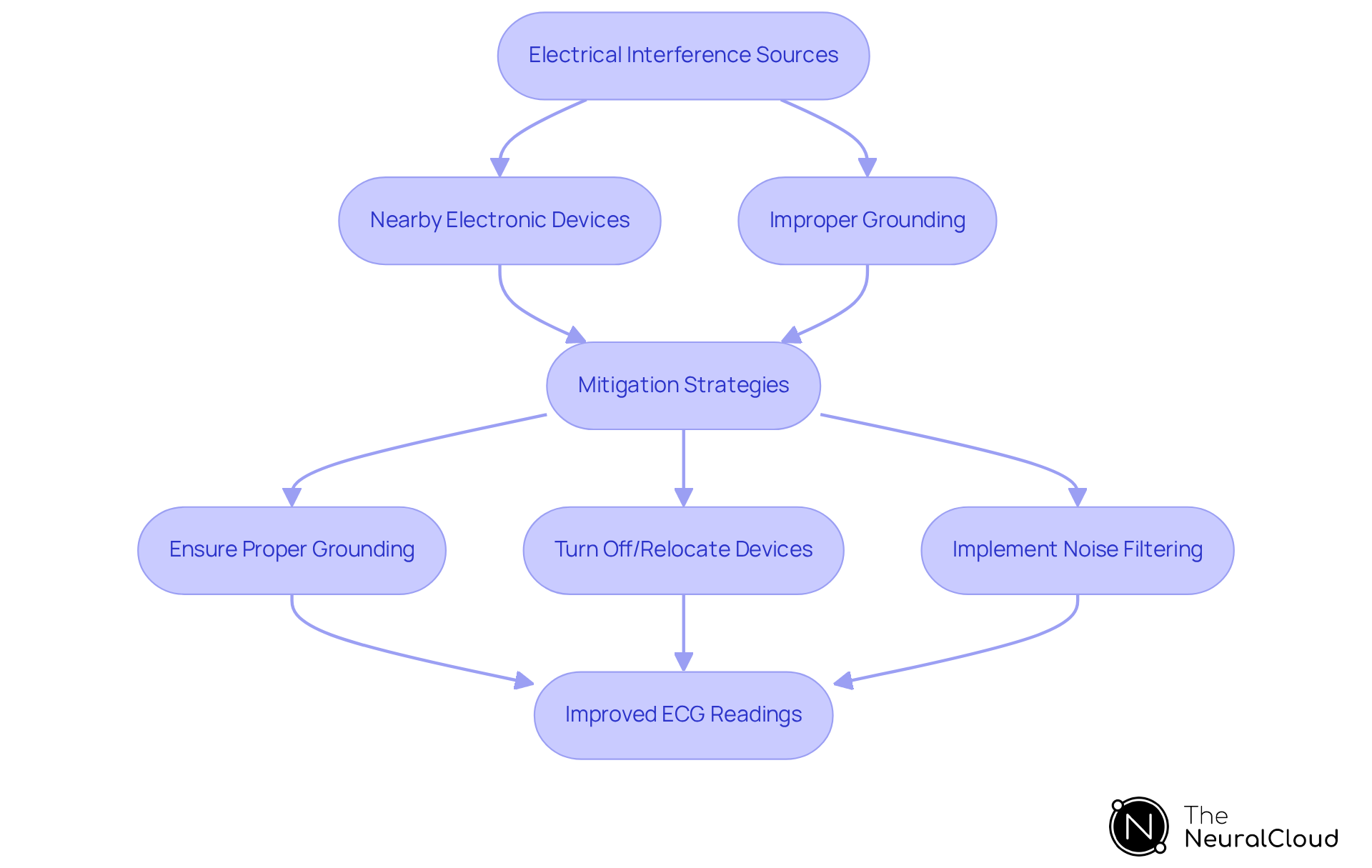
Electrical Interference: Detecting and Mitigating ECG Artifacts
can originate from various sources, such as nearby electronic devices and improper grounding of the ECG machine. This interference typically appears as a consistent noise pattern on the ECG tracing. To reduce these artefact ECG issues, clinicians must ensure that the ECG machine is properly grounded and that all electronic devices are either turned off or relocated from the testing area. Implementing best practices can significantly lessen the impact of electrical interference, resulting in clearer ECG readings.
MaxYield™ automates the labeling of ECG artifacts, providing a cleaner, 'neuralized' signal. This enhancement improves signal quality, enabling clinicians to process more data in less time. The platform not only addresses the challenges of electrical interference but also streamlines the diagnostic process, ultimately benefiting healthcare professionals by increasing their productivity and diagnostic accuracy.
Compressions and CPR Artifacts: Identifying Distortions in Emergency ECGs
During cardiopulmonary resuscitation (CPR), chest compressions can produce signals that resemble ventricular rhythms on the ECG. These signals complicate real-time monitoring, making it challenging to evaluate the patient's cardiac condition. Clinicians must be trained to identify these anomalies and distinguish them from genuine arrhythmias.
The platform from Neural Cloud Solutions offers tools designed to enhance ECG analysis. It accurately identifies and filters out CPR-related distortions, ensuring that clinicians receive clear and actionable data. The platform employs gold standard methodologies for artifact detection, significantly improving the accuracy of ECG readings.
Additionally, the system automates repetitive tasks with its data wall, streamlining workflows for healthcare professionals. This automation allows clinicians to focus on critical decision-making, ultimately improving patient outcomes. By integrating this technology, healthcare teams can enhance their ability to respond effectively during emergencies.
Device-Related Disturbances: Recognizing Artifacts from ECG Equipment
Device-related disturbances often appear as sharp spikes or irregular patterns on ECG tracings, which can be misinterpreted as abnormal cardiac rhythms. Clinicians must remain vigilant regarding any implanted devices that may be malfunctioning, as these can significantly impact readings.
Adjusting the sensitivity settings of the ECG machine is essential for accurate interpretation. Regular maintenance and adjustment of equipment are critical practices that can greatly reduce the occurrence of artifacts.
Research indicates that up to 75% of individuals with deep brain stimulation (DBS) experience interference, underscoring the importance of monitoring. Cardiologists emphasize that understanding the effects of devices is vital to prevent misinterpretation and misdiagnosis.
By implementing effective maintenance practices and being mindful of potential device impacts, healthcare providers can enhance the reliability of data from ECGs and improve patient outcomes.
Echo Distortions: Identifying Their Effects on ECG Signal Clarity
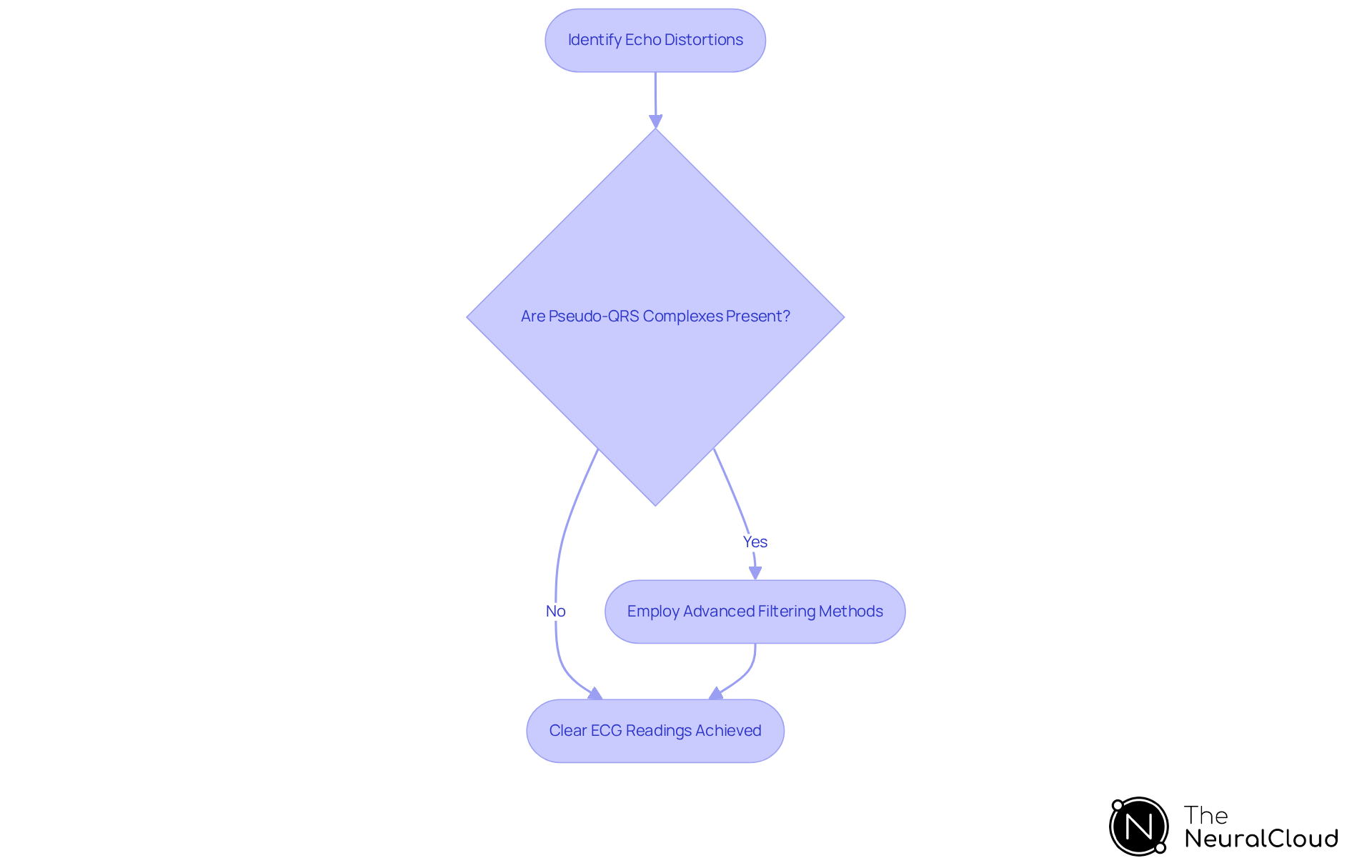
Echo distortions occur when ultrasound waves interact with ECG data, particularly during simultaneous diagnostic procedures. These distortions can lead to the formation of pseudo-QRS complexes, which complicate the interpretation of ECG readings. It is crucial for clinicians to recognize the potential for echo distortions when conducting echocardiograms and assessments.
By employing solutions, such as those offered by the diagnostic platform, healthcare professionals can effectively separate artifacts from ECG signals. This ensures clearer readings from the equipment, ultimately enhancing patient care.
Arterial Pulse Tapping: Understanding Its Role in ECG Artifacts
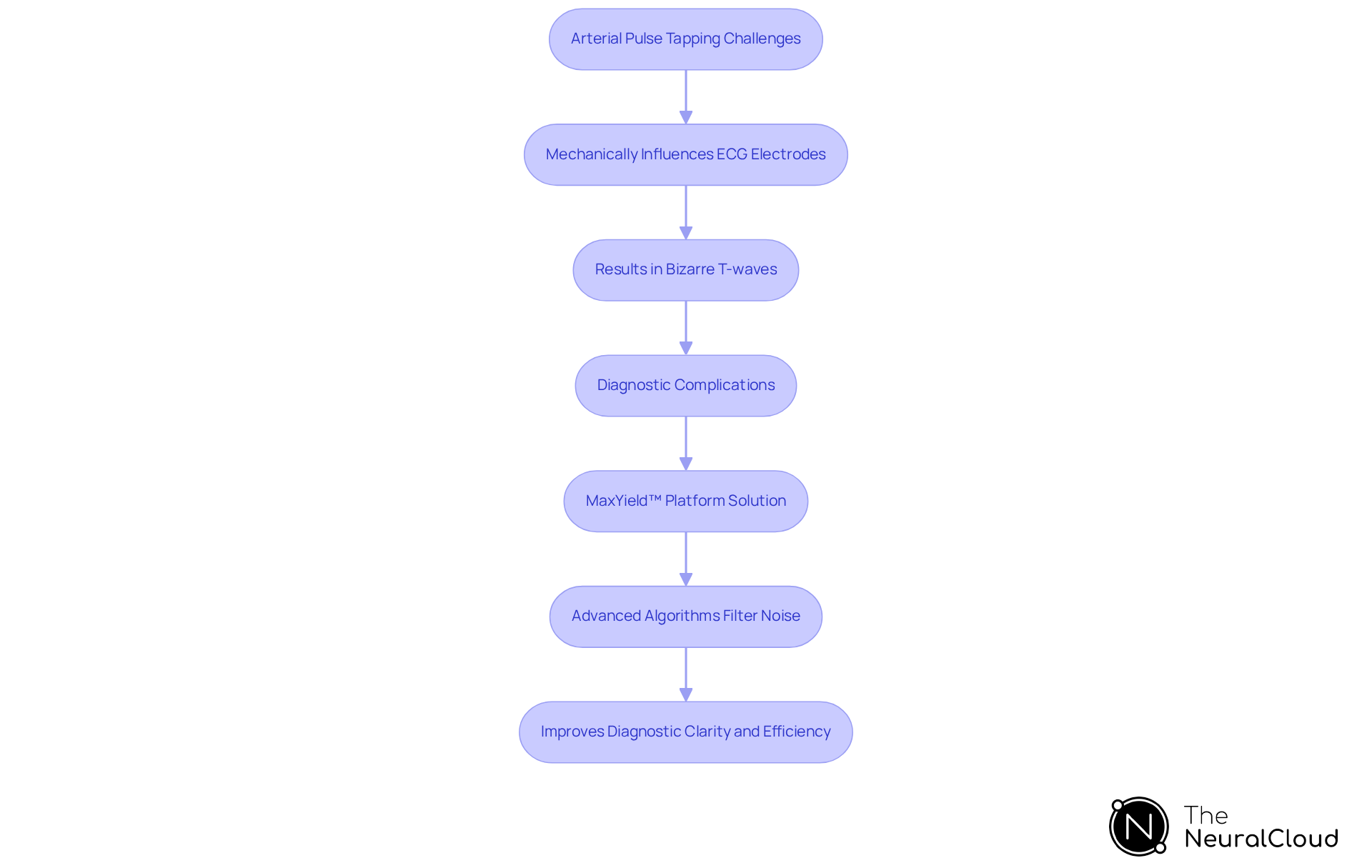
Arterial pulse tapping, also known as Aslanger's sign, presents a challenge in ECG analysis as it occurs when arterial pulsations mechanically influence ECG electrodes, resulting in large, bizarre T-waves. This phenomenon can be mistaken for genuine cardiac events, complicating the diagnostic process. To mitigate its effects, clinicians should ensure proper electrode placement away from major arteries and remain cognizant of the patient's vascular status during ECG recording.
The technology from Neural Cloud Solutions addresses the challenges posed by arterial pulse tapping through algorithms that incorporate advanced techniques to filter out noise and recognize distinct waveforms. This technology enhances the precision of ECG readings, assisting healthcare professionals in distinguishing these anomalies from authentic cardiac signals. As a result, it ultimately improves diagnostic accuracy, allowing for more accurate patient assessments.
In summary, the MaxYield™ platform not only streamlines the diagnostic process but also empowers clinicians with the tools needed to provide reliable diagnoses. By effectively managing the interference caused by arterial pulse tapping, healthcare professionals can focus on delivering high-quality patient care.
Comprehensive Overview: Key ECG Artifacts and Their Identification
ECG irregularities can arise from various sources, such as:
- Faulty leads
- Baseline drift
- Muscle tremors
- Electrical interference
- CPR compressions
- Device-related disturbances
- Echo distortions
- Arterial pulse tapping
Addressing these elements is crucial for accurate ECG interpretation. The platform offers features, including P, QRS, and T Wave highlighting, along with tools to mitigate the impact of these disturbances. By streamlining their workflow with consistently smooth and distinct ECG waves, healthcare professionals can significantly enhance and improve patient outcomes.
The features of the platform include advanced filtering and noise reduction, which directly address the challenges posed by physiological variability and signal artifacts. These capabilities allow clinicians to focus on interpreting the ECG data without being distracted by irrelevant noise. Additionally, proper electrode placement and regular equipment maintenance are essential practices that, when combined with the platform, empower clinicians to tackle the challenges of ECG analysis more effectively.
In summary, the platform not only enhances the quality of ECG analysis but also supports healthcare professionals in delivering better patient care. By utilizing advanced technology to filter out noise and improve signal clarity, clinicians can achieve more accurate diagnoses and ultimately, better patient outcomes.
Conclusion
The intricate world of ECG analysis presents various artifacts that can significantly hinder diagnostic accuracy. This article emphasizes the necessity of addressing these common issues—such as faulty leads, baseline drifting, muscle tremors, and electrical interference—by utilizing advanced technologies like Neural Cloud Solutions' MaxYield™ platform. By employing sophisticated AI algorithms, this platform enhances the clarity of ECG signals, enabling healthcare professionals to concentrate on critical decision-making rather than being encumbered by manual artifact identification.
Key insights from the article underscore the effectiveness of the MaxYield™ platform in automating ECG analysis, improving diagnostic accuracy, and streamlining workflows. The integration of advanced noise filtering and automated data processing not only diminishes misinterpretations but also enhances patient outcomes. Furthermore, the significance of proper electrode placement, regular calibration, and maintenance of ECG devices is highlighted as essential practices that complement the technological advancements in ECG artifact detection.
In conclusion, addressing ECG artifacts is vital for ensuring accurate diagnoses and improving patient care. By leveraging advanced AI technologies and adhering to best practices in ECG management, healthcare professionals can substantially enhance the reliability of their analyses. Embracing these innovations not only streamlines the ECG interpretation process but also empowers clinicians to make timely and informed decisions, ultimately resulting in better patient outcomes.
Frequently Asked Questions
What is the purpose of the MaxYield™ platform by Neural Cloud Solutions?
The MaxYield™ platform is designed to utilize advanced AI algorithms to identify and reduce artefact ECG interferences, significantly enhancing the clarity of ECG signals and automating the analysis process for healthcare professionals.
How quickly can the MaxYield™ platform process ECG data?
The MaxYield™ platform can process over 200,000 heartbeats in under five minutes, ensuring rapid and precise artefact ECG analysis.
What are the benefits of using AI in artefact ECG analysis?
AI-enhanced artefact ECG analysis can achieve a positive predictive value of 86.77% and a sensitivity of 97.19%, improving diagnostic accuracy and patient outcomes while reducing false-positive detections by up to 98%.
What issues can defective leads cause in ECG readings?
Defective leads can create distortions in ECG readings, resulting in erratic spikes or baseline shifts, and can lead to misinterpretations in up to 10% of ECGs.
How can clinicians identify and resolve lead-related ECG artifacts?
Clinicians should routinely inspect lead connections, ensure secure attachments, and if issues are detected, they can change or adjust the leads. Utilizing premium electrodes and following standard lead placement protocols can also help reduce discrepancies.
What is the 'CAPS SCAN' method and how does it help in assessing lead-related issues?
The 'CAPS SCAN' method involves checking calibration, identifying artifacts, assessing P-wave negativity, and looking for straight lines that may indicate lead issues, helping clinicians effectively identify lead-related problems in artefact ECGs.
What is baseline drifting in ECG signals and what causes it?
Baseline drifting occurs when the ECG trace diverges from its isoelectric line, often due to patient movement or inadequate electrode contact, which can significantly affect the accuracy of readings.
How can clinicians mitigate baseline drifting in ECG readings?
Clinicians can employ high-pass filters to enhance the signal-to-noise ratio and reduce baseline estimation errors, ensure proper electrode placement, conduct thorough skin preparation, and regularly calibrate the ECG machine.
How does the MaxYield™ platform help with baseline drift issues?
The MaxYield™ platform uses advanced AI technology to clarify ECG analysis, automate labeling, and enhance signal clarity, effectively tackling signal distortions that may obscure diagnostic information.
What pre-procedure checklist can clinicians follow to ensure accurate ECG readings?
A pre-procedure checklist can include verifying electrode placement, ensuring proper skin preparation, and calibrating the ECG machine prior to each recording.
List of Sources
- Neural Cloud Solutions MaxYield™: Advanced AI for ECG Artifact Detection
- pmc.ncbi.nlm.nih.gov (https://pmc.ncbi.nlm.nih.gov/articles/PMC10145690)
- ahajournals.org (https://ahajournals.org/doi/10.1161/CIR.0000000000001201)
- sciencedirect.com (https://sciencedirect.com/science/article/pii/S2666693622001189)
- Faulty Leads: Identifying and Resolving Lead-Related ECG Artifacts
- Misdiagnosis from ECG Lead Misplacement, Artifact and Lead Reversal | ECG Cases (https://emergencymedicinecases.com/ecg-cases-lead-misplacement-artifact-lead-reversal)
- Electrocardiographic Limb Leads Placement and Its Clinical Implication: Two Cases of Electrocardiographic Illustrations - PMC (https://pmc.ncbi.nlm.nih.gov/articles/PMC8415387)
- Baseline Drifting: Recognizing and Correcting ECG Signal Distortions
- researchgate.net (https://researchgate.net/publication/269997185_Correction_of_baseline_drift_from_the_ECG_by_an_efficient_multiresolution_analysis_algorithm)
- pubmed.ncbi.nlm.nih.gov (https://pubmed.ncbi.nlm.nih.gov/10854121)
- Device-Related Disturbances: Recognizing Artifacts from ECG Equipment
- sciencedirect.com (https://sciencedirect.com/science/article/abs/pii/S0303846721000846)
- researchgate.net (https://researchgate.net/publication/241208538_ECG_Statistics_Noise_Artifacts_and_Missing_Data)
- Guide to Understanding ECG Artifact | ACLS Training Blog (https://aclsmedicaltraining.com/blog/guide-to-understanding-ecg-artifact)
- researchgate.net (https://researchgate.net/publication/5692136_Equipment-related_Electrocardiographic_Artifacts_Causes_Characteristics_Consequences_and_Correction)