Introduction
ECG motion artifacts present a significant challenge in accurately interpreting cardiac signals. These artifacts can lead to misdiagnoses and compromised patient care, which is a critical concern for healthcare providers. As the demand for precision in diagnostics increases, it becomes essential to understand the sources of these artifacts and implement effective reduction strategies.
Innovative practices can be employed to ensure clearer ECG readings and enhance diagnostic accuracy. By addressing the root causes of motion artifacts, healthcare professionals can significantly improve patient outcomes. This article will explore the features of the MaxYield™ platform, which is designed to enhance ECG analysis, and discuss the advantages it offers to healthcare providers.
Define ECG Motion Artifacts and Their Impact on Signal Quality
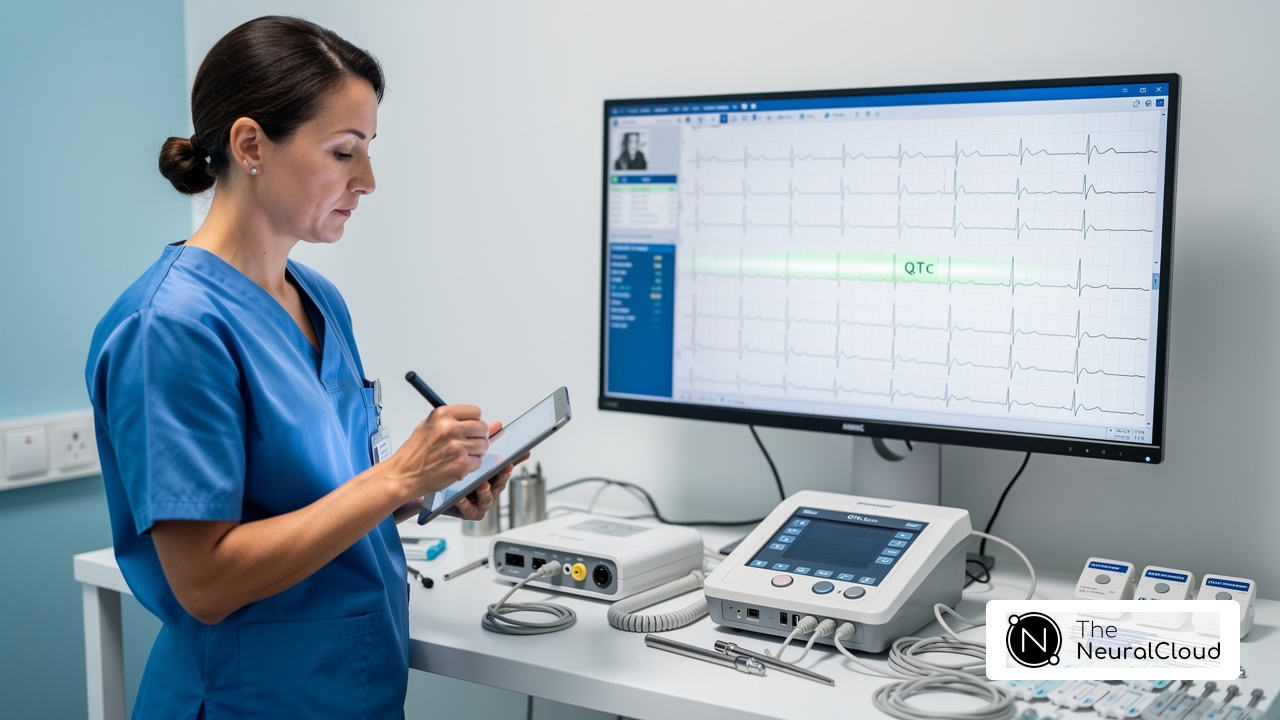
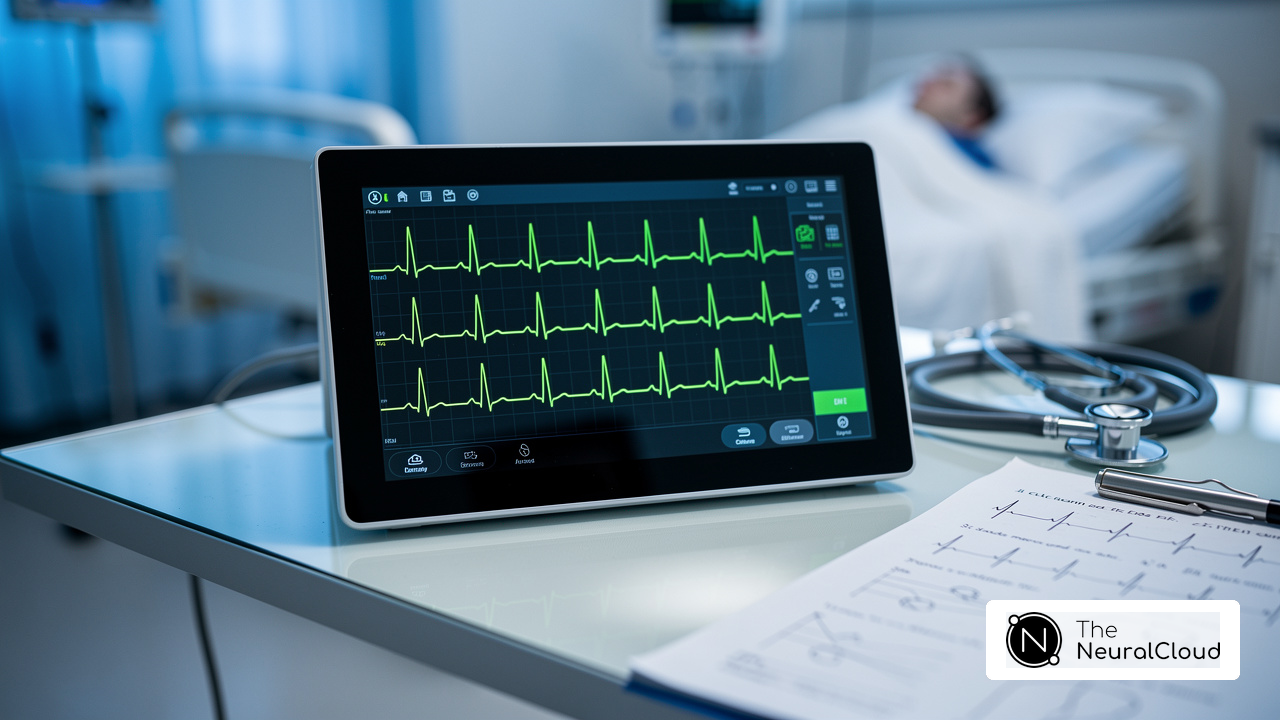
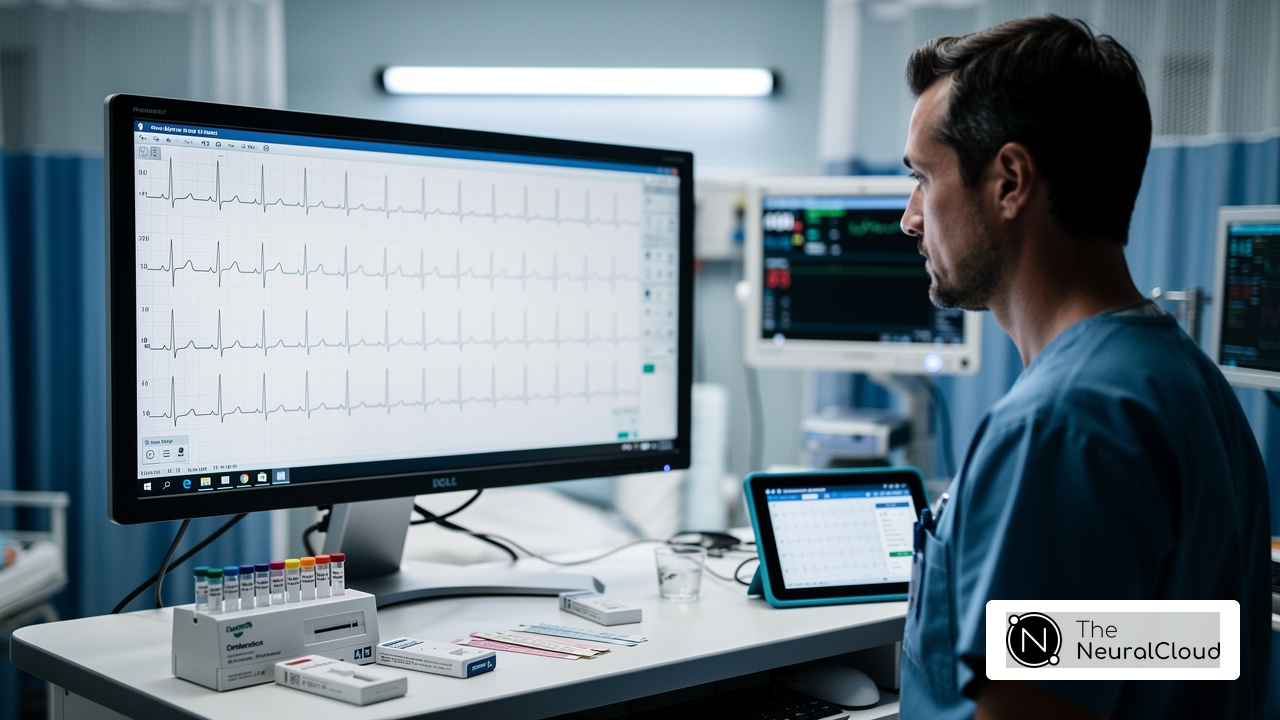
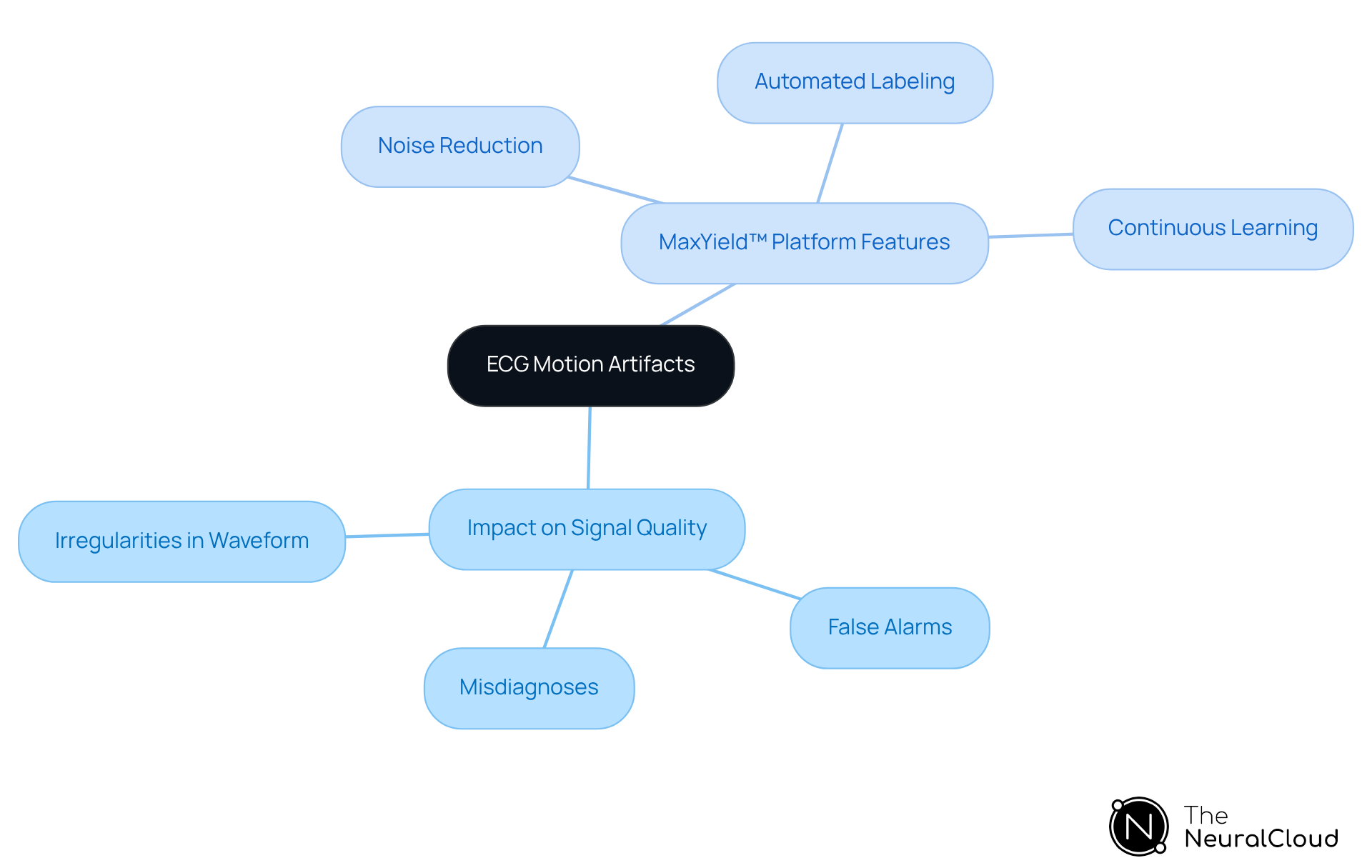
ECG motion artifact refers to disturbances in the electrocardiogram caused by patient movement or external factors, rather than the heart's electrical activity. These disruptions can manifest as irregularities in the waveform, leading to potential misinterpretation of cardiac events. Common examples include tremors, shivering, or even anxiety, which can result in ECG motion artifact that significantly alters the ECG signal. Such ECG motion artifact distortions can obscure critical features like P-waves, QRS complexes, and T-wave intervals, ultimately compromising diagnostic accuracy.
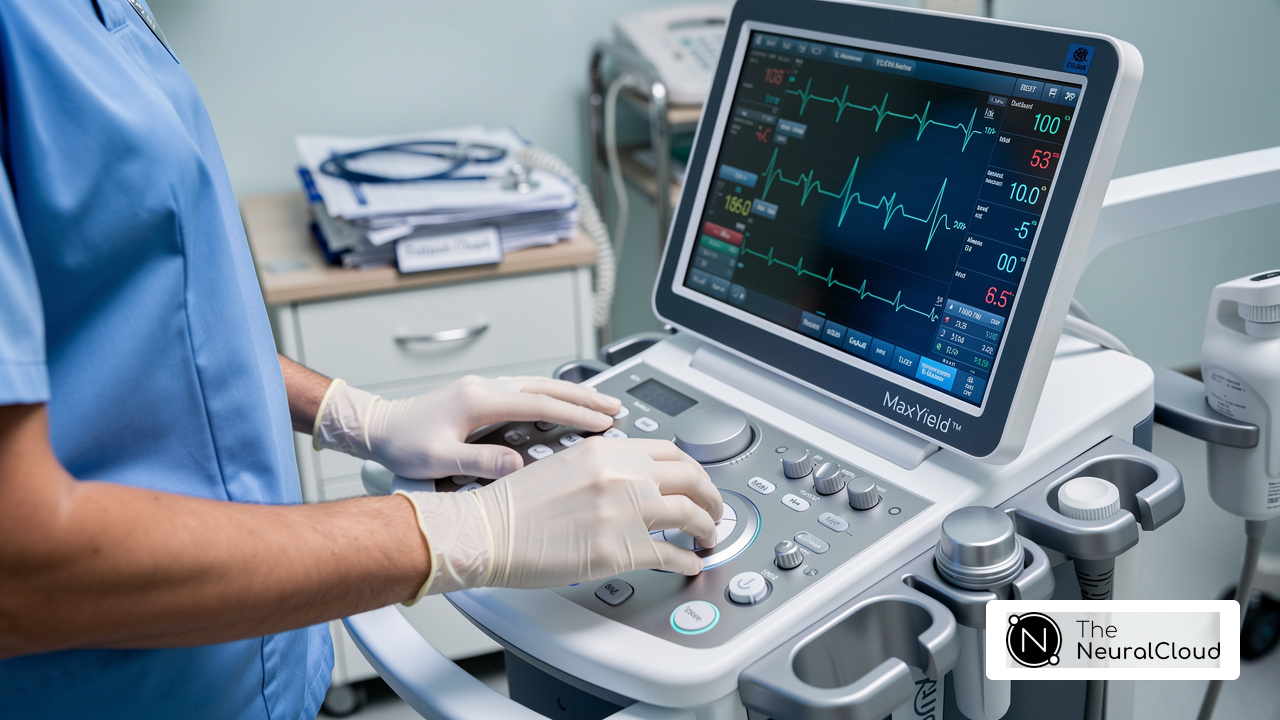
Understanding ECG motion artifact disruptions is crucial for healthcare providers, as they can lead to false alarms, unnecessary interventions, and misdiagnoses, adversely affecting patient care and outcomes. The 'Neural Cloud Solutions' MaxYield™ platform addresses these challenges by leveraging advanced AI technology to eliminate noise and distortions, ensuring clearer ECG data. This innovative approach not only enhances the clarity of ECG analysis but also supports workflow efficiency through automated labeling, significantly reducing the risk of misinterpretation and improving overall diagnostic yield.
Key features of the MaxYield™ platform include:
- Noise Reduction: Advanced algorithms that filter out motion artifacts.
- Automated Labeling: Streamlined processes that save time for healthcare professionals.
- Continuous Learning: The platform evolves with each use, refining its ability to recover obscured sections of ECG recordings.
These features translate into substantial advantages for healthcare professionals. By providing clearer ECG data, the MaxYield™ platform enhances diagnostic accuracy, ultimately leading to better patient outcomes. With its ability to adapt and improve over time, the platform ensures that healthcare providers can rely on accurate ECG readings, reducing the likelihood of misdiagnoses and unnecessary interventions.
Identify Common Causes of ECG Motion Artifacts
Common causes of ECG motion artifacts include:
- Patient Movement: Involuntary movements such as shivering, tremors, or even normal breathing can introduce significant noise into the ECG trace. For instance, conditions like hypothermia can cause shivering disturbances that obscure genuine cardiac signals. Anxiety may also lead patients to move more than usual, complicating readings further. Research shows that a typical signal lasts about 0.6 seconds and has a peak value of 0.2 mV, highlighting the impact of ECG motion artifact on the quality of ECG readings. Neural Cloud Solutions' MaxYield™ platform excels in isolating ECG waves from recordings affected by ECG motion artifact, ensuring that critical data is accurately identified and labeled. It can even salvage previously obscured sections of lengthy recordings.
- Electrode Problems: Weak adhesion of the conductive pads is a critical factor in ECG recordings. Factors like oily skin, hair, or inadequate skin preparation can prevent the pads from adhering properly. If electrodes shift during the recording, it can lead to substantial distortion, making accurate interpretation difficult. As noted by Alex Perkins, "More precise interval preservation supports reliable interpretation in settings where noise is unavoidable." MaxYield™ addresses these challenges by employing advanced noise filtering techniques that enhance the reliability of the ECG data and reduce ECG motion artifact.
- Environmental Factors: External electrical interference from devices such as cell phones or other medical equipment can introduce noise into the ECG output. Additionally, improper grounding of the ECG machine can exacerbate these issues, leading to unreliable readings. The MaxYield™ platform's ability to adapt and evolve with each use helps mitigate these environmental impacts, improving diagnostic yield over time.
- Physiological Variability: Conditions such as muscle spasms or certain medical disorders can create physiological noise that mimics or obscures true cardiac signals. For example, tremors associated with Parkinson's disease can significantly affect ECG interpretation. Recognizing these causes is essential for implementing effective reduction strategies. However, excessive filtering can alter clinically important features like QT and QRS intervals, which are critical for diagnosing arrhythmias. The noise-profile filtering method employed by MaxYield™ has demonstrated a mean QT interval difference of merely 2.50 ms, emphasizing improvements in ECG analysis and the significance of addressing ECG motion artifact.

Implement Effective Strategies for Motion Artifact Reduction
To effectively reduce ECG motion artifacts, consider the following strategies:
- Proper Skin Preparation: Ensure the skin is clean and dry before placing the device. Techniques such as skin abrasion can improve adhesion of sensors, significantly reducing ECG motion artifact. Utilize high-quality conductors designed for optimal contact to enhance signal integrity.
- Patient Comfort: Create a comfortable environment for the patient. Encourage relaxation and minimize anxiety, as stress can lead to involuntary movements. Position the patient in a way that limits movement during the recording, as studies indicate that patient comfort can significantly impact the occurrence of ECG motion artifact.
- Secure Electrode Placement: Ensure that sensors are positioned securely and accurately. Use adhesive dressings to secure sensors, particularly in patients who might move during the procedure. Avoid placing electrodes over bones or irritated areas to reduce discrepancies.
- Minimize External Interference: Identify and eliminate potential sources of electromagnetic interference. Keep electronic devices away from the ECG machine and ensure proper grounding to maintain clarity of the readings.
- Utilize advanced signal processing techniques to implement adaptive filtering methods that can dynamically adjust to the presence of ECG motion artifact disturbances. The MaxYield™ platform automatically enhances signal clarity by isolating true cardiac signals from noise, improving diagnostic accuracy. For instance, adaptive filtering can achieve an average reduction of up to 85% in various conditions.
- Ongoing Evaluation and Input: Consistently evaluate the quality of ECG recordings and offer guidance to staff on optimal practices for reducing disturbances. Continuous education and training can help maintain high standards in ECG analysis, ensuring healthcare professionals are equipped with the latest strategies for effective artifact reduction.

Conclusion
ECG motion artifacts present a significant challenge in accurately interpreting cardiac signals. These artifacts can obscure critical waveform features, leading to potential misdiagnoses. Addressing these disruptions is essential for healthcare providers, as it ensures that ECG readings reflect true cardiac activity rather than noise introduced by patient movement or external factors. By employing advanced technologies like the MaxYield™ platform, the clarity of ECG data can be significantly enhanced, improving diagnostic accuracy and patient outcomes.
The article explored various causes of ECG motion artifacts, including:
- Patient movement
- Electrode issues
- Environmental factors
- Physiological variability
Each of these elements adds complexity to obtaining reliable ECG readings. Effective strategies for artifact reduction were highlighted, such as:
- Proper skin preparation
- Ensuring patient comfort
- Securing electrode placement
- Utilizing advanced signal processing techniques
When implemented diligently, these practices can lead to substantial improvements in the quality of ECG data.
In conclusion, minimizing ECG motion artifacts is crucial, as it directly impacts patient care and diagnostic precision. By adopting best practices and leveraging innovative tools like the MaxYield™ platform, healthcare professionals can enhance the reliability of ECG monitoring. Prioritizing these strategies in clinical settings ensures that every ECG reading provides the most accurate representation of cardiac health, ultimately leading to better patient outcomes and more effective interventions.
Frequently Asked Questions
What are ECG motion artifacts?
ECG motion artifacts are disturbances in the electrocardiogram caused by patient movement or external factors, rather than the heart's electrical activity. They can lead to irregularities in the waveform.
What can cause ECG motion artifacts?
Common causes of ECG motion artifacts include tremors, shivering, and anxiety, which can significantly alter the ECG signal.
How do ECG motion artifacts affect signal quality?
ECG motion artifacts can obscure critical features of the ECG, such as P-waves, QRS complexes, and T-wave intervals, compromising diagnostic accuracy and potentially leading to misinterpretation of cardiac events.
Why is it important for healthcare providers to understand ECG motion artifacts?
Understanding ECG motion artifacts is crucial because they can lead to false alarms, unnecessary interventions, and misdiagnoses, adversely affecting patient care and outcomes.
How does the MaxYield™ platform address ECG motion artifacts?
The MaxYield™ platform uses advanced AI technology to eliminate noise and distortions from ECG data, ensuring clearer analysis and improving diagnostic accuracy.
What are the key features of the MaxYield™ platform?
Key features include noise reduction through advanced algorithms, automated labeling to streamline processes, and continuous learning that refines the platform's ability to recover obscured sections of ECG recordings.
What advantages does the MaxYield™ platform provide to healthcare professionals?
The platform enhances diagnostic accuracy by providing clearer ECG data, reducing the likelihood of misdiagnoses and unnecessary interventions, ultimately leading to better patient outcomes.
List of Sources
- Identify Common Causes of ECG Motion Artifacts
- dicardiology.com (https://dicardiology.com/content/new-study-uncovers-why-false-positives-persist-ai-equipped-implantable-cardiac-monitors)
- ECG Noise Filtering Improves Clinical Accuracy (https://emjreviews.com/interventional-cardiology/news/ecg-noise-filtering-improves-clinical-accuracy)
- array.aami.org (https://array.aami.org/doi/full/10.2345/0899-8205-45.2.155)
- ECG Motion Artefacts (https://litfl.com/ecg-motion-artefacts-ecg-library)
- Implement Effective Strategies for Motion Artifact Reduction
- array.aami.org (https://array.aami.org/doi/full/10.2345/0899-8205-45.2.155)
- Reducing ECG artifact (https://numed.co.uk/news/reducing-ecg-artifact)
- lifesync.com (https://lifesync.com/blogs/blog/reducing-artifacts-in-electrocardiography?srsltid=AfmBOor19uFY-2yNpzuW5hm8hRI1UqAxA5GqXTGksNLtyXlmBJoKmVjU)