Introduction
The landscape of cardiac diagnostics is rapidly evolving, driven by the integration of artificial intelligence into electrocardiogram (ECG) analysis. This technological advancement not only enhances diagnostic accuracy but also significantly improves clinical workflow efficiency. As a result, healthcare professionals can dedicate more time to patient care. However, a critical question arises: how can the adoption of ECG AI readers address the ongoing challenges of noise, signal clarity, and timely intervention in cardiac care? By exploring the seven key benefits of these advanced systems, we can uncover their transformative potential in reshaping the future of cardiac diagnostics and improving patient outcomes.
Neural Cloud Solutions' MaxYield™: Transforming ECG Analysis with Advanced AI Technology
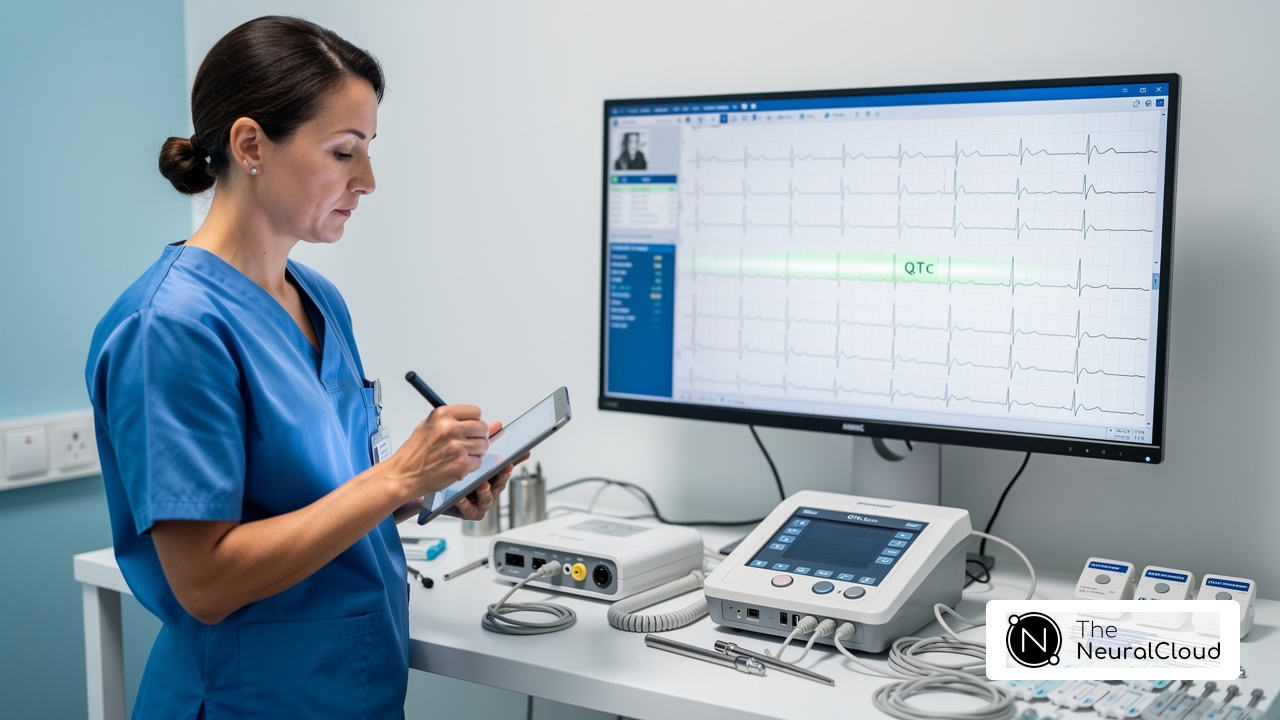
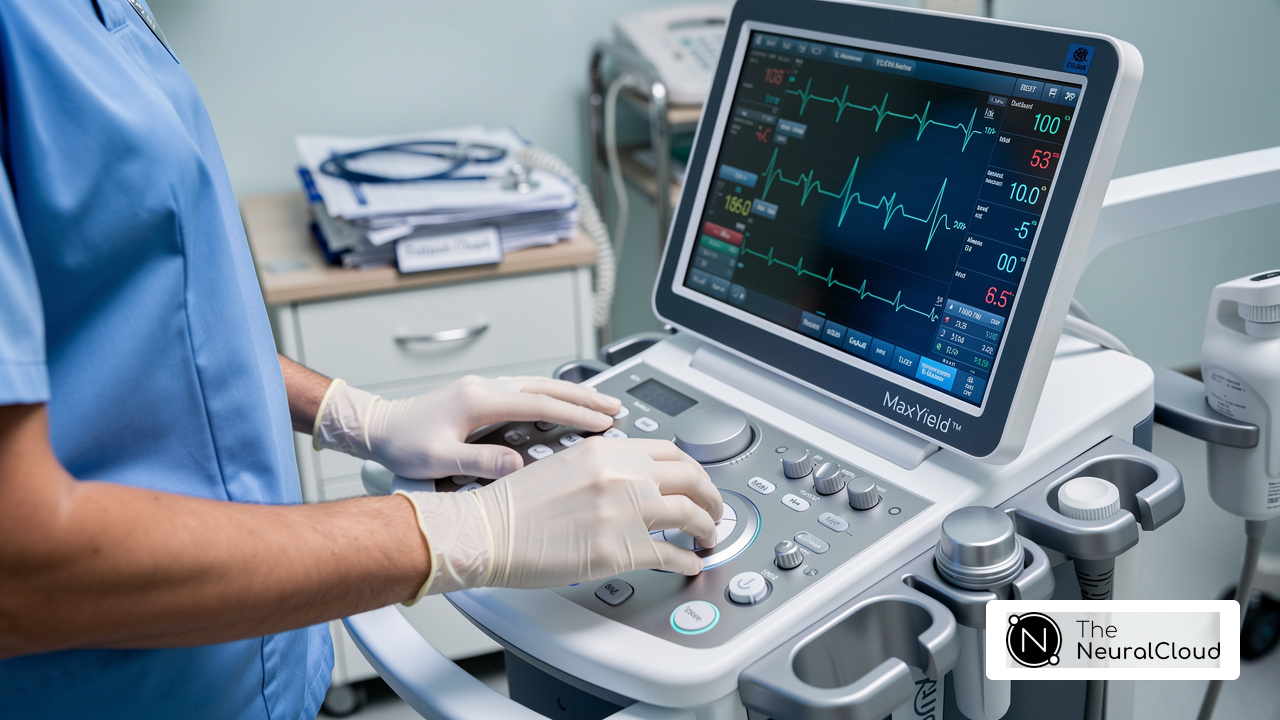
The challenges in cardiac diagnostics often stem from noise and signal artifacts, which can obscure the true cardiac signals. 'Neural Cloud Solutions' addresses these challenges with its MaxYield™ technology, revolutionizing ECG analysis through an innovative platform that employs advanced AI algorithms to automate the processing of ECG signals. This innovative technology significantly improves diagnostic accuracy, empowering healthcare professionals to make informed decisions.
MaxYield™ is capable of processing over 200,000 heartbeats in under five minutes, delivering detailed beat-by-beat analysis. It effectively isolates and labels P-waves, QRS complexes, and T-wave intervals. This automation not only enhances efficiency but also markedly reduces the potential for human error, establishing it as an indispensable tool for clinicians and researchers alike.
Moreover, the system's continuous learning capabilities ensure that its algorithms develop over time, further enhancing precision and efficiency in cardiac diagnostics. This is essential for improving patient care and resource distribution in various clinical settings. Targeting ECG signals in adults aged 18 and older, the MaxYield™ system is designed to meet the needs of a diverse clinical audience.
As noted by healthcare professionals, the integration of the MaxYield™ system in clinical practice not only enhances signal clarity but also supports consistent clinical decision-making. By ensuring that true ECG signals are accurately interpreted, MaxYield™ stands out as a vital resource in the healthcare landscape.

AI-Powered ECG Readers: Enhancing Diagnostic Accuracy in Cardiac Care
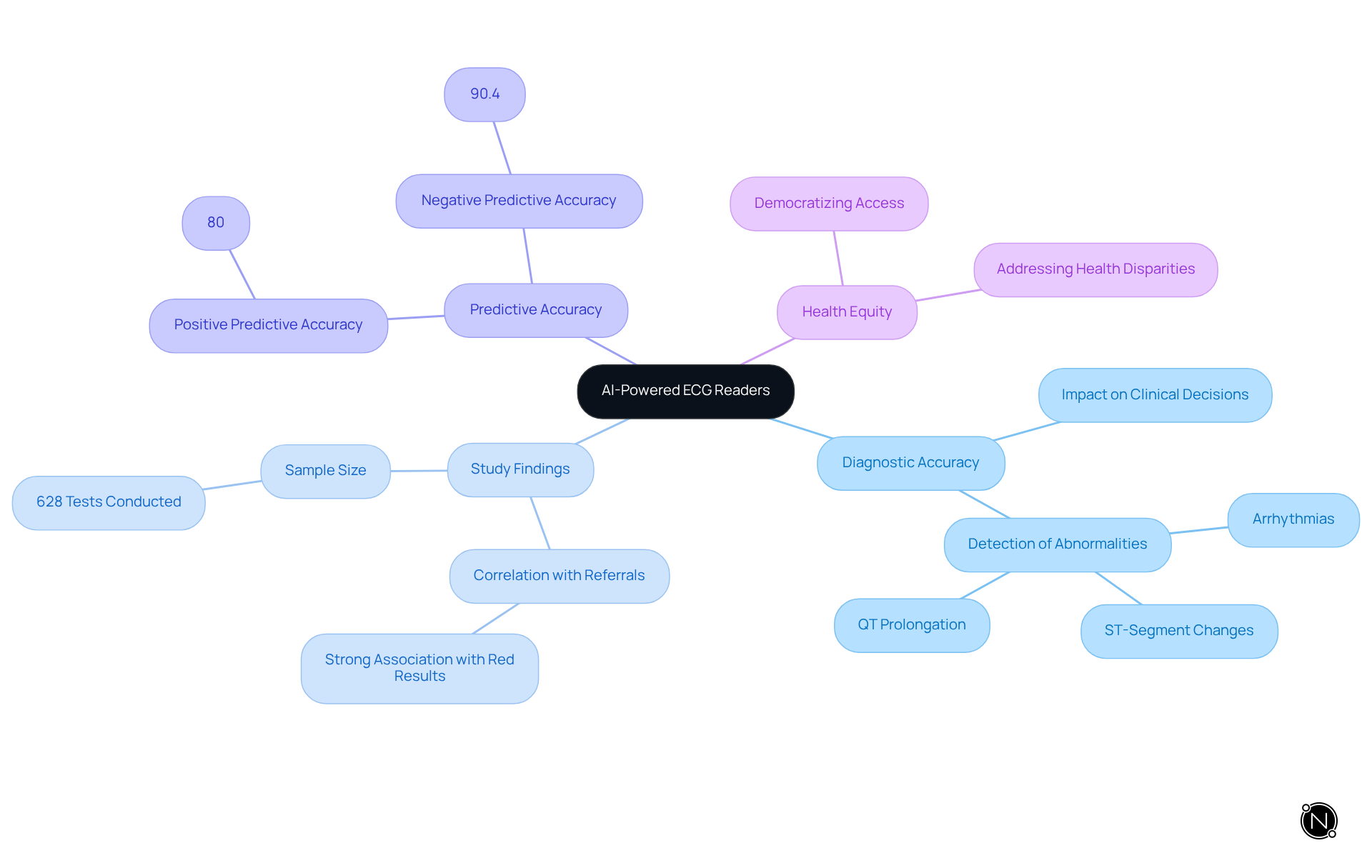
The technology powered by artificial intelligence, is transforming diagnostic accuracy in cardiac care by utilizing algorithms to identify conditions that human interpreters may miss. These systems significantly improve the detection of arrhythmias, ST-segment changes, and QT prolongation, enabling timely interventions.
A study involving 628 tests revealed a strong correlation between AI results and referrals to cardiology clinics, underscoring the effectiveness of AI in improving diagnostic processes. Moreover, AI tools demonstrate a high sensitivity and a negative predictive accuracy of 90.4% in identifying underlying cardiovascular diseases, as shown in research led by Dr. Simon Rudland. This highlights their reliability in clinical environments.
As these technologies advance, they are set to enhance diagnostic capabilities and tackle health equity, ultimately enhancing patient outcomes across diverse populations. The system developed by Neural Cloud Solutions exemplifies these advancements by utilizing an innovative approach to analyze and clarify ECG signals.
Rapid Data Processing: How ECG AI Readers Improve Clinical Decision-Making
The use of the ECG AI reader is transforming cardiac diagnostics by leveraging advanced algorithms, which deliver actionable insights almost instantaneously. This system exemplifies innovation, efficiently processing data in under five minutes. Such efficiency is vital in emergency situations, where timely interventions can significantly influence patient outcomes, especially for conditions like myocardial infarction.
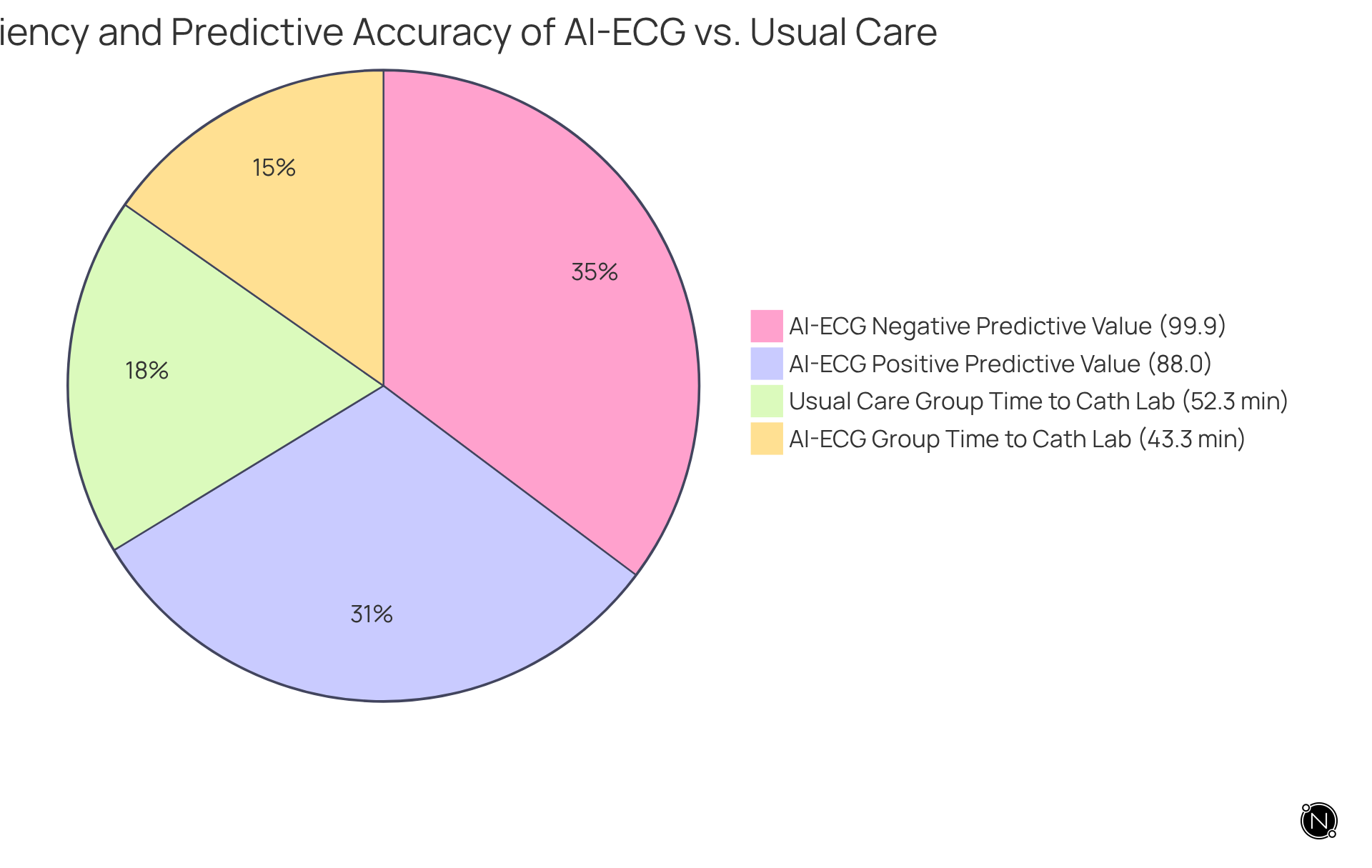
Statistics indicate that the AI-ECG group reduced the time from ECG acquisition to arrival in the cath lab to an average of 43.3 minutes, compared to 52.3 minutes for usual care, with a statistically significant difference (p = 0.003). This underscores the essential role of speed in cardiac care.
Experts, including Dr. Chin-Sheng Lin, emphasize that the ECG AI reader's ability to quickly interpret ECG data not only improves diagnostic accuracy but also optimizes resource allocation, ultimately enhancing patient care. Furthermore, the system's continuous learning capabilities ensure that its algorithms evolve over time, enhancing both precision and productivity.
The AI-ECG exhibits a sensitivity of 99.9% and a negative predictive value of 99.9%, further highlighting its effectiveness in enhancing clinical outcomes.
Seamless Integration: ECG AI Readers and Existing Healthcare Systems
The ECG AI reader is designed for healthcare providers, including hospitals and various diagnostic tools. This compatibility enables a smooth transition to advanced technology, significantly minimizing disruptions in clinical practice.
For example, the ECG AI reader can be integrated effortlessly into diverse clinical settings, allowing medical professionals to leverage AI capabilities without extensive system overhauls. Such integration not only streamlines processes but also enhances workflow, empowering clinicians to concentrate on patient care rather than administrative tasks.
IT professionals in the medical field highlight that ensuring EHR compatibility with implementation of these advanced technologies in clinical environments is crucial. Moreover, with the recent establishment of a national payment rate for the ECG AI reader, adoption of the technology is more timely than ever.
The system's ability to process over 200,000 heartbeats in less than five minutes showcases its effectiveness, while its design addresses challenges like signal interference.

Noise Reduction: The Role of AI in Enhancing ECG Signal Clarity
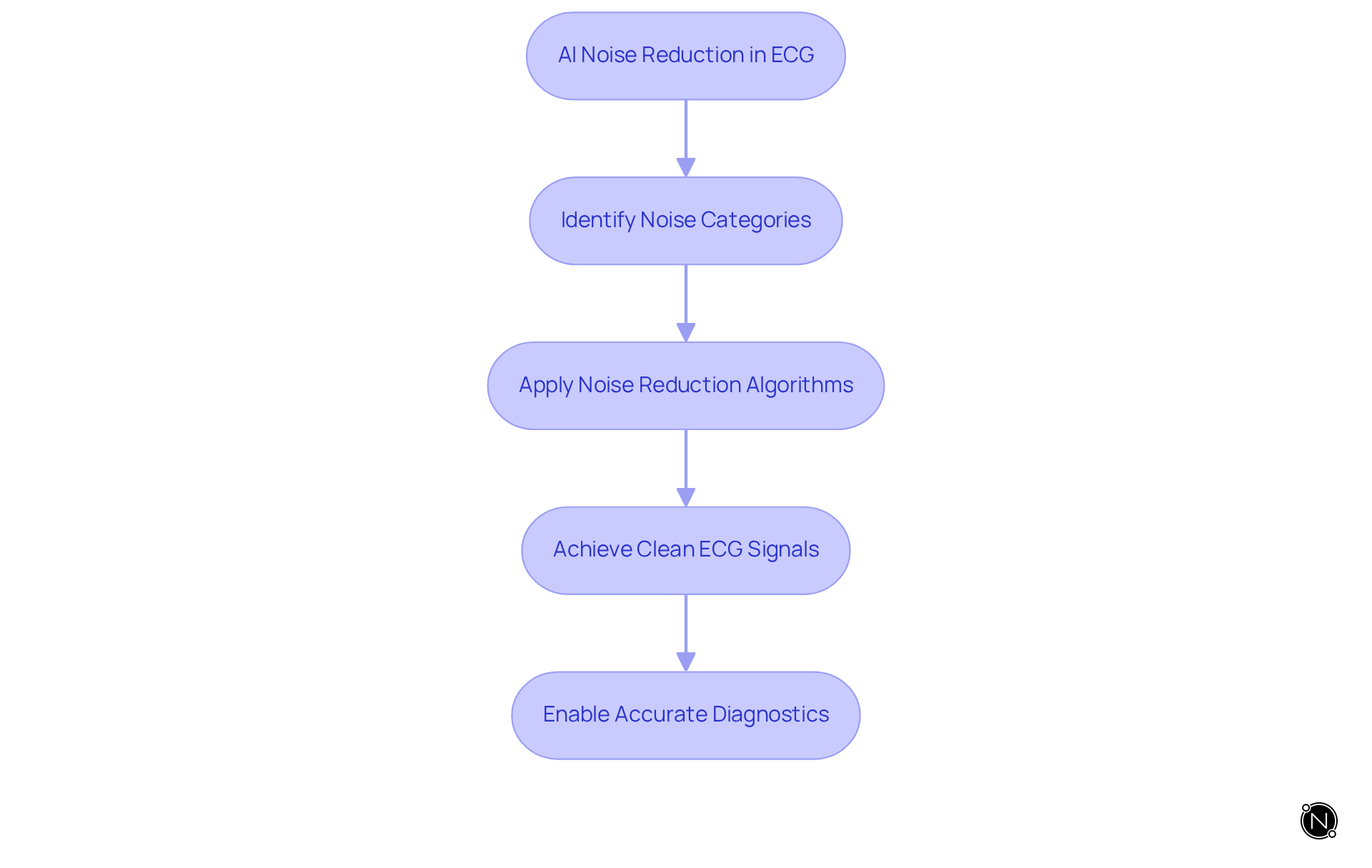
AI significantly enhances ECG signal clarity through advanced algorithms. The system utilizes exclusive algorithms designed to eliminate various noise categories, including baseline drift and muscle interferences. This leads to improved signal quality, which are essential for accurate diagnostics. The system can process over 200,000 heartbeats in less than five minutes, showcasing its effectiveness in providing timely results.
Noise can obscure critical data, potentially resulting in misdiagnosis or delayed treatment. Cardiologists emphasize that clarity is vital for effective diagnostics, as it allows for the precise identification of cardiac anomalies. As one cardiologist noted, 'The clarity of the ECG is paramount; any noise can lead to significant misinterpretations.'
Recent advancements in AI technology, particularly with the ECG AI reader, demonstrate a commitment to addressing these challenges, ultimately improving patient care. Furthermore, the system enhances workflow efficiency, enabling medical professionals to focus on high-level decision-making rather than manual tasks.
Scalability of ECG AI Readers: Adapting to Diverse Clinical Environments
The ECG AI reader addresses significant challenges in cardiac diagnostics by offering a suitable solution for diverse clinical environments, from small outpatient clinics to large hospitals. The technology exemplifies this adaptability, efficiently processing ECG data from various devices, including portable monitors. This capability allows the system to be tailored to their operational contexts, regardless of patient volume or workload.
Dr. Paul Friedman emphasizes that integrating AI technology can greatly enhance the screening process, facilitating faster diagnoses and improved patient management. Notably, the ECG AI reader can process over 200,000 heartbeats in under five minutes, showcasing its impressive efficiency. Additionally, the continuous learning model of MaxYield™ ensures that its algorithms evolve, maintaining high accuracy and efficiency even as clinical demands fluctuate.
This adaptability not only streamlines workflows but also empowers healthcare professionals to concentrate on critical decision-making, ultimately improving patient outcomes. Furthermore, the ECG AI reader effectively addresses challenges posed by noise and signal artifacts, reinforcing its reliability as a solution in cardiac care.

Continuous Learning: How AI Algorithms Evolve for Better ECG Diagnostics
A significant challenge in ECG analysis is the need for continuous learning. The technology addresses this through its advanced algorithms, which are designed to adapt based on new data inputs and clinical feedback. This ongoing evolution enhances the accuracy and reliability of diagnostics, enabling medical providers to leverage the technology without overhauling their existing systems. For example, the EchoNext algorithm has demonstrated a significant improvement, underscoring the effectiveness of AI in enhancing diagnostic precision.
As these algorithms process vast amounts of ECG data, they refine their predictive capabilities, ultimately improving diagnostic accuracy. This dynamic learning process not only tackles the complexities of cardiac conditions but also empowers clinicians to make informed decisions based on the most current insights available. As Salah Al-Zaiti, Ph.D., noted, "Our model helps address this major challenge by providing timely insights so that patients can get appropriate care without delay."
The integration of evolving algorithms in cardiac diagnostics, particularly through the use of an ECG AI reader, represents a significant advancement. It ensures that healthcare providers remain at the forefront of patient care. However, it is crucial to recognize the challenges in implementation, such as the necessity for infrastructure and trained personnel. Addressing these challenges is essential to fully realize the potential of the ECG AI reader in improving patient outcomes.

Cost Efficiency: Reducing Operational Expenses with ECG AI Readers
The use of an ECG AI reader is essential in reducing operational expenses by automating labor-intensive tasks and improving efficiency. This platform exemplifies this by significantly decreasing the time medical professionals dedicate to using the ECG AI reader. Such automation enables clinicians to focus on patient care, which not only lowers labor costs but also enhances the overall productivity of clinical teams. Consequently, medical providers can establish a more sustainable financial model.
Moreover, AI technologies, especially AI assistants in hospital administration, have demonstrated the potential to save hospitals an estimated 38-47% of operational costs, which could translate into annual savings exceeding $13 million. By streamlining processes and minimizing inefficiencies, AI technologies like ECG AI readers are vital for enhancing workflow and improving financial performance within medical settings.
Nonetheless, it is crucial to recognize that integrating AI solutions may pose challenges, such as compatibility with existing systems and the necessity for staff training. As noted by medical experts, the adoption of comprehensive training programs can facilitate these transitions, ultimately leading to a more adaptable and efficient healthcare environment.

User Adoption: Overcoming Challenges in Implementing ECG AI Technology
The integration of technology into clinical practice presents several challenges that can hinder user adoption. Healthcare professionals often express hesitance towards new technologies, primarily due to concerns regarding reliability, usability, and the necessity for adequate training. A recent study indicated that hospitals with strong leadership tend to have higher rates of AI adoption, suggesting that organizational support plays a crucial role in overcoming these barriers.
To enable smoother adoption, it is essential to offer training programs and continuous support customized to the needs of medical providers. Engaging clinicians in the implementation process not only fosters a sense of ownership but also helps demonstrate the tangible benefits of the technologies. For instance, Martha Grogan, a leading cardiologist, emphasizes that addressing implementation barriers is crucial for realizing the full potential of these technologies.
Moreover, addressing the challenges requires a multifaceted approach. Recent news suggests that advancements in technology and data governance are crucial for establishing trust among healthcare professionals. By focusing on these areas, organizations can enhance the integration of AI tools into clinical workflows, ultimately improving patient care and streamlining diagnostic processes. As AI progresses, the dedication to training will be crucial in guaranteeing that healthcare providers can utilize these technologies to their fullest potential.

Improving Patient Outcomes: The Transformative Impact of ECG AI Readers
The transformative impact of ECG AI readers extends beyond operational efficiency and cost savings; it fundamentally improves patient care. These advanced technologies, such as the AI-powered algorithms, improve diagnostic accuracy and significantly decrease analysis duration, enabling medical professionals to make prompt and informed decisions. This capability is particularly crucial in emergency scenarios, where timely interventions can enhance survival and recovery rates.
For example, a study involving nearly 16,000 patients showed that the use of ECG AI readers can reduce all-cause mortality by 17% within 90 days for high-risk patients, underscoring the importance of early detection. As Robert Herman, MD, co-founder and chief medical officer of Powerful Medical, stated, "We are able to identify two times more of these patients that are currently missed using just the initial ECG recorded when the patient is hospitalized."
With the continuous advancement of AI technology, the integration of ECG AI readers into cardiac care is set to expand, consistently improving outcomes and reshaping the future of healthcare. The noise reduction capabilities play a crucial role in this evolution, automating and enhancing signal clarity. This platform addresses the challenges in ECG analysis by streamlining processes and improving efficiency, ultimately benefiting healthcare professionals and their patients.

Conclusion
The integration of ECG AI readers signifies a remarkable leap forward in cardiac diagnostics, fundamentally altering the approach healthcare professionals take toward ECG analysis. By harnessing advanced AI technology, these systems improve the clarity and accuracy of cardiac signals. This enhancement facilitates timely and informed clinical decisions, ultimately leading to better patient outcomes.
Key benefits of ECG AI readers include:
- Rapid data processing, which enables swift analysis of heartbeats
- Seamless integration with existing healthcare systems
- Continuous learning capabilities that enhance diagnostic precision over time
- The ability to reduce noise and signal artifacts, ensuring accurate identification of critical cardiac events, significantly decreasing the risk of misdiagnosis
As the healthcare industry evolves, the adoption of AI technologies like ECG AI readers becomes essential for optimizing patient care. By addressing challenges related to user adoption and emphasizing training and support, medical professionals can fully leverage the potential of these innovative tools. The transformative effect of AI in cardiac diagnostics not only streamlines workflows and reduces operational costs but also leads to improved patient outcomes. Therefore, it is crucial for healthcare providers to prioritize the integration of such technologies into their practices.
Frequently Asked Questions
What challenges does MaxYield™ address in ECG analysis?
MaxYield™ addresses challenges in ECG analysis such as noise and signal artifacts that can obscure true cardiac signals, enhancing clarity and enabling informed decision-making.
How does MaxYield™ improve the ECG analysis process?
MaxYield™ automates the processing of ECG signals using advanced AI algorithms, allowing it to process over 200,000 heartbeats in under five minutes and deliver detailed beat-by-beat analysis.
What features can MaxYield™ isolate and label?
MaxYield™ can isolate and label critical features such as P-waves, QRS complexes, and T-wave intervals, significantly improving the quality of ECG data.
How does the continuous learning model of MaxYield™ benefit ECG analysis?
The continuous learning model allows MaxYield™'s algorithms to develop over time, enhancing precision and efficiency in ECG analysis, which optimizes diagnostic yield and resource distribution.
What is the target audience for the MaxYield™ system?
The MaxYield™ system targets ECG signals in adults aged 18 and older, catering to a diverse clinical audience.
How does the ECG AI reader enhance diagnostic accuracy in cardiac care?
The ECG AI reader utilizes advanced machine learning algorithms to identify subtle abnormalities, significantly improving the detection of arrhythmias, ST-segment changes, and QT prolongation.
What were the findings of the study involving ECG AI readers?
A study revealed a strong correlation between red results and referrals to cardiology clinics, demonstrating the effectiveness of AI in early diagnosis and treatment, with a positive predictive accuracy of 80% and a negative predictive accuracy of 90.4%.
How does rapid data processing impact clinical decision-making?
Rapid data processing allows the ECG AI reader to deliver actionable insights almost instantaneously, which is crucial in emergency situations, improving timely diagnosis and treatment.
What statistics highlight the efficiency of the AI-ECG group in clinical settings?
The AI-ECG group reduced the time from ECG acquisition to arrival in the cath lab to an average of 43.3 minutes, compared to 52.3 minutes for usual care, indicating a significant improvement in speed.
What are the predictive values of the AI-ECG system?
The AI-ECG system exhibits a positive predictive value of 88.0% and a negative predictive value of 99.9%, underscoring its effectiveness in enhancing clinical outcomes.
List of Sources
- Neural Cloud Solutions' MaxYield™: Transforming ECG Analysis with Advanced AI Technology
- webdisclosure.com (https://webdisclosure.com/article/aiml-innovations-seeks-fda-approval-for-maxyield-signal-enhancement-S74fdB4kjnO)
- nasdaq.com (https://nasdaq.com/articles/heartsciences-inc-reports-fiscal-year-2025-financial-results-and-strategic-advances-ai)
- morningstar.com (https://morningstar.com/news/accesswire/1034743msn/aiml-subsidiary-neural-cloud-signs-loi-with-circular-health-to-license-maxyieldtm-ecg-signal-processing)
- AIML Subsidiary Neural Cloud Signs LOI with Circular Health to License MaxYield(TM) ECG Signal Processing (https://finance.yahoo.com/news/aiml-subsidiary-neural-cloud-signs-110000257.html)
- wjbf.com (https://wjbf.com/business/press-releases/accesswire/1028022/aiml-hits-key-regulatory-benchmark-with-510k-filing-for-maxyieldtm-signal-enhancement-platform)
- AI-Powered ECG Readers: Enhancing Diagnostic Accuracy in Cardiac Care
- bbc.com (https://bbc.com/news/articles/cvgn38rggj7o)
- AI-powered ECG model outperforms doctors in detecting hidden heart disease (https://news-medical.net/news/20250721/AI-powered-ECG-model-outperforms-doctors-in-detecting-hidden-heart-disease.aspx)
- heart.org (https://heart.org/en/news/2023/11/06/can-ekgs-read-by-ai-save-lives-its-possible-researchers-say)
- news-medical.net (https://news-medical.net/news/20240625/AI-transforming-cardiovascular-care-with-groundbreaking-diagnostic-and-prognostic-innovations.aspx)
- New AI approach set to revolutionize ECG data interpretation in heart disease diagnosis (https://news-medical.net/news/20250219/New-AI-approach-set-to-revolutionize-ECG-data-interpretation-in-heart-disease-diagnosis.aspx)
- Rapid Data Processing: How ECG AI Readers Improve Clinical Decision-Making
- medicaleconomics.com (https://medicaleconomics.com/view/cms-sets-medicare-payment-for-ai-enabled-ecg-analysis-boosting-viz-ai-s-hcm-detection-tool)
- acc.org (https://acc.org/Latest-in-Cardiology/Articles/2023/12/01/01/42/cover-story-artificial-intelligence-an-opportunity-to-revolutionize-health-care)
- acc.org (https://acc.org/Latest-in-Cardiology/Clinical-Trials/2023/11/10/23/02/arise)
- reachmd.com (https://reachmd.com/news/revolutionizing-cardiac-care-ai-models-in-heart-attack-detection/2473854)
- tctmd.com (https://tctmd.com/news/proof-concept-ai-ecg-may-improve-stemi-care-arise)
- Seamless Integration: ECG AI Readers and Existing Healthcare Systems
- mdpi.com (https://mdpi.com/2227-9059/13/7/1685)
- PMcardio: AI ECG & Cardiac Care Platform (https://powerfulmedical.com)
- medicaleconomics.com (https://medicaleconomics.com/view/cms-sets-medicare-payment-for-ai-enabled-ecg-analysis-boosting-viz-ai-s-hcm-detection-tool)
- FDA Clears AI-ECG Screening Tools for CV Care: What’s Next Is Up for Grabs (https://tctmd.com/news/fda-clears-ai-ecg-screening-tools-cv-care-whats-next-grabs)
- globenewswire.com (https://globenewswire.com/news-release/2025/06/04/3093617/0/en/HeartSciences-Receives-FDA-Breakthrough-Device-Designation-for-MyoVista-Insights-AI-ECG-Algorithm-for-Detecting-Aortic-Stenosis.html)
- Noise Reduction: The Role of AI in Enhancing ECG Signal Clarity
- prnewswire.com (https://prnewswire.com/news-releases/eko-health-announces-new-study-demonstrating-ai-assisted-detection-of-reduced-ejection-fraction-302389211.html)
- medicaleconomics.com (https://medicaleconomics.com/view/cms-sets-medicare-payment-for-ai-enabled-ecg-analysis-boosting-viz-ai-s-hcm-detection-tool)
- AIML Hits Key Regulatory Benchmark with 510(k) Filing for MaxYield(TM) Signal Enhancement Platform (https://biospace.com/press-releases/aiml-hits-key-regulatory-benchmark-with-510k-filing-for-maxyieldtm-signal-enhancement-platform)
- diagnosticimaging.com (https://diagnosticimaging.com/view/fda-new-electrocardiogram-suite-algorithms-and-analytics)
- Revolutionary AI-Powered ECG Platform MaxYield Seeks FDA Clearance: What This Means for Digital Health (https://stocktitan.net/news/AIMLF/aiml-hits-key-regulatory-benchmark-with-510-k-filing-for-max-yield-mj718ol7q93m.html)
- Scalability of ECG AI Readers: Adapting to Diverse Clinical Environments
- AI-powered ECG model outperforms doctors in detecting hidden heart disease (https://news-medical.net/news/20250721/AI-powered-ECG-model-outperforms-doctors-in-detecting-hidden-heart-disease.aspx)
- Philips Launches ECG AI Marketplace to Enhance Early Cardiac Diagnosis (https://usa.philips.com/a-w/about/news/archive/standard/news/press/2025/philips-launches-ecg-ai-marketplace-to-enhance-early-cardiac-diagnosis.html)
- indianexpress.com (https://indianexpress.com/article/health-wellness/can-ai-detect-heart-disease-earlier-read-ecg-better-9822151)
- sciencedirect.com (https://sciencedirect.com/science/article/pii/S1109966624001581)
- nature.com (https://nature.com/articles/s44325-025-00078-2)
- Continuous Learning: How AI Algorithms Evolve for Better ECG Diagnostics
- AI-powered ECG model outperforms doctors in detecting hidden heart disease (https://news-medical.net/news/20250721/AI-powered-ECG-model-outperforms-doctors-in-detecting-hidden-heart-disease.aspx)
- ucsf.edu (https://ucsf.edu/news/2021/08/421301/ai-algorithm-matches-cardiologists-expertise-while-explaining-its-decisions)
- medicaleconomics.com (https://medicaleconomics.com/view/transforming-clinical-care-how-ai-is-powering-more-personalized-and-effective-medicine)
- FDA Clears AI-ECG Screening Tools for CV Care: What’s Next Is Up for Grabs (https://tctmd.com/news/fda-clears-ai-ecg-screening-tools-cv-care-whats-next-grabs)
- New AI Tool Beats Standard Approaches for Detecting Heart Attacks (https://upmc.com/media/news/062923-ecg-model-heart-attacks)
- Cost Efficiency: Reducing Operational Expenses with ECG AI Readers
- globenewswire.com (https://globenewswire.com/news-release/2025/07/17/3117240/0/en/Philips-Launches-ECG-AI-Marketplace-to-Enhance-Early-Cardiac-Diagnosis.html)
- sciencedaily.com (https://sciencedaily.com/releases/2024/12/241204145147.htm)
- ahajournals.org (https://ahajournals.org/doi/10.1161/circ.148.suppl_1.14527)
- designrush.com (https://designrush.com/news/it-medical-s-new-study-shows-how-ai-assistants-save-hospitals-millions-in-operational-costs)
- news-medical.net (https://news-medical.net/news/20241205/AI-tool-for-heart-failure-screening-demonstrates-long-term-cost-savings.aspx)
- User Adoption: Overcoming Challenges in Implementing ECG AI Technology
- brookings.edu (https://brookings.edu/articles/why-is-ai-adoption-in-health-care-lagging)
- Meeting the Moment: Addressing Barriers and Facilitating Clinical Adoption of Artificial Intelligence in Medical Diagnosis - NAM (https://nam.edu/perspectives/meeting-the-moment-addressing-barriers-and-facilitating-clinical-adoption-of-artificial-intelligence-in-medical-diagnosis)
- Checking your browser - reCAPTCHA (https://pmc.ncbi.nlm.nih.gov/articles/PMC10879008)
- ahajournals.org (https://ahajournals.org/doi/10.1161/JAHA.124.036533)
- webpronews.com (https://webpronews.com/healthcares-ai-adoption-overcoming-skills-gaps-and-privacy-hurdles)
- Improving Patient Outcomes: The Transformative Impact of ECG AI Readers
- heart.org (https://heart.org/en/news/2023/11/06/can-ekgs-read-by-ai-save-lives-its-possible-researchers-say)
- AI-ECG Model Outperforms STEMI Criteria for Identifying ACS Patients With Occlusions (https://tctmd.com/news/ai-ecg-model-outperforms-stemi-criteria-identifying-acs-patients-occlusions)
- healthmanagement.org (https://healthmanagement.org/c/artificial-intelligence/news/ai-enabled-ecg-reduces-mortality-breakthrough-in-medical-ai)
- mdpi.com (https://mdpi.com/2075-4418/15/15/1874)
- hcplive.com (https://hcplive.com/view/ai-electrocardiogram-alert-intervention-reduces-all-cause-mortality)