Introduction
Atrial and ventricular fibrillation are two distinct yet critical heart rhythm disorders, each with vastly different implications for patient health. Understanding these differences is essential, as it informs treatment strategies and empowers individuals to recognize symptoms and seek timely intervention.
- Atrial fibrillation is often manageable through lifestyle changes and medications,
- Ventricular fibrillation demands immediate emergency care.
The stakes could not be higher. How can individuals and healthcare professionals navigate the complexities of these conditions to ensure optimal outcomes and prevent life-threatening emergencies?
Understanding Atrial and Ventricular Fibrillation
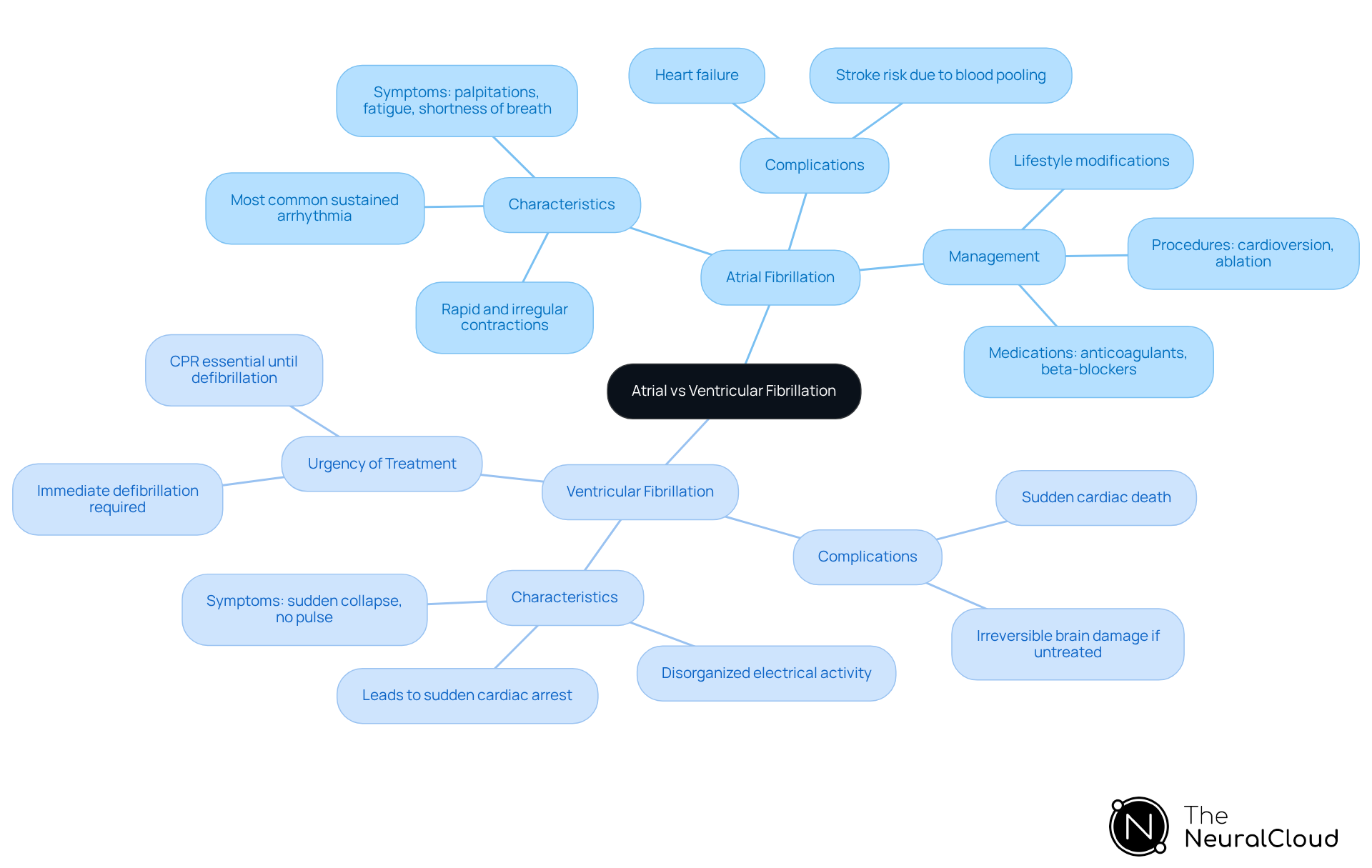
AFib is characterized by rapid and irregular contractions of the atria, the upper chambers of the heart. This arrhythmia can lead to serious complications, including blood clots, stroke, and heart failure if not properly managed. In contrast, ventricular fibrillation is marked by disorganized electrical activity in the ventricles, which hinders their ability to pump blood efficiently. This often results in loss of consciousness, making the urgency of a medical emergency a critical concern. It is a medical emergency that requires prompt intervention, typically through defibrillation.
While atrial fibrillation shows that can often be controlled with lifestyle changes and medications, ventricular fibrillation necessitates immediate action to prevent fatal outcomes. Recent studies indicate that ventricular fibrillation can lead to death within minutes if not addressed, underscoring the urgent need for swift emergency intervention. Experts agree that understanding the distinctions of these conditions is vital for effective treatment and management. Atrial fibrillation may occasionally progress to ventricular fibrillation if left untreated, which highlights the importance of monitoring and managing atrial fibrillation to prevent severe complications.
Causes of Atrial and Ventricular Fibrillation
can arise from various factors, including elevated blood pressure, valve disease, and lifestyle choices like excessive alcohol consumption and obesity. Recent studies indicate that the incidence of atrial fibrillation is increasing, particularly among older adults, with advanced age and being overweight. In contrast, ventricular fibrillation is typically triggered by acute myocardial infarction, severe electrolyte imbalances, or substantial damage to the heart muscle. Understanding these distinct triggers is crucial for developing treatment strategies for atrial vs ventricular fibrillation.
For instance, addressing lifestyle factors can significantly lower the risk of atrial fibrillation. Meanwhile, early intervention is vital in preventing ventricular fibrillation. Real-world examples underscore the importance of recognizing these triggers; patients with a history of heart disease are often closely monitored for signs of both arrhythmias. This awareness and intervention ultimately improve patient outcomes.

Comparative Symptoms of AFib and VFib
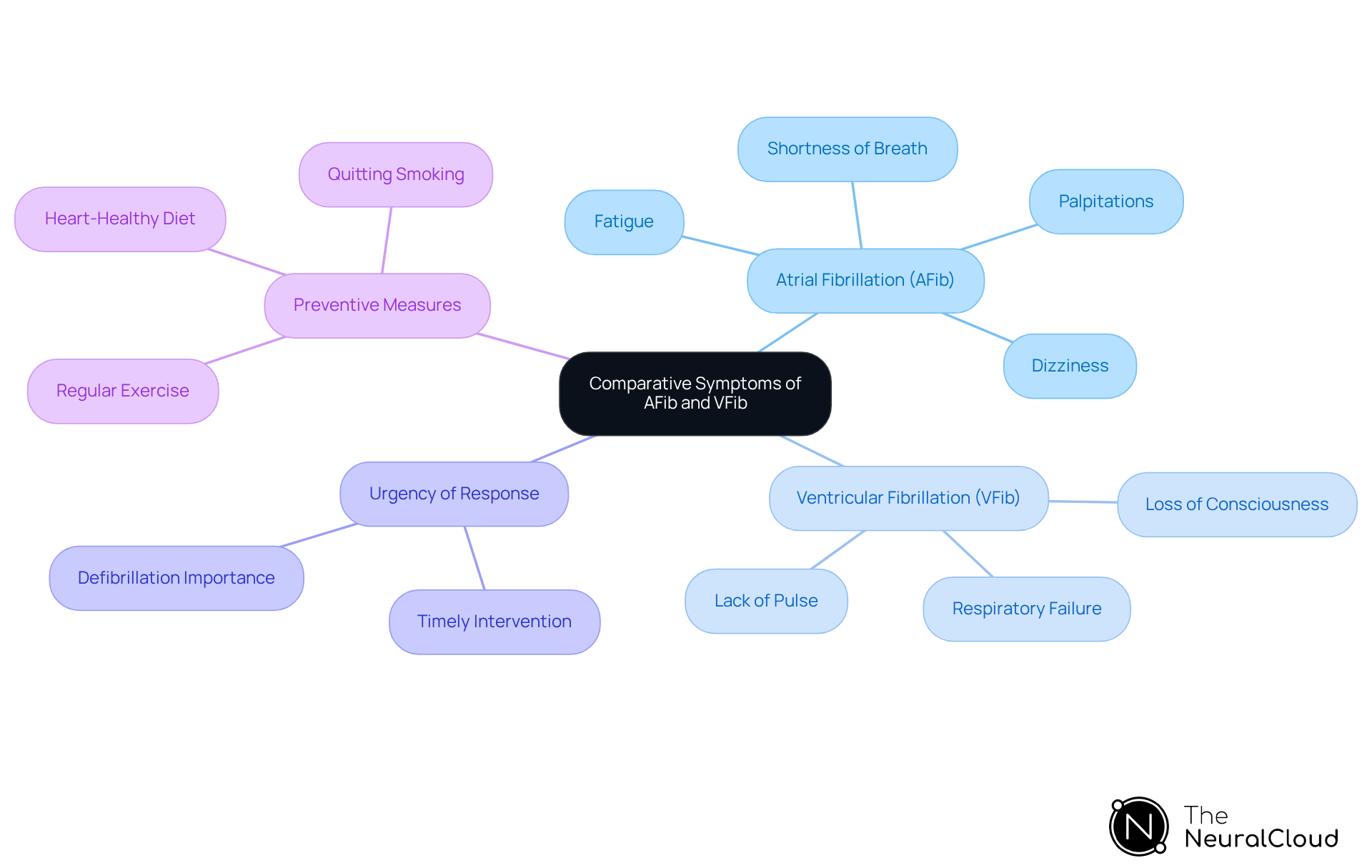
Patients with atrial fibrillation (AFib) often experience palpitations. While these symptoms can be distressing, they typically do not pose immediate life-threatening risks. In contrast, ventricular fibrillation (VFib) presents a distinctly different clinical picture. Patients experiencing VFib may suddenly lose consciousness, show a lack of pulse, and encounter immediate respiratory failure, necessitating urgent resuscitation efforts. Timely intervention is crucial, as it can significantly impact patient outcomes.
Real-world examples underscore the importance of prompt action in emergency situations. A study highlighted that patients who received defibrillation within minutes of onset had significantly improved survival rates compared to those who faced delays. Recent reports indicate that symptoms of VFib can often be mistaken for milder conditions, emphasizing the need for healthcare professionals to maintain a high level of suspicion.
Healthcare professionals stress the importance of quickly identifying symptoms of VFib. As one specialist noted, "In instances of VFib, every second is crucial; timely intervention can mean the difference between life and death." Additionally, understanding potential causes of VFib without apparent blockages, such as coronary spasm and microvascular dysfunction, provides essential context for the urgency of recognizing symptoms.
Incorporating lifestyle changes and preventive measures is vital for managing cardiovascular health. Research shows that a healthy diet and regular exercise can significantly reduce the risk of heart disease, which is particularly important for individuals at risk of AFib. Recognizing the critical differences in symptoms not only aids in effective diagnosis but also enhances patient outcomes in emergency situations.
Treatment Approaches for AFib and VFib
AFib is typically managed with medications such as anticoagulants, beta-blockers, and antiarrhythmics, alongside lifestyle modifications, particularly in the context of heart health. These treatments aim to reduce symptoms and prevent complications, making them effective. In some cases, catheter ablation may be considered, offering a potential long-term solution for those who do not respond well to medication.
Conversely, when comparing treatment methods, VFib requires immediate defibrillation to restore normal heart rhythm, along with advanced cardiac life support. This urgent intervention is crucial, as VFib can lead to sudden cardiac arrest if not addressed promptly. Understanding these treatment approaches is essential for healthcare providers and individuals alike, as it empowers them to make informed decisions.

Prognosis and Life Expectancy: AFib vs. VFib
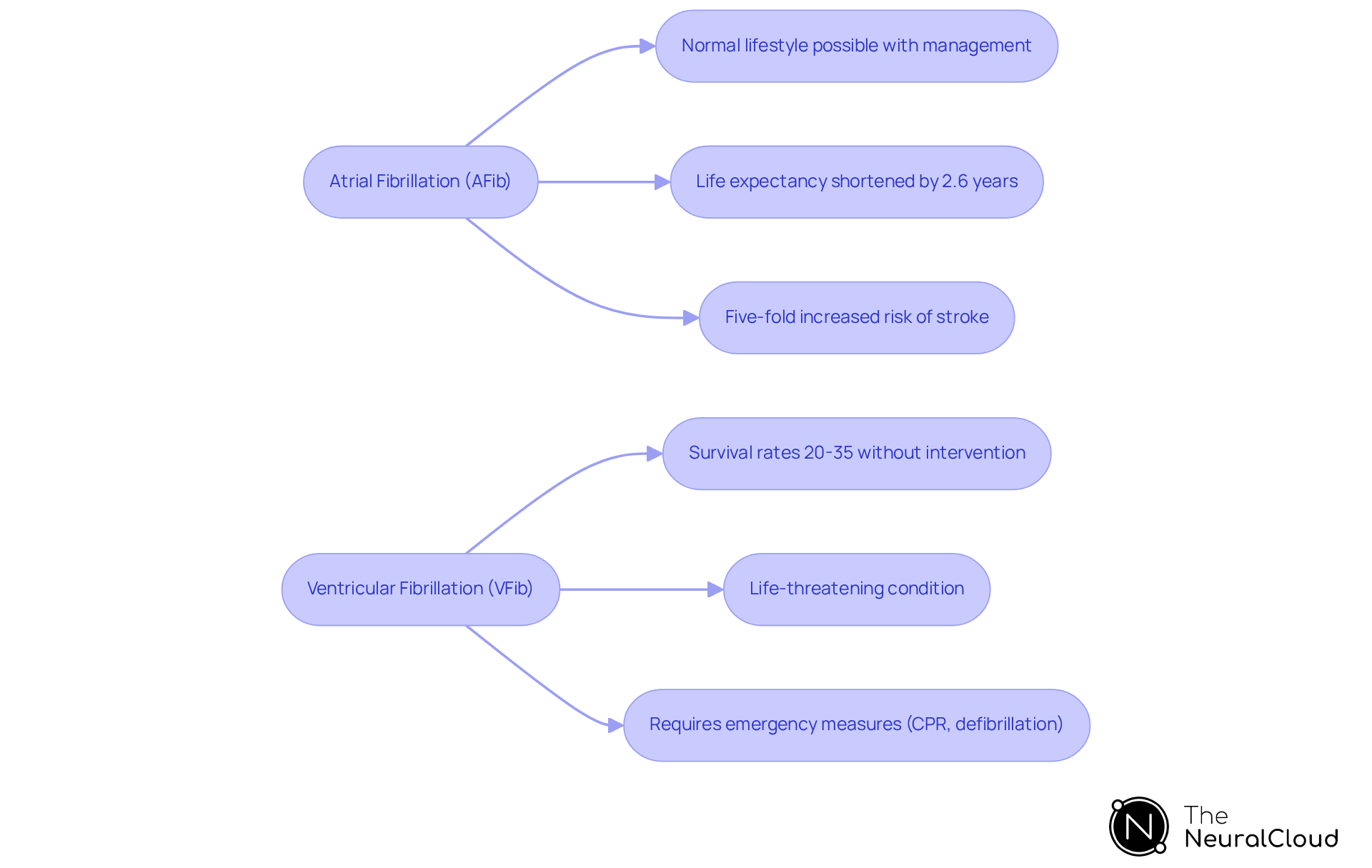
The outlook for patients with AFib varies significantly, but with appropriate management, many can lead a normal lifestyle. Research shows that untreated AFib may shorten life expectancy by about 2.6 years. In contrast, VFib poses a much graver prognosis; survival after an episode can plummet to as low as 20-35% without immediate intervention. This stark contrast highlights the critical need for awareness of VFib, which is often life-threatening and necessitates emergency measures like CPR or defibrillation.
Moreover, studies indicate that individuals with AFib face a five-fold increased risk of stroke, further complicating their health. Understanding these risks and implications is crucial for both patients and healthcare providers, especially in the context of treatment planning. It enables informed decisions regarding treatment and management strategies, ultimately improving patient care and outcomes. By recognizing the challenges associated with AFib and VFib, healthcare providers can better tailor their approaches to meet the needs of their patients.
Conclusion
A clear understanding of the differences between atrial fibrillation (AFib) and ventricular fibrillation (VFib) is essential for effective management and treatment. While both conditions are serious, they differ significantly in their mechanisms, causes, symptoms, and required interventions. Recognizing these distinctions aids healthcare providers in delivering appropriate care and empowers patients to take proactive steps in managing their cardiovascular health.
Key points highlight the contrasting nature of AFib and VFib:
- AFib is often manageable through lifestyle changes and medications.
- VFib represents a critical emergency requiring immediate action.
- The causes of these arrhythmias vary: AFib is linked to lifestyle factors, whereas VFib is typically triggered by acute cardiac events.
- Symptoms also differ markedly; AFib presents less immediate danger compared to the life-threatening manifestations of VFib, which necessitate urgent resuscitation.
- The prognosis for each condition underscores the importance of timely intervention, especially in the case of VFib, where survival rates drastically decline without prompt treatment.
Ultimately, understanding the nuances between atrial and ventricular fibrillation is vital for improving patient outcomes. Individuals at risk should be educated about the signs and symptoms of both conditions, as well as the importance of timely medical intervention. By fostering awareness and encouraging proactive health management, it is possible to reduce the risks associated with these arrhythmias and enhance overall cardiovascular health.
Frequently Asked Questions
What is atrial fibrillation (AFib)?
Atrial fibrillation (AFib) is characterized by rapid and irregular contractions of the atria, the upper chambers of the heart. It can lead to serious complications such as blood clots, stroke, and heart failure if not properly managed.
What is ventricular fibrillation?
Ventricular fibrillation is marked by disorganized electrical activity in the ventricles, which prevents them from pumping blood efficiently. This condition often results in sudden cardiac arrest and is considered a medical emergency requiring prompt intervention, typically through defibrillation.
How do atrial and ventricular fibrillation differ in terms of urgency and treatment?
Atrial fibrillation can often be controlled with lifestyle modifications and medications, while ventricular fibrillation necessitates immediate action to prevent fatal outcomes. Ventricular fibrillation can lead to death within minutes if not addressed.
What are the common causes of atrial fibrillation?
Atrial fibrillation can arise from factors such as elevated blood pressure, valve disease, and lifestyle choices like excessive alcohol consumption and obesity. Advanced age and underlying cardiovascular conditions are significant risk factors.
What typically triggers ventricular fibrillation?
Ventricular fibrillation is usually triggered by acute myocardial infarction, severe electrolyte imbalances, or substantial damage to the heart muscle.
Why is it important to understand the distinctions between atrial and ventricular fibrillation?
Understanding the differences is vital for effective treatment and patient education. Atrial fibrillation may occasionally progress to ventricular fibrillation if left untreated, highlighting the importance of monitoring and managing both conditions to prevent severe complications.
How can lifestyle changes impact the risk of atrial fibrillation?
Addressing lifestyle factors such as diet, exercise, and alcohol consumption can significantly lower the risk of developing atrial fibrillation.
What is the importance of timely intervention during myocardial infarction?
Timely intervention during a myocardial infarction is crucial in preventing ventricular fibrillation, which can have fatal consequences if not managed quickly.
List of Sources
- Understanding Atrial and Ventricular Fibrillation
- medicalnewstoday.com (https://medicalnewstoday.com/articles/atrial-fibrillation-vs-ventricular-fibrillation)
- polskimd.com (https://polskimd.com/en/atrial-fibrillation-vs-ventricular-fibrillation-understanding-the-differences)
- webmd.com (https://webmd.com/heart-disease/atrial-fibrillation/atrial-fibrillation-vs-ventricular-fibrillation)
- cprcare.com (https://cprcare.com/blog/atrial-fibrillation-vs-ventricular-fibrillation)
- ahajournals.org (https://ahajournals.org/doi/10.1161/CIRCRESAHA.120.316340)
- Causes of Atrial and Ventricular Fibrillation
- New AFib diagnosis? Here’s some help to clear any confusion (https://heart.org/en/news/2025/09/23/new-afib-diagnosis-heres-some-help-to-clear-any-confusion)
- Atrial Fibrillation - StatPearls - NCBI Bookshelf (https://ncbi.nlm.nih.gov/books/NBK526072)
- thehealthinnovationnetwork.co.uk (https://thehealthinnovationnetwork.co.uk/case_studies/supporting-the-detection-of-atrial-fibrillation-and-optimising-treatment)
- Comparative Symptoms of AFib and VFib
- Memorable Cardiology Quotes | TheKnowHow Blog (https://theknowhow.ae/memorable-cardiology-quotes-heart)
- Prognosis and Life Expectancy: AFib vs. VFib
- medicalnewstoday.com (https://medicalnewstoday.com/articles/how-long-can-you-live-with-afib)
- thehealthinnovationnetwork.co.uk (https://thehealthinnovationnetwork.co.uk/case_studies/supporting-the-detection-of-atrial-fibrillation-and-optimising-treatment)
- healthline.com (https://healthline.com/health/atrial-fibrillation-vs-ventricular-fibrillation)