Introduction
Recent advancements in AI technology are transforming ECG analysis, presenting both opportunities and challenges for healthcare professionals. As they often find it challenging to achieve accurate diagnostics due to the complexities involved, innovations like Neural Cloud Solutions Inc.'s MaxYield and Tempus's AI-powered platforms are emerging as significant innovations, offering enhanced precision and efficiency.
However, as these technologies gain traction, clinicians must consider how to effectively integrate these AI tools into their workflows while addressing the challenges that may arise to fully realize their potential in improving patient outcomes.
Neural Cloud Solutions: MaxYield for Enhanced ECG Analysis
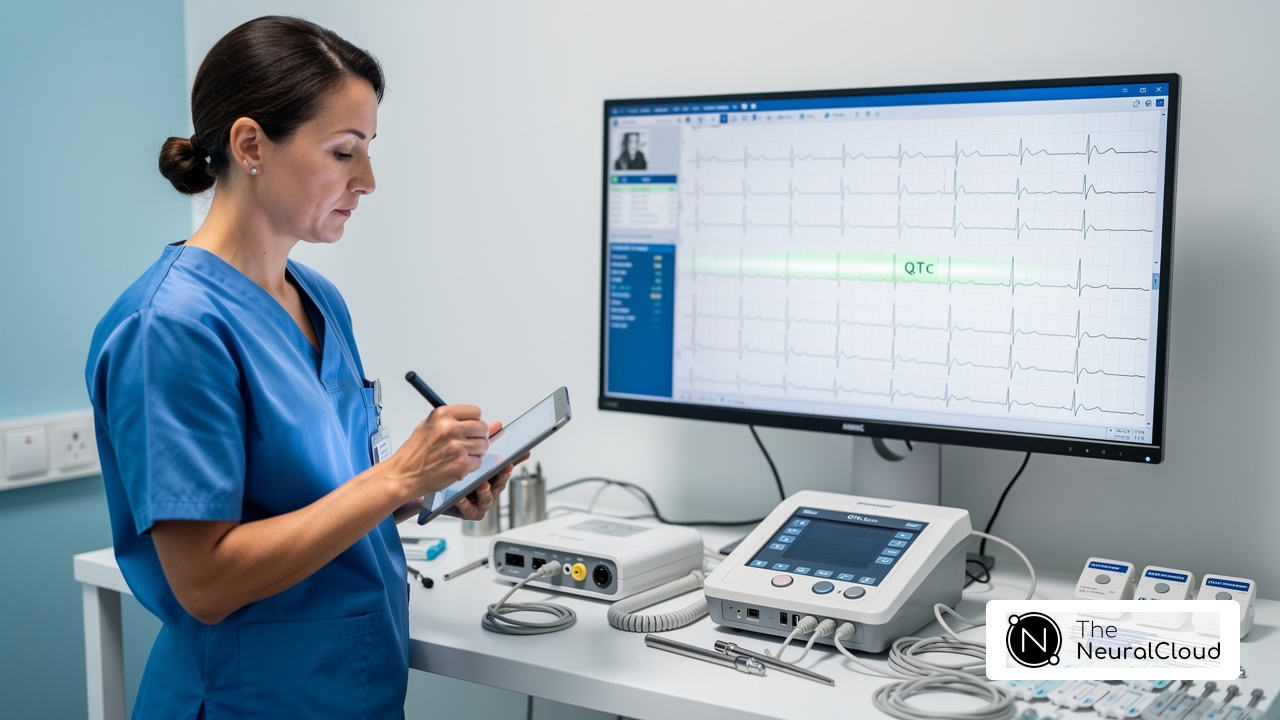
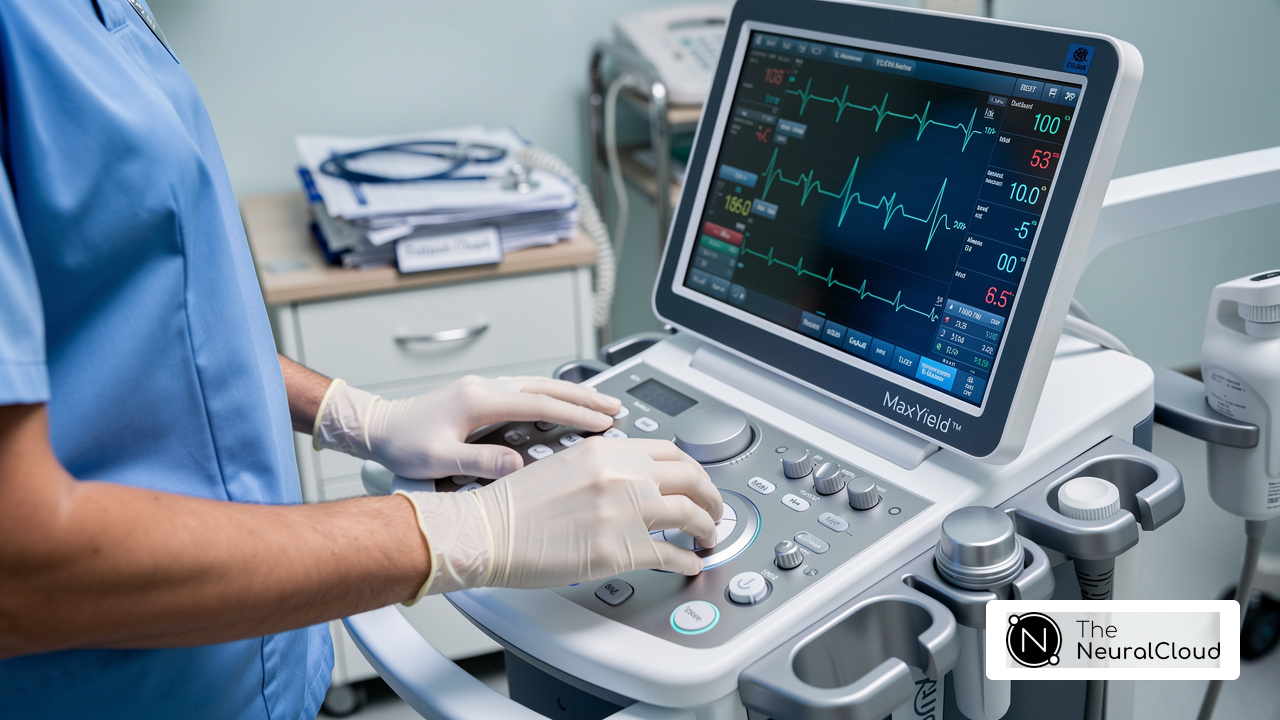
Healthcare professionals face significant challenges in ECG analysis, often hindered by noisy signals and inefficient workflows. Neural Cloud Solutions is changing the game in AI EKG analysis with MaxYield, an AI-driven intelligence layer that truly enhances ECG workflows. By isolating and cleaning noisy signals, MaxYield provides high-fidelity heart data, which is essential for accurate diagnostics. This technology processes raw ECG recordings from various devices, like wearables and Holter monitors, turning them into structured tables that clearly outline P, QRS, and T wave onsets and offsets.
The integration of MaxYield into existing workflows is seamless, allowing medical professionals and researchers to leverage its capabilities without extensive hardware modifications. This adaptability is especially advantageous in the evolving landscape of heart care, where the shift towards remote monitoring and wearables demands dependable data processing.
Recent advancements in 2026 highlight MaxYield's progression through the FDA Class II SaMD clearance-pending status, positioning it for broader market access. Case studies demonstrate its effectiveness; for instance, Circular Health's integration of MaxYield is expected to enhance their ECG Smart Ring, improving signal quality and providing deeper biometric insights. This partnership is set to improve outcomes for patients by providing more reliable cardiac insights, highlighting the transformative potential of AI EKG in clinical practice.
Expert endorsements from Dr. Alan Rabinowitz, Dr. Brett Heilbron, and Dr. Marc W. Deyell emphasize MaxYield’s precision rivaling human interpretation and its noise reduction benefits, reinforcing the importance of high-quality ECG signal processing in uncovering subtle physiological markers. As the demand for precise and efficient ECG data processing increases, Neural Cloud Solutions stays at the forefront, providing innovative solutions that empower healthcare providers and improve care. Additionally, MaxYield offers premium subscription opportunities that provide unique metrics and audit-ready documentation supporting GxP inspections, further enhancing its value in the healthcare ecosystem. As healthcare evolves, the integration of AI EKG solutions like MaxYield is not just beneficial; it’s essential for advancing patient care and outcomes.

Tempus: AI-Powered ECG for Accurate Cardiac Diagnostics
Despite advancements in technology, ECG analysis still faces significant challenges that can hinder diagnostic accuracy. Tempus is leading the way in AI EKG solutions, dedicated to enhancing diagnostic precision through sophisticated algorithms. Their ECG-AI platform effectively analyzes data, predicting mortality risk and identifying patients at elevated risk for conditions such as atrial fibrillation. By seamlessly integrating AI EKG with traditional ECG methodologies, Tempus aims to streamline the diagnostic process, empowering clinicians to make quicker and more informed decisions.
Recent studies show that AI EKG models have a sensitivity of 88.9% and specificity of 88.7% for diagnosing acute coronary syndrome (ACS), showcasing the potential of AI EKG to significantly improve diagnostic outcomes. Furthermore, AI EKG's ability to identify subtle patterns in ECG tracings can facilitate earlier detection of critical conditions, prompting timely interventions.
In this evolving landscape, Neural Cloud Solutions' platform stands out with its advanced noise reduction capabilities and automated ECG analysis. The system maps ECG signals through noise, isolating and labeling key features in every heartbeat. It delivers beat-by-beat analysis of 200,000 heartbeats in less than 5 minutes. This innovative platform enhances ECG interpretation accuracy and helps clinicians provide better patient care by integrating clean signals and clear data into their workflows.
Expert endorsements from Dr. Alan Rabinowitz, Dr. Brett Heilbron, and Dr. Marc W. Deyell highlight the precision and noise reduction advantages of this product, further validating its role in improving diagnostic accuracy. Additionally, the platform is currently pending FDA Class II SaMD clearance, ensuring compliance with regulatory standards and audit-ready documentation supporting GxP inspections.
Tempus's dedication to improving heart diagnostics is clear in their innovative platform features, which include real-time data analysis and enhanced visualization tools. These capabilities, combined with MaxYield™'s automated noise filtering and adaptive algorithms, improve the accuracy of ECG interpretations and support clinicians in making confident clinical decisions. As AI continues to evolve, its integration into AI EKG analysis will redefine how clinicians approach heart diagnostics, ultimately enhancing patient outcomes.

PMcardio: Instant AI ECG Analysis for Clinicians
In the fast-paced world of emergency medicine, accurate ECG analysis is critical for timely interventions. PMcardio presents a cutting-edge AI EKG analysis platform that provides instant interpretations, significantly enhancing the speed and accuracy of ECG readings. In emergency settings, timely decision-making can mean the difference between life and death. With a user-friendly interface designed for rapid diagnostics, PMcardio empowers healthcare professionals to act swiftly, ultimately enhancing outcomes for individuals.
Recent studies show that AI-enabled ECG analysis can reduce false STEMI activations:
- False positive rates decreased from 42% to 8% with the Queen of Hearts AI model.
- Sensitivity improved from 71% to 92%.
This level of accuracy is vital in emergency situations, where misdiagnosis can lead to unnecessary procedures and delays in treatment. Additionally, the AI model's sensitivity improved from 71% to 92%, showcasing its effectiveness in detecting critical heart events.
In Canada, the PMcardio platform has been instrumental in emergency departments, where clinicians have reported enhanced diagnostic capabilities. For instance, a retrospective study highlighted that the AI EKG tool significantly improved the identification of STEMI patients, leading to faster treatment times and better patient outcomes. The integration of PMcardio into existing workflows has streamlined the process of ECG interpretation, allowing for quicker handoffs to cardiology teams and reducing time to reperfusion.
As of 2026, PMcardio remains at the forefront of AI-driven heart care, with over 150 hospitals globally employing its AI EKG technology. The platform's deployment has supported the detection of more than 120,000 heart attacks, showcasing its critical role in modern cardiovascular diagnostics. With continuous progress and a dedication to enhancing healthcare delivery, PMcardio is poised to redefine the standards of care in heart emergencies.
Moreover, Neural Cloud Solutions' MaxYield™ enhances this process by transforming lengthy and noisy ECG recordings into clean, crisp signals. This advanced AI technology improves clarity and speed in ambulatory ECG waveform analysis and integrates easily into existing systems through API, SDK, or CDK, making it compatible with various devices. Expert endorsements from Dr. Alan Rabinowitz, Dr. Brett Heilbron, and Dr. Marc W. Deyell emphasize MaxYield’s precision rivaling human interpretation and its noise reduction benefits, further solidifying its place in the healthcare landscape. Additionally, with FDA Class II SaMD clearance-pending status and audit-ready documentation supporting GxP inspections, MaxYield is positioned to meet the highest regulatory standards, ensuring clinical acceptance and trust in its capabilities.

GE HealthCare: Leading the AI and ECG Interpretation Revolution
Clinicians often face challenges in accurately diagnosing cardiac conditions due to the limitations of traditional ECG methods. GE HealthCare is pioneering the integration of AI EKG into ECG interpretation, developing advanced solutions that significantly enhance diagnostic accuracy and streamline clinical workflows. Their AI EKG systems assist clinicians in quickly and accurately identifying cardiac abnormalities. By employing sophisticated algorithms, GE HealthCare aims to elevate care for individuals through timely and precise diagnostics, establishing a new standard within the industry.
Recent studies indicate that AI EKG analysis can achieve up to 92.2% accuracy in identifying major ECG abnormalities, surpassing conventional methods. Notably, a study published in the Journal of the American College of Cardiology found that a deep neural network (DNN) identified hypertrophic cardiomyopathy with 95% sensitivity and 92% specificity, demonstrating the potential of AI EKG to outperform traditional ECG criteria. Furthermore, a DNN-based analysis reported in Nature showed a positive predictive value and sensitivity of 0.837, compared to 0.780 for average cardiologist interpretations. This capability improves diagnostic outcomes and helps clinicians make faster clinical decisions, which is great for patient management using AI EKG.
As the demand for efficient and accurate cardiac diagnostics grows, GE HealthCare is committed to innovation. Their seamless integration of AI tools with existing healthcare systems positions them at the forefront of transforming cardiac care in Canada. Complementing these advancements, Neural Cloud Solutions Inc.'s platform offers advanced noise reduction and automated ECG analysis, enabling clinicians to transform noisy recordings into detailed insights. With the ability to analyze 200,000 heartbeats in under five minutes, this system enhances workflow efficiency and supports confident clinical decision-making.
Expert endorsements from Dr. Alan Rabinowitz, Dr. Brett Heilbron, and Dr. Marc W. Deyell highlight the precision of this system, which rivals human interpretation and offers advantages in noise reduction. Additionally, MaxYield™ is currently awaiting FDA Class II SaMD clearance, ensuring compliance and audit-ready documentation for GxP inspections, further solidifying the role of AI in contemporary heart diagnostics. As AI continues to evolve, its integration into AI EKG analysis will redefine standards of cardiac care, ensuring better outcomes for patients.

American Heart Association: AI EKG Research and Life-Saving Potential
The American Heart Association (AHA) is leading the charge in harnessing AI EKG to enhance electrocardiography for better cardiac care. Recent findings show that the use of AI EKG can significantly improve the accuracy of EKG interpretations, which is essential for enhancing outcomes and reducing mortality rates linked to heart disease. For instance, AI tools like EchoGo can detect heart failure with preserved ejection fraction (HFpEF) up to 263 days sooner than standard care. This early detection saves lives and reduces hospital admissions. Estimates suggest it could lead to 406 fewer hospital admissions and 501 fewer readmissions due to timely interventions.
Furthermore, the AHA's research highlights the importance of regular echocardiogram evaluations to address diagnostic disparities, particularly among younger and non-white individuals who often face delays in receiving accurate diagnoses. Incorporating AI into clinical practice is crucial for bridging these gaps. It ensures that everyone receives timely and accurate diagnoses. The AHA advocates for the use of AI technologies in healthcare settings, emphasizing their role in revolutionizing heart diagnostics and improving care for diverse populations. Neural Cloud Solutions enhances this integration by providing advanced noise filtering and wave recognition, streamlining workflows and automating repetitive tasks. With this capability, healthcare professionals can manage more data quickly, transforming heart diagnostics and enhancing patient care for everyone.
Moreover, MaxYield™ aligns with the AHA's goals by adhering to Gold Standard Methodologies, ensuring regulatory compliance with FDA Class II SaMD clearance-pending status and audit-ready documentation supporting GxP inspections. As AI technology advances, the role of AI EKG in EKG analysis will become essential for improving cardiac health outcomes across diverse populations.

Hybrid Intelligence: Merging Human Expertise with AI in ECG Interpretation
The integration of human expertise and AI EKG in ECG interpretation addresses significant challenges in diagnostic accuracy. This innovative approach enables clinicians to utilize AI EKG algorithms for preliminary assessments, while their clinical judgment guides final interpretations. By embedding AI EKG into the diagnostic workflow, healthcare professionals can significantly reduce diagnostic errors and enhance patient outcomes.
The 'Neural Cloud Solutions' platform exemplifies this integration. With advanced noise reduction, this platform quickly isolates ECG waves, even in recordings affected by movement or noise. It identifies and labels critical data, salvaging previously obscured sections of lengthy Holter, 1-Lead, and patch monitor recordings. This transformative technology enhances the clarity of ECG signals and improves the overall diagnostic yield, supported by FDA Class II SaMD clearance-pending status and audit-ready documentation for GxP inspections.
Recent studies indicate that the use of AI EKG can lead to a notable decrease in false positives and negatives in ECG readings, addressing a critical challenge in cardiac diagnostics. For instance, a case study presented at the ESC Acute CardioVascular Care 2026 congress demonstrated that AI tools outperform traditional diagnostic methods in identifying occlusive myocardial infarction, achieving an impressive sensitivity of 77% and specificity of 99%.
In Canada, the integration of AI EKG and hybrid intelligence is gaining traction, with healthcare providers increasingly recognizing its potential to streamline ECG interpretation processes. This trend is supported by ongoing research and development initiatives aimed at refining AI algorithms for better clinical applicability. Experts in the field, including Dr. Alan Rabinowitz, Dr. Brett Heilbron, and Dr. Marc W. Deyell, emphasize that the combination of AI's analytical prowess with human insight enhances the accuracy of AI EKG readings and fosters timely interventions, ultimately leading to improved patient care. Dr. Rabinowitz observes, "This technology competes with human analysis in accuracy and noise minimization, representing a major progress in heart diagnostics."
Moreover, the need for explainable outputs to support clinical reasoning is crucial, as concerns arise regarding the interpretability of AI EKG outputs. As the landscape of heart care evolves, the role of AI EKG in ECG interpretation is expected to expand, paving the way for more effective and efficient diagnostic practices. With MaxYield™, healthcare professionals are poised to redefine ECG interpretation, leading to a new standard in patient care.

Predictive Analytics: Transforming ECG Diagnosis into Proactive Care
The integration of predictive analytics in ECG diagnosis is transforming how healthcare providers approach cardiac care. By analyzing historical ECG data and identifying patterns, AI EKG algorithms can predict potential cardiac events before they occur. This shift towards preventive healthcare allows clinicians to act sooner, lowering the risk of serious complications and improving patient outcomes.
In Canada, studies have shown that AI EKG screening can uncover previously undiagnosed conditions, such as hypertrophic cardiomyopathy (HCM), leading to timely interventions and better management of patients. As predictive analytics evolves, incorporating it into regular ECG assessments will be crucial for timely and effective patient care.
This evolution in ECG analysis not only enhances patient safety but also redefines the standard of care in cardiology.

Wearable Technology: AI Integration for Continuous ECG Monitoring
Wearable technology is revolutionizing cardiac monitoring by enabling continuous and accurate ECG assessments. Devices equipped with AI EKG technology, like those from Neural Cloud Solutions, analyze heart rhythms in real-time, offering crucial insights into cardiovascular health. Notably, the system is device-agnostic, allowing for seamless integration with various ECG devices.
It stands out for its ability to reduce noise and handle artifacts effectively, turning noisy recordings into clear, usable data. This integration allows for early detection of irregularities, enabling swift interventions that can save lives, as the system can provide beat-by-beat analysis of 200,000 heartbeats in under five minutes.
Furthermore, with FDA Class II SaMD clearance-pending status, the product ensures compliance with regulatory standards, enhancing its reliability in clinical settings. As wearable technology continues to evolve, its importance in improving patient care and encouraging proactive health management will grow more substantial, particularly with the scalable and automated solutions provided.

Integration Challenges: Overcoming Barriers to AI in Clinical Workflows
The integration of AI into clinical workflows presents notable challenges that must be addressed for effective implementation in healthcare. These challenges include:
In Canada, only 12% of businesses have adopted AI for goods or services, indicating a significant barrier to leveraging AI effectively in healthcare. Furthermore, a survey revealed that fewer than 40% of Canadians have moderate to high knowledge of AI, which can hinder its effective implementation in healthcare settings.
To address these barriers, collaboration among stakeholders is essential. For instance, the Canadian Medical Association emphasizes the need for standardized pathways for the validation of AI tools through real-world testing and post-market surveillance. This collaboration fosters a more reliable integration of AI tools, ultimately enhancing patient care. It not only boosts clinician trust but also ensures that AI technologies, such as Neural Cloud Solutions Inc.'s offerings, are effectively integrated into existing workflows while adhering to regulatory compliance, including FDA Class II SaMD clearance-pending status.
The system employs gold standard noise filtering and automation, streamlining ECG analysis and significantly enhancing workflow efficiency. By automating repetitive tasks and processing more data in less time, the system addresses the inefficiencies and physiological variability that often complicate ECG interpretation. Insight360, a customizable visualization and reporting tool, transforms clean ECG data from the company into interactive dashboards and clinical-ready reports, further enhancing its value proposition. Expert endorsements from Dr. Alan Rabinowitz, Dr. Brett Heilbron, and Dr. Marc W. Deyell highlight that this technology's precision rivals human interpretation, making it a valuable asset in clinical settings.
Real-world examples show how these challenges can be effectively addressed. For instance, the CHARTWatch AI system utilized at St. Michael's Hospital in Toronto has shown a 26% decrease in unforeseen fatalities by effectively monitoring individual data and predicting health deteriorations. Such outcomes highlight the potential of AI, especially through platforms like MaxYield™, to enhance care when integrated thoughtfully.
Ultimately, by overcoming these integration hurdles, healthcare systems can unlock the full potential of AI EKG in ECG analysis, ultimately transforming patient care and clinical efficiency.

Future Trends: Ongoing Innovations in AI for Cardiac Diagnostics
Despite advancements in technology, ECG analysis still faces significant challenges that hinder accurate diagnostics. The future of AI EKG in cardiac diagnostics is exceptionally bright, driven by continuous innovations that promise to enhance the accuracy and efficiency of ECG analysis. Neural Cloud Solutions Inc.'s MaxYield™ platform exemplifies this evolution, offering automated, scalable, and device-agnostic ECG analysis that significantly reduces noise and artifacts. Using advanced AI technology, this system turns long, noisy recordings into clear signals. It allows for rapid analysis of up to 200,000 heartbeats in under five minutes. This feature makes the diagnostic process smoother and helps clinicians make confident decisions by clearly identifying key features in each heartbeat. Furthermore, the product is pending FDA Class II SaMD clearance and is equipped with audit-ready documentation to support GxP inspections, enhancing its credibility in clinical settings.
Emerging technologies include:
- Improved data integration techniques
- Customizable visualization tools like Insight360
These will continue to enhance diagnostic capabilities. Insight360 transforms MaxYield’s clean ECG data into interactive dashboards and clinical-ready reports, making it a vital component of the analysis process. The increasing use of AI in telemedicine and remote monitoring will facilitate more personalized patient care, further enhancing the landscape of cardiovascular care. As these trends develop, integrating AI EKG into cardiac diagnostics, like MaxYield™, will significantly change how clinicians interpret ECG data and manage physiological variability. As AI continues to evolve, its integration into cardiac diagnostics will redefine the standards of patient care and clinical outcomes.

Conclusion
AI advancements in EKG technology are reshaping cardiac care, providing unmatched accuracy and efficiency in ECG analysis. By integrating solutions like Neural Cloud Solutions Inc.'s MaxYield, healthcare professionals can enhance their diagnostic capabilities, streamline workflows, and ultimately improve patient outcomes. This shift towards AI-driven diagnostics will lead to improved patient care and outcomes.
Throughout the article, key innovations such as Tempus's predictive analytics, PMcardio's instant analysis, and GE HealthCare's advanced algorithms have been highlighted as pivotal in addressing the challenges of traditional ECG methods. Traditional ECG methods often delay critical decision-making, risking patient outcomes. These technologies not only enhance diagnostic precision but also empower clinicians to make timely decisions that can save lives. Combining human expertise with AI shows just how crucial collaboration is in today's healthcare.
As the landscape of cardiac diagnostics continues to evolve, embracing AI technologies will be crucial for healthcare providers. The integration of these innovations promises to redefine standards of care, ensuring that patients receive timely and accurate diagnoses. Stakeholders in the healthcare sector are encouraged to invest in AI solutions like MaxYield to harness their full potential. Investing in AI solutions like MaxYield is essential for healthcare providers aiming to elevate cardiac care to new heights.
Frequently Asked Questions
What is MaxYield and how does it enhance ECG analysis?
MaxYield is an AI-driven intelligence layer developed by Neural Cloud Solutions that enhances ECG workflows by isolating and cleaning noisy signals, providing high-fidelity heart data essential for accurate diagnostics. It processes raw ECG recordings from various devices, turning them into structured tables that clearly outline P, QRS, and T wave onsets and offsets.
How does MaxYield integrate into existing workflows?
MaxYield integrates seamlessly into existing workflows, allowing medical professionals and researchers to leverage its capabilities without extensive hardware modifications, making it adaptable to the evolving landscape of heart care.
What recent advancements have been made regarding MaxYield?
As of 2026, MaxYield is progressing towards FDA Class II SaMD clearance-pending status, which positions it for broader market access and enhances its credibility in the healthcare ecosystem.
Can you provide an example of MaxYield's effectiveness?
A case study involving Circular Health's integration of MaxYield is expected to enhance their ECG Smart Ring, improving signal quality and providing deeper biometric insights, ultimately leading to better patient outcomes.
What expert endorsements support MaxYield's capabilities?
Experts such as Dr. Alan Rabinowitz, Dr. Brett Heilbron, and Dr. Marc W. Deyell endorse MaxYield, highlighting its precision that rivals human interpretation and its benefits in noise reduction, which is crucial for uncovering subtle physiological markers.
What subscription opportunities does MaxYield offer?
MaxYield offers premium subscription opportunities that provide unique metrics and audit-ready documentation supporting GxP inspections, further enhancing its value in the healthcare ecosystem.
Why is AI EKG integration like MaxYield essential for patient care?
The integration of AI EKG solutions like MaxYield is essential for advancing patient care and outcomes, as it improves the accuracy and efficiency of ECG data processing, which is increasingly important in the context of remote monitoring and wearables.
List of Sources
- Neural Cloud Solutions: MaxYield for Enhanced ECG Analysis
- AI/ML Innovations Inc. (CVE:AIML) | (https://webdisclosure.com/article/aiml-innovations-inc-cve-aiml-neural-cloud-partners-with-european-digital-cardiac-platform-zbaBa97okBk)
- AI/ML Innovations Subsidiary Neural Cloud Signs LOI with Circular Health to License MaxYield(TM) ECG Signal Processing (https://greenstocknews.com/news/otcmkts/aimlf/aiml-subsidiary-neural-cloud-signs-loi-with-circular-health-to-license-maxyield-tm-ecg-signal-processing)
- AI/ML Innovations Inc. Announces Grant of U.S. Patent Expanding Protection for AI-Driven ECG Analysis (https://aiml-innovations.com/press-release/grant-of-us-patent-june-2026)
- A heart-rhythm tool will be tested on animal-study data, with vets making the final call (https://stocktitan.net/news/AIMLF/aiml-subsidiary-neural-cloud-signs-binding-commercial-term-sheet-qo8pvimk15k9.html)
- AIML Subsidiary NeuralCloud Enters Research Services Agreement with Baker Heart and Diabetes Institute to Support AI-Driven ECG Analysis (https://nasdaq.com/press-release/aiml-subsidiary-neuralcloud-enters-research-services-agreement-baker-heart-and)
- Tempus: AI-Powered ECG for Accurate Cardiac Diagnostics
- Tempus AI receives FDA clearance for pulmonary hypertension tool (https://mobihealthnews.com/news/tempus-ai-receives-fda-clearance-pulmonary-hypertension-tool)
- The Accuracy of Artificial Intelligence-Based Models Applied to 12-Lead Electrocardiograms for the Diagnosis of Acute Coronary Syndrome: A Systematic Review - PMC (https://pmc.ncbi.nlm.nih.gov/articles/PMC12529686)
- Tempus Receives FDA Clearance for its AI Product Intended to Detect Signs of Pulmonary Hypertension From Standard ECGs (https://tempus.com/news/pr/tempus-receives-fda-clearance-for-its-ai-product-intended-to-detect-signs-of-pulmonary-hypertension-from-standard-ecgs?srsltid=AU7gw4Vow-OaWYFXcSfnVXrZzLdH2bW6ruDz51p31xNYJl_VNQwXE_kr)
- FDA Clears AI Product that Detects Pulmonary Hypertension from Standard ECGs (https://dicardiology.com/content/fda-clears-ai-product-detects-pulmonary-hypertension-standard-ecgs)
- News (https://tempus.com/news?srsltid=AU7gw4UcdSijjG3gzEOItkVqYM_3JQ8Cgao9gPXicHL0NgZkPKzd19bS)
- PMcardio: Instant AI ECG Analysis for Clinicians
- AI-ECG Finds STEMI Faster, Cuts False-Positive Cath Lab Activations (https://tctmd.com/news/ai-ecg-finds-stemi-faster-cuts-false-positive-cath-lab-activations)
- FDA De Novo Authorization for Queen of Hearts (https://powerfulmedical.com/blog/powerful-medical-receives-fda-de-novo-authorization-for-pmcardio-queen-of-hearts-its-ai-ecg-model-for-detecting-acute-heart-attacks)
- AI-Based ECG Analysis Significantly Improves STEMI Detection, Reduces False Activations - American College of Cardiology (https://acc.org/latest-in-cardiology/articles/2025/10/24/16/56/tues-554pm-ai-tct-2025)
- FDA Clears First AI-ECG Model for Acute MI Detection (https://tctmd.com/news/fda-clears-first-ai-ecg-model-acute-mi-detection)
- GE HealthCare: Leading the AI and ECG Interpretation Revolution
- AI and ECG Interpretation: The next era of cardiology starts here (https://clinicalview.gehealthcare.com/article/ai-and-ecg-interpretation-next-era-cardiology-starts-here)
- AI and ECG Interpretation: Insights and Trends for Cardiologists (https://gehealthcare.com/en-us/insights/article/ai-and-ecg-interpretation-insights-and-trends-for-todays-cardiologists?srsltid=AU7gw4XwXzdZ9VfQOyHsikcqzoeWr1lrzitZdOPHI5k2p7SsOnkyANAN)
- AI outperforms conventional diagnosis for certain types of heart attacks (https://escardio.org/news/press/press-releases/acvc-press)
- American Heart Association: AI EKG Research and Life-Saving Potential
- AI could help spot heart failure signs earlier, AHA report shows (https://healthcareitnews.com/news/ai-could-help-spot-heart-failure-signs-earlier-aha-report-shows)
- New AI Tool Detects Widely Underdiagnosed Heart Condition (https://medicine.yale.edu/news-article/ai-tool-detects-widely-underdiagnosed-heart-condition)
- Artificial intelligence may speed heart attack diagnosis and treatment (https://newsroom.heart.org/news/artificial-intelligence-may-speed-heart-attack-diagnosis-and-treatment)
- An AI tool detected structural heart disease in adults using a smartwatch (https://newsroom.heart.org/news/an-ai-tool-detected-structural-heart-disease-in-adults-using-a-smartwatch)
- An AI tool aims to catch harder-to-detect heart attacks in EKGs (https://statnews.com/2026/09/11/fda-new-ekg-heart-attack-detection-algo-queen-of-hearts)
- Hybrid Intelligence: Merging Human Expertise with AI in ECG Interpretation
- AI outperforms conventional diagnosis for certain types of heart attacks (https://escardio.org/news/press/press-releases/acvc-press)
- AI and ECG Interpretation: The next era of cardiology starts here (https://clinicalview.gehealthcare.com/article/ai-and-ecg-interpretation-next-era-cardiology-starts-here)
- AI tool detects hard-to-identify heart dysfunction from standard ECGs (https://newsroom.wakehealth.edu/news-releases/2026/08/ai-tool-detects-hard-to-identify-heart-dysfunction-from-standard-ecgs)
- Predictive Analytics: Transforming ECG Diagnosis into Proactive Care
- Three New Studies Show Viz.ai’s Cardio Suite Speeds Detection of Cardiac Disease and Improves Patient Follow-Up (https://viz.ai/news/three-new-studies-show-viz-ais-cardio-suite-speeds-detection-of-cardiac-disease-and-improves-patient-follow-up)
- Modeling day-long ECG signals to predict heart failure risk with explainable AI - npj Digital Medicine (https://nature.com/articles/s41746-026-02835-8)
- Transforming health: Shifting from reactive to proactive and predictive care (https://marsdd.com/our-story/transforming-health-shifting-from-reactive-to-proactive-and-predictive-care)
- Wearable Technology: AI Integration for Continuous ECG Monitoring
- Wearable ECG Monitors Industry to More Than Double During 2026-2030, Exceeding $13.6 Billion Total Revenue - Rising Demand for AI-Driven Diagnostics and Home-Based Cardiac Monitoring (https://uk.finance.yahoo.com/news/wearable-ecg-monitors-industry-more-142200415.html)
- HeartSciences Announces CE Mark and European Launch of MyoVista High Sensitivity ECG (https://dicardiology.com/content/heartsciences-announces-ce-mark-and-european-launch-myovista-high-sensitivity-ecg)
- News | Icentia (https://icentia.com/news)
- Integration Challenges: Overcoming Barriers to AI in Clinical Workflows
- Canada’s National Artificial Intelligence Strategy: AI for All (https://ised-isde.canada.ca/site/ised/en/canadas-national-artificial-intelligence-strategy-ai-all)
- Canada's AI strategy aims to make health data more accessible. How will it protect privacy? | CBC News (https://cbc.ca/news/health/vital-health-data-privacy-9.7245577)
- AI scribes in Canada’s health system pose privacy and safety risks (https://policyoptions.irpp.org/2026/04/ai-scribes-health-care-canada-privacy-safety-risks)
- Artificial intelligence adoption in French cardiovascular care: a multiprofessional survey of barriers and facilitators - PMC (https://pmc.ncbi.nlm.nih.gov/articles/PMC13131982)
- Canada’s AI Strategy for Health Care Won't Work without Oversight to Match (https://cigionline.org/articles/canadas-ai-strategy-for-health-care-wont-work-without-oversight-to-match)
- Future Trends: Ongoing Innovations in AI for Cardiac Diagnostics
- ECG market keeps evolving thanks to AI, home monitoring and Epic integration (https://cardiovascularbusiness.com/topics/cardiac-imaging/electrocardiography-ecg/ecg-market-keeps-evolving-thanks-ai-home-monitoring-and-epic-integration)
- Digital Health & AI (https://escardio.org/topics/digital-health-ai)
- AI-ECG Momentum and Rising Competition Reshape Diagnostic Cardiology in 2026 (https://signifyresearch.net/insights/diagnostic-cardiology-market-bouncing-into-2026)
- New Report Addresses AI's Impact on Cardiovascular Devices (https://dicardiology.com/content/new-report-addresses-ais-impact-cardiovascular-devices)