Introduction
Understanding the electrical activity of the heart is crucial for diagnosing various cardiovascular conditions. Basic ECG rhythms are a vital tool in this process, providing insights into cardiac function and highlighting potential health risks that require immediate attention. However, the complexity of ECG data and advancements in technology present challenges for healthcare professionals. How can they ensure accurate interpretation and timely intervention? This article explores the significance of basic ECG rhythms, their historical development, key characteristics, and the impact of modern platforms like MaxYield™ on enhancing diagnostic precision in clinical practice.
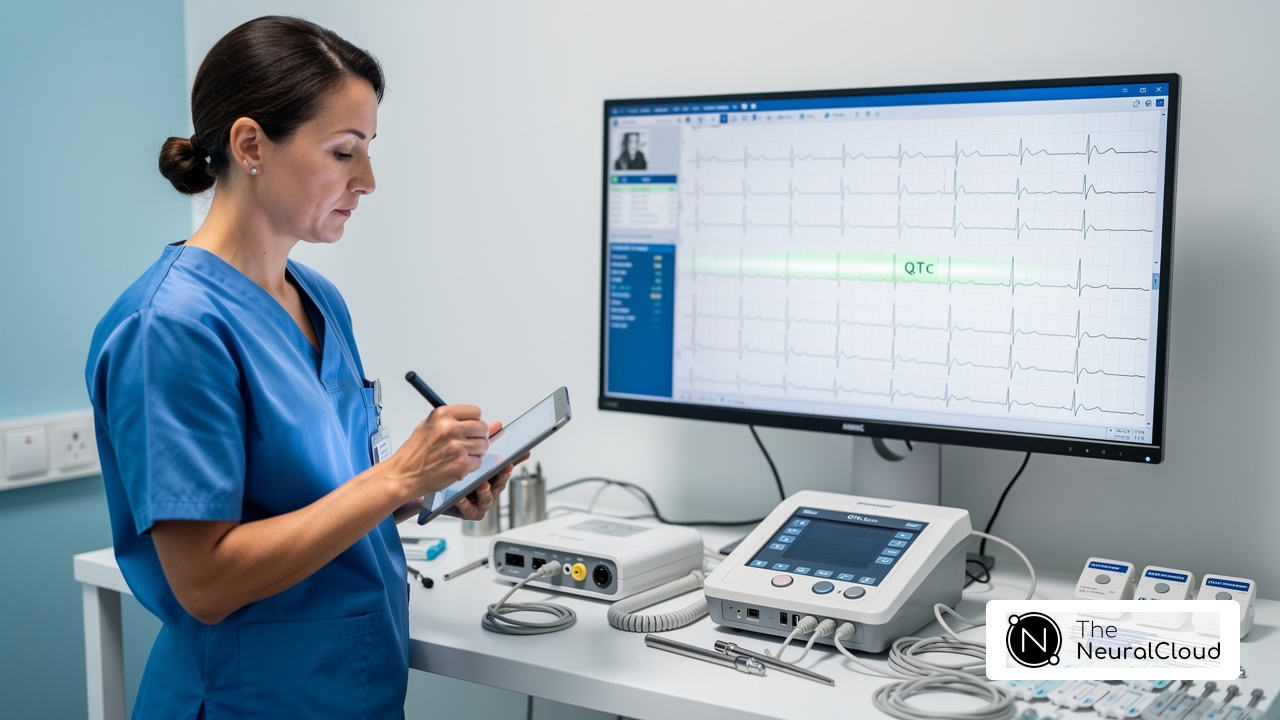
ECG analysis can be daunting due to the intricate data involved. MaxYield™ addresses these challenges by offering features that streamline the interpretation process. For instance, it utilizes advanced algorithms to analyze ECG rhythms quickly and accurately. This not only saves time but also reduces the likelihood of human error, ensuring that healthcare professionals can focus on patient care.
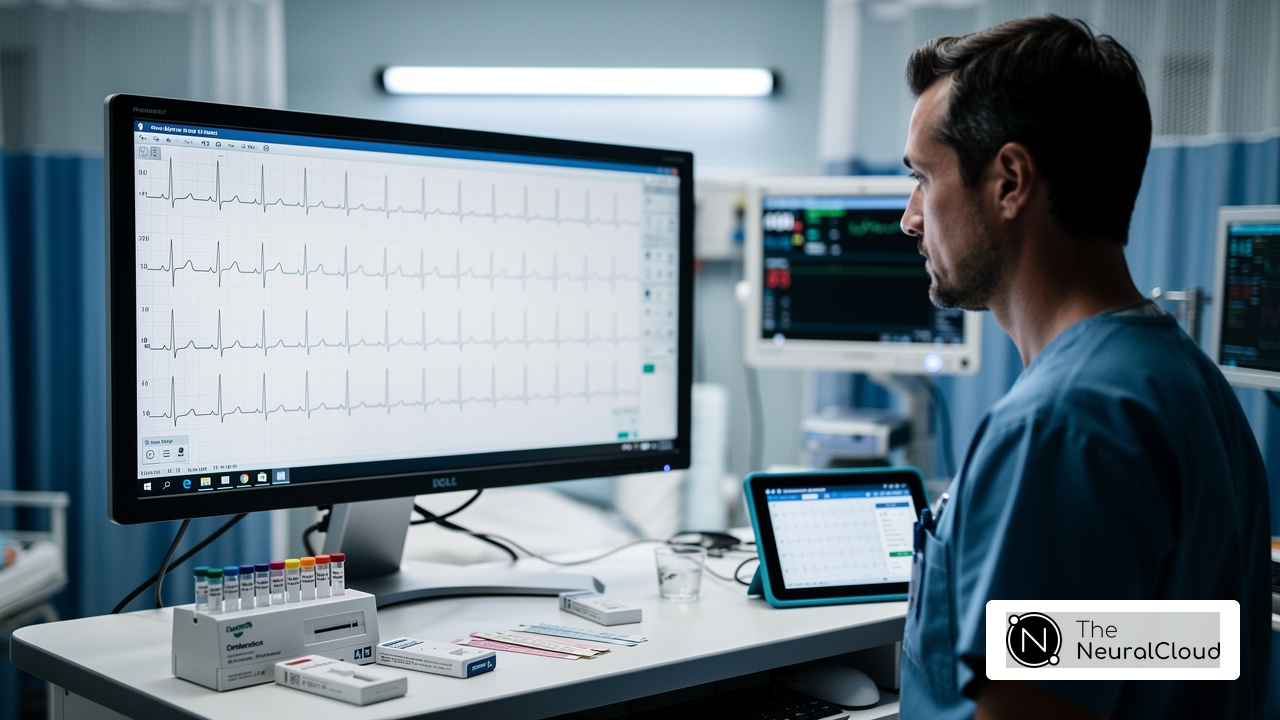
The advantages of using MaxYield™ extend beyond efficiency. By providing clear visual representations of ECG data, the platform enhances understanding and facilitates better decision-making. Healthcare professionals can easily identify abnormalities and trends, leading to more informed diagnoses. This ultimately benefits patients, as timely interventions can significantly improve outcomes.
In summary, the MaxYield™ platform revolutionizes ECG analysis by combining advanced technology with user-friendly features. Its ability to simplify complex data empowers healthcare professionals to deliver precise and timely care. As we delve deeper into the world of ECG rhythms, it becomes clear that tools like MaxYield™ are essential for advancing cardiovascular diagnostics.
Define Basic ECG Rhythms and Their Significance
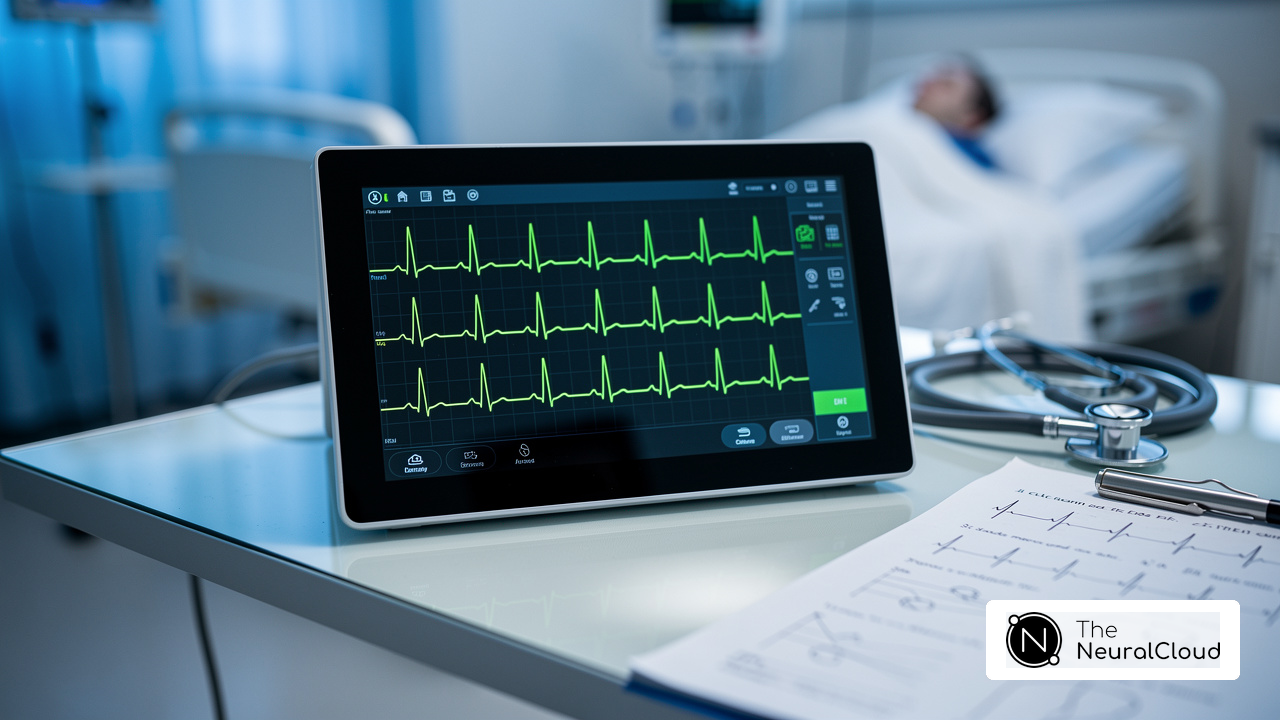
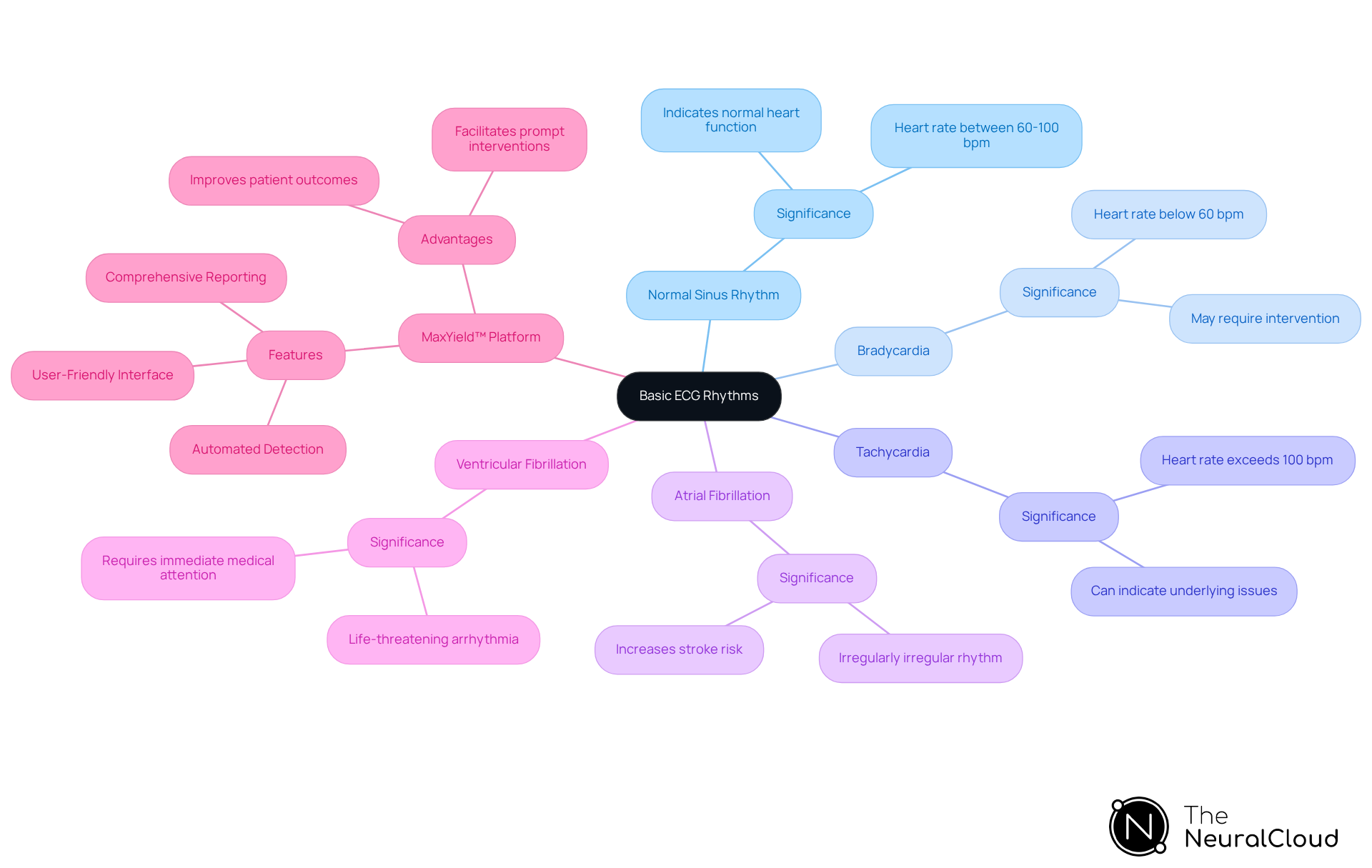
The electrical activity of the heart, as captured by an electrocardiogram, is represented by ECG rhythms. These patterns are crucial for assessing cardiac function and diagnosing conditions. Key patterns of ECG rhythms include normal sinus rhythm, bradycardia, tachycardia, atrial fibrillation, and ventricular fibrillation. Understanding these patterns is essential for healthcare professionals, as they reveal abnormalities and help identify irregularities that may indicate serious health concerns.
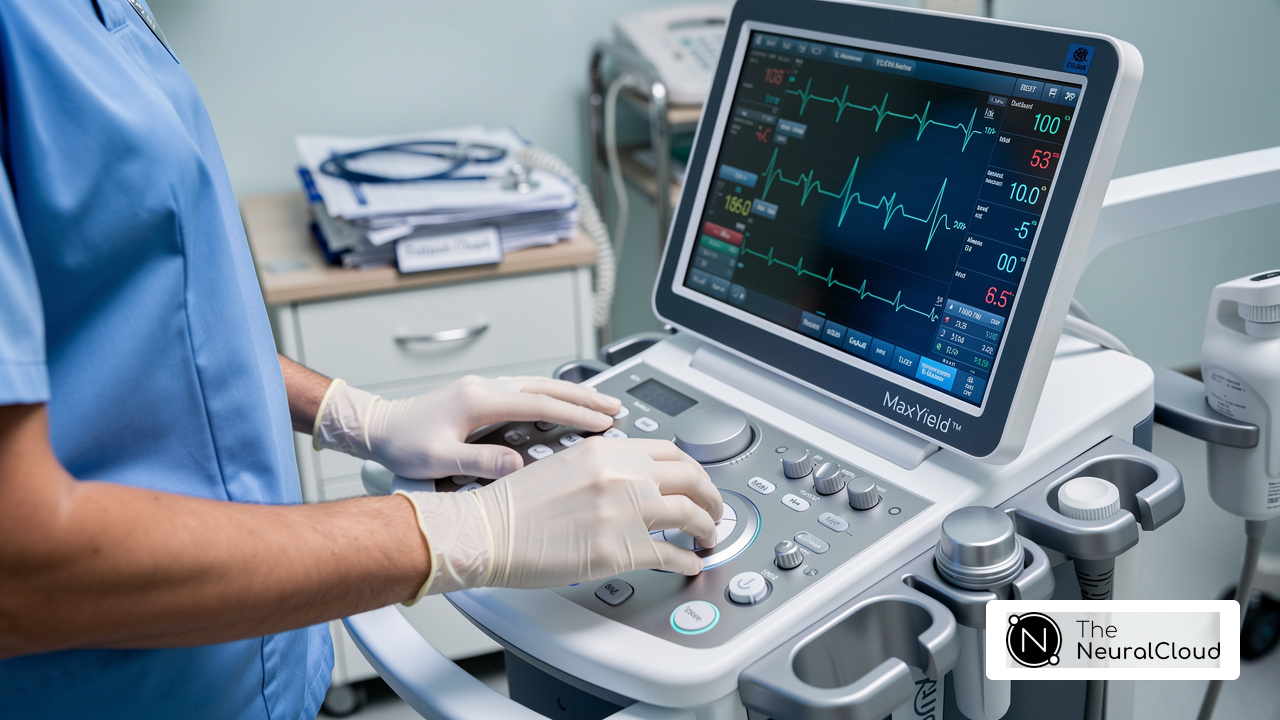
Recent advancements in ECG technology, such as the MaxYield™ platform, address the challenges faced in ECG analysis. This platform offers innovative features, which streamline the interpretation process, allowing clinicians to make informed decisions quickly and efficiently.
- Automated detection of arrhythmias
- User-friendly interface for easy navigation
- Comprehensive reporting tools for detailed insights
The advantages of using MaxYield™ are significant for healthcare professionals. By enabling prompt interventions, the platform greatly improves patient outcomes. For instance, early detection can prevent complications such as stroke, while recognizing arrhythmias allows for appropriate management of heart rate abnormalities. As Dr. Manish Juneja emphasizes, comprehending these patterns and utilizing advanced tools like MaxYield™ is essential for enhancing patient care and improving overall health results.
Explore the Historical Context and Development of ECG Rhythms
The history of ECG patterns dates back to the late 19th century, characterized by pivotal discoveries in cardiac electrical activity. A significant milestone was the invention of the electrocardiogram, which revolutionized the field by enabling systematic documentation of cardiac patterns and laying the foundation for modern cardiology. Over the years, various technologies have emerged, such as telemetry, which offers comprehensive insights into cardiac function. Additionally, the integration of digital processing has improved accuracy and efficiency in clinical settings.
Despite these advancements, challenges remain, particularly in terms of accuracy and efficiency. This is where platforms like Neural Cloud Solutions' MaxYield™ come into play. These platforms offer innovative solutions, including:
- Enhanced data analysis.
- A user-friendly interface.
These features not only streamline workflows but also significantly improve diagnostic precision. For healthcare professionals, this means making informed decisions based on reliable cardiac data, ultimately leading to better patient outcomes. The evolution of ECG interpretation techniques increasingly emphasizes automation, leveraging artificial intelligence and machine learning to facilitate analysis. With tools like MaxYield™, healthcare providers can diagnose with greater confidence.

Identify Key Characteristics and Variations of Basic ECG Rhythms
Key characteristics of basic ECG rhythms include distinct waveforms such as P waves. Normal sinus activity is characterized by a steady pattern with a pulse rate varying from 60 to 100 beats per minute, where each P wave is reliably succeeded by a QRS complex. Deviations from this norm, such as a pulse rate below 60 bpm and a pulse rate exceeding 100 bpm, signal potential health issues.
Atrial fibrillation is recognized by an erratic pattern and the lack of P waves, indicating disorganized electrical activity in the atria. In contrast, ventricular fibrillation represents a critical emergency, characterized by chaotic electrical signals that prevent effective heart contractions. Understanding these variations in basic ECG rhythms is essential for diagnosis and intervention, as conditions such as bradycardia and tachycardia can significantly impact patient outcomes.
For instance, bradycardia may be benign in athletes but can indicate underlying pathology in older adults, while tachycardia can lead to serious complications if not managed appropriately. Heart blocks typically show prolonged intervals between beats, while atrial flutter presents with shortened intervals, underscoring the importance of accurate interpretation in clinical practice.

Provide Practical Examples of Basic ECG Rhythms in Cardiac Care
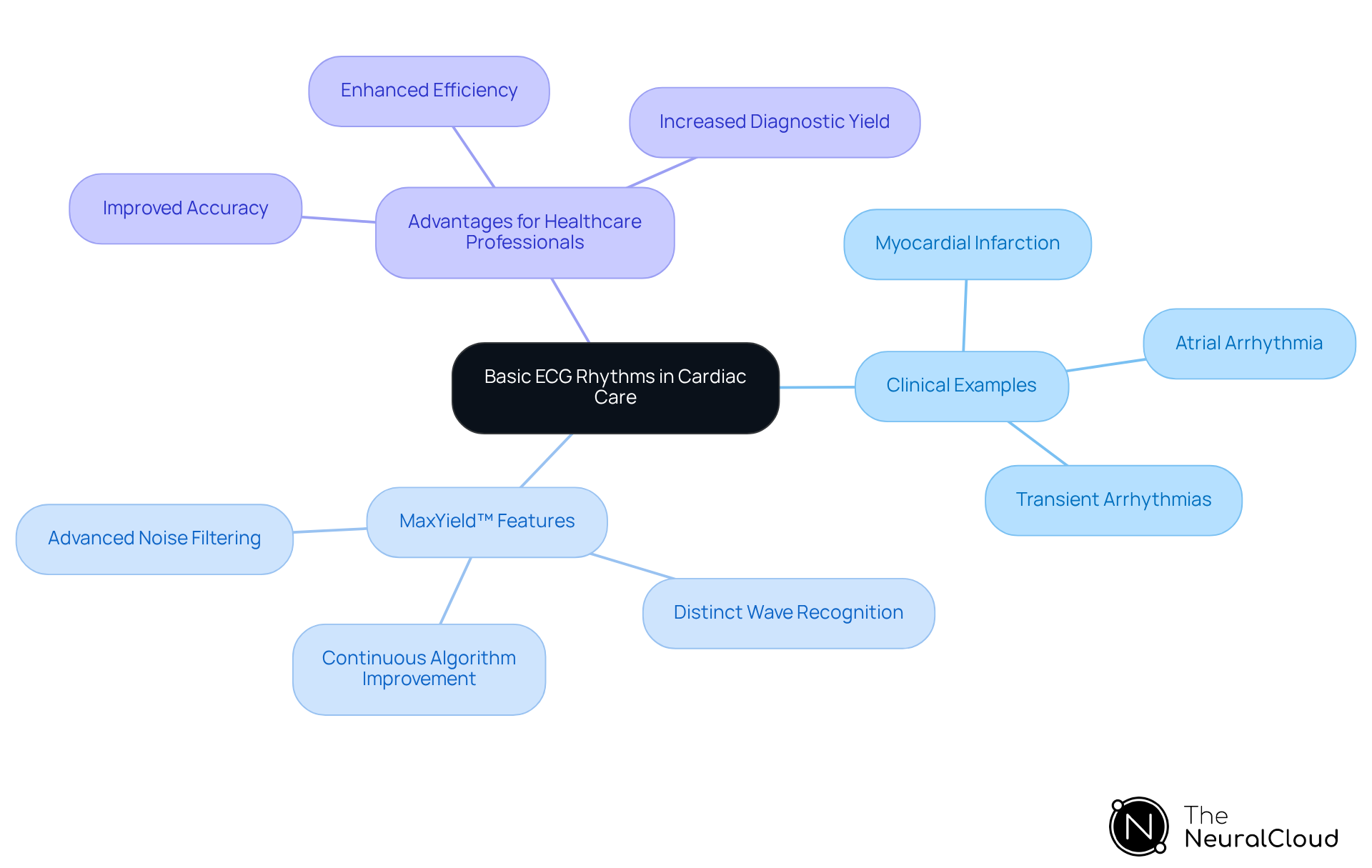
In clinical practice, basic ECG rhythms are crucial during routine examinations and emergency situations. For instance, when a patient presents with chest pain, an ECG is performed to check for signs of myocardial infarction, where ST-segment elevation can indicate a STEMI. Patients experiencing palpitations may show arrhythmias on their ECG, necessitating anticoagulation therapy to reduce stroke risk. Continuous monitoring through telemetry captures transient arrhythmias that might not be detected during a standard ECG. Notably, studies show that about 31% of patients with palpitations are diagnosed with atrial fibrillation, highlighting the importance of continuous monitoring in clinical settings.
These examples illustrate the essential role of basic ECG rhythms analysis in guiding clinical decision-making and enhancing patient care outcomes. The software from Neural Cloud Solutions addresses the challenges of ECG interpretation with advanced features. It employs sophisticated noise filtering and distinct wave recognition to transform lengthy and noisy ECG recordings into clean, crisp signals. This enhancement not only boosts the accuracy of readings but also reflects the continuous improvement of the algorithm, evolving with each use to maximize efficiency.
Features of MaxYield™:
- Distinct wave recognition
- Continuous algorithm improvement
Advantages for Healthcare Professionals:
- Improved accuracy in ECG interpretation
- Enhanced efficiency in patient monitoring
- Increased reliability with each use
By integrating these features, MaxYield™ significantly enhances diagnostic capabilities, ultimately benefiting healthcare professionals and their patients.
Conclusion
Understanding basic ECG rhythms is fundamental to effective cardiac care, as these rhythms provide critical insights into heart function and potential abnormalities. By grasping the significance of these patterns, healthcare professionals can enhance patient outcomes through timely diagnosis and intervention.
However, ECG analysis can present challenges, including the complexity of interpreting various rhythms and the potential for human error. This is where the MaxYield™ platform comes into play. It streamlines ECG analysis with features such as automated rhythm detection and enhanced signal clarity. These advancements not only simplify the analysis process but also improve diagnostic accuracy, allowing clinicians to make informed decisions swiftly.
The features of the MaxYield™ platform include:
- Automated Rhythm Detection: Reduces the time spent on manual analysis, allowing for quicker responses to patient needs.
- Enhanced Signal Clarity: Provides clearer readings, which are crucial for accurate diagnosis.
- User-Friendly Interface: Simplifies the workflow for healthcare professionals, making it accessible for both technical and non-technical users.
The advantages of integrating MaxYield™ into cardiac care are significant. By embracing this technology, healthcare providers can navigate the complexities of ECG data more effectively. This not only aids in identifying heart conditions but also shapes the future of cardiac care. Ultimately, leveraging such innovations ensures that patient care remains at the forefront, leading to better health outcomes and improved quality of life.
Frequently Asked Questions
What are basic ECG rhythms?
Basic ECG rhythms are patterns of electrical activity of the heart captured by an electrocardiogram (ECG), crucial for assessing cardiac function and identifying various cardiovascular conditions.
What are some key patterns of basic ECG rhythms?
Key patterns include normal sinus rhythm, bradycardia, tachycardia, atrial fibrillation, and ventricular fibrillation.
Why is understanding ECG rhythms important for healthcare professionals?
Understanding ECG rhythms is essential as they reveal vital information about the body's electrical conduction system and help identify irregularities that may indicate serious health concerns.
What advancements have been made in ECG technology?
Recent advancements include the MaxYield™ platform, which addresses challenges in ECG analysis through automated analysis, streamlining the interpretation process for clinicians.
What are the key features of the MaxYield™ platform?
Key features of MaxYield™ include automated detection of abnormal rhythms, a user-friendly interface for easy navigation, and comprehensive reporting tools for detailed insights.
How does the MaxYield™ platform benefit healthcare professionals?
It enables prompt interventions, greatly improving patient outcomes by allowing for early identification and management of conditions like atrial fibrillation, bradycardia, and tachycardia.
What is the significance of early identification of conditions like atrial fibrillation?
Early identification of atrial fibrillation can prevent complications such as stroke, making it crucial for effective patient care.
Who emphasized the importance of understanding ECG patterns and using advanced tools?
Dr. Manish Juneja emphasized the importance of comprehending ECG patterns and utilizing advanced tools like MaxYield™ for enhancing patient care and improving overall health results.
List of Sources
- Define Basic ECG Rhythms and Their Significance
- The Importance of ECG in Safeguarding Cardiovascular Health (https://rhythmhospitals.com/the-importance-of-ecg)
- cvgcares.com (https://cvgcares.com/how-an-ekg-detects-irregular-rhythms-and-why-it-matters)
- Frequency of Cardiac Rhythm Abnormalities in a Half Million Adults | Circulation: Arrhythmia and Electrophysiology (https://ahajournals.org/doi/10.1161/circep.118.006273)
- health.ucdavis.edu (https://health.ucdavis.edu/news/headlines/how-uc-davis-health-meets-the-growing-need-for-heart-rhythm-care/2026/02)
- Smartwatches Help Detect Hidden Dangerous Heart Rhythm Problems, Clinical Trial Finds (https://usnews.com/news/health-news/articles/2026-01-23/smartwatches-help-detect-hidden-dangerous-heart-rhythm-problems-clinical-trial-finds)
- Explore the Historical Context and Development of ECG Rhythms
- getsmartheart.com (https://getsmartheart.com/blogs/news/a-brief-history-of-the-ecg-machine-from-inception-to-now?srsltid=AfmBOool-IrwcXX_-IVS20x-EsrnWT8ffa5K1weoUfW6GgVubuNR9B1X)
- gehealthcare.com (https://gehealthcare.com/insights/article/exploring-the-history-of-the-ecg-and-its-influence-on-modern-medicine?srsltid=AfmBOooB3llt3H_xTSouXNSMthVz6_6k7Y4532axuVnJrcswgP7x0FYB)
- Flashback: The First ECG | Pfizer (https://pfizer.com/news/articles/flashback_the_first_ecg)
- intelesens.com (https://intelesens.com/history-of-ecg-ekg-capture-the-journey-since-1873)
- Einthoven's String Galvanometer: The First Electrocardiograph - PMC (https://pmc.ncbi.nlm.nih.gov/articles/PMC2435435)
- Identify Key Characteristics and Variations of Basic ECG Rhythms
- medstarhealth.org (https://medstarhealth.org/services/tachycardia-bradycardia-syndrome)
- ahajournals.org (https://ahajournals.org/doi/10.1161/CIRCULATIONAHA.105.166558)
- medicalnewstoday.com (https://medicalnewstoday.com/articles/tachycardia-vs-bradycardia)
- Prevalence and frequency of arrhythmias and electrocardiographic abnormalities in Pakistan: An outpatient ECG-based study - PMC (https://pmc.ncbi.nlm.nih.gov/articles/PMC12047508)
- pmc.ncbi.nlm.nih.gov (https://pmc.ncbi.nlm.nih.gov/articles/PMC6051725)
- Provide Practical Examples of Basic ECG Rhythms in Cardiac Care
- New Clinical Trial Finds Human Oversight ECG Monitors Outperform AI-Dependent Monitoring - HRS (https://hrsonline.org/news/human-oversight-ecg-monitors-outperform-ai-dependent-monitoring)
- nature.com (https://nature.com/articles/s43856-024-00618-4)
- lifesignals.com (https://lifesignals.com/hrs-2025-the-rise-of-wearable-holter-devices-and-the-future-of-cardiac-monitoring)
- pmc.ncbi.nlm.nih.gov (https://pmc.ncbi.nlm.nih.gov/articles/PMC12684167)
- noravmedical.com (https://noravmedical.com/the-role-of-holter-ecg-monitors-in-long-term-cardiac-monitoring)