Introduction
ECG rhythm tests are essential in clinical practice, often revealing heart conditions that standard examinations miss. By implementing effective ECG testing protocols, healthcare providers can enhance patient outcomes through timely interventions and improved monitoring capabilities.
Implementing ECG rhythm tests presents significant challenges, including regulatory compliance and technician training. What strategies can medical organizations use to tackle these challenges and make the most of ECG monitoring?
By addressing these challenges, healthcare organizations can significantly enhance patient care and monitoring.
Understand the Importance of ECG Rhythm Tests in Clinical Practice
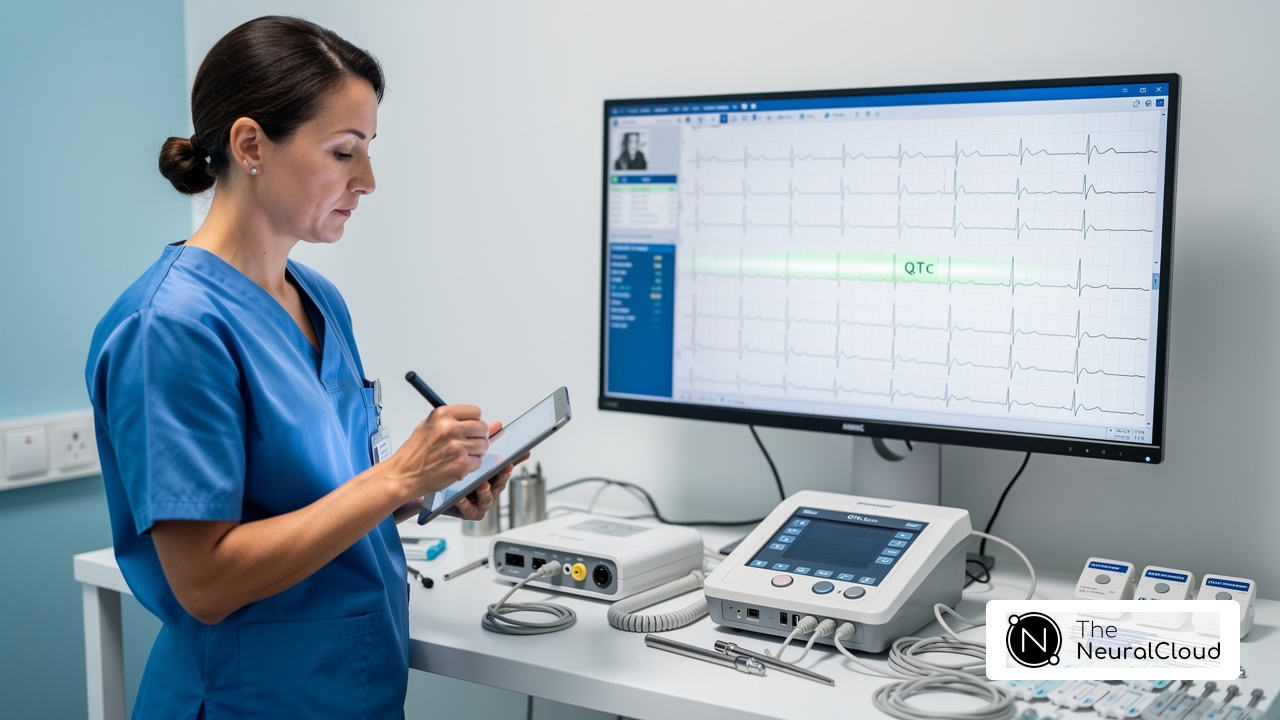
Despite their importance, standard examinations often miss critical heart conditions, making the ECG rhythm test essential in clinical practice. The ECG rhythm test provides real-time insights into the heart's electrical activity and aids in diagnosing various cardiac conditions, including arrhythmias and myocardial infarctions. Continuous monitoring through the ECG rhythm test allows medical providers to keep track of heart activity, helping them spot abnormalities that standard exams might miss. For example, studies indicate that early detection of atrial fibrillation (AF) via ECG can significantly lower the risk of stroke and other complications. In Canada, the CRYSTAL AF trial reported a 30% AF detection rate at three years, highlighting the significance of extended monitoring in recognizing individuals at risk.
Furthermore, the ECG rhythm test is non-invasive and can be performed in various environments, improving accessibility for both individuals and healthcare providers. The integration of advanced technologies, such as Neural Cloud Solutions Inc.'s MaxYield platform, further enhances the accuracy and efficiency of these tests. MaxYield addresses the garbage-in/garbage-out issues associated with PPG feeds by ensuring clean data and hospital-grade accuracy from consumer-grade devices, facilitating quicker diagnosis and treatment decisions. For instance, the SAFE study demonstrated that systematic and opportunistic screening methods identified significantly more new AF cases compared to usual care. Notably, 18% of individuals revealed new AF with 7-day event monitoring compared to only 2% in the control group, underscoring the importance of prolonged monitoring.
Case studies from Canada highlight the importance of the ECG rhythm test in identifying hidden heart diseases, particularly among younger populations. Research from City St George's, University of London, revealed that 2% of participants aged 14-35 exhibited abnormal T wave inversion, with 13% diagnosed with cardiomyopathy. This shows just how crucial early detection and screening are in preventing sudden cardiac events. Furthermore, with more than 300 million ECG rhythm tests performed annually worldwide, the importance of these ECG rhythm tests in clinical practice cannot be overstated.
With MaxYield, healthcare providers can not only enhance diagnostic accuracy but also potentially save lives through timely interventions. By leveraging advanced technologies like MaxYield and adhering to best practices, healthcare providers can enhance the effectiveness of these tests, ultimately leading to better management of heart health. As Dr. Alan Rabinowitz points out, MaxYield’s accuracy competes with human analysis, making it an invaluable tool in modern cardiac care.

Integrate Advanced Technologies for Enhanced ECG Data Analysis
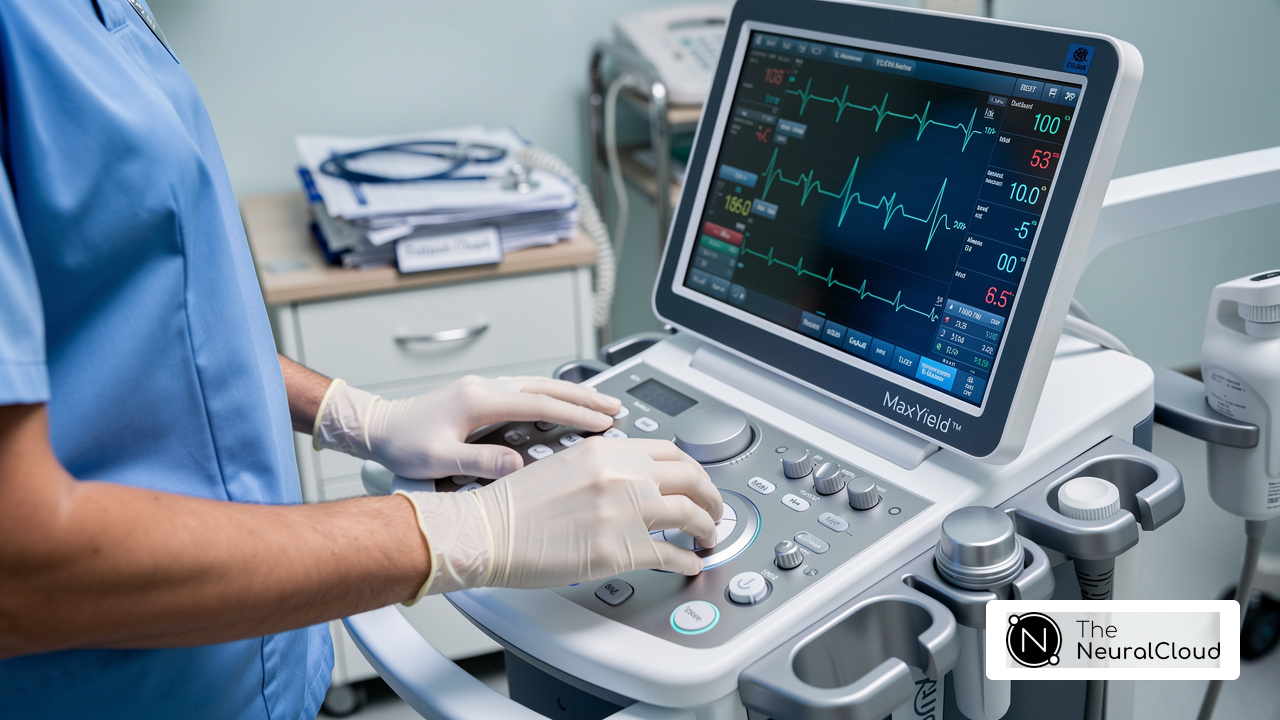
The integration of AI and machine learning into the ECG rhythm test data analysis presents significant challenges and opportunities for cardiac diagnostics. Neural Cloud Solutions Inc.'s MaxYield™ exemplifies this transformation by mapping ECG signals through noise, isolating and labeling key features in every heartbeat. This allows for quick processing of large data sets, helping to identify patterns and anomalies that human analysis might miss. For example, MaxYield™ can analyze 200,000 heartbeats in less than 5 minutes, giving clinicians immediate feedback and supporting quicker decision-making.
Furthermore, AI can help standardize the ECG rhythm test, decreasing variability among various practitioners. Implementing these technologies not only enhances diagnostic accuracy but also improves workflow efficiency, allowing healthcare providers to focus more on care rather than manual data analysis, particularly with the ECG rhythm test.
Expert endorsements from Dr. Alan Rabinowitz, Dr. Brett Heilbron, and Dr. Marc W. Deyell emphasize that MaxYield™ rivals human interpretation in precision and offers significant noise reduction benefits. Furthermore, facilities utilizing AI-driven ECG rhythm tests, such as those in Toronto and Calgary, report higher rates of accurate diagnoses and improved patient outcomes.
With FDA Class II SaMD clearance-pending status and audit-ready documentation supporting GxP inspections, Neural Cloud Solutions Inc. ensures that its solutions meet the highest regulatory standards.

Implement Effective Training and User Adoption Strategies
Effective training and user adoption strategies are essential for maximizing the benefits of the ECG rhythm test and advanced technologies. Medical organizations need to implement comprehensive training programs that emphasize both the technical aspects of ECG analysis and the practical application of advanced technologies like MaxYield. A structured program that includes simulation-based training and hands-on workshops can greatly enhance learning outcomes for healthcare professionals. A study found that participants required an average of 112 minutes of training and 34 practice cases to achieve satisfactory competency in ECG analysis.
Incorporating case studies and real-world scenarios into training can help practitioners navigate the complexities of ECG interpretation more effectively. For instance, the University of the West of England's adoption of MyoVista technology for quantitative ECG analysis has improved student engagement and diagnostic insight, showcasing the value of integrating advanced tools into educational settings.
Furthermore, fostering a culture of continuous learning and providing ongoing support can encourage providers to confidently adopt new technologies. Studies show that when organizations focus on training, staff competency tends to improve, which directly correlates with enhanced patient care and outcomes. By aligning training strategies with competency standards, medical organizations can ensure their teams are well-equipped to accurately and efficiently interpret the ECG rhythm test.
Additionally, the integration of MaxYield’s advanced noise filtering and distinct wave recognition capabilities can significantly enhance the clarity and diagnostic yield of ECG analysis. As Dr. Alan Rabinowitz observes, "MaxYield’s precision rivals human interpretation, making it an invaluable tool for medical professionals." This ongoing learning model, powered by AI, not only enhances accuracy but also adapts to the evolving needs of medical providers, ensuring they remain at the forefront of ECG analysis technology. To further support practical application, user manuals and specific use cases should be referenced during training to illustrate the effective use of MaxYield in real-world scenarios.

Ensure Compliance with Healthcare Regulations
Navigating the complexities of the ECG rhythm test in Canada requires strict adherence to healthcare regulations. Healthcare providers must follow established guidelines and standards, such as those set by the American Heart Association and the FDA, including the FDA Class II SaMD clearance-pending status. This includes proper staff training, regular equipment maintenance to meet regulatory standards, and accurate documentation of all ECG interpretations, along with audit-ready records for GxP inspections. Without regular audits, organizations risk falling behind in compliance, which can lead to serious consequences.
In Canada, adherence to medical regulations for the ECG rhythm test is supported by statistics indicating that over 80% of medical organizations report compliance with established standards. However, ongoing education and training are essential to keep up with changes in medical laws and standards. Expert opinions highlight that remaining aware of regulatory updates is essential for medical organizations to reduce risks and improve trust among individuals. By prioritizing compliance, organizations not only protect their patients but also streamline operations, resulting in improved care delivery.
MaxYield™ from Neural Cloud Solutions Inc. plays a pivotal role in this compliance landscape by providing advanced noise filtering and distinct wave recognition capabilities. This device-agnostic ECG intelligence layer integrates seamlessly via API, SDK, or CDK, ensuring that medical providers can enhance their ECG data processing without requiring hardware changes. Experts such as Dr. Alan Rabinowitz, Dr. Brett Heilbron, and Dr. Marc W. Deyell support MaxYield’s precision, highlighting its capability to compete with human analysis while significantly minimizing noise in ECG recordings.
To ensure compliance, healthcare providers should:
- Regularly review and update training programs for staff to align with current regulations.
- Conduct routine equipment maintenance checks to meet regulatory standards.
- Establish a comprehensive documentation procedure for ECG analyses to guarantee precision and responsibility.
- Engage in regular audits to identify compliance gaps and areas for improvement.
Common pitfalls to avoid include neglecting ongoing education, failing to document ECG interpretations accurately, and overlooking equipment maintenance. By addressing these issues, medical organizations can enhance their compliance efforts.
By leveraging solutions like MaxYield™, healthcare providers can navigate regulatory landscapes while enhancing the quality of the ECG rhythm test.

Conclusion
Effective ECG rhythm tests are crucial for enhancing cardiac care and improving patient outcomes. Healthcare providers can significantly improve the accuracy and efficiency of ECG analysis by using advanced technologies like Neural Cloud Solutions Inc.'s MaxYield. This ensures that critical heart conditions are detected early and managed appropriately.
Throughout the article, we've highlighted key insights, including the importance of continuous monitoring, the integration of AI for data analysis, and the necessity of comprehensive training programs for healthcare professionals. Evidence from the CRYSTAL AF trial and various Canadian case studies underscores the transformative impact of ECG rhythm tests in identifying hidden cardiac issues, particularly among younger populations. Furthermore, adherence to healthcare regulations and compliance standards is essential for maintaining high-quality care and safeguarding patient trust.
In conclusion, the significance of ECG rhythm tests in clinical practice cannot be overstated. As healthcare providers embrace advanced technologies and prioritize effective training and compliance, they position themselves to deliver superior cardiac care. It's clear that action is needed:
- Invest in innovative solutions like MaxYield
- Foster a culture of continuous learning
- Remain vigilant in adhering to regulatory standards
By doing so, the healthcare community can truly harness the power of ECG rhythm tests to save lives and improve heart health across Canada.
Frequently Asked Questions
Why are ECG rhythm tests important in clinical practice?
ECG rhythm tests are essential because they provide real-time insights into the heart's electrical activity, aiding in the diagnosis of various cardiac conditions, including arrhythmias and myocardial infarctions. They help detect abnormalities that standard examinations might miss.
How does continuous monitoring through ECG rhythm tests benefit patients?
Continuous monitoring allows medical providers to track heart activity over time, which can lead to early detection of conditions like atrial fibrillation (AF). Early detection significantly lowers the risk of stroke and other complications.
What evidence supports the effectiveness of ECG rhythm tests in detecting atrial fibrillation?
The CRYSTAL AF trial in Canada reported a 30% AF detection rate at three years, emphasizing the importance of extended monitoring in identifying individuals at risk.
Are ECG rhythm tests invasive, and where can they be performed?
ECG rhythm tests are non-invasive and can be performed in various environments, improving accessibility for both individuals and healthcare providers.
How does Neural Cloud Solutions Inc.'s MaxYield platform enhance ECG rhythm testing?
MaxYield improves the accuracy and efficiency of ECG rhythm tests by addressing data quality issues associated with PPG feeds, ensuring clean data and hospital-grade accuracy from consumer-grade devices.
What did the SAFE study reveal about ECG rhythm tests?
The SAFE study demonstrated that systematic and opportunistic screening methods identified significantly more new AF cases compared to usual care, with 18% of individuals revealing new AF through 7-day event monitoring versus only 2% in the control group.
What do case studies from Canada indicate about the ECG rhythm test?
Case studies highlight the ECG rhythm test's role in identifying hidden heart diseases, particularly among younger populations, with research showing that 2% of participants aged 14-35 exhibited abnormal T wave inversion and 13% were diagnosed with cardiomyopathy.
How many ECG rhythm tests are performed annually worldwide, and what does this signify?
More than 300 million ECG rhythm tests are performed annually worldwide, underscoring their critical importance in clinical practice for heart health management.
What potential impact does MaxYield have on healthcare providers and patient outcomes?
By leveraging advanced technologies like MaxYield, healthcare providers can enhance diagnostic accuracy and potentially save lives through timely interventions, leading to better management of heart health.
List of Sources
- Understand the Importance of ECG Rhythm Tests in Clinical Practice
- Global surge in serious heart rhythm disorders sparks urgent call to action from experts: 1 in 3 people at risk (https://escardio.org/news/press/press-releases/global-surge-in-serious-heart-rhythm-disorders-sparks-urgent-call-to-action-from)
-
- Screening and Opportunistic AF Detection - Société cardiovasculaire du Canada (https://ccs.ca/fr/guideline/2020-atrial-fibrillation/chapter-5-screening-and-opportunistic-af-detection)
- New clues from heart rhythm test could prevent sudden death in those under age 35 (https://medicalxpress.com/news/2025-07-clues-heart-rhythm-sudden-death.html)
- Retrospective Analysis of ECG Data Supports Cardiologists' Clinical Judgment (https://gehealthcare.com/en-us/insights/article/retrospective-analysis-of-ecg-data-supports-cardiologists-clinical-judgment?srsltid=AU7gw4WmryZkk4Tco3QNEOi82txuckzmrfm7VTRjE09hYVRPrZXCtPu0)
- New AI algorithm could improve detection and prediction of heart diseases - Scripps Research (https://scripps.edu/news-events/news/new-ai-algorithm-could-improve-detection-and-prediction-of-heart-diseases)
- ECG Interpretation AI Market Research Report 2034 (https://dataintelo.com/report/ecg-interpretation-ai-market)
- Platform Advances AI-Driven ECG Analysis (https://healthmanagement.org/c/digital-transformation/News/platform-advances-ai-driven-ecg-analysis)
- Revolutionising Acute Cardiac Care With Artificial Intelligence: Opportunities and Challenges (https://onlinecjc.ca/article/S0828-282X(24)00443-4/fulltext)
- New Report Addresses AI's Impact on Cardiovascular Devices (https://dicardiology.com/content/new-report-addresses-ais-impact-cardiovascular-devices)
- Clinical Care Market News: June 2026 | Signify Research (https://signifyresearch.net/insights/clinical-care-news-round-up-june-2026)
- UK university bets on AI ECG to train future NHS heart specialists (https://stocktitan.net/news/HSCS/university-of-west-england-adopts-heart-sciences-myo-vista-insights-74wl9eo2elki.html)
- The Effect of Simulation-Based ECG... | Clinical Trial (https://trial.medpath.com/clinical-trial/76eba6e711dd278c/nct07533838-simulation-ecg-training-nursing-students-randomized-controlled)
- How can we fix the ECG training gap for medical students and trainees? (https://gehealthcare.com/en-ca/insights/article/the-ecg--how-can-we-fix-the-training-gap-for-medical-students-and-trainees?srsltid=AU7gw4Wiu4rg_6MYFGCU2dASvTfIaq8bq2LIU52Y4KxJ-qqe2s4a6ILg)
- Diagnostic Electrocardiograph Research Report 2026 - Global $12.81 Bn Market Trends, Opportunities, and Forecasts to 2031 (https://globenewswire.com/news-release/2026/01/30/3229352/28124/en/diagnostic-electrocardiograph-research-report-2026-global-12-81-bn-market-trends-opportunities-and-forecasts-to-2031.html)
- The New ISO/IEC Standard for Automated ECG Interpretation (https://mdpi.com/2673-3846/2/3/32)
- Regulatory Compliance — FDA, AHA, ISO Certified | C-Booth Innovations (https://cboothinnovations.com/compliance)
- News - Cardiac Rhythm News (https://cardiacrhythmnews.com/news)