Introduction
Effectively managing supraventricular bradycardia is essential for healthcare professionals to prevent serious complications. With the rise of advanced technologies like Neural Cloud Solutions Inc.'s MaxYield, clinicians now have access to tools that enhance ECG analysis and improve patient outcomes. Yet, how can healthcare providers make the most of these innovations while dealing with the complexities of diagnosis and treatment? This article explores best practices for managing supraventricular bradycardia ECG, providing insights into effective diagnostic strategies and treatment protocols designed for the Canadian healthcare system.
Understand Supraventricular Bradycardia: Definition and Clinical Significance
Supraventricular bradycardia ECG presents unique challenges in ECG analysis, especially when it leads to a heart rate below 60 beats per minute. This condition can manifest in various forms, including sinus slow heart rate and atrioventricular (AV) block. Understanding this condition is vital for timely intervention. Untreated slow heart rate can lead to serious complications, including heart failure and sudden cardiac arrest. Precise identification of the type and cause of slow heart rate is critical for determining the appropriate treatment pathway.
Recent Canadian case studies show that early diagnosis and intervention are highly effective, demonstrating that individuals with symptomatic slow heart rate benefit significantly from prompt management strategies. Moreover, specialists emphasize the need for healthcare workers to remain vigilant in observing individuals for potential complications linked to slow heart rate, ensuring that prompt and efficient care is provided.
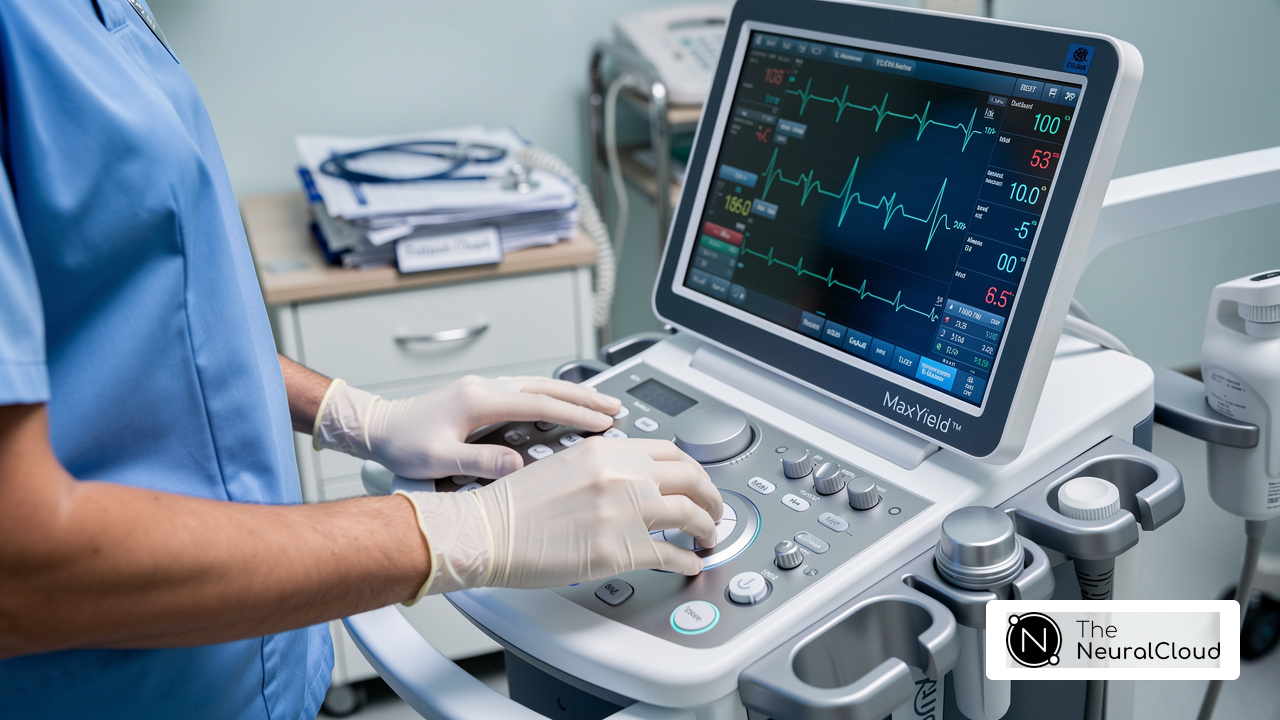
Notably, the integration of Neural Cloud Solutions' MaxYield platform can enhance ECG analysis efficiency, addressing challenges such as physiological variability and signal artifacts. With automated ECG labeling and data extraction, MaxYield enables technicians to handle cases more quickly without sacrificing quality, ultimately enhancing outcomes for individuals.
It's crucial to recognize common pitfalls in managing slow heart rate, such as overlooking reversible causes or misinterpreting symptoms, which can lead to inadequate treatment and worse patient outcomes. Experts like Dr. Alan Rabinowitz and Dr. Brett Heilbron have endorsed MaxYield’s precision, noting its ability to rival human interpretation while significantly reducing noise in ECG readings. By leveraging advanced tools like MaxYield, healthcare professionals can enhance their diagnostic accuracy and improve patient care.

Implement Effective Diagnostic Strategies: ECG Evaluation and Subtype Identification
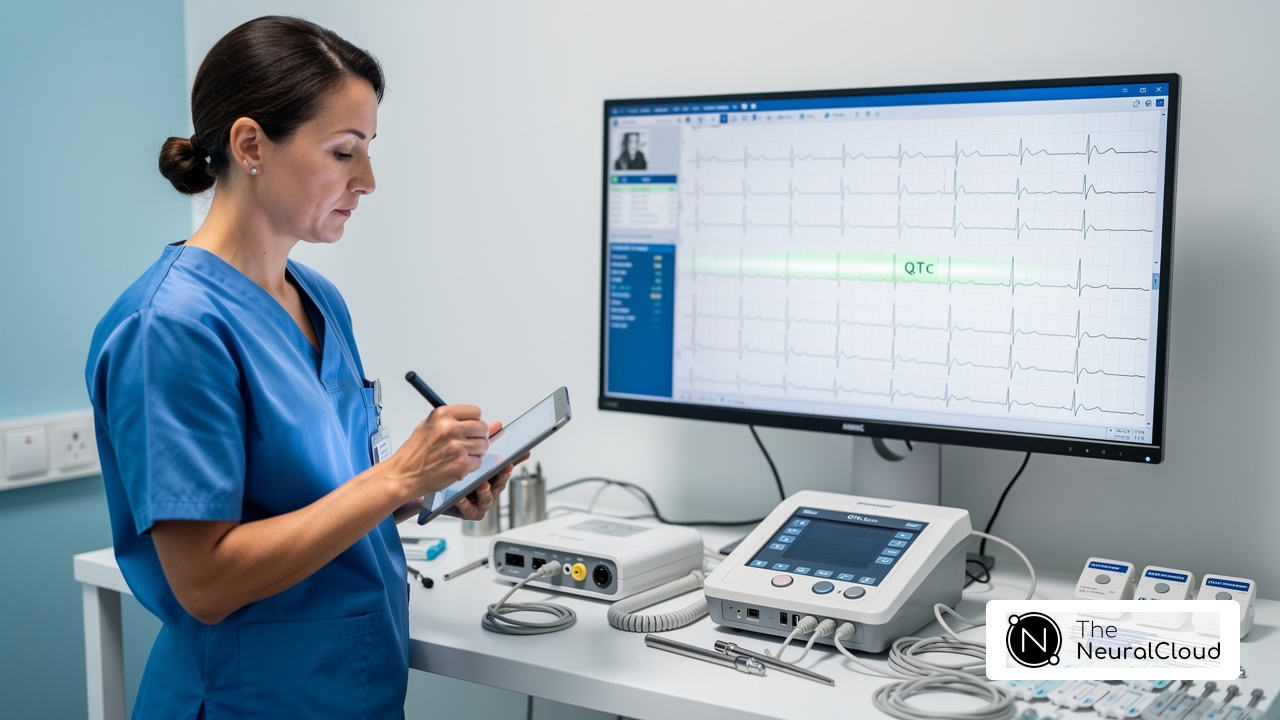
Managing supraventricular bradycardia ECG can be challenging without precise evaluations. A comprehensive 12-lead ECG is essential to document the rhythm, rate, and conduction abnormalities in cases of supraventricular bradycardia ECG. Key features to assess include:
- The presence of P waves
- The PR interval
- The QRS complex duration
Identifying the specific subtype of slow heart rate - such as sinus slow heart rate, first-degree AV block, or higher-degree blocks - allows for tailored treatment approaches. For symptomatic slow heart rate, immediate actions like atropine administration may be necessary, while asymptomatic patients may require monitoring and lifestyle changes.
Advanced ECG methods from Neural Cloud Solutions Inc., such as MaxYield™, enhance assessment precision by providing high-fidelity cardiac data and helping detect subtle abnormalities. MaxYield™ includes features like:
- Advanced noise filtering
- Automated processes
These features streamline workflows for healthcare professionals. A recent study in Canada found that effective ECG assessment can enhance diagnostic results for slow heart rate by up to 30%. This reinforces the need for health tech developers to incorporate such innovations into their systems.
Additionally, regulatory compliance details, including FDA Class II SaMD clearance-pending status and audit-ready documentation supporting GxP inspections, further enhance the credibility of these technologies. Expert endorsements from Dr. Alan Rabinowitz, Dr. Brett Heilbron, and Dr. Marc W. Deyell emphasize MaxYield’s precision, which rivals human interpretation and its noise reduction benefits. Moreover, case studies, such as the 'Diagnostic Evaluation of Bradycardia,' illustrate the successful implementation of these strategies in clinical environments. These advancements not only improve diagnostic accuracy but also enhance patient care in clinical settings.

Adopt Comprehensive Treatment Protocols: Immediate and Long-Term Management
Patients often face difficulties in achieving stable heart rates, leading to potential health risks. Management of supraventricular bradycardia ECG requires both immediate and long-term strategies tailored to individual needs. For acute symptomatic slow heart rate, first-line treatment typically involves administering atropine, which effectively increases heart rate by blocking vagal influences. If atropine proves ineffective, transcutaneous pacing may be necessary to stabilize the individual.
Long-term management strategies depend on the underlying cause. For instance, individuals with ongoing slow heart rate due to AV block may require the implantation of a permanent pacemaker. Incorporating lifestyle changes, like reducing caffeine and managing stress, can lead to better heart rate stability and overall health. Regular follow-up and monitoring play a vital role in assessing treatment success and ensuring timely adjustments.
The incorporation of cutting-edge innovations, like those provided by Neural Cloud Solutions Inc., can enhance the monitoring process and overall management of patients with slow heart rates, ensuring timely interventions and improved health outcomes.

Leverage Advanced Technologies: Enhancing ECG Analysis and Treatment Outcomes
Healthcare professionals face significant challenges in accurately interpreting ECG data, which can impact patient care. The incorporation of sophisticated innovations, especially AI-driven analysis of supraventricular bradycardia ECG, plays a vital role in improving the management of slow heart rate.
Neural Cloud Solutions Inc.'s MaxYield, a device-agnostic ECG intelligence layer, employs patented signal mapping algorithms that significantly improve the clarity and accuracy of ECG data, empowering healthcare professionals to make informed decisions. MaxYield’s advanced algorithms allow for real-time monitoring, giving healthcare professionals the insights they need to act quickly.
For instance, AI algorithms can examine large datasets to reveal patterns that might not be readily apparent, thus improving the identification of different heart rate abnormalities with an accuracy AUC of 0.95. Additionally, the AI ECG model has shown a reduction in false positive activation rates from 42% to 8%, demonstrating its reliability in clinical practice.
Visualization tools such as Insight360 help clinicians analyze ECG results more effectively, converting MaxYield’s clean ECG data into interactive dashboards and clinical-ready reports, which can lead to enhanced outcomes for individuals. By leveraging MaxYield, healthcare providers can significantly enhance patient outcomes and streamline their diagnostic processes.
As Timothy D. Henry, MD, pointed out, using AI for STEMI diagnosis right from the first medical contact can drastically cut down treatment times and minimize false alarms, highlighting the transformative potential of these technologies in cardiac care.

Conclusion
Managing supraventricular bradycardia presents significant challenges for healthcare professionals, particularly in ensuring accurate diagnoses and effective treatment. Accurate diagnosis, effective treatment protocols, and the integration of advanced technologies are essential for enhancing ECG analysis. By focusing on these best practices, healthcare professionals can significantly improve their approach to managing this condition, ultimately leading to better care for patients.
Key insights discussed include:
- The necessity of comprehensive ECG evaluations to identify the specific subtype of bradycardia
- The immediate and long-term management strategies tailored to individual patient needs
- The role of innovative tools like Neural Cloud Solutions Inc.'s MaxYield in streamlining diagnostic processes
The evidence presented underscores the effectiveness of early intervention and the importance of remaining vigilant in monitoring patients for potential complications.
As the landscape of cardiac care continues to evolve, embracing advanced technologies and adhering to established best practices will be essential for healthcare professionals. By prioritizing advanced technologies and best practices, healthcare professionals can significantly enhance patient outcomes and advance cardiac health in their communities.
Frequently Asked Questions
What is supraventricular bradycardia?
Supraventricular bradycardia is a condition characterized by a slow heart rate, specifically below 60 beats per minute, which can manifest as sinus slow heart rate or atrioventricular (AV) block.
Why is understanding supraventricular bradycardia important?
Understanding supraventricular bradycardia is vital for timely intervention, as untreated slow heart rates can lead to serious complications such as heart failure and sudden cardiac arrest.
How effective is early diagnosis and intervention for supraventricular bradycardia?
Recent Canadian case studies indicate that early diagnosis and intervention are highly effective, with individuals experiencing symptomatic slow heart rates benefiting significantly from prompt management strategies.
What should healthcare workers be vigilant about regarding supraventricular bradycardia?
Healthcare workers should remain vigilant in observing individuals for potential complications linked to slow heart rates to ensure prompt and efficient care is provided.
How does the MaxYield platform enhance ECG analysis for supraventricular bradycardia?
The MaxYield platform by Neural Cloud Solutions Inc. enhances ECG analysis efficiency by addressing challenges such as physiological variability and signal artifacts, allowing for quicker case handling without sacrificing quality.
What are common pitfalls in managing slow heart rates?
Common pitfalls include overlooking reversible causes or misinterpreting symptoms, which can lead to inadequate treatment and worse patient outcomes.
Who has endorsed the MaxYield platform for its effectiveness in ECG interpretation?
Experts like Dr. Alan Rabinowitz and Dr. Brett Heilbron have endorsed MaxYield’s precision, highlighting its ability to rival human interpretation while significantly reducing noise in ECG readings.
List of Sources
- Understand Supraventricular Bradycardia: Definition and Clinical Significance
- Heart Health Cardiology Quotes: Memorable Wisdom | TheKnowHow Blog (https://theknowhow.ae/memorable-cardiology-quotes-heath)
- Sinus Bradycardia: Background, Pathophysiology, Etiology (https://emedicine.medscape.com/article/760220-overview)
- Bradycardia - The Cardiology Advisor (https://thecardiologyadvisor.com/ddi/bradycardia)
- Implement Effective Diagnostic Strategies: ECG Evaluation and Subtype Identification
- Societies Publish New Guidance for the Treatment of Slow, Irregular Heartbeats - HRS (https://hrsonline.org/news/societies-publish-new-guidance-treatment-slow-irregular-heartbeats)
- Study Shows Promising Results for ECG Technology (https://dicardiology.com/content/study-shows-promising-results-ecg-technology)
- Bradycardia Guidelines Offer Tips on Diagnosis, Management (https://tctmd.com/news/bradycardia-guidelines-offer-tips-diagnosis-management)
- Adopt Comprehensive Treatment Protocols: Immediate and Long-Term Management
- Guideline 11.9 - Managing Acute Dysrhythmias (https://anzcor.org/home/adult-advanced-life-support/guideline-11-9-managing-acute-dysrhythmias)
- Bradycardia Guideline 2018 (https://cardiosmart.org/news/2018/11/bradycardia-guideline-2018)
- Ephedrine Is More Effective Than Atropine for the Treatment of Symptomatic Bradycardia in Elderly Patients (https://brieflands.com/journals/semj/articles/13181)
- Societies Publish New Guidance for the Treatment of Slow, Irregular Heartbeats - HRS (https://hrsonline.org/news/societies-publish-new-guidance-treatment-slow-irregular-heartbeats)
- Leverage Advanced Technologies: Enhancing ECG Analysis and Treatment Outcomes
- AI-Based ECG Analysis Significantly Improves STEMI Detection, Reduces False Activations - American College of Cardiology (https://acc.org/latest-in-cardiology/articles/2025/10/24/16/56/tues-554pm-ai-tct-2025)
- Artificial intelligence in ECG diagnostics - where are we now? (https://escardio.org/communities/councils/cardiology-practice/education/cardiopractice/artificial-intelligence-in-ecg-diagnostics-where-are-we-now)
- Study Shows Promising Results for ECG Technology (https://dicardiology.com/content/study-shows-promising-results-ecg-technology)