Introduction
As heart monitoring technology advances, traditional ECG monitors are challenged by the rise of innovative heart rhythm readers. These new devices offer portability and real-time analytics, appealing to both patients and healthcare providers. Yet, as healthcare professionals explore cardiovascular monitoring, a key question emerges: can heart rhythm readers match the accuracy of traditional ECG systems? This analysis will reveal whether heart rhythm readers can truly compete with the established accuracy of ECG systems.
Understanding Heart Rhythm and ECG Monitoring
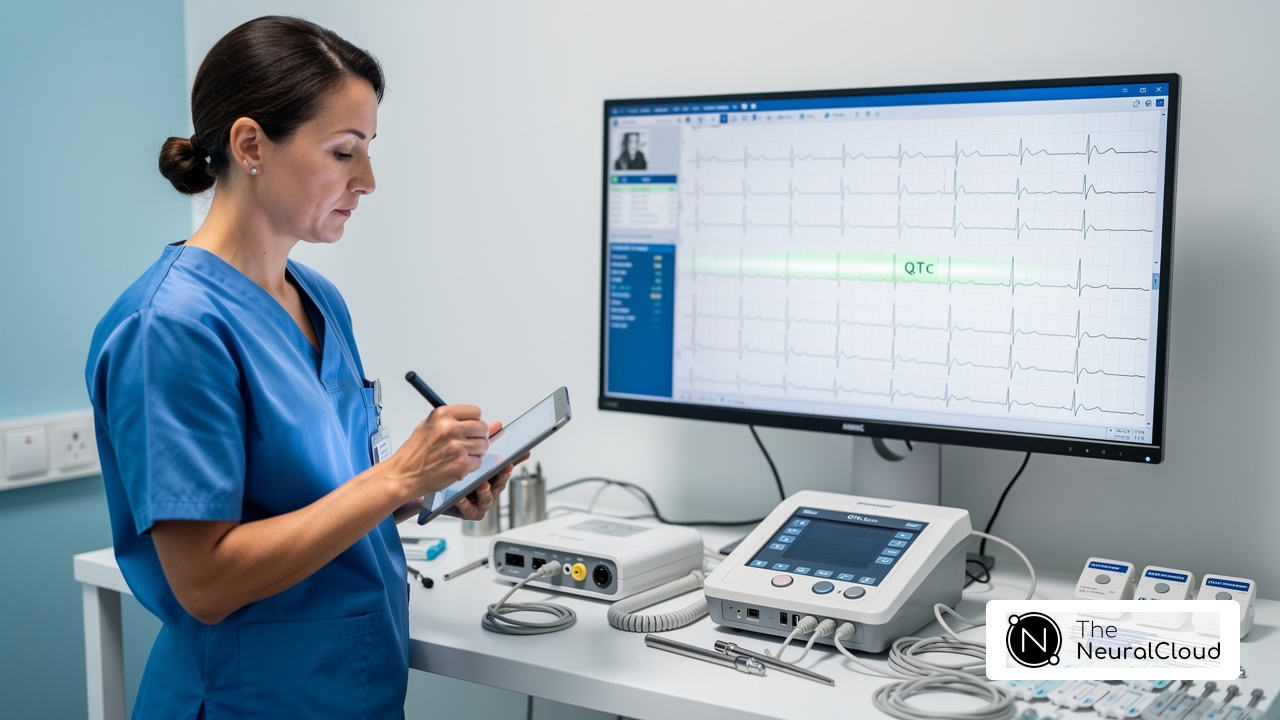
Monitoring heart rhythm through ECGs presents significant challenges, particularly in traditional clinical settings. An ECG captures the electrical activity of the heart over time, providing essential insights into cardiovascular health. Traditional ECG monitors require individuals to connect to machines in clinical settings, which can be cumbersome. In contrast, pulse rhythm devices are often portable and user-friendly, offering real-time observation and analysis that are increasingly popular for both clinical and personal use.
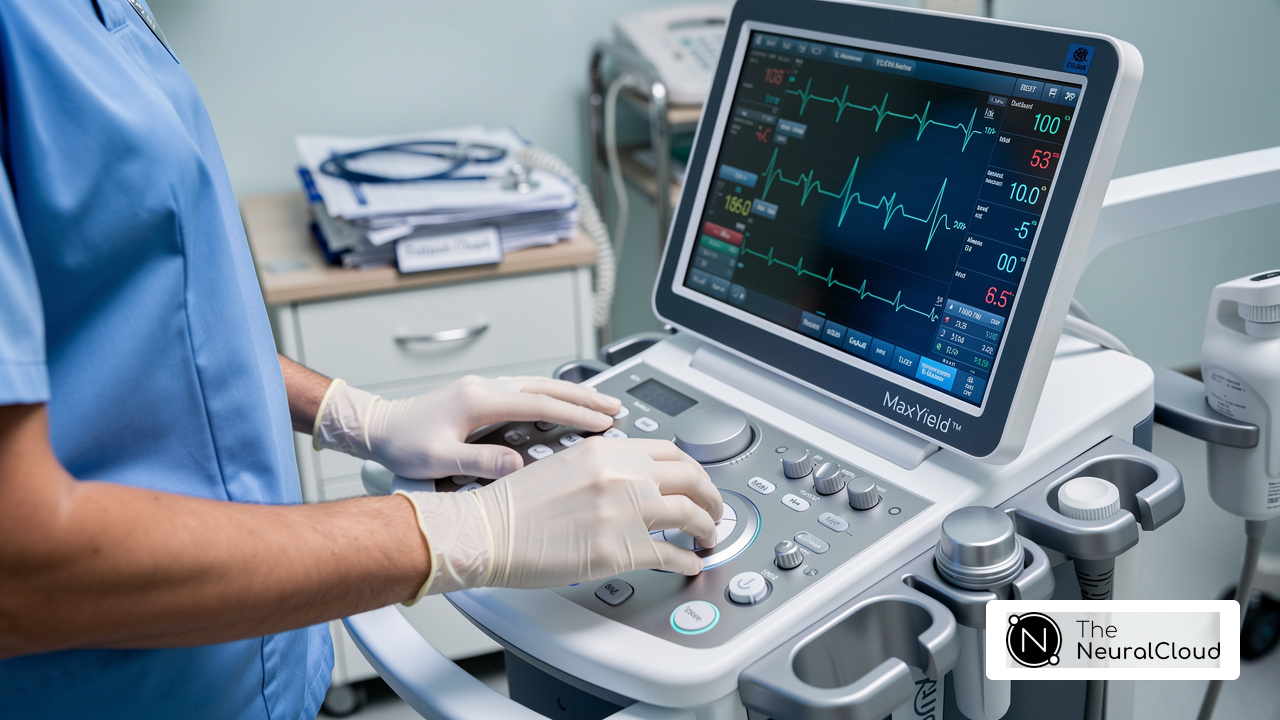
Neural Cloud Solutions' MaxYield™ platform revolutionizes this landscape by offering advanced noise filtering and artifact handling. This allows for the isolation and labeling of critical ECG data, even in recordings with high levels of noise. MaxYield™ turns unclear parts of long Holter and patch monitor recordings into clear, useful insights. Understanding these differences is important for both healthcare practitioners and patients as they explore effective cardiovascular oversight options, especially with the improved clarity and efficiency provided by innovative solutions like MaxYield™.

Features of Heart Rhythm Readers: Advantages and Limitations
While wearable ECG devices offer notable advantages, they also present significant challenges in data reliability and interpretation. These devices are portable, user-friendly, and capable of continuous monitoring. They utilize advanced algorithms to analyze cardiovascular rhythms in real-time, providing prompt feedback and alerts for irregularities. For instance, the KardiaMobile device can identify arrhythmias, diagnosing 56% of individuals within an average of 9.5 days, significantly quicker than the 10% diagnosed via standard care in 43 days. However, limitations persist. Inaccuracies in readings can arise from motion artifacts or user error, compromising data reliability. Traditional methods often struggle with physiological variability. Signal artifacts can lead to less accurate interpretations.
Neural Cloud Solutions' MaxYield™ platform addresses these challenges by employing advanced noise filtering and distinct wave recognition. This capability boosts the reliability of data from wearable devices, which often struggle with significant limitations in cardiology settings, including high mean absolute error in AI-ECG age models. While these devices offer convenience, they often lack the comprehensive data that multi-lead traditional ECGs provide, which is essential for diagnosing complex cardiac conditions. Additionally, the potential for false positive alerts from wearables can contribute to clinician fatigue and may lead to unnecessary follow-ups. This disparity highlights the need for thorough evaluation when selecting assessment tools, as the efficiency of rhythm analyzers can differ depending on the clinical situation and individual requirements. Notably, the Zio XT patch provides high sensitivity for arrhythmia detection and achieves 99% physician agreement on end-of-wear reports, making it a valuable comparison point against the KardiaMobile device.

Traditional ECG Monitors: Operational Insights and Challenges
While traditional ECG monitors are reliable, they come with significant challenges that can hinder effective patient monitoring. These devices are accurate and reliable. They are considered the gold standard for diagnosing various cardiac conditions. However, managing and analyzing ECG outcomes requires specialized skills, which can be a barrier to effective use. Additionally, patients must remain still during observation, which can be difficult. Traditional ECGs also have limitations in extended monitoring, often recording data over short durations, which restricts their ability to identify sporadic arrhythmias.
On the other hand, the MaxYield™ platform from Neural Cloud Solutions changes the game in ECG analysis with its advanced noise filtering and unique wave recognition features. This groundbreaking technology allows for continuous monitoring without the same level of strain on patients, enabling healthcare professionals to automate labeling and enhance diagnostic precision. Furthermore, the MaxYield™ algorithm improves with each use, continuously increasing its diagnostic yield. By addressing inefficiencies and physiological variability, MaxYield™ makes ECG analysis more adaptable and scalable for healthcare providers. With MaxYield™, healthcare providers can enhance their diagnostic capabilities and improve patient outcomes significantly.

Comparative Analysis: Heart Rhythm Readers vs. Traditional ECG Monitors
When comparing heart rhythm readers with traditional ECG monitors, distinct challenges and advantages arise that influence patient care. These devices, known as heart rhythm readers, are particularly valued for their portability and user-friendly design, making them ideal for ongoing monitoring outside clinical settings. They often utilize AI-driven analytics, which enhances diagnostic accuracy and provides real-time feedback to healthcare providers. For example, AI algorithms can achieve sensitivity rates of 95-99% in detecting arrhythmias, significantly outperforming traditional methods.
In contrast, traditional ECG monitors offer superior accuracy and detail, particularly for complex cardiac conditions, thanks to their multi-lead configurations. However, the complexity of traditional ECG monitors can deter some users due to the extensive setup required. While traditional ECGs remain indispensable for comprehensive cardiac assessments in acute care settings, where detailed analysis is crucial, heart rhythm readers facilitate remote monitoring and telehealth applications.
This choice ultimately impacts the quality of care provided to patients, emphasizing the need for a tailored approach. Understanding these differences is essential for healthcare professionals to make informed decisions that enhance patient outcomes.

Conclusion
As heart rhythm monitoring evolves, the choice between heart rhythm readers and traditional ECG monitors becomes increasingly critical. These innovations highlight the importance of selecting the right tools for effective cardiovascular oversight, catering to various needs in both clinical and personal health contexts. The shift towards more portable and user-friendly devices, such as those utilizing the MaxYield™ platform, underscores a growing trend in healthcare that prioritizes accessibility and real-time monitoring.
Throughout the article, we explored the advantages and limitations of both heart rhythm readers and traditional ECG monitors. Heart rhythm readers offer notable benefits, including portability and advanced analytics, but they often struggle with data reliability, making accurate interpretation a challenge. On the other hand, traditional ECG monitors remain the gold standard for accuracy in diagnosing complex conditions, though they come with operational hurdles that can hinder their effectiveness in routine patient monitoring. Understanding these distinctions is essential for healthcare professionals to enhance patient care effectively.
Given these insights, stakeholders in healthcare must stay updated on the latest heart monitoring technology. As the landscape continues to evolve, embracing innovations like AI-driven analytics and advanced noise filtering can lead to improved diagnostic capabilities and patient outcomes. The choice between heart rhythm readers and traditional ECG monitors should be guided by clinical requirements, patient needs, and the specific context of care, ensuring that every decision contributes to better health management. Ultimately, informed choices in heart monitoring technology can significantly impact patient health outcomes.
Frequently Asked Questions
What is the purpose of monitoring heart rhythm through ECGs?
Monitoring heart rhythm through ECGs captures the electrical activity of the heart over time, providing essential insights into cardiovascular health.
What are the challenges associated with traditional ECG monitors?
Traditional ECG monitors require individuals to connect to machines in clinical settings, which can be cumbersome.
How do pulse rhythm devices differ from traditional ECG monitors?
Pulse rhythm devices are often portable and user-friendly, offering real-time observation and analysis, making them increasingly popular for both clinical and personal use.
What is the MaxYield™ platform and how does it improve ECG monitoring?
Neural Cloud Solutions' MaxYield™ platform offers advanced noise filtering and artifact handling, allowing for the isolation and labeling of critical ECG data, even in recordings with high levels of noise.
How does MaxYield™ enhance the clarity of ECG recordings?
MaxYield™ transforms unclear parts of long Holter and patch monitor recordings into clear, useful insights, improving the overall quality of ECG data.
Why is it important for healthcare practitioners and patients to understand the differences in ECG monitoring options?
Understanding these differences is crucial as it helps both healthcare practitioners and patients explore effective cardiovascular oversight options, especially with the improved clarity and efficiency provided by innovative solutions like MaxYield™.
List of Sources
- Understanding Heart Rhythm and ECG Monitoring
- Heart Rhythm 2024 Spotlights New Developments in Cardiac Implantable Electronic Devices and Other Treatments - HRS (https://hrsonline.org/news/hr24-spotlights-new-developments-cieds)
- news.medtronic.com (https://news.medtronic.com/medical-insertable-heart-monitor-outperforms-consumer-wearable-in-study-newsroom)
- biotricity.com (https://biotricity.com/2026/04/24/discover-the-top-trends-shaping-digital-cardiology)
- corporate.dukehealth.org (https://corporate.dukehealth.org/news/wearable-heart-monitor-increases-diagnosis-irregular-heart-rhythm)
- Technological Advancements in Cardiology: Improved Monitoring (https://bstquarterly.com/article/technological-advancements-in-cardiology-improved-monitoring)
- Features of Heart Rhythm Readers: Advantages and Limitations
- mobihealthnews.com (https://mobihealthnews.com/news/emea/alivecors-kardiamobile-five-times-more-effective-detecting-heart-arrhythmia-standard)
- rhythm360.io (https://rhythm360.io/blog/wearable-heart-monitors)
- Researchers Find Wearable Technology Helps Capture Pediatrics Arrhythmia Events Compared to Traditional Patch Monitors (https://dicardiology.com/content/researchers-find-wearable-technology-helps-capture-pediatrics-arrhythmia-events-compared)
- The Future of Cardiac Safety: How Wearable ECGs Enhance Patient Monitoring in Drug Trials | Applied Clinical Trials Online (https://appliedclinicaltrialsonline.com/view/future-cardiac-safety-wearable-ecg-enhance-patient-monitoring)
- Comparative Analysis: Heart Rhythm Readers vs. Traditional ECG Monitors
- An AI tool detected structural heart disease in adults using a smartwatch (https://newsroom.heart.org/news/an-ai-tool-detected-structural-heart-disease-in-adults-using-a-smartwatch)
- news-medical.net (https://news-medical.net/news/20220808/Wrist-wearable-devices-more-cost-effective-than-electrocardiograms-and-pulse-palpation-for-atrial-fibrillation-screening.aspx)
- foxnews.com (https://foxnews.com/tech/ai-t-shirt-could-detect-hidden-heart-risks)
- scripps.edu (https://scripps.edu/news-and-events/press-room/2024/20240801-quer-ai-electrocardiogram.html)
- ajhcs.org (https://ajhcs.org/articles/ai-driven-remote-ecg-monitoring-and-predictive-analytics-transforming-cardiac-care-from-arrhythmia-detection-to-perioperative-optimization)