Introduction
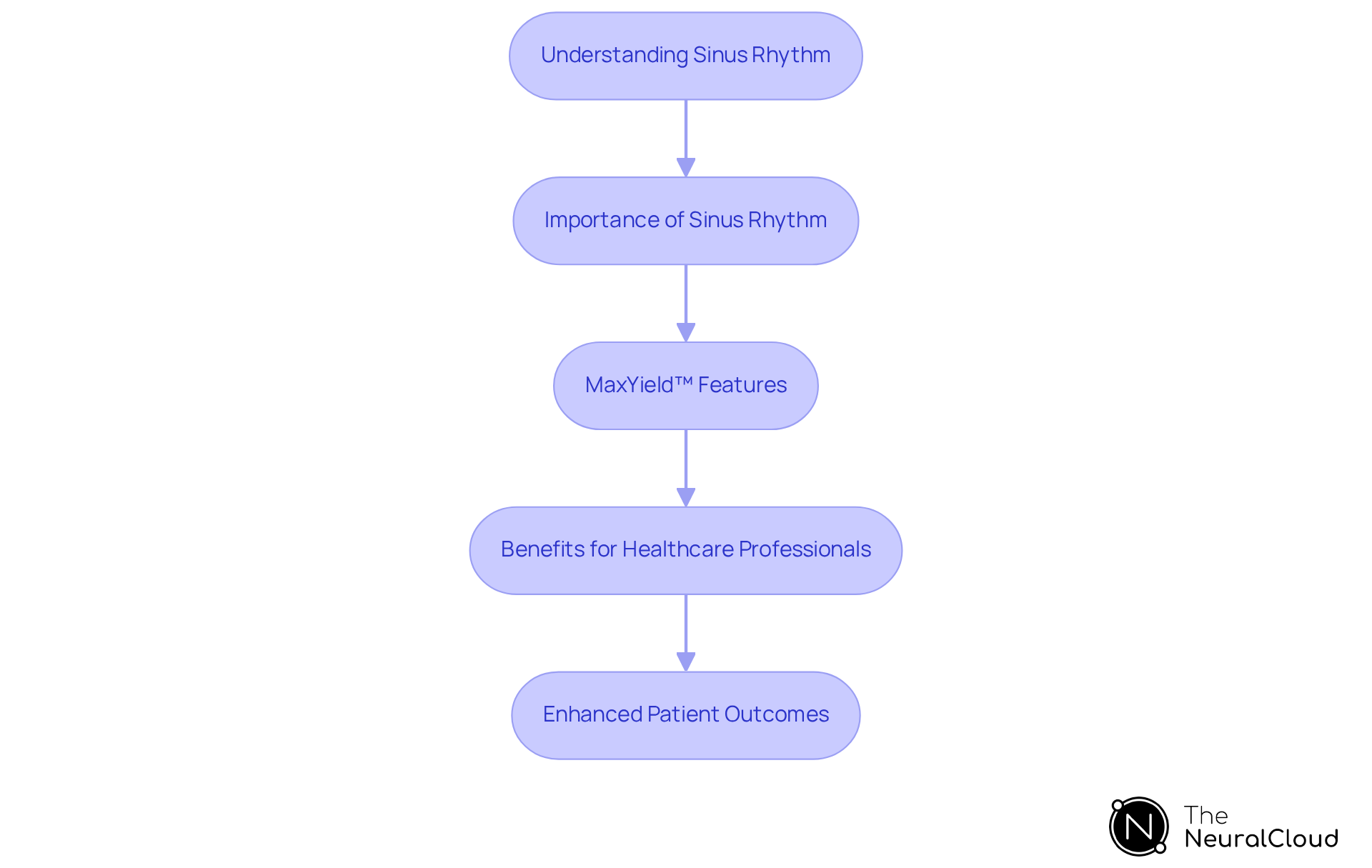
Understanding sinus rhythm is essential for maintaining optimal cardiac health, particularly regarding the implications of a short PR interval. This specific rhythm, which originates from the sinoatrial node, is vital for ensuring efficient blood flow and oxygen delivery throughout the body. As healthcare technology evolves, the demand for accurate monitoring solutions becomes increasingly critical. Developers can leverage advanced ECG analysis tools to enhance patient outcomes while addressing the challenges associated with sinus rhythm abnormalities.
Neural Cloud Solutions: MaxYield™ for Enhanced ECG Analysis
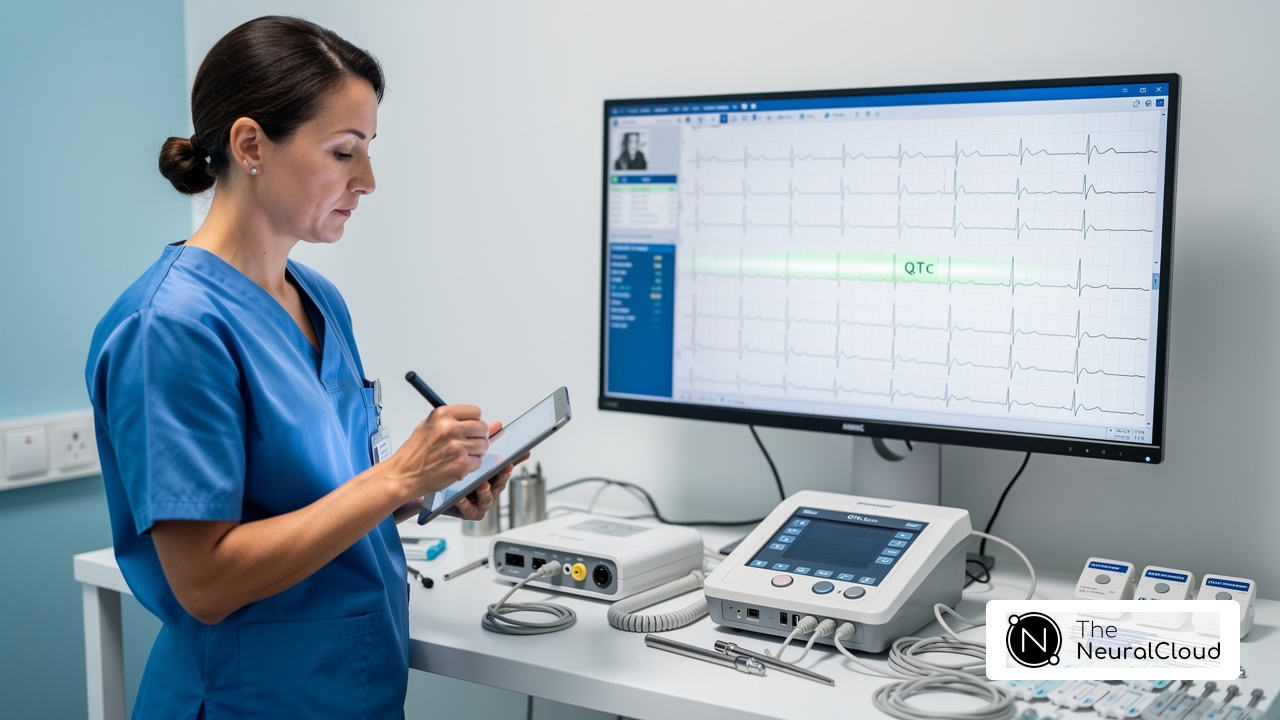
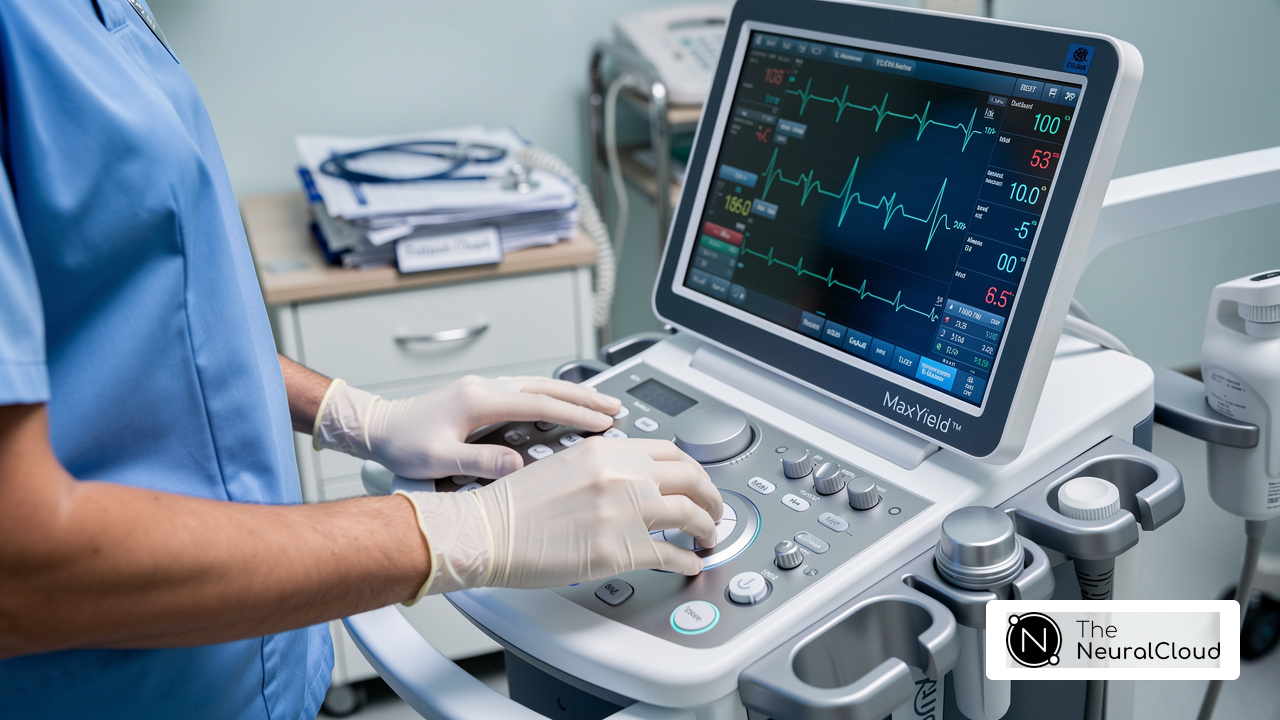
The platform from Neural Cloud Solutions addresses significant challenges in ECG analysis by automating the processing of signals from various devices, such as wearables and Holter monitors. This innovative platform can analyze over 200,000 heartbeats in under five minutes, offering valuable insights. Key features, including the labeling of P-waves and QRS complexes, enhance the clarity of the data. By improving the efficiency of ECG interpretation, MaxYield™ not only accelerates the process but also elevates the quality of ECG data.
Clinicians benefit significantly from the insights provided by the platform. The rapid analysis allows for timely interventions, empowering clinicians to act with confidence based on accurate data. This capability is particularly crucial in high-pressure environments where every second counts. Furthermore, the platform helps in identifying subtle abnormalities that might be overlooked in traditional methods, ultimately leading to better patient outcomes.
In summary, MaxYield™ transforms ECG analysis by combining speed and precision, making it an invaluable tool for healthcare providers. The platform's ability to handle large volumes of data efficiently ensures that clinicians can focus on what matters most: delivering quality care to their patients.
Understanding Sinus Rhythm: Definition and Importance
Sinus rhythm denotes the typical heartbeat rhythm originating from the sinoatrial node, the body's natural pacemaker. It is characterized by a consistent heart rate and regular intervals between beats. Maintaining a healthy sinus rhythm is crucial for optimal cardiac function, as it ensures efficient blood flow and oxygen delivery throughout the body. Interruptions in this pattern can result in different cardiac problems, making it essential for technology creators to prioritize its tracking in their solutions.
MaxYield™ addresses the challenges in ECG analysis with advanced features. This platform enhances the efficiency of signal processing by leveraging machine learning. It transforms lengthy and noisy recordings into clean, crisp signals while salvaging previously obscured sections of recordings. These features ensure that healthcare providers can access clearer data for better decision-making.
The advantages of using MaxYield™ extend beyond just improved signal clarity. The platform features an evolving algorithm that enhances accuracy and efficiency over time. This allows for precise monitoring of cardiac rhythms while effectively addressing challenges such as physiological variability and noise. As a result, medical technology creators can rely on MaxYield™ for more precise and automated labeling of ECG data.
Incorporating MaxYield™ into their solutions ultimately enhances patient outcomes. By ensuring accurate tracking of heart rhythms, healthcare providers can make informed decisions that lead to better patient care. The platform not only improves signal quality but also supports the overall goal of advancing cardiac health monitoring.
Short PR Interval: Implications for Cardiac Health
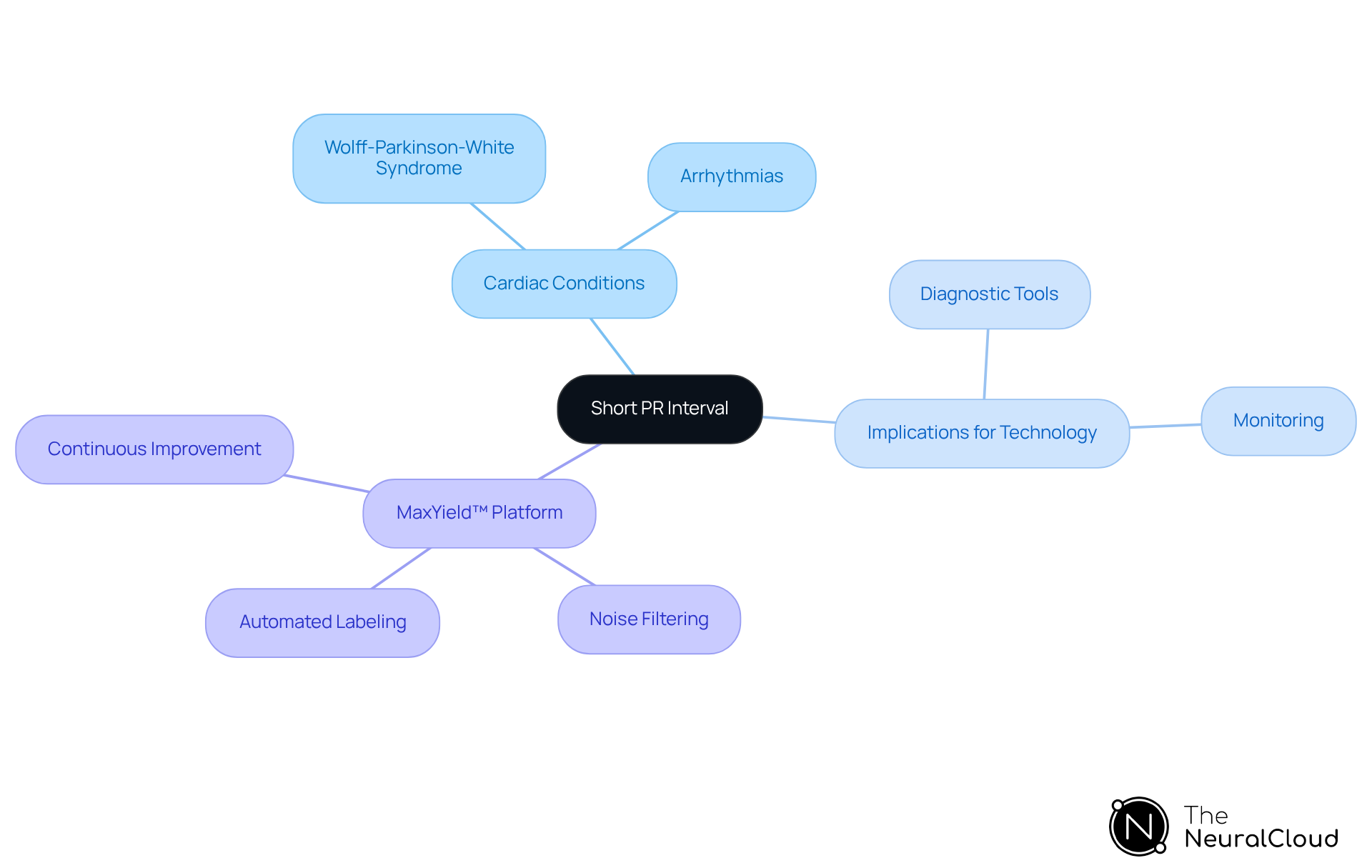
A sinus rhythm with a short PR interval, defined as less than 120 milliseconds, can signal various cardiac conditions, including pre-excitation syndromes such as Wolff-Parkinson-White syndrome. This abnormality may result in rapid heart rates and an increased risk of arrhythmias. Understanding the implications of a short PR interval is essential for technology creators, as it informs the development of tools that effectively identify and monitor these conditions.
MaxYield™ by Neural Cloud Solutions enhances ECG analysis efficiency through advanced algorithms and machine learning. This platform addresses common challenges in ECG interpretation, including physiological variability and signal artifacts. Moreover, MaxYield™ evolves with each use, continuously improving its accuracy and efficiency.
The benefits of utilizing MaxYield™ are significant for healthcare professionals. By salvaging previously obscured sections of lengthy recordings, this technology leads to more accurate and reliable diagnostics. Ultimately, MaxYield™ empowers practitioners with the tools necessary to provide better patient care through improved diagnostic capabilities.
Causes of Sinus Arrhythmia: What You Should Know
can arise from various factors, such as:
- Respiratory variations
- Increased vagal tone
While it is often harmless, particularly in younger individuals, it may indicate a serious condition in older adults. This information allows technology developers to create solutions for effectively monitoring cardiac health.
Symptoms of Sinus Rhythm Abnormalities: Recognizing the Signs
Symptoms of sinus rhythm abnormalities with short PR may include palpitations, dizziness, shortness of breath, and fatigue. In certain instances, individuals may experience chest pain or fainting. Recognizing these symptoms is essential for early intervention, as it can guide the development of health tech solutions that alert users to potential issues, facilitating timely care.
One significant challenge in cardiac monitoring is the lengthy and noisy recordings that healthcare professionals must interpret. Neural Cloud Solutions' technology addresses this issue by transforming these recordings into clean, crisp signals. This advanced AI technology automates the labeling process, which enhances efficiency in data analysis. Additionally, it tackles challenges such as physiological variability and signal artifacts, allowing healthcare professionals to focus on critical decision-making and patient care.
The benefits of the technology are substantial. By streamlining data interpretation, health tech solutions can improve accuracy and reduce the time spent on data interpretation. This not only enhances patient outcomes but also increases efficiency, ensuring that professionals can devote more time to patient interactions and care.
Diagnosis of Sinus Rhythm and Short PR Interval: Key Methods
The diagnosis of sinus rhythm and short PR interval typically requires an electrocardiogram (ECG) to assess the heart's electrical activity. This process presents several challenges, including noise and artifacts that can obscure results. With the integration of Neural Cloud Solutions' technology, health tech creators can significantly improve diagnostic processes. This platform features advanced noise filtering and distinct wave recognition capabilities, allowing for the rapid isolation of relevant signals from recordings that may contain substantial noise, such as baseline wander and muscle interference.
In addition to its noise reduction capabilities, MaxYield™ seamlessly incorporates techniques like stress testing for continuous evaluation to assess cardiac function under exertion. These features collectively enhance the precision and dependability of ECG analysis. By adopting MaxYield™, developers can effectively tackle common challenges in cardiac diagnostics, such as physiological variability and signal artifacts. This ultimately leads to more accurate diagnostics, benefiting healthcare professionals in their practice.
The advantages of utilizing the MaxYield™ platform extend beyond mere efficiency; they encompass improved diagnostic accuracy and reliability. With its ability to filter out extraneous noise and artifacts, healthcare professionals can trust that their ECG readings reflect true cardiac activity. This trust is crucial for making informed clinical decisions, ultimately improving patient outcomes in cardiovascular care.

Treatment Options for Sinus Arrhythmia: What Are Your Choices?
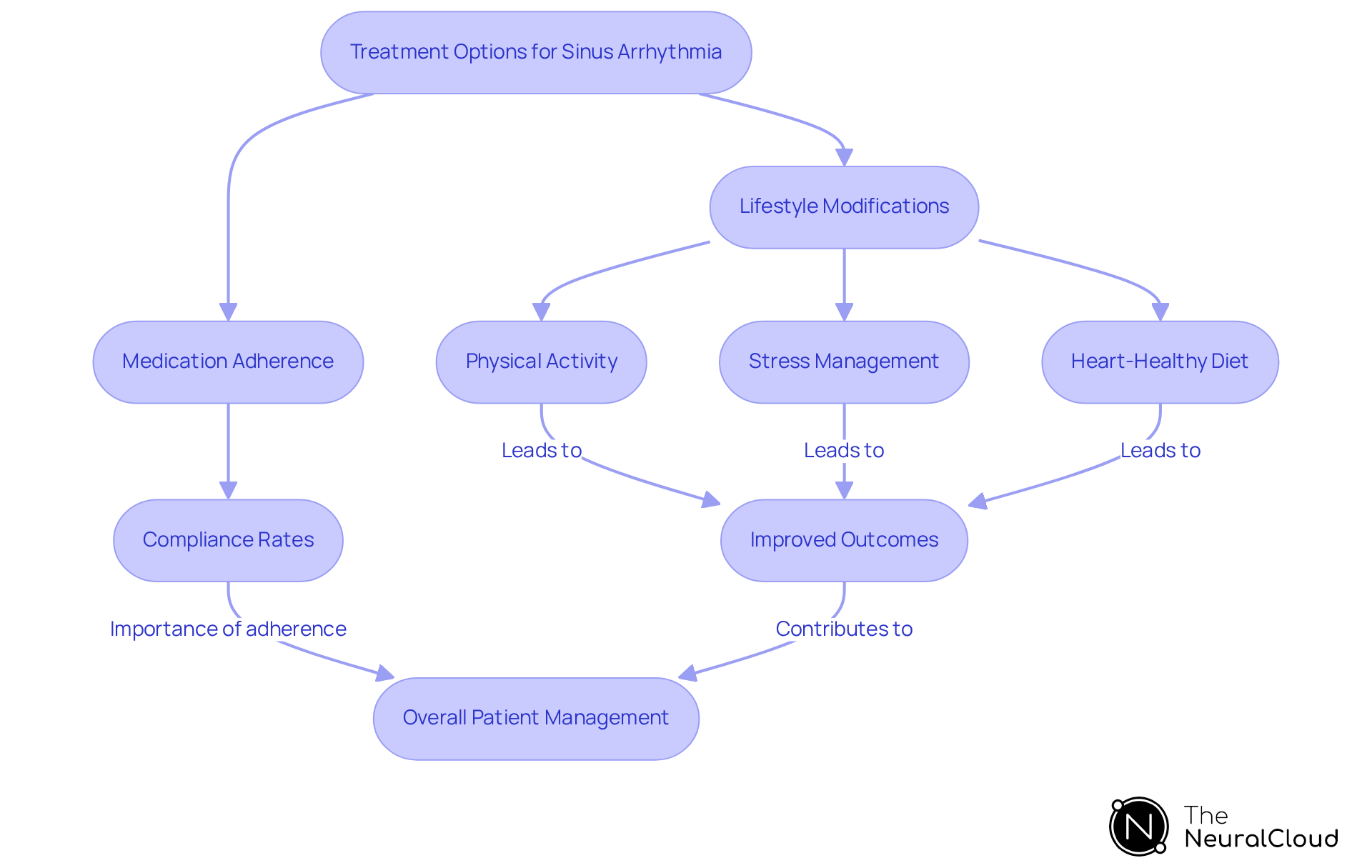
Managing sinus arrhythmia effectively often involves a combination of treatments. Recent studies suggest that heightened physical activity and stress management techniques can significantly enhance overall health. Individuals who participate in regular exercise report improved physical and mental well-being. Moreover, following prescribed medications is essential; however, current levels of adherence with sinus arrhythmia remain a concern, with many not adhering to their treatment plans consistently. Adherence rates can be as low as 50% among individuals, highlighting the necessity for better support systems.
Healthcare professionals emphasize the importance of lifestyle changes, noting that simple adjustments can lead to substantial improvements in patient outcomes. Cardiologist Christer Ahlström stated, 'Incorporating lifestyle modifications can transform the management of arrhythmias, leading to improved cardiovascular condition and diminished symptoms.'
Real-world examples further illustrate the positive impact of these modifications. Patients who adopted a heart-healthy diet and regular exercise routines have reported fewer episodes of arrhythmia and improved quality of life. A case study involving six participants showed that those who engaged in regular monitoring recorded over 300 measurements related to well-being, indicating significant improvements.
Wellness technology creators possess a distinctive chance to improve care by designing tools that aid in monitoring and tracking health metrics. These tools can offer immediate feedback and motivation to individuals on their path to improved health.
Complications of Sinus Rhythm Abnormalities: What to Watch For
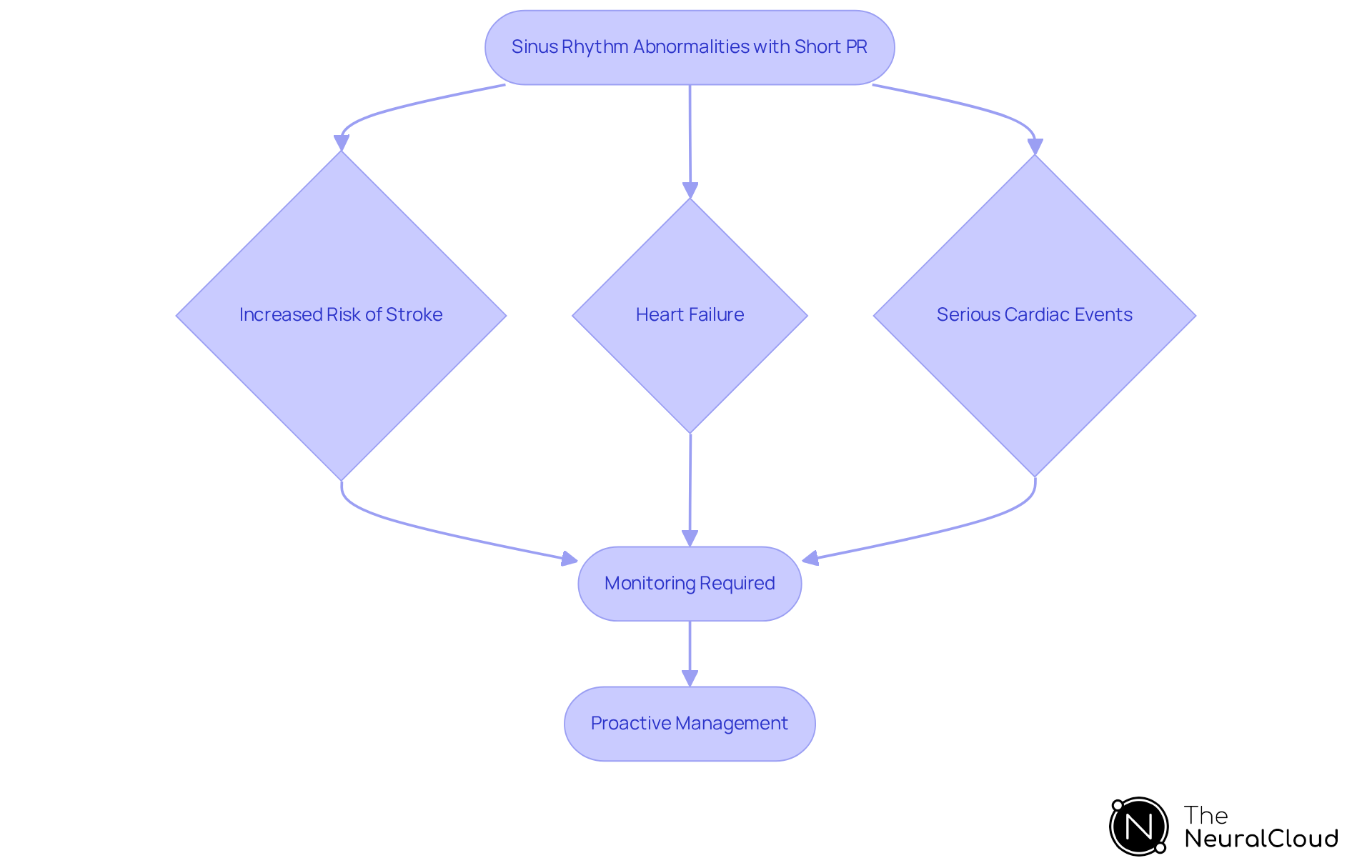
Complications arising from abnormalities in sinus rhythm with short PR can lead to an increased risk of stroke, heart failure, and other serious cardiac events. Therefore, timely intervention is essential. Medical technology developers should prioritize features in their solutions that address potential risks. This approach facilitates better patient outcomes, ultimately improving health management.
Preventive Measures for Maintaining Healthy Sinus Rhythm
Sustaining a healthy sinus rhythm is vital for overall health, and various preventive measures can greatly aid in achieving this objective. Regular cardiovascular exercise is crucial; research shows that participating in consistent physical activity can improve cardiovascular function and lower the risk of arrhythmias. A balanced diet abundant in fruits, vegetables, whole grains, and lean proteins promotes overall cardiovascular health. Additionally, stress management methods, such as mindfulness and relaxation exercises, can lessen the negative impacts of stress on heart health.
Moreover, avoiding excessive alcohol and caffeine intake is vital, as these substances can disrupt heart rhythms. Health tech developers have a unique opportunity to enhance patient outcomes by creating innovative tools that promote these preventive behaviors. For example, applications that offer customized reminders for routine check-ups and health assessments can enable individuals to take control of their cardiovascular well-being.
Current trends in patient engagement emphasize the importance of technology in facilitating lifestyle changes. Studies indicate that incorporating wellness monitoring systems can result in better compliance with exercise and dietary guidelines. For instance, a case study on a Health-IoT system exhibited a sensitivity of 90% and specificity of 97% in monitoring vital signs, highlighting the potential of technology in fostering proactive wellness management.
Healthcare experts consistently promote lifestyle changes to enhance cardiovascular well-being, which can help maintain a healthy sinus rhythm. Their insights underline the significance of adopting a holistic approach that combines diet, exercise, and stress management to maintain a healthy heart. By utilizing technology, medical technology creators can play a crucial role in promoting these lifestyle changes, ultimately leading to improved cardiovascular results.
To further improve health outcomes, developers should consider implementing features that allow individuals to set and receive customized feedback based on their progress.
Continuous Monitoring: The Role of Advanced Technology in Cardiac Health
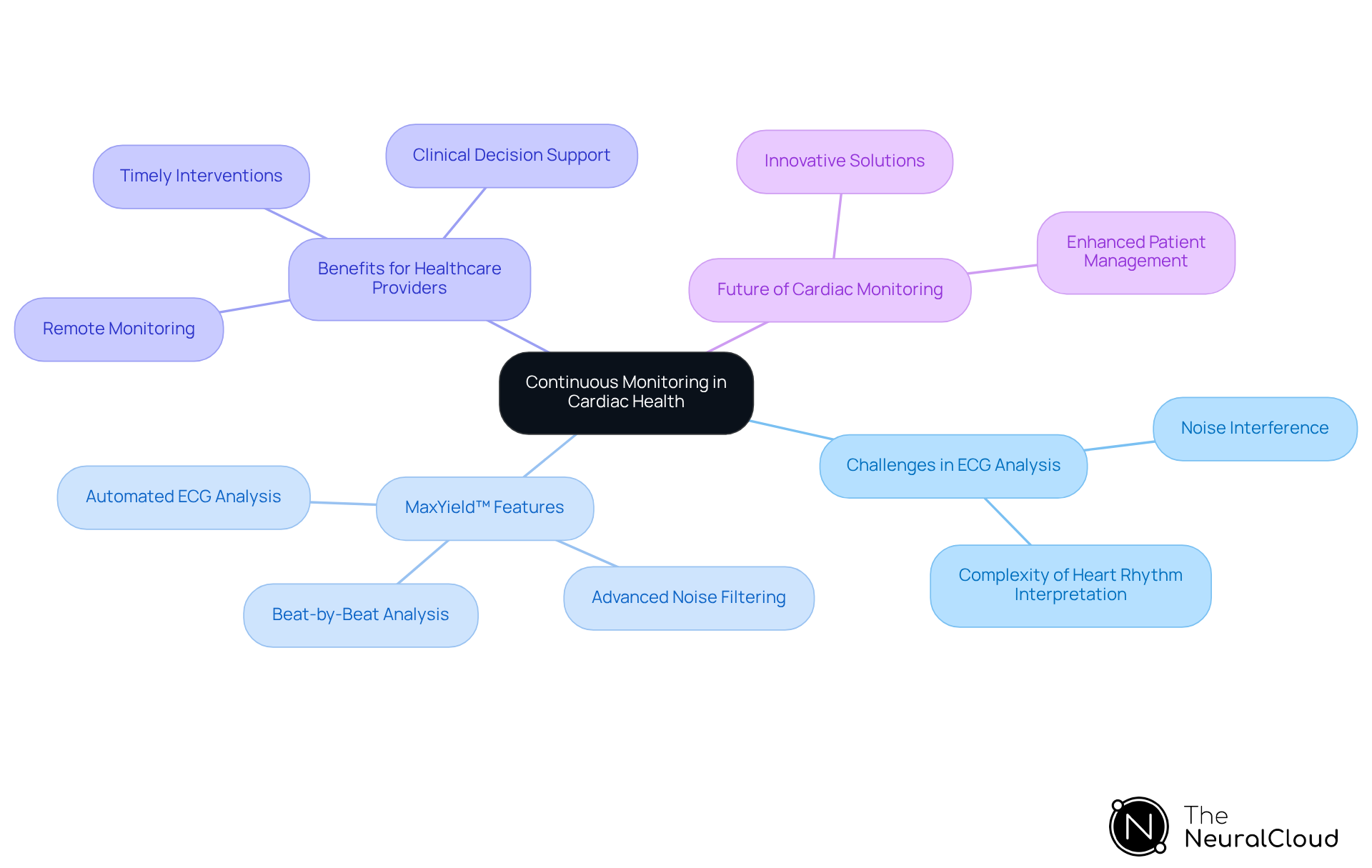
The challenges in ECG analysis often stem from noise interference and the complexity of interpreting heart rhythms. Advanced technology addresses these issues through innovative solutions, enabling detection of abnormalities. Neural Cloud Solutions exemplifies this innovation, utilizing advanced noise filtering and algorithms to convert noisy recordings into detailed insights.
MaxYield™ effectively isolates and labels key features in each heartbeat, empowering healthcare providers to monitor patients remotely. This capability ensures timely interventions, significantly improving patient outcomes. By integrating features such as beat-by-beat analysis and streamlined workflows, health tech developers can enhance efficiency.
Incorporating these continuous monitoring features not only improves ECG analysis but also provides direct benefits for healthcare professionals. The platform’s ability to deliver precise insights allows for informed decision-making, ultimately leading to enhanced patient management. As the healthcare landscape evolves, focusing on such innovative solutions will be crucial in advancing cardiac health monitoring.
Conclusion
MaxYield™ from Neural Cloud Solutions signifies a notable advancement in ECG analysis, especially in the monitoring of sinus rhythm with short PR intervals. This innovative platform enhances both the speed and precision of ECG interpretations, empowering healthcare professionals to make informed decisions that significantly affect patient care. Maintaining a healthy sinus rhythm is crucial, as it ensures optimal cardiac function and helps prevent serious complications associated with abnormalities.
The article highlights key points regarding the importance of accurate ECG analysis in detecting and managing conditions related to sinus rhythm and short PR intervals. MaxYield™ features advanced noise filtering capabilities, automated labeling, and continuous monitoring, specifically designed to tackle the complexities and challenges faced by healthcare providers. By facilitating timely interventions and improving diagnostic accuracy, MaxYield™ enhances the overall quality of cardiac care and patient outcomes.
Integrating advanced technology like MaxYield™ into health tech solutions is essential for the future of cardiac health monitoring. As healthcare evolves, prioritizing the development of tools that support the tracking and management of sinus rhythm becomes vital. By promoting a proactive approach to cardiovascular health, technology developers can significantly enhance patient outcomes and improve the quality of life for individuals at risk of cardiac issues.
Frequently Asked Questions
What is the MaxYield™ platform and what does it do?
The MaxYield™ platform from Neural Cloud Solutions automates the processing of ECG signals from devices like wearables and Holter monitors, enabling the analysis of over 200,000 heartbeats in under five minutes with detailed beat-by-beat analysis.
How does MaxYield™ enhance the quality of ECG data?
MaxYield™ improves ECG data quality by labeling key features such as P-waves and QRS complexes, utilizing advanced noise filtering and wave recognition technology to transform noisy recordings into clear signals.
What are the benefits of using MaxYield™ for healthcare professionals?
Healthcare professionals benefit from the rapid analysis provided by MaxYield™, which allows for timely decision-making and helps identify subtle abnormalities that may be overlooked in traditional methods, ultimately leading to better patient outcomes.
What is sinus rhythm and why is it important?
Sinus rhythm is the typical heartbeat rhythm originating from the sinoatrial node, characterized by a consistent heart rate and regular intervals. Maintaining sinus rhythm with short PR is crucial for optimal cardiac function, ensuring efficient blood flow and oxygen delivery.
What does a short PR interval indicate in cardiac health?
A short PR interval, defined as less than 120 milliseconds, can signal various cardiac conditions, including pre-excitation syndromes like Wolff-Parkinson-White syndrome, which may lead to rapid heart rates and increased risk of arrhythmias.
How does MaxYield™ address challenges in ECG analysis?
MaxYield™ addresses challenges such as physiological variability and signal artifacts by enhancing signal clarity and continuously evolving its algorithms to improve accuracy and efficiency over time.
What impact does MaxYield™ have on patient care?
By ensuring accurate tracking of sinus rhythm with short PR, MaxYield™ empowers healthcare professionals to make informed decisions, ultimately enhancing patient outcomes and advancing cardiac health monitoring.
List of Sources
- Treatment Options for Sinus Arrhythmia: What Are Your Choices?
- (PDF) Artificial Intelligence, Machine Learning and Reasoning in Health Informatics—Case Studies (https://researchgate.net/publication/346113079_Artificial_Intelligence_Machine_Learning_and_Reasoning_in_Health_Informatics-Case_Studies)
- Preventive Measures for Maintaining Healthy Sinus Rhythm
- (PDF) Artificial Intelligence, Machine Learning and Reasoning in Health Informatics—Case Studies (https://researchgate.net/publication/346113079_Artificial_Intelligence_Machine_Learning_and_Reasoning_in_Health_Informatics-Case_Studies)