Introduction
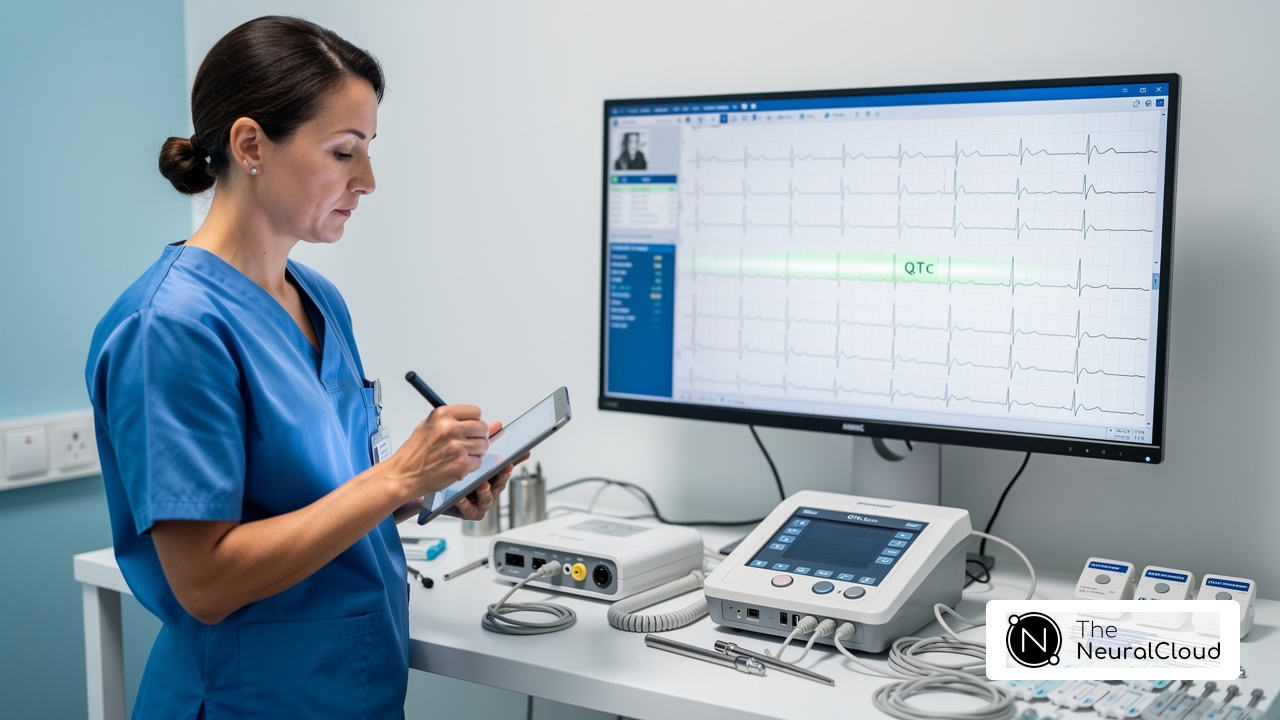
Electrocardiography (ECG) is a fundamental aspect of cardiac diagnostics, offering crucial insights into heart health through the analysis of electrical activity. Understanding the setup and interpretation of anterior leads ECG is vital for healthcare professionals, as it can greatly impact clinical decisions and patient outcomes. The complexity of electrode placement and the risk of artifacts raise important questions:
- How can clinicians guarantee accurate readings that truly reflect cardiac conditions?
This article explores the intricacies of anterior leads ECG, presenting practical techniques and insights designed to empower practitioners in enhancing their diagnostic capabilities.
Explore the Basics of Electrocardiography and Its Clinical Importance
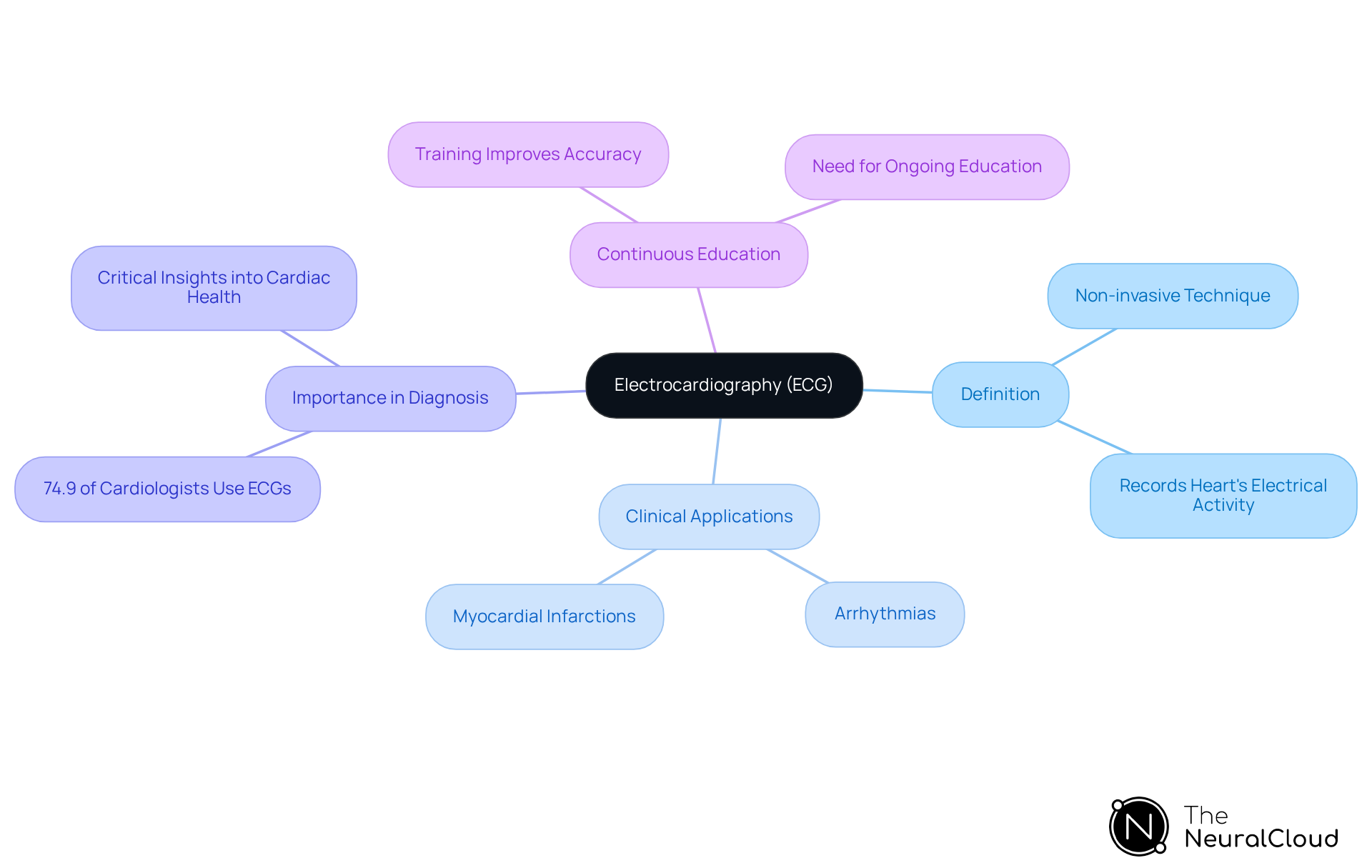
Electrocardiography (ECG) is a non-invasive technique that records the heart's electrical activity over time by placing electrodes on the skin to detect voltage changes from cardiac impulses. The resulting ECG tracing is essential for providing heart rate, rhythm, and overall cardiac health. Clinically, ECGs play a pivotal role in diagnosing various conditions, including arrhythmias and myocardial infarctions. Studies indicate that approximately 74.9% of cardiologists utilize ECGs for patient assessment, highlighting their significance in modern medical practice.
Understanding the basics of ECG interpretation is crucial for healthcare professionals, as it empowers them to make informed decisions based on the data presented in ECG readings. This knowledge is especially important when analyzing anterior leads, which are key in evaluating the front wall of the heart and recognizing possible ischemic occurrences. Insights from ECG readings can reveal significant abnormalities, guiding treatment decisions.
As noted by leading cardiologists, the ability to accurately interpret ECGs is not just a skill but a necessity in modern cardiac care. This underscores the importance of education and training in this area, ensuring that healthcare professionals remain adept at utilizing ECGs effectively.
Understand Anterior Leads: Anatomy and Clinical Relevance
Frontal electrodes, particularly V3 and V4, are strategically positioned on the chest to monitor the electrical activity of the left ventricle's front wall through the cardiac cycle. These indicators are crucial for identifying acute myocardial infarction (AMI), which results from obstructed blood flow, typically due to a blockage in the left descending artery. The precise positioning of these electrodes is essential; incorrect placement can lead to significant misinterpretation of the ECG, potentially resulting in erroneous clinical decisions.
Research indicates that in up to 50% of cases, V1 and V2 electrodes may be positioned too high, mimicking a front myocardial infarction and causing T wave inversion. This underscores the necessity for clinicians to adhere to current guidelines, which specify that V3 should be positioned midway between V2 and V4, while V4 is placed at the 5th intercostal space along the midclavicular line.
The anterior leads provide a clear view of the heart's front wall, making them essential in both emergency and routine cardiac evaluations. The integration of technology enhances the accuracy of ECG readings through advanced noise filtering and signal processing. These features address common artifacts, improving the reliability of the analysis.
Cardiologists emphasize that proper placement of these electrodes is vital for prompt diagnosis and intervention in AMI cases. This reinforces the importance of correct positioning in achieving precise ECG readings, ultimately benefiting healthcare professionals in their clinical decision-making.

Implement Effective Techniques for Anterior Leads ECG Setup and Interpretation
To efficiently establish front electrodes for an ECG, leveraging the advanced features of Neural Cloud Solutions can significantly enhance the precision and clarity of your readings. The following steps outline the process:
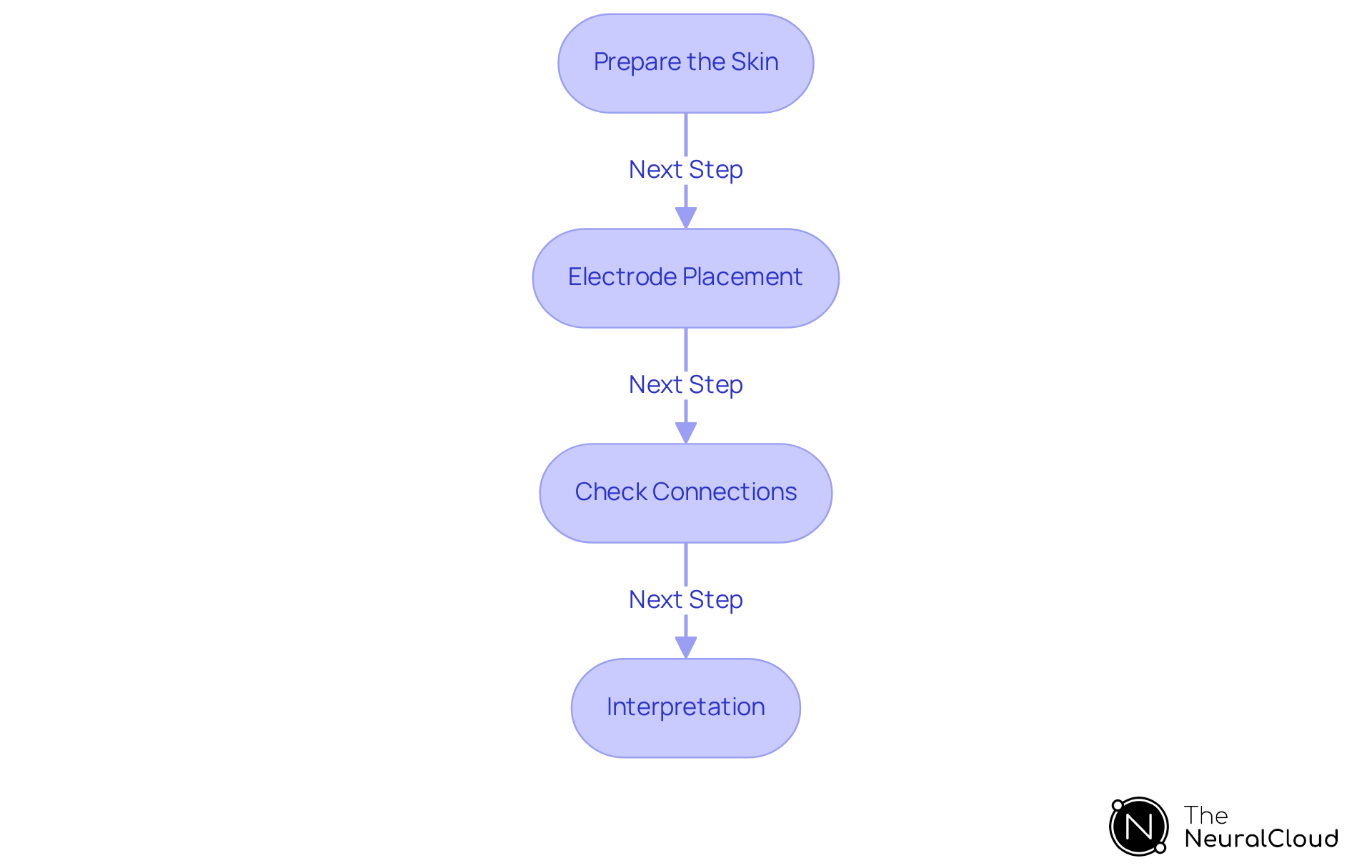
- Prepare the Skin: Begin by cleaning the skin where the electrodes will be placed to ensure optimal contact. Removing any excess hair and applying conductive gel improves conductivity, which is crucial for minimizing artifacts during recording.
- Placement: Position electrode V1 in the fourth intercostal space at the right sternal border, V2 in the fourth intercostal space at the left sternal border, V3 between V2 and V4, V4 in the fifth intercostal space at the midclavicular line, V5 in the anterior axillary line at the same level as V4, and V6 in the midaxillary line at the same level as V4 and V5. Proper placement of electrodes is vital for the accurate recognition and analysis of cardiac waves.
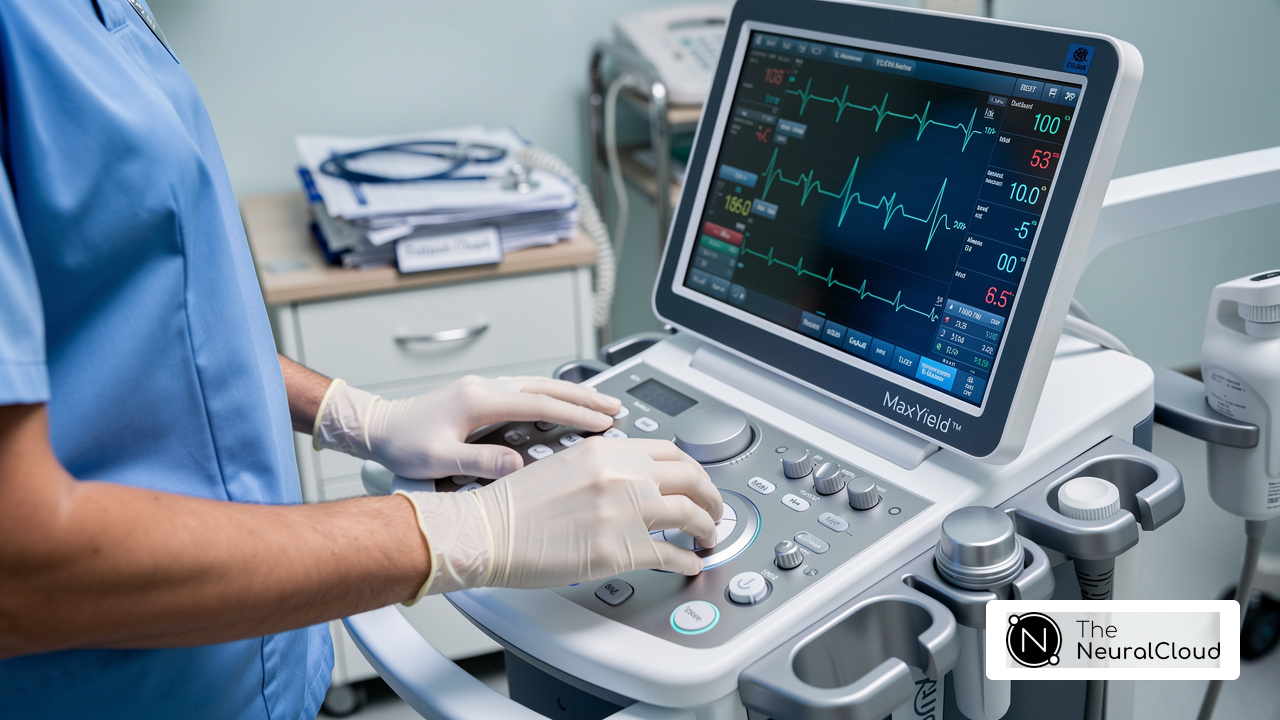
- Check Connections: Ensure that all leads are securely connected to the ECG machine to prevent any distortions. Utilizing MaxYield™ can aid in recognizing and tagging abnormalities, even in recordings with high levels of noise, thereby ensuring that your connections yield the best possible results.
- Interpretation: Analyze the waveforms such as P-waves, QRS complexes, and T-waves. Pay special attention to ST-segment changes in V3 and V4 on the ECG, as these may indicate ischemia or infarction. Understanding the normal ranges for these waveforms is critical for diagnosis. With MaxYield™, the platform's features help overcome traditional limitations, providing clearer insights into physiological variability and enhancing your workflow efficiency.
Identify and Address Common Artifacts in Anterior Leads ECG Analysis
Frequent occurrences in ECG analysis can significantly impact the accuracy of readings, especially in patients with cardiac conditions. Understanding typical artifacts and their implications is crucial for clinicians.
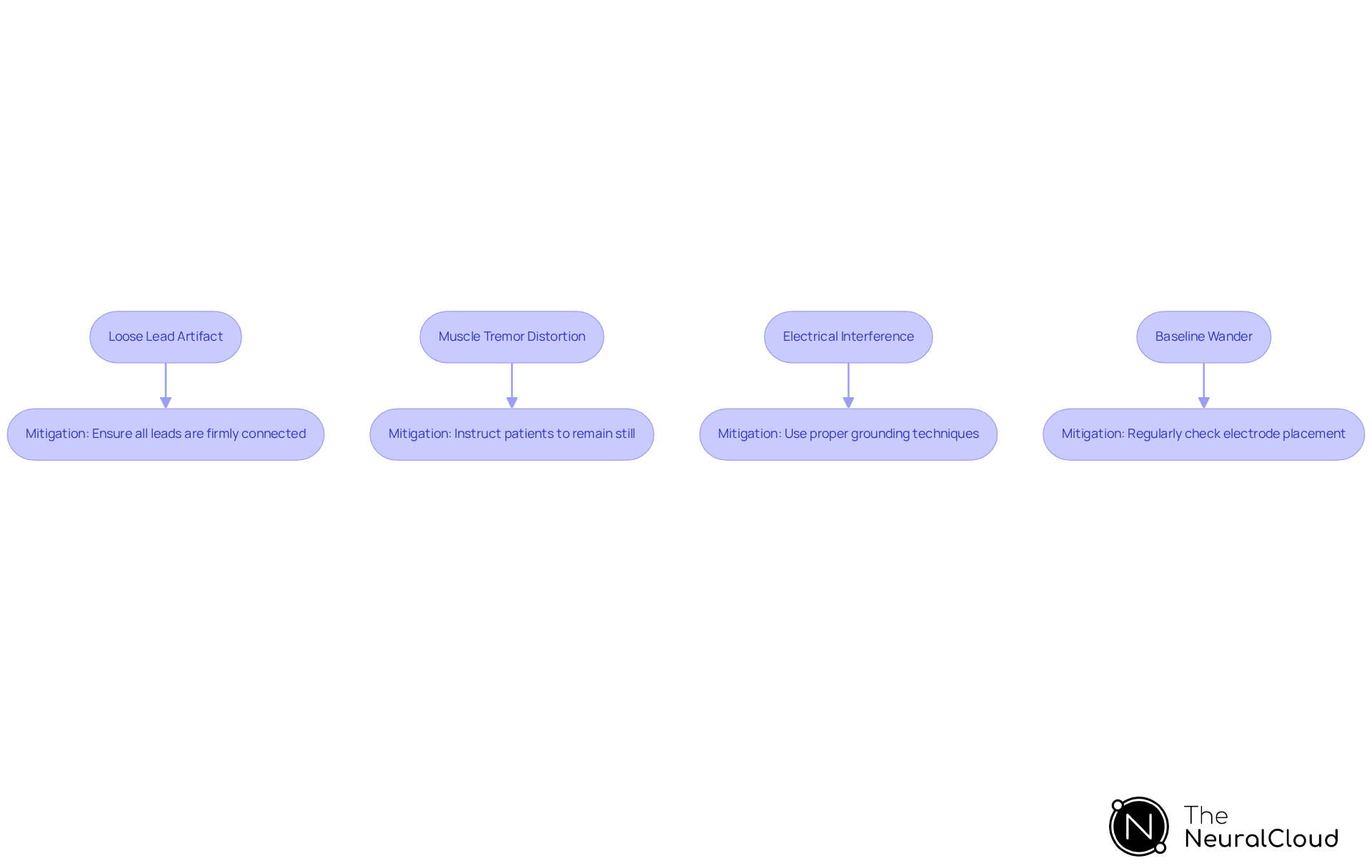
- Loose Lead Artifact: This issue arises when electrodes are not securely attached. To mitigate this problem, ensure that all leads are firmly connected, and routinely check for signs of looseness.
- Muscle Tremor Distortion: Often resulting from patient movement or involuntary muscle contractions, this distortion can obscure true cardiac signals. Instructing patients to remain still during the ECG recording is essential, and employing techniques to enhance patient comfort can further minimize movement.
- Electrical Interference: External electrical sources can introduce noise into the ECG signal. Utilizing proper grounding techniques and positioning the ECG machine away from other electronic devices can help reduce interference.
- Baseline Wander: This issue may occur due to poor electrode contact or patient movement. Regularly checking and ensuring optimal skin preparation are vital steps to minimize this issue. High-pass filters can also be employed to enhance the signal-to-noise ratio, effectively reducing baseline estimation errors by up to 50%.
By identifying and addressing these common issues, clinicians can enhance the reliability of their ECG evaluations, particularly those involving anterior leads, leading to more accurate diagnoses. Cardiologists emphasize the importance of maintaining stable ECG baselines, noting that fluctuations can hinder critical diagnostic insights. Therefore, implementing these strategies is essential for elevating the quality of ECG readings.
The technology from Neural Cloud Solutions further bolsters these efforts by incorporating advanced noise filtering and automated labeling features. This technology ensures clearer and more reliable ECG data, even amidst various interferences.
Conclusion
The mastery of anterior leads ECG is fundamental for healthcare professionals engaged in cardiac care. This article has illuminated the critical aspects of electrocardiography, emphasizing the importance of accurate setup and interpretation of anterior leads to enhance diagnostic capabilities. By understanding the intricacies of electrode placement and the nuances of ECG analysis, clinicians can significantly improve patient outcomes and ensure timely interventions for conditions such as acute myocardial infarction.
Challenges in ECG analysis often arise from improper electrode placement and the presence of artifacts that can distort readings. The MaxYield™ platform by Neural Cloud Solutions addresses these challenges by offering advanced features that enhance ECG interpretation. It provides noise filtering to minimize interference and automated data tagging, which streamlines the analysis process. These features empower clinicians to focus on critical diagnostic tasks, ultimately leading to better patient care.
Key insights discussed include:
- The anatomical relevance of frontal electrodes
- The impact of proper electrode placement on diagnosis
- Effective techniques for minimizing common artifacts
By integrating the MaxYield™ platform into their practice, healthcare professionals can leverage these advancements to ensure accurate ECG readings. This not only improves diagnostic capabilities but also enhances the overall effectiveness of cardiac diagnostics.
Ultimately, the significance of proficiently interpreting anterior leads ECG cannot be overstated. As the landscape of cardiac care evolves, continuous education and adherence to best practices are essential. Healthcare professionals are encouraged to embrace ongoing training and utilize advanced technologies like the MaxYield™ platform to refine their skills in ECG interpretation. By doing so, they can contribute to better health outcomes and enhance the overall effectiveness of cardiac diagnostics.
Frequently Asked Questions
What is electrocardiography (ECG)?
Electrocardiography (ECG) is a non-invasive technique that records the heart's electrical activity over time by placing electrodes on the skin to detect voltage changes from cardiac impulses.
What information can be obtained from an ECG tracing?
An ECG tracing provides critical insights into heart rhythm, rate, and overall cardiac health.
Why are ECGs clinically important?
ECGs are important for diagnosing various conditions, including arrhythmias and myocardial infarctions, and approximately 74.9% of cardiologists utilize them for accurate diagnosis.
What is the significance of understanding ECG fundamentals for healthcare professionals?
Understanding ECG fundamentals empowers healthcare professionals to make informed decisions based on the data presented in ECG readings, which is crucial for patient care.
What are anterior leads in ECG, and why are they important?
Anterior leads in ECG are key in evaluating the front wall of the heart and recognizing possible ischemic occurrences.
How can insights from ECG readings impact patient outcomes?
Insights from ECG readings can reveal significant abnormalities, guiding timely interventions that can improve patient outcomes.
Why is continuous education and training in ECG interpretation important for healthcare professionals?
Continuous education and training are important to ensure that healthcare professionals remain adept at accurately interpreting ECGs, which is a necessity in modern cardiac care.
List of Sources
- Explore the Basics of Electrocardiography and Its Clinical Importance
- New study suggests ECG-AI can detect cardiovascular disease risks sooner - Mayo Clinic News Network (https://newsnetwork.mayoclinic.org/discussion/new-study-suggests-ecg-ai-can-detect-cardiovascular-disease-risks-sooner)
- theknowhow.ae (https://theknowhow.ae/memorable-cardiology-quotes)
- reuters.com (https://reuters.com/business/healthcare-pharmaceuticals/health-rounds-ai-expands-usefulness-common-heart-test-2025-07-18)
- Checking your browser - reCAPTCHA (https://pmc.ncbi.nlm.nih.gov/articles/PMC7522782)
- AI-powered ECG model outperforms doctors in detecting hidden heart disease (https://news-medical.net/news/20250721/AI-powered-ECG-model-outperforms-doctors-in-detecting-hidden-heart-disease.aspx)
- Understand Anterior Leads: Anatomy and Clinical Relevance
- Anterior Myocardial Infarction (https://litfl.com/anterior-myocardial-infarction-ecg-library)
- vitalipartners.com (https://vitalipartners.com/12-lead-ecg-placement)
- ECG Lead positioning (https://litfl.com/ecg-lead-positioning)
- thelancet.com (https://thelancet.com/journals/lanpub/article/PIIS2468-2667(22)00006-8/fulltext)
- pmc.ncbi.nlm.nih.gov (https://pmc.ncbi.nlm.nih.gov/articles/PMC10122825)
- Implement Effective Techniques for Anterior Leads ECG Setup and Interpretation
- ECG Electrode Placement: Risks, Tech, and Growing Demand in 2025- (https://intcomedical.com/news/info/What-You-Need-to-Know-About-ECG-Electrode-Placement-in-2025.html)
- ECG Lead positioning (https://litfl.com/ecg-lead-positioning)
- gehealthcare.com (https://gehealthcare.com/insights/article/ecg-lead-misplacement-looking-at-common-issues)
- Electrocardiogram - StatPearls - NCBI Bookshelf (https://ncbi.nlm.nih.gov/books/NBK549803)
- Machine learning for ECG diagnosis and risk stratification of occlusion myocardial infarction - Nature Medicine (https://nature.com/articles/s41591-023-02396-3)
- Identify and Address Common Artifacts in Anterior Leads ECG Analysis
- Guide to Understanding ECG Artifact | ACLS Training Blog (https://aclsmedicaltraining.com/blog/guide-to-understanding-ecg-artifact)
- Acute ST-Segment Elevation Myocardial Infarction (STEMI) - StatPearls - NCBI Bookshelf (https://ncbi.nlm.nih.gov/books/NBK532281)
- researchgate.net (https://researchgate.net/publication/241208538_ECG_Statistics_Noise_Artifacts_and_Missing_Data)
- theneuralcloud.com (https://theneuralcloud.com/post/10-key-artefact-ecg-issues-and-their-solutions)