Introduction
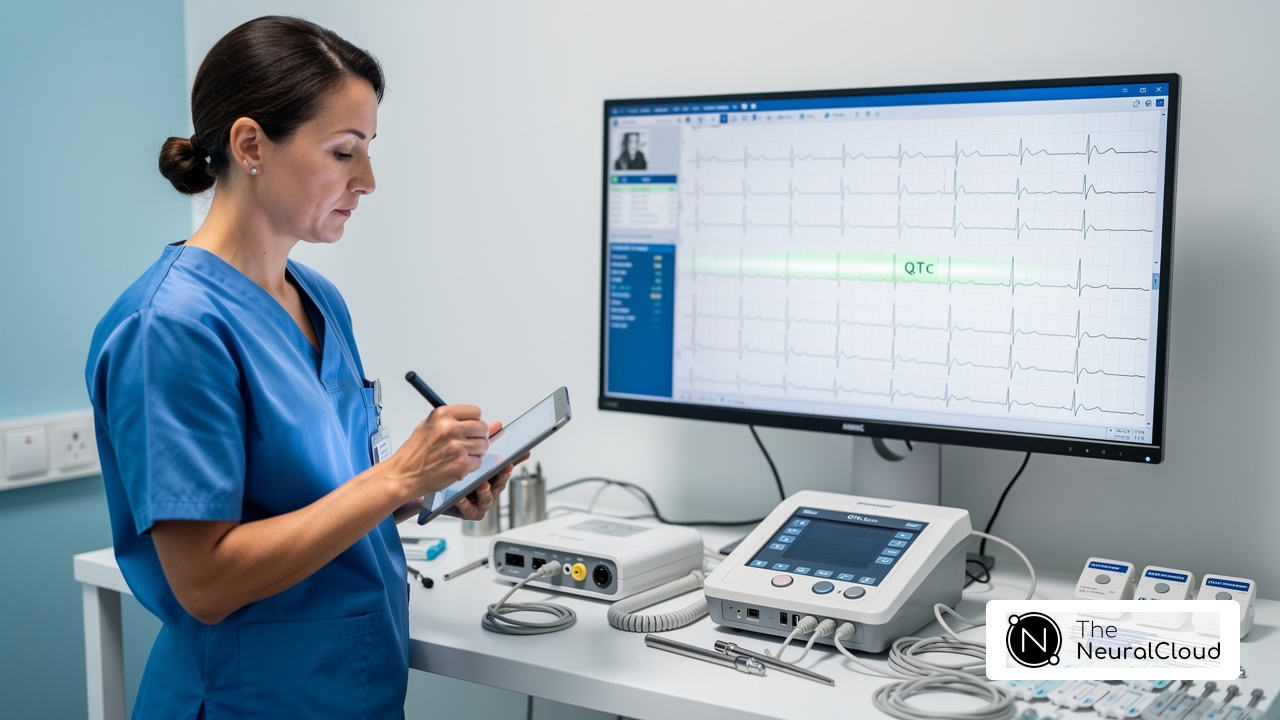
Identifying abnormalities in EKG analysis is essential, especially as misinterpretations can lead to serious cardiovascular complications. Left ventricular hypertrophy (LVH) is a significant predictor of adverse cardiac events, making accurate analysis crucial.
Let’s explore key insights and best practices for mastering hypertrophy EKG analysis. This knowledge offers clinicians and researchers valuable tools to enhance diagnostic accuracy and improve patient outcomes.
With a significant portion of EKGs misinterpreted, clinicians face challenges in accurate diagnosis, which can lead to serious cardiovascular complications.
How can healthcare professionals ensure they are accurately assessing hypertrophy and mitigating associated risks?
Define Hypertrophy and Its Importance in EKG Analysis
Identifying abnormalities in ECG analysis is critical for preventing serious cardiovascular complications. Hypertrophy EKG refers to the abnormal thickening of the heart muscle, particularly the left ventricle, often due to increased workload or pressure. In hypertrophy EKG analysis, recognizing enlargement is essential, as it can indicate underlying conditions such as hypertension or valvular heart disease.
Recognizing muscle enlargement is vital because it is closely linked to increased cardiovascular risks, such as:
- Heart failure
- Arrhythmias
- Hypertrophy EKG
Recent studies show that left ventricular hypertrophy (LVH), which can be assessed through hypertrophy EKG, is a significant predictor of adverse cardiac events, affecting nearly 1 in 5 individuals in Canada. Furthermore, research highlights that regression of hypertrophy EKG in hypertensive patients correlates with a decrease in cardiovascular disease occurrences, underscoring the importance of early detection and management.
Understanding how muscle growth affects cardiovascular health is key to improving patient outcomes and guiding effective treatments. Canadian cardiologists stress that the ECG, particularly the hypertrophy EKG, remains a valuable tool for assessing cardiovascular risk, despite the challenges posed by advanced imaging techniques. This knowledge of muscle growth's impact on cardiovascular well-being is crucial for enhancing individual outcomes and directing effective treatment approaches.

Explore Diagnostic Criteria for Left Ventricular Hypertrophy (LVH)
Accurate diagnosis of left ventricular hypertrophy EKG can be challenging without the right criteria. The diagnosis primarily relies on specific voltage criteria, with the Sokolow-Lyon criteria being among the most commonly utilized. This method assesses the depth of the S wave in lead V1 and the height of the R wave in lead V5, providing a clear framework for diagnosis. For men, a combined measurement exceeding 35 mm indicates potential LVH, while for women, the threshold is set at 28 mm.
Another valuable diagnostic tool is the Cornell criteria, which evaluate the amplitude of the R wave in lead aVL in conjunction with the S wave in lead V3. Understanding and applying these criteria is essential for accurately diagnosing and effectively managing patients suspected of having LVH, particularly in relation to hypertrophy EKG. Recent Canadian studies have underscored the importance of the Sokolow-Lyon criteria, demonstrating their effectiveness in enhancing diagnostic accuracy and patient outcomes in cardiovascular care. By employing these criteria, healthcare professionals can enhance diagnostic accuracy and ultimately improve patient care in cardiovascular health.

Identify Causes and Risk Factors for Left Ventricular Hypertrophy
Left ventricular hypertrophy (LVH), which can be assessed through hypertrophy EKG, poses significant challenges in cardiovascular health, primarily driven by hypertension. When blood pressure remains high over time, the heart has to work harder, resulting in thicker muscle walls that can be identified through a hypertrophy EKG. Other significant contributors include aortic stenosis, which increases the pressure load on the left ventricle, and hypertrophic cardiomyopathy, a genetic condition that causes abnormal muscle growth in the heart, often assessed through hypertrophy EKG.
Key risk factors for LVH are:
- Obesity
- Diabetes
- Family history of heart disease
Understanding these causes and risk factors is crucial for clinicians. By recognizing individuals at risk, they can implement timely interventions that may prevent serious heart complications.

Apply Best Practices for EKG Analysis and Interpretation
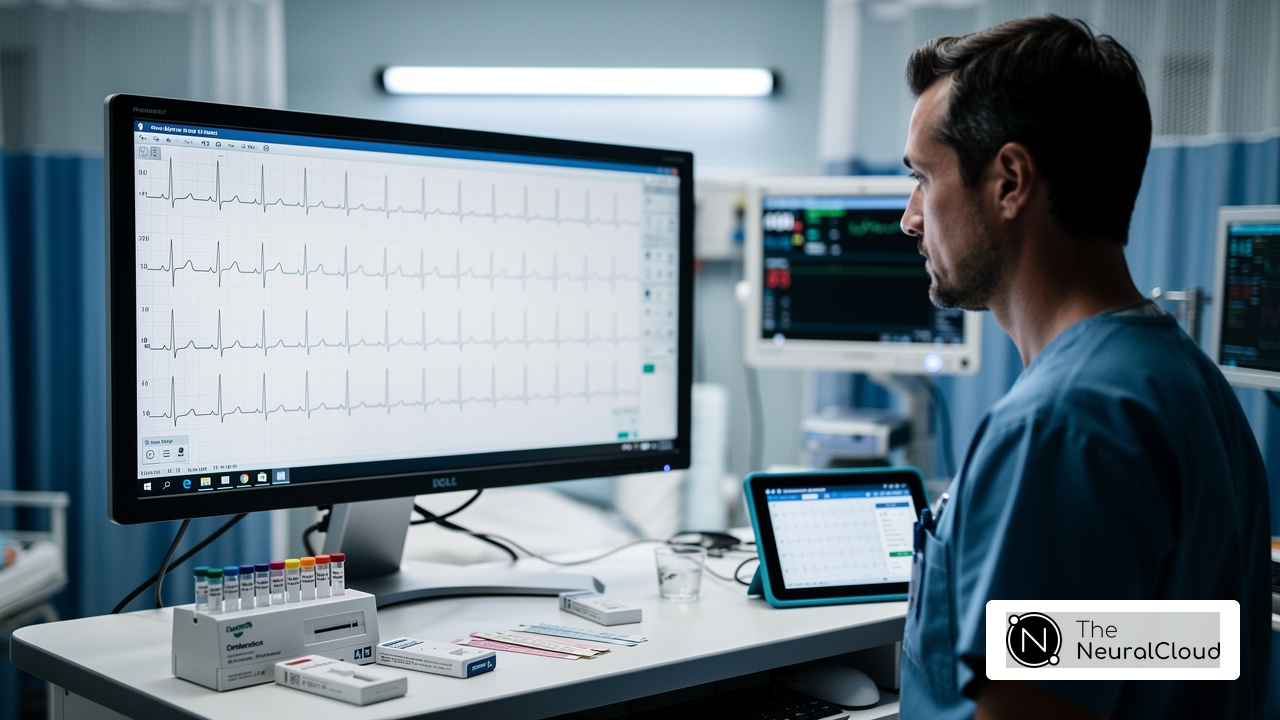
To ensure accurate EKG analysis and interpretation, clinicians must navigate several challenges that can lead to misinterpretation. Here are some best practices to enhance EKG interpretation:
- Systematic Approach: Analyze EKGs systematically by assessing rate, rhythm, axis, and waveforms in a structured manner. This method reduces the risk of overlooking critical abnormalities.
- Quality Control: Misinterpretation of EKGs remains a significant challenge, with studies showing that nearly 39% of ECGs in Canada are misinterpreted due to various factors, underscoring the need for stringent quality control measures. Ensuring optimal quality of the EKG tracing is crucial, as artifacts can significantly lead to misinterpretation.
- Clinical Correlation: Always correlate EKG findings with clinical history and physical examination results. Looking at EKG findings alongside clinical history helps ensure accurate diagnoses and better management of patients.
- Continuous Education: Stay updated with the latest guidelines and research on EKG interpretation, as the field is constantly evolving. Mastering EKG fundamentals is crucial for making informed treatment decisions.
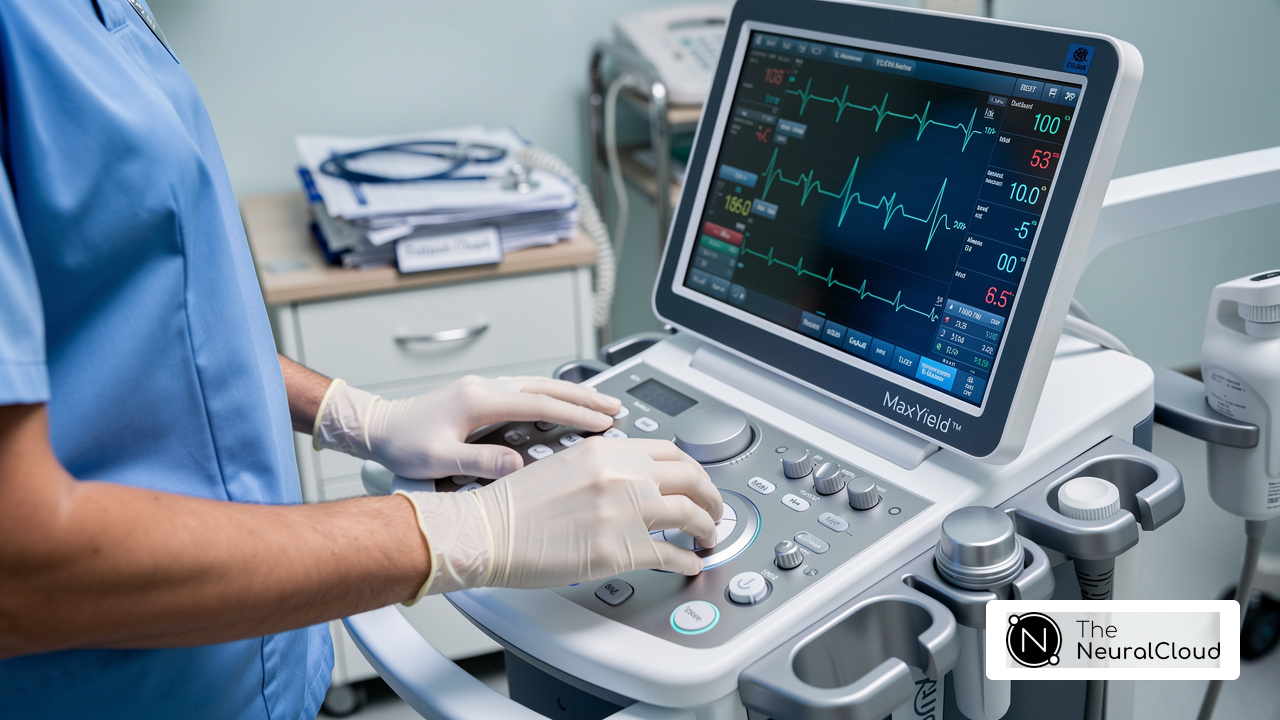
- Utilize Technology: Leverage advanced tools like Neural Cloud Solutions' MaxYield for enhanced signal processing and analysis, which can significantly improve diagnostic accuracy. The integration of AI-driven solutions is becoming increasingly essential in streamlining workflows and improving outcomes for individuals. Notably, experts such as Dr. Alan Rabinowitz, Dr. Brett Heilbron, and Dr. Marc W. Deyell endorse MaxYield for its precision rivaling human interpretation and its effective noise reduction capabilities. Additionally, it is important to note that MaxYield is currently pending FDA Class II SaMD clearance, ensuring compliance with regulatory standards.
Ultimately, embracing these best practices and leveraging advanced technology can transform EKG interpretation, leading to improved patient outcomes.

Conclusion
Clinicians face significant challenges in accurately diagnosing hypertrophy through EKG analysis, which is vital for improving cardiovascular health outcomes. The article emphasizes the critical role of recognizing left ventricular hypertrophy (LVH) through EKG, as it serves as a significant predictor of cardiovascular risks. However, misdiagnosis can lead to serious complications, making accurate analysis crucial. By accurately diagnosing and managing hypertrophy, healthcare professionals can mitigate the potential for serious complications, ultimately improving patient care.
Key insights discussed include the importance of employing established diagnostic criteria, such as the Sokolow-Lyon and Cornell criteria, to identify LVH effectively. Additionally, the article highlights the various causes and risk factors associated with hypertrophy, including hypertension and genetic conditions. Best practices for EKG analysis, such as:
- Systematic approaches
- Quality control
- Continuous education
are crucial for ensuring accurate interpretation and diagnosis.
In conclusion, mastering hypertrophy EKG analysis goes beyond technical understanding; it’s about applying this knowledge to enhance patient outcomes in Canada. Clinicians are encouraged to adopt these best practices and leverage advanced technologies like Neural Cloud Solutions' MaxYield to enhance diagnostic accuracy. By embracing these strategies, healthcare professionals can transform their approach to hypertrophy management, ultimately leading to better cardiovascular health for their patients.
Frequently Asked Questions
What is hypertrophy EKG?
Hypertrophy EKG refers to the abnormal thickening of the heart muscle, particularly the left ventricle, often due to increased workload or pressure.
Why is recognizing hypertrophy in EKG analysis important?
Recognizing hypertrophy is essential because it can indicate underlying conditions such as hypertension or valvular heart disease, which are closely linked to increased cardiovascular risks.
What cardiovascular risks are associated with hypertrophy EKG?
The cardiovascular risks associated with hypertrophy EKG include heart failure, arrhythmias, and other adverse cardiac events.
How prevalent is left ventricular hypertrophy (LVH) in Canada?
Recent studies indicate that left ventricular hypertrophy (LVH) affects nearly 1 in 5 individuals in Canada.
What is the significance of regression of hypertrophy EKG in hypertensive patients?
Research shows that regression of hypertrophy EKG in hypertensive patients correlates with a decrease in occurrences of cardiovascular disease, highlighting the importance of early detection and management.
How does understanding muscle growth impact cardiovascular health?
Understanding how muscle growth affects cardiovascular health is key to improving patient outcomes and guiding effective treatments.
What role does the ECG play in assessing cardiovascular risk?
The ECG, particularly the hypertrophy EKG, remains a valuable tool for assessing cardiovascular risk, despite the challenges posed by advanced imaging techniques.
List of Sources
- Define Hypertrophy and Its Importance in EKG Analysis
- Electrocardiography is a poor screening test to detect left ventricular hypertrophy in children (https://researchportal.ukhsa.gov.uk/en/publications/electrocardiography-is-a-poor-screening-test-to-detect-left-ventr)
- The Role of ECG in the Diagnosis of Left Ventricular Hypertrophy - PMC (https://pmc.ncbi.nlm.nih.gov/articles/PMC4040877)
- The Utility of the Electrocardiogram in Left Ventricular Hypertrophy (https://thoracickey.com/the-utility-of-the-electrocardiogram-in-left-ventricular-hypertrophy)
- What Is Left Ventricular Hypertrophy? (https://my.clevelandclinic.org/health/diseases/21883-left-ventricular-hypertrophy)
- Explore Diagnostic Criteria for Left Ventricular Hypertrophy (LVH)
- One Size Fits All? Ethnicity and Electrocardiographic Criteria for Cardiac Hypertrophy (https://onlinecjc.ca/article/S0828-282X(18)30507-5/fulltext)
- Left Ventricular Hypertrophy - StatPearls - NCBI Bookshelf (https://ncbi.nlm.nih.gov/books/NBK557534)
- Electrographic LV Hypertrophy Criteria Found to Predict Stroke in Hypertension (https://thecardiologyadvisor.com/news/detection-of-lvh-with-electrocardiographic-sokolow-lyon-or-cornell-voltage-criteria-predicted-stroke-in-hypertension)
- Identify Causes and Risk Factors for Left Ventricular Hypertrophy
- Left ventricular hypertrophy - Symptoms and causes (https://mayoclinic.org/diseases-conditions/left-ventricular-hypertrophy/symptoms-causes/syc-20374314)
- Intensive Blood Pressure Can Reduce Risk of Harm to Heart Muscle (https://newsroom.wakehealth.edu/news-releases/2017/05/intensive-blood-pressure-can-reduce-risk-of-harm-to-heart-muscle)
- Heart failure in Canada complex incurable and on the rise (https://heartandstroke.ca/what-we-do/media-centre/news-releases/heart-failure-in-canada-complex-incurable-and-on-the-rise)
- What Is Left Ventricular Hypertrophy? (https://my.clevelandclinic.org/health/diseases/21883-left-ventricular-hypertrophy)
- The Daily — Health Reports: Blood pressure, hypertension and leading risk factors (https://www150.statcan.gc.ca/n1/daily-quotidien/190220/dq190220a-eng.htm)
- Apply Best Practices for EKG Analysis and Interpretation
- PMcardio: AI ECG & Cardiac Care Platform (https://powerfulmedical.com)
- theneuralcloud.com (https://theneuralcloud.com/post/master-ekg-abnormalities-integrate-tech-for-accurate-analysis)