Introduction
In the rapidly changing world of healthcare technology, advanced electrocardiography systems like the ST Multi II AVF are essential for accurate ECG interpretations. This framework not only enhances the accuracy of ECG interpretations but also plays a crucial role in improving patient outcomes, particularly in the context of acute cardiac events.
Healthcare professionals often face obstacles when integrating advanced ECG systems. How can they navigate these challenges to maximize the benefits of the ST Multi II AVF in clinical settings? Successfully navigating these challenges can enhance the effectiveness of ECG interpretations and ultimately improve patient care.
Understand the ST Multi II AVF Framework and Its Importance in ECG Workflows
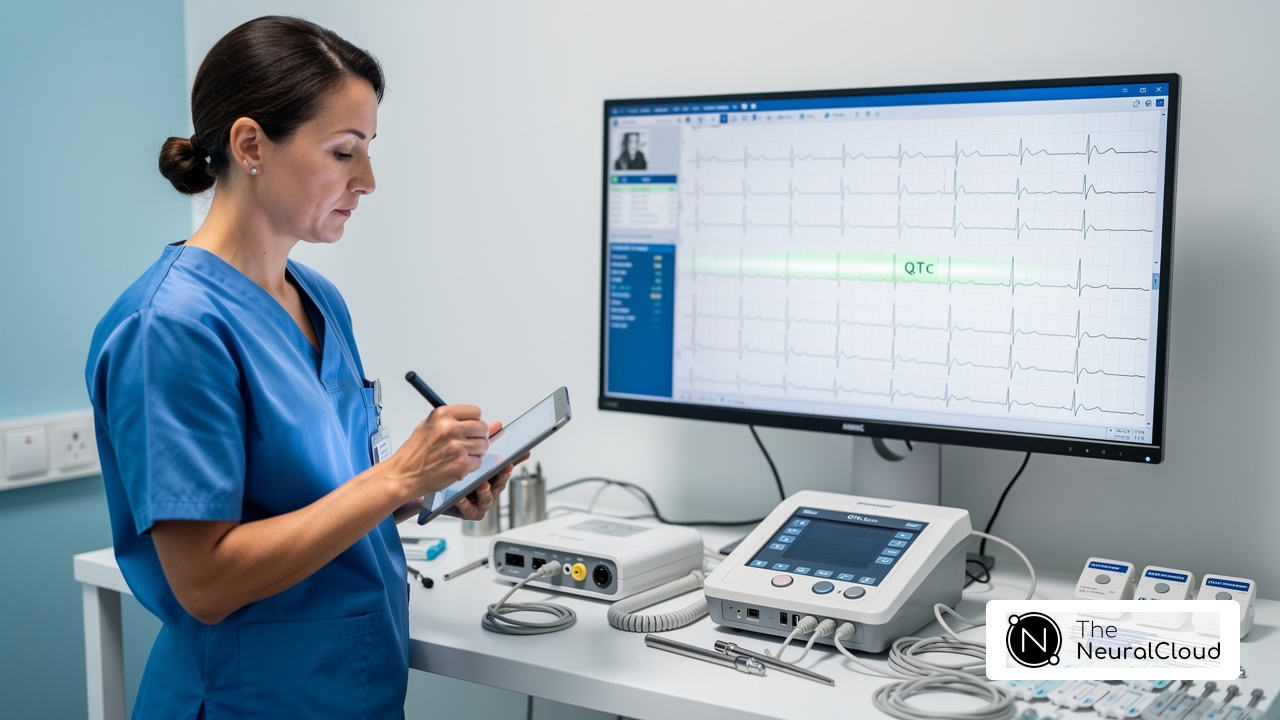
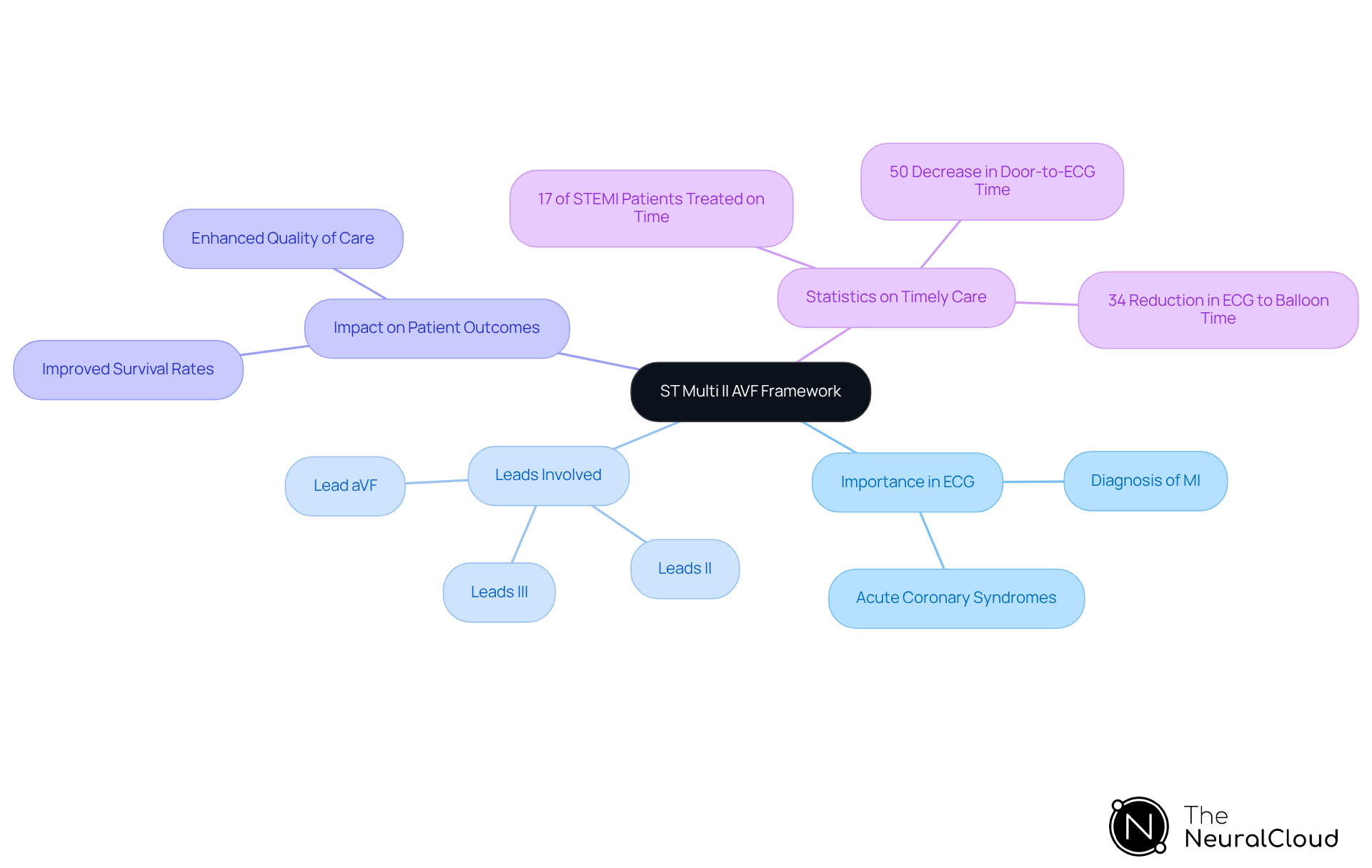
In the realm of electrocardiography, accurately interpreting ST segment elevations is crucial for timely diagnosis and intervention. The st multi ii avf system plays an essential role in ECG, particularly in evaluating ST segment elevations critical for diagnosing inferior wall myocardial infarctions (MI). This structure emphasizes leads II, III, and aVF, essential for accurate ECG interpretation. Recognizing ST segment elevation in these leads is vital, as it can signify significant cardiac events, necessitating prompt clinical action.
Integrating the st multi ii avf into ECG workflows boosts diagnostic accuracy and supports better patient outcomes. This structure not only assists in recognizing acute coronary syndromes but also acts as a guide for subsequent diagnostic testing and treatment strategies. In Canada, where timely intervention is vital, effectively utilizing this structure can profoundly impact patient management and survival rates.
Recent statistics highlight a significant gap in timely care for STEMI patients, with only 17% at non-cardiac centers receiving treatment within recommended timeframes. By implementing the st multi ii avf model, healthcare professionals can simplify their diagnostic processes, ensuring that critical changes in ECG readings are identified and addressed promptly. Expert opinions emphasize that incorporating this structure is essential for enhancing the overall quality of cardiovascular care, making it a vital component in the ongoing efforts to improve patient outcomes in the Canadian healthcare landscape.
Ultimately, the st multi ii avf model serves as a pivotal tool in transforming cardiovascular care and improving patient survival in Canada.
Integrate ST Multi II AVF with Existing ECG Systems: Strategies and Considerations
Integrating the ST AVF structure with existing ECG systems presents unique challenges that require strategic solutions. Here are key strategies and considerations for successful integration:
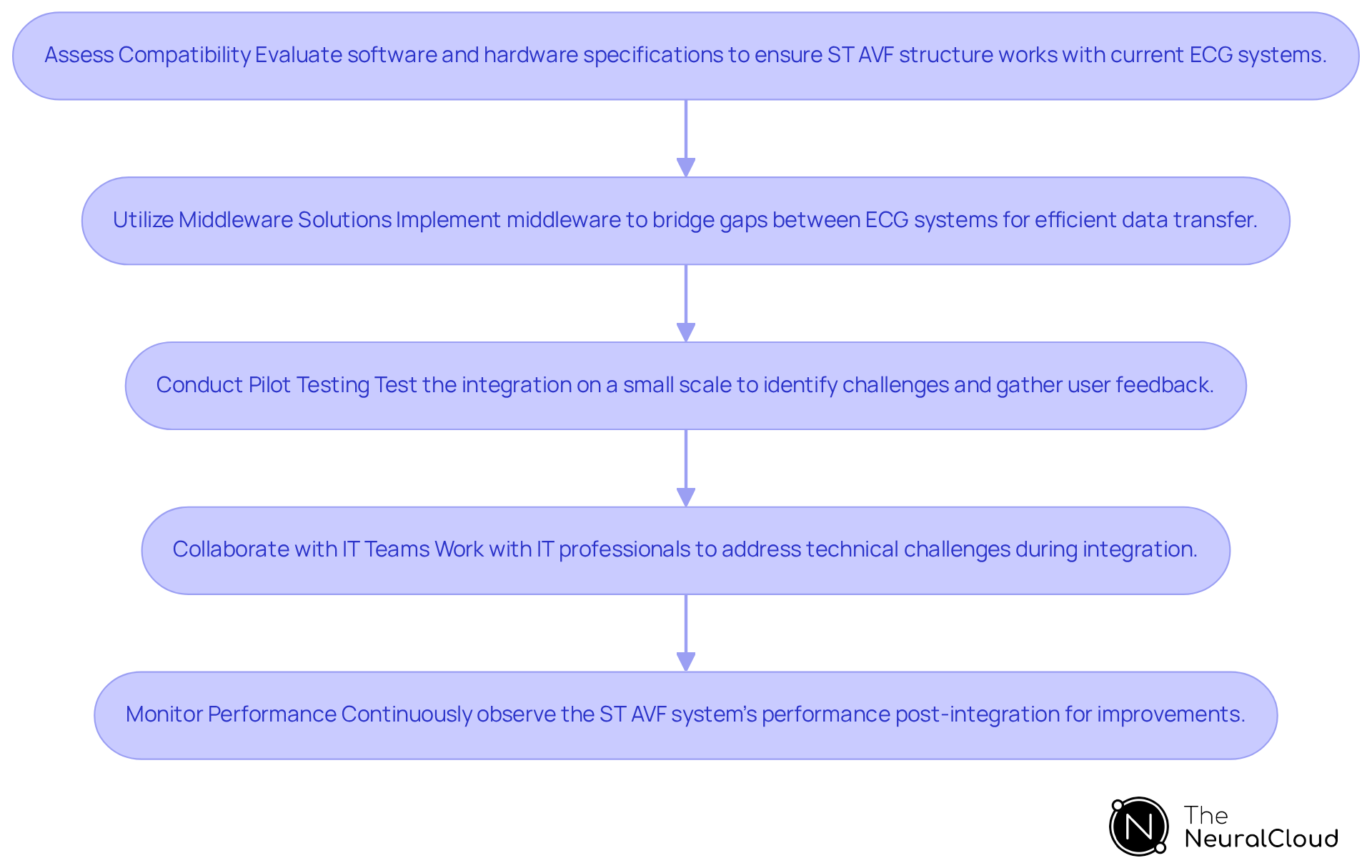
- Assess Compatibility: Evaluate the compatibility of the ST AVF structure with current ECG systems by checking software and hardware specifications. This ensures they can work together without issues. Many healthcare providers struggle with fragmented data, complicating ECG integration.
- Utilize Middleware Solutions: Implement middleware solutions to bridge the gap between different ECG systems. These solutions enable data transfer and ensure that the ST AVF system can be efficiently employed across various platforms, improving integration without significant hardware alterations.
- Conduct Pilot Testing: Before full-scale implementation, conduct pilot tests to identify potential challenges and gather user feedback. This step is crucial for refining the integration process and ensuring that the system meets clinical needs, as evidenced by successful transitions to electronic ECG management systems in various healthcare settings.
- Collaborate with IT Teams: Work closely with IT professionals to address any technical challenges that may arise during integration. Their expertise helps streamline the process and ensures all systems work well, which is crucial for high standards in patient care.
- Monitor Performance: After integration, continuously observe the performance of the ST AVF system within the ECG setup. Regular assessments can help identify areas for improvement and ensure that the system remains effective in clinical practice, ultimately enhancing diagnostic accuracy and improving patient care.
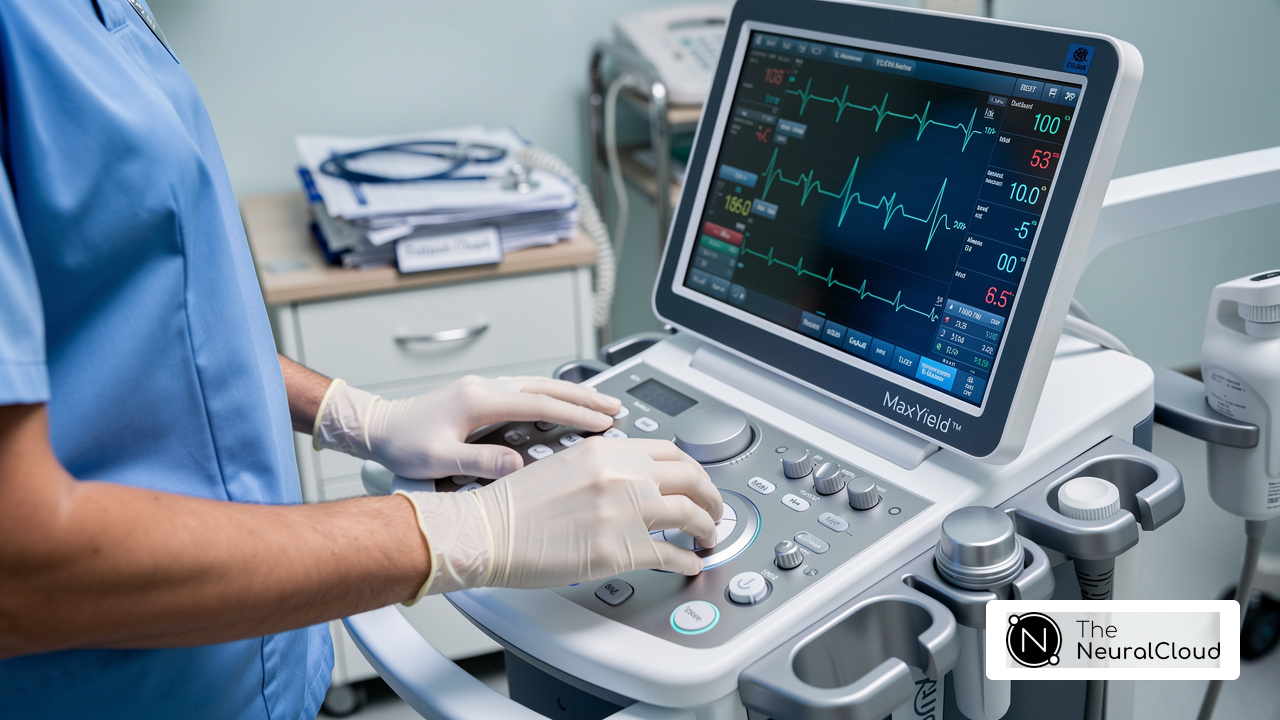
By implementing these strategies, health tech developers can effectively incorporate the ST AVF model into their current ECG systems. This boosts diagnostic precision and enhances patient care. Leveraging Neural Cloud Solutions Inc.'s MaxYield™ platform can further streamline this process, as it offers automated labeling and advanced signal processing capabilities that enhance clarity and efficiency in ECG analysis. Experts like Dr. Alan Rabinowitz and Dr. Brett Heilbron emphasize that MaxYield™ rivals human interpretation in precision and significantly reduces noise, making it an invaluable tool for healthcare professionals. Additionally, with FDA Class II SaMD clearance-pending status, organizations can trust that they are utilizing a compliant and reliable solution. Exploring the capabilities of MaxYield™ could be the key to overcoming these integration challenges and improving patient care.
Leverage Advanced Technologies for Enhanced ECG Analysis with ST Multi II AVF
To enhance the effectiveness of the ST AVF system, healthcare professionals must embrace advanced technologies that refine ECG analysis. Here are several ways to do so:
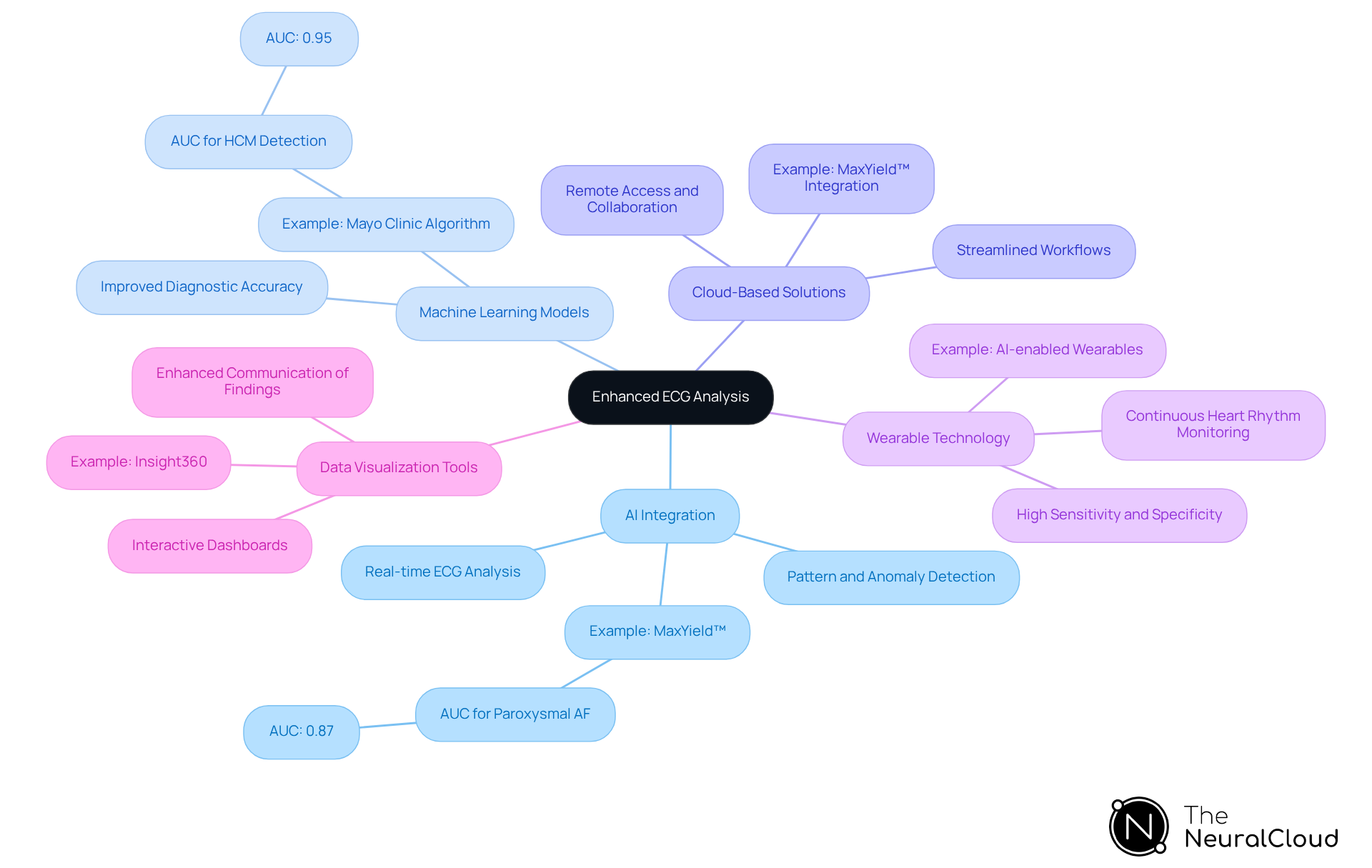
- Artificial Intelligence (AI) Integration: Implement AI algorithms capable of analyzing ECG data in real-time, identifying patterns and anomalies that may be overlooked by human interpretation. AI assists in detecting ST segment elevations and other critical changes, providing clinicians with actionable insights. Recent studies indicate that AI models have achieved an area under the curve (AUC) of 0.87 in detecting paroxysmal atrial fibrillation (AF), showcasing their potential in real-time analysis. MaxYield™ from Neural Cloud Solutions Inc. exemplifies this integration, delivering beat-by-beat analysis and isolating key features in every heartbeat, which enhances diagnostic accuracy.
- Machine Learning Models: Utilize machine learning models to improve the accuracy of ECG interpretations. These models can be trained on extensive datasets to recognize subtle changes in the ST segment, enhancing diagnostic precision. For instance, an AI algorithm developed by the Mayo Clinic from a large cohort demonstrated an AUC of 0.95 in detecting hypertrophic cardiomyopathy (HCM), highlighting the effectiveness of machine learning in clinical settings. MaxYield™ continuously evolves its algorithms to maximize diagnostic yield, ensuring that accuracy improves over time.
- Cloud-Based Solutions: Adopt cloud-based ECG analysis platforms that facilitate remote access and collaboration among healthcare providers. This enables real-time sharing of ECG data and interpretations, which is crucial for timely decision-making in critical situations. The integration of cloud technology streamlines workflows and enhances communication among medical teams, further supported by MaxYield™'s device-agnostic ECG intelligence layer that integrates seamlessly via API, SDK, or CDK.
- Wearable Technology: Incorporate wearable ECG monitoring devices that continuously track patients' heart rhythms. These devices offer important information that can be examined with the ST multi II AVF system, enabling proactive management of cardiac conditions. AI-enabled wearables have shown high sensitivity and specificity in detecting heart failure, underscoring their utility in ongoing patient monitoring. MaxYield™ makes this process smoother by filtering out noise and pinpointing distinct waveforms, so critical data isn’t overlooked.
- Data Visualization Tools: Use advanced data visualization tools like Insight360 to present ECG data in an easily interpretable format. Customizable dashboards can help clinicians quickly identify trends and make informed decisions based on ST multi II AVF analysis. Effective visualization enhances the ability to communicate findings and supports better clinical outcomes. MaxYield™ transforms clean ECG data into interactive dashboards and clinical-ready reports, further aiding in clinical decision-making.
By leveraging these advanced technologies, healthcare professionals enhance their ECG analysis capabilities, leading to improved diagnostic accuracy and better patient outcomes. Experts like Dr. Alan Rabinowitz, Dr. Brett Heilbron, and Dr. Marc W. Deyell emphasize that MaxYield™ rivals human interpretation in precision and significantly reduces noise, making it an invaluable tool in modern cardiac diagnostics. With MaxYield™ pending FDA Class II SaMD clearance, its integration into clinical practice promises to elevate cardiac diagnostics to new heights.
Facilitate User Training and Adoption for Successful Implementation of ST Multi II AVF
Many healthcare organizations struggle with the effective adoption of the ST AVF system, making user training crucial. Here are key practices to facilitate this process:
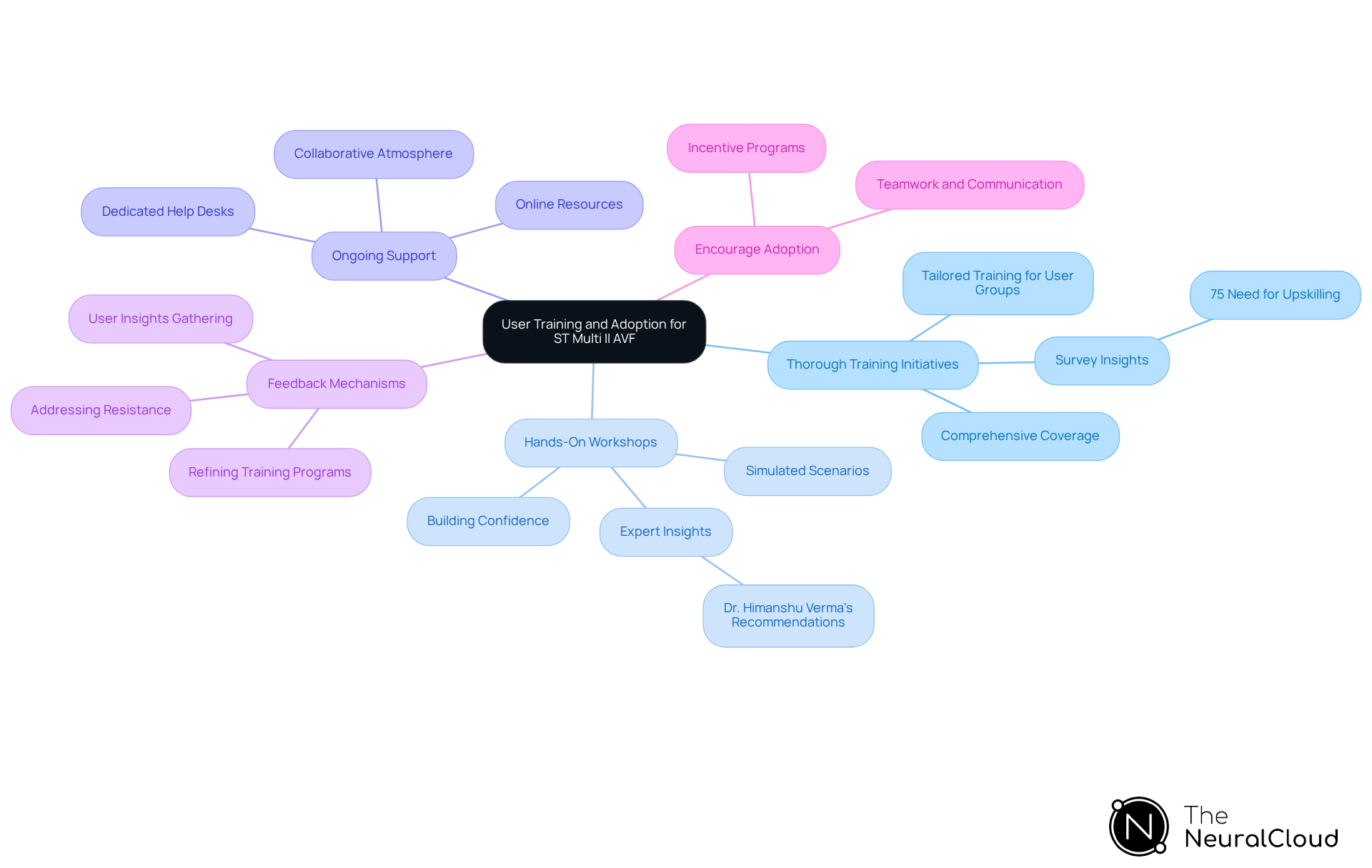
- Thorough Training Initiatives: Develop comprehensive training initiatives that cover all aspects of the ST AVF system, including its features, advantages, and practical applications in clinical settings. Tailor the training for different user groups, such as clinicians, technicians, and administrative staff. A recent survey revealed that 75% of respondents felt the need for upskilling amid AI adoption, underscoring the importance of thorough training.
- Hands-On Workshops: Organize practical workshops where users can engage with the ST AVF system in simulated scenarios. This hands-on learning approach reinforces knowledge and builds confidence in using the technology. Dr. Himanshu Verma notes that effective training can significantly reduce complications, making these workshops essential.
- Ongoing Support: Ensure users have access to dedicated help desks for immediate assistance. Additionally, provide online resources for further learning. This kind of support creates a collaborative atmosphere, which is key to successfully adopting new technology.
- Feedback Mechanisms: Establish feedback mechanisms to gather user insights and experiences. This information can be invaluable for refining training programs and addressing any issues that may arise during implementation. Tackling common challenges, such as resistance from medical leadership, can enhance the effectiveness of these mechanisms.
- Encourage Adoption: Consider implementing incentive programs that reward users for successfully adopting the ST AVF system. Recognizing and rewarding efforts can motivate staff to actively engage with the new technology. Furthermore, fostering teamwork and communication during training can further enhance user engagement and adoption rates.
Ultimately, the success of the ST Multi II AVF framework hinges on how well users are trained and supported, which directly impacts patient outcomes.
Conclusion
Integrating the ST Multi II AVF framework into ECG workflows addresses significant challenges in cardiovascular care. Focusing on ST segment elevation interpretation helps healthcare professionals improve diagnostic accuracy and patient outcomes. This framework not only aids in the timely identification of acute coronary syndromes but also streamlines subsequent diagnostic and treatment processes, making it an essential tool in the Canadian healthcare landscape.
Key strategies for successful integration include:
- Assessing compatibility with existing systems
- Utilizing middleware solutions
- Conducting pilot tests
- Collaborating with IT teams
- Continuously monitoring performance
These approaches ensure that the ST Multi II AVF system operates effectively within current ECG setups, ultimately enhancing diagnostic precision. Furthermore, leveraging advanced technologies such as AI, machine learning, and cloud-based solutions can further refine ECG analysis, leading to better clinical decision-making and improved patient management.
In conclusion, the successful implementation of the ST Multi II AVF framework hinges on comprehensive user training and ongoing support. Creating a supportive environment for learning and collaboration helps healthcare organizations get the most out of this innovative technology. Ultimately, the commitment to effective integration will redefine cardiovascular care in Canada, ensuring better outcomes for patients.
Frequently Asked Questions
What is the ST Multi II AVF Framework?
The ST Multi II AVF Framework is a system used in electrocardiography (ECG) that focuses on accurately interpreting ST segment elevations, particularly in leads II, III, and aVF, which are critical for diagnosing inferior wall myocardial infarctions (MI).
Why is the ST Multi II AVF Framework important in ECG workflows?
It is important because it enhances diagnostic accuracy, supports timely intervention for acute coronary syndromes, and guides subsequent diagnostic testing and treatment strategies, ultimately improving patient outcomes.
How does the ST Multi II AVF Framework impact patient management in Canada?
In Canada, where timely intervention is crucial, effectively utilizing the ST Multi II AVF Framework can significantly improve patient management and survival rates by ensuring that critical changes in ECG readings are identified and addressed promptly.
What are the statistics regarding timely care for STEMI patients in Canada?
Recent statistics indicate that only 17% of STEMI patients at non-cardiac centers receive treatment within the recommended timeframes, highlighting a significant gap in timely care.
How can the ST Multi II AVF model simplify diagnostic processes for healthcare professionals?
By implementing the ST Multi II AVF model, healthcare professionals can streamline their diagnostic processes, making it easier to recognize and respond to critical changes in ECG readings.
What do experts say about the incorporation of the ST Multi II AVF Framework in cardiovascular care?
Experts emphasize that incorporating the ST Multi II AVF Framework is essential for enhancing the overall quality of cardiovascular care, making it a vital component in improving patient outcomes in the Canadian healthcare landscape.
List of Sources
- Understand the ST Multi II AVF Framework and Its Importance in ECG Workflows
- PMcardio STEMI AI ECG tool earns US FDA breakthrough device designation - Cardiovascular News (https://cardiovascularnews.com/pmcardio-stemi-ai-ecg-tool-earns-us-fda-breakthrough-device-designation)
- AI-ECG Finds STEMI Faster, Cuts False-Positive Cath Lab Activations (https://tctmd.com/news/ai-ecg-finds-stemi-faster-cuts-false-positive-cath-lab-activations)
- Advanced STEMI Detection and Improved Cath Lab Activation Through Notifications (https://powerfulmedical.com/blog/advanced-stemi-detection-and-improved-cath-lab-activation-and-ecg-transmission-through-notifications)
- STEMI ECG Criteria: ST-Elevation Thresholds (https://powerfulmedical.com/blog/stemi-ecg-criteria)
- ST-segment Elevation Myocardial Infarction: Challenges in Diagnosis (https://uscjournal.com/articles/st-segment-elevation-myocardial-infarction-challenges-diagnosis?language_content_entity=en)
- Integrate ST Multi II AVF with Existing ECG Systems: Strategies and Considerations
- An XML based middleware for ECG format conversion - PubMed (https://pubmed.ncbi.nlm.nih.gov/19964551)
- How Middleware Solutions for Healthcare Integration Simplify Legacy Integration - Vorro (https://vorro.net/middleware-solutions-for-healthcare-integration)
- From Home to Hospital - The Power of Connecting Cardiology Through Integrated ECG (https://gehealthcare.com/en-us/insights/article/from-home-to-hospital-the-power-of-connecting-cardiology-through-integrated-ecg?srsltid=AfmBOopROD2nBRkNkOzmJGakpXSPJPULwhGmQATtbL5N1J1GxfbDicnn)
- Cardiac Science Connects ECG Solution to EMR System Partners (https://dicardiology.com/content/cardiac-science-connects-ecg-solution-emr-system-partners)
- Closing the Loop: A Software-Based Middleware Framework for Automated Vital Sign Integration With Cloud-Based Electronic Medical Records (EMRs) (https://cureus.com/articles/392495-closing-the-loop-a-software-based-middleware-framework-for-automated-vital-sign-integration-with-cloud-based-electronic-medical-records-emrs)
- Leverage Advanced Technologies for Enhanced ECG Analysis with ST Multi II AVF
- AI Turns ECGs into Powerful Heart Disease Screening Tool (https://insideprecisionmedicine.com/topics/informatics/ai-turns-ecgs-into-powerful-heart-disease-screening-tool)
- Artificial intelligence in ECG diagnostics - where are we now? (https://escardio.org/communities/councils/cardiology-practice/education/cardiopractice/artificial-intelligence-in-ecg-diagnostics-where-are-we-now)
- pmc.ncbi.nlm.nih.gov (https://pmc.ncbi.nlm.nih.gov/articles/PMC10145690)
- New study suggests ECG-AI can detect cardiovascular disease risks sooner - Mayo Clinic News Network (https://newsnetwork.mayoclinic.org/discussion/new-study-suggests-ecg-ai-can-detect-cardiovascular-disease-risks-sooner)
- AI-Based ECG Analysis Significantly Improves STEMI Detection, Reduces False Activations - American College of Cardiology (https://acc.org/latest-in-cardiology/articles/2025/10/24/16/56/tues-554pm-ai-tct-2025)
- Facilitate User Training and Adoption for Successful Implementation of ST Multi II AVF
- Workforce Challenges & Technology Adoption for Health Information Professionals | NORC at the University of Chicago (https://norc.org/research/projects/workforce-challenges-technology-adoption-health-information-professionals.html)
- WavelinQ EndoAVF Training (https://go.bd.com/BARD_Advance-Training_Wavelinq_Course-Page-Contact.html)
- Explore AV Fistula Workshops | Past Training & Case Learning (https://avfcareworkshop.com/past-works)
- Training the Next Generation of AV Access Specialists: Necessary Skills, Expertise, and Settings - Endovascular Today (https://evtoday.com/articles/2017-june/training-the-next-generation-of-av-access-specialists-necessary-skills-expertise-and-settings)
- Advancing AV fistula training: From first stitch to functional flow - Renal Interventions (https://renalinterventions.net/advancing-av-fistula-training-from-first-stitch-to-functional-flow)