Introduction
In the field of cardiac health, distinguishing between a normal ECG and one that indicates atrial fibrillation (AFib) is crucial; it significantly impacts patient care. With the increasing prevalence of AFib, understanding the differences in ECG readings is vital for health tech developers who aim to improve diagnostic tools.
However, how can developers ensure their algorithms accurately detect these variations, considering the risks of misdiagnosis associated with AFib? This article explores the key characteristics that differentiate normal ECGs from AFib, examining the technological advancements that can enhance detection and ultimately protect patient health.
Distinguishing Characteristics of Normal ECG and AFib ECG
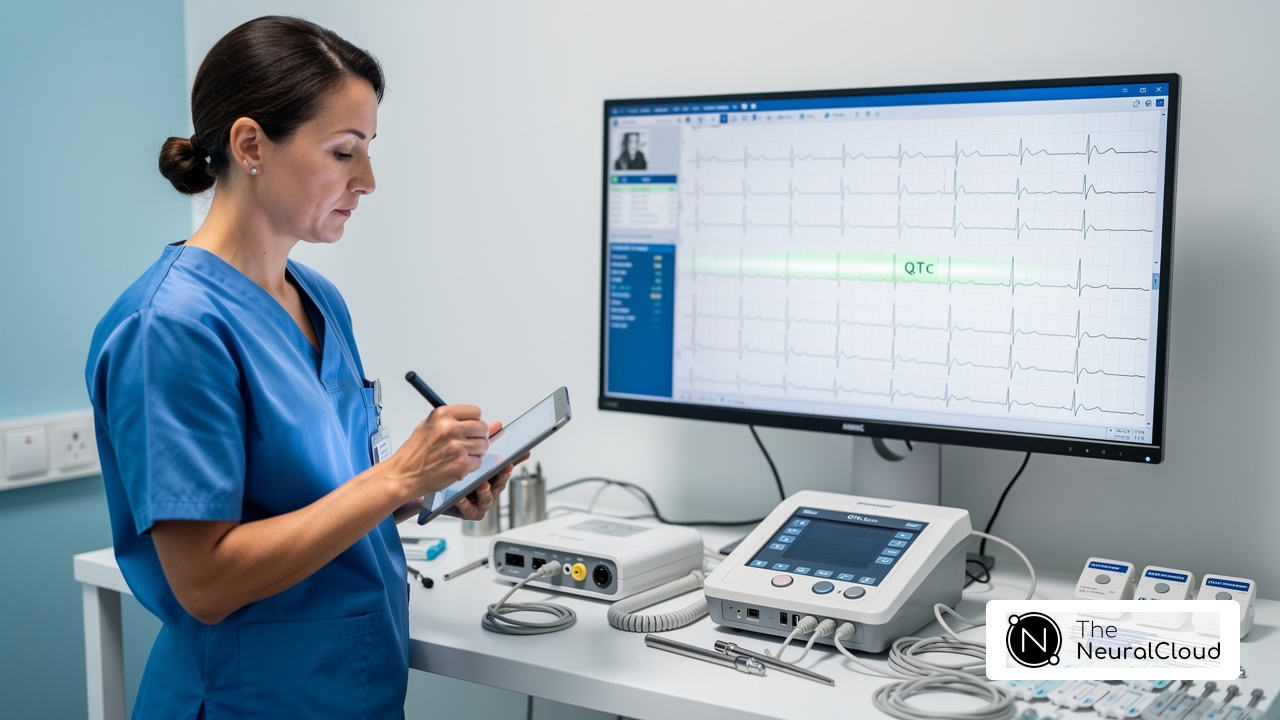
In the comparison of normal ECGs, by a regular pattern, showcasing consistent intervals between heartbeats and distinct P waves that precede each QRS complex. This orderly pattern indicates effective atrial contraction and coordinated electrical activity. In contrast, when comparing AFib ECGs, ECGs from individuals with atrial fibrillation exhibit an erratic pattern, often missing P waves, which signifies disordered electrical activity in the atria. The absence of P waves is a hallmark of AFib, as the atria do not contract effectively, resulting in inefficient blood flow and an increased risk of complications such as stroke and heart failure.
Understanding these distinctions is crucial for health tech developers, as it informs the design of algorithms aimed at accurately detecting AFib. For example, recent technology has shown a significant reduction in false positive activation rates, thereby enhancing diagnostic accuracy. As of 2026, the prevalence of AFib in the general population has reached approximately 52.55 million individuals globally, highlighting the need for effective monitoring solutions.
Real-world examples of algorithms successfully distinguishing between normal ECGs and AFib illustrate the potential for improved outcomes for patients. By utilizing advanced technologies, developers can create solutions that not only enhance detection but also streamline clinical workflows. This ultimately contributes to better heart health management, ensuring that healthcare professionals can provide optimal care.

Key ECG Features: P-Waves, QRS Complexes, and Their Implications
In a normal ECG, P-waves are clearly visible, indicating atrial depolarization, which is followed by a QRS complex that signifies ventricular depolarization. This sequence represents a well-coordinated electrical impulse, essential for effective heart function. However, when analyzing an AFib ECG, it is evident that P-waves are absent, as it is marked by the absence of P-waves and irregularly spaced QRS complexes, reflecting chaotic electrical activity in the heart. This lack of P-wave visibility complicates the interpretation of AFib, potentially leading to misdiagnosis.
Recent studies highlight that the advancements in the comparison of normal ECG and AFib necessitates improved technology. Such advancements can significantly enhance diagnosis and outcomes for patients. A deeper understanding of ECG characteristics, especially in the context of atrial fibrillation, is crucial for effectively managing conditions like atrial fibrillation. By developing technologies that accurately interpret these features, health tech developers can improve patient care and outcomes.
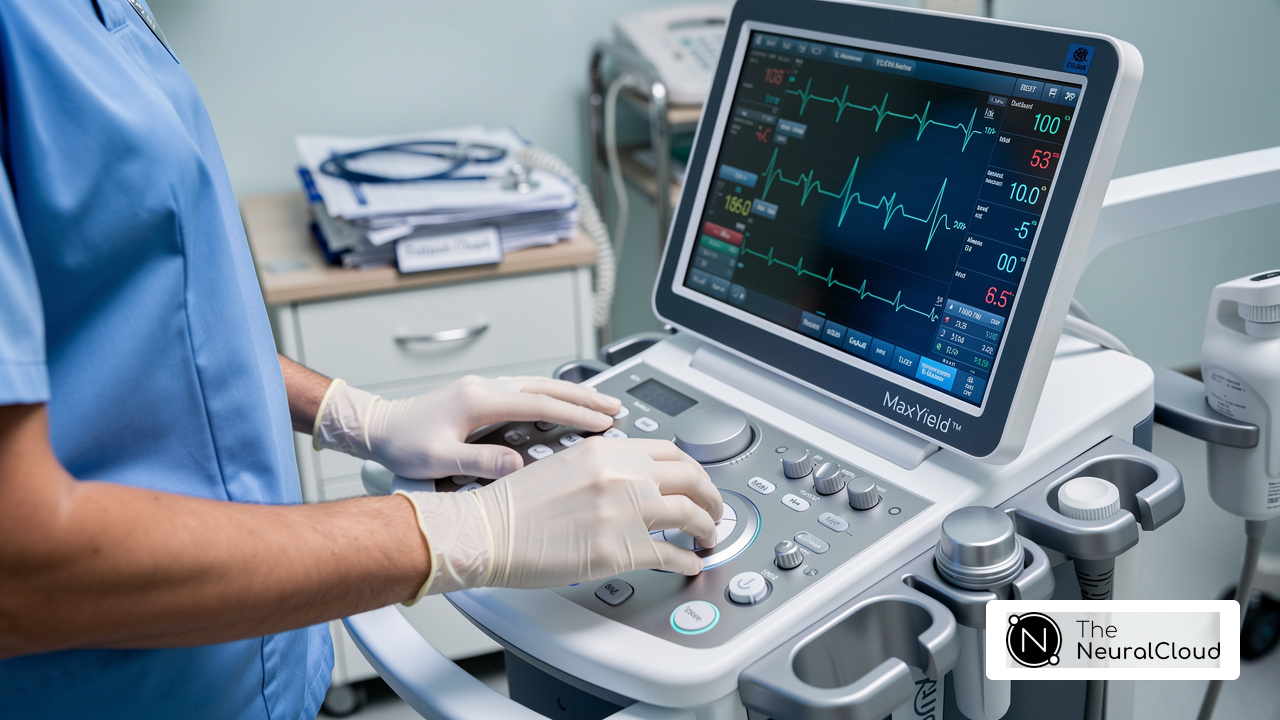
Neural Cloud Solutions' MaxYield™ platform addresses these challenges by utilizing advanced algorithms and an adaptive algorithm that evolves with each use. This significantly enhances the clarity of ECG signals, even in the presence of artifacts. Statistics reveal that 11% of misinterpretations lead to inappropriate management of patients, underscoring the importance of precise ECG interpretation in distinguishing normal ECG from AFib.
Moreover, the integration of technologies like HeartKey has shown a 6.2% increase in diagnostic confidence and a 4.9% improvement in rhythm classification accuracy. These advancements illustrate how improved ECG interpretation can profoundly impact patient care. A case study involving a 52-year-old woman with atrial fibrillation underscores the practical implications of these challenges, reinforcing the need for health tech developers to focus on creating solutions that enhance the reliability of cardiac assessments.

Clinical Implications of ECG Interpretation: Understanding AFib Risks
is essential for understanding the differences in AFib, a condition that significantly increases the risk of stroke and heart failure. The irregular rhythm and absence of P-waves characteristic of AFib can lead to misdiagnosis, especially when considering patient history. Current data shows that about 19% of ECGs are misinterpreted as AFib, illustrating the critical differences in ECG patterns, which results in inappropriate treatments for nearly a quarter of patients.
For health tech developers, understanding these implications is vital for creating tools that not only detect AFib but also effectively assess associated risks. The technology from Neural Cloud Solutions enhances ECG analysis by quickly labeling P, QRS, and T wave onsets and offsets. This capability allows users to interpret data accurately, providing clear data sets and clean signals.
The Continuous Learning Model of MaxYield™ ensures that the algorithm improves with each use, enhancing diagnostic yield over time. Real-world examples, such as the Apple Heart Study, demonstrate how technology can reliably detect abnormal heart patterns, facilitating timely clinical actions and reducing reliance on traditional in-clinic ECGs.
By focusing on patient outcomes and employing risk assessment tools like the AFib detection algorithm, developers can significantly enhance diagnosis and improve the quality of care for at-risk individuals.

Enhancing ECG Analysis: The Role of Advanced Technology in Differentiating AFib
Advanced technologies, particularly AI and machine learning, are transforming ECG analysis by automating the process. This automation accelerates the diagnosis of arrhythmias and heart conditions. Recent studies show that AI models can achieve detection accuracies of up to 96-97% for irregular heart rhythms.
The MaxYield™ platform from Neural Cloud Solutions exemplifies this innovation. It utilizes advanced noise filtering and adaptive algorithms that evolve with each use, effectively managing physiological variability and signal artifacts. By rapidly isolating ECG waves from recordings affected by baseline wander, movement, and muscle artifact, MaxYield™ salvages previously obscured sections of lengthy Holter, 1-Lead, and patch monitor recordings.
AI excels by detecting subclinical patterns with high sensitivity and specificity. This capability emphasizes the advantages of AI in clinical settings. For health tech creators, leveraging AI algorithms facilitates the development of applications that can adapt to diverse ECG patterns, ensuring reliable performance across different demographics.
This innovation is crucial for diagnostics, which often struggle with factors that obscure true cardiac signals. The PMcardio application has demonstrated a 31% improvement compared to cardiologists in detecting ST-elevation myocardial infarctions, highlighting AI's effectiveness in clinical environments.
Furthermore, the integration of advanced technologies, such as those offered by Neural Cloud Solutions, has led to a significant reduction in false positive rates. This improvement enhances diagnostic confidence and efficiency in clinical workflows. As the healthcare landscape evolves, leveraging these advanced technologies will be essential for enhancing patient outcomes and streamlining cardiac care.

Conclusion
The distinction between normal ECG and atrial fibrillation (AFib) is crucial for health tech developers, as it directly impacts the design and effectiveness of diagnostic algorithms. Normal ECGs exhibit a consistent rhythm characterized by clear P waves, which indicate effective atrial contraction. In contrast, AFib ECGs show an irregular pattern with absent P waves, reflecting disordered electrical activity. Understanding these differences not only enhances diagnostic accuracy but also plays a vital role in patient management and care.
Key points throughout the article emphasize the importance of precise ECG interpretation in differentiating between normal rhythms and AFib. The implications of misdiagnosis are significant; a notable percentage of ECGs misinterpreted as AFib can lead to inappropriate treatments. Advanced technologies, particularly AI and machine learning, are transforming ECG analysis by improving detection rates and reducing false positives. These innovations are essential for developing tools that can reliably identify AFib and assess associated risks, ultimately enhancing patient outcomes.
Given these insights, it is imperative for health tech developers to prioritize the integration of advanced technologies in ECG analysis. By harnessing the power of AI and machine learning, the healthcare industry can improve diagnostic precision, streamline workflows, and significantly reduce the risks associated with atrial fibrillation. The ongoing evolution of ECG interpretation technologies not only promises better management of heart health but also underscores the critical role that accurate diagnostics play in ensuring optimal patient care.
Frequently Asked Questions
What are the key characteristics of a normal ECG?
A normal ECG is characterized by a regular pattern with consistent intervals between heartbeats and distinct P waves preceding each QRS complex, indicating effective atrial contraction and coordinated electrical activity.
How does an ECG of someone with atrial fibrillation differ from a normal ECG?
An ECG of someone with atrial fibrillation exhibits an erratic pattern, often missing distinguishable P waves, which signifies disordered electrical activity in the atria and ineffective contraction, leading to inefficient blood flow.
Why is the absence of P waves significant in atrial fibrillation?
The absence of P waves is a hallmark of atrial fibrillation, as it indicates that the atria are not contracting effectively, resulting in increased risk of complications such as stroke and heart failure.
What is the importance of distinguishing between normal ECG and atrial fibrillation for health tech developers?
Understanding the distinctions between normal ECG and atrial fibrillation is crucial for health tech developers as it informs the design of algorithms aimed at accurately differentiating between the two, which can enhance diagnostic accuracy.
How has AI-based ECG analysis impacted the detection of atrial fibrillation?
AI-based ECG analysis has shown a significant reduction in false positive activation rates, thereby enhancing diagnostic accuracy in clinical settings for detecting atrial fibrillation.
What is the current prevalence of atrial fibrillation globally?
As of 2026, the prevalence of atrial fibrillation in the general population has reached approximately 52.55 million individuals worldwide.
How do advanced technologies contribute to heart health management?
Advanced technologies help create solutions that enhance diagnostic precision and streamline clinical workflows, ultimately contributing to better heart health management and optimal care for patients.
List of Sources
- Distinguishing Characteristics of Normal ECG and AFib ECG
- Atrial Fibrillation (https://litfl.com/atrial-fibrillation-ecg-library)
- gauze.md (https://gauze.md/blog/afib-ecg-vs-normal)
- sciencedirect.com (https://sciencedirect.com/science/article/pii/S1936879825026007)
- The Global Impact of Atrial Fibrillation (https://aerjournal.com/articles/global-impact-atrial-fibrillation?language_content_entity=en)
- Key ECG Features: P-Waves, QRS Complexes, and Their Implications
- heartkey.io (https://heartkey.io/resources/case-study-enhancing-the-efficiency-and-accuracy-of-ecg-interpretation-through-digital-denoising-with-heartkey)
- ECG Case Studies | Interpretation & Answers | Geeky Medics (https://geekymedics.com/ecg-case-studies)
- Clinical Implications of ECG Interpretation: Understanding AFib Risks
- clinaudits.com (https://clinaudits.com/case-studies-and-real-world-applications-of-wearables-in-clinical-trials)
- Stroke Risks From Atrial Fibrillation — StopAfib.org (https://stopafib.org/learn-about-afib/why-is-afib-a-problem/stroke-risks-from-afib)
- researchgate.net (https://researchgate.net/publication/350713501_Atrial_Fibrillation_Diagnosis_Treatment_and_Outcomes-_A_Case_Study)
- pubmed.ncbi.nlm.nih.gov (https://pubmed.ncbi.nlm.nih.gov/15501200)
- Enhancing ECG Analysis: The Role of Advanced Technology in Differentiating AFib
- AI-Based ECG Analysis Significantly Improves STEMI Detection, Reduces False Activations - American College of Cardiology (https://acc.org/latest-in-cardiology/articles/2025/10/24/16/56/tues-554pm-ai-tct-2025)
- heartkey.io (https://heartkey.io/resources/case-study-enhancing-the-efficiency-and-accuracy-of-ecg-interpretation-through-digital-denoising-with-heartkey)
- AI ECG Interpretation Rivals Cardiologists (https://powerfulmedical.com/blog/how-is-ai-transforming-ecg-interpretation)
- Investigating the Efficacy of AI-Powered Innovations in ECG Analysis and Continuous Heart Monitoring: A Comprehensive Narrative Review - PMC (https://pmc.ncbi.nlm.nih.gov/articles/PMC12419789)
- Can EKGs read by AI save lives? It's possible, researchers say (https://heart.org/en/news/2023/11/06/can-ekgs-read-by-ai-save-lives-its-possible-researchers-say)