Introduction
Atrial enlargement on EKG serves as a crucial marker for cardiovascular health, indicating potential complications that require immediate attention. Developers in medical technology need to grasp the nuances of this condition, as it informs the creation of effective ECG analysis tools that can enhance patient outcomes. Yet, accurately identifying and interpreting the complex EKG patterns of atrial enlargement poses a significant challenge.
How can developers ensure their algorithms effectively detect these critical changes in cardiac health? Without effective detection algorithms, patients may face undiagnosed conditions that could worsen over time.
Define Atrial Enlargement and Its Clinical Importance
Atrial enlargement on EKG poses significant challenges in cardiovascular health, often leading to serious complications if not monitored effectively. This condition often arises from chronic pressure or volume overload, commonly associated with hypertension, mitral valve disorders, and heart failure. Clinically, atrial enlargement on EKG serves as an early warning indicator for potential arrhythmias, particularly atrial fibrillation (AF), which significantly increases the risk of stroke and other cardiovascular issues. Research indicates that the presence of atrial enlargement on EKG is linked to a 1.68-fold increased risk of stroke compared to individuals without atrial enlargement on EKG, underscoring its importance in cardiovascular health monitoring. Moreover, studies show that a left atrial volume index of ≥32 mL/m is an independent predictor of first ischemic stroke in older patients without heart rhythm disorders.
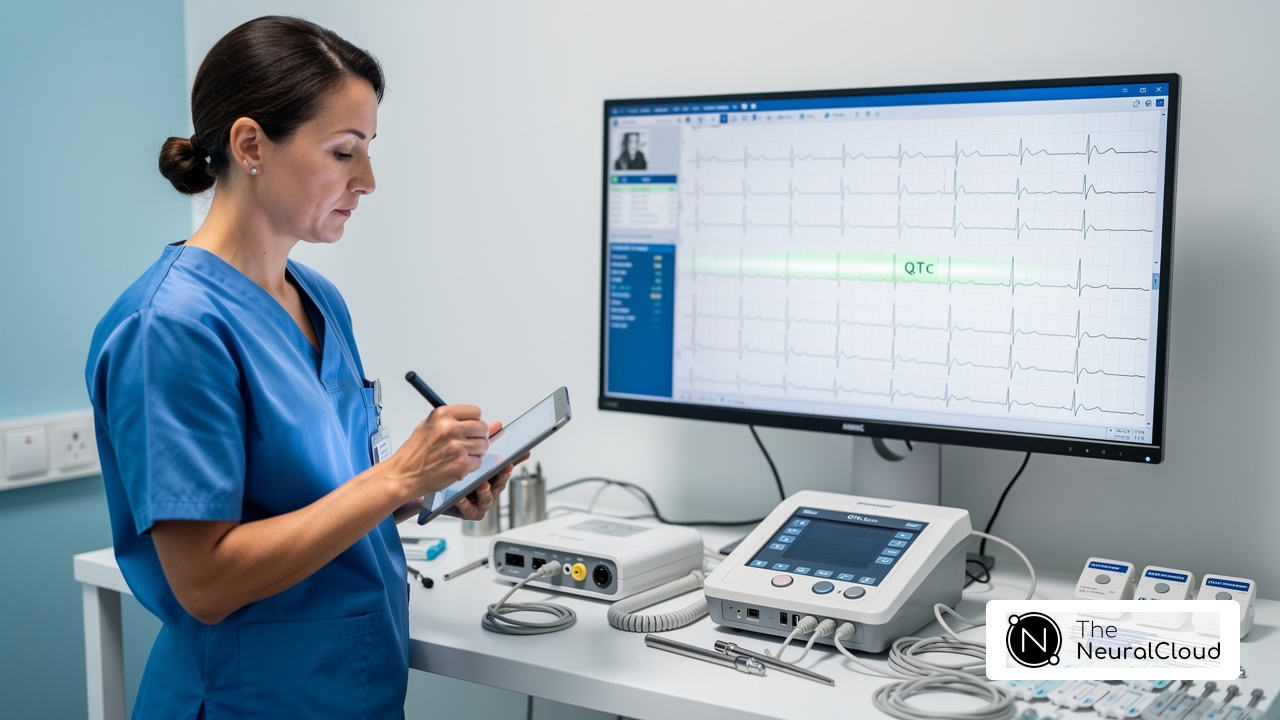
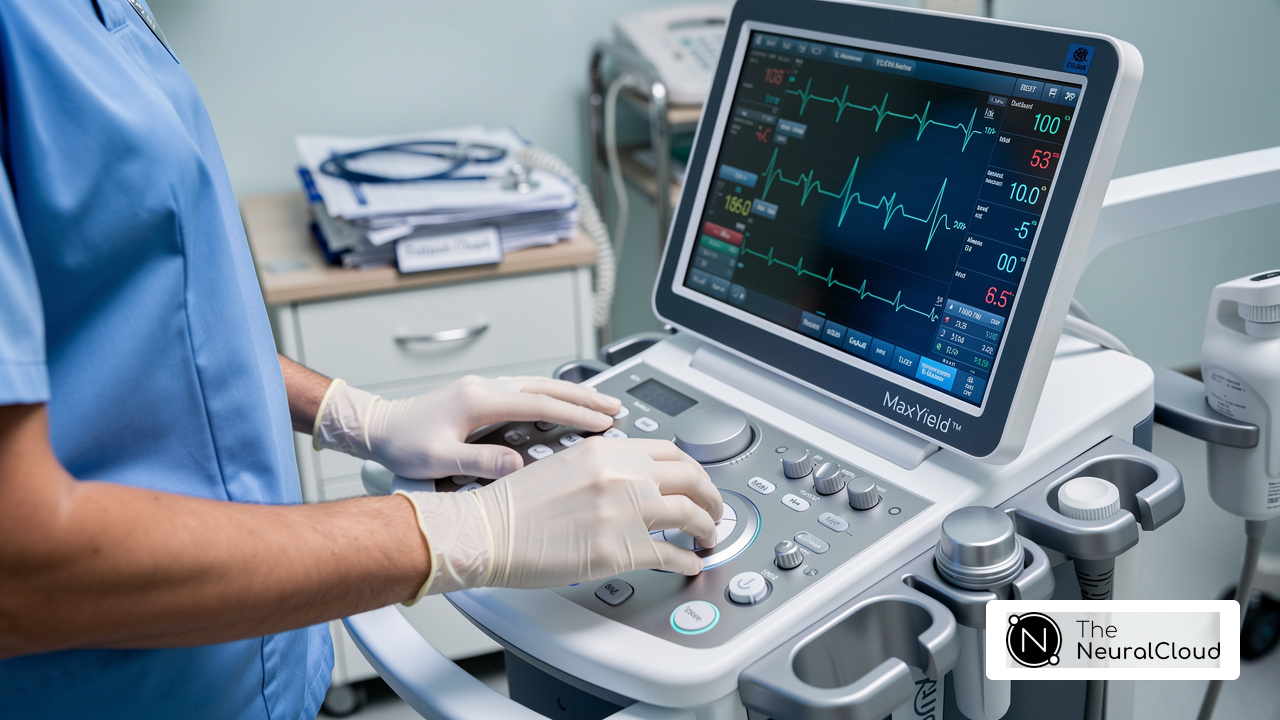
For developers creating ECG analysis tools, understanding the underlying causes and implications of heart chamber enlargement is essential. This knowledge informs the design of algorithms that can effectively detect these critical changes in cardiac health, ultimately enhancing patient outcomes and facilitating timely interventions. MaxYield™ from Neural Cloud Solutions Inc. plays a pivotal role in this process by ensuring clean PPG data and hospital-grade accuracy from consumer devices. Its advanced noise filtering and distinct wave recognition capabilities allow for the rapid isolation of ECG signals, even in recordings with high levels of noise and artifact. This means developers can trust the data for their algorithms, which helps cut down on errors in later models.
Symptoms linked to atrial enlargement on EKG may include shortness of breath, arrhythmia, swelling, chest pain, and fainting, further emphasizing the necessity for precise monitoring and evaluation. As noted by Dr. Dharmendrakumar A Patel, 'LA enlargement provides important clinical and prognostic information,' making it vital for developers to integrate insights related to atrial enlargement on EKG into their technology solutions. Additionally, Dr. Alan Rabinowitz emphasizes that MaxYield’s precision rivals human interpretation, enhancing the reliability of ECG analysis and supporting confident clinical decisions. By leveraging MaxYield, developers can transform noisy recordings into detailed insights, ultimately improving patient care and outcomes. This highlights the importance of vigilant monitoring and timely intervention by healthcare professionals.

Identify EKG Patterns of Left Atrial Enlargement
Accurate diagnosis of left atrial enlargement on EKG remains a challenge for many healthcare professionals due to the complexity of ECG patterns. Key patterns suggestive of increased chamber size include:
- Bifid P Wave (P Mitrale): This pattern is characterized by a notched appearance in the P wave, particularly in lead II, with an inter-peak duration exceeding 40 ms. This finding is significant as it often indicates atrial enlargement on EKG, with studies showing a prevalence of bifid P waves in cases of atrial enlargement on EKG ranging from 16% to 83% among hypertensive patients.
- Prolonged P Wave Duration: A total P wave duration greater than 110 ms is commonly observed in patients with LAE. This prolonged duration serves as a critical marker for identifying potential cardiac issues.
- Terminal P Negativity in Lead V1: This pattern appears as a downward deflection in lead V1, indicating delayed depolarization of the lateral atrium. A biphasic P wave with a terminal negative portion deeper than 1 mm in V1 is also indicative of atrial enlargement on EKG.
It's essential for developers to recognize these patterns, as they lay the groundwork for algorithms that automatically detect atrial enlargement on EKG during ECG analysis. Neural Cloud Solutions Inc.'s MaxYield™ platform enhances this process through its advanced noise filtering capabilities, allowing for the isolation of critical data even in recordings with high levels of noise and artifact. MaxYield™ maps ECG signals and delivers beat-by-beat analysis, outputting insights from 200,000 heartbeats in less than 5 minutes. Expert endorsements from Dr. Alan Rabinowitz, Dr. Brett Heilbron, and Dr. Marc W. Deyell emphasize that MaxYield™ rivals human interpretation in precision and significantly reduces noise, thereby improving diagnostic accuracy. With MaxYield™, developers can leverage advanced technology to improve diagnostic accuracy and ultimately enhance patient care.

Outline Diagnostic Methods for Confirming Left Atrial Enlargement
Confirming left atrial enlargement (LAE) requires a multifaceted approach, as relying on a single diagnostic method can lead to inaccuracies:
- Electrocardiogram (EKG): This serves as the initial screening tool, revealing characteristic changes associated with LAE, such as P mitrale and terminal negative P wave in lead V1. Despite its utility, the diagnostic accuracy of EKG for detecting atrial enlargement on EKG is limited, with studies showing a sensitivity of only 55.41% and a specificity of 57.04%.
- Echocardiography: This imaging method is essential for directly visualizing the size and function of the chamber, enabling accurate measurement of its dimensions. It is considered the gold standard for diagnosing LAE, as it provides detailed anatomical insights that EKG cannot offer. Research shows that echocardiography significantly outperforms EKG in diagnosing LAE, with a diagnostic accuracy of 56.46% in recent studies.
- Cardiac MRI and CT: These advanced imaging modalities provide detailed anatomical insights and are particularly beneficial in complex cases where echocardiographic findings may be inconclusive. They can help clarify ambiguous results and support comprehensive assessments of cardiac structure and function.
Incorporating these diagnostic techniques into ECG analysis tools can significantly enhance detection reliability, ultimately benefiting patient care in cardiovascular health.

Explore Management and Treatment Strategies for Left Atrial Enlargement
Managing an enlarged heart chamber, indicated by atrial enlargement on EKG, presents significant challenges for healthcare professionals, necessitating a multifaceted approach to treatment. Key strategies include:
- Lifestyle Modifications: Patients are encouraged to adopt heart-healthy habits, such as engaging in regular physical activity, maintaining a balanced diet low in salt and saturated fats, and quitting smoking. Studies show that making lifestyle changes can really boost heart health, with evidence indicating that individuals who incorporate regular exercise and healthy eating habits can reduce their risk of developing cardiovascular diseases, including LAE.
Medications play a crucial role in managing atrial enlargement on EKG through pharmacological interventions. Antihypertensives are commonly prescribed to control blood pressure, while anticoagulants and antiarrhythmics may be utilized to reduce the risk of atrial fibrillation (AFib). Research in Canada highlights that tailored pharmacological strategies can greatly improve outcomes for patients with atrial enlargement on EKG, emphasizing the importance of personalized medication regimens.
- Surgical Options: In cases where LAE results from structural heart disease, surgical interventions such as valve repair or replacement may be necessary. These surgeries can relieve pressure on the left atrium, leading to better overall heart function.
Developers should ensure that their ECG analysis tools provide insights into these management strategies, enabling healthcare professionals to make informed treatment decisions and enhance patient outcomes. With Neural Cloud Solutions Inc.'s MaxYield™, developers can leverage advanced noise filtering and distinct wave recognition capabilities, transforming lengthy and noisy ECG recordings into clean, actionable data. This cutting-edge ECG intelligence layer boosts analysis precision and helps uncover new digital biomarkers, which can lead to better patient outcomes. Expert endorsements from Dr. Alan Rabinowitz, Dr. Brett Heilbron, and Dr. Marc W. Deyell emphasize that MaxYield™ rivals human interpretation in accuracy and efficiency, making it an essential tool for modern cardiac diagnostics. By integrating MaxYield™ into their workflows, developers can significantly enhance the efficiency of ECG analysis, addressing challenges such as physiological variability and signal artifacts. Furthermore, it is important to note that MaxYield™ is currently pending FDA Class II SaMD clearance, ensuring compliance with regulatory standards and audit-ready documentation supporting GxP inspections.

Conclusion
Atrial enlargement on EKG presents significant challenges that demand attention from healthcare professionals and developers. Understanding its implications is essential for improving cardiovascular health outcomes. This condition serves as a significant indicator of potential arrhythmias and other serious complications, emphasizing the need for accurate detection and timely intervention.
Throughout the article, key insights were provided regarding the definition, diagnostic patterns, and management strategies associated with left atrial enlargement. The discussion highlighted the importance of recognizing specific EKG patterns, such as bifid P waves and prolonged P wave duration, which are crucial for accurate diagnosis. Additionally, the article underscored the role of advanced diagnostic methods, including echocardiography and cardiac MRI, in confirming left atrial enlargement, while also detailing effective management strategies that encompass lifestyle modifications, pharmacological interventions, and surgical options.
Ultimately, understanding atrial enlargement is crucial for advancing cardiovascular care. For developers creating ECG analysis tools, integrating these insights is vital for enhancing diagnostic accuracy and improving patient care. By leveraging advanced technologies like MaxYield™ from Neural Cloud Solutions Inc., developers can transform noisy ECG recordings into actionable data, ultimately leading to better health outcomes. The call to action is clear: integrating comprehensive insights on atrial enlargement into diagnostic tools is essential for empowering healthcare professionals to make impactful decisions for their patients.
Frequently Asked Questions
What is atrial enlargement and why is it clinically important?
Atrial enlargement is a condition identified on an EKG that poses significant challenges in cardiovascular health, often leading to serious complications if not monitored effectively. It typically arises from chronic pressure or volume overload due to conditions like hypertension, mitral valve disorders, and heart failure. It serves as an early warning indicator for potential arrhythmias, particularly atrial fibrillation, which increases the risk of stroke and other cardiovascular issues.
How does atrial enlargement on EKG relate to stroke risk?
Research indicates that the presence of atrial enlargement on EKG is associated with a 1.68-fold increased risk of stroke compared to individuals without this condition. Additionally, a left atrial volume index of ≥32 mL/m is an independent predictor of first ischemic stroke in older patients without heart rhythm disorders.
What symptoms are associated with atrial enlargement on EKG?
Symptoms linked to atrial enlargement may include shortness of breath, arrhythmia, swelling, chest pain, and fainting. These symptoms highlight the necessity for precise monitoring and evaluation of the condition.
How can developers benefit from understanding atrial enlargement?
For developers creating ECG analysis tools, understanding the causes and implications of heart chamber enlargement is essential. This knowledge informs the design of algorithms that can effectively detect critical changes in cardiac health, ultimately enhancing patient outcomes and facilitating timely interventions.
What role does MaxYield™ from Neural Cloud Solutions Inc. play in ECG analysis?
MaxYield™ plays a pivotal role by ensuring clean PPG data and hospital-grade accuracy from consumer devices. Its advanced noise filtering and distinct wave recognition capabilities allow for the rapid isolation of ECG signals, even in recordings with high levels of noise and artifact, which helps reduce errors in later models.
What do experts say about the importance of atrial enlargement monitoring?
Experts like Dr. Dharmendrakumar A Patel emphasize that left atrial enlargement provides important clinical and prognostic information. Dr. Alan Rabinowitz highlights that MaxYield’s precision rivals human interpretation, enhancing the reliability of ECG analysis and supporting confident clinical decisions. This underscores the importance of vigilant monitoring and timely intervention by healthcare professionals.
List of Sources
- Define Atrial Enlargement and Its Clinical Importance
- Better measurement, better care for atrial fibrillation - News - PHRI (https://phri.ca/better-measurement-better-care-for-atrial-fibrillation)
- Frontiers | Left Atrial Enlargement and the Risk of Stroke: A Meta-Analysis of Prospective Cohort Studies (https://frontiersin.org/journals/neurology/articles/10.3389/fneur.2020.00026/full)
- Left Atrial Enlargement: Causes, Symptoms, and Treatment (https://healthline.com/health/left-atrial-enlargement)
- Clinical Implications of Left Atrial Enlargement: A Review - PMC (https://pmc.ncbi.nlm.nih.gov/articles/PMC3096293)
- Identify EKG Patterns of Left Atrial Enlargement
- Left Atrial Enlargement (https://litfl.com/left-atrial-enlargement-ecg-library)
- Arrhythmia Update 2024 Conference - News - PHRI (https://phri.ca/au24)
- Left Atrial Enlargement - StatPearls - NCBI Bookshelf (https://ncbi.nlm.nih.gov/books/NBK553096)
- Left atrial enlargement: Symptoms, causes, and treatment (https://medicalnewstoday.com/articles/321242)
- Outline Diagnostic Methods for Confirming Left Atrial Enlargement
- Accuracy of Electrocardiography and Agreement with Echocardiography in the Diagnosis of Pediatric Left Atrial Enlargement - Scientific Reports (https://nature.com/articles/s41598-020-66987-7)
- Journal of Population Therapeutics and Clinical Pharmacology (https://jptcp.com/index.php/jptcp/article/view/5519)
- Explore Management and Treatment Strategies for Left Atrial Enlargement
- Left Atrial Enlargement: Causes, Symptoms, and Treatment (https://healthline.com/health/left-atrial-enlargement)
- Lifestyle Strategies for Atrial Fibrillation (https://heart.org/en/health-topics/atrial-fibrillation/treatment-and-prevention-of-atrial-fibrillation/lifestyle-strategies-for-afib)
- Left atrial enlargement: Symptoms, causes, and treatment (https://medicalnewstoday.com/articles/321242)
- Left Atrial Enlargement (LAE): Symptoms, Causes & Treatment (https://my.clevelandclinic.org/health/diseases/23967-left-atrial-enlargement)
- The impact of lifestyle intervention on left atrial function in type 2 diabetes: results from the DIASTOLIC study - The International Journal of Cardiovascular Imaging (https://link.springer.com/article/10.1007/s10554-022-02578-z)