Introduction
The realm of cardiac health is undergoing rapid transformation, propelled by technological advancements that significantly enhance diagnostic capabilities. One notable innovation is the integration of AI-driven platforms, such as Neural Cloud Solutions' MaxYield™, which excels in analyzing anterior infarcts through electrocardiograms (ECGs). This article will explore the ten essential leads that are crucial for accurately diagnosing anterior myocardial infarctions, highlighting how each lead provides unique insights into cardiac health. As healthcare professionals navigate the complexities of ECG interpretation, a critical question arises: how can these advanced tools effectively address the challenges posed by noisy recordings to ensure timely and efficient patient care?
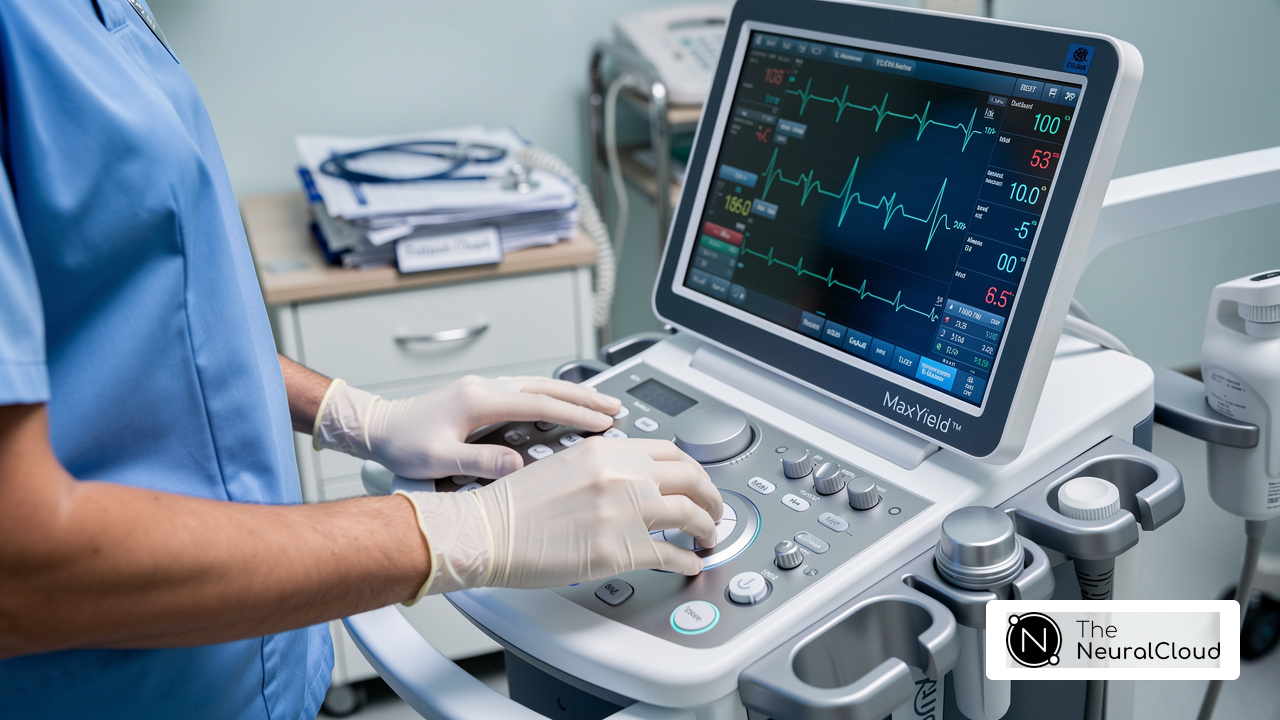
Neural Cloud Solutions MaxYield™: Advanced ECG Analysis for Anterior Infarcts
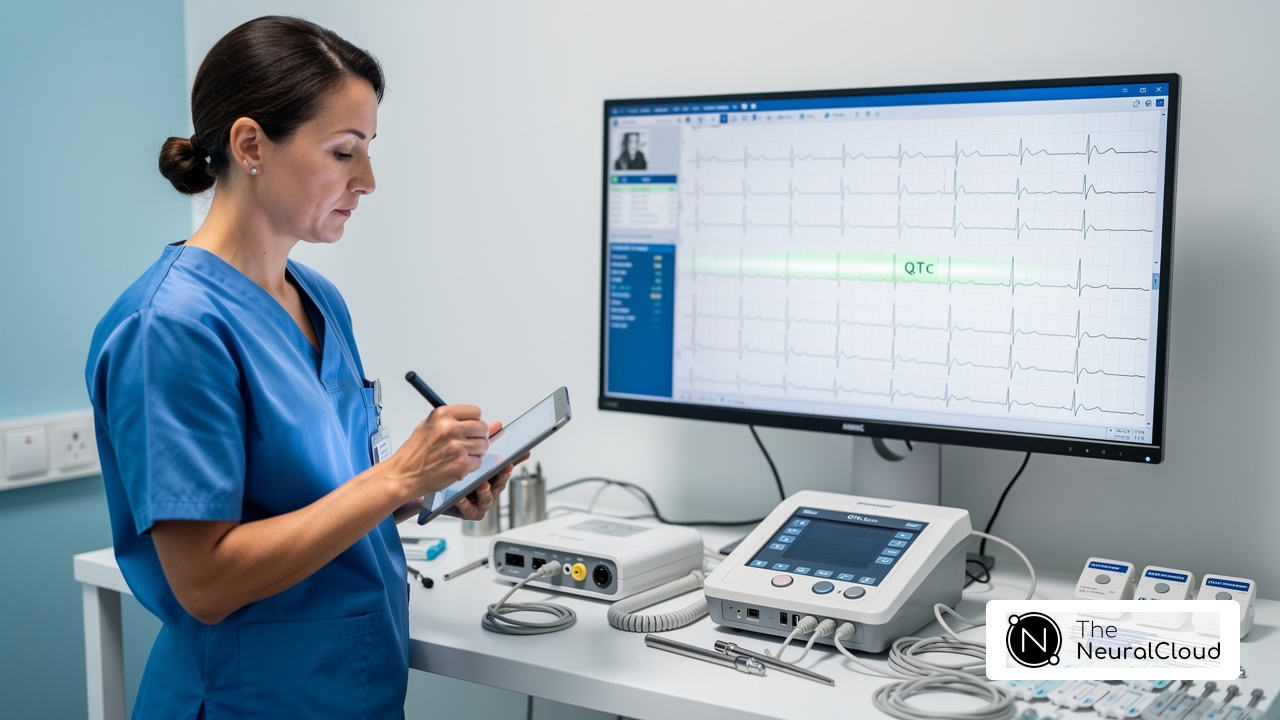
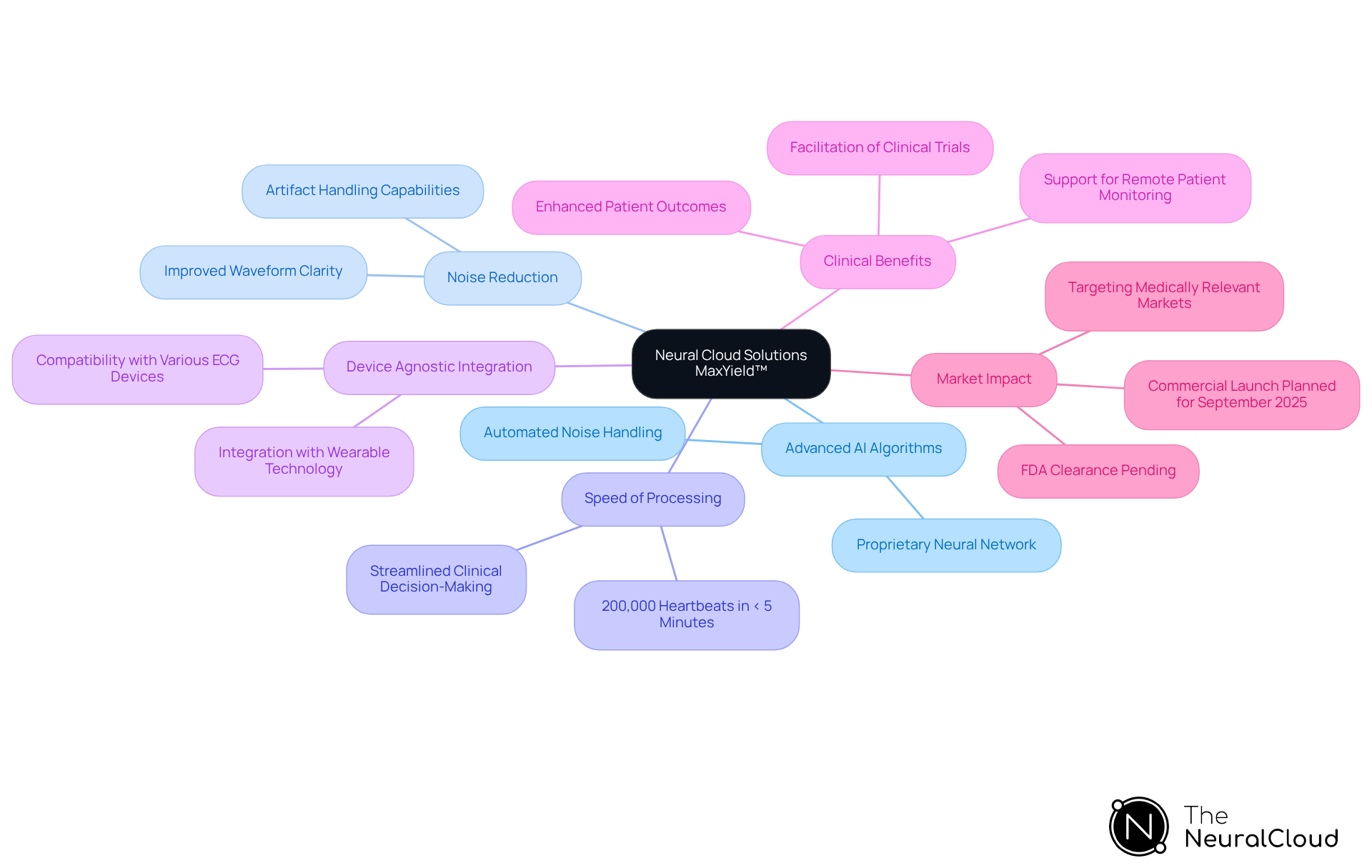
Neural Cloud Solutions' platform is at the forefront of transforming ECG analysis, particularly in the identification of myocardial infarction in the front wall. This is achieved by leveraging advanced algorithms, including a proprietary neural network that reduces noise and enhances waveform clarity. The platform processes ECG data with remarkable speed, delivering precise insights into cardiac health. Its sophisticated noise reduction and artifact handling capabilities significantly improve the clarity of ECG signals, making it an essential tool for healthcare professionals dedicated to accurately diagnosing heart conditions.
The system is device-agnostic, facilitating seamless integration with a variety of medical devices. This streamlines long-form electrocardiogram (ECG) analysis through automated, distinct, and scalable processes. Clinicians can analyze 200,000 heartbeats in less than 5 minutes, allowing them to concentrate on critical decision-making rather than manual data interpretation. As the platform prepares for its commercial launch in September 2025, pending FDA clearance, it is poised to make a substantial impact in medically relevant markets, particularly in Remote Patient Monitoring and Clinical Trials.
Recent advancements in ECG technology highlight the significance of AI-driven solutions like MaxYield, which support consistent ECG signal interpretation across diverse clinical settings, including wearable devices. This evolution in cardiac monitoring is further validated by testimonials from leading cardiologists, such as Esmat Naikyar, Chief Product Officer at AIML, who stated, "By using MaxYield, healthcare providers can redeploy resources to deeper analytics and product differentiation." This underscores the platform's potential to enhance patient care through superior data clarity and actionable insights.
Lead V1: Key Insights into Anterior Infarction Detection
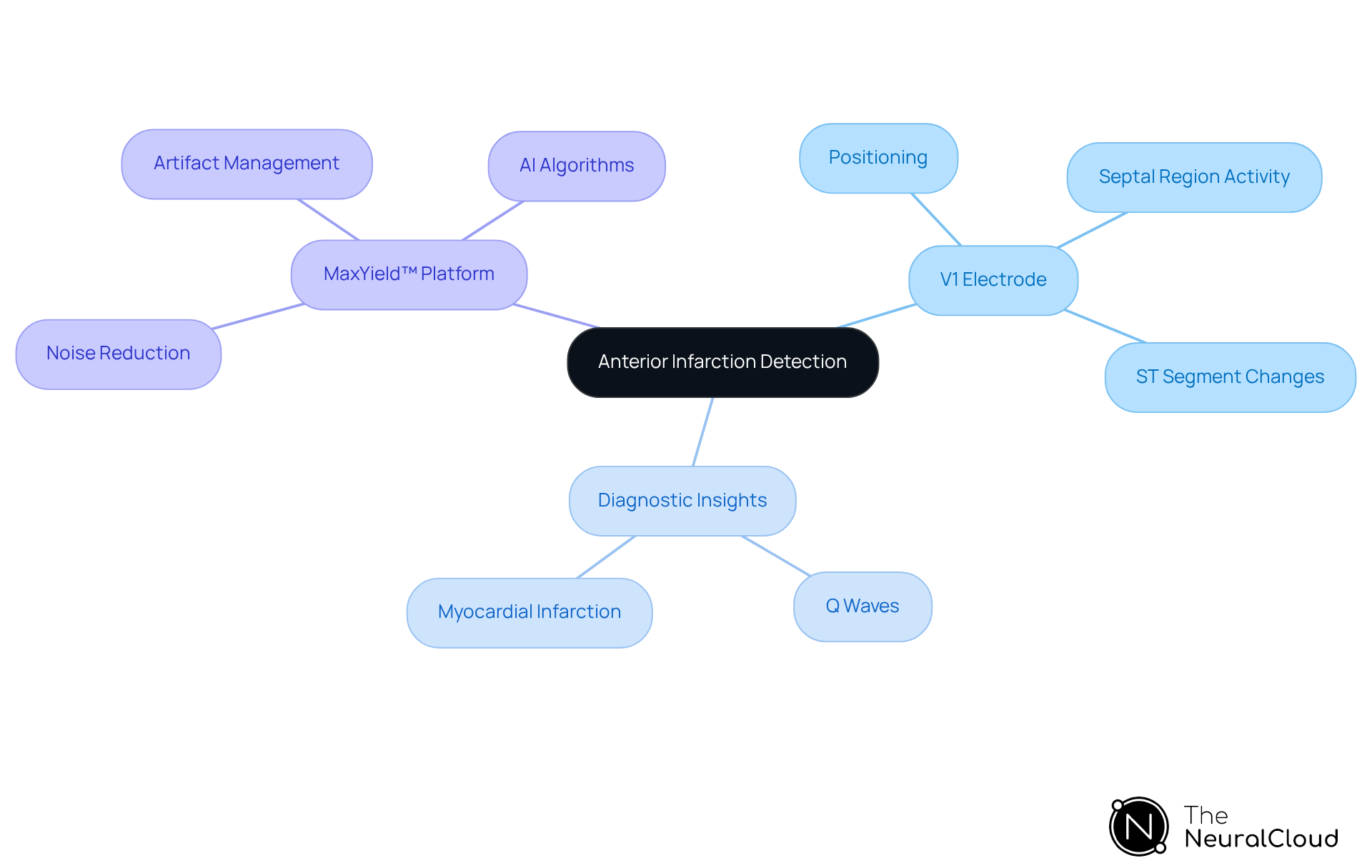
The V1 electrode, positioned in the right chest region, plays a vital role in detecting changes in the front wall of the heart. It offers valuable insights into the electrical activity, particularly in the septal region. Notable alterations in the ST segment or the presence of Q waves in V1 can indicate that an infarction is occurring in a front myocardial infarction, underscoring its importance in diagnosis.
Neural Cloud Solutions' platform enhances the analysis of V1 by incorporating advanced algorithms. This platform utilizes technologies that adaptively evolve with each use, ensuring that even recordings affected by significant noise can provide accurate diagnostic insights.
For healthcare professionals, leveraging the advanced features of the platform can markedly improve diagnostic accuracy, especially in challenging recording conditions. By addressing the common challenges faced in ECG analysis, the platform empowers healthcare professionals to make more informed decisions based on reliable data.
Lead V2: Essential for Identifying Anterior Wall Myocardial Infarction
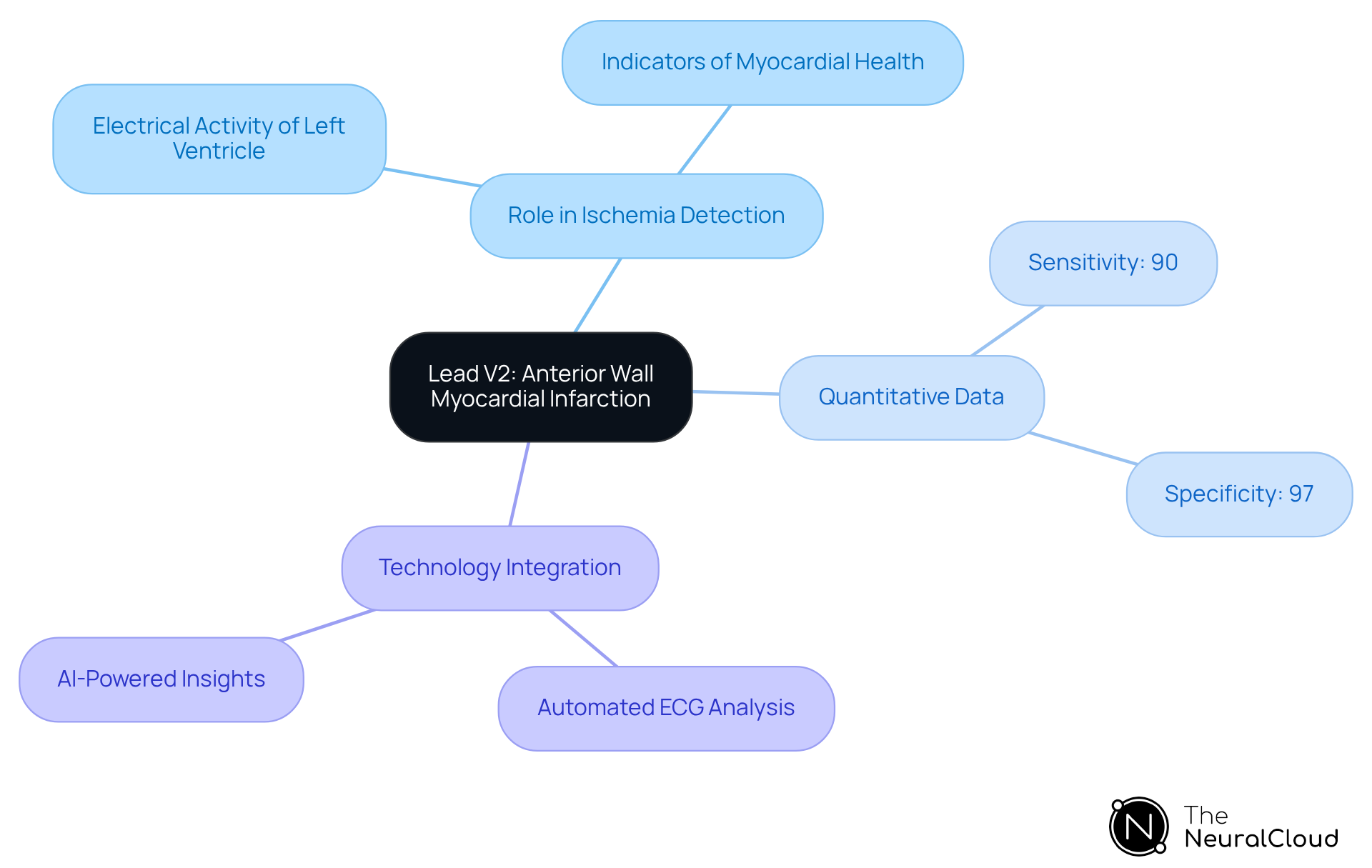
V2, located adjacent to V1, plays a vital role in identifying cases of anterior wall myocardial infarction. This lead captures the electrical activity of the left ventricle, serving as a key indicator of ischemia or infarction. Changes observed in V2 can provide critical insights into myocardial health, as they reflect alterations in cardiac electrical activity associated with anterior wall ischemia.
Recent studies indicate that Version 2 significantly improves diagnostic accuracy, with research demonstrating a sensitivity of 90% and specificity of 97% in classifying ischemic occurrences. In practice, healthcare professionals rely on Version 2 for early detection, enhancing diagnosis and patient outcomes.
The integration of technology from advanced systems further optimizes this process by converting noisy recordings into comprehensive insights. With its analytical capabilities, the system delivers beat-by-beat evaluations, facilitating the swift identification of myocardial infarctions, including those captured by V2.
This collaboration not only enhances diagnostic yield but also streamlines workflows, allowing healthcare providers to make informed decisions promptly. As the understanding of V2's role advances, its integration with advanced technology underscores its importance in modern cardiac care, ensuring clinicians have access to the most accurate and effective tools for ECG analysis.
Lead V3: Critical Role in Anterior Infarct Diagnosis
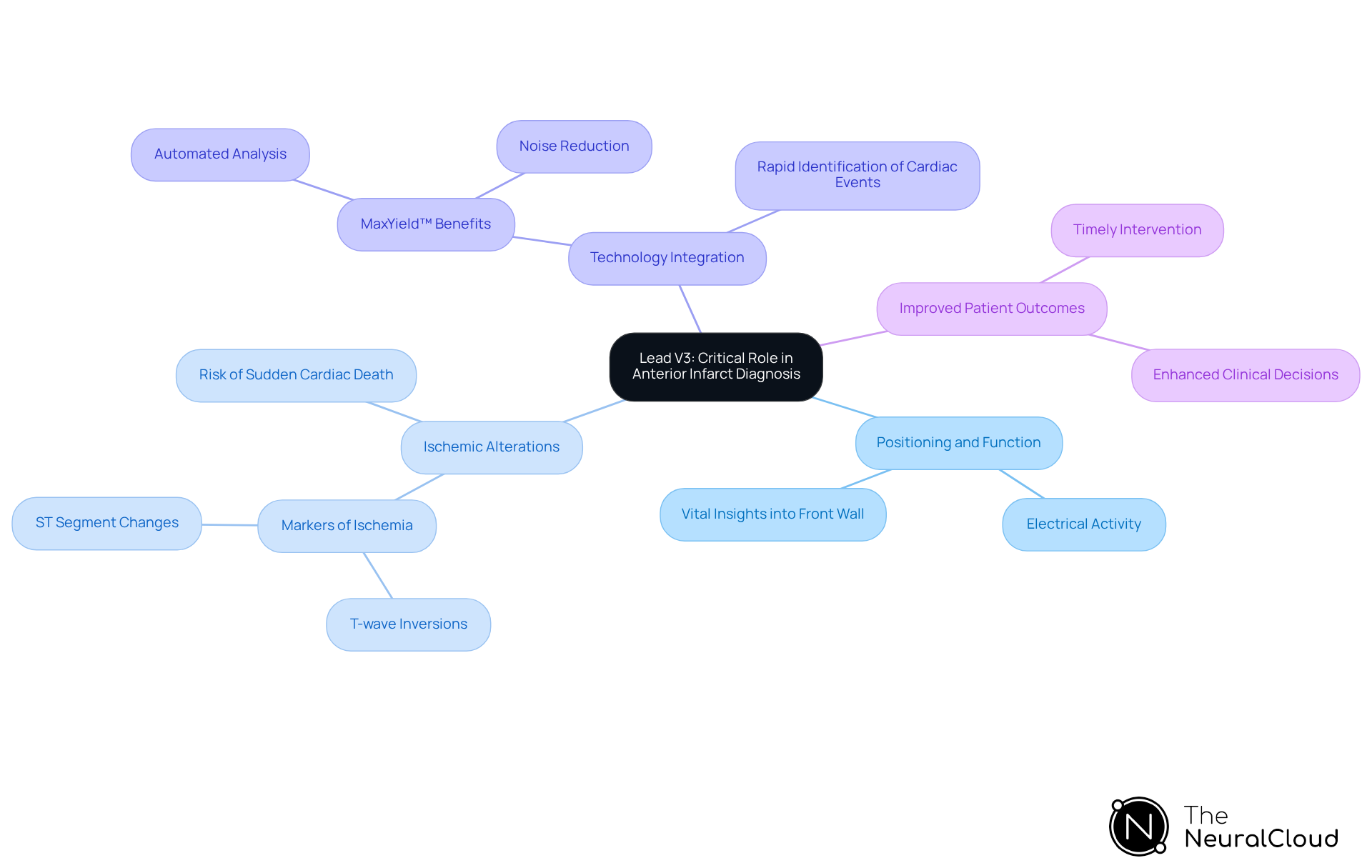
The V3 electrode, strategically positioned over the left ventricle, is essential for diagnosing frontal infarcts. This lead captures vital insights into the electrical activity of the front wall, where changes in the ST segment or T-wave inversions can indicate ischemic alterations. Notably, these changes serve as significant markers of ischemia, with research suggesting that such changes may reflect underlying cardiac issues and increase the risk of sudden cardiac death (SCD). The capability of Lead V3 to detect these ischemic changes is crucial for patient diagnosis, as early identification of myocardial infarction can markedly enhance treatment outcomes.
Integrating the Neural Cloud Solutions' technology significantly improves this process. The platform transforms noisy recordings into clear signals, effectively mapping ECG signals through noise. With the capacity to analyze 200,000 heartbeats in under 5 minutes, MaxYield™ enables the rapid assessment of cardiac health. This showcases smooth waveforms that facilitate confident clinical decisions, underscoring the lead's importance in clinical practice.
The technology, bolstered by advanced algorithms, is vital for the effective management of conditions related to myocardial infarction. By addressing the challenges in ECG analysis, the platform enhances the overall diagnostic process. Healthcare professionals benefit from its ability to provide clear, actionable insights, ultimately leading to improved patient care and outcomes.
Lead V4: Integral for Anterior Myocardial Infarction Assessment
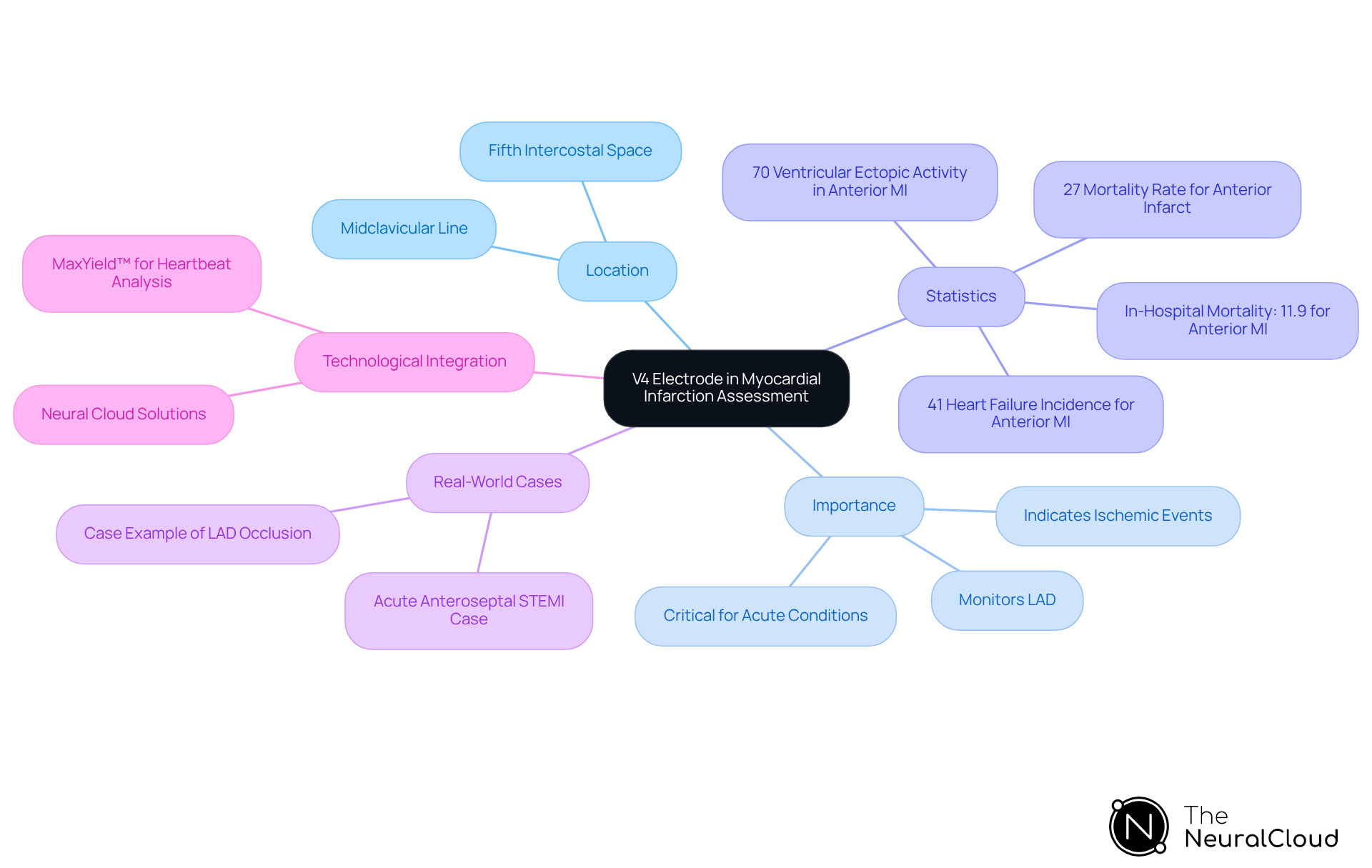
The electrode V4, located in the fifth intercostal space at the midclavicular line, is vital for assessing myocardial infarction. This lead is crucial for monitoring the left anterior descending artery (LAD) territory, as it can reveal ischemic changes. Notably, changes in V4 are indicative of acute conditions, such as myocardial infarction, characterized by ST elevation and T wave inversion.
Current statistics indicate that the mortality rate of 27% associated with anterior myocardial infarction highlights the importance of early detection facilitated by V4. Real-world cases further illustrate its significance; for example, a patient with proximal LAD occlusion exhibited the highest ST elevation in V1-2, alongside corresponding changes in V4, confirming the diagnosis of anterior myocardial infarction.
This underscores the critical role of V4 in patient assessment, assisting healthcare professionals in identifying urgent cardiac events and making informed clinical decisions. The integration of advanced ECG analysis platform enhances this process by automating and employing advanced noise filtering, which allows for clearer interpretation of V4 data.
With MaxYield™, clinicians can improve diagnostic accuracy, ensuring that critical conditions are not missed. Expert insights, such as those from Ed Burns, underscore the importance of ECG interpretation in emergency scenarios, reinforcing the essential role of V4 in diagnosing acute conditions.
Lead V5: Enhancing Anterior Infarct Detection
The V5 electrode, positioned on the side, plays a crucial role in enhancing the identification of frontal infarcts by providing insights into the lateral wall of the heart. This electrode is instrumental in detecting complications or extensions of myocardial infarction. Notably, changes observed in Lead V5 can signal the severity of the infarction, thereby informing treatment strategies.
Integrating an advanced technology from Neural Cloud Solutions, clinicians can effectively transform noisy recordings into clear ECG data. This platform enables the rapid analysis of 200,000 heartbeats in under five minutes. MaxYield™ offers essential features such as real-time monitoring, which are vital for making confident clinical decisions and in diagnosing frontal infarcts.
By addressing the challenges faced in ECG analysis, the platform provides healthcare professionals with the tools necessary for accurate and timely diagnosis. The advantages of using this platform include improved diagnostic accuracy and efficiency, ultimately leading to better patient outcomes. The insights derived from the analysis not only enhance clinical understanding but also support clinicians in managing complex cardiac conditions effectively.
Lead V6: Comprehensive Insights into Anterior Infarction
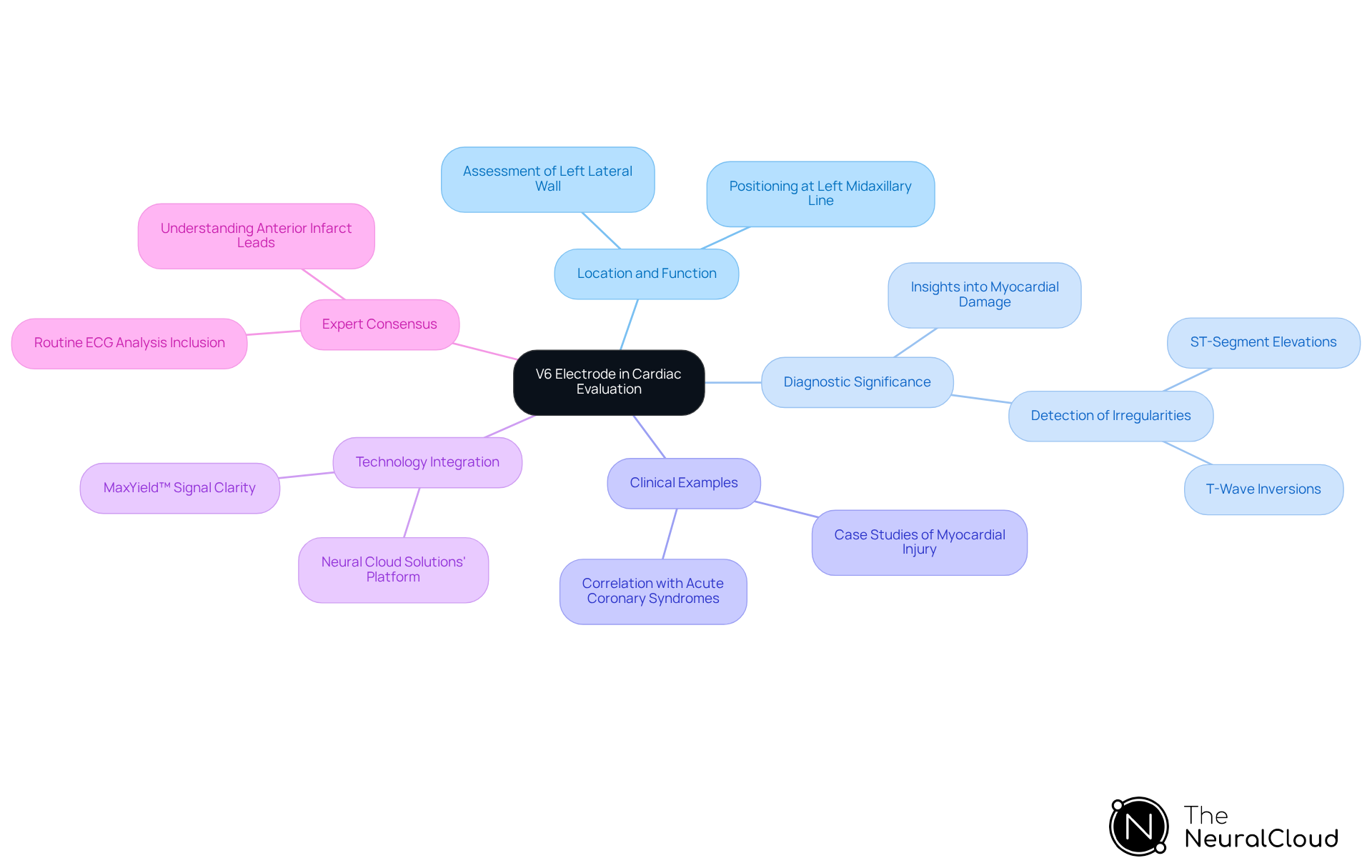
The V6 electrode, located at the left midaxillary line, is essential for assessing the heart's electrical activity, particularly concerning the left lateral wall. This area is often linked to myocardial infarction, underscoring the importance of V6 in comprehensive cardiac evaluations. Changes observed in V6 can reveal the extent of ischemia, providing critical information for accurate diagnosis and treatment planning.
Recent studies highlight the importance of V6 in electrical activity, which may indicate significant cardiac events. For example, ST-segment elevations or T-wave inversions in this lead can suggest underlying ischemic conditions, warranting further examination.
Practical examples illustrate V6's effectiveness in assessing myocardial injury. In clinical settings, patients showing alterations in this lead frequently correlate with adverse outcomes, emphasizing its diagnostic significance.
The integration of advanced technology platform enhances the evaluation of V6. This system streamlines data extraction, facilitating rapid case processing without compromising quality. Such automation not only lowers operational costs but also boosts efficiency, allowing healthcare professionals to concentrate on critical decision-making tasks. The consistently clear signals delivered by MaxYield™ support accurate interpretations of V6 data, further improving the understanding of myocardial health, especially regarding how ischemia affects it.
Expert consensus reinforces the need to include V6 in routine ECG analysis. Its ability to provide insights into the condition of the left lateral wall enriches the overall understanding of myocardial health, particularly in relation to complications in frontal infarctions. As ECG analysis evolves in 2025, the role of V6 remains vital, ensuring healthcare professionals can make informed decisions based on precise and reliable cardiac data.
Lead aVL: Evaluating Lateral and Anterior Wall Myocardial Infarction
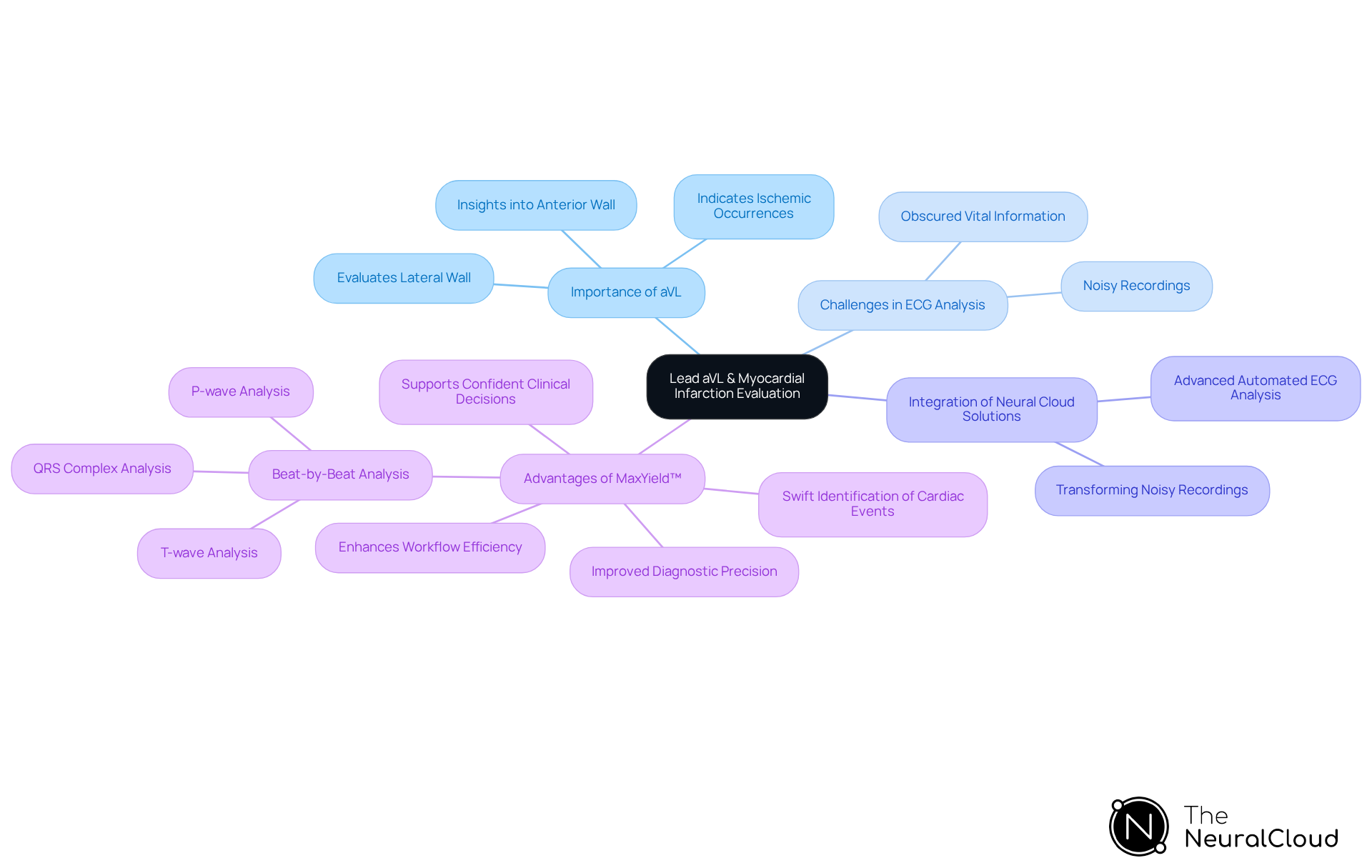
aVL is positioned to evaluate the lateral wall while also providing insights into the anterior wall, making it essential for understanding how to assess the relationship between lateral and anterior myocardial infarctions. Alterations in aVL can signify ischemic occurrences and are crucial for a thorough evaluation of cardiac health. However, the challenges in ECG analysis often stem from noisy recordings that can obscure vital information.
Integrating an advanced algorithm from Neural Cloud Solutions can transform these noisy recordings into clear data, including P-wave, QRS complex, and T-wave onsets, offsets, and time-series intervals. These capabilities enable swift identification of cardiac events, significantly improving the diagnostic precision of aVL readings.
The advantages of utilizing MaxYield™ extend beyond enhanced analysis. This integration supports confident clinical decisions and improves patient outcomes, ensuring that potentially meaningful ECG data is effectively highlighted. By providing clear and actionable insights, healthcare professionals can make informed decisions that directly impact patient care.
Lead I: Contextual Insights for Anterior Infarct Diagnosis
Lead I is positioned on the left arm and provides valuable insights into the heart's electrical activity. This information is essential for correlating findings from ECG readings with overall cardiac health. Variations in the readings can indicate more significant ischemic events, making it critical for comprehensive diagnosis.
The software from Neural Cloud Solutions enhances the automated labeling of ECG signals, which improves both clarity and efficiency in analyzing data. Our advanced neural networks adapt to physiological variability, ensuring that even subtle changes in the first lead are accurately interpreted. This capability empowers clinicians to extract meaningful insights, ultimately benefiting patient care.
Lead aVR: Important Indicators in Anterior Myocardial Infarction
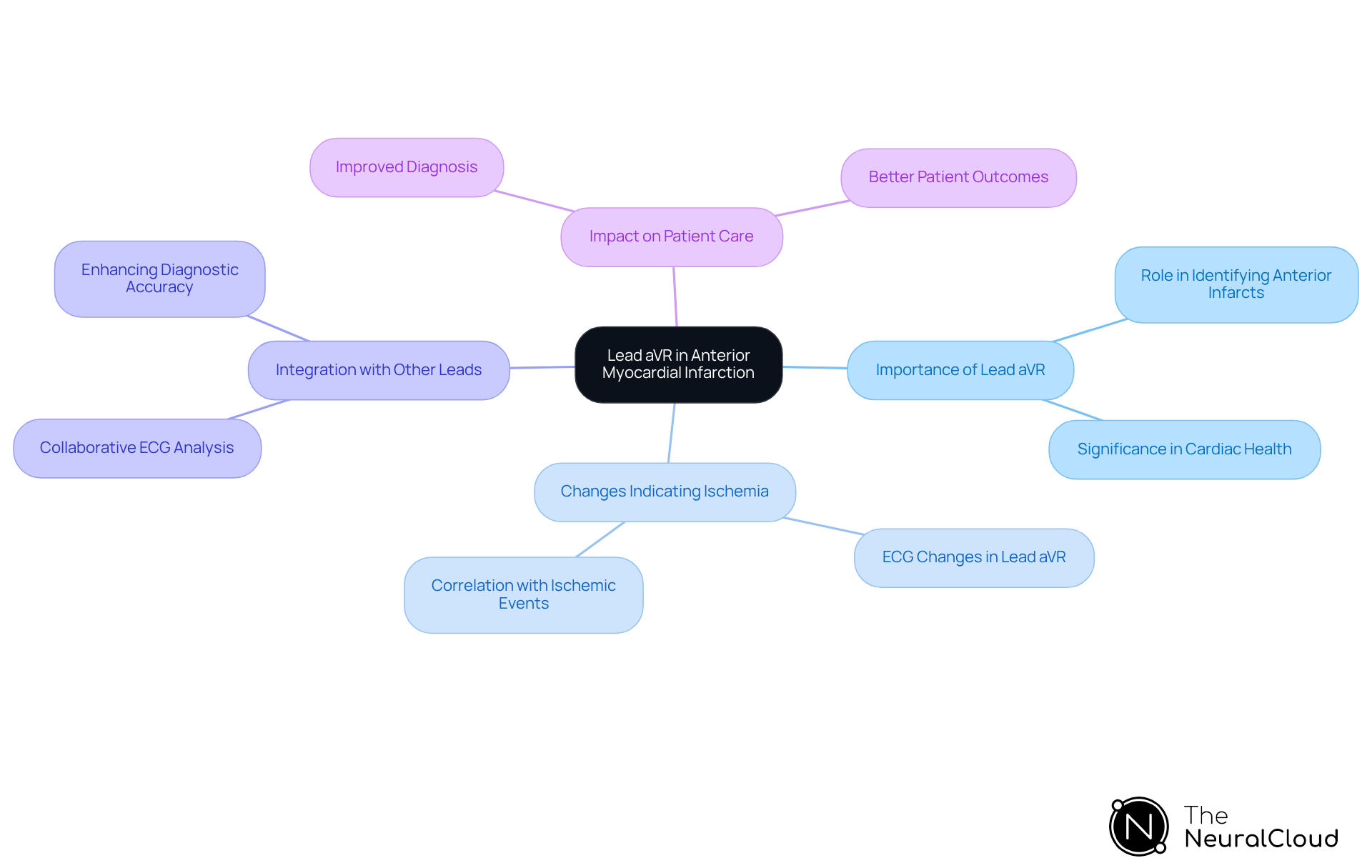
Lead aVR, positioned on the right arm, is often overlooked in ECG analysis. Despite this, it plays a crucial role in identifying indicators of anterior myocardial infarction. Notably, changes in lead aVR can signal significant ischemic events, as an important contributor to a crucial understanding of cardiac health.
To achieve accurate diagnosis, its interpretation must be integrated with findings from other leads, highlighting the collaborative nature of ECG analysis. This comprehensive approach enhances patient outcomes and ultimately benefits clinical practice.
Conclusion
The exploration of essential leads for anterior infarct diagnosis emphasizes the critical role of advanced ECG analysis in modern cardiac care. Leveraging cutting-edge technology like Neural Cloud Solutions' MaxYield™, healthcare professionals can significantly enhance the accuracy and efficiency of diagnosing myocardial infarctions. The leads—V1, V2, V3, V4, V5, V6, aVL, I, and aVR—each provide unique insights into the heart’s electrical activity, facilitating timely and informed clinical decisions.
The importance of each lead is highlighted, showcasing their specific contributions to detecting anterior wall myocardial infarctions. For instance, V1 plays a crucial role in identifying changes in the septal region, while V6 offers insights into the left lateral wall. The integration of AI-driven platforms like MaxYield™ streamlines ECG interpretation, reduces noise, and enhances diagnostic clarity. This comprehensive approach aids in identifying critical ischemic events and empowers clinicians to focus on patient care rather than manual data analysis.
Ultimately, embracing advanced ECG technologies is vital for improving patient outcomes in cardiac health. As the landscape of ECG analysis evolves, healthcare professionals are encouraged to adopt these innovative solutions to ensure they remain at the forefront of accurate and efficient myocardial infarction diagnosis. The collaboration between technology and clinical expertise will undoubtedly pave the way for enhanced cardiac care and better patient management in the future.
Frequently Asked Questions
What is Neural Cloud Solutions MaxYield™?
Neural Cloud Solutions MaxYield™ is an advanced platform for ECG analysis that focuses on identifying myocardial infarctions, particularly in the anterior wall of the heart, by utilizing AI algorithms and a proprietary neural network to enhance waveform clarity and reduce noise.
How does MaxYield™ improve ECG analysis?
MaxYield™ improves ECG analysis by processing data quickly, providing precise insights, and significantly enhancing the clarity of ECG signals through sophisticated noise reduction and artifact handling capabilities.
What is the significance of the V1 electrode in ECG analysis?
The V1 electrode, located in the right chest region, is crucial for detecting electrical activity changes in the front wall of the heart, particularly in the septal region, which can indicate anterior myocardial infarction.
How does the MaxYield™ platform enhance the analysis of the V1 lead?
The platform enhances V1 analysis by using advanced noise reduction and artifact management techniques, ensuring accurate diagnostic insights even in recordings affected by significant noise.
What role does the V2 lead play in identifying myocardial infarction?
The V2 lead captures electrical activity from the left ventricle and is essential for detecting ischemia or infarction, providing critical insights into myocardial health.
What are the sensitivity and specificity rates associated with the V2 lead?
Recent studies indicate that the V2 lead has a sensitivity of 90% and specificity of 97% in classifying ischemic occurrences.
How does MaxYield™ optimize the use of the V2 lead in ECG analysis?
MaxYield™ optimizes V2 lead analysis by converting noisy recordings into comprehensive insights and delivering beat-by-beat evaluations, facilitating the swift identification of critical ECG features.
What are the anticipated impacts of the MaxYield™ platform in healthcare?
The MaxYield™ platform is expected to significantly impact healthcare by streamlining ECG analysis, enhancing clinical decision-making, and improving patient outcomes, particularly in Remote Patient Monitoring and Clinical Trials, once it receives FDA clearance for commercial launch in September 2025.
List of Sources
- Neural Cloud Solutions MaxYield™: Advanced ECG Analysis for Anterior Infarcts
- Major AI Health Partnership: MaxYield ECG Tech Powers Next-Gen Smart Ring Through Multi-Year License Deal (https://stocktitan.net/news/AIMLF/aiml-subsidiary-neural-cloud-signs-loi-with-circular-health-to-2oh9lpuw71dy.html)
- AIML Hits Key Regulatory Benchmark with 510(k) Filing for MaxYield(TM) Signal Enhancement Platform (https://biospace.com/press-releases/aiml-hits-key-regulatory-benchmark-with-510k-filing-for-maxyieldtm-signal-enhancement-platform)
- Lead V2: Essential for Identifying Anterior Wall Myocardial Infarction
- researchgate.net (https://researchgate.net/publication/346113079_Artificial_Intelligence_Machine_Learning_and_Reasoning_in_Health_Informatics-Case_Studies)
- Lead V3: Critical Role in Anterior Infarct Diagnosis
- osmosis.org (https://osmosis.org/learn/ECG_cardiac_infarction_and_ischemia)
- Anterior Myocardial Infarction (https://litfl.com/anterior-myocardial-infarction-ecg-library)
- pmc.ncbi.nlm.nih.gov (https://pmc.ncbi.nlm.nih.gov/articles/PMC6931827)
- ncbi.nlm.nih.gov (https://ncbi.nlm.nih.gov/books/NBK562234)
- Lead V4: Integral for Anterior Myocardial Infarction Assessment
- Anterior Myocardial Infarction (https://litfl.com/anterior-myocardial-infarction-ecg-library)
- Lead V6: Comprehensive Insights into Anterior Infarction
- thoracickey.com (https://thoracickey.com/chapter-3-anterior-wall-myocardial-infarction)