Introduction
In the rapidly evolving landscape of health technology, accurate ECG measurements have become essential for effective cardiac care. Developers are striving to enhance diagnostic capabilities, and understanding the critical metrics that underpin ECG analysis is vital. This article explores ten fundamental ECG measurements that can significantly impact patient outcomes, examining how advanced platforms like Neural Cloud Solutions' MaxYield™ are transforming the field.
With numerous variables at play, developers must ensure precision and reliability in their ECG readings while navigating the complexities of cardiac health.
Neural Cloud Solutions: MaxYield™ Platform for Automated ECG Analysis
Neural Cloud Solutions is at the forefront of transforming healthcare through automation and advanced technology. This innovative platform can process over 200,000 heartbeats in under five minutes, delivering precise beat-by-beat assessments that isolate and label critical features like P-waves, QRS complexes, and T-wave intervals. Such automation not only accelerates the analysis of ECGs but also enhances their quality, empowering clinicians to make informed decisions based on dependable data.
The platform's adaptability is further illustrated by its seamless integration with various devices, including wearable technology and mobile applications, establishing it as an indispensable tool for clinicians and researchers. Recent pilot studies, including a collaboration with the Toronto Heart Centre, are focused on assessing the [efficiency and diagnostic performance of CardioYield™](https://theglobeandmail.com/investing/markets/markets-news/ACCESS Newswire/35275455/aiml-subsidiary-neuralcloud-solutions-and-toronto-heart-centre-launch-a-pilot-program-to-test-ai-powered-holter-ecg-reporting), a technology aimed at improving ECG analysis and reporting. This initiative involves over 20 cardiologists and aims to quantify improvements in technician efficiency and report turnaround times compared to conventional methods.
Researchers have recognized the transformative influence of AI in processing ECG signals. Innovations such as automated signal cleaning and beat-level PQRST labeling not only diminish the need for repetitive corrections but also enhance the accuracy of diagnoses. Dr. Chi Ming Chow from St. Michael's Hospital underscores that these advancements have the potential to significantly boost both speed and diagnostic reliability, ultimately benefiting clinicians and patients alike.
With a commitment to employing Gold Standard methodologies, Neural Cloud Solutions is dedicated to ensuring that healthcare providers can optimize their diagnostic yield while efficiently allocating resources.
QT Interval: Importance in Assessing Cardiac Health
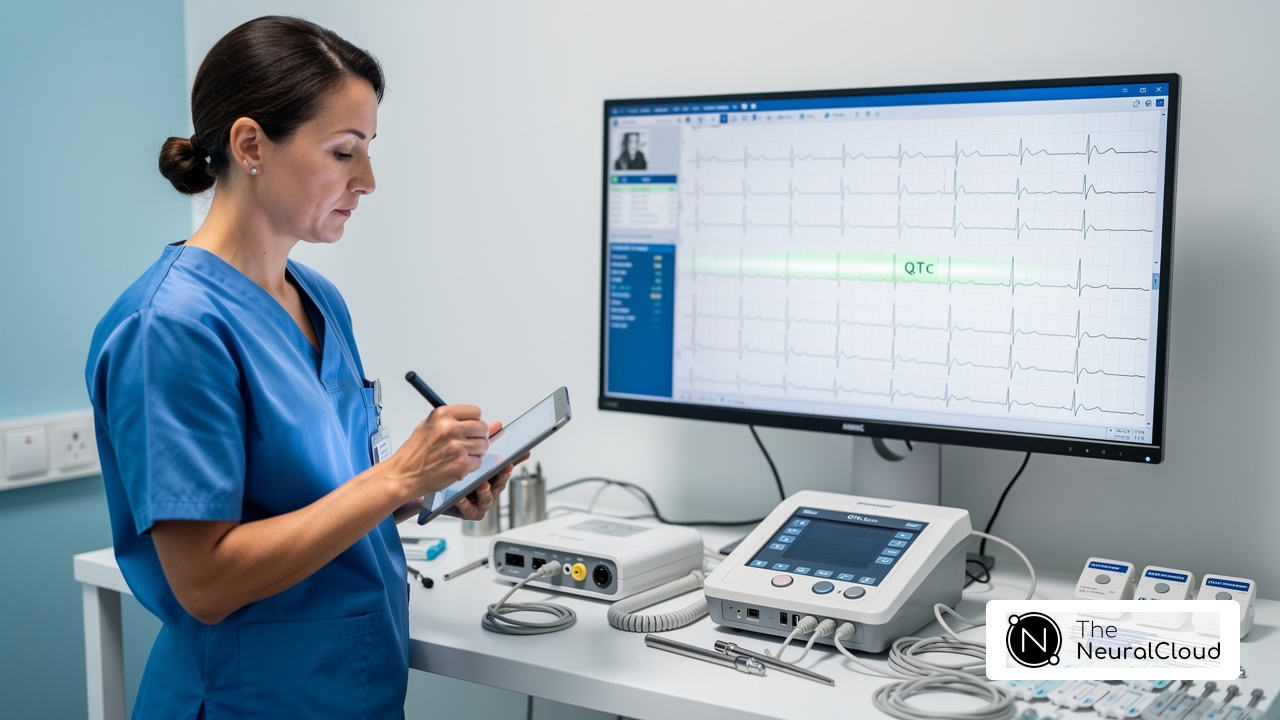
The QT period is a critical measurement that reflects the duration of ventricular depolarization and repolarization, serving as an essential indicator of the heart's electrical stability. A prolonged QT duration, defined as a QTc of 450 ms or longer in men or 460 ms or longer in women, is linked to a range of arrhythmias, including Torsades de Pointes, which can be life-threatening. Recent studies have highlighted that various factors, including medications and electrolyte imbalances, necessitating careful monitoring in clinical settings. For instance, a cross-sectional study revealed a significant prevalence of QT prolongation among hospitalized geriatric patients, correlating with age and polypharmacy.
Creators of ECG devices must prioritize the precise measurement of parameters such as the QT duration, as it plays a crucial role in evaluating cardiac health and directing treatment choices. Neural Cloud Solutions' platform enhances this process by evolving with each use, improving the accuracy and efficiency of QT duration measurements over time. This model specifically addresses challenges such as noise and physiological variability, ensuring that data from devices can be reliably interpreted. Manual measurement techniques, such as the maximal slope or tangent method, are recommended to enhance accuracy, especially in cases with abnormal ECGs. Furthermore, automated systems may struggle with accuracy in the presence of irregular rhythms or abnormal T wave configurations, particularly with baseline artifacts. However, by leveraging AI-driven automation, developers can address these challenges, ensuring robust verification processes and improved outcomes.
The pressing necessity for establishing protocols in clinical environments is essential for enhancing patient safety and treatment outcomes. Ensuring that systems can reliably determine the QT interval, supported by accurate algorithms, is crucial for advancing heart care.

QRS Complex: Key Indicator of Ventricular Depolarization
The QRS complex is a vital element of the ECG waveform, representing ventricular depolarization and typically lasting less than 120 milliseconds. Abnormalities, such as widening or morphological changes, can signal serious heart conditions, including bundle branch blocks and myocardial infarction. Recent studies have demonstrated that a QRS duration exceeding 120 milliseconds is associated with increased mortality, highlighting the necessity for timely intervention.
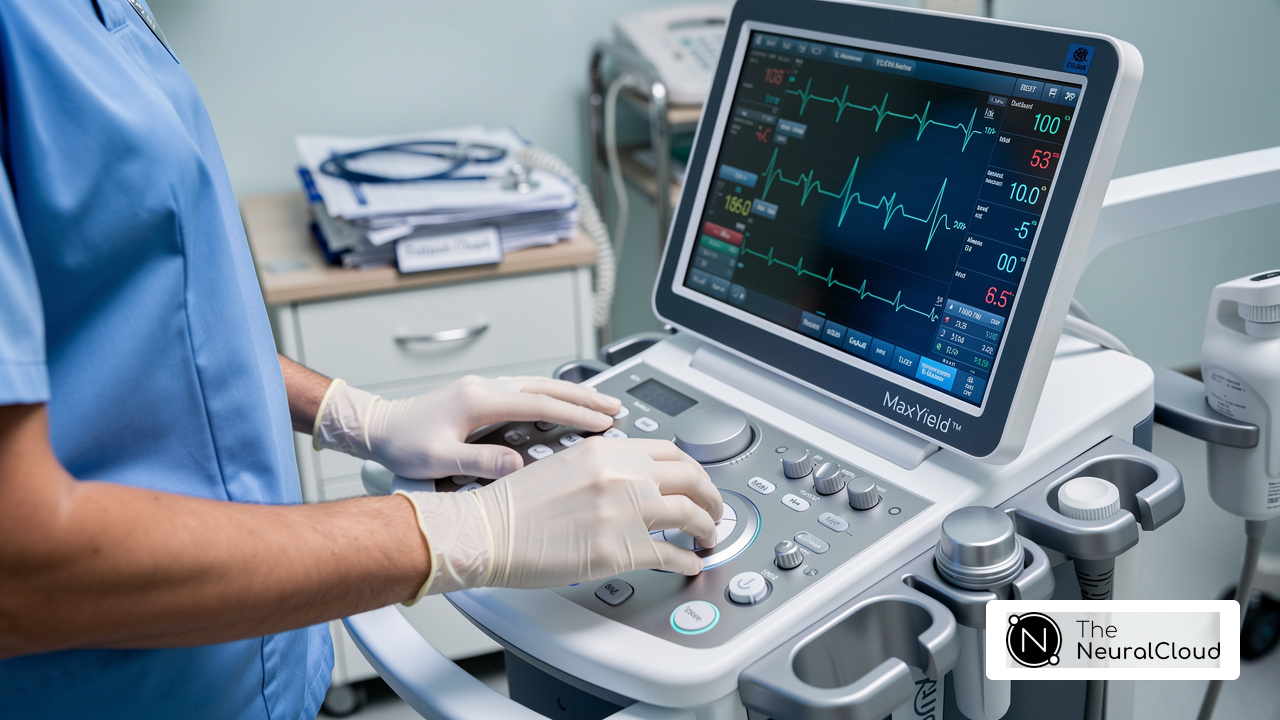
Developers must prioritize the accuracy of their devices in capturing and analyzing the QRS complex using advanced algorithms to ensure reliable diagnostics. The 'Neural Cloud Solutions' enhances this process by automating the evaluation of ECG signals, providing beat-by-beat insights and isolating key features like the QRS complex with remarkable precision. MaxYield™ offers a comprehensive examination of P-wave, QRS complex, and T-wave onsets and offsets, along with heart rate and time-series intervals for each heartbeat. For instance, a study evaluating QRS detection algorithms achieved a sensitivity of over 99.8% on the MIT-BIH Arrhythmia Database, demonstrating the potential for advanced algorithms to improve diagnostic accuracy. Furthermore, the implementation of a novel 4-electrode X-Y-Z system has shown that 95 out of 100 ECG records could be adequately interpreted using only three leads, simplifying the process while maintaining high accuracy.
Cardiologists stress the significance of QRS analysis in clinical practice. As Roberto De Ponti noted, 'Wide complex tachycardia may represent a challenge for correct interpretation of standard electrocardiograms, which is crucial for proper patient management.' This highlights the necessity for health tech developers to integrate robust QRS detection capabilities to enhance patient outcomes in their devices. With MaxYield™, developers can ensure that healthcare professionals have access to accurate data, enabling informed decision-making. The platform's 'neuralized' signal and data wall features further improve workflow, enabling effective examination and interpretation. Practical uses of QRS evaluation have already demonstrated effectiveness in diagnosing different heart problems, reinforcing the essential role of this metric in contemporary cardiology.
P-Wave: Significance in Atrial Depolarization Analysis
The P-wave, which signifies atrial depolarization, is the first deflection seen on an ECG. Its duration and morphology serve as crucial indicators of atrial size and function, with any abnormalities often pointing to conditions like atrial enlargement or atrial fibrillation. Recent studies emphasize that measurements, including duration and morphology, can significantly improve the prediction of atrial fibrillation (AF) and other cardiovascular events. For example, a duration of 120 ms or more is deemed abnormal and may suggest partial interatrial block, a condition linked to an elevated risk of AF.
In practical applications, research highlights its significance in cardiac health. Advanced methods for evaluating P-wave characteristics—such as assessing duration, amplitude, and shape characteristics—offer valuable insights into atrial function and potential irregularities. Research indicates that biphasic P-waves in inferior leads are associated with a seven-fold increase in the risk of AF, even among patients with normal ECG readings.
For health tech developers, it is vital to ensure that systems accurately detect and analyze the P-wave for effective diagnosis. This involves integrating algorithms capable of differentiating P waves from other cardiac signals in ECG recordings, thereby improving the accuracy of atrial activity assessments. As the incidence of atrial fibrillation continues to rise, the importance of early detection and intervention becomes increasingly critical, highlighting the need for innovative solutions in health technology.
ST Segment: Critical for Detecting Ischemia
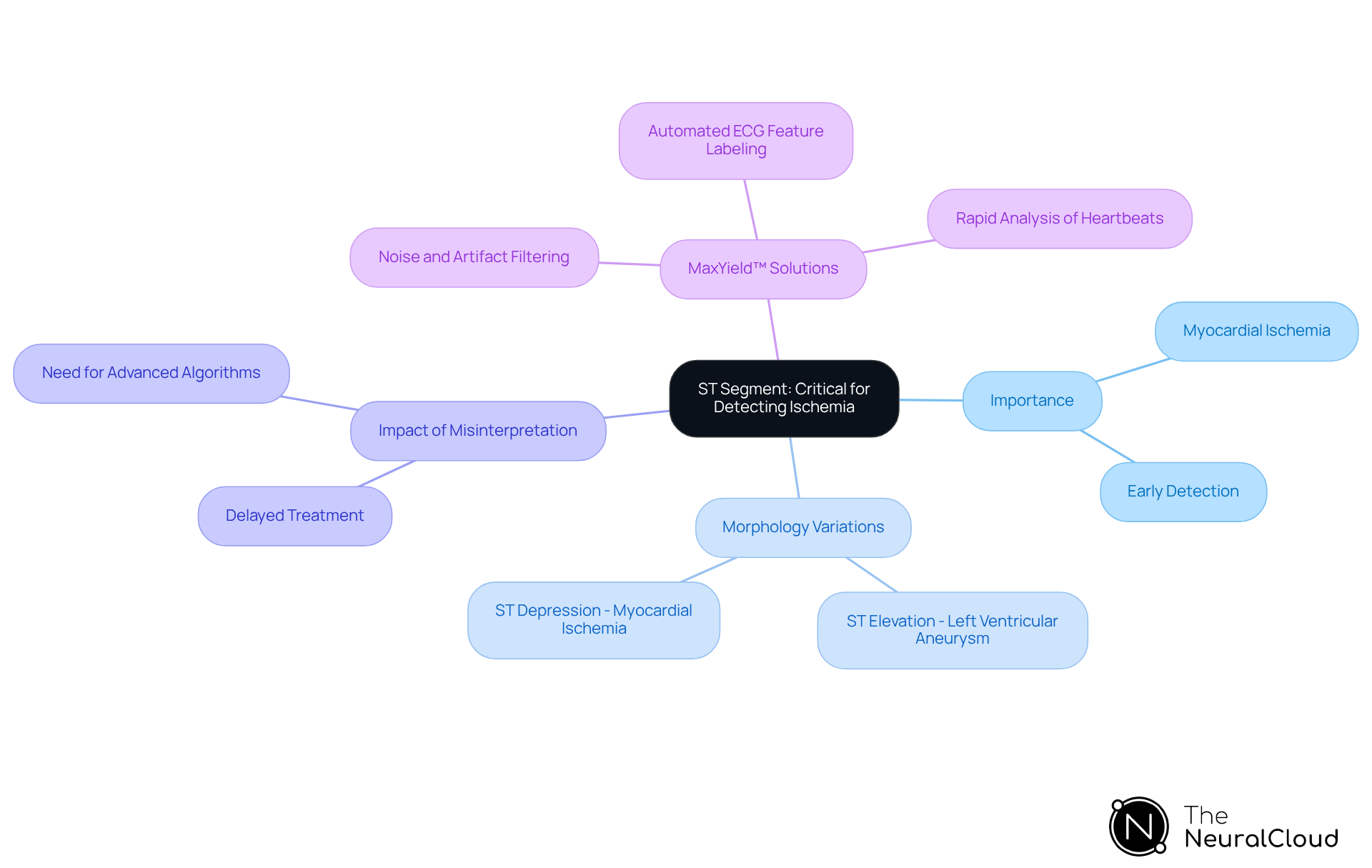
The ST segment, which follows the QRS complex, signifies the interval between ventricular depolarization and repolarization. Its measurement is critical, as these changes can indicate ischemia or infarction. Precise measurement of the ST segment is crucial for developers of health technology, as it plays a pivotal role in the early detection of heart-related events, enabling timely medical intervention. Current guidelines emphasize the need for monitoring of the ST segment to enhance diagnostic accuracy.
Recent research highlights that variations in the ST segment can provide insights into underlying cardiac conditions, reinforcing the necessity for robust analysis. For instance, persistent ST elevation may suggest left ventricular aneurysm, while ST depression can indicate myocardial ischemia. Misinterpretation of ST segment changes can lead to delayed treatment, highlighting the importance of integrating technology to improve accuracy.
Neural Cloud Solutions' platform addresses these challenges by filtering out noise and artifacts while automating the labeling of critical ECG features. It analyzes 200,000 heartbeats in less than 5 minutes, ensuring developers can depend on precise and efficient evaluation of the ST segment. As Dr. Smith notes, 'LBBB creates significant abnormalities in both the depolarization and repolarization of the ventricles,' which further complicates the interpretation of ST segment changes.
By utilizing MaxYield™, developers can surmount conventional limitations and enhance the overall efficiency of ECG evaluation. The platform not only improves accuracy but also supports healthcare professionals in making decisions based on accurate data.
Heart Rate Variability (HRV): Insights into Cardiovascular Health
Heart Rate Variability (HRV) measures the variations in time intervals between heartbeats, serving as a critical indicator of autonomic nervous system (ANS) function. High HRV is associated with improved cardiovascular health and greater resilience to stress, whereas low HRV may indicate underlying health issues. Recent studies highlight HRV's significance, particularly among patients recovering from acute myocardial infarction, where it serves as a strong predictor of mortality.
For health tech developers, integrating HRV assessment into platforms can significantly enhance patient monitoring. The platform developed by Neural Cloud Solutions employs advanced algorithms for real-time analysis. This enables developers to provide deeper insights into patient health. Such integration allows clinicians to effectively assess patient status, autonomic balance, and the associated risks.
Real-world applications show that HRV tracking can guide lifestyle modifications, such as exercise and stress management, which are vital for overall well-being. Furthermore, the data contributes to the evaluation process, ultimately enhancing patient care and outcomes.

J Point: Marker for ST Segment Changes
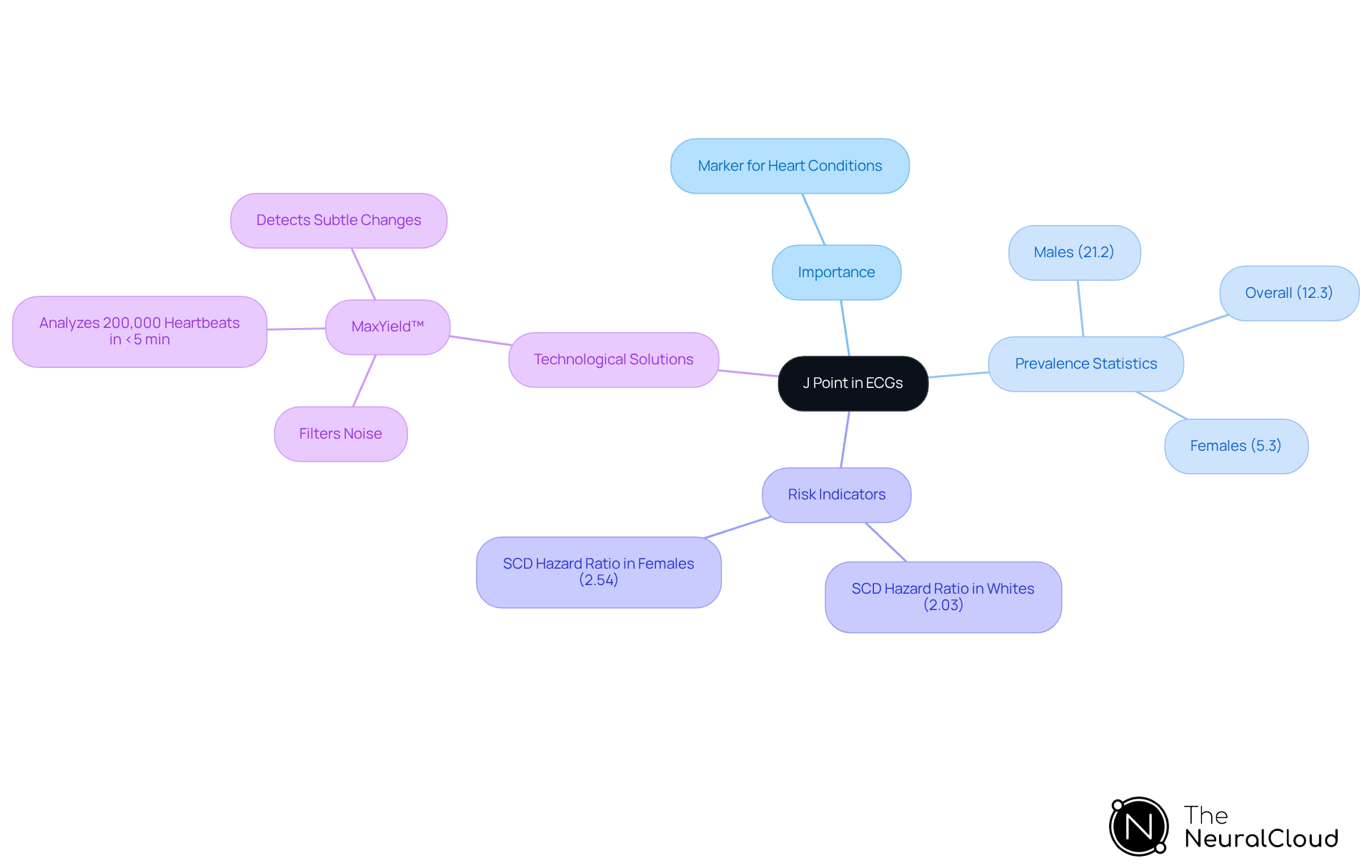
The J point serves as a crucial marker in electrocardiograms, indicating the junction between the end of the QRS complex and the onset of the ST segment. Variations in the J point can signal significant heart events, such as ischemia and arrhythmias. For instance, ischemic changes have been recorded in 12.3% of subjects, with a notably higher prevalence in males (21.2%) compared to females (5.3%). This elevation may point to underlying structural heart disease or delayed depolarization, necessitating thorough analysis by healthcare professionals.
Recent studies underscore the connection between J-point elevation (JPE) and an increased risk of sudden cardiac death (SCD), particularly across diverse populations. For example, JPE was predictive of SCD in white individuals, with an adjusted hazard ratio of 2.03, and in females, with an adjusted hazard ratio of 2.54. These findings highlight the importance of identifying J-point alterations in patients as potential indicators of serious heart conditions.
To enhance the accuracy of J point identification and analysis, developers of ECG devices can utilize technology like machine learning, which employs sophisticated algorithms to filter noise and isolate key features in ECG data. This technology can analyze 200,000 heartbeats in under 5 minutes, enabling the detection of abnormalities that may suggest ischemia or other heart-related events.
By integrating advanced analytics into their devices, developers can significantly improve the diagnostic process. This advancement not only enhances diagnostic accuracy but ultimately leads to better patient outcomes. The ability to swiftly and accurately identify J-point variations can empower healthcare professionals to take timely action, potentially mitigating serious cardiac events.
PR Interval: Assessing Atrioventricular Conduction
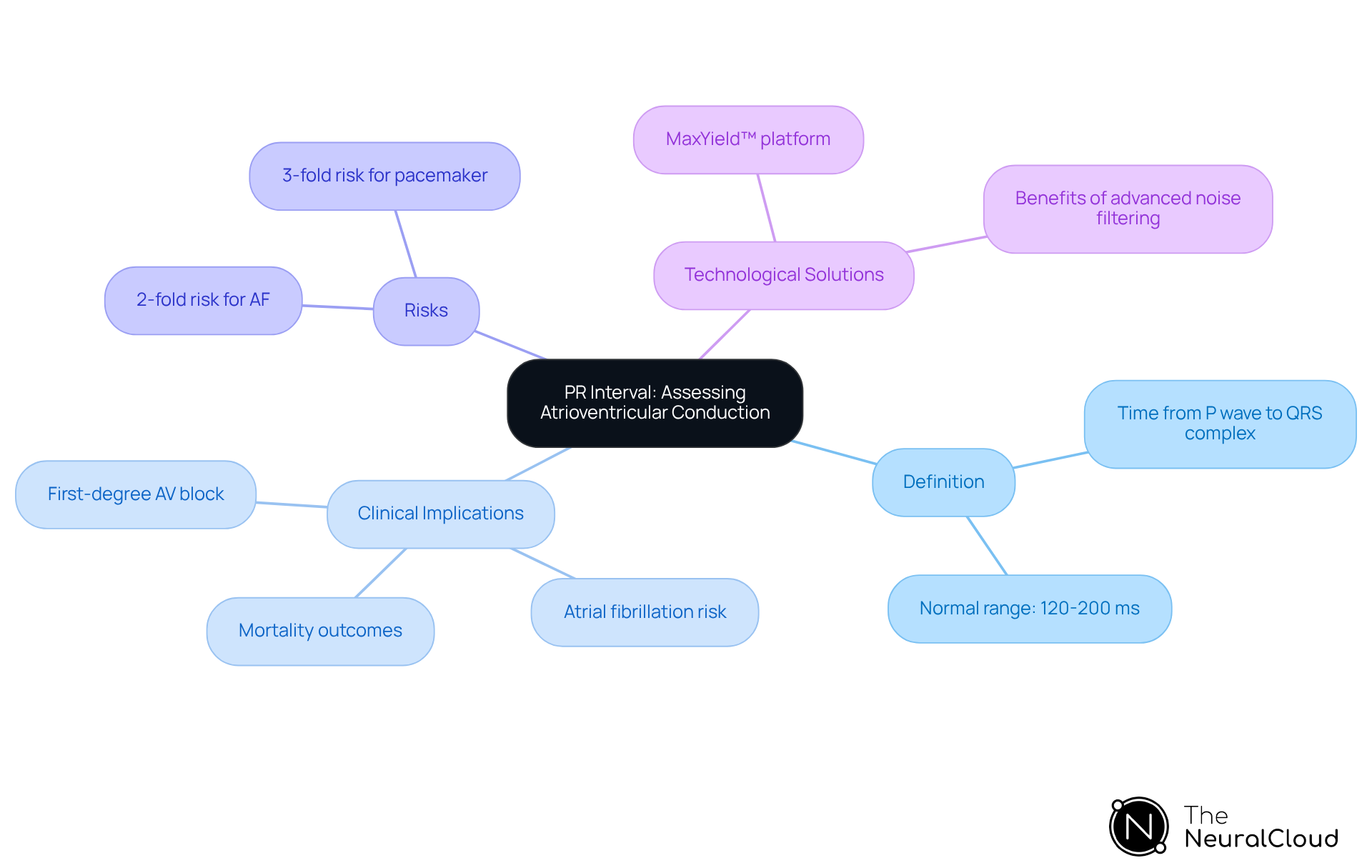
The PR interval is a critical measurement in electrocardiography, as it represents the time from the onset of the P wave to the beginning of the QRS complex, and is an essential aspect of cardiac health. This period signifies the conduction time through the atrioventricular (AV) node, and its length can offer valuable insights into atrial conduction. A prolonged PR interval, defined as greater than 200 milliseconds, is indicative of first-degree heart block, a condition that affects approximately 1% to 6% of the general population, with prevalence increasing significantly in older adults. Conversely, a shortened PR interval may indicate conditions like Wolff-Parkinson-White syndrome, which can result in severe arrhythmias.
Recent studies emphasize the clinical significance of PR segment abnormalities. Research has demonstrated that individuals with extended PR intervals encounter a two-fold increased risk of atrial fibrillation (AF) and a three-fold elevated risk of needing pacemaker implantation. Furthermore, extended PR intervals have been linked to negative cardiovascular outcomes, such as increased all-cause mortality. In a cohort study, each 20-millisecond increase in PR interval was associated with a higher hazard ratio for AF, underscoring the need for careful monitoring.
Precise measurement of the PR interval and its duration is essential for effective diagnosis and management of these conditions. ECG device manufacturers must ensure their technology can consistently capture and analyze variations of PR intervals, as this capability will assist healthcare professionals in making informed choices. The technology from Neural Cloud Solutions enhances this process by utilizing advanced algorithms and distinct wave recognition, allowing for the isolation of critical data even in recordings with high levels of noise and artifact. The MaxYield™ algorithm evolves with each use, continuously improving its accuracy and efficiency.
The PR interval ranges from 120 to 200 milliseconds, and understanding the nuances of its measurement can significantly impact patient outcomes. By integrating the PR interval analysis, healthcare professionals can improve their diagnostic accuracy, leading to better patient care and outcomes.
T-Wave: Identifying Repolarization Abnormalities
The T-wave is a critical component of the electrocardiogram, representing ventricular repolarization and occurring after the QRS complex. Abnormalities in T-wave morphology, such as inversion or flattening, can indicate underlying conditions, including ischemia and electrolyte imbalances. Recent studies have highlighted that T-wave changes are more predictive of cardiac events than ST segment depression, reinforcing the need for precise analysis in clinical settings. For instance, a study involving over 46,000 patients demonstrated that T-wave changes are strong indicators of underlying heart disease, with specific combinations of abnormalities yielding high hazard ratios for cardiovascular events.
Incorporating artificial intelligence can enhance the detection of these abnormalities by improving diagnostic accuracy. The EAGLE trial showed that AI-guided screening significantly increased new diagnoses of low ejection fraction. Developers must prioritize the accurate capture of T-wave data in their devices to enhance patient care. This involves ensuring that devices can efficiently assess T-wave features using advanced algorithms, as the ability to identify minor variations can lead to earlier detection of potential heart problems, ultimately enhancing patient outcomes.
With advanced technology, developers can improve their ECG devices' ability to accurately capture T-wave signals, even in recordings affected by noise. MaxYield™ employs advanced noise filtering and adaptive algorithms that evolve with each use, ensuring that critical data is identified and labeled effectively. This capability not only enhances diagnostic accuracy but also addresses challenges posed by physiological variability and signal artifacts, ultimately improving the overall performance of ECG devices.
Electrical Axis: Diagnosing Axis Deviation
The electrical axis of the heart signifies the average direction of electrical activity during ventricular depolarization, typically ranging from -30° to +90°. Deviations from this norm can indicate serious conditions, such as left or right ventricular hypertrophy and various conduction abnormalities. For example, research shows that left axis deviation (LAD) correlates with a 26.4% cumulative incidence of adverse outcomes over three years, underscoring its clinical relevance. In contrast, right axis deviation (RAD) presents a lower incidence of 22.7%, suggesting it may frequently be a normal variant, particularly among younger patients.
Recent studies emphasize the importance of precise assessment of the electrical axis through advanced techniques in cardiology. A comprehensive analysis involving over 39,000 participants demonstrated that anatomical factors, including body mass index (BMI) and sex, significantly affect the electrical axis and, consequently, diagnosis. For instance, male hearts are generally more horizontally oriented than female hearts, which can influence the interpretation of axis deviations.
Developers should prioritize robust evaluation features within their applications by incorporating AI technology, particularly through MaxYield™. This advanced AI-driven solution enhances diagnostic accuracy through improved data analysis, addressing prevalent challenges in ECG analysis. By transforming noisy recordings into clear insights, MaxYield™ empowers healthcare professionals to identify and manage heart conditions more effectively.
Integrating the latest findings in research alongside personalized ECG interpretation based on individual anatomical characteristics will enhance patient outcomes and facilitate more tailored cardiac care.

Conclusion
The integration of essential ECG measurements into health technology is pivotal for enhancing cardiac health diagnostics. This article highlights the transformative role that advanced platforms like Neural Cloud Solutions' MaxYield™ play in automating ECG analysis, thereby improving the accuracy and efficiency of vital measurements such as the QT interval, QRS complex, P-wave, and T-wave. By leveraging AI-driven solutions, health tech developers can ensure that healthcare professionals are equipped with reliable data to make informed decisions regarding patient care.
Key insights from the article underscore the importance of precise ECG measurements not only for identifying potential heart conditions but also for improving overall patient outcomes. The discussions around the QT interval's significance in assessing arrhythmias, the critical nature of the QRS complex in ventricular depolarization, and the implications of T-wave abnormalities in cardiovascular mortality reinforce the necessity for meticulous analysis in clinical settings. Furthermore, advancements in heart rate variability and electrical axis assessment illustrate the growing need for comprehensive ECG evaluations in modern healthcare.
As the landscape of cardiac care continues to evolve, the call to action for health tech developers is clear: prioritize the integration of innovative ECG analysis technologies to enhance diagnostic capabilities. By doing so, they can contribute significantly to patient safety and treatment effectiveness, ultimately fostering a healthier future for individuals at risk of heart-related issues. Embracing these advancements will not only improve clinical workflows but also enable timely interventions that can save lives.
Frequently Asked Questions
What is the MaxYield™ platform and what does it do?
The MaxYield™ platform by Neural Cloud Solutions automates ECG analysis using advanced AI algorithms, processing over 200,000 heartbeats in under five minutes. It delivers precise beat-by-beat assessments, isolating and labeling critical features like P-waves, QRS complexes, and T-wave intervals.
How does the MaxYield™ platform enhance the quality of ECG measurements?
The platform enhances the quality of ECG measurements by automating the analysis, which accelerates processing times and improves accuracy, allowing healthcare professionals to make informed decisions based on reliable cardiac insights.
Can the MaxYield™ platform integrate with other devices?
Yes, the MaxYield™ platform seamlessly integrates with various devices, including wearable technology and Holter monitors, making it a versatile tool for clinicians and researchers.
What is CardioYield™ and what is its purpose?
CardioYield™ is a technology being assessed in pilot studies, including a collaboration with the Toronto Heart Centre, aimed at streamlining workflows for Holter ECG measurements and reporting, involving over 20 cardiologists to quantify improvements in efficiency and report turnaround times.
Why is the QT interval important in assessing cardiac health?
The QT interval reflects the duration of ventricular depolarization and repolarization. A prolonged QT duration is linked to a heightened risk of severe arrhythmias, making it crucial for evaluating cardiac health and directing treatment choices.
What factors can lead to QT prolongation?
QT prolongation can occur due to various factors, including medications and electrolyte imbalances, and is particularly prevalent among hospitalized geriatric patients.
How does Neural Cloud Solutions' Continuous Learning Model improve QT duration measurements?
The Continuous Learning Model enhances the accuracy and efficiency of QT duration measurements over time by evolving with each use and addressing challenges such as noise and physiological variability.
What is the significance of the QRS complex in ECG analysis?
The QRS complex represents ventricular depolarization and its abnormalities can signal serious heart conditions. Accurate evaluation of the QRS complex is essential for reliable diagnostic outcomes.
How does the MaxYield™ platform aid in analyzing the QRS complex?
The MaxYield™ platform automates the evaluation of ECG signals, providing beat-by-beat insights and isolating key features like the QRS complex with high precision, thereby enhancing diagnostic accuracy.
What advancements have been made in QRS detection algorithms?
Recent studies have shown that QRS detection algorithms can achieve a sensitivity of over 99.8% on the MIT-BIH Arrhythmia Database, demonstrating the potential for advanced algorithms to improve diagnostic outcomes.
What challenges do cardiologists face regarding the QRS complex?
Cardiologists face challenges in interpreting wide complex tachycardia, which can complicate standard electrocardiogram readings, highlighting the need for precise ECG measurements for effective patient management.
List of Sources
- Neural Cloud Solutions: MaxYield™ Platform for Automated ECG Analysis
- stocktitan.net (https://stocktitan.net/news/AIMLF/aiml-subsidiary-neural-cloud-solutions-and-toronto-heart-centre-q4zlxp4v96c7.html)
- aiml.health (https://aiml.health/press-release/aiml-subsidiary-neuralcloud-solutions-and-toronto-heart-centre-launch-a-pilot-program-to-test-ai-powered-holter-ecg-reporting)
- theglobeandmail.com (https://theglobeandmail.com/investing/markets/markets-news/ACCESS Newswire/35275455/aiml-subsidiary-neuralcloud-solutions-and-toronto-heart-centre-launch-a-pilot-program-to-test-ai-powered-holter-ecg-reporting)
- morningstar.com (https://morningstar.com/news/accesswire/1079779msn/aiml-and-bc-brain-wellness-program-launch-pilot-to-explore-the-heartbrain-connection)
- QT Interval: Importance in Assessing Cardiac Health
- heart.org (https://heart.org/en/news/2024/07/16/running-gave-him-purpose-after-learning-of-inherited-heart-condition)
- bioengineer.org (https://bioengineer.org/qt-interval-prolongation-in-hospitalized-geriatric-patients)
- hrsonline.org (https://hrsonline.org/news/oral-contraceptives-increase-cardiac-risk-women-long-qt-syndrome)
- onlinecjc.ca (https://onlinecjc.ca/article/S0828-282X(23)00520-2/fulltext)
- QRS Complex: Key Indicator of Ventricular Depolarization
- Wide QRS Complex and Left Ventricular Lateral Repolarization Abnormality: The Importance of ECG Markers on Outcome Prediction in Patients with COVID-19 - PMC (https://pmc.ncbi.nlm.nih.gov/articles/PMC8057930)
- news-medical.net (https://news-medical.net/news/20250610/Smartwatch-alerts-retired-nurse-to-heart-injury-prompting-life-saving-hospital-care.aspx)
- researchgate.net (https://researchgate.net/publication/396197781_A_Comprehensive_Evaluation_of_Publicly_Available_QRS_Detection_Algorithms_for_ECG_Analysis)
- Abnormal resting heart rate over long term may predict future heart failure or death (https://heart.org/en/news/2024/11/22/abnormal-resting-heart-rate-over-long-term-may-predict-future-heart-failure-or-death)
- News - Cardiac Rhythm News (https://cardiacrhythmnews.com/news)
- P-Wave: Significance in Atrial Depolarization Analysis
- ahajournals.org (https://ahajournals.org/doi/10.1161/CIRCEP.121.010435)
- mpo-mag.com (https://mpo-mag.com/breaking-news/vivalink-introduces-new-adhesive-for-wearable-ecg)
- eureka.patsnap.com (https://eureka.patsnap.com/report-impact-of-p-wave-on-atrial-electrical-activity)
- mdpi.com (https://mdpi.com/2076-3271/11/2/30)
- ST Segment: Critical for Detecting Ischemia
- STEMI: ST-segment Elevation Myocardial Infarction - The Cardiology Advisor (https://thecardiologyadvisor.com/ddi/stemi-st-elevation-myocardial-infarction)
- Trends and Outcomes of ST‐Segment–Elevation Myocardial Infarction Among Young Women in the United States | Journal of the American Heart Association (https://ahajournals.org/doi/10.1161/JAHA.122.026811)
- ST depression on ECG: What it means and causes (https://medicalnewstoday.com/articles/st-depression-on-ecg)
- STEMI Mimics: ECG Impostors of Heart Attack (https://powerfulmedical.com/blog/stemi-mimics)
- gehealthcare.co.uk (https://gehealthcare.co.uk/insights/article/ecg-reciprocal-depression-and-decisions-around-acute-chest-pain-in-myocardial-infarction)
- Heart Rate Variability (HRV): Insights into Cardiovascular Health
- health.harvard.edu (https://health.harvard.edu/blog/heart-rate-variability-new-way-track-well-2017112212789)
- Heart Rate Variability: What It Is, How to Track It and What It Means for Your Health (https://health.usnews.com/wellness/articles/heart-rate-variability-what-it-is-how-to-track-it-and-what-it-means-for-your-health)
- pcna.net (https://pcna.net/news/heart-rate-variability-measurement)
- baptisthealth.net (https://baptisthealth.net/baptist-health-news/what-is-heart-rate-variability-and-should-you-be-tracking-it)
- J Point: Marker for ST Segment Changes
- cureus.com (https://cureus.com/articles/327115-navigating-diagnostic-difficulties-benign-early-repolarizationsubtle-st-elevation-in-a-young-patient-presenting-as-myocardial-infarction)
- Top 5 MI ECG Patterns You Must Know (https://healio.com/cardiology/learn-the-heart/ecg-review/ecg-interpretation-tutorial/stemi-mi-ecg-pattern)
- ST-Segment Elevation - Beyond False Positives - ECG Medical Training (https://ecgmedicaltraining.com/st-segment-elevation-beyond-false-positives)
- pmc.ncbi.nlm.nih.gov (https://pmc.ncbi.nlm.nih.gov/articles/PMC3236999)
- pubmed.ncbi.nlm.nih.gov (https://pubmed.ncbi.nlm.nih.gov/24523326)
- PR Interval: Assessing Atrioventricular Conduction
- Checking your browser - reCAPTCHA (https://pmc.ncbi.nlm.nih.gov/articles/PMC7289083)
- Epidemiology and Outcomes associated with PR Prolongation - PMC (https://pmc.ncbi.nlm.nih.gov/articles/PMC9918374)
- First-Degree Atrioventricular Block Treatment & Management: Approach Considerations, Pacemaker Implantation, Long-Term Monitoring (https://emedicine.medscape.com/article/161829-treatment)
- jamanetwork.com (https://jamanetwork.com/journals/jama/fullarticle/184145)
- ahajournals.org (https://ahajournals.org/doi/10.1161/JAHA.121.022095)
- T-Wave: Identifying Repolarization Abnormalities
- New clues from heart rhythm test could prevent sudden death in under 35s | City St George's, University of London (https://citystgeorges.ac.uk/news-and-events/news/2025/july/new-clues-from-heart-rhythm-test-could-prevent-sudden-death-in-under-35s)
- cureus.com (https://cureus.com/articles/413673-artificial-intelligence-in-electrocardiography-from-automated-arrhythmia-detection-to-predicting-hidden-cardiovascular-disease)
- pmc.ncbi.nlm.nih.gov (https://pmc.ncbi.nlm.nih.gov/articles/PMC6932391)
- nature.com (https://nature.com/articles/s41598-024-76580-x)
- Home - Rheumatology Advisor (https://rheumatologyadvisor.com/news/st-t-t-wave-changes-most-common-ecg-abnormalities-sle-lupus)
- Electrical Axis: Diagnosing Axis Deviation
- medicalxpress.com (https://medicalxpress.com/news/2025-07-hidden-geometry-heart-revolutionize-ecg.html)
- Clinical impact of left and right axis deviations with narrow QRS complex on 3-year outcomes in a hospital-based population in Japan - Scientific Reports (https://nature.com/articles/s41598-021-88259-8)
- Researchers unlock hidden geometry of the heart to revolutionise ECG interpretation | King's College London (https://kcl.ac.uk/news/researchers-unlock-hidden-geometry-of-the-heart-to-revolutionise-ecg-interpretation)
- pubmed.ncbi.nlm.nih.gov (https://pubmed.ncbi.nlm.nih.gov/40694898)
- Cardiac Axis Deviation in Systemic Sclerosis-Related Pulmonary Hypertension (https://thecardiologyadvisor.com/news/cardiac-axis-deviation-in-systemic-sclerosis-related-pulmonary-hypertension)