Introduction
Understanding the delicate balance of cardiac rhythms is fundamental to maintaining heart health, particularly regarding sinus rhythm and its variations. Sinus rhythm, the normal heartbeat initiated by the sinoatrial node, serves as a critical indicator of overall cardiac function. However, first-degree block represents a common yet often overlooked disruption in this rhythm. As healthcare professionals navigate the complexities of ECG analysis, they face challenges in effectively identifying and managing these conditions to prevent potential complications.
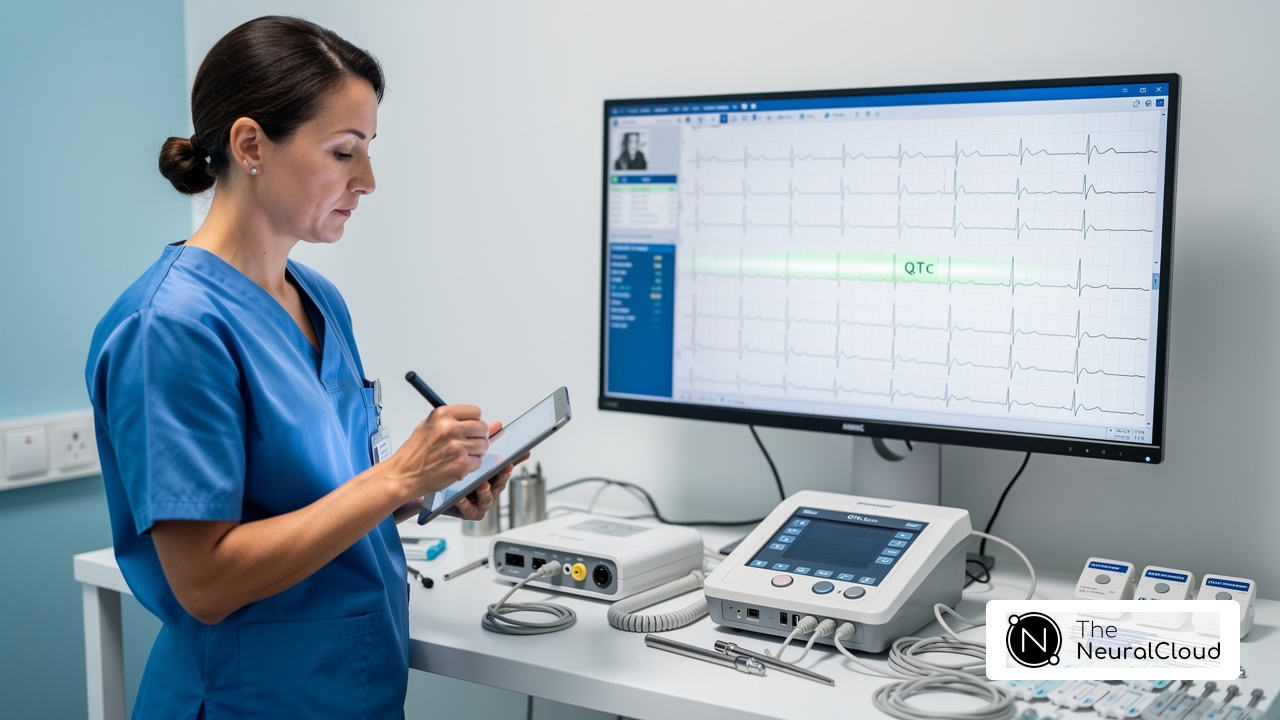
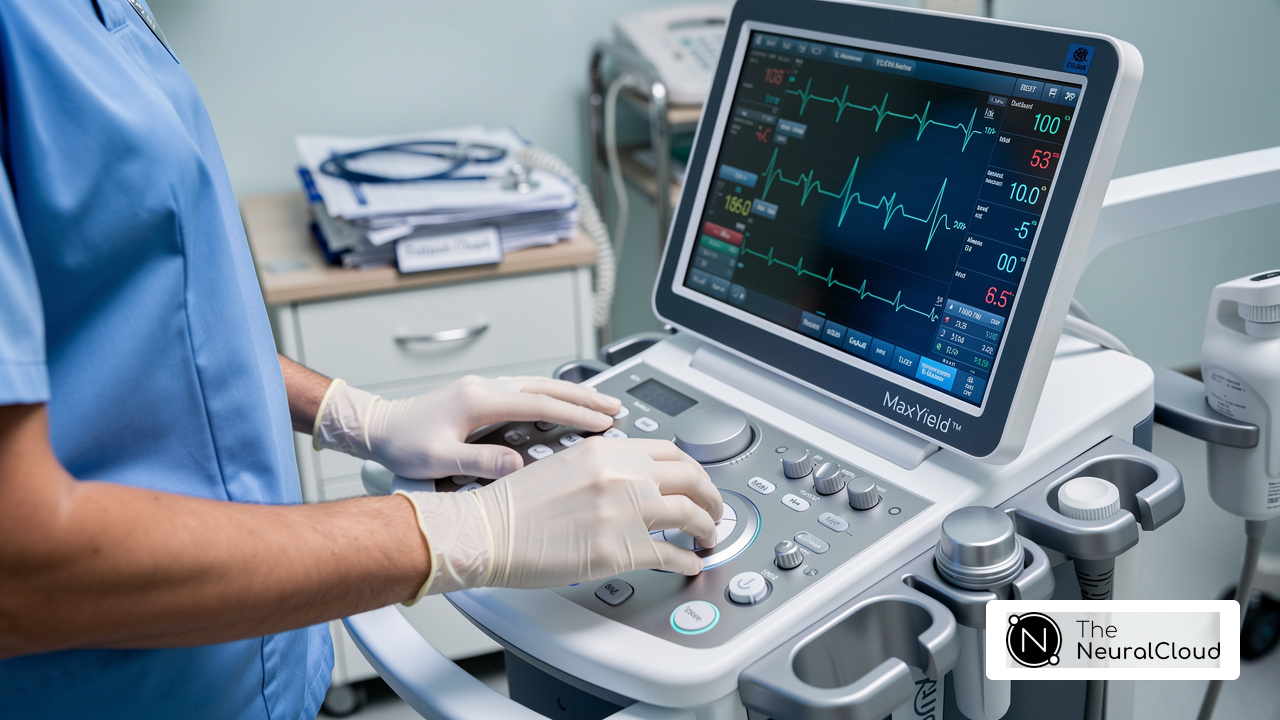
To enhance diagnosis and treatment, healthcare professionals can employ various strategies. Utilizing advanced platforms like MaxYield™ can significantly improve ECG analysis. This platform offers features that streamline the identification of cardiac anomalies, making it easier for practitioners to interpret results accurately. By integrating user-friendly interfaces and advanced algorithms, MaxYield™ enhances the overall diagnostic process.
The advantages of using MaxYield™ are clear. Healthcare professionals benefit from improved accuracy in ECG readings, which leads to better patient outcomes. Additionally, the platform's ability to simplify complex data allows for quicker decision-making, ultimately ensuring that patients receive the best possible care in the face of these cardiac anomalies. By leveraging such innovative tools, the healthcare community can address the challenges of ECG analysis more effectively.
Define Sinus Rhythm and Its Importance in Cardiac Health
Sinus rhythm is the normal cardiac rhythm generated by the sinoatrial (SA) node, characterized by the spontaneous discharge of impulses that initiate each heartbeat. This rhythm is crucial for sustaining effective and coordinated contractions of the heart, ensuring that oxygen-rich blood is efficiently pumped throughout the body. Understanding sinus rhythm is essential for healthcare practitioners, as it can indicate underlying cardiac issues, such as arrhythmias and interruptions. It serves as a baseline for assessing cardiac function and detecting abnormalities, making it a cornerstone of ECG interpretation.
Recent studies show that first-degree heart block is common among patients, emphasizing the need for vigilant monitoring and assessment. The solution from Neural Cloud Solutions addresses these challenges in ECG analysis. It enhances efficiency through advanced algorithms and distinct wave recognition. MaxYield™ rapidly isolates ECG waves from recordings affected by baseline wander, movement, and muscle artifacts, tackling common obstacles in ECG interpretation. The algorithm evolves with each use, continuously improving its performance.
Cardiologists emphasize that monitoring sinus rhythm with first-degree block is vital for optimal cardiac health, as it directly impacts the heart's ability to pump effectively. Real-world ECG interpretations often emphasize the identification of abnormalities, highlighting its importance in diagnosing and managing various cardiac conditions. The adaptability and automation provided by MaxYield™ empower healthcare professionals to achieve greater accuracy and efficiency in their analyses.
Features of MaxYield™:
- Distinct wave recognition
- Continuous algorithm improvement
Advantages for Healthcare Professionals:
- Enhanced efficiency
- Improved accuracy in identifying sinus rhythm
- Streamlined interpretation process
In conclusion, the integration of MaxYield™ into clinical practice not only addresses the challenges of ECG interpretation but also supports healthcare professionals in delivering better patient care.

Explore First-Degree Heart Block: Definition, Causes, and Risk Factors
A type one atrioventricular (AV) delay is characterized by a lag in the transmission of electrical signals through the AV node, resulting in an extended PR interval on the ECG. This condition is frequently asymptomatic and often identified incidentally during routine ECG screenings. Common causes include increased vagal tone, myocardial infarction, and the use of certain medications. Notably, it occurs in around 23.2% of individuals with hypertrophic cardiomyopathy (HCM), highlighting its significance in this population.
Risk factors for developing first-degree heart block include advanced age, male gender, and prior heart conditions like coronary artery disease. Recent studies indicate that patients with first-degree heart block face a considerably elevated risk of adverse outcomes, including a 2.41 adjusted hazard ratio for HCM-related mortality and a 2.60 ratio for sudden death or potentially fatal arrhythmic incidents. These findings emphasize the need for vigilant monitoring in patients presenting with this condition.
Neural Cloud Solutions' technology addresses the challenges in cardiac monitoring by integrating wearable technology, which automates ECG labeling and data extraction. This innovation tackles issues such as physiological variability and signal artifacts, while also reducing operational costs and enhancing accuracy. Clinicians should consider the implications of first-degree heart block in their patients, particularly those with existing cardiac concerns. As one cardiologist noted, "First-degree heart block is traditionally deemed benign; however, it is increasingly recognized as a marker for negative outcomes, including pacemaker implantation."
Understanding these factors is crucial for healthcare providers to identify individuals who may require further evaluation or intervention. The technology offers several key features:
- Automation: Streamlines the analysis process, saving time for healthcare professionals.
- Data Extraction: Enhances accuracy by minimizing human error in data handling.
- Monitoring: Provides real-time monitoring capabilities, improving patient outcomes.
These features translate into significant advantages for healthcare professionals, including improved efficiency in patient management, reduced operational costs, and enhanced patient care. By leveraging the technology, clinicians can better manage patients with first-degree heart block and other cardiac conditions.

Diagnose First-Degree Heart Block: The Role of ECG Analysis
Identifying first-degree heart block primarily relies on a 12-lead ECG, where a key feature is the presence of a PR interval exceeding 200 milliseconds, suggestive of sinus rhythm with first-degree block. This prolonged interval signifies a delay in conduction from the atria to the ventricles. Notably, a first-degree AV block is indicated by a PR interval surpassing 300 milliseconds. To confirm the diagnosis, clinicians must ensure that the findings are consistent across multiple beats.
Differentiating first-degree AV blocks from other types is crucial, as they may exhibit more significant conduction delays and varying symptoms. Monitoring is advisable for individuals diagnosed with first-degree heart block, particularly to evaluate any potential progression to more severe forms. Recent studies reveal that first-degree heart block can triple the risk of needing an artificial pacemaker, highlighting the necessity for vigilant monitoring and management.
Moreover, advanced ECG techniques, including Holter monitoring, significantly enhance the accuracy and efficiency of detecting these conduction abnormalities. This allows clinicians to make informed decisions swiftly, ultimately improving patient outcomes.

Manage First-Degree Heart Block: Treatment Options and Monitoring Strategies
typically doesn’t require treatment, especially when individuals remain asymptomatic. However, consistent follow-up and monitoring through ECGs are essential for detecting any changes in the patient's condition.
Challenges in
Analyzing data can be a complex task, often resulting in lengthy and noisy data that complicates interpretation. This is where Neural Cloud Solutions' technology comes into play.
Features of MaxYield™
MaxYield™ enables healthcare providers to quickly label P, QRS, and T wave onsets, offsets, and time-series intervals. This capability transforms cumbersome data into clean, crisp signals. The platform also provides beat-by-beat tabulation in CSV format, facilitating easy integration into existing workflows.
Advantages for Healthcare Professionals
With these features, healthcare professionals can monitor symptoms such as dizziness or syncope. Regular monitoring through MaxYield™ can significantly enhance patient care by allowing proactive engagement and intervention. Studies show that this approach leads to better management of underlying conditions when necessary.
Moreover, cardiologists stress the importance of continuous monitoring, which is crucial for effective management. In rare cases where significant bradycardia or other complications arise, a referral for advanced cardiac evaluation may be warranted.
Overall, effective monitoring, combined with the innovative capabilities of MaxYield™, including the development of algorithms for complex signal processing, plays a vital role in effectively managing sinus rhythm with first degree block. The potential for discovering new digital biomarkers further enhances the platform's value in clinical practice.

Conclusion
Understanding sinus rhythm and its relationship with first-degree block is crucial for optimal cardiac health. This article has examined the significance of sinus rhythm, the implications of first-degree heart block, and how advanced technologies like MaxYield™ enhance ECG analysis. By recognizing normal sinus rhythm as a baseline, healthcare professionals can effectively diagnose and manage potential cardiac abnormalities, ensuring timely interventions when necessary.
Key insights discussed include:
- The definition and importance of sinus rhythm
- The characteristics and risk factors associated with first-degree heart block
- Advancements in ECG technology that streamline analysis
The integration of automated solutions not only improves efficiency but also empowers clinicians to make informed decisions, ultimately enhancing patient care. The evidence presented highlights the need for vigilant monitoring of patients with first-degree block, as it can indicate more severe cardiac issues.
In light of these findings, healthcare providers are encouraged to leverage innovative tools like MaxYield™ to optimize their ECG analysis processes. By emphasizing continuous monitoring and patient education, clinicians can better manage individuals with first-degree heart block, improving outcomes and reducing risks associated with this condition. The proactive approach to cardiac health outlined in this article underscores the vital role of technology in modern medicine, paving the way for improved patient management and care.
Frequently Asked Questions
What is sinus rhythm?
Sinus rhythm is the normal cardiac rhythm generated by the sinoatrial (SA) node, characterized by spontaneous impulses that initiate each heartbeat.
Why is sinus rhythm important for cardiac health?
Sinus rhythm is crucial for sustaining effective and coordinated contractions of the heart, ensuring that oxygen-rich blood is efficiently pumped throughout the body.
How can deviations from sinus rhythm affect health?
Deviations from sinus rhythm can indicate underlying cardiac issues, such as arrhythmias and interruptions, which can affect cardiac function.
What role does the MaxYield™ platform play in ECG analysis?
The MaxYield™ platform enhances ECG analysis by providing advanced noise filtering and distinct wave recognition, allowing for rapid isolation of ECG waves from recordings affected by artifacts.
What are the key features of MaxYield™?
Key features of MaxYield™ include advanced noise filtering, distinct wave recognition, and continuous algorithm improvement.
What advantages does MaxYield™ offer to healthcare professionals?
MaxYield™ offers enhanced ECG analysis efficiency, improved accuracy in identifying sinus rhythm, and a streamlined interpretation process.
Why is maintaining a steady sinus rhythm with first degree block emphasized by cardiologists?
Maintaining a steady sinus rhythm with first degree block is vital for optimal cardiac health, as it directly impacts the heart's ability to pump effectively.
How does MaxYield™ support better patient care?
By addressing challenges in ECG analysis and improving the accuracy and efficiency of interpretations, MaxYield™ supports healthcare professionals in delivering better patient care.
List of Sources
- Define Sinus Rhythm and Its Importance in Cardiac Health
- yourhealthmagazine.net (https://yourhealthmagazine.net/article/family-primary-care/the-importance-of-maintaining-a-healthy-rhythmic-heartbeat)
- link.springer.com (https://link.springer.com/article/10.1007/BF00801711)
- ECG Case Studies | Interpretation & Answers | Geeky Medics (https://geekymedics.com/ecg-case-studies)
- Explore First-Degree Heart Block: Definition, Causes, and Risk Factors
- pmc.ncbi.nlm.nih.gov (https://pmc.ncbi.nlm.nih.gov/articles/PMC8888716)
- ahajournals.org (https://ahajournals.org/doi/10.1161/JAHA.119.015064)
- academic.oup.com (https://academic.oup.com/eurheartj/article/46/Supplement_1/ehaf784.560/8310132)
- Diagnose First-Degree Heart Block: The Role of ECG Analysis
- First Degree Heart Block (https://litfl.com/first-degree-heart-block-ecg-library)
- ahajournals.org (https://ahajournals.org/doi/10.1161/JAHA.119.015064)
- jamanetwork.com (https://jamanetwork.com/journals/jama/fullarticle/184145)
- en.wikipedia.org (https://en.wikipedia.org/wiki/First-degree_atrioventricular_block)
- Manage First-Degree Heart Block: Treatment Options and Monitoring Strategies
- Memorable Cardiology Quotes | TheKnowHow Blog (https://theknowhow.ae/memorable-cardiology-quotes-heart)
- ahajournals.org (https://ahajournals.org/doi/10.1161/JAHA.119.015064)
- parade.com (https://parade.com/1187612/michelle-parkerton/quotes-about-heart-disease)
- crestline.com (https://crestline.com/c/slogans-for-american-heart-month)
- 1st degree ventricular block: Causes, symptoms, and treatment (https://medicalnewstoday.com/articles/1st-degree-heart-block)