Introduction
Atrioventricular (AV) conduction delays, such as first-degree heart block, are critical to recognize due to their implications for cardiac health. Understanding the distinctions between first-degree heart block and normal sinus rhythm is vital for healthcare professionals, as these conditions affect patient outcomes and treatment strategies.
Understanding these delays is essential, as they may indicate more serious cardiac issues. This article delves into the key differences between these two heart rhythms, exploring their ECG patterns, clinical implications, and the importance of vigilant monitoring to prevent complications.
Recognizing these differences is essential for effective patient management and improving outcomes.
Define First-Degree Heart Block and Normal Sinus Rhythm
Atrioventricular (AV) delay of the initial type presents a unique challenge in ECG analysis, often going unnoticed during routine evaluations. This condition indicates a delay in electrical impulses from the atria to the ventricles. However, all impulses still reach the ventricles, leading to a regular heartbeat. Frequently asymptomatic, primary atrioventricular conduction delay may be identified incidentally during standard ECG assessments. The prevalence of this condition increases with age, affecting approximately 1.0% to 1.5% of individuals under 60, rising to about 6.0% thereafter, with a notable male predominance (5.2% in men compared to 2.2% in women). Despite its prevalence, many healthcare professionals may overlook primary atrioventricular conduction delay during routine assessments. Recent studies suggest that this condition often requires awareness among healthcare professionals because of its possible advancement to more serious conduction problems. If left unmonitored, this condition could lead to severe cardiac complications. Moreover, extended PR intervals related to first degree heart block vs normal sinus rhythm have been associated with heightened risks of atrial fibrillation and cardiac failure, emphasizing the necessity for diligent monitoring.
In contrast, the comparison of first degree heart block vs normal sinus rhythm (NSR) is defined by a rhythm originating from the sinoatrial (SA) node, maintaining a regular rate of 60 to 100 beats per minute. Each P wave is succeeded by a QRS complex, and the intervals between beats are consistent, reflecting the healthy electrical activity of the heart. We consider NSR the gold standard for a healthy heart rhythm, showing that electrical conduction is working effectively. The diagnostic criteria for NSR include:
- A PR interval between 0.12 and 0.20 seconds
- QRS complexes that are less than 100 milliseconds wide
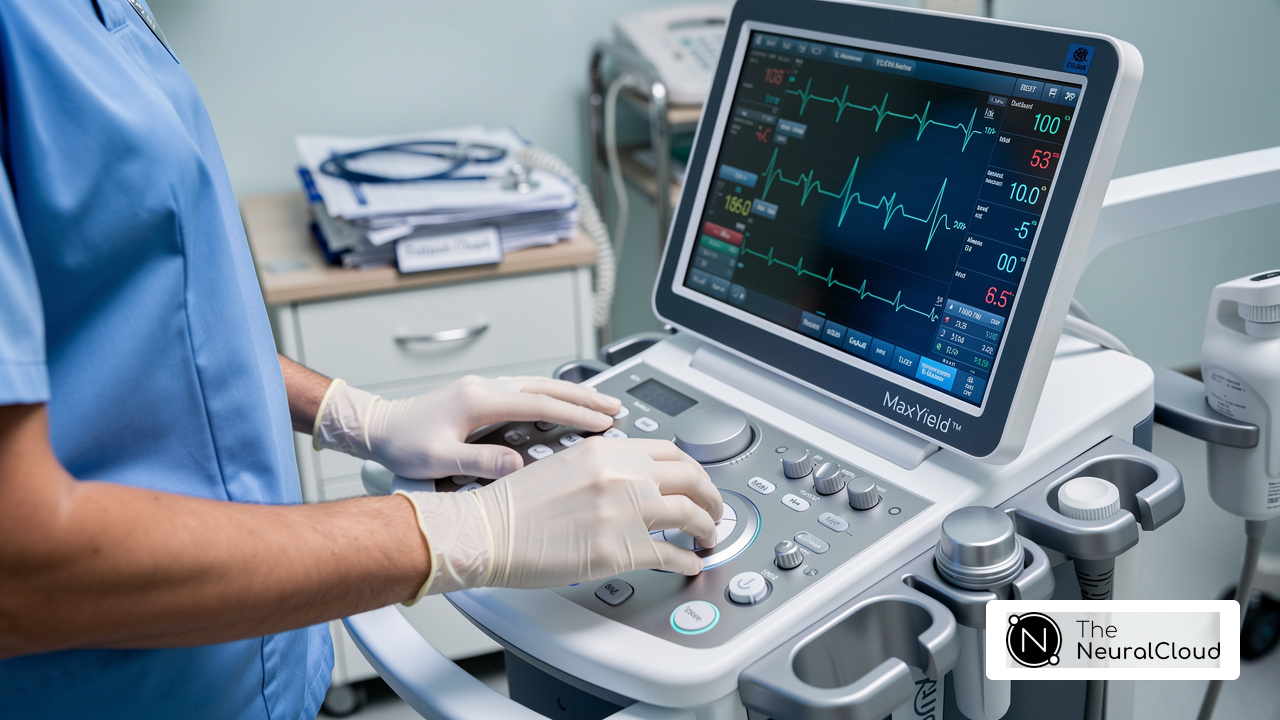
Understanding these rhythms is crucial in clinical practice, particularly regarding their implications for patient outcomes. With the integration of Neural Cloud Solutions Inc.'s MaxYield™, health tech developers can leverage advanced AI-driven ECG analysis to ensure clean data and hospital-grade accuracy from consumer devices. MaxYield™ automates the analysis of ECG signals, transforming noisy recordings into detailed insights, which is essential for identifying cardiac events and supporting confident clinical decisions. As Dr. Alan Rabinowitz notes, "MaxYield™ rivals human interpretation in precision, significantly reducing noise and enhancing workflow efficiency." This ability is essential for observing situations such as primary atrioventricular conduction delay and guaranteeing prompt actions. Additionally, MaxYield™ is pending FDA Class II SaMD clearance, ensuring compliance with regulatory standards, and its integration with Insight360 allows for the transformation of clean ECG data into actionable insights, further enhancing clinical readiness. Recognizing and monitoring these rhythms can be pivotal in preventing serious cardiac events.

Compare ECG Patterns of First-Degree Heart Block and Normal Sinus Rhythm
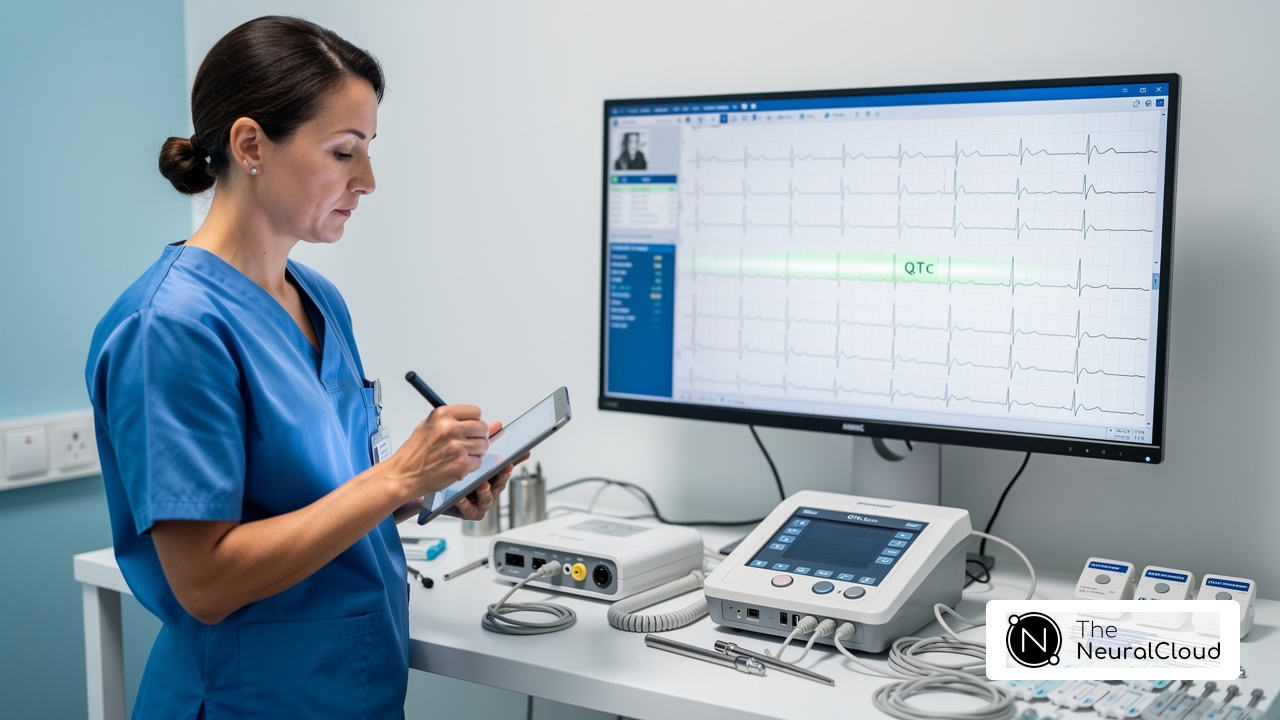
The ECG pattern of first degree heart block vs normal sinus rhythm presents unique challenges for accurate diagnosis and management, as it is characterized by a consistently prolonged PR interval exceeding 200 milliseconds. This elongation signifies a delay in conduction through the AV node, yet every P wave is still followed by a QRS complex, maintaining a 1:1 ratio. The overall rhythm remains regular, but this delay in conduction can complicate the diagnostic process for healthcare professionals.
Conversely, when comparing first degree heart block vs normal sinus rhythm, the ECG of normal sinus rhythm displays a PR interval that falls within the normal range of 120 to 200 milliseconds, indicating effective electrical conduction. Each P wave consistently precedes a QRS complex, and the rhythm is stable, with a pulse typically ranging from 60 to 100 beats per minute. The absence of conduction delays or irregularities in the intervals reflects healthy cardiac function.
Recent studies suggest that primary AV obstruction is more common among males, with a ratio of roughly 2 to 1 in relation to females, and its occurrence rises with age, impacting about 6% of individuals over 60. Recognizing these differences can lead to more effective treatment plans and improved patient outcomes. By mastering these distinctions, healthcare professionals can enhance their diagnostic accuracy and optimize patient care strategies.

Evaluate Clinical Implications and Complications of Each Rhythm
While first degree heart block vs normal sinus rhythm may seem benign, it can indicate more serious cardiac issues that require careful observation. Generally considered harmless, it usually requires no intervention unless symptoms or underlying cardiac conditions are present. However, it may indicate more serious conduction system disorders. Regular monitoring is essential. In specific groups, such as athletes or those with increased vagal tone, first-degree atrioventricular conduction delay may be a typical observation without clinical importance. A study in rural Northeast China discovered a prevalence of 3.4% for primary AV obstruction among participants aged 40 and older, emphasizing its presence in various populations.
Conversely, normal sinus rhythm (NSR) indicates a healthy organ and optimal cardiac function, presenting no complications. It is the ideal state for cardiac health. However, deviations from normal sinus rhythm, including first degree heart block vs normal sinus rhythm, can lead to various arrhythmias, which may necessitate intervention based on severity and underlying causes. Recent studies suggest that extended PR intervals, frequently linked with first degree heart block vs normal sinus rhythm, are associated with heightened risks of atrial fibrillation, cardiac failure, and death. This shows why it's important to keep a close eye on patients with primary atrioventricular conduction issues, especially regarding existing cardiovascular conditions.
In Canadian patients, complications related to first-degree atrioventricular conduction issues can involve a heightened risk of more severe AV disruptions, particularly in individuals undergoing stress testing or catheter ablation procedures. Moreover, conditions like rheumatoid arthritis and systemic lupus erythematosus have been associated with AV conduction disturbances, highlighting the necessity for thorough cardiovascular evaluations in patients with these underlying issues. In general, while the comparison of first degree heart block vs normal sinus rhythm may frequently indicate a harmless condition, its possible consequences for more severe cardiac conditions require thorough assessment and observation.
Neural Cloud Solutions Inc.'s MaxYield™ platform enhances the efficiency of ECG analysis by transforming lengthy and noisy recordings into clean, crisp signals. This automation not only reduces operational costs but also allows technicians to process cases faster without compromising quality. The AI-powered algorithms of MaxYield™ ensure smooth signals when analyzing and annotating abnormal electrocardiograms, addressing challenges such as physiological variability and signal artifacts. Additionally, the platform is currently pending FDA Class II SaMD clearance, ensuring compliance with regulatory standards. The customizable visualization and reporting tool, Insight360, further enhances the analysis by transforming clean ECG data into interactive dashboards and clinical-ready reports. This comprehensive method assists clinicians in delivering thorough assessments and monitoring of patients with primary atrioventricular conduction delay.

Assess Diagnostic and Treatment Strategies for Each Condition
The challenges in ECG analysis often stem from the complexities of interpreting prolonged PR intervals, particularly in the context of first degree heart block vs normal sinus rhythm and their implications for patient care. The electrocardiogram (ECG) serves as the primary diagnostic tool for identifying heart impairments, particularly when the PR interval exceeds 200 milliseconds. In asymptomatic individuals, treatment is usually unnecessary. However, routine follow-up ECGs are recommended to monitor for any progression to higher levels of AV interruption. If symptoms such as fatigue or syncope arise, further evaluation and potential intervention become essential. Notably, patients with a PR interval exceeding 300 milliseconds may experience symptoms similar to pacemaker syndrome, necessitating careful monitoring and possible treatment options.
In contrast, the comparison of first degree heart block vs normal sinus rhythm indicates a healthy cardiac state and typically requires no specific treatment. However, if a patient presents with symptoms of arrhythmia or other cardiac issues, diagnostic strategies may include:
- Holter monitoring
- Echocardiography
- Stress testing
to evaluate cardiac function and identify underlying conditions. Treatment strategies in such cases focus on addressing the root cause of any identified arrhythmias, ensuring the restoration and maintenance of normal sinus rhythm. For instance, the comparison of first degree heart block vs normal sinus rhythm indicates that patients with first-degree AV block may have an increased risk of developing atrial fibrillation or higher degrees of AV block, underscoring the importance of ongoing surveillance and individualized treatment plans based on patient symptoms and risk factors. Furthermore, regulatory compliance details, such as FDA Class II SaMD clearance-pending status, are essential for ensuring that the diagnostic tools used meet the necessary standards for safety and efficacy.
Neural Cloud Solutions Inc.'s MaxYield™ platform enhances ECG analysis with the following features:
- Advanced noise filtering
- Distinct wave recognition capabilities
This innovative technology allows for the identification and labeling of critical data, even in recordings with high levels of noise and artifact. As Dr. Alan Rabinowitz notes, "MaxYield™ rivals human interpretation in precision, making it an invaluable tool for healthcare professionals." The algorithm evolves with each use, continuously improving its accuracy and efficiency, which is crucial for addressing the challenges posed by physiological variability and signal artifacts. This adaptability allows healthcare providers to maximize diagnostic yield, which is crucial for improving patient outcomes.

Conclusion
Differentiating between first-degree heart block and normal sinus rhythm is crucial for effective cardiac care. While first-degree heart block may appear benign, overlooking it can lead to serious complications that necessitate careful monitoring. In contrast, normal sinus rhythm indicates optimal heart function, characterized by a consistent and healthy electrical conduction pattern. Recognizing these differences is essential for healthcare professionals to ensure timely interventions and improve patient outcomes.
This article has outlined the key characteristics of both conditions, emphasizing their differences. The prolonged PR interval in first-degree heart block stands in stark contrast to the normal range observed in sinus rhythm. While first-degree heart block often requires no immediate treatment, it can lead to more serious complications if left unmonitored. The integration of advanced technologies like Neural Cloud Solutions Inc.'s MaxYield™ platform enhances ECG analysis, allowing for more accurate diagnoses and better patient management.
Ultimately, clinicians must differentiate between first-degree heart block and normal sinus rhythm. By using advanced diagnostic tools and staying vigilant in monitoring, healthcare providers can significantly reduce the risks associated with cardiac conduction disorders. This proactive approach not only enhances patient safety but also fosters a deeper understanding of cardiac health, paving the way for improved clinical practices and outcomes.
Frequently Asked Questions
What is first-degree heart block?
First-degree heart block is a condition characterized by a delay in electrical impulses from the atria to the ventricles, resulting in a regular heartbeat where all impulses still reach the ventricles. It is often asymptomatic and may be identified incidentally during standard ECG assessments.
How common is first-degree heart block?
The prevalence of first-degree heart block increases with age, affecting approximately 1.0% to 1.5% of individuals under 60 years old, rising to about 6.0% in older populations, with a notable male predominance (5.2% in men compared to 2.2% in women).
Why is it important for healthcare professionals to monitor first-degree heart block?
It is crucial for healthcare professionals to monitor first-degree heart block because it can advance to more serious conduction problems if left unmonitored, potentially leading to severe cardiac complications.
What are the risks associated with first-degree heart block?
Extended PR intervals related to first-degree heart block have been associated with heightened risks of atrial fibrillation and cardiac failure, emphasizing the necessity for diligent monitoring.
What is normal sinus rhythm (NSR)?
Normal sinus rhythm (NSR) is defined by a rhythm originating from the sinoatrial (SA) node, maintaining a regular heart rate of 60 to 100 beats per minute, where each P wave is followed by a QRS complex, and the intervals between beats are consistent.
What are the diagnostic criteria for normal sinus rhythm?
The diagnostic criteria for normal sinus rhythm include a PR interval between 0.12 and 0.20 seconds and QRS complexes that are less than 100 milliseconds wide.
How does MaxYield™ enhance ECG analysis?
MaxYield™ automates the analysis of ECG signals, transforming noisy recordings into detailed insights, which is essential for identifying cardiac events and supporting confident clinical decisions. It rivals human interpretation in precision and enhances workflow efficiency.
What is the significance of integrating MaxYield™ with Insight360?
The integration of MaxYield™ with Insight360 allows for the transformation of clean ECG data into actionable insights, further enhancing clinical readiness and ensuring compliance with regulatory standards as it is pending FDA Class II SaMD clearance.
Why is understanding heart rhythms important in clinical practice?
Understanding heart rhythms, such as first-degree heart block and normal sinus rhythm, is crucial in clinical practice as it can significantly impact patient outcomes and help in preventing serious cardiac events.
List of Sources
- Define First-Degree Heart Block and Normal Sinus Rhythm
- Normal Sinus Rhythm (https://litfl.com/normal-sinus-rhythm-ecg-library)
- First-Degree Atrioventricular Block: Background, Pathophysiology, Etiology (https://emedicine.medscape.com/article/161829-overview)
- Sinus Rhythms Explained: A Comprehensive Guide to ECG Interpretation (https://aclscertification.org/rhythms-originating-from-the-sinus-node)
- First-Degree Heart Block - StatPearls - NCBI Bookshelf (https://ncbi.nlm.nih.gov/books/NBK448164)
- pmc.ncbi.nlm.nih.gov (https://pmc.ncbi.nlm.nih.gov/articles/PMC6781332)
- Compare ECG Patterns of First-Degree Heart Block and Normal Sinus Rhythm
- First-Degree Heart Block - StatPearls - NCBI Bookshelf (https://ncbi.nlm.nih.gov/books/NBK448164)
- PR Interval (https://litfl.com/pr-interval-ecg-library)
- First-Degree Atrioventricular Block: Background, Pathophysiology, Etiology (https://emedicine.medscape.com/article/161829-overview)
- First-Degree AV Block on Your ECG: What Does It Really Mean? - Heart Matters (https://heartmatters.com/first-degree-av-block-on-your-ecg-what-does-it-really-mean)
- Evaluate Clinical Implications and Complications of Each Rhythm
- UToledo Research Finds COVID-19 Can Affect Heart’s Electrical System | UToledo News (https://news.utoledo.edu/index.php/04_28_2021/utoledo-research-finds-covid-19-can-affect-hearts-electrical-system)
- First-Degree Atrioventricular Block: Background, Pathophysiology, Etiology (https://emedicine.medscape.com/article/161829-overview)
- Adults with congenital heart disease faced higher risk of abnormal heart rhythms (https://newsroom.heart.org/news/adults-with-congenital-heart-disease-faced-higher-risk-of-abnormal-heart-rhythms)
- Assess Diagnostic and Treatment Strategies for Each Condition
- First-Degree Heart Block - StatPearls - NCBI Bookshelf (https://ncbi.nlm.nih.gov/books/NBK448164)
- First Degree Heart Block (https://litfl.com/first-degree-heart-block-ecg-library)
- First-Degree Atrioventricular Block: Background, Pathophysiology, Etiology (https://emedicine.medscape.com/article/161829-overview)
- HRS Reports First Success of COMPASS Initiative for Early Atrial Fibrillation Care (https://hrsonline.org/news/compass-initiative-early-afib-care)