Introduction
Understanding ST-Elevation Myocardial Infarction (STEMI) is essential for healthcare professionals and technology developers alike, as it represents a critical cardiac event that requires immediate intervention. This article explores the importance of recognizing STEMI, the diagnostic methods utilized to identify it, and the treatment strategies that can be life-saving. Given the high stakes involved, it is imperative to consider how health tech innovations can enhance the speed and accuracy of STEMI detection and management, ultimately leading to improved patient outcomes.
Define STEMI: Understanding the Basics of ST-Elevation Myocardial Infarction
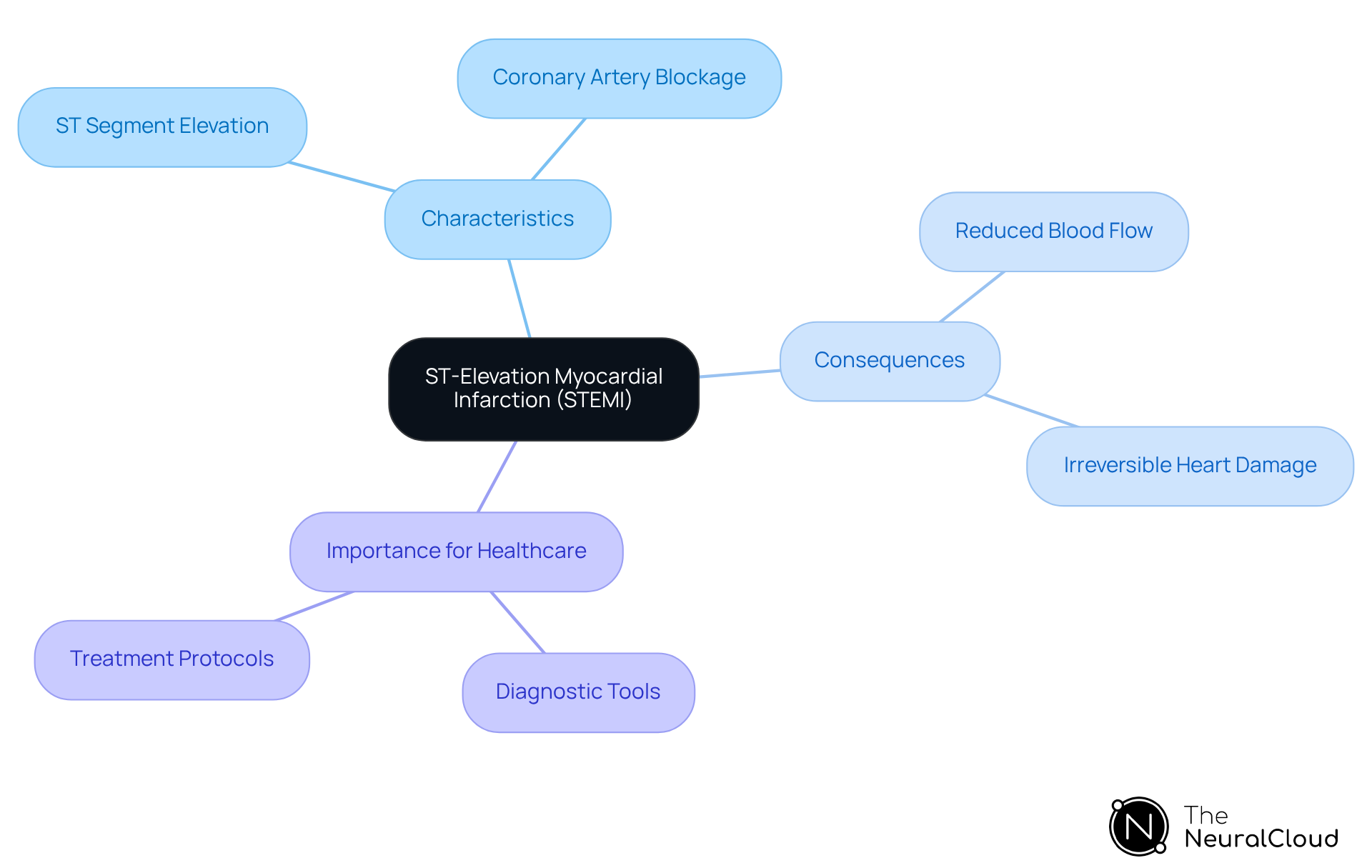
represents a critical cardiac event, characterized by a significant rise in the cardiac biomarkers. This elevation indicates a complete blockage of a coronary artery, leading to reduced blood flow to a portion of the cardiac muscle.
Diagnostic approaches for this condition are vital, as prolonged ischemia can result in irreversible damage to heart tissue.
Understanding STEMI is essential for healthcare providers, as it informs the creation of guidelines and treatment protocols aimed at improving patient outcomes.
Recognize the Importance: Clinical Implications and Urgency of STEMI
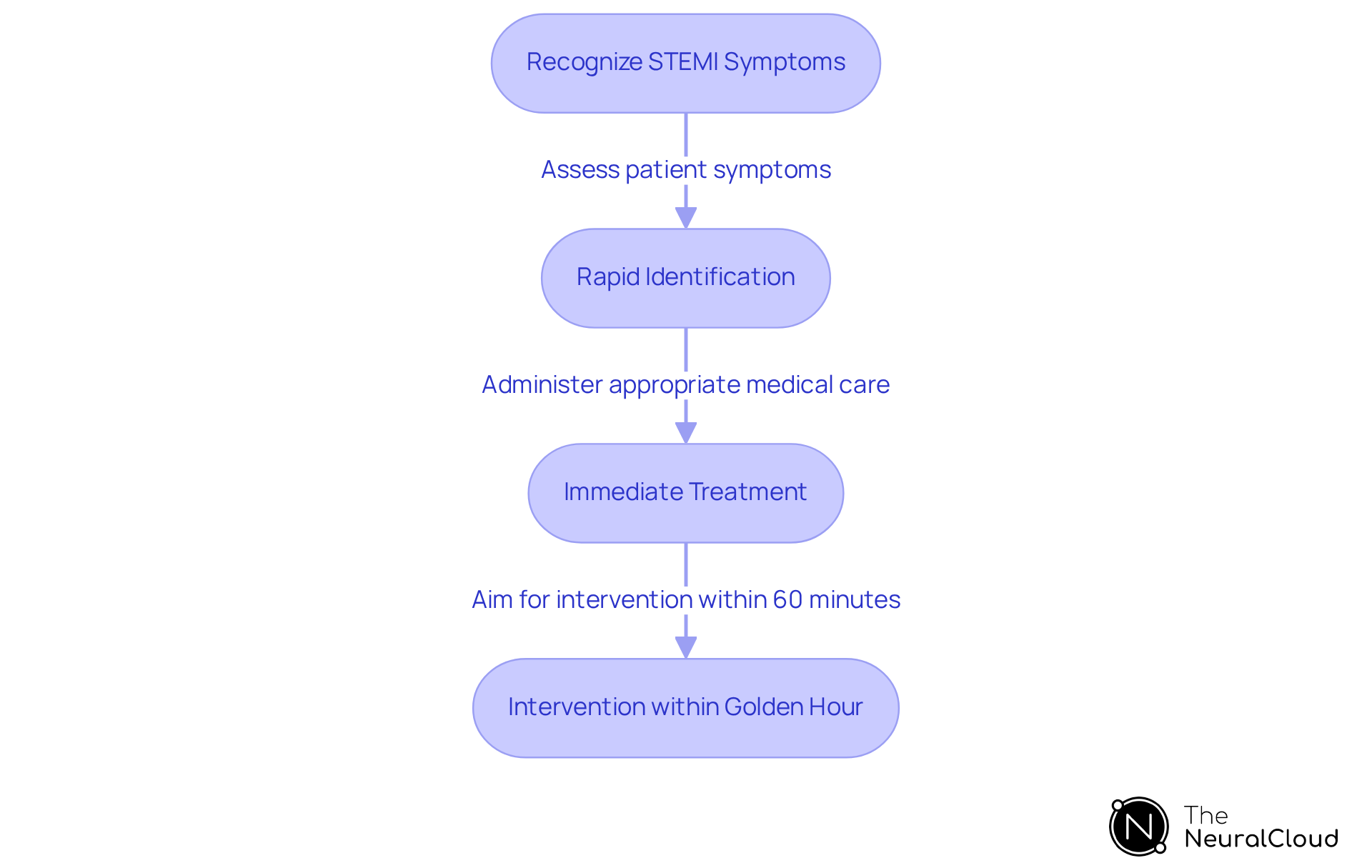
The implications of this type of condition are significant, as it is associated with high morbidity and mortality rates. Rapid identification and treatment are essential for restoring blood flow and minimizing heart damage. The urgency of a STEMI is encapsulated in the "golden hour" concept, where timely interventions can greatly enhance survival rates and reduce complications. For health tech developers, grasping these implications is vital for creating effective solutions that enable rapid response in emergency situations.
Explore Diagnostic Approaches: How STEMI is Identified and Evaluated
The diagnosis of this condition primarily relies on a combination of clinical evaluation, patient history, and diagnostic tests. The stemi meaning includes a defining characteristic of a heart attack, which is the occurrence of ST elevation on the ECG, prompting further assessment using cardiac biomarkers such as troponins. To assess the extent of myocardial damage and identify occluded arteries, imaging techniques, including echocardiography and coronary angiography, may also be employed. For health tech developers, incorporating these into their platforms can significantly enhance the precision and reliability of patient care.

Examine Treatment Strategies: Management and Interventions for STEMI
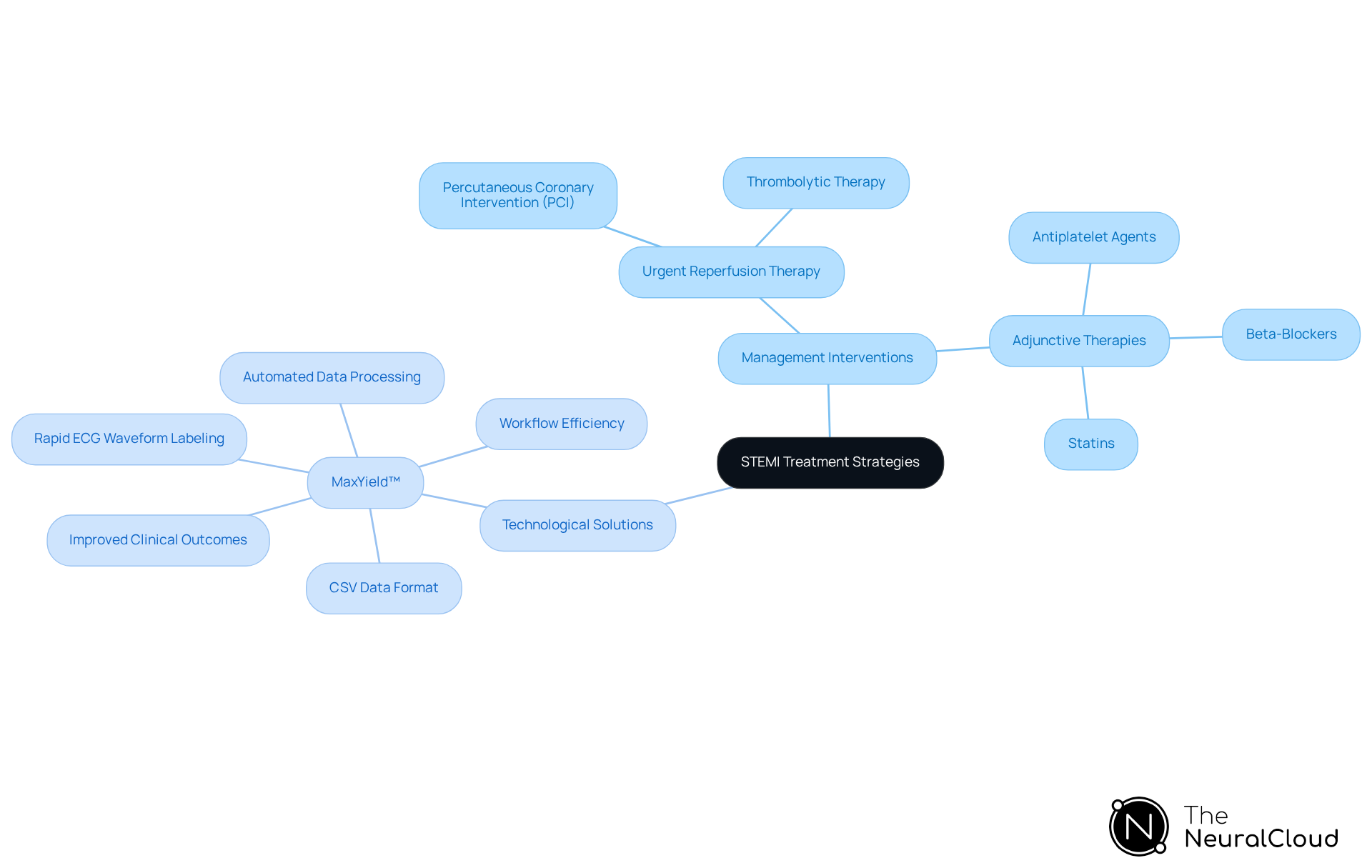
The management of STEMI typically involves urgent reperfusion therapy, which is achieved through percutaneous coronary intervention (PCI) or thrombolytic therapy. PCI is the preferred method, as it directly opens blocked arteries, restoring blood flow to the heart muscle. Additionally, adjunctive therapies such as antiplatelet agents, beta-blockers, and statins are often employed to improve outcomes and prevent future events. For health tech developers, comprehending these treatment approaches is crucial for designing tools that assist clinicians in providing prompt and efficient care.
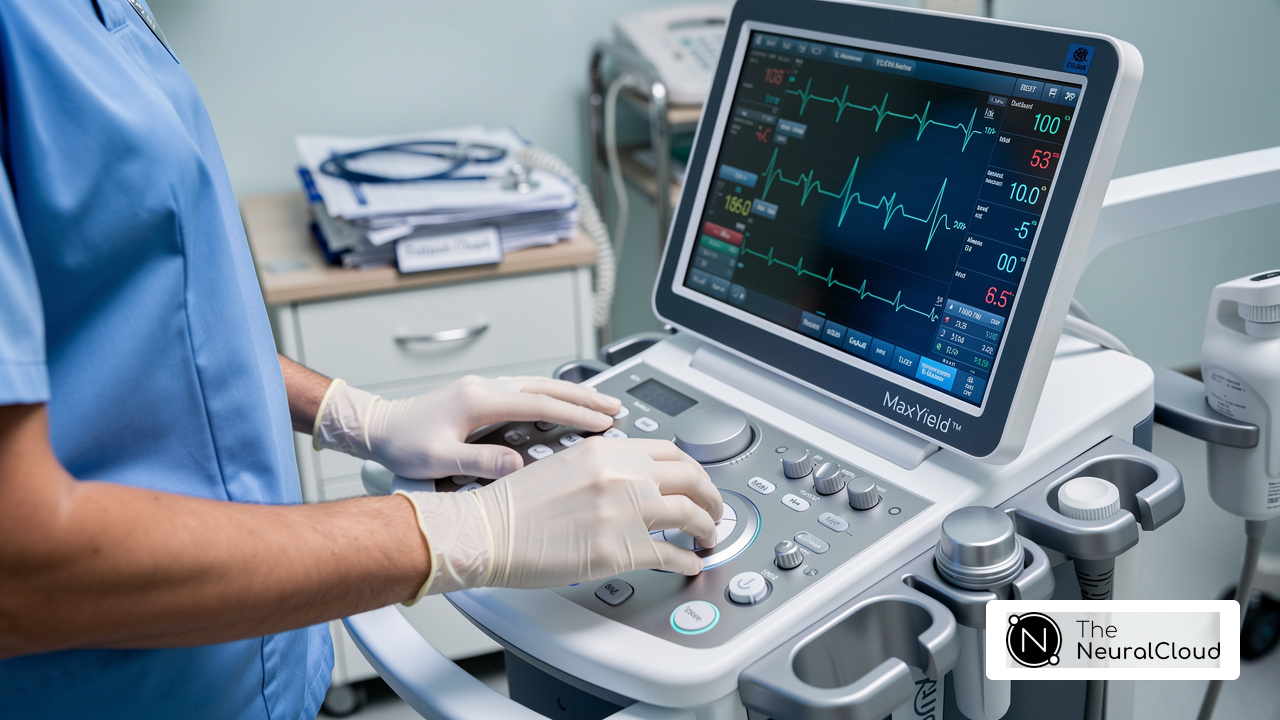
STEMI presents several challenges, including inefficiencies, physiological variability, and signal artifacts. Leveraging innovative solutions like technology can address these issues effectively. The platform rapidly labels ECG waveforms, automates data processing, and provides data in CSV format for easy ingestion. These features enhance workflow, allowing healthcare professionals to focus on patient care rather than data management.
The advantages of the platform are significant. By enhancing clinical decision-making, it enables developers to create more effective tools for managing conditions related to cardiovascular health. This not only improves patient outcomes but also supports healthcare professionals in delivering timely interventions. The integration of such advanced technology ultimately leads to better patient care and improved workflow in clinical settings.
Conclusion
Understanding ST-Elevation Myocardial Infarction (STEMI) is crucial for both healthcare professionals and health tech developers, as it embodies a serious cardiac condition that demands immediate attention. Recognizing the significance of timely diagnosis and intervention can greatly influence patient outcomes, highlighting the need for effective tools and protocols in the healthcare landscape.
The article delves into the definition of STEMI, emphasizing its clinical implications, urgency, and the diagnostic methods employed to identify this critical condition. Key insights include:
- The importance of rapid recognition of symptoms
- The role of advanced imaging techniques
- The necessity for prompt treatment strategies such as percutaneous coronary intervention (PCI) and thrombolytic therapy
Additionally, the discussion on leveraging innovative technologies like Neural Cloud Solutions' MaxYield™ platform illustrates how advancements can enhance ECG analysis and streamline clinical workflows.
Ultimately, the insights presented underscore the vital role that understanding STEMI plays in improving patient care and outcomes. For health tech developers, there is a clear call to action: to integrate advanced diagnostic and treatment strategies into their solutions, ensuring that healthcare professionals are equipped to respond swiftly in emergencies. By prioritizing the development of effective tools and protocols, the healthcare industry can better address the challenges posed by STEMI, ultimately saving lives and enhancing the quality of care provided to patients.
Frequently Asked Questions
What does STEMI stand for?
STEMI stands for ST-Elevation Myocardial Infarction.
What is a STEMI?
A STEMI is a critical cardiac event characterized by a significant rise in the ST segment of the electrocardiogram (ECG), indicating a complete blockage of a coronary artery and reduced blood flow to a portion of the cardiac muscle.
Why is timely recognition of STEMI important?
Timely recognition and intervention are vital because prolonged ischemia can lead to irreversible damage to heart tissue.
Who needs to understand the meaning of STEMI?
Understanding STEMI is essential for healthcare professionals and technology developers, as it informs the creation of diagnostic tools and treatment protocols aimed at improving patient outcomes.