Introduction
Understanding systolic function is essential for health tech developers focused on enhancing cardiac care. It serves as a key indicator of heart performance and overall patient outcomes. Let’s explore what systolic function means, how we measure it, and why it matters in clinical settings, along with recent advancements that can transform diagnostics and treatment strategies.
As heart failure becomes more prevalent, developers face challenges in accurately assessing cardiac function. Innovative technologies are essential for improving patient management and outcomes.
Define Systolic Function: Understanding the Basics
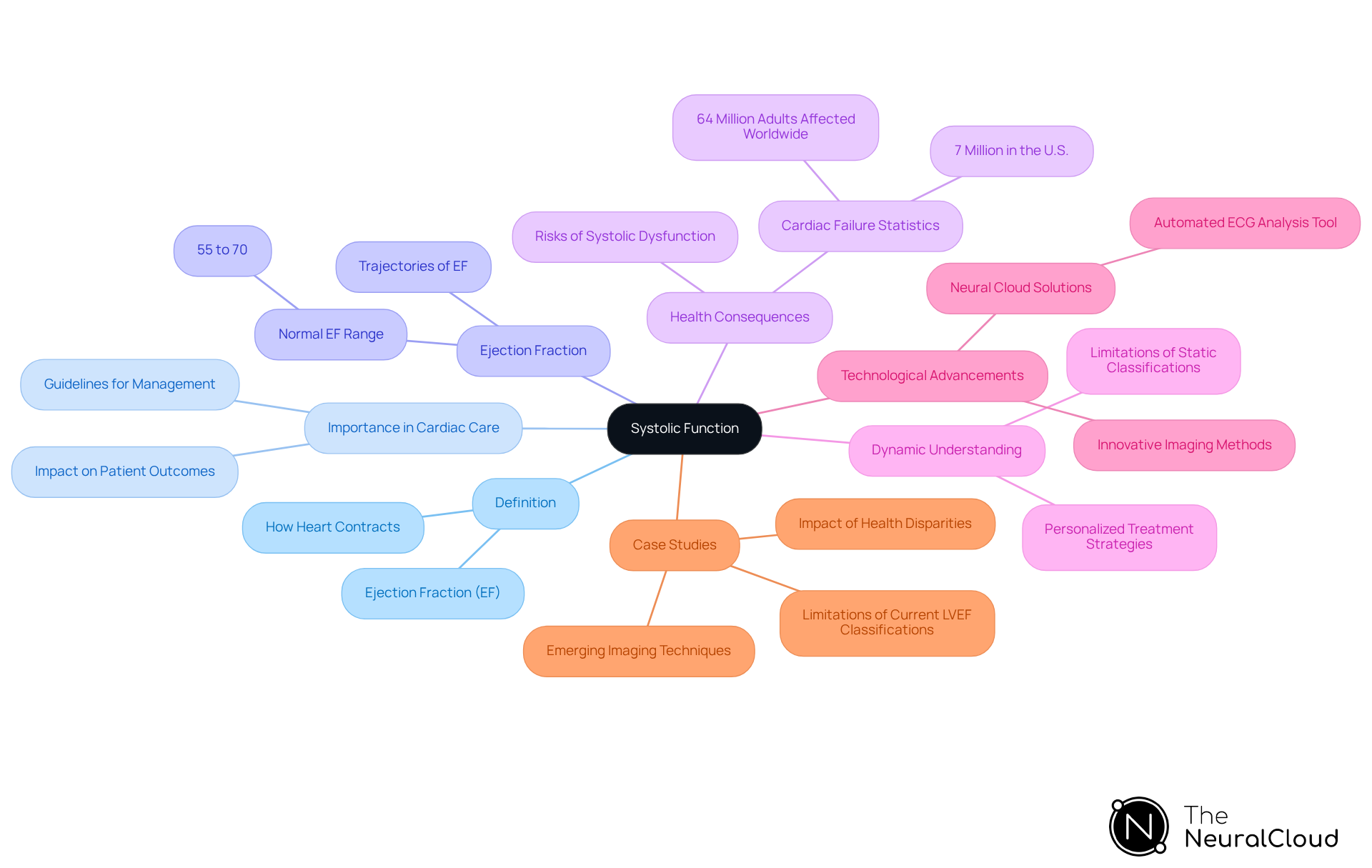
Understanding what is systolic function is essential for effective cardiac care, as it directly impacts patient outcomes. What is systolic function refers to how well the heart contracts to pump blood from the ventricles into the arteries. This process is primarily assessed through the measurement of ejection fraction (EF), which indicates the percentage of blood expelled from the left ventricle with each heartbeat. A normal ejection fraction typically ranges from 55% to 70%, reflecting optimal cardiac performance. Deficiencies in pumping ability can lead to serious health consequences, including cardiac failure, which currently affects over 64 million adults worldwide and nearly 7 million in the United States alone.
Recent guidelines emphasize the need for a dynamic understanding of what is systolic function, moving beyond static classifications to consider the trajectories of ejection fraction. This method enables more tailored treatment strategies and improved management of cardiovascular failure. By adopting this dynamic understanding, healthcare professionals can enhance treatment outcomes for patients with heart failure, as highlighted by a collaborative scientific statement from leading organizations in the field. The statement advocates for recognizing the limitations of traditional LVEF categories, which may oversimplify the complexities of heart failure.
In Canada, case studies have shown that advancements in imaging methods and biomarkers are crucial for accurately evaluating heart performance and improving diagnostic accuracy. As health tech creators develop innovative solutions, grasping these subtleties in blood pressure dynamics is vital for enhancing cardiac diagnostics and treatment results, ultimately leading to improved patient care.
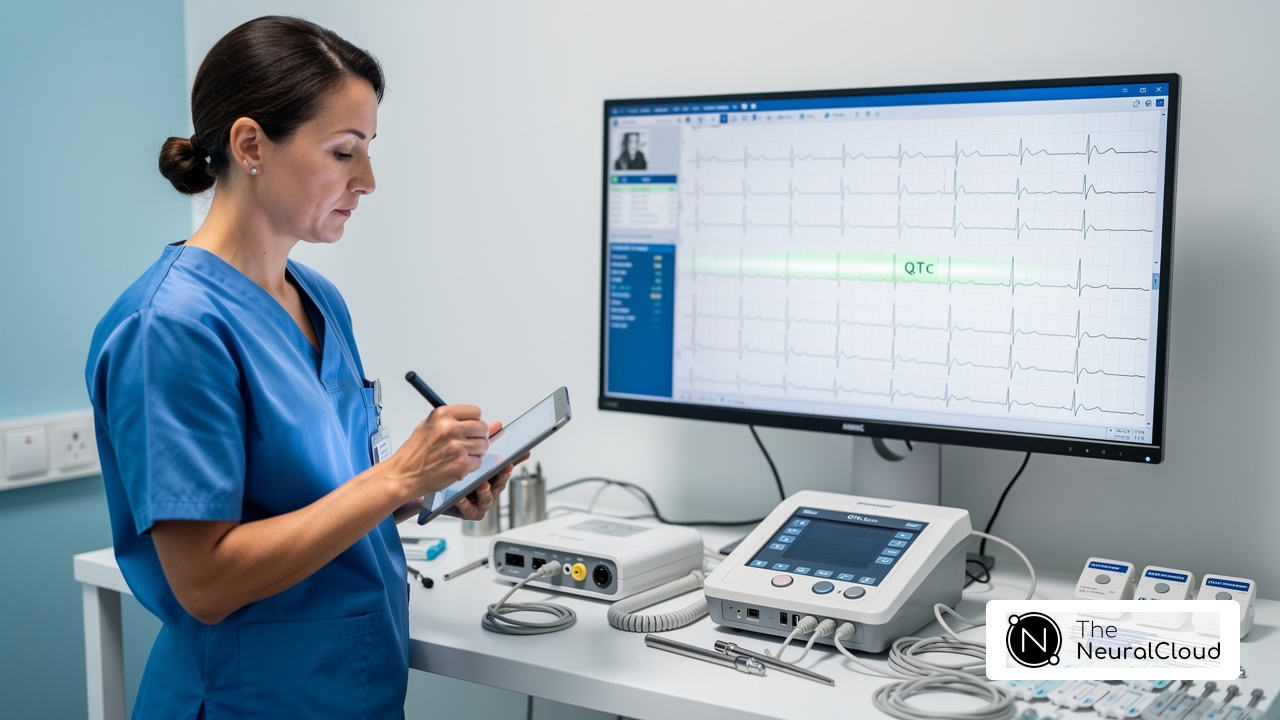
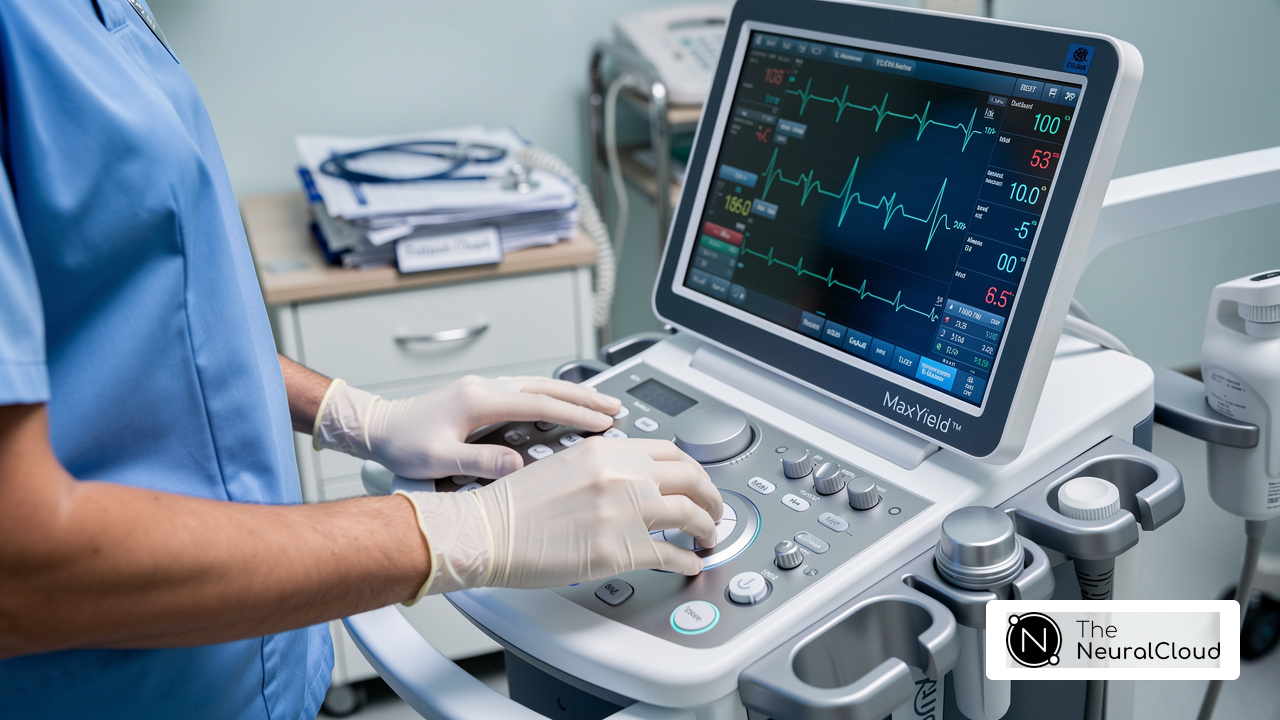
In this context, Neural Cloud Solutions Inc.'s platform stands out as an automated ECG analysis tool that enhances cardiac insights and clinical decision-making. This system does a great job of filtering out noise from ECG signals, pinpointing and tagging important features in each heartbeat, which is vital for accurate assessments of what is systolic function. With its capability to provide beat-by-beat analysis of 200,000 heartbeats in under 5 minutes, this system assists clinicians in recognizing cardiac events and making informed choices. Furthermore, it is currently pending FDA Class II SaMD clearance, ensuring compliance with regulatory standards. Expert endorsements from Dr. Alan Rabinowitz, Dr. Brett Heilbron, and Dr. Marc W. Deyell emphasize that MaxYield™ rivals human interpretation in precision and significantly reduces noise, making it an invaluable resource for health tech developers focused on advancing cardiac care. As healthcare evolves, leveraging advanced tools like MaxYield™ will be pivotal in transforming cardiac diagnostics and patient management.
Explore the Clinical Importance of Systolic Function
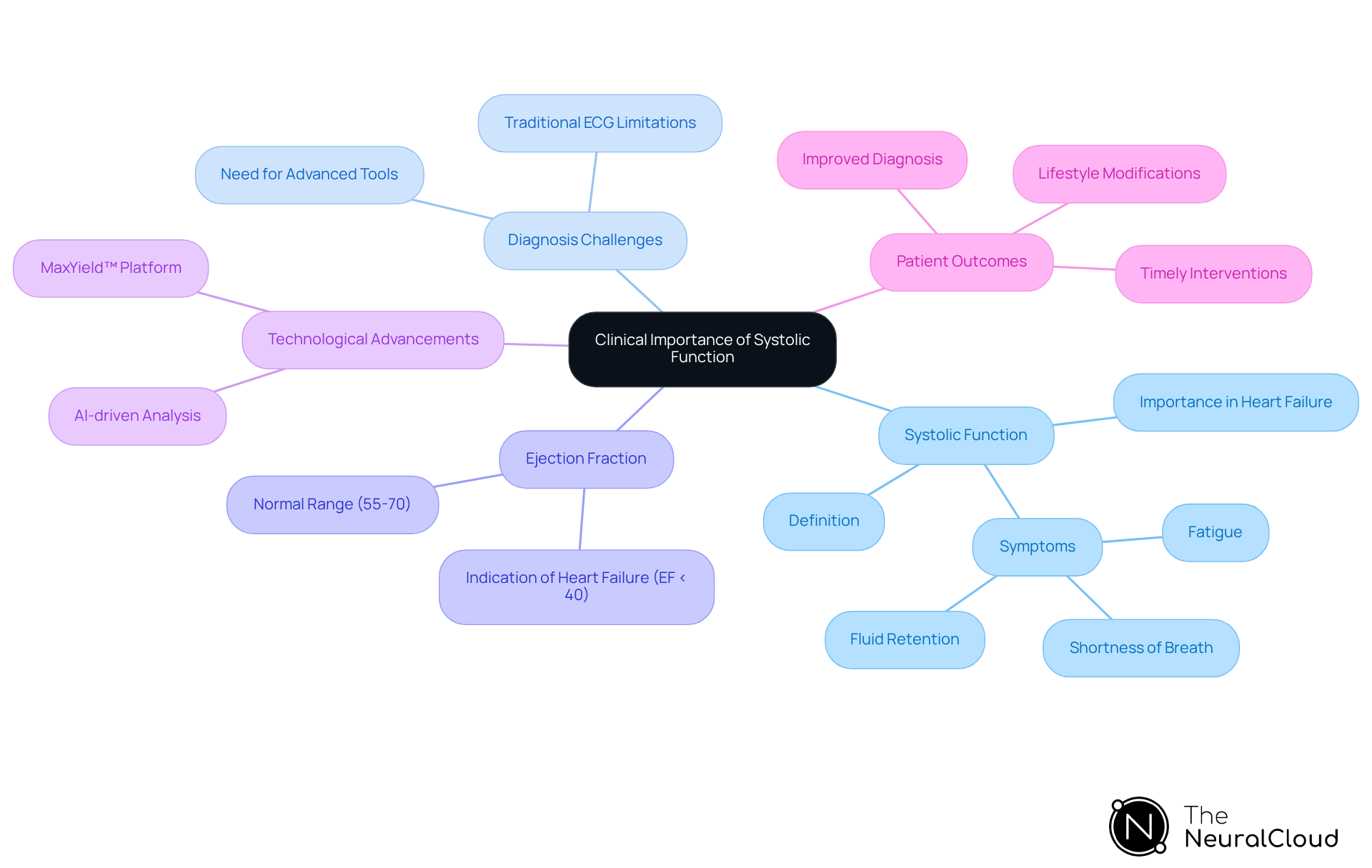
Diagnosing heart conditions like heart failure presents significant challenges for healthcare professionals, particularly when relying on traditional ECG analysis methods. Understanding what is systolic function is essential, as it serves as a critical indicator of cardiac health, especially in diagnosing heart conditions such as heart failure. Impaired heart function is often indicated by a reduced ejection fraction (EF). Symptoms may include fatigue, shortness of breath, and fluid retention. Clinically, ventricular dysfunction correlates with heightened morbidity and mortality rates, underscoring the necessity of its assessment in patient management. For example, a typical EF ranges from 55% to 70%, while an EF below 40% may suggest heart failure, a condition associated with around 425,147 fatalities in the U.S. in 2022, representing 45% of cardiovascular deaths.
Advanced technologies that accurately assess and track blood pressure are essential for enhancing clinical decision-making. These tools enable prompt actions that can greatly improve patient outcomes. Neural Cloud Solutions Inc.'s MaxYield™ platform exemplifies this advancement by utilizing advanced noise filtering and distinct wave recognition to isolate ECG waves from recordings with high levels of noise and artifact. This capability is crucial for salvaging previously obscured sections of lengthy Holter, 1-Lead, and patch monitor recordings, thereby improving the diagnostic yield.
Recent advancements in echocardiography and AI-driven analysis tools offer real-time insights into heart function. This allows healthcare providers to tailor treatments more effectively. Expert endorsements from Dr. Alan Rabinowitz, Dr. Brett Heilbron, and Dr. Marc W. Deyell emphasize that this product rivals human interpretation in precision and significantly reduces noise, enhancing the reliability of ECG analysis. Moreover, addressing lifestyle modifications and treating underlying factors are essential for managing cardiac failure.
As the occurrence of heart failure keeps increasing, with forecasts predicting 11.4 million cases by 2050, understanding what is systolic function becomes more crucial for enhancing heart failure treatment through the incorporation of advanced technologies in monitoring. Additionally, it is important to note that MaxYield™ is currently pending FDA Class II SaMD clearance, ensuring compliance with regulatory standards. As heart failure cases rise, the integration of advanced technologies like MaxYield™ will be vital in improving patient outcomes and ensuring timely interventions.
Assess Systolic Function: Methods and Techniques
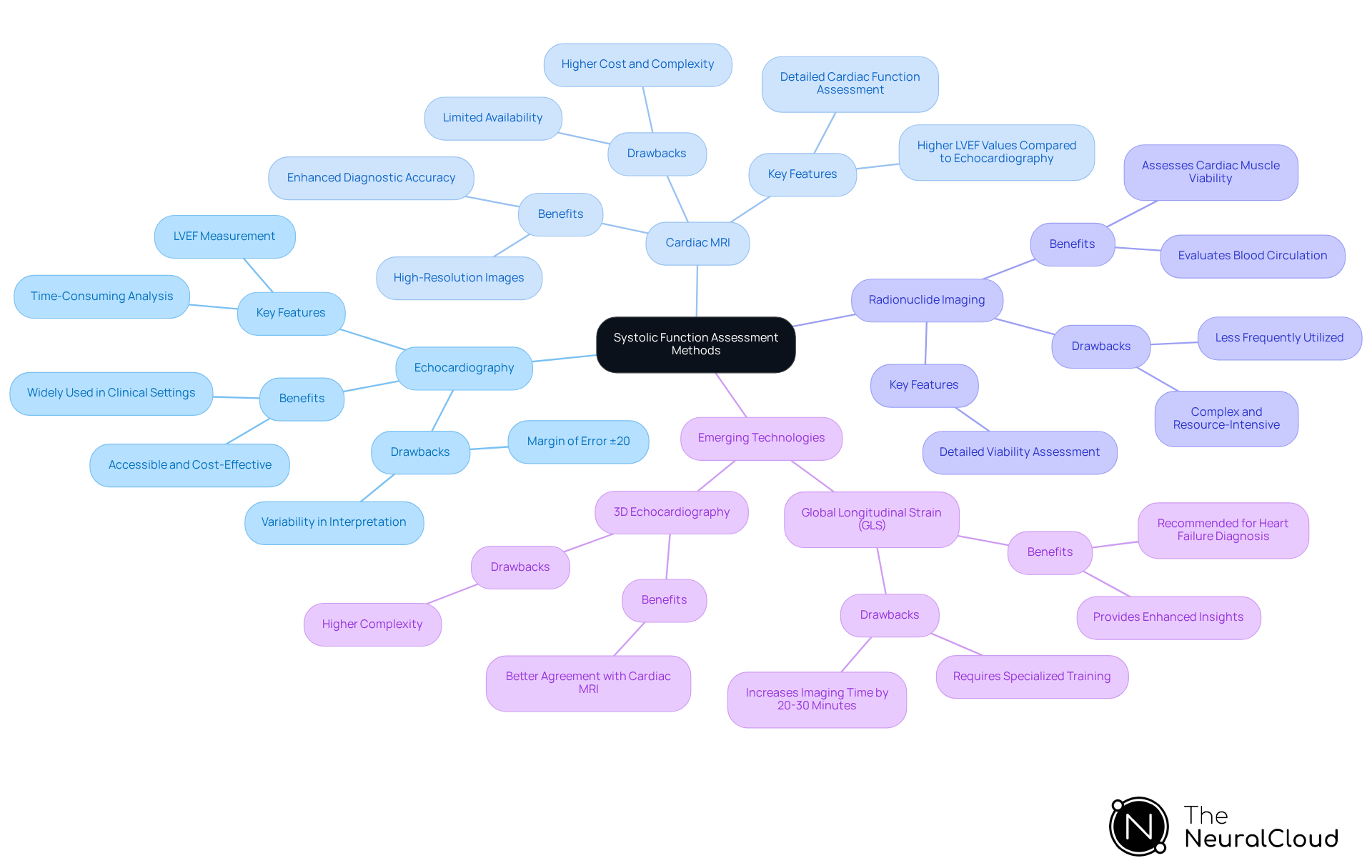
Evaluating systolic performance presents several challenges, particularly in ensuring accurate cardiac assessments. Systolic performance evaluation utilizes various methods, each with unique benefits and drawbacks. The primary method is echocardiography, which employs ultrasound waves to visualize cardiac structures and measure ejection fraction (LVEF). It's a go-to choice in many clinical settings because it's both accessible and cost-effective. However, its interpretation can vary, with studies showing a margin of error of ±20% compared to cardiac MRI.
Cardiac magnetic resonance imaging (MRI) offers a more detailed view of cardiac function, providing high-resolution images that enhance diagnostic accuracy. Research has shown that MRI-derived LVEF measurements often yield higher values than those obtained through echocardiography. This discrepancy underscores the need for precise imaging techniques in managing patient care, particularly for those at risk of cardiotoxicity, such as cancer patients.
Radionuclide imaging is another technique that evaluates blood circulation and cardiac muscle viability, though it is less frequently utilized due to its complexity and resource demands. Emerging technologies, such as global longitudinal strain (GLS) imaging and 3D echocardiography, are gaining traction for their ability to provide enhanced insights into myocardial contractility. GLS, in particular, is recommended by both the American Society of Echocardiography and the European Society of Cardiology as a valuable indicator in heart failure diagnosis.
In Canada, case studies have demonstrated the effectiveness of echocardiography techniques in assessing what is systolic function, with institutions adopting advanced imaging methods to improve diagnostic accuracy. For health tech developers, understanding these assessment techniques is crucial for creating devices that integrate seamlessly into existing clinical workflows, ultimately providing accurate and actionable data to enhance patient outcomes.
Furthermore, incorporating the solution from Neural Cloud Solutions Inc. can revolutionize this process. The system maps ECG signals through noise, isolating and labeling key features in every heartbeat, delivering beat-by-beat analysis of 200,000 heartbeats in less than 5 minutes. This platform boosts diagnostic yield and helps clinicians make confident decisions. Experts such as Dr. Alan Rabinowitz and Dr. Brett Heilbron stress that this technology competes with human analysis in accuracy while greatly minimizing noise, rendering it an essential resource for developers seeking to enhance cardiac insights.
By utilizing the advanced technology, developers can ensure their devices deliver clean signals and clear data, ultimately enhancing patient outcomes. Additionally, with FDA Class II SaMD clearance-pending status and the customizable visualization tool Insight360, which transforms MaxYield™ data into interactive dashboards, developers can further enhance their offerings.
Connect Systolic Function to Heart Health and Disease
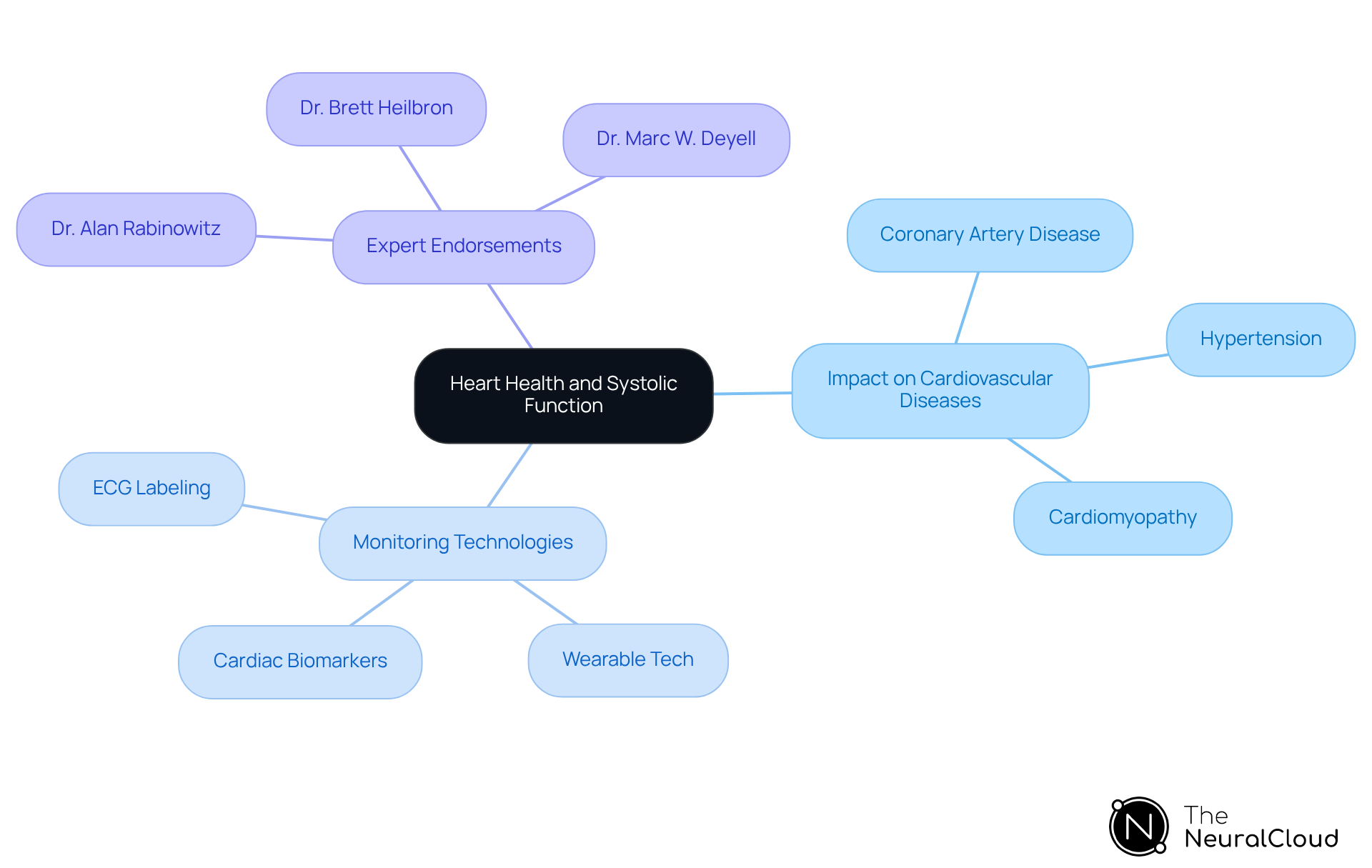
The connection between heart performance and overall cardiac wellness is critical, especially in managing various cardiovascular conditions. Impaired heart performance complicates the management of cardiovascular diseases, leading to increased healthcare challenges. Conditions such as coronary artery disease, hypertension, and cardiomyopathy impair heart performance. This leads to reduced cardiac output and increases the risk of negative outcomes. Observing blood pressure performance enables healthcare professionals to recognize patients at risk for cardiac failure and apply preventive measures efficiently.
Recent research highlights the prevalence of cardiovascular diseases associated with compromised heart performance in Canada. For example, research from Johns Hopkins Medicine indicates that adults with prediabetes and hypertension are significantly more likely to develop heart failure, particularly if they exhibit signs of subclinical myocardial injury or stress. Early identification of at-risk individuals through routine monitoring of cardiac biomarkers is essential for effective preventive care.
Neural Cloud Solutions Inc. provides innovative solutions such as a tool that quickly labels ECG waveforms and extracts essential data in CSV format. This enables health tech developers to create systems that facilitate continuous monitoring of what is systolic function. By integrating the system with wearable technology, developers can automate ECG labeling and data extraction, significantly enhancing efficiency and reducing operational costs. This automation allows healthcare professionals to focus on tasks that require human expertise, ultimately improving patient management and outcomes.
Expert endorsements from Dr. Alan Rabinowitz, Dr. Brett Heilbron, and Dr. Marc W. Deyell emphasize that this product rivals human interpretation in precision and effectively reduces noise in ECG data. Furthermore, with FDA Class II SaMD clearance-pending status and audit-ready documentation supporting GxP inspections, developers can trust that these solutions meet regulatory compliance standards.
Utilizing advanced technologies like MaxYield™ can transform cardiovascular care, ensuring better health outcomes for patients and more efficient practices for healthcare providers.
Conclusion
As heart failure rates climb, understanding systolic function becomes essential for health tech developers aiming to enhance cardiac care. This concept revolves around the heart's ability to contract and effectively pump blood, which is vital for maintaining overall cardiovascular health. When developers understand the details of systolic function, they can craft innovative solutions that boost diagnostic accuracy and enhance patient outcomes, ultimately transforming the landscape of cardiac care.
The article delves into the definition and clinical significance of systolic function, emphasizing the importance of accurate measurement techniques such as echocardiography and cardiac MRI. It highlights advancements in technology, particularly the role of Neural Cloud Solutions Inc.'s MaxYield™ platform, which enhances ECG analysis and provides critical insights into heart performance. The discussion also underscores the correlation between systolic function and various cardiovascular diseases, illustrating the need for continuous monitoring and early intervention to prevent adverse health outcomes.
With heart failure cases on the rise, integrating advanced technologies to monitor systolic function is becoming more crucial. Health tech developers are encouraged to leverage tools like MaxYield™ to facilitate accurate assessments and improve patient management. When the healthcare community prioritizes innovation and adopts new methods, it can greatly improve patient care, leading to better health outcomes and a more efficient healthcare system.
Frequently Asked Questions
What is systolic function?
Systolic function refers to how well the heart contracts to pump blood from the ventricles into the arteries. It is primarily assessed through the measurement of ejection fraction (EF).
How is ejection fraction (EF) measured and what is considered a normal range?
Ejection fraction is measured as the percentage of blood expelled from the left ventricle with each heartbeat. A normal ejection fraction typically ranges from 55% to 70%.
Why is understanding systolic function important for cardiac care?
Understanding systolic function is essential for effective cardiac care as it directly impacts patient outcomes. Deficiencies in pumping ability can lead to serious health consequences, including cardiac failure.
What recent guidelines have been established regarding systolic function?
Recent guidelines emphasize a dynamic understanding of systolic function, moving beyond static classifications to consider the trajectories of ejection fraction, which allows for more tailored treatment strategies and improved management of cardiovascular failure.
How do advancements in imaging methods and biomarkers contribute to cardiac diagnostics in Canada?
Advancements in imaging methods and biomarkers are crucial for accurately evaluating heart performance and improving diagnostic accuracy, which ultimately enhances patient care.
What role does Neural Cloud Solutions Inc.'s platform play in assessing systolic function?
Neural Cloud Solutions Inc.'s platform is an automated ECG analysis tool that enhances cardiac insights and clinical decision-making by filtering out noise from ECG signals and providing beat-by-beat analysis of heartbeats.
How quickly can Neural Cloud Solutions Inc.'s system analyze heartbeats?
The system can analyze 200,000 heartbeats in under 5 minutes, assisting clinicians in recognizing cardiac events and making informed choices.
What is the current regulatory status of Neural Cloud Solutions Inc.'s platform?
The platform is currently pending FDA Class II SaMD clearance, ensuring compliance with regulatory standards.
Who endorses the MaxYield™ system and what are their views on its effectiveness?
Experts such as Dr. Alan Rabinowitz, Dr. Brett Heilbron, and Dr. Marc W. Deyell endorse the MaxYield™ system, highlighting that it rivals human interpretation in precision and significantly reduces noise, making it invaluable for advancing cardiac care.
List of Sources
- Define Systolic Function: Understanding the Basics
- Expert consensus statement updates heart failure definition - Cardiovascular News (https://cardiovascularnews.com/expert-consensus-statement-updates-heart-failure-definition)
- New Joint Scientific Statement on Ejection Fraction Released by Leading Heart Failure Organisations (https://escardio.org/news/press/press-releases/new-joint-scientific-statement-on-ejection-fraction-released-by-leading-heart-failure-organisations)
- Heart Failure: New Definition Will Improve Diagnosis, Transform Care (https://healthline.com/health-news/new-heart-failure-definition-will-improve-diagnosis-treatment)
- Global experts update heart failure definition to improve prevention, diagnosis and care (https://newsroom.heart.org/news/global-experts-update-heart-failure-definition-to-improve-prevention-diagnosis-and-care)
- Explore the Clinical Importance of Systolic Function
- Systolic Heart Failure: Symptoms, Causes and Treatment (https://my.clevelandclinic.org/health/diseases/23276-systolic-heart-failure)
- Cardiology Experts Warn of Growing Heart Failure Epidemic and Soaring Costs in New HF Stats 2025 Report | HFSA (https://hfsa.org/cardiology-experts-warn-growing-heart-failure-epidemic-and-soaring-costs-new-hf-stats-2025-report)
- Cardiology Experts Warn of Rising Heart Failure Rates and Worsening Disparities in New 2024 Report | HFSA (https://hfsa.org/cardiology-experts-warn-rising-heart-failure-rates-and-worsening-disparities-new-2024-report)
- Assess Systolic Function: Methods and Techniques
- New app uses smartphone to measure LVEF (https://auntminnie.com/clinical-news/mri/article/15618246/new-app-uses-smartphone-to-measure-lvef)
- Diagnosing heart failure with AI - New advances in echocardiography (https://ultromics.com/articles/diagnosing-heart-failure-with-ai-new-advances-in-echocardiography)
- New Joint Scientific Statement on Ejection Fraction Released by Leading Heart Failure Organisations (https://escardio.org/news/press/press-releases/new-joint-scientific-statement-on-ejection-fraction-released-by-leading-heart-failure-organisations)
- Echocardiography versus Cardiac MRI for Measurement of Left Ventricular Ejection Fraction in Individuals with Cancer and Suspected Cardiotoxicity - PMC (https://pmc.ncbi.nlm.nih.gov/articles/PMC10912891)
- How New Tools Are Transforming the Evaluation of Left Ventricular Systolic Function | Xyla Services (https://xylaservices.com/professionals/news/how-new-tools-are-transforming-the-evaluation-of-left-ventricular-systolic-function)
- Connect Systolic Function to Heart Health and Disease
- American heart health worsening — Harvard Gazette (https://news.harvard.edu/gazette/story/2026/02/american-heart-health-worsening)
- New Study Offers Strong Evidence of Elevated Heart Failure Risk in Adults with Prediabetes, Hypertension and Subclinical Heart Injury or Stress (https://hopkinsmedicine.org/news/newsroom/news-releases/2026/03/new-study-offers-strong-evidence-of-elevated-heart-failure-risk-in-adults-with-prediabetes-hypertension-and-subclinical-heart-injury-or-stress)