Introduction
Wide QRS complex tachycardia (WCT) presents a significant challenge in cardiac diagnostics, often indicating serious underlying conditions that demand immediate attention. As healthcare technology advances, grasping the complexities of WCT is crucial for developers focused on creating effective ECG devices. This article explores ten essential facts about wide QRS EKG, shedding light on its implications for health tech developers. It also highlights technological advancements, such as Neural Cloud Solutions' MaxYield™ platform, which enhance diagnostic accuracy and improve patient care.
How might these innovations transform the future of cardiac monitoring and treatment?
Neural Cloud Solutions: Transforming ECG Analysis with MaxYield™
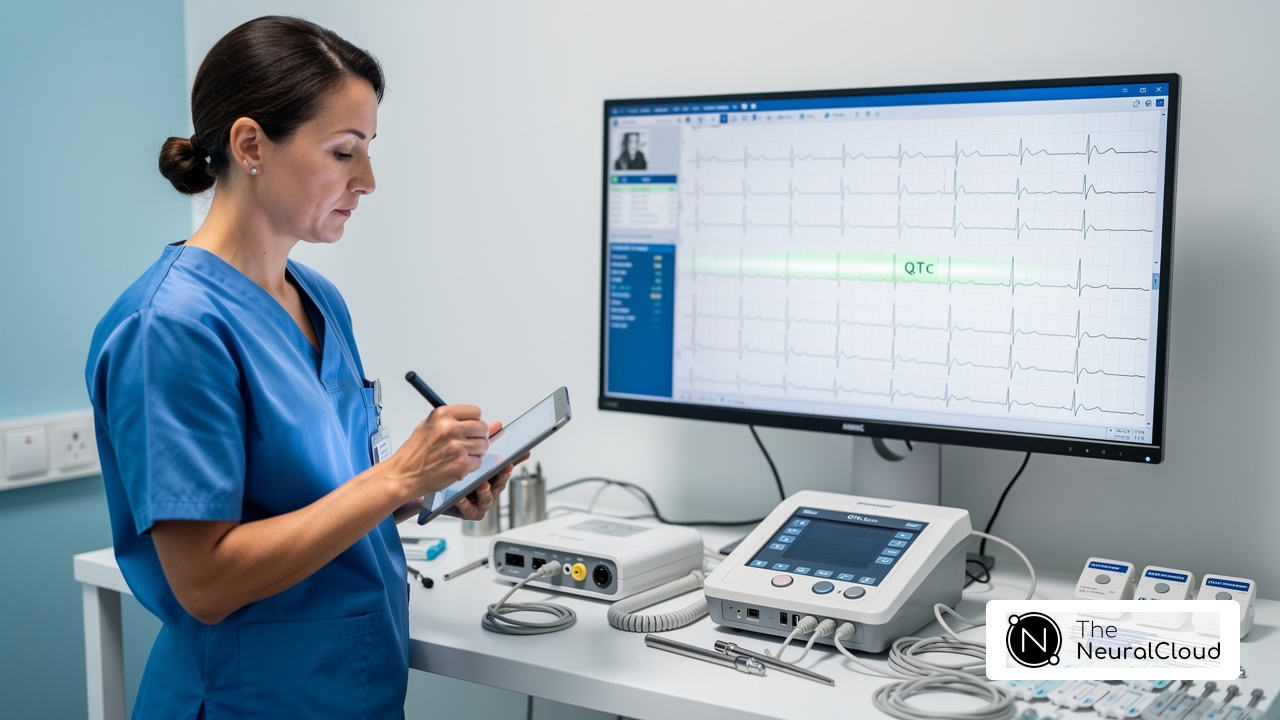
ECG analysis faces several challenges, including noise and signal artifacts that can obscure true cardiac signals. These issues can hinder accurate diagnostics, making it essential for healthcare professionals to have reliable tools at their disposal. Neural Cloud Solutions is addressing these challenges with its advanced platform, which automates the processing of ECG signals from various devices, such as wearables and Holter monitors.
The platform is capable of analyzing over 200,000 heartbeats in under five minutes, providing detailed beat-by-beat analysis. It effectively isolates and labels critical features, including P-waves, QRS complexes, and T-wave intervals. By leveraging advanced AI algorithms, the system enhances the clarity and reliability of ECG data, enabling healthcare professionals to make swift, informed decisions.
This innovation not only improves the accuracy of ECG analysis but also streamlines workflows. Case studies have shown that AI-driven ECG analysis increases sensitivity and specificity in detecting conditions like atrial fibrillation. As a result, clinicians can focus on high-level decision-making rather than time-consuming manual tasks, ultimately enhancing the efficiency and accuracy of cardiac diagnostics.
In summary, Neural Cloud Solutions' platform stands out as a critical tool for healthcare professionals, addressing prevalent challenges in ECG analysis while delivering significant benefits. With its ability to automate and enhance ECG processing, it empowers clinicians to provide better patient care.

Understanding Wide QRS Complex Tachycardia and Its Clinical Implications
Wide QRS EKG is defined by a heart rate exceeding 100 beats per minute and a QRS duration of 120 milliseconds or more. This condition often indicates serious underlying cardiac issues, such as ventricular tachycardia (VT) or supraventricular tachycardia (SVT) with aberrant conduction. Recognizing the wide QRS EKG is crucial, as it can lead to significant complications, including syncope and sudden cardiac death, which accounts for about 15% of total mortality in the U.S. Alarmingly, around 80% of sudden cardiac death cases are linked to VT, highlighting the urgent need for timely diagnosis and intervention.
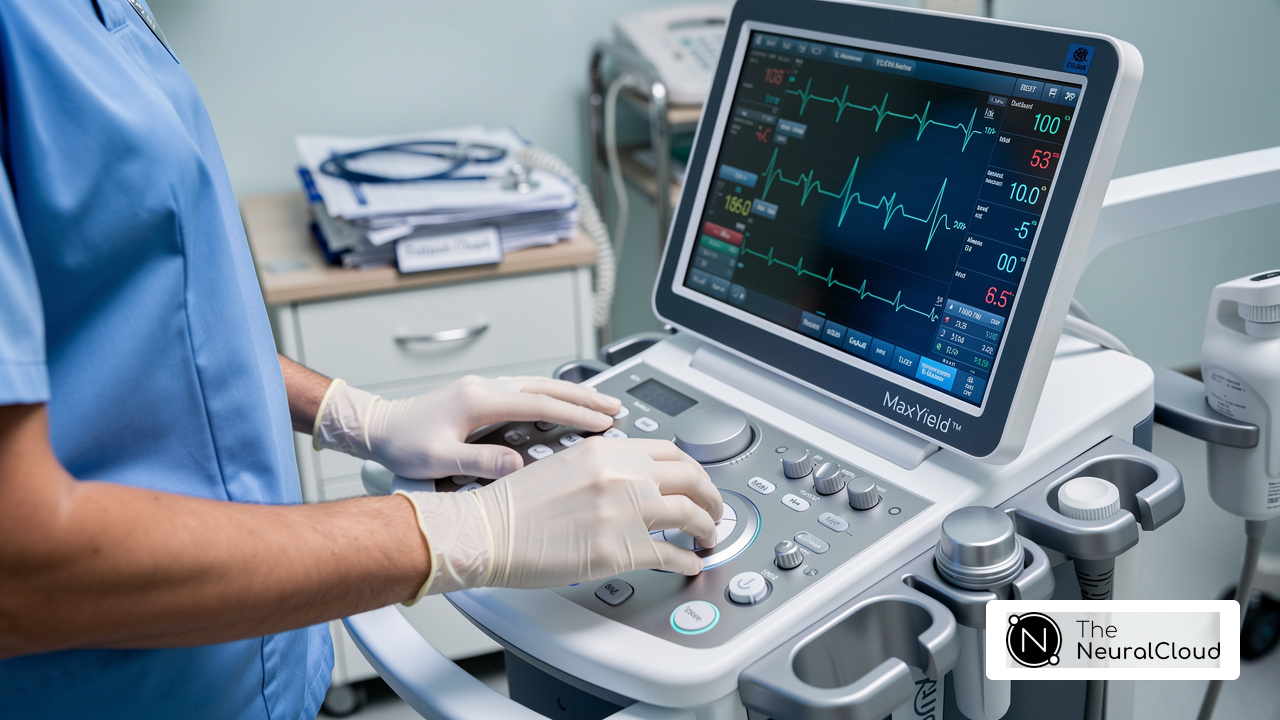
For health tech developers, grasping the implications of WCT is vital for creating ECG devices that accurately detect and differentiate this condition. The MaxYield™ platform from Neural Cloud Solutions offers several key features that enhance ECG analysis:
- Advanced Noise Filtering: This feature minimizes interference, ensuring clearer signal quality.
- Distinct Wave Recognition: It allows for precise identification of WCT amidst complex data.
These features translate into significant advantages for healthcare professionals. By transforming lengthy and noisy ECG recordings into clean, crisp signals, MaxYield™ facilitates more accurate identification of wide QRS EKG patterns. Effective identification can lead to better patient outcomes, as misdiagnosis often results in inappropriate treatment strategies, increasing the risk of adverse events. Cardiologists stress that any ECG showing a wide QRS EKG should be treated as VT until proven otherwise, underscoring the need for robust diagnostic capabilities in healthcare technology. A multidisciplinary team approach is essential for effectively managing ventricular arrhythmias, ensuring comprehensive patient care.

Common Causes of Wide QRS Complex: Key Etiological Factors
A wide QRS EKG can arise from several factors, including:
- Bundle branch blocks
- Ventricular hypertrophy
- Electrolyte imbalances such as hyperkalemia
Other potential causes include:
- Myocardial infarction
- The impact of certain medications
Understanding these factors is essential for health tech developers, as it enables them to create ECG systems that accurately identify and flag these conditions, thereby enhancing diagnostic capabilities.
The MaxYield™ platform addresses the challenges of signal artifacts in ECG recordings, such as noise from muscle contractions and external electrical interference. By leveraging advanced AI technology, it automates the labeling process and clarifies ECG signals. This not only supports workflow efficiency but also enhances diagnostic accuracy for conditions associated with a wide QRS EKG.
In summary, the MaxYield™ platform offers significant improvements in ECG analysis, providing healthcare professionals with the tools they need to deliver precise diagnoses.
Diagnostic Approaches for Wide QRS EKG: Essential Tests and Evaluations
Diagnosing wide QRS EKG complex tachycardia (WCT) presents several challenges, particularly in accurately distinguishing between ventricular tachycardia (VT) and supraventricular tachycardia with a wide QRS EKG complex (SWCT). The 12-lead ECG is the gold standard for tachycardia diagnosis, providing crucial insights into the nature of the tachycardia. Alongside the 12-lead ECG, echocardiography is essential for evaluating structural heart issues, while laboratory tests help identify electrolyte imbalances that may contribute to arrhythmias.
The MaxYield™ platform addresses these challenges by enhancing ECG analysis through advanced noise filtering and distinct wave recognition. This technology salvages previously obscured sections of lengthy recordings, ensuring clinicians receive reliable data for informed decision-making. Key features of MaxYield™ include:
- Advanced noise filtering that improves signal clarity.
- Distinct wave recognition to isolate relevant ECG waves.
- Integration with Neural Cloud Solutions' platform for seamless data management.
These features translate into significant advantages for healthcare professionals. By effectively isolating relevant ECG waves amidst noise, MaxYield™ has demonstrated improved diagnostic accuracy in identifying wide QRS EKG conditions. This not only underscores its importance in clinical practice but also highlights the need for advanced integration in health technology solutions. With MaxYield™, clinicians can trust that they are equipped with the tools necessary for precise cardiac evaluations, ultimately leading to better patient outcomes.

Treatment Options for Wide QRS Complex Tachycardia: Management Strategies
Management of wide QRS EKG complex tachycardia (WCT) presents significant challenges, often requiring pharmacological interventions. Antiarrhythmic medications, particularly amiodarone and procainamide, play a crucial role in treatment. Amiodarone is recognized for its effectiveness in maintaining sinus rhythm, especially in patients with ventricular arrhythmias. In contrast, procainamide is valuable for diagnosing conditions like Brugada syndrome and restoring sinus rhythm in those with Wolff-Parkinson-White syndrome.
In cases of instability, urgent electrical cardioversion may be necessary to restore normal heart rhythm. The efficacy of these antiarrhythmic agents is highlighted by studies showing that amiodarone significantly reduces the recurrence of atrial fibrillation, with a hazard ratio of 0.58 for less AF recurrence. Additionally, procainamide is recommended for its ability to help unmask and diagnose Brugada syndrome, making it an essential tool in acute settings.
For health tech developers, grasping these treatment protocols is vital for creating ECG devices that provide real-time data. This capability enables clinicians to make timely and informed treatment decisions. The integration of advanced ECG technology enhances the monitoring of patients undergoing antiarrhythmic therapy, ensuring healthcare providers can respond swiftly to changes in cardiac status. Such responsiveness is crucial for effectively managing wide QRS EKG complex tachycardia, ultimately improving outcomes for patients.

Complications of Wide QRS Complex: Risks and Considerations
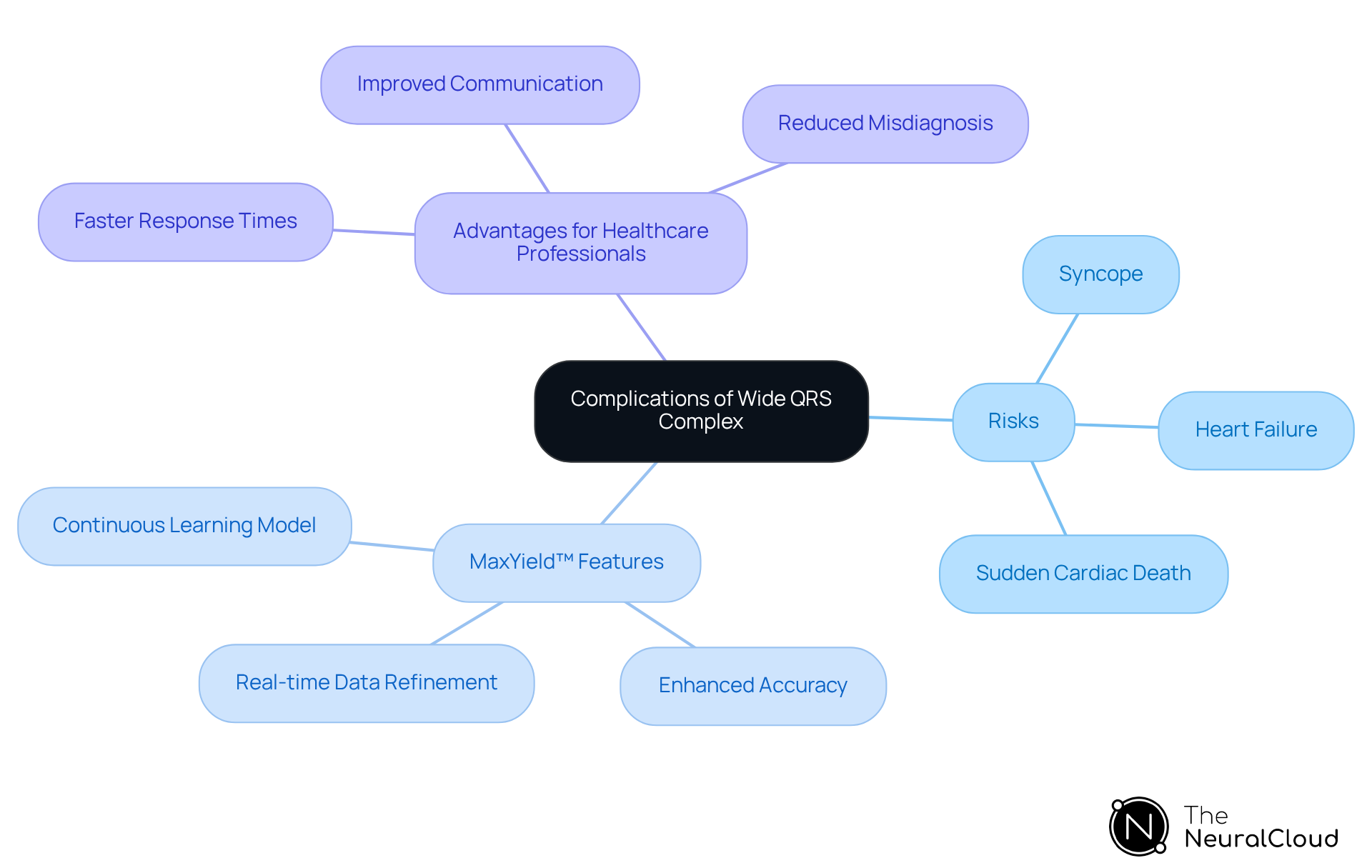
Wide QRS EKG complex tachycardia (WCT) presents significant risks, including syncope, heart failure, and sudden cardiac death. Approximately 80% of WCT cases are attributed to ventricular tachycardia (VT). The urgency for prompt diagnosis and treatment is critical, as untreated WCT can lead to rapid health deterioration. Patients with a history of myocardial infarction or structural heart disease are particularly vulnerable, especially when a low ejection fraction indicates a higher risk for sudden cardiac death.
Incorporating alert features in ECG devices that notify healthcare providers of these potential complications can greatly enhance their utility. The MaxYield™ platform from Neural Cloud Solutions leverages advanced AI technology through its Continuous Learning Model. This model evolves with each use to maximize diagnostic yield, specifically addressing challenges such as noise and physiological variability by continuously refining its algorithms based on real-time data. Real-world applications of advanced ECG technology, including the MaxYield™ platform, have demonstrated improved accuracy in diagnosing cardiac issues. This enables paramedics to respond swiftly and notify hospitals sooner, minimizing delays in care. As Jason Winter from the NHS Ambulance service notes, traditional ECG machines often fail to accurately diagnose individuals, highlighting the need for innovative solutions like those offered by Neural Cloud Solutions.
Healthcare professionals stress the importance of recognizing the risks associated with untreated wide QRS EKG. Misdiagnosis can lead to inadequate triage and incorrect treatment, sometimes resulting in fatal outcomes. Therefore, health tech developers must prioritize features that enable precise and prompt ECG interpretations. This focus ultimately enhances care and outcomes for patients.
Features of the MaxYield™ Platform:
- Continuous Learning Model that evolves with each use.
- Enhanced accuracy in diagnosing cardiac problems.
- Real-time data refinement to address noise and variability.
Advantages for Healthcare Professionals:
- Faster response times for paramedics.
- Improved communication with hospitals.
- Reduced risk of misdiagnosis and inadequate treatment.
The Role of Technology in ECG Monitoring: Enhancing Accuracy with Advanced Solutions
Recent advancements in technology, particularly through AI and machine learning, are revolutionizing ECG monitoring by significantly enhancing accuracy and reliability. These innovations effectively filter noise and artifacts, which are common challenges in ECG signal processing. For instance, Neural Cloud Solutions' platform identifies and labels critical data even in recordings with high levels of noise and artifact. Its advanced algorithm rapidly isolates ECG waves from recordings affected by baseline wander, movement, and muscle artifact, salvaging previously obscured sections of lengthy Holter, 1-Lead, and patch monitor recordings. This capability allows for clearer signal interpretation and more precise identification of critical ECG features such as P-waves, QRS complexes, and T-wave intervals, continuously evolving with each use to maximize diagnostic yield.
Real-world applications of these technologies demonstrate their effectiveness. A study presented at the ESC Acute CardioVascular Care 2026 congress showcased how AI-based ECG interpretation outperformed traditional methods, achieving an accuracy rate of 84% in identifying obstructive myocardial infarction, compared to only 42% with standard human interpretation. This emphasizes the potential of machine learning to improve diagnostic capabilities and enhance outcomes through timely interventions.
Technology leaders emphasize the importance of these advancements, noting that AI tools like MaxYield™ can reveal subtle changes in heart health that may go unnoticed by the human eye. The MaxYield™ platform offers several key features:
- Advanced Noise Filtering: Isolates ECG signals from artifacts, ensuring clearer data.
- Real-Time Analysis: Provides immediate feedback for timely decision-making.
- Continuous Learning: Adapts with each use to improve diagnostic accuracy.
As the health tech sector continues to evolve, incorporating these advanced solutions into ECG devices will be essential for meeting the increasing demands of healthcare providers and enhancing overall care.

Continuous ECG Monitoring: Importance for Patients with Wide QRS Complex
Continuous ECG monitoring plays a vital role for individuals experiencing wide QRS EKG complex tachycardia. It enables real-time assessment of heart rhythms and facilitates timely interventions. This proactive approach significantly reduces the risk of complications associated with arrhythmias. For health tech developers, integrating continuous monitoring capabilities into ECG solutions not only enhances safety but also leads to improved clinical outcomes.
The MaxYield™ platform exemplifies this advancement by identifying and labeling critical data, even in recordings with high levels of noise and artifact. Its advanced noise filtering and distinct wave recognition capabilities allow for the rapid isolation of ECG waves from recordings affected by baseline wander, movement, and muscle artifact. This ensures comprehensive monitoring that captures essential data for the early detection of arrhythmias.
As noted by Troy Ruhter, director of laboratory services at Willamette Valley Medical Center, "The Zio patch is a significant advancement for individuals needing cardiac monitoring." Such real-time assessments, enhanced by MaxYield™, provide high-fidelity data that supports informed decision-making. This ensures that healthcare providers can respond swiftly to any abnormalities, ultimately improving patient care.

Integration Challenges in ECG Technology: Overcoming Barriers for Effective Use
Integrating ECG technology into existing healthcare systems presents several notable challenges. These include data interoperability, user training, and resistance to change among healthcare providers. For instance, while wearable ECG devices integrated with telehealth platforms offer real-time data sharing and remote monitoring, many healthcare environments remain fragmented, complicating seamless adoption. To overcome these barriers, developers should focus on creating user-friendly interfaces and ensuring compatibility with established systems like Epic and Cerner.
The MaxYield™ platform addresses these challenges effectively. It enhances ECG analysis by providing intuitive features that streamline data integration and improve user experience. By prioritizing compatibility with existing healthcare systems, MaxYield™ not only boosts user adoption rates but also meets the growing demand for digital health solutions that enhance care quality and operational efficiency.
Moreover, insights from health tech developers highlight the importance of aligning executive and clinical leadership to overcome resistance to new technologies. By fostering collaboration and providing adequate training, organizations can facilitate smoother transitions to advanced ECG solutions. This approach ultimately enhances diagnostic accuracy and improves patient outcomes, making the integration of ECG technology more effective and beneficial for healthcare professionals.

Future Directions in ECG Analysis: Innovations Impacting Wide QRS Management
The future of ECG analysis is poised for significant advancements, particularly with the integration of AI and machine learning technologies. These innovations, such as the automated differentiation of wide QRS EKG complex tachycardia and advanced signal processing algorithms, are expected to greatly enhance diagnostic accuracy and efficiency. For example, AI algorithms have shown a detection accuracy of 96-97% in identifying irregular heart rhythms, which is vital for effectively managing conditions related to wide QRS EKG.
One notable advancement is the 'Neural Cloud Solutions' technology, which employs gold standard noise filtering and wave recognition to optimize ECG workflows. By automating repetitive tasks and processing larger volumes of data in shorter timeframes, this system boosts the efficiency of ECG analysis, enabling quicker and more precise diagnoses. Furthermore, the continuous learning model utilized by Neural Cloud Solutions allows the AI system to improve its performance over time by learning from new data, thereby enhancing its diagnostic capabilities.
Industry leaders highlight that AI's capacity to detect subtle patterns in ECG data can facilitate earlier and more accurate diagnoses, ultimately leading to better patient outcomes. Real-world applications of AI in distinguishing wide QRS complex tachycardia have yielded promising results, with studies indicating that AI models can achieve an area under the curve (AUC) of approximately 0.90 for detecting moderate-severe aortic stenosis directly from ECGs. This showcases the potential of AI in cardiac diagnostics.
Moreover, the integration of AI into ECG analysis is projected to improve the overall management of wide QRS EKG abnormalities. The AI ECG analysis market is expected to grow significantly, reaching a value of $12.81 billion by 2031. For health tech developers, staying informed about these advancements, including the continuous learning model of Neural Cloud Solutions, is crucial for creating innovative ECG solutions that meet the evolving demands of modern healthcare.
Key Takeaways for Health Tech Developers:
- Leverage AI algorithms for improved detection accuracy in ECG analysis.
- Utilize MaxYield™ technology for efficient workflow automation.
- Stay informed about advancements in continuous learning models to enhance diagnostic capabilities.

Conclusion
The exploration of wide QRS EKG complex tachycardia highlights critical implications for patient care and health technology development. Understanding the characteristics and risks associated with this condition is essential for health tech developers. This knowledge enables the creation of advanced ECG devices that enhance diagnostic accuracy and improve clinical outcomes.
Key challenges in ECG analysis include accurate diagnosis and the need for continuous monitoring. The MaxYield™ platform from Neural Cloud Solutions addresses these challenges with advanced features. These include AI-driven noise filtering and distinct wave recognition, which allow healthcare professionals to achieve more reliable ECG readings. As a result, timely interventions can be made, ultimately saving lives.
As cardiac care evolves, embracing technological advancements becomes paramount. Health tech developers should prioritize innovation in ECG analysis, focusing on integrating robust features that tackle the complexities of wide QRS EKG. This commitment not only enhances patient care quality but also positions developers at the forefront of transforming cardiac diagnostics.
In summary, the MaxYield™ platform offers:
- Advanced Noise Filtering: Reduces interference for clearer readings.
- Distinct Wave Recognition: Improves accuracy in identifying cardiac events.
- Continuous Monitoring: Enables timely interventions.
By leveraging these features, healthcare professionals can significantly enhance their diagnostic capabilities, leading to better patient outcomes.
Frequently Asked Questions
What challenges does ECG analysis face?
ECG analysis faces challenges such as noise and signal artifacts that can obscure true cardiac signals, hindering accurate diagnostics.
How does Neural Cloud Solutions' platform improve ECG analysis?
The platform automates the processing of ECG signals from various devices, analyzes over 200,000 heartbeats in under five minutes, and enhances the clarity and reliability of ECG data using advanced AI algorithms.
What features does the MaxYield™ platform offer for ECG analysis?
MaxYield™ offers advanced noise filtering to minimize interference, and distinct wave recognition for precise identification of wide QRS EKG patterns amidst complex data.
Why is recognizing wide QRS complex tachycardia (WCT) important?
Recognizing WCT is crucial because it can indicate serious underlying cardiac issues and lead to significant complications, including syncope and sudden cardiac death.
What are some common causes of wide QRS complex?
Common causes include bundle branch blocks, ventricular hypertrophy, electrolyte imbalances (such as hyperkalemia), myocardial infarction, and the impact of certain medications.
How does the MaxYield™ platform enhance diagnostic capabilities for wide QRS EKG?
By transforming lengthy and noisy ECG recordings into clear signals, MaxYield™ facilitates accurate identification of wide QRS EKG patterns, which can lead to better patient outcomes and prevent misdiagnosis.
What is the significance of timely diagnosis and intervention in cases of WCT?
Timely diagnosis and intervention are essential because around 80% of sudden cardiac death cases are linked to ventricular tachycardia (VT), underscoring the need for robust diagnostic capabilities.
How does the MaxYield™ platform support healthcare professionals?
It streamlines workflows, enhances diagnostic accuracy, and allows clinicians to focus on high-level decision-making rather than time-consuming manual tasks, ultimately improving patient care.
List of Sources
- Neural Cloud Solutions: Transforming ECG Analysis with MaxYield™
- europepmc.org (https://europepmc.org/article/med/39674006)
- Checking your browser - reCAPTCHA (https://pmc.ncbi.nlm.nih.gov/articles/PMC12419789)
- sciencedirect.com (https://sciencedirect.com/science/article/pii/S1936879825026007)
- cureus.com (https://cureus.com/articles/456496-automated-ecg-report-as-a-factor-in-the-clinical-decision-pathway-for-acute-chest-pain-in-the-emergency-department)
- Understanding Wide QRS Complex Tachycardia and Its Clinical Implications
- thecardiologyadvisor.com (https://thecardiologyadvisor.com/ddi/wide-complex-tachycardia)
- nature.com (https://nature.com/articles/s43856-024-00725-2)
- Wide Complex Tachycardias (https://aclscertification.org/wide-qrs-complex-tachycardia)
- Checking your browser - reCAPTCHA (https://ncbi.nlm.nih.gov/books/NBK559054)
- Common Causes of Wide QRS Complex: Key Etiological Factors
- pmc.ncbi.nlm.nih.gov (https://pmc.ncbi.nlm.nih.gov/articles/PMC4305520)
- radcliffecardiology.com (https://radcliffecardiology.com/articles/approach-differentiation-wide-qrs-complex-tachycardias?language_content_entity=en)
- Differential Diagnosis of Wide QRS Complex Tachycardias (https://cancertherapyadvisor.com/home/decision-support-in-medicine/cardiology/differential-diagnosis-of-wide-qrs-complex-tachycardias)
- my.clevelandclinic.org (https://my.clevelandclinic.org/health/diseases/wide-complex-tachycardia)
- ahajournals.org (https://ahajournals.org/doi/10.1161/circulationaha.118.033936)
- Diagnostic Approaches for Wide QRS EKG: Essential Tests and Evaluations
- All That Is Wide Is Not Ventricular Tachycardia: A Case Highlighting Supraventricular Tachycardia as an Alternative in Stable Wide Complex Tachycardia With Reversible Cardiomyopathy (https://cureus.com/articles/470097-all-that-is-wide-is-not-ventricular-tachycardia-a-case-highlighting-supraventricular-tachycardia-as-an-alternative-in-stable-wide-complex-tachycardia-with-reversible-cardiomyopathy)
- bmjopen.bmj.com (https://bmjopen.bmj.com/content/13/7/e069273)
- nature.com (https://nature.com/articles/s43856-024-00725-2)
- hmpgloballearningnetwork.com (https://hmpgloballearningnetwork.com/site/emsworld/article/10319543/case-study-atropine-bradycardia-patient)
- goodreads.com (https://goodreads.com/work/quotes/55372717)
- Treatment Options for Wide QRS Complex Tachycardia: Management Strategies
- my.clevelandclinic.org (https://my.clevelandclinic.org/health/diseases/wide-complex-tachycardia)
- ncbi.nlm.nih.gov (https://ncbi.nlm.nih.gov/books/NBK482322)
- journal-of-cardiology.com (https://journal-of-cardiology.com/article/S0914-5087(15)00207-5/fulltext)
- goodreads.com (https://goodreads.com/work/quotes/68760501)
- Complications of Wide QRS Complex: Risks and Considerations
- Checking your browser - reCAPTCHA (https://ncbi.nlm.nih.gov/books/NBK559054)
- my.clevelandclinic.org (https://my.clevelandclinic.org/health/diseases/wide-complex-tachycardia)
- thecardiologyadvisor.com (https://thecardiologyadvisor.com/ddi/wide-complex-tachycardia)
- powerfulmedical.com (https://powerfulmedical.com/blog/case-study-how-pmcardio-helps-paramedics-diagnose-acute-patients-faster-and-more-accurately)
- The Role of Technology in ECG Monitoring: Enhancing Accuracy with Advanced Solutions
- AI could be the best defence against heart disease and a breakthrough for Heart Health (https://weforum.org/stories/2026/02/ai-defence-heart-disease)
- New study finds AI model improves heart attack detection (https://health.ucdavis.edu/news/headlines/new-study-finds-ai-model-improves-heart-attack-detection/2025/11)
- ECG market keeps evolving thanks to AI, home monitoring and Epic integration (https://signifyresearch.net/2026/02/13/ecg-market-keeps-evolving-thanks-to-ai-home-monitoring-and-epic-integration)
- ECG market keeps evolving thanks to AI, home monitoring and Epic integration (https://cardiovascularbusiness.com/topics/cardiac-imaging/electrocardiography-ecg/ecg-market-keeps-evolving-thanks-ai-home-monitoring-and-epic-integration)
- AI-based ECG interpretation outperforms standard diagnosis of occlusive myocardial infarction (https://news-medical.net/news/20260323/AI-based-ECG-interpretation-outperforms-standard-diagnosis-of-occlusive-myocardial-infarction.aspx)
- Continuous ECG Monitoring: Importance for Patients with Wide QRS Complex
- Goodbye to Wires, Hello Better Heart Monitoring (https://willamettevalleymedical.com/in-the-news/2026/01/27/goodbye-to-wires--hello-better-heart-monitoring)
- Memorable Cardiology Quotes | TheKnowHow Blog (https://theknowhow.ae/memorable-cardiology-quotes-heart)
- Philips data shows extended ECG Holter monitoring can improve diagnostic results (https://philips.com/a-w/about/news/archive/standard/news/articles/2023/20230828-philips-data-shows-extended-ecg-holter-monitoring-can-improve-diagnostic-results.html)
- pubmed.ncbi.nlm.nih.gov (https://pubmed.ncbi.nlm.nih.gov/18019521)
- hrsonline.org (https://hrsonline.org/news/human-oversight-ecg-monitors-outperform-ai-dependent-monitoring)
- Integration Challenges in ECG Technology: Overcoming Barriers for Effective Use
- ECG market keeps evolving thanks to AI, home monitoring and Epic integration (https://signifyresearch.net/2026/02/13/ecg-market-keeps-evolving-thanks-to-ai-home-monitoring-and-epic-integration)
- deskresearchgroup.com (https://deskresearchgroup.com/adoption-drivers-and-barriers-within-healthcare-systems)
- einpresswire.com (https://einpresswire.com/article/899930160/artificial-intelligence-ai-electrocardiogram-ecg-analysis-market-2026-advancing-cardiac-diagnostics)
- healthcareittoday.com (https://healthcareittoday.com/2026/03/08/bonus-features-march-8-2026-69-of-physicians-struggle-to-access-recent-records-from-outside-providers-76-of-healthcare-orgs-have-more-ai-pilot-programs-than-they-can-scale-plus)
- grandviewresearch.com (https://grandviewresearch.com/industry-analysis/smart-wearable-ecg-monitors-market-report)
- Future Directions in ECG Analysis: Innovations Impacting Wide QRS Management
- einpresswire.com (https://einpresswire.com/article/899930160/artificial-intelligence-ai-electrocardiogram-ecg-analysis-market-2026-advancing-cardiac-diagnostics)
- ECG market keeps evolving thanks to AI, home monitoring and Epic integration (https://signifyresearch.net/2026/02/13/ecg-market-keeps-evolving-thanks-to-ai-home-monitoring-and-epic-integration)
- Artificial intelligence and the electrocardiogram: A modern renaissance (https://ejinme.com/article/S0953-6205(25)00178-5/fulltext)
- finance.yahoo.com (https://finance.yahoo.com/news/diagnostic-electrocardiograph-research-report-2026-102200074.html)
- Checking your browser - reCAPTCHA (https://pmc.ncbi.nlm.nih.gov/articles/PMC12419789)