Introduction
ECG analysis presents intricate challenges that can significantly affect patient outcomes. Many healthcare professionals struggle with the nuances of documenting essential ECG components in their lab notebooks. This article explores ten critical elements that enhance the accuracy of ECG documentation and streamline the analysis process. The slightest oversight in these components can lead to misdiagnosis or ineffective treatment. By examining best practices and innovative solutions like the MaxYield™ platform, readers will discover how to improve their ECG documentation strategies while addressing common challenges faced in clinical settings.
Neural Cloud Solutions MaxYield™: Automated ECG Analysis for Enhanced Clarity
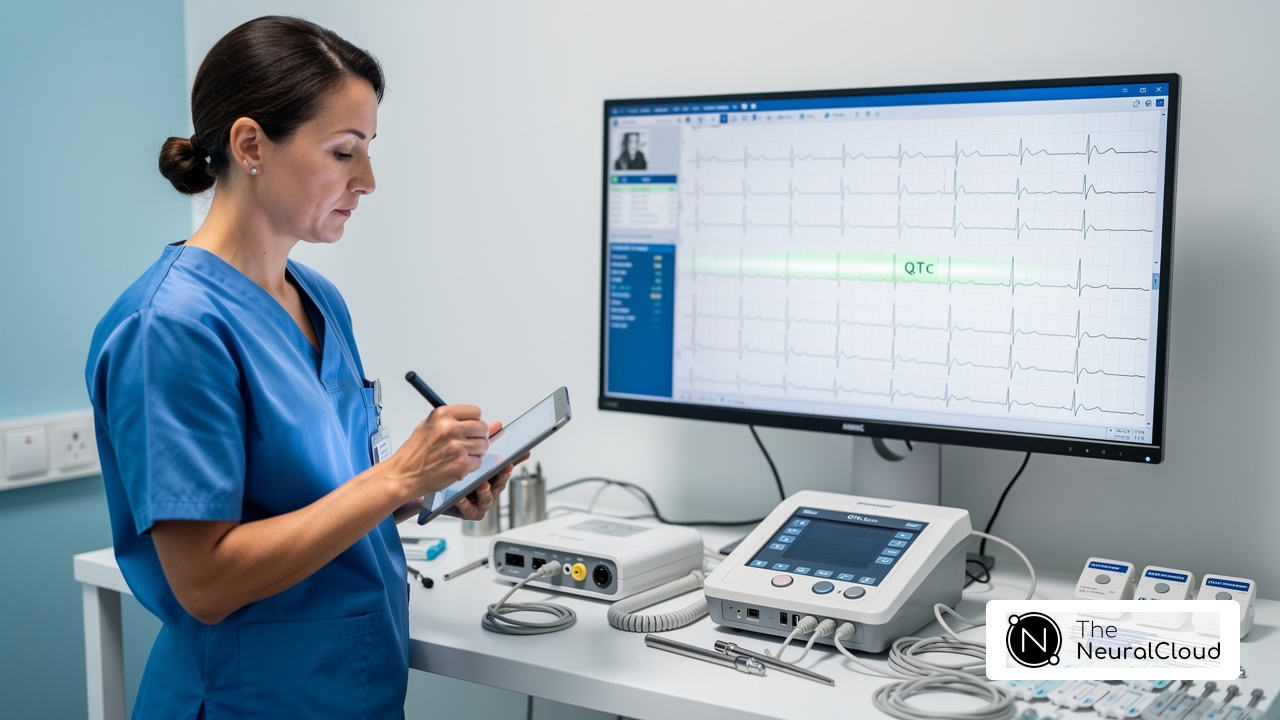
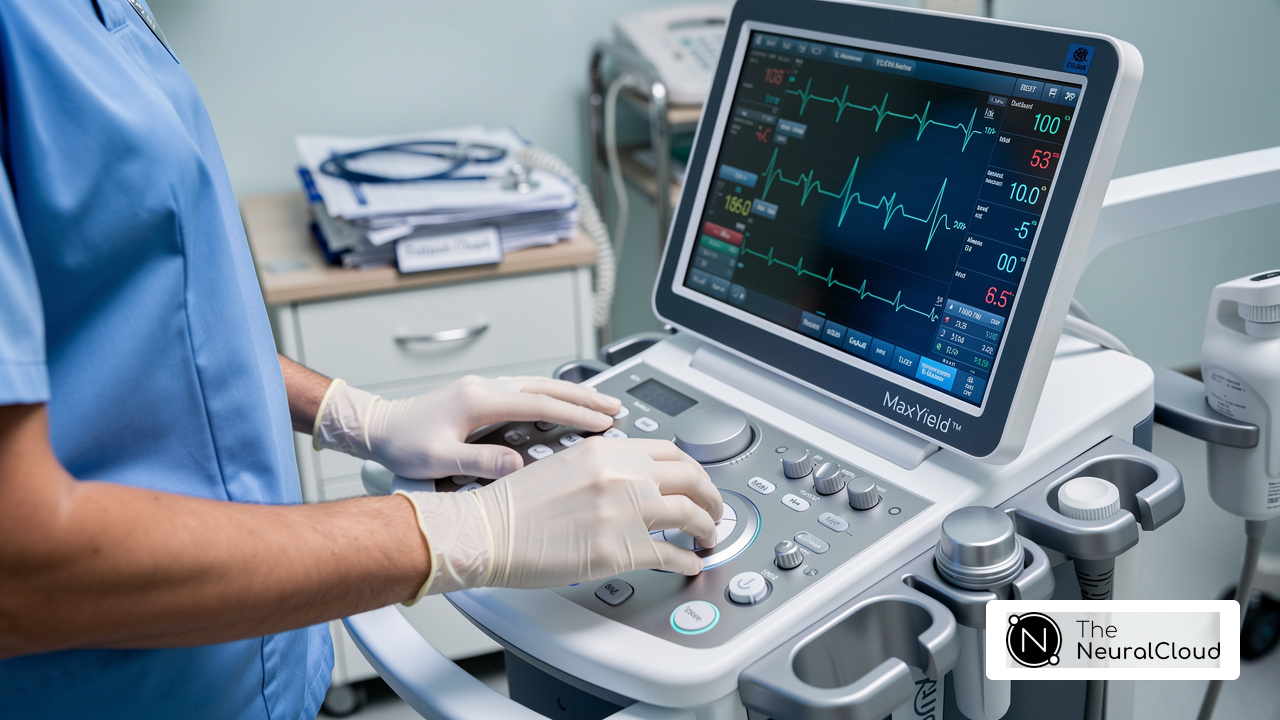
The platform from Neural Cloud Solutions addresses significant challenges in ECG analysis, including the management of ECG components in the lab notebook, by providing automated solutions. This platform harnesses advanced algorithms to process over 200,000 heartbeats in less than five minutes, enabling a comprehensive analysis that records heart rate, QRS complexes, and T-wave intervals in the ECG data. The automation not only accelerates the evaluation process but also markedly improves the quality of data recorded in the lab notebook, empowering healthcare professionals to make informed decisions with greater confidence.
Moreover, MaxYield™ is device-agnostic, allowing it to seamlessly integrate with a variety of ECG machines, thus serving as a versatile tool in diverse clinical settings. The platform continuously evolves with each use, enhancing its accuracy and efficiency while effectively addressing common challenges in ECG analysis, including the documentation of ECG components in the lab notebook, as well as improving data integrity. Importantly, MaxYield™ has the capability to recover previously obscured sections of recordings within the ECG data, ensuring that critical information is available and further supporting clinical decision-making.
ECG Lead Placement Guide: Ensuring Accurate Signal Acquisition
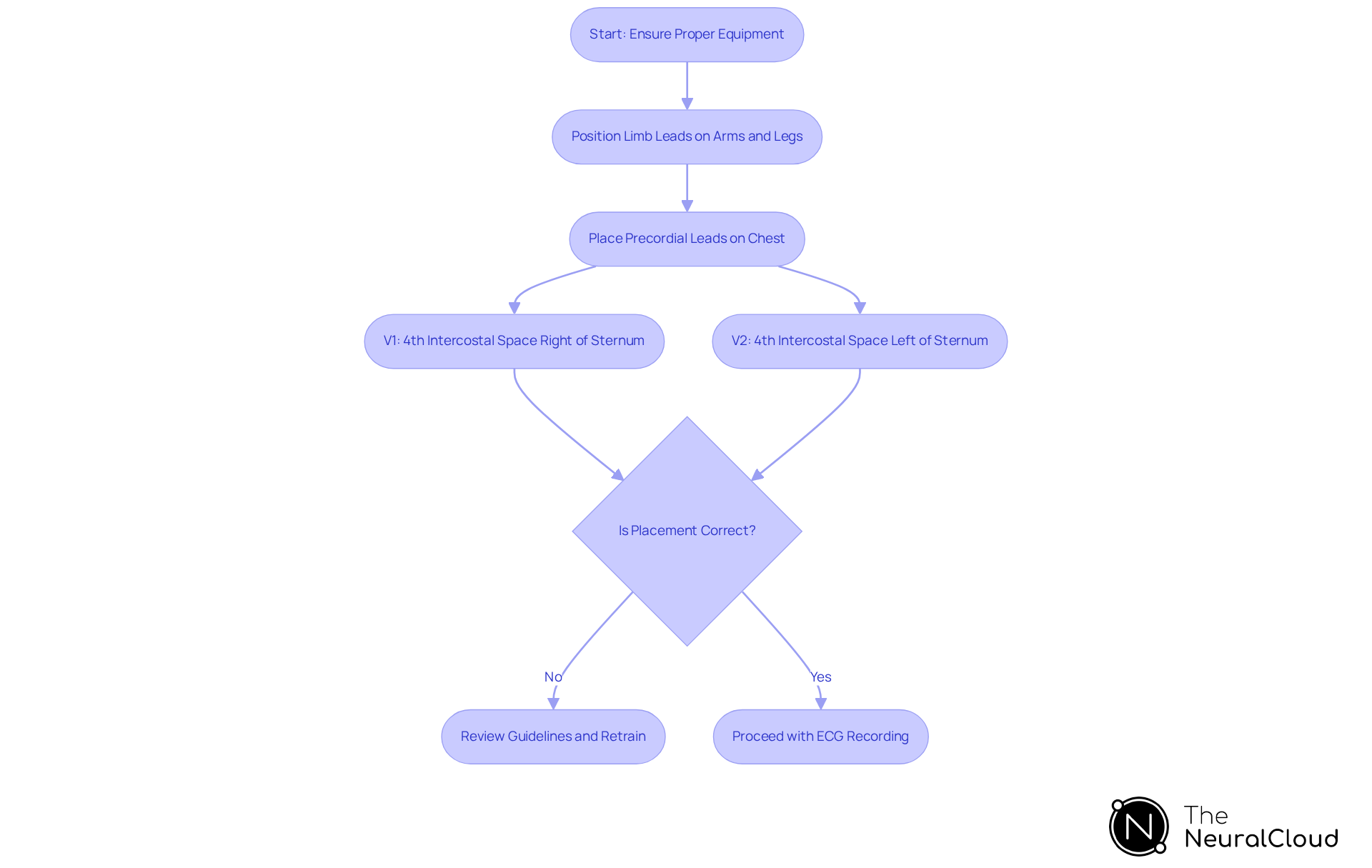
Proper lead placement is essential for obtaining reliable ECG signals. The standard 12-lead ECG necessitates specific placements: limb leads must be positioned on the arms and legs, while precordial leads are placed on the chest. For example:
- V1 is located in the fourth intercostal space to the right of the sternum.
- V2 is positioned to the left.
Research indicates that incorrect placement can result in misdiagnosis; notably, only 16% of cardiologists accurately identify the position for V1. This statistic underscores the importance of adhering to placement guidelines. A thorough training program is vital for technicians to ensure accuracy, as documented in the ECG components lab notebook, because misplacement can significantly impact diagnostic results and influence patient management.
Recent findings suggest that simulation training can markedly enhance accuracy in lead placement, emphasizing the necessity of ongoing training for healthcare professionals. By ensuring proper electrode placement, clinicians can improve the quality of ECG readings, ultimately leading to better outcomes for patients.
ECG Signal Morphology: Key Features for Diagnostic Accuracy
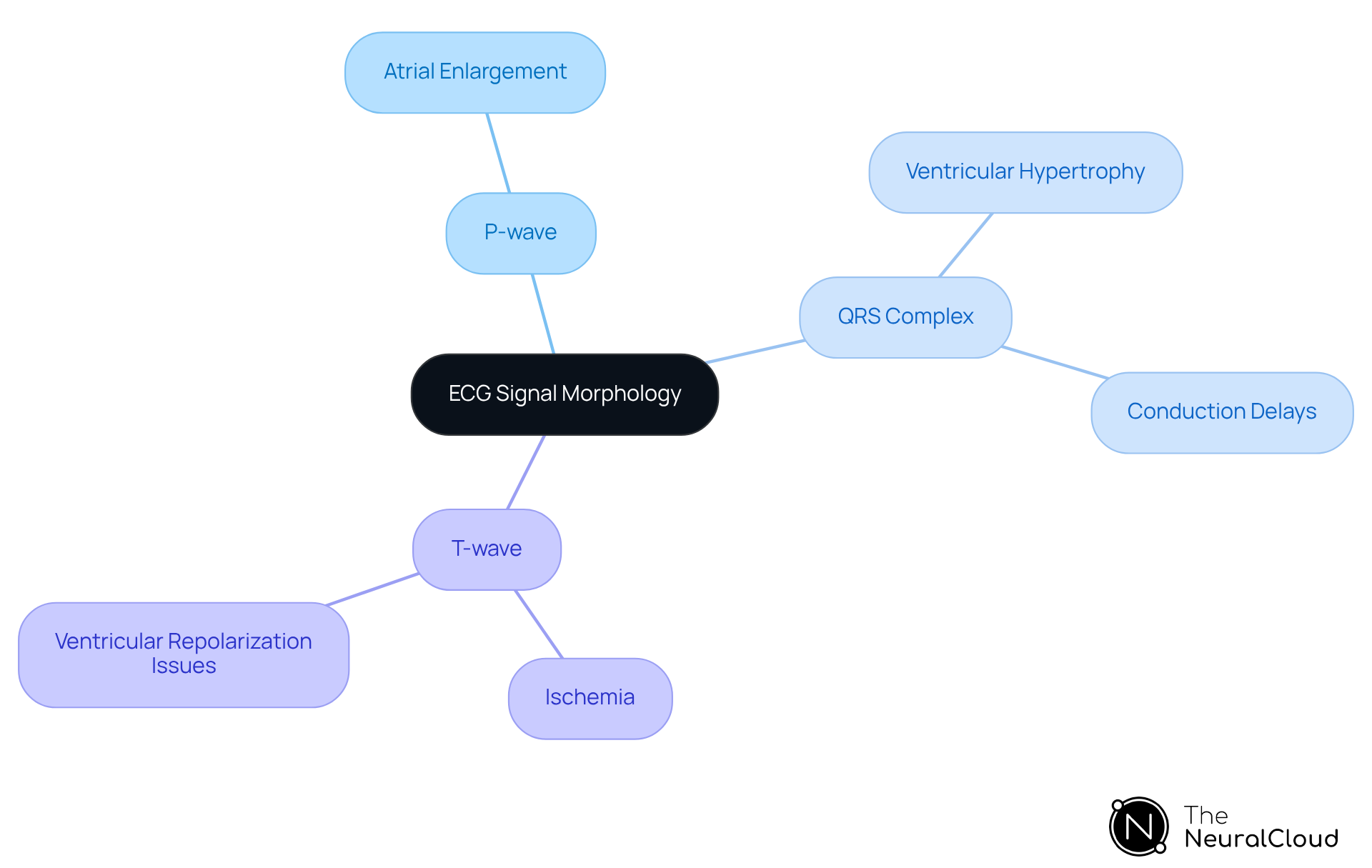
ECG signal morphology is crucial for diagnosis, encompassing key features that provide insights into cardiac health. The P wave signifies atrial depolarization, while the QRS complex indicates ventricular depolarization, and the T wave reflects ventricular repolarization. Each component in the ECG possesses distinct characteristics that can reveal various cardiac conditions. For instance, abnormalities in the QRS complex may indicate ventricular hypertrophy or conduction delays, which are essential for diagnosing heart diseases.
The interpretation of the P wave is paramount. The P wave can reveal atrial enlargement, while the QRS complex is vital for assessing ventricular function. The T wave is equally important, as its inversion can signal ischemia or other cardiac issues. A study found that the prevalence of left ventricular hypertrophy (ECG-LVH) in certain populations was 6.6%, underscoring the necessity of accurate interpretation in clinical practice.
Leading cardiologists emphasize the importance of accurately interpreting these ECG features. They assert that understanding the nuances of the P wave, QRS complex, and T wave is essential for making informed clinical decisions. By concentrating on the details within the ECG, healthcare professionals can improve diagnostic accuracy, ultimately improving patient outcomes. Furthermore, advancements in technology, such as Neural Cloud Solutions' offerings, illustrate that automated systems can achieve diagnostic accuracy comparable to that of expert cardiologists.
MaxYield™'s advanced noise filtering and adaptive algorithms facilitate the isolation and labeling of critical ECG data, significantly enhancing the reliability of cardiac assessments and streamlining the analysis process. This integration of technology not only improves the efficiency of ECG analysis but also empowers healthcare professionals with the tools necessary for precise diagnostics.
Troubleshooting ECG Artifacts: A Guide for Lab Technicians
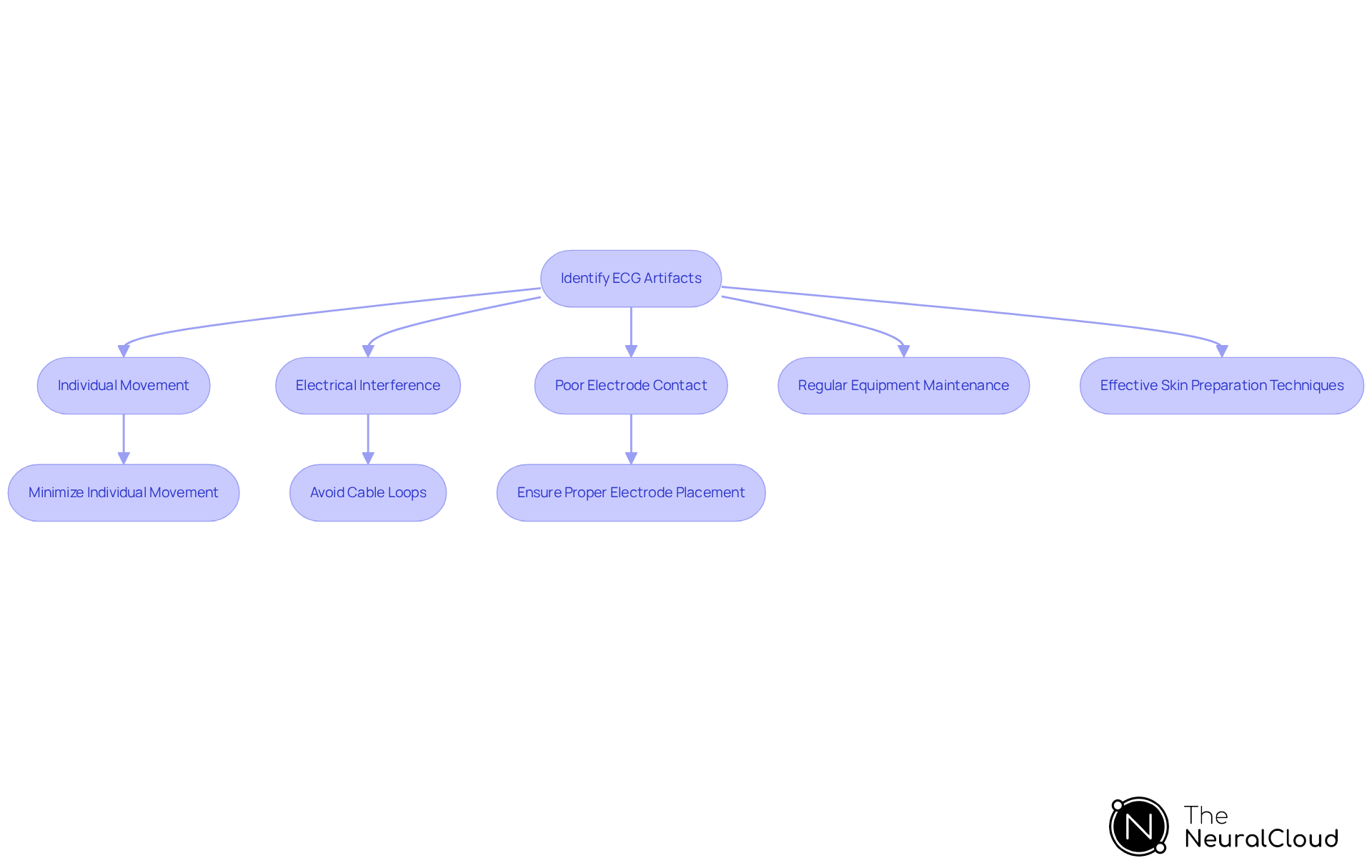
ECG artifacts can arise from various sources, such as individual movement, electrical interference, and poor electrode contact, muscle tremors, and 60 Hz interference from electrical devices. To troubleshoot these issues, technicians should ensure proper electrode placement, as errors in electrode placement occur in 0.4% to 4% of ECGs performed. Additionally, individuals should be seated or lying comfortably to reduce motion artifacts, particularly during stress tests. Additionally, avoiding cable loops and not running cables across individuals or near metal stools can help prevent interference.
The 'Neural Cloud Solutions' platform enhances ECG analysis by employing advanced algorithms and distinct wave recognition techniques. This technology identifies and labels critical data even in recordings with high levels of noise and artifacts, rapidly isolating ECG waves from recordings affected by baseline wander, movement, and muscle artifacts. Regular maintenance of ECG equipment is essential, which includes checking for loose connections and ensuring that clips and cables are in good condition, as degraded clips can lead to signal loss. Using high-quality electrodes, such as Ambu Blue Sensor ECG electrodes, can significantly reduce motion artifacts and improve signal integrity. Furthermore, implementing proper skin preparation techniques, such as using abrasion techniques and alcohol prep pads, can enhance electrode connectivity, addressing issues caused by dry skin or body hair.
Real-world examples underscore the importance of these practices. In one case study, proper preparation of the individual and electrode placement significantly improved ECG signal quality, leading to better diagnostic outcomes. Technicians should also be aware of common sources of interference, such as large electrical appliances, and take proactive steps to minimize their impact by switching off non-essential equipment nearby. By adhering to these guidelines and utilizing the features of the advanced system, technicians can ensure optimal signal quality, ultimately enhancing care for individuals.
Patient History and Medication Documentation: Contextualizing ECG Results
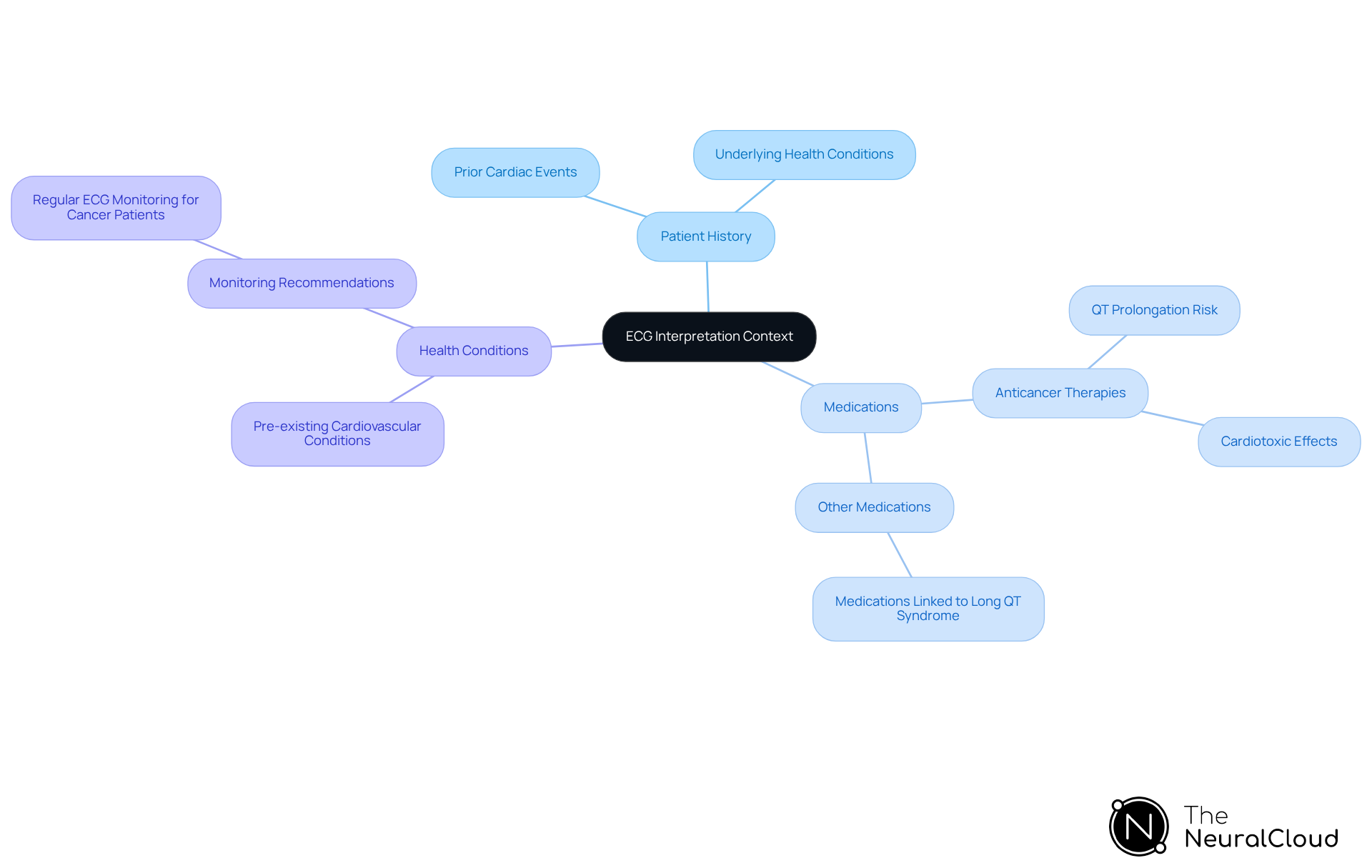
Precise documentation of medical history and medications is vital for contextualizing ECG results, especially when utilizing advanced technologies like ECG analysis software. Factors such as prior cardiac events, comorbidities, and underlying health conditions can significantly influence ECG readings. For example, certain medications, including various anticancer therapies, may prolong the QT interval, leading to potential misinterpretations if not adequately considered. The software enhances analysis by identifying and labeling critical data, even amidst high levels of noise and artifact. This capability allows clinicians to salvage previously obscured sections of lengthy ECG recordings.
Clinicians must maintain thorough documentation to ensure that ECG results are interpreted in light of the individual's overall health status, thus improving diagnostic accuracy. Insights from cardiologists underscore the importance of understanding an individual's medication regimen, as it can directly impact the interpretation of ECG findings. Notably, the European Society of Cardiology recommends regular ECG monitoring for cancer patients undergoing treatments that risk arrhythmias, emphasizing the importance of this practice in identifying potential complications. Furthermore, it is crucial to recognize that at least 50 medications have been linked to long QT syndrome, underscoring the significance of documenting these medications in the patient record for accurate ECG interpretation.
By incorporating the software's automated labeling and analysis features, which enhance accuracy with each application, healthcare professionals can address challenges in ECG evaluation. This ultimately results in more reliable diagnoses. The platform's ability to streamline the analysis process not only improves accuracy but also enhances the overall quality of patient care.
ECG Interpretation Guidelines: Standardizing Analysis and Reporting
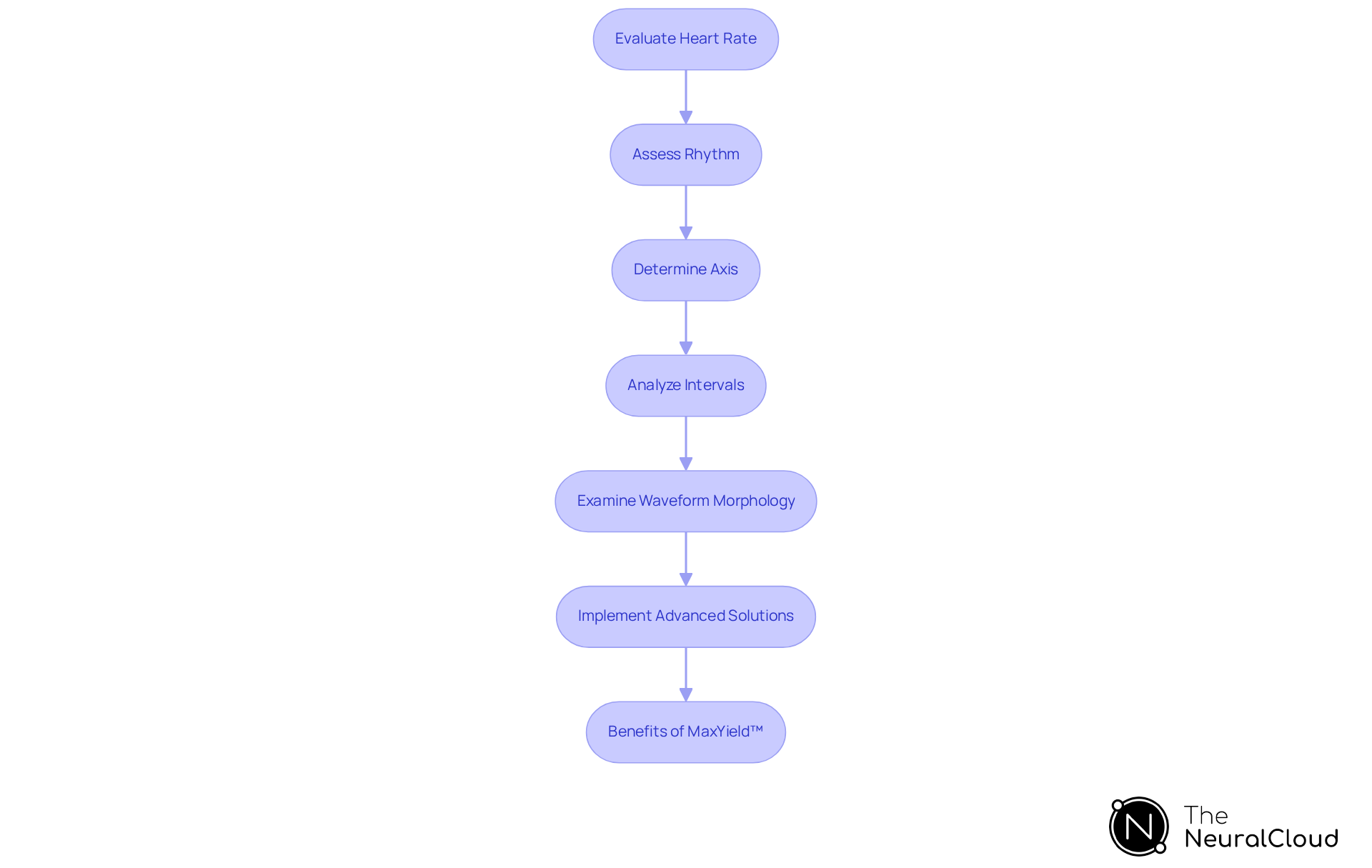
Standardized ECG interpretation guidelines are essential for ensuring consistency and precision in evaluation. These guidelines detail the steps for evaluating heart rate, rhythm, axis, intervals, and waveform morphology. Adhering to these protocols minimizes discrepancies in interpretation, enhancing the reliability of ECG reports. A study was only 54% before training, improving to 67% post-training, underscoring the need for standardized protocols. Training programs are crucial for upholding high standards in ECG interpretation.
Case studies have demonstrated that training methods, such as workshop approaches, significantly enhance skills among medical students, further highlighting the necessity of consistent training. By promoting an environment of ongoing education, healthcare professionals can guarantee precise analysis and reporting, ultimately resulting in improved outcomes for patients. The integration of technologies like Neural Cloud Solutions' MaxYield™ addresses challenges in ECG analysis.
MaxYield™ utilizes AI-driven automation for noise filtering and wave recognition, specifically targeting issues such as physiological variability and signal artifacts. This transformative method not only improves accuracy but also aids healthcare professionals in attaining better outcomes for those receiving care.
The features of MaxYield™ include:
- Advanced noise filtering
- Enhanced wave recognition
- Real-time analysis
The advantages of these features are clear: they streamline the process, reduce interpretation errors, and save valuable time for healthcare providers. As a result, the direct benefits for healthcare professionals include improved accuracy and increased confidence in their evaluations, ultimately leading to better patient care.
Common Cardiac Conditions Identified by ECG: Quick Reference Guide
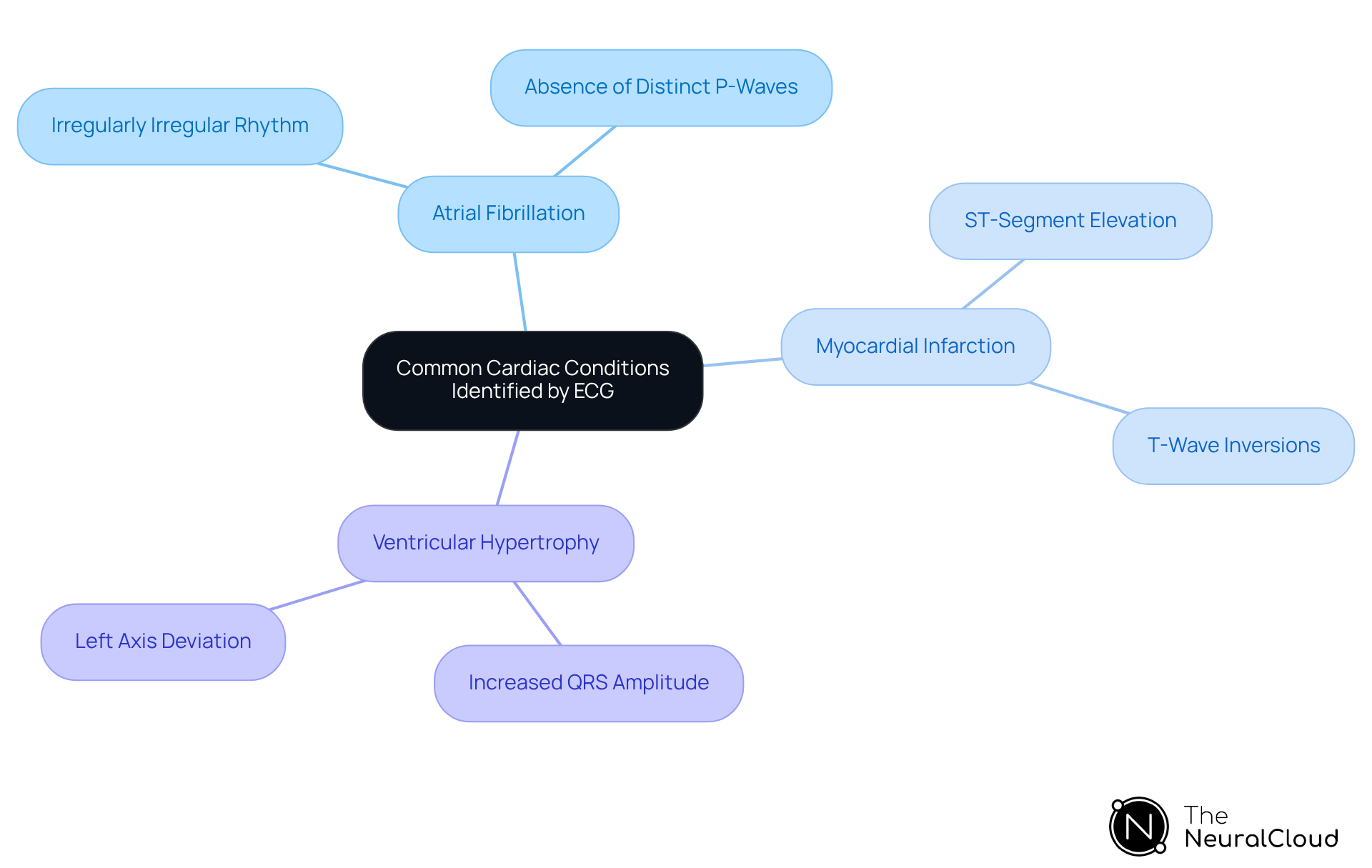
ECGs play a crucial role in diagnosing cardiac conditions, including atrial fibrillation, myocardial infarction, and ventricular hypertrophy. Atrial fibrillation is characterized by an irregularly irregular rhythm and the absence of distinct P-waves, which can be quickly identified on an ECG. In contrast, ST-segment elevation is a key indicator of an acute myocardial infarction, signaling the need for immediate medical attention.
Statistics reveal that among patients with atrial fibrillation, the identification of this condition through ECG can significantly impact treatment outcomes. Technologies, like that offered by Neural Cloud Solutions' system, improves diagnostic accuracy through signal enhancement and noise reduction. This system maps heart activity, distinguishing and tagging essential traits in each heartbeat, providing analysis and processing 200,000 heartbeats in under 5 minutes.
Dr. Pierre Elias emphasizes, "Using our technology, we may be able to turn the estimated 400 million ECGs that will be performed worldwide this year into 400 million chances to screen for and potentially deliver life-saving treatment at the most opportune time." This capability supports confident clinical decisions and addresses challenges such as misdiagnosis.
A quick reference guide for clinicians can facilitate the swift recognition of these conditions, ensuring timely intervention. Key ECG features to note include:
- Atrial Fibrillation: Irregularly irregular rhythm, absence of distinct P-waves.
- Myocardial Infarction: ST-segment elevation or depression and T-wave inversions should be recorded in the ECG components lab notebook.
Real-world examples illustrate the effectiveness of ECG in diagnosing these conditions. For instance, the incorporation of this system into clinical practice can enhance patient outcomes by tackling challenges such as misinterpretation and signal artifacts.
Latest Advancements in ECG Technology: Keeping Your Lab Notebook Current
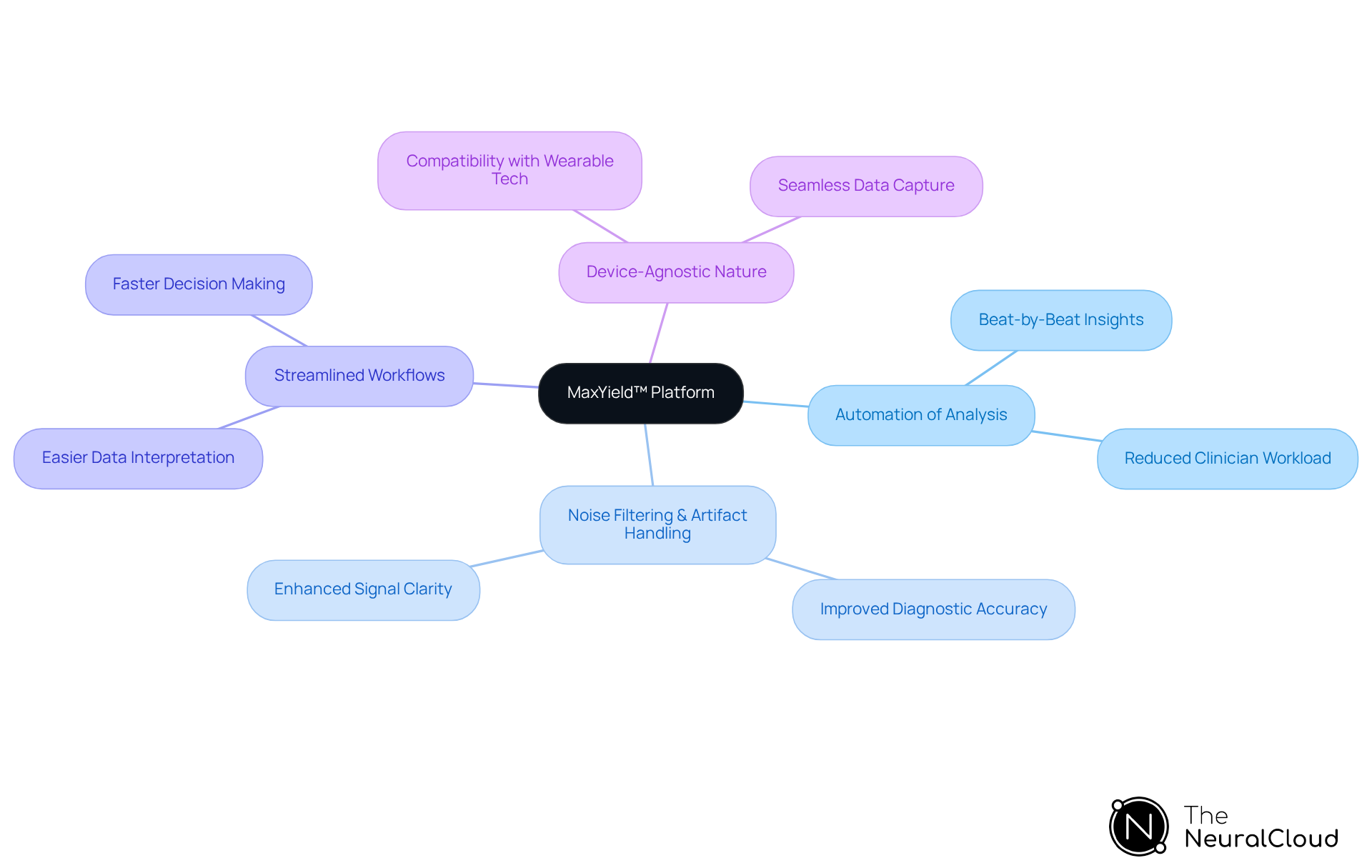
The realm of technology is rapidly advancing, presenting challenges in ECG analysis that necessitate innovative solutions. Among these advancements, the MaxYield™ platform stands out by offering a suite of features designed to enhance diagnostic clarity. It automates the analysis of ECG data, delivering beat-by-beat insights from 200,000 heartbeats in under five minutes. This automation alleviates the workload for clinicians, allowing them to focus more on patient care while improving outcomes.
Key features of the MaxYield™ platform include:
- advanced algorithms, which significantly enhance diagnostic accuracy.
- intuitive interfaces, making it easier for healthcare professionals to interpret ECG data.
- interoperability, allowing for seamless data capture from a variety of ECG devices, including wearable technology, further optimizing workflow efficiency.
By leveraging the MaxYield™ platform, healthcare professionals can stay at the forefront of ECG technology. The ability to automate not only improves diagnostic capabilities but also supports better patient management. Keeping abreast of these advancements is essential for healthcare professionals to utilize the latest tools effectively in their practice.
Legal and Ethical Considerations in ECG Data Handling: Ensuring Compliance
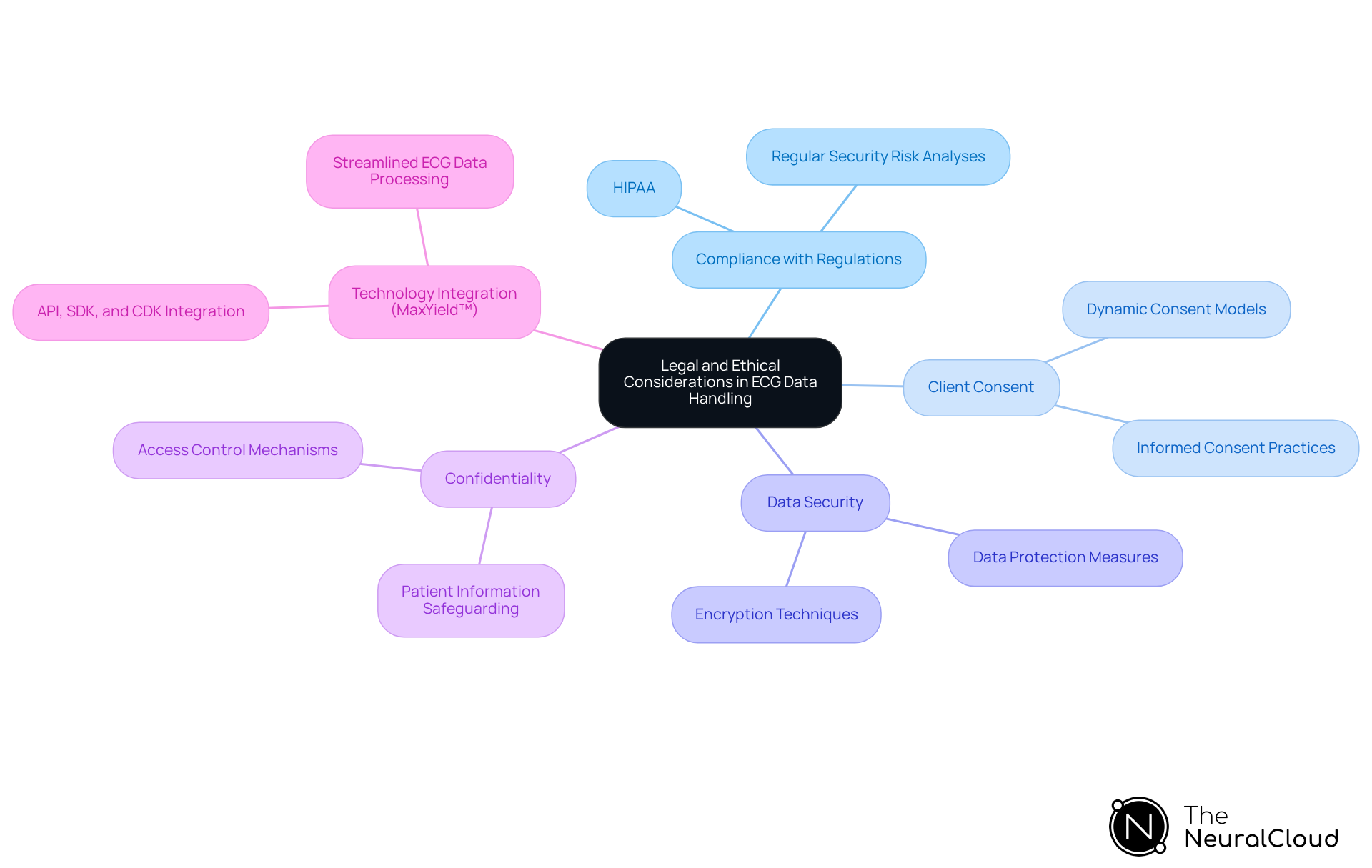
Legal and ethical considerations in ECG data handling are crucial for ensuring compliance with regulations such as HIPAA. Healthcare professionals must prioritize security, privacy, and confidentiality when managing ECG data. Implementing robust data protection measures is essential for safeguarding patient information and upholding ethical standards.
The software offers seamless integration with existing systems through API, SDK, or CDK, streamlining operations by automating labor-intensive tasks. This integration allows professionals to focus on interpreting data rather than managing it, thereby reducing overhead costs and ensuring a standardized approach to reporting ECG data. Such standardization aids regulatory submissions and improves study reproducibility and auditability.
For instance, organizations that fail to conduct regular security risk analyses often face significant penalties; 44% of healthcare data breaches are linked to mobile device use. Moreover, dynamic consent models are increasingly acknowledged as effective in permitting individuals to alter their consent preferences over time, boosting their engagement and trust in the process.
Experts emphasize that a comprehensive understanding of compliance requirements is vital; as one noted, 'The cost of noncompliance can be significantly higher than the cost of becoming compliant, especially for small practices.' Therefore, maintaining clear documentation practices and fostering a culture of compliance within healthcare settings are essential steps in protecting patient data and ensuring ethical management of the ECG components lab notebook.
With this solution, healthcare professionals can efficiently manage multiple, simultaneous trials without compromising performance, further enhancing operational efficiency.
ECG Equipment Maintenance Checklist: Ensuring Reliability and Longevity
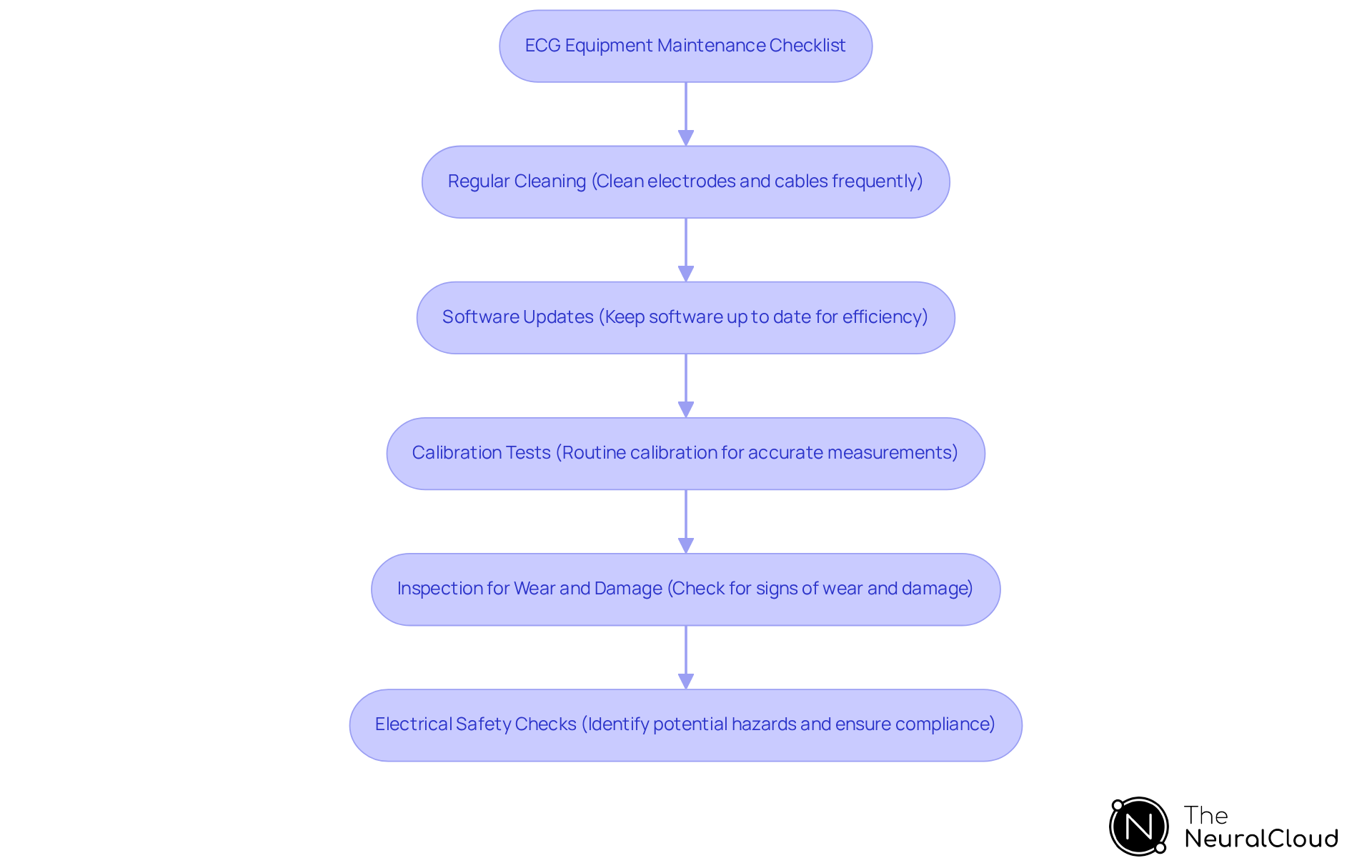
A maintenance plan is essential for ensuring both reliability and longevity, particularly when utilizing technology such as Neural Cloud Solutions' software. Key maintenance tasks include:
- Regular Cleaning: Electrodes and cables should be cleaned frequently to prevent contamination and ensure optimal performance. Cleaning should occur at the beginning and end of each day, as well as after each patient use. Routine cleaning of the ECG machine's outer surfaces is crucial to avoid the accumulation of dirt and bacteria, which can influence signal clarity and the functioning of the platform.
- Software Updates: Keeping the ECG machine's software up to date is essential for accessing the latest features and maintaining operational efficiency. This is particularly important for leveraging the capabilities of the system, which continuously evolves to enhance diagnostic accuracy.
- Calibration Tests: Regular calibration is necessary to ensure that the ECG machine produces accurate readings. This includes adjusting settings for voltage, time, amplitude, and frequency. Consistent upkeep and adjustment of ECG devices are essential to maintain them in peak operating condition, particularly when employing advanced noise filtering and wave recognition technologies.
- Inspection for Wear and Damage: Technicians should regularly inspect the equipment for any signs of wear or damage, including checking power cords, leads, and connections. Addressing issues promptly can prevent equipment failure and improve safety for patients. Inspecting ECG cables and leads is necessary to identify any signs of wear or damage, ensuring that the system can effectively utilize the equipment for optimal performance.
- Safety Audits: Conducting thorough safety audits helps identify potential hazards, ensuring compliance with safety standards and protecting both patients and healthcare professionals. Regular inspections are essential for ECG machine maintenance.
By adhering to a comprehensive maintenance schedule, healthcare facilities can minimize downtime and ensure that ECG machines operate at peak performance. Regular maintenance not only enhances the reliability of ECG readings but also significantly reduces the risk of misdiagnoses. Case studies have demonstrated improved accuracy through consistent calibration and maintenance practices, such as the study titled "Regular Maintenance," which highlighted a 20% increase in diagnostic accuracy after implementing a structured maintenance protocol. As one technician noted, "Proper maintenance ensures that the machine functions accurately, delivering precise ECG recordings that healthcare professionals can trust for accurate diagnosis and treatment decisions." This commitment to maintenance ultimately fosters a culture of safety and reliability in cardiac diagnostics, particularly when combined with the advanced capabilities of Neural Cloud Solutions' technology.
Conclusion
The exploration of essential ECG components for lab notebooks underscores the critical role of accurate documentation and advanced technology in enhancing cardiac diagnostics. Integrating automated systems like Neural Cloud Solutions' MaxYield™ allows healthcare professionals to streamline the evaluation process, ensuring meticulous recording and analysis of each ECG component. This integration not only improves data quality but also empowers clinicians to make informed decisions based on reliable insights.
Key arguments throughout the article emphasize the significance of:
- Proper lead placement
- Understanding ECG signal morphology
- Maintaining comprehensive patient histories
Each of these elements contributes to a more accurate interpretation of ECG results, ultimately leading to better patient outcomes. Furthermore, the incorporation of advanced technology aids in troubleshooting common artifacts and standardizing ECG interpretation, further enhancing the reliability of clinical assessments.
As the field of ECG technology continues to advance, it is vital for healthcare professionals to stay informed about new tools and best practices. Embracing innovations such as the MaxYield™ platform can significantly transform ECG analysis, making it more efficient and accurate. By prioritizing ongoing education and adherence to established guidelines, clinicians not only enhance their diagnostic capabilities but also ensure the highest standards of patient care in a rapidly evolving healthcare landscape.
Frequently Asked Questions
What is the MaxYield™ platform by Neural Cloud Solutions?
The MaxYield™ platform is an automated ECG analysis tool that enhances signal clarity through advanced noise filtering and artifact management, allowing for efficient evaluation of ECG data.
How does MaxYield™ improve ECG analysis?
MaxYield™ automates the evaluation process, processes over 200,000 heartbeats in less than five minutes, and records essential ECG features, which improves the quality of data and empowers healthcare professionals to make informed decisions.
Is MaxYield™ compatible with different ECG devices?
Yes, MaxYield™ is device-agnostic, meaning it can seamlessly integrate with various ECG components, making it versatile for use in different clinical settings.
How does MaxYield™ enhance its performance over time?
The platform continuously evolves with each use, improving its accuracy and efficiency while addressing common challenges in ECG analysis.
What are the key components of ECG signal morphology?
The key components include the P-wave (atrial depolarization), QRS complex (ventricular depolarization), and T-wave (ventricular repolarization), each providing insights into cardiac health.
Why is accurate lead placement important for ECG readings?
Accurate lead placement is essential for reliable ECG signals; incorrect placement can lead to misleading results, affecting patient management and outcomes.
What does recent research indicate about lead placement accuracy among cardiologists?
Research shows that only 16% of cardiologists accurately identify the position for the V1 lead, highlighting the need for adherence to established guidelines and ongoing training.
How can healthcare professionals improve their ECG lead placement skills?
Educational interventions and ongoing training can significantly enhance accuracy in lead placement, ensuring optimal signal acquisition.
What is the significance of the T-wave in ECG analysis?
The T-wave is crucial as its inversion can indicate ischemia or other cardiac issues, making it important for diagnosing heart conditions.
How does AI technology contribute to ECG interpretation?
Advancements in AI, such as those offered by Neural Cloud Solutions, enable automated ECG interpretation that achieves diagnostic accuracy comparable to expert cardiologists, enhancing the reliability of cardiac assessments.
List of Sources
- Neural Cloud Solutions MaxYield™: Automated ECG Analysis for Enhanced Clarity
- dataintelo.com (https://dataintelo.com/report/global-automated-ecg-analysis-software-market)
- cdt.amegroups.org (https://cdt.amegroups.org/article/view/34803/html)
- anumana.ai (https://anumana.ai)
- Current and Future Use of Artificial Intelligence in Electrocardiography - PMC (https://pmc.ncbi.nlm.nih.gov/articles/PMC10145690)
- heart.org (https://heart.org/en/news/2023/11/06/can-ekgs-read-by-ai-save-lives-its-possible-researchers-say)
- ECG Lead Placement Guide: Ensuring Accurate Signal Acquisition
- pmc.ncbi.nlm.nih.gov (https://pmc.ncbi.nlm.nih.gov/articles/PMC8312365)
- researchgate.net (https://researchgate.net/publication/316969171_Accuracy_in_precordial_ECG_lead_placement_Improving_performance_through_a_peer-led_educational_intervention)
- Accuracy and knowledge in 12-lead ECG placement among nursing students and nurses: a web-based Italian study - PMC (https://pmc.ncbi.nlm.nih.gov/articles/PMC8023103)
- researchgate.net (https://researchgate.net/publication/6076864_Accuracy_in_ECG_lead_placement_among_technicians_nurses_general_physicians_and_cardiologists)
- Assessing the Accuracy of ECG Chest Electrode Placement by EMS and Clinical Personnel Using Two Evaluation Methods | International Journal of Paramedicine (https://internationaljournalofparamedicine.com/index.php/ijop/article/view/2897)
- ECG Signal Morphology: Key Features for Diagnostic Accuracy
- nature.com (https://nature.com/articles/s41598-021-86693-2)
- imperial.nhs.uk (https://imperial.nhs.uk/about-us/news/ai-model-can-predict-health-risks)
- New AI approach set to revolutionize ECG data interpretation in heart disease diagnosis (https://news-medical.net/news/20250219/New-AI-approach-set-to-revolutionize-ECG-data-interpretation-in-heart-disease-diagnosis.aspx)
- AI-powered ECG model outperforms doctors in detecting hidden heart disease (https://news-medical.net/news/20250721/AI-powered-ECG-model-outperforms-doctors-in-detecting-hidden-heart-disease.aspx)
- How is AI transforming ECG interpretation? | AI ECG (https://powerfulmedical.com/blog/how-is-ai-transforming-ecg-interpretation)
- Troubleshooting ECG Artifacts: A Guide for Lab Technicians
- numed.co.uk (https://numed.co.uk/news/best-practices-in-ecg-recording)
- array.aami.org (https://array.aami.org/content/news/tips-quickly-resolving-issues-ecg-machines)
- researchgate.net (https://researchgate.net/publication/23964155_Electrocardiography_Pitfalls_and_Artifacts_The_10_Commandments)
- numed.co.uk (https://numed.co.uk/news/reducing-ecg-artifact)
- pmc.ncbi.nlm.nih.gov (https://pmc.ncbi.nlm.nih.gov/articles/PMC6931710)
- Patient History and Medication Documentation: Contextualizing ECG Results
- researchgate.net (https://researchgate.net/publication/346113079_Artificial_Intelligence_Machine_Learning_and_Reasoning_in_Health_Informatics-Case_Studies)
- scribd.com (https://scribd.com/document/659898111/Case-Files-Medical-Ethics-and-Professionalism-Eugene-C-Toy-Susan-P-Raine-Etc-Z-Library-3)
- Be aware of how drugs can affect heart rhythms, report says (https://heart.org/en/news/2020/09/15/be-aware-of-how-drugs-can-affect-heart-rhythms-report-says)
- gehealthcare.com (https://gehealthcare.com/insights/article/cardiotoxicity-and-drug-therapies-how-ecg-can-help?srsltid=AfmBOopaOhnvybYIAM5dEykct4Tx7KkvLZWInn5wTjxjOca4E5Fg8jna)
- ECG Interpretation Guidelines: Standardizing Analysis and Reporting
- researchgate.net (https://researchgate.net/publication/346113079_Artificial_Intelligence_Machine_Learning_and_Reasoning_in_Health_Informatics-Case_Studies)
- rch.org.au (https://rch.org.au/clinicalguide/guideline_index/Basic_Paediatric_ECG_interpretation)
- researchgate.net (https://researchgate.net/publication/344423814_Accuracy_of_Physicians'_Electrocardiogram_Interpretations_A_Systematic_Review_and_Meta-analysis)
- Common Cardiac Conditions Identified by ECG: Quick Reference Guide
- AI-powered ECG model outperforms doctors in detecting hidden heart disease (https://news-medical.net/news/20250721/AI-powered-ECG-model-outperforms-doctors-in-detecting-hidden-heart-disease.aspx)
- cuimc.columbia.edu (https://cuimc.columbia.edu/news/can-ai-detect-hidden-heart-disease)
- nyp.org (https://nyp.org/advances/article/cardiology/study-shows-ai-screening-tool-developed-at-newyork-presbyterian-and-columbia-can-detect-structural-heart-disease-using-electrocardiogram-data)
- Electrocardiography - Wikipedia (https://en.wikipedia.org/wiki/Electrocardiography)
- Latest Advancements in ECG Technology: Keeping Your Lab Notebook Current
- Philips Launches ECG AI Marketplace to Enhance Early Cardiac Diagnosis (https://usa.philips.com/a-w/about/news/archive/standard/news/press/2025/philips-launches-ecg-ai-marketplace-to-enhance-early-cardiac-diagnosis.html)
- signifyresearch.net (https://signifyresearch.net/insights/the-ecgs-apple-moment-philips-launches-ai-ecg-marketplace)
- quiverquant.com (https://quiverquant.com/news/HeartSciences+Inc.+Reports+Fiscal+Year+2025+Financial+Results+and+Strategic+Advances+in+AI-Enhanced+ECG+Technology)
- medicaleconomics.com (https://medicaleconomics.com/view/accurkardia-wins-best-new-tech-solution-for-ecg-at-medtech-breakthrough-awards)
- Legal and Ethical Considerations in ECG Data Handling: Ensuring Compliance
- statnews.com (https://statnews.com/2020/06/03/mayo-clinic-patient-data-fuels-artificial-intelligence-consent-concerns)
- mdpi.com (https://mdpi.com/2075-4426/14/3/282)
- securityboulevard.com (https://securityboulevard.com/2025/06/how-the-new-hipaa-regulations-2025-will-impact-healthcare-compliance)
- Looking for HIPAA Compliance Quotes? (https://compliancy-group.com/hipaa-compliance-quotes)
- jmir.org (https://jmir.org/2023/1/e42507)
- ECG Equipment Maintenance Checklist: Ensuring Reliability and Longevity
- researchgate.net (https://researchgate.net/publication/346113079_Artificial_Intelligence_Machine_Learning_and_Reasoning_in_Health_Informatics-Case_Studies)
- medicalsearch.com.au (https://medicalsearch.com.au/buying-guide/maintenance-and-calibration-of-ecg-machines/f/24930)